About Us
About us
NIUA’S Water & Environment Vertical
NIUA’S Water & Environment Vertical
NIUA’s Water and Environment Vertical focuses on developing enabling frameworks, mechanisms, and pathways to help Indian cities manage their water and environmental sectors sustainably.
Given our affiliation with India’s Ministry of Housing and Urban Affairs, our vision and work are geared towards making a noticeable difference on the ground. We support the Ministry in implementing various national urban missions and initiatives that affect urban water and the environment. Additionally, we work with several national and international resource partners with an agenda and mandate similar to ours.


Our Approach
Nationwide strategic blueprints for urban transformation
Developing national level strategic frameworks applicable for all cities to facilitate on the ground action in specific domains.
Our Approach
Driving inclusive change for a better tomorrow
Engaging with different sections of society with a view to target long term transformational change.
Our Approach
Piloting innovative concepts and technologies
Supporting the piloting of innovative concepts and technologies through demonstration projects.
Our Approach
Niche capacity building modules
Developing niche capacity building modules and certification programmes to meet the common needs of cities
Our Approach
Strategic partnerships for urban water and environmental governance
Strengthening cross-sector collaboration among municipalities, civil society, research institutions, international agencies, and the private sector to advance integrated and evidence-based urban water management.
Our Approach
Leading action research in new and emerging areas
Exploring uncharted and emerging themes to translate knowledge into scalable, real-world impact.
Our Approach
Digital tools and instruments
Developing digital tools and instruments to help cities move up the state-of-the-art ladder.
Our Approach
Guidance documents and advisories
Preparing guidance documents and advisories for areas where knowledge gaps exist.

What we do
Our Projects
Making a difference
What we do
Our Projects
Making a difference
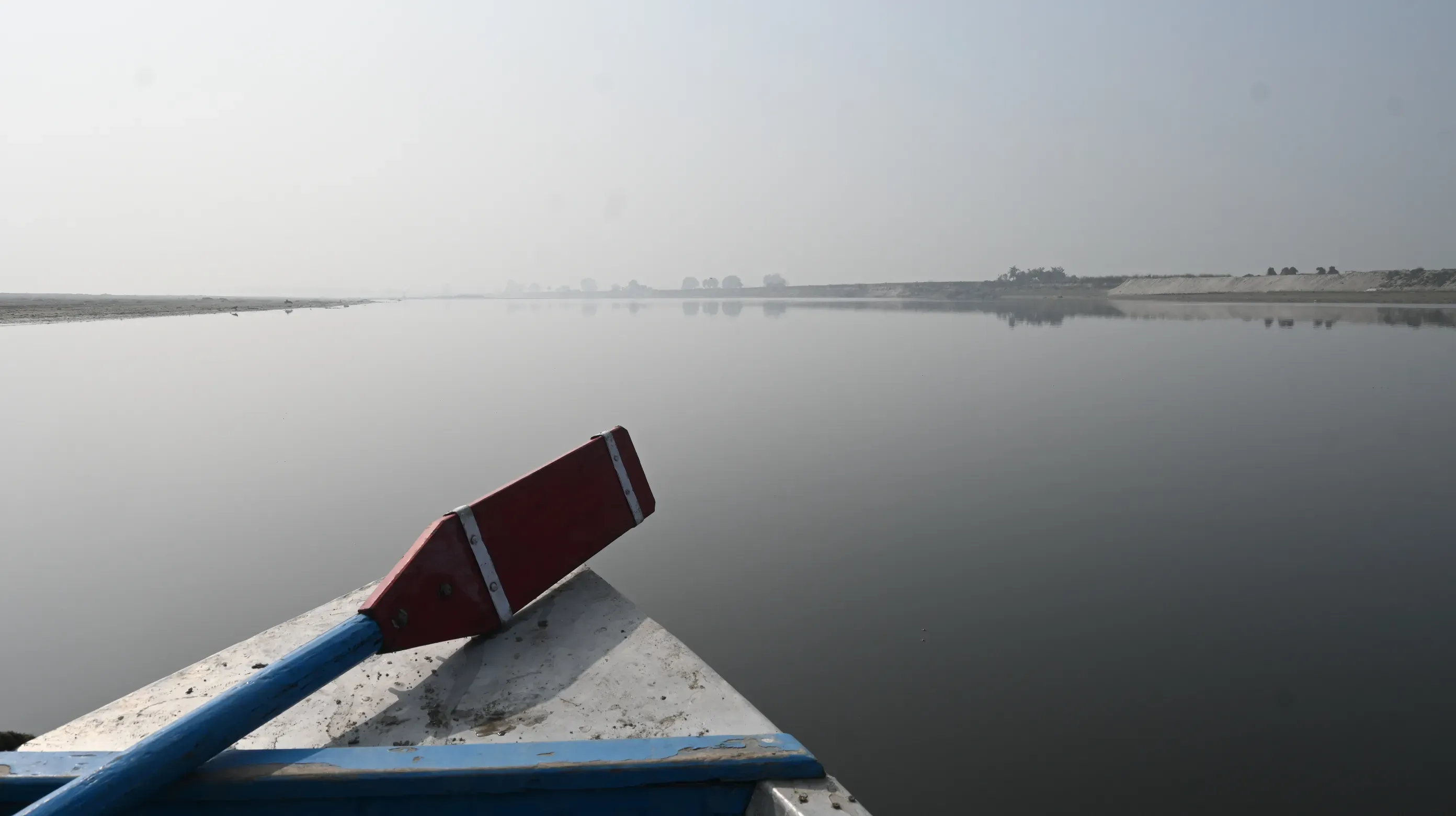
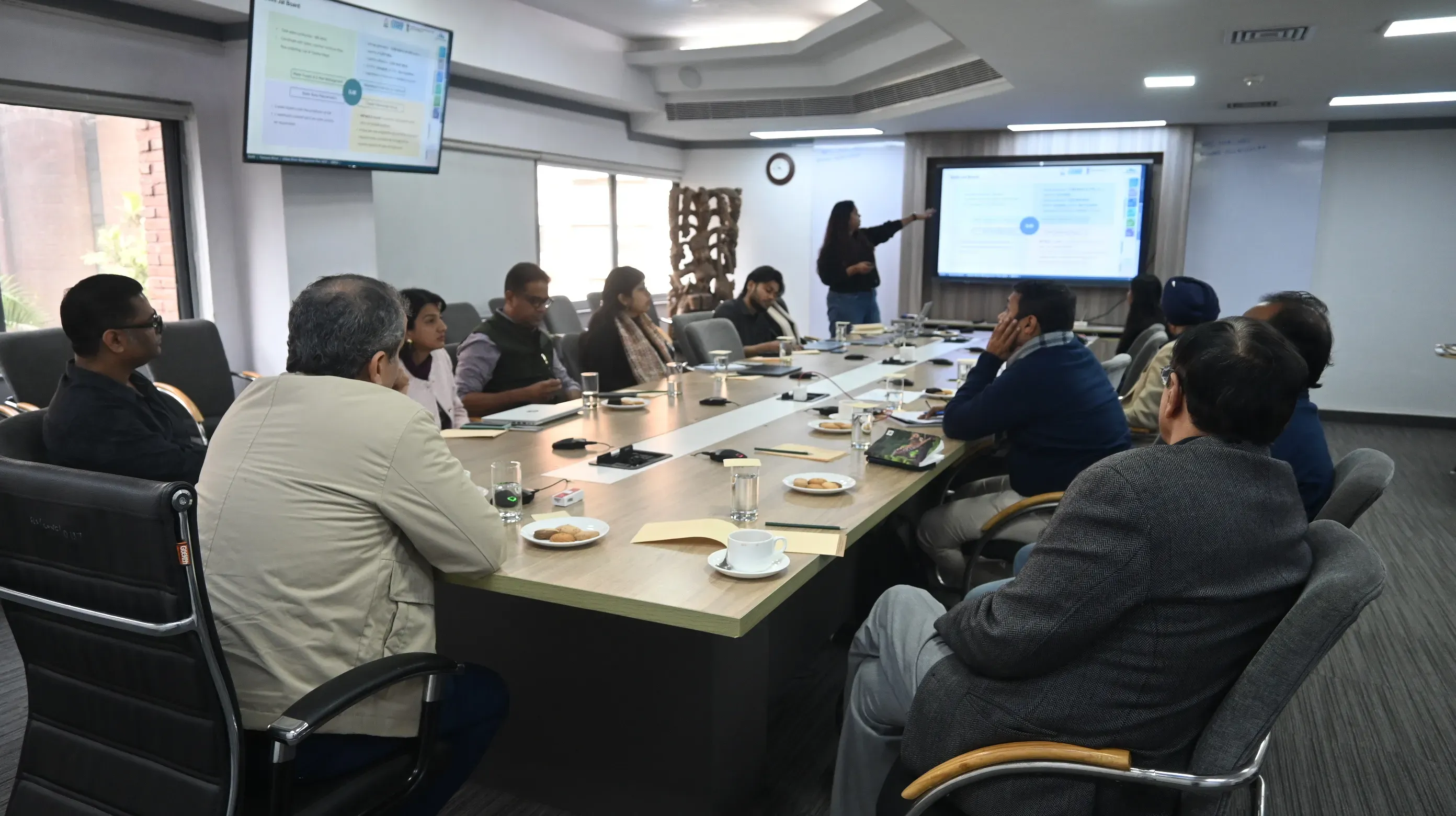
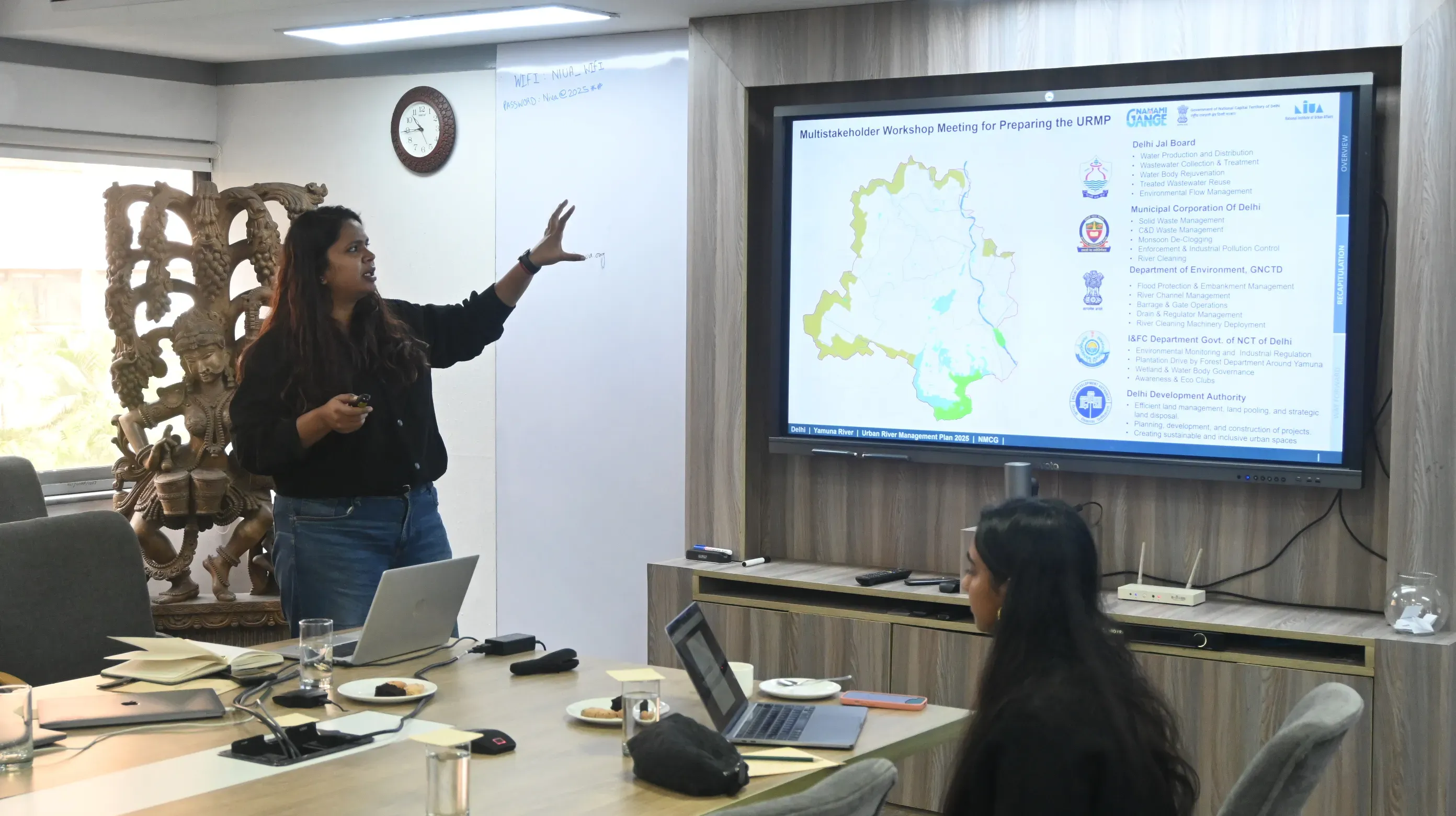
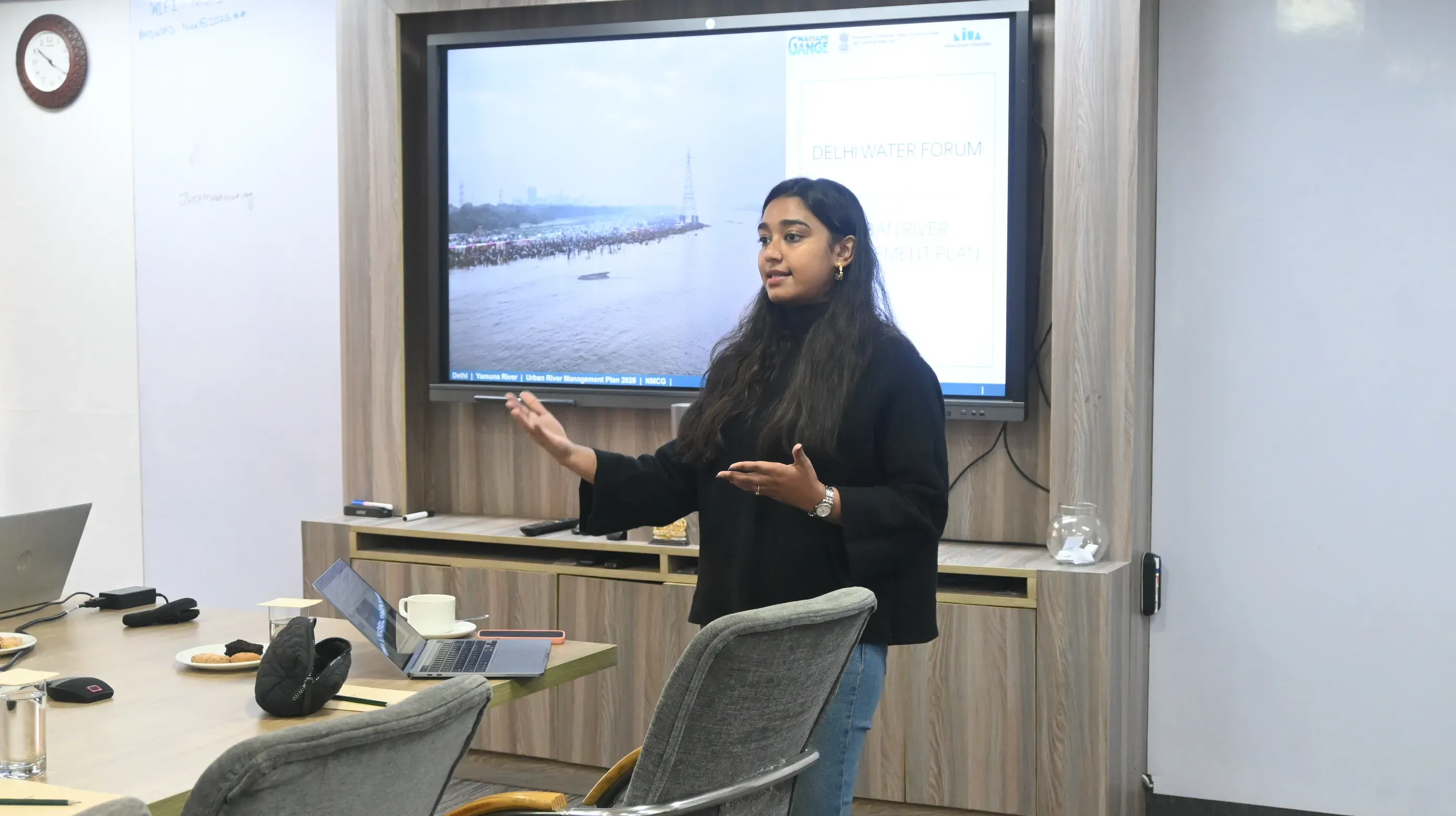
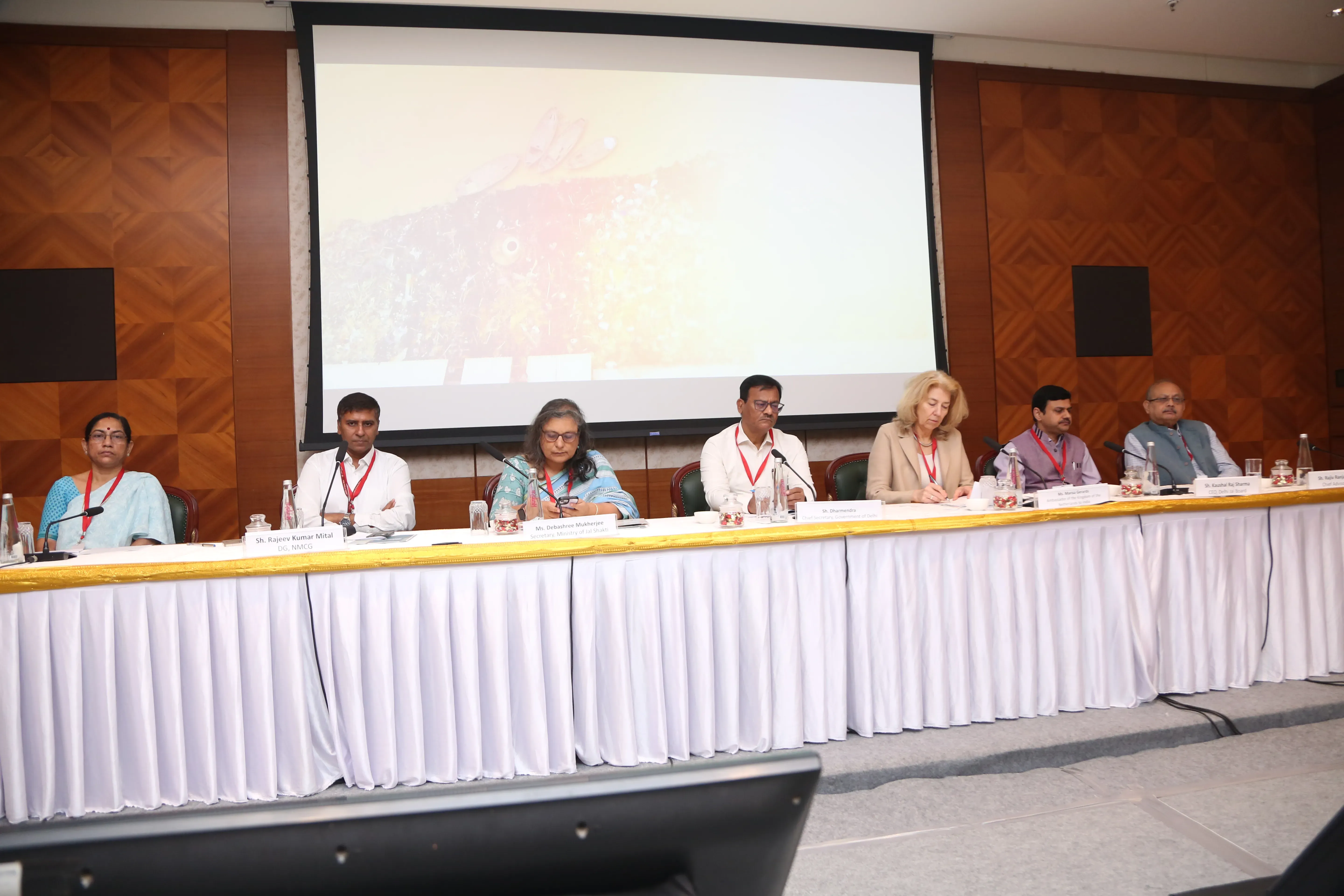
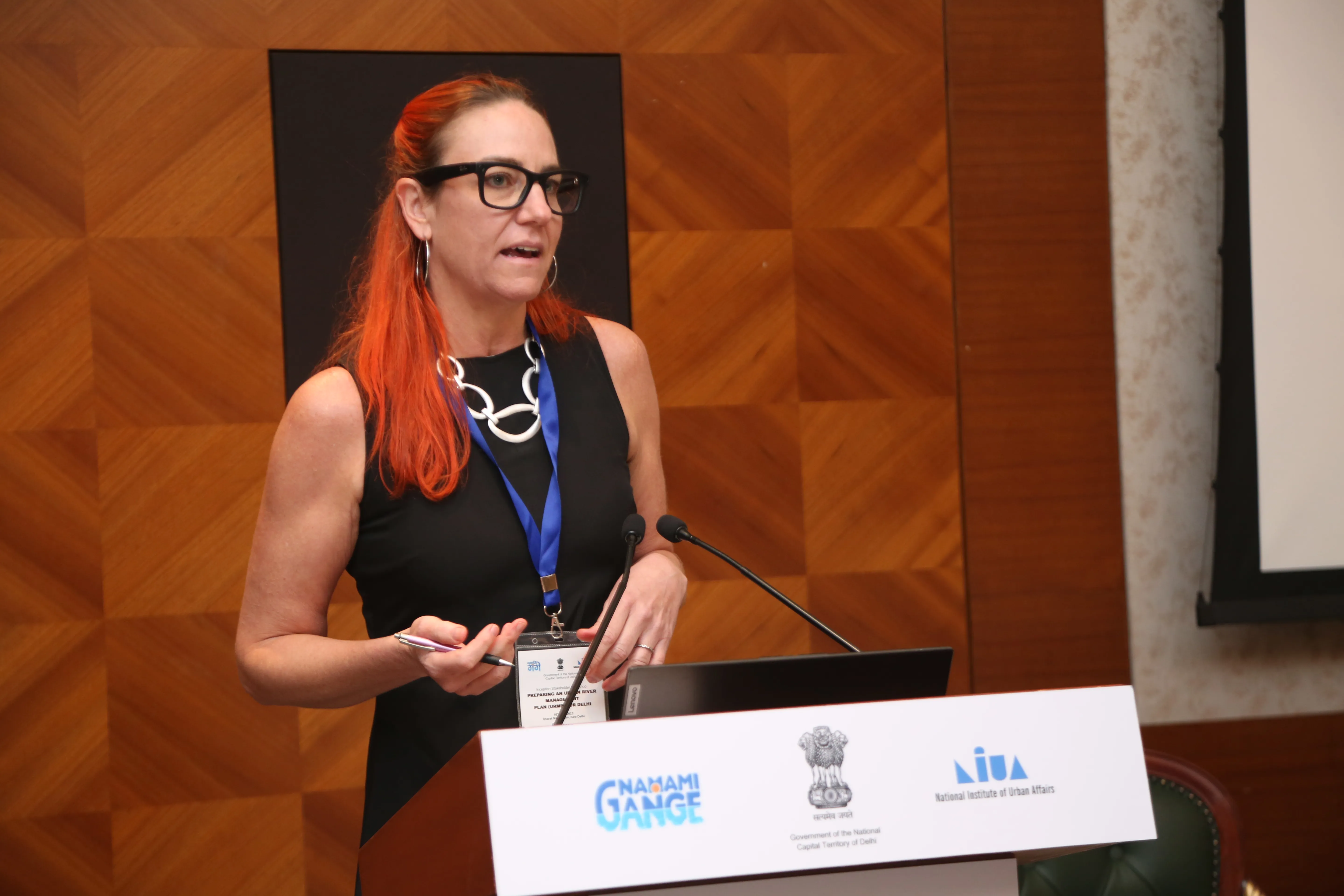
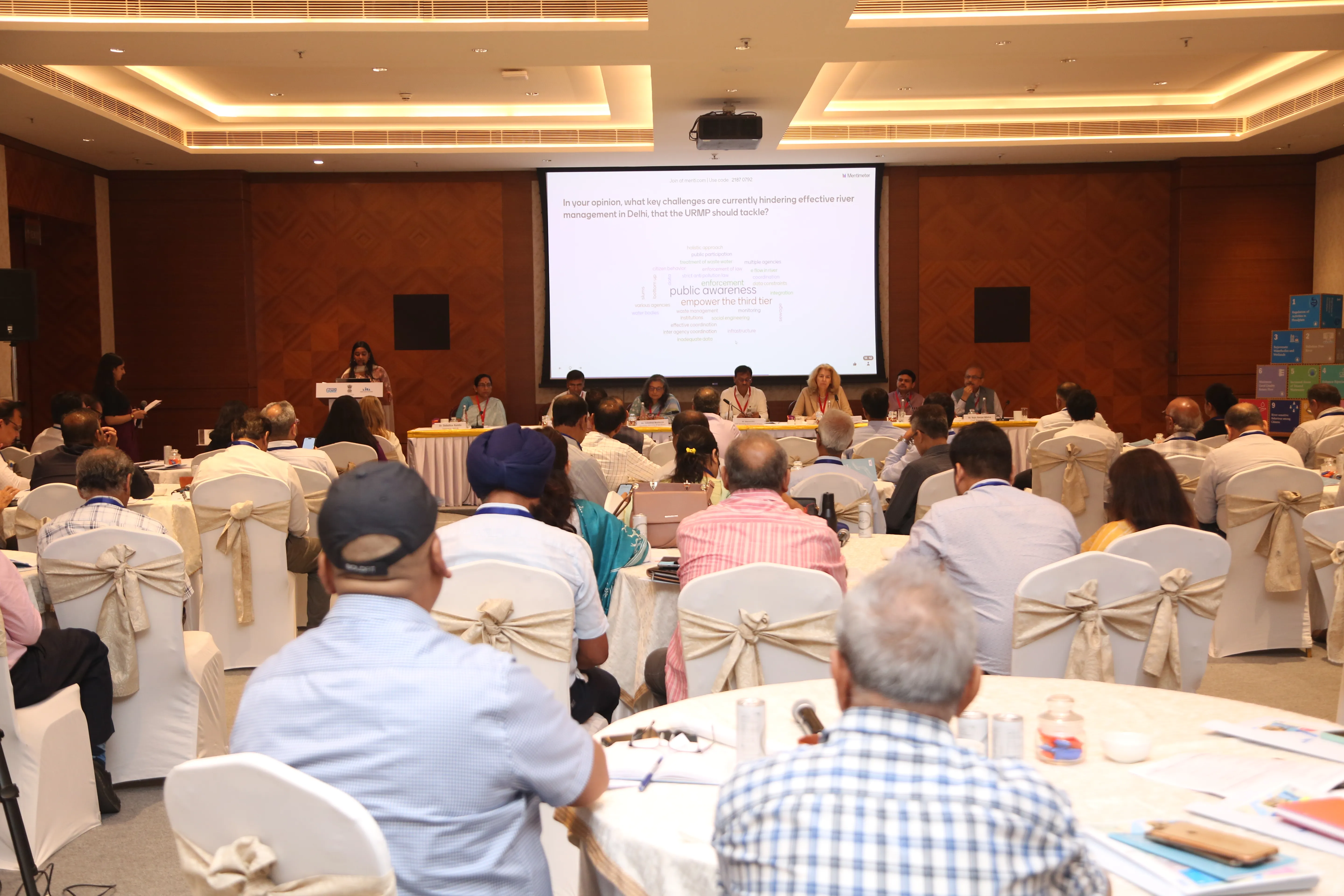
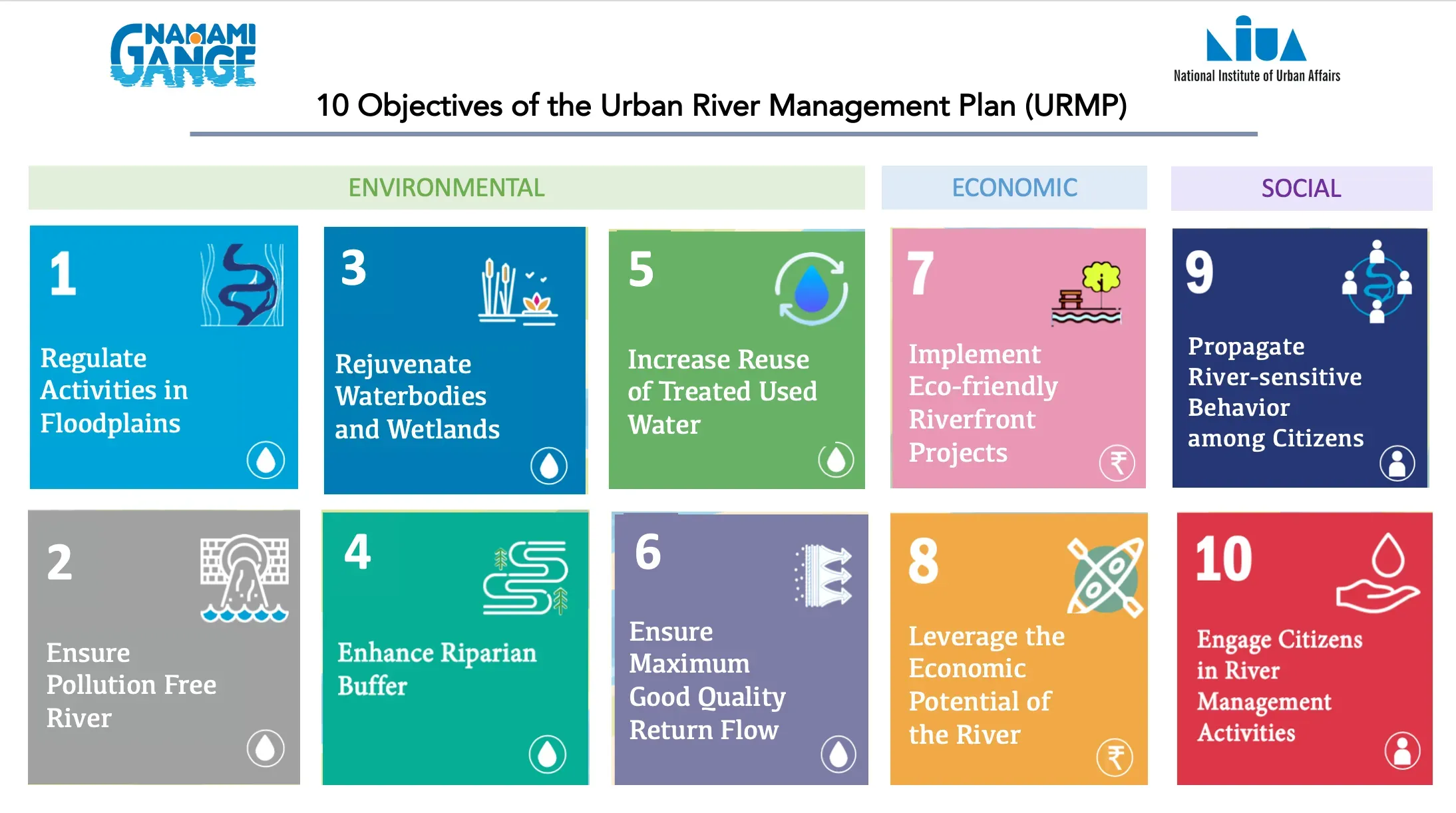
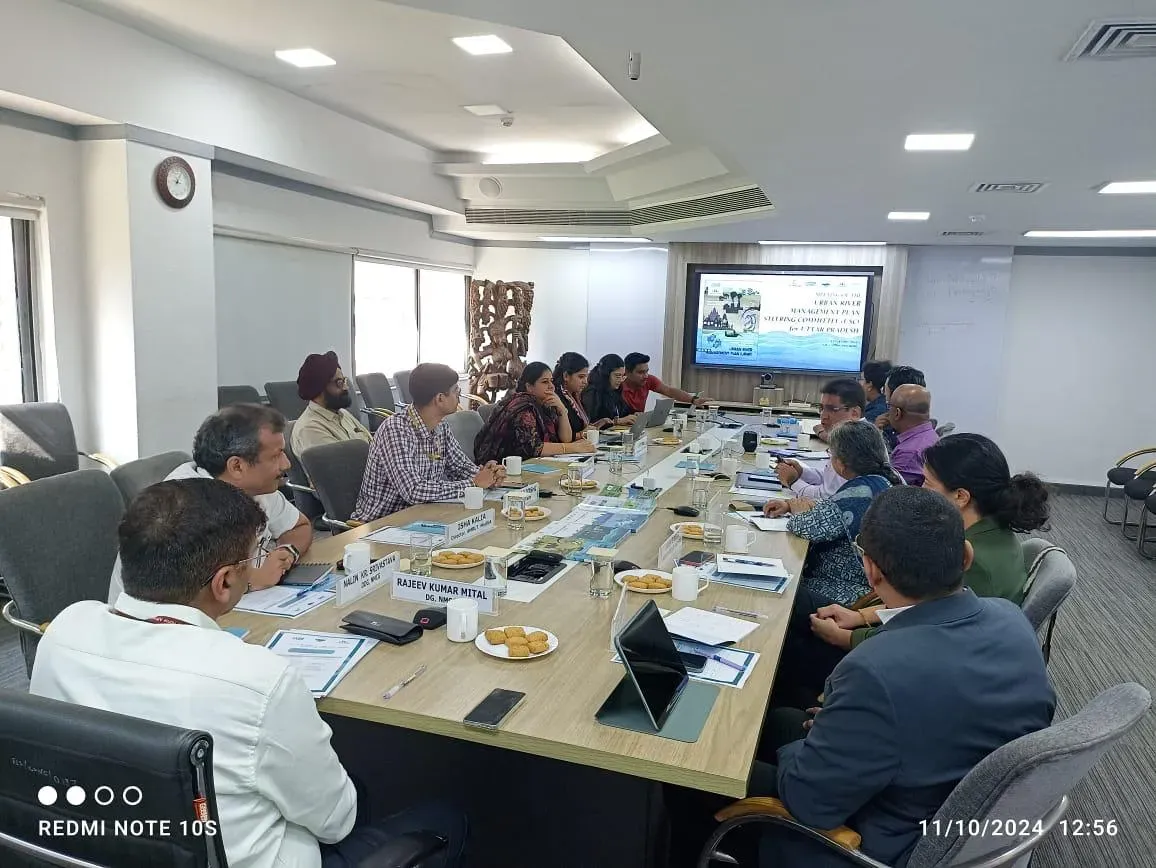
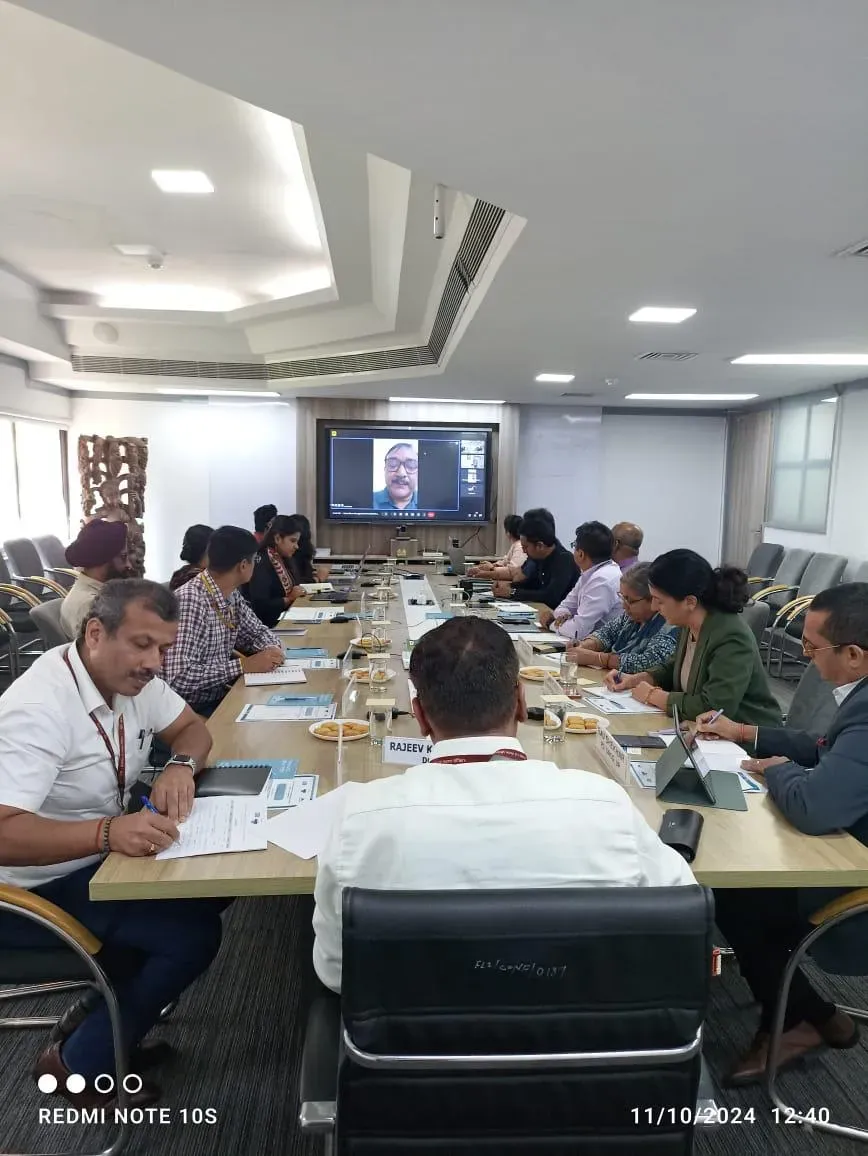
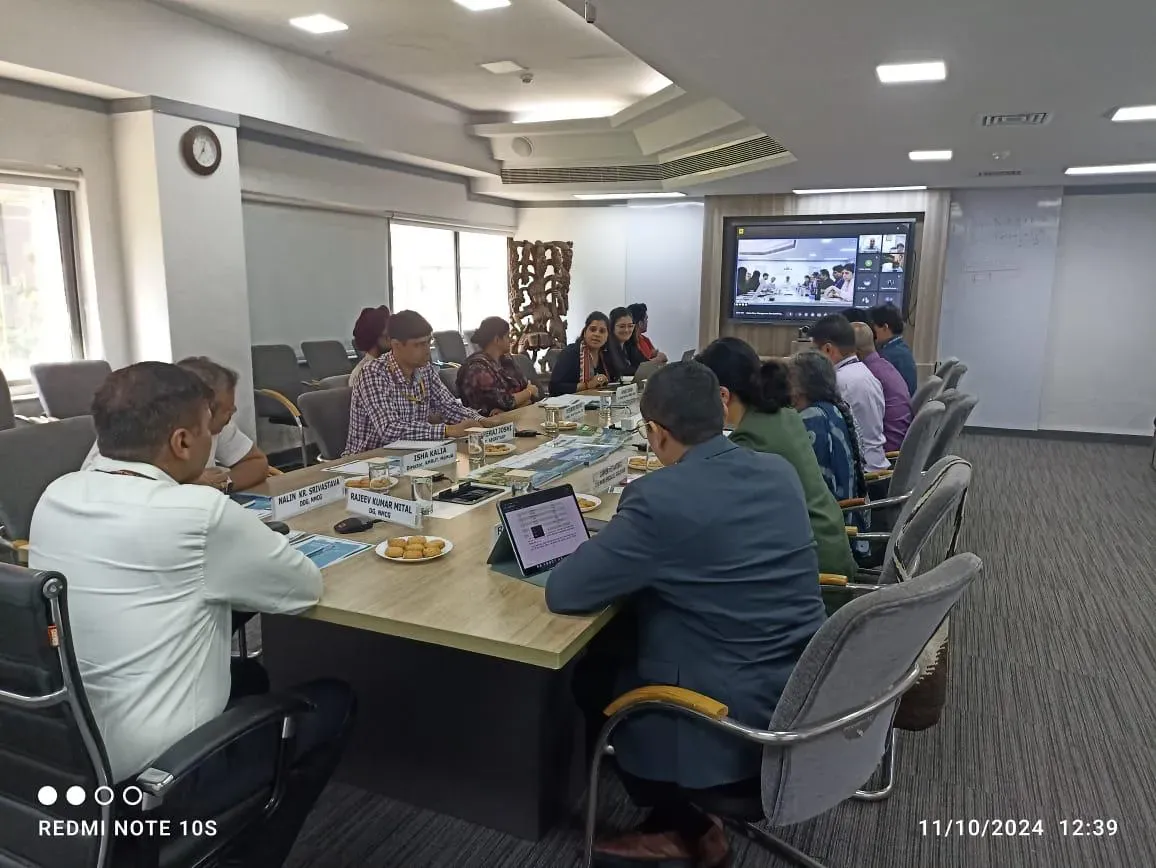
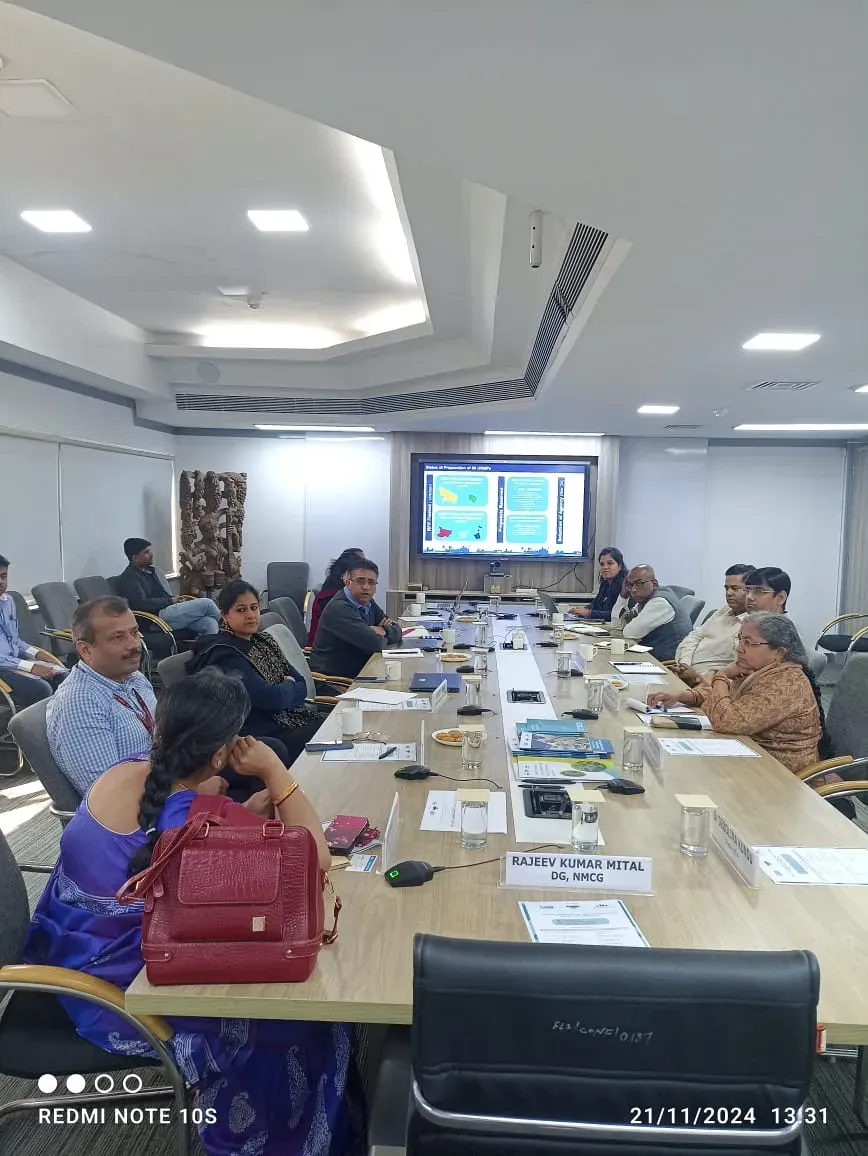
Urban River Management Plan (URMP) for Delhi
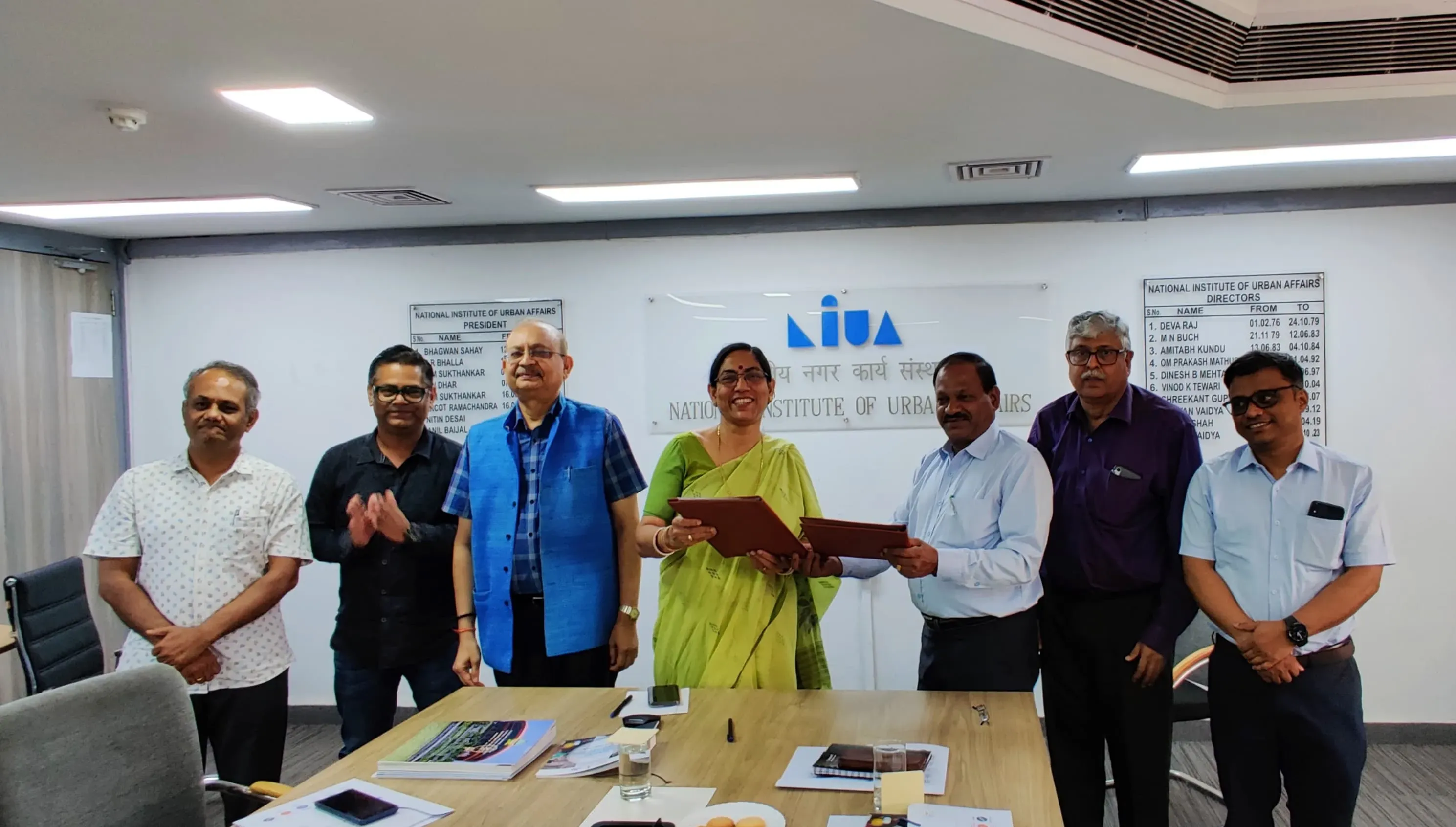
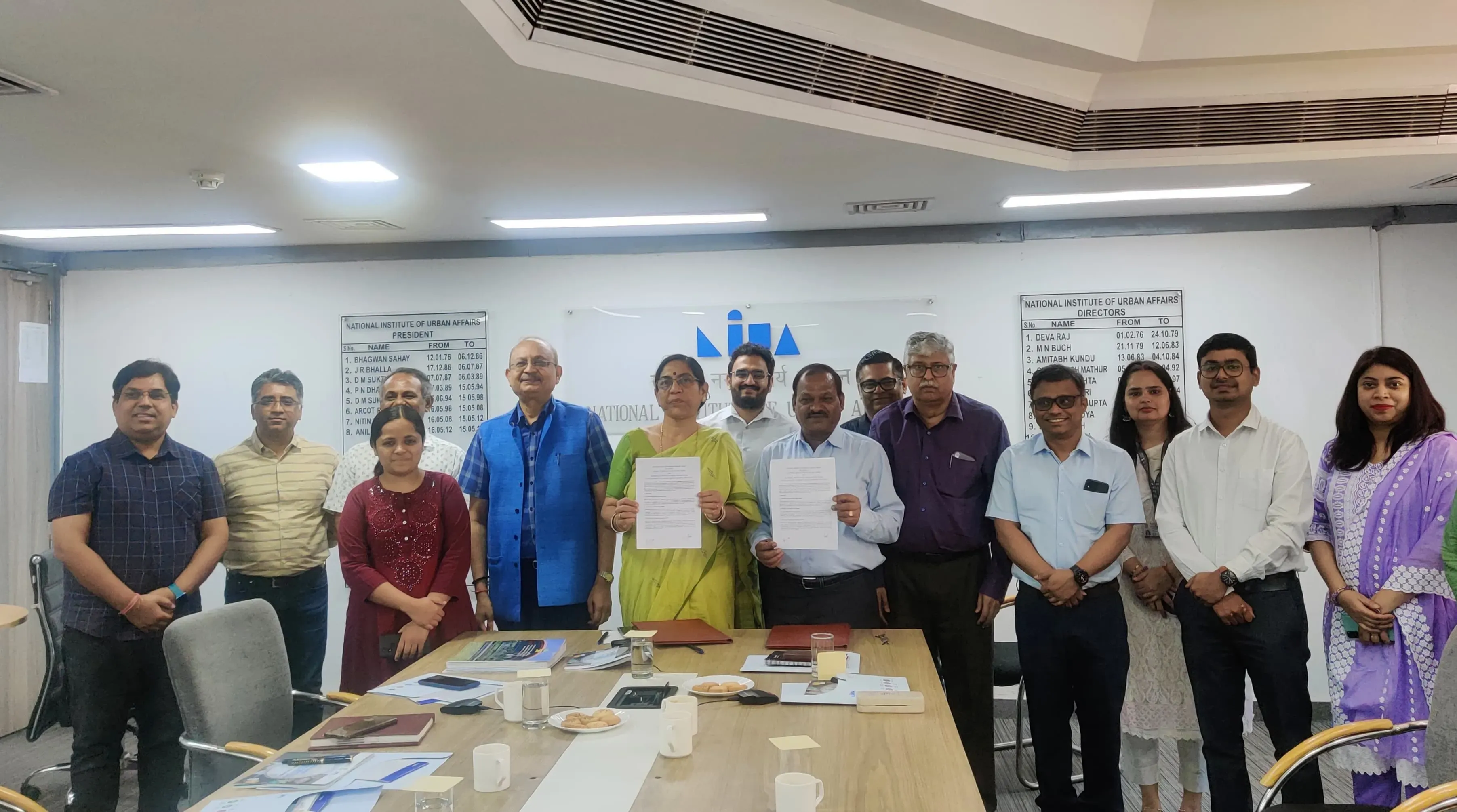
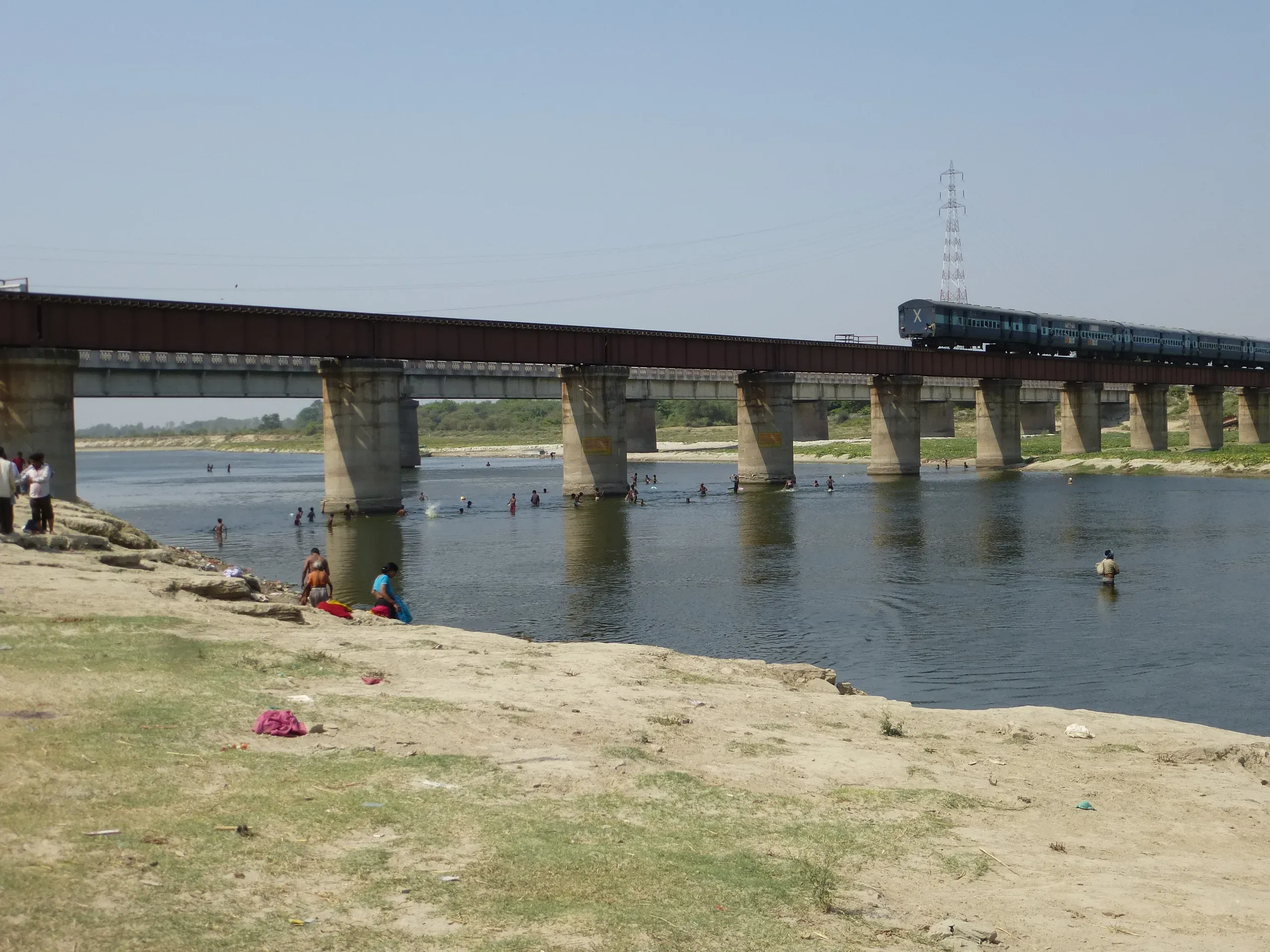
Delhi’s rapid urbanisation, increasing population pressures, fragmented institutional responsibilities, and growing stress on the Yamuna River and its floodplains highlight the need for an integrated and city-specific approach to river management. While multiple agencies are involved in water supply, wastewater management, flood control, pollution regulation, and urban planning, existing interventions have largely remained sectoral, limiting coordinated action for river restoration. Recognising this need, the National Institute of Urban Affairs (NIUA), in partnership with the National Mission for Clean Ganga (NMCG), is developing an Urban River Management Plan (URMP) for Delhi. The URMP aims to establish an integrated planning and governance framework that aligns river restoration with urban development, climate resilience, and sustainable infrastructure planning.Adopting a basin-to-city perspective, the URMP will assess the current status of the Yamuna river system within Delhi, including its drainage networks, floodplains, and pollution sources. The plan will identify key challenges related to water quality, flooding, ecological degradation, and institutional coordination, and propose technically feasible and financially viable interventions across short, medium, and long-term horizons. Through multi-stakeholder engagement and integration with ongoing national and city-level initiatives, the URMP seeks to institutionalise river-sensitive urban planning, improve the ecological health of the Yamuna, reduce flood and pollution risks, and strengthen the long-term resilience of the river corridor within Delhi’s urban landscape.
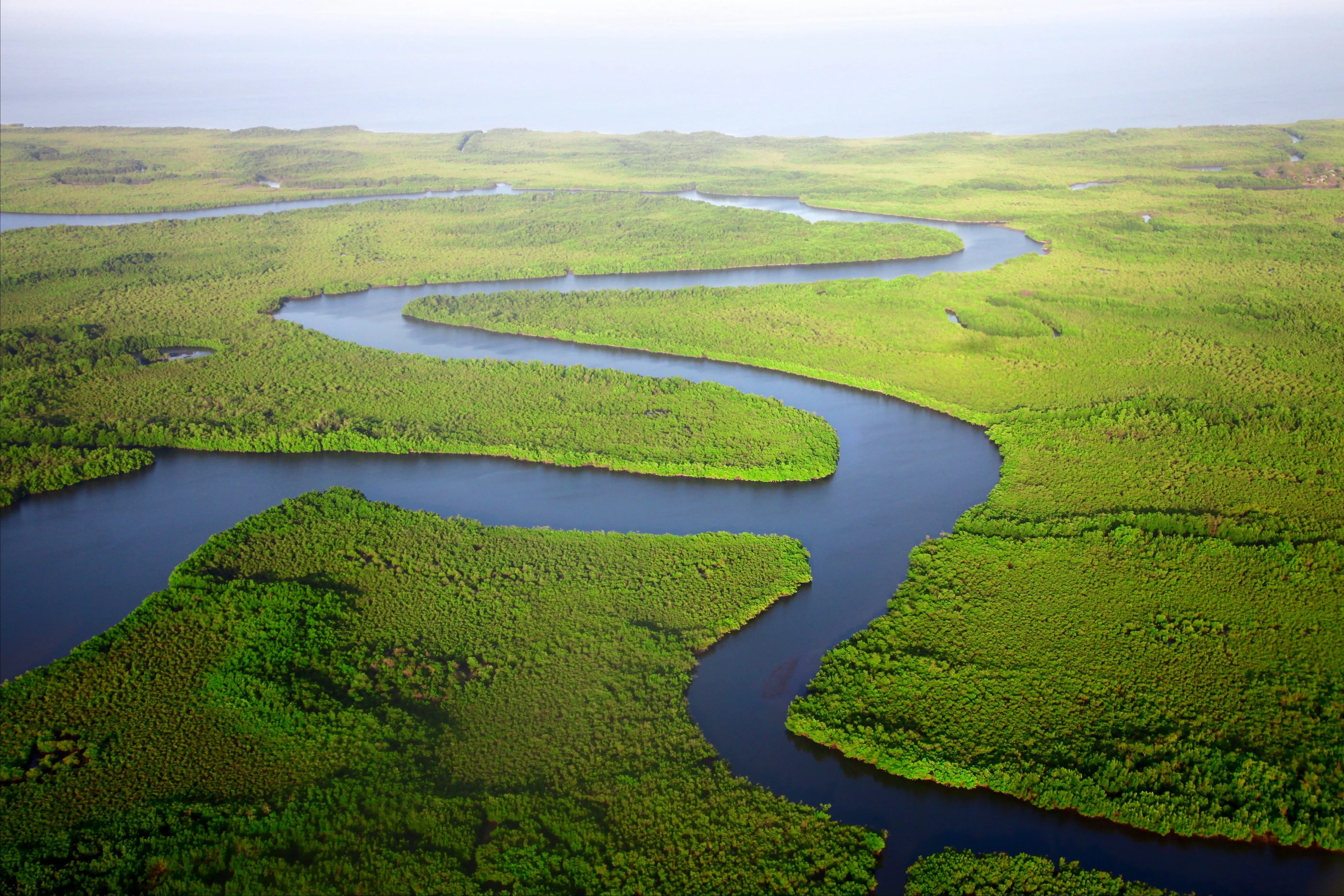
Centre for River-Sensitive Cities
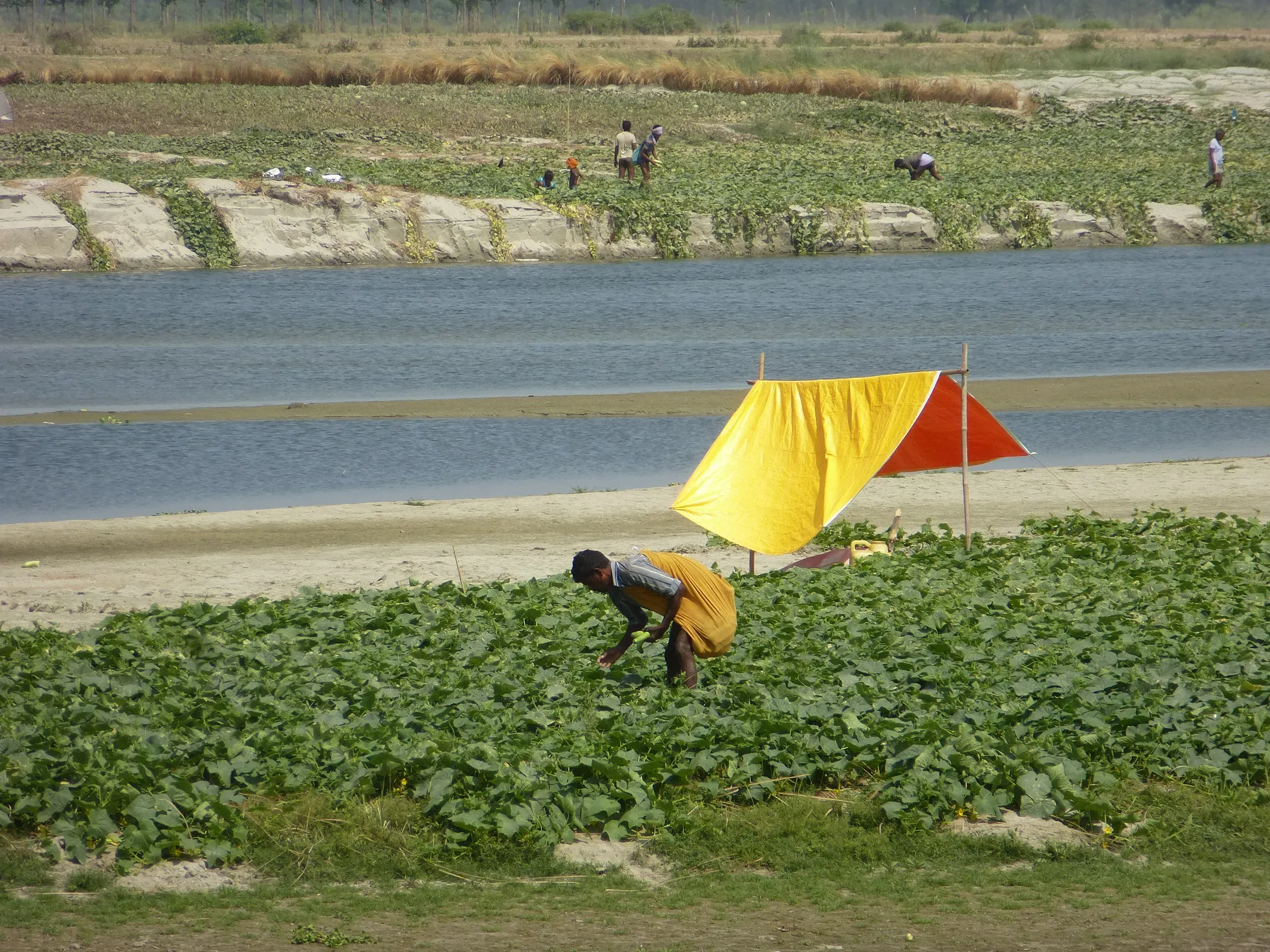
The Centre for River-Sensitive Cities drives the agenda for river-sensitive urban development in India. It leads and expands the narrative around urban river planning and management, with a focus on enabling practical, on-the-ground transformation in cities. The Centre works to create an environment that supports implementing practices, regulations, and projects that harmonise the city-river relationship.Its work is organised around three core areas:Managing the River Cities Alliance (RCA): The Centre supports the day-to-day functioning of the 30-member River Cities Alliance and works to strengthen its capacity towards self-governance.Decision Support Systems for Urban River Management: The Centre develops a range of decision support tools and frameworks addressing diverse aspects of urban river planning and management.Advocacy and Capacity Building: The Centre sensitises cities to the value of integrating river considerations into their development agenda. This includes training cities in the application of frameworks, toolkits, and best practices developed for urban river management, as well as promoting river-related subject areas within academic curricula to shape the next generation of urban practitioners.
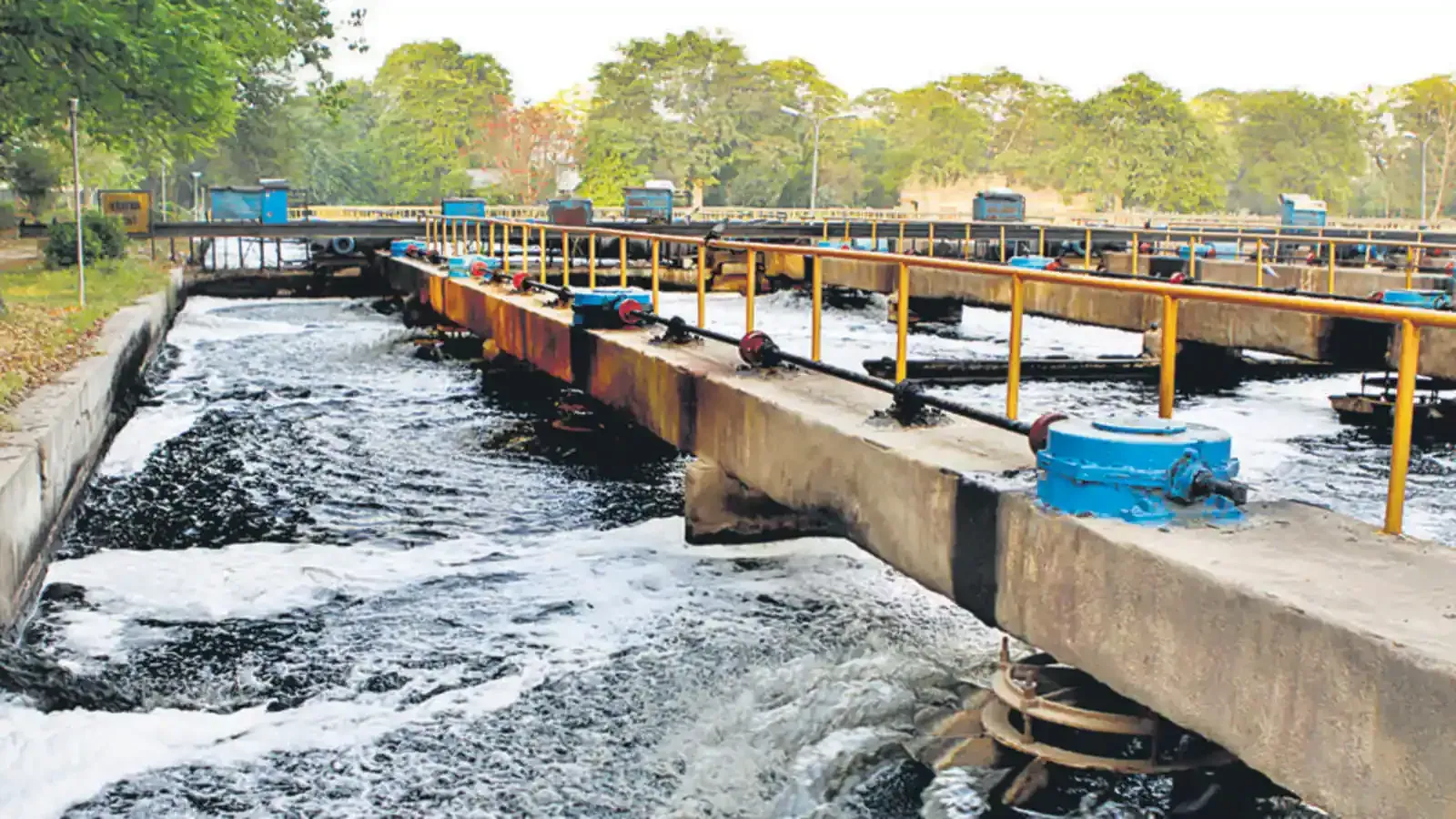
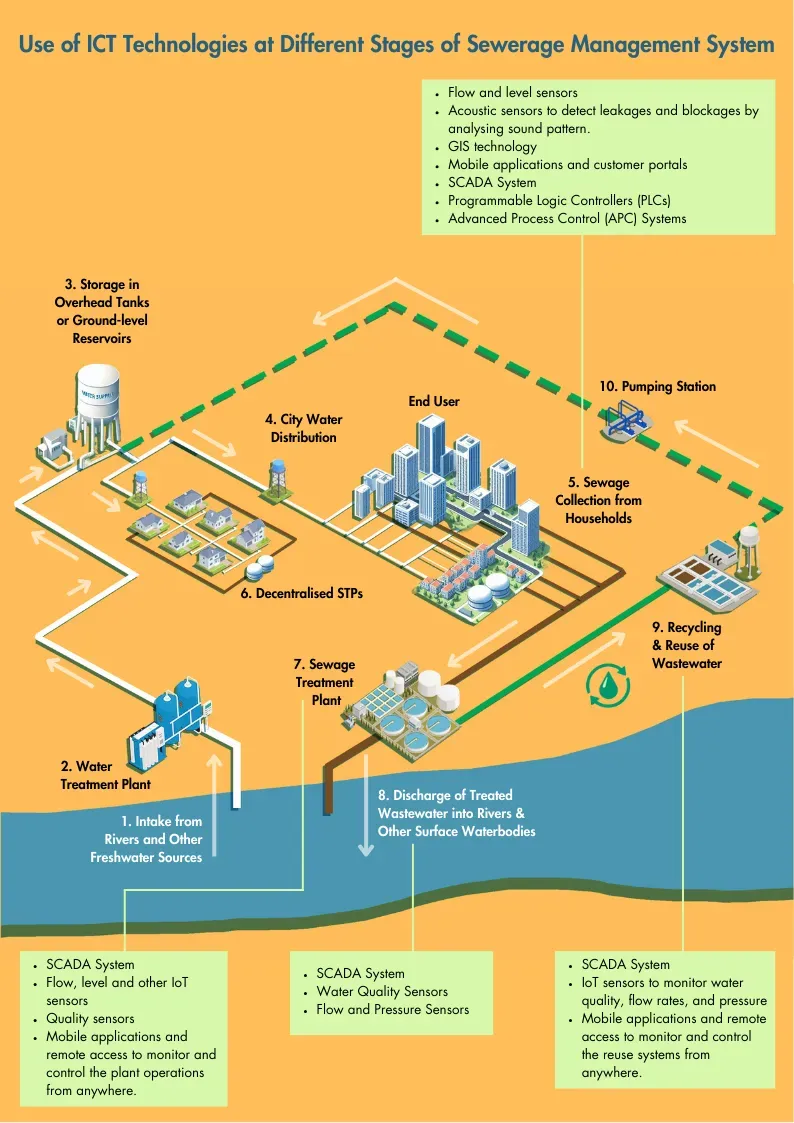
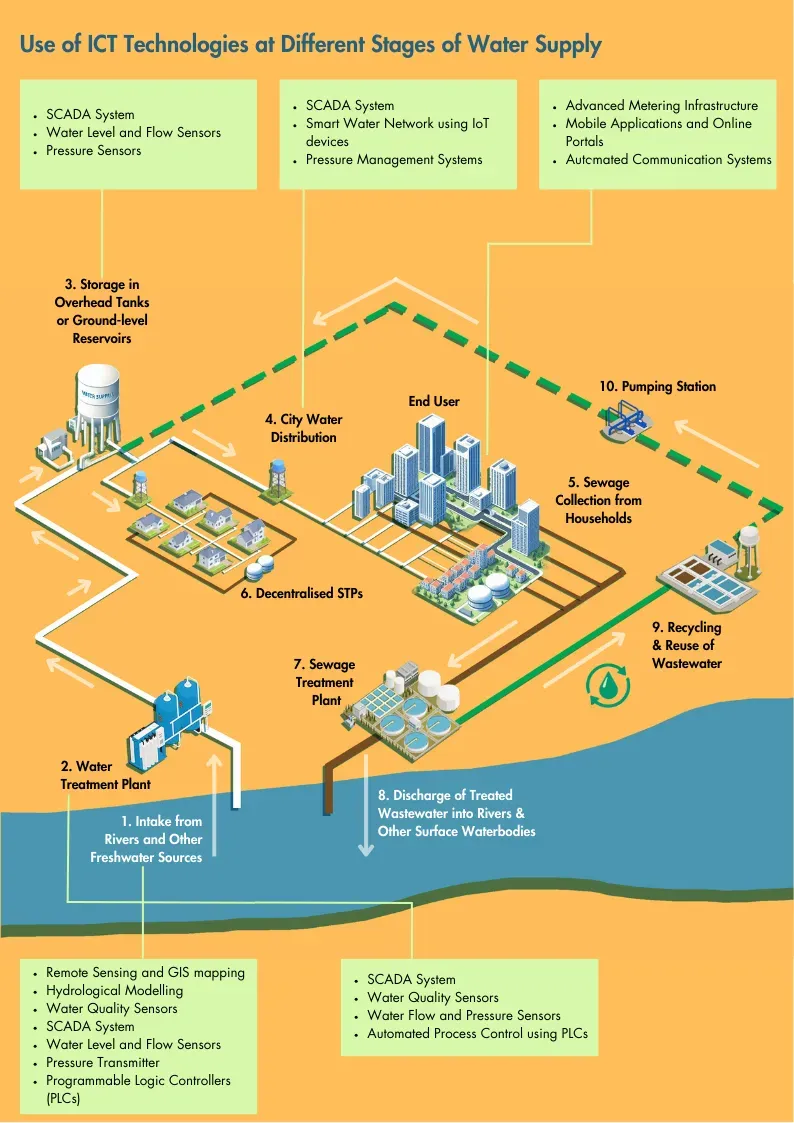
SAAR Impact Assessment Research Study for Smart Cities Mission Theme 7: Use of ICT for Water Supply and Sewerage Services
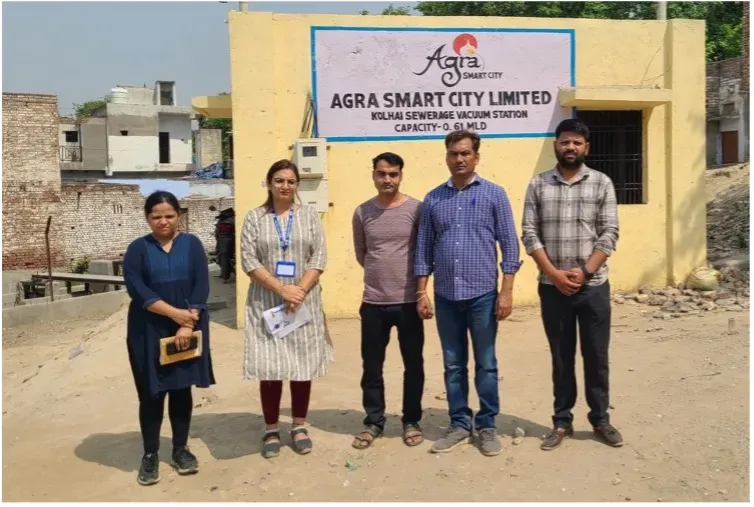
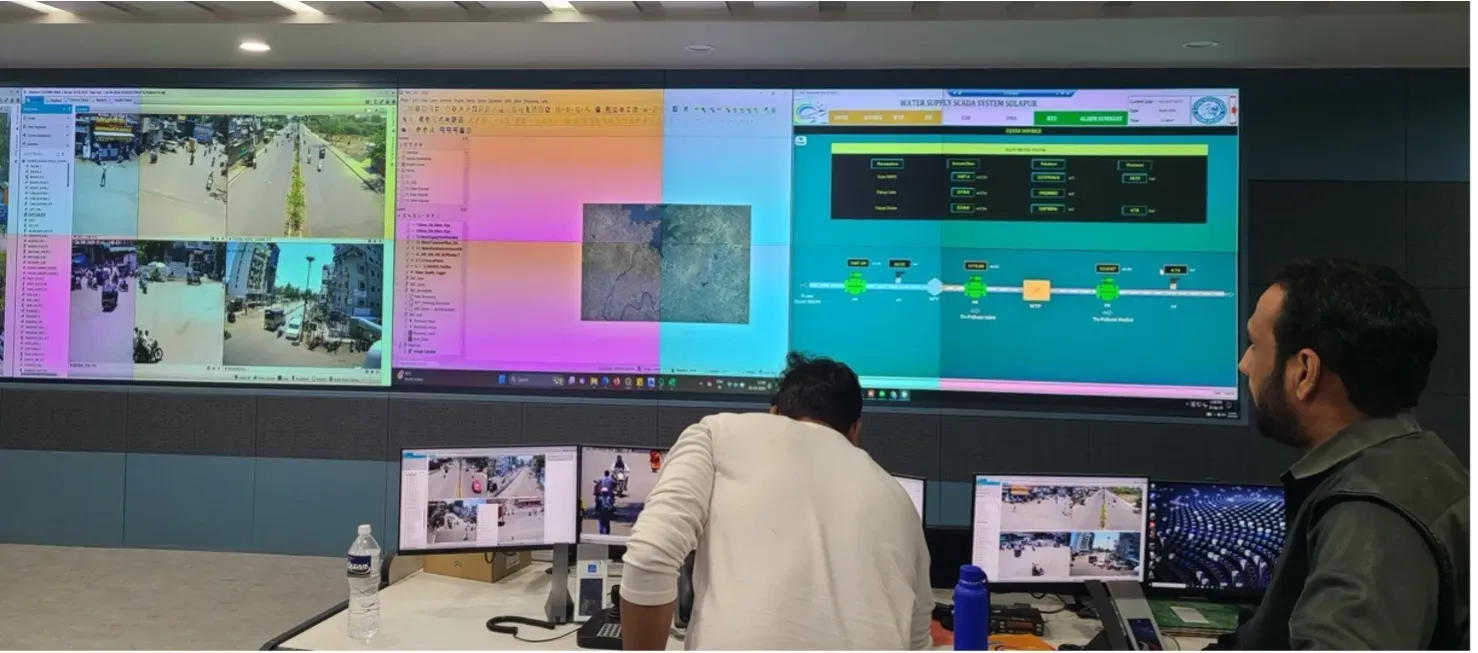
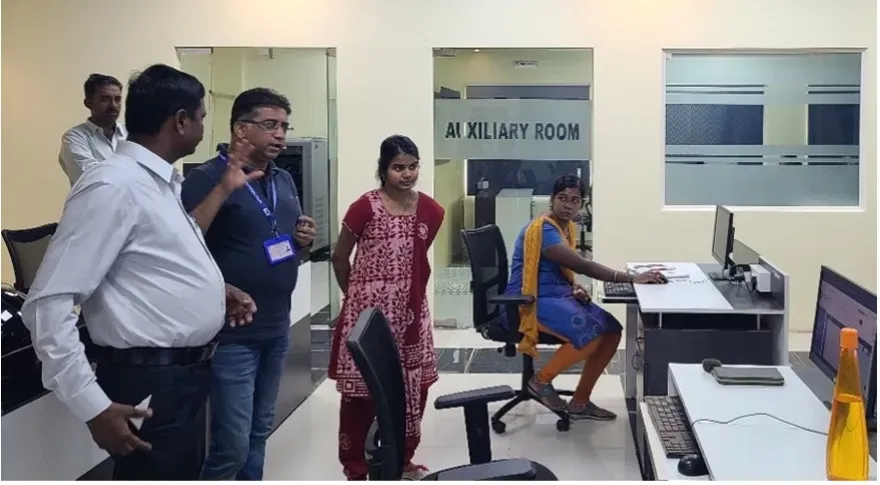
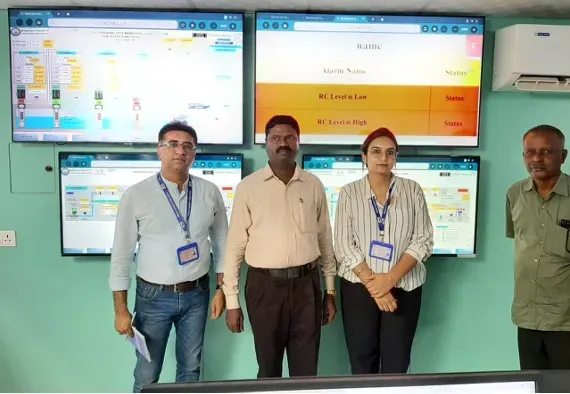
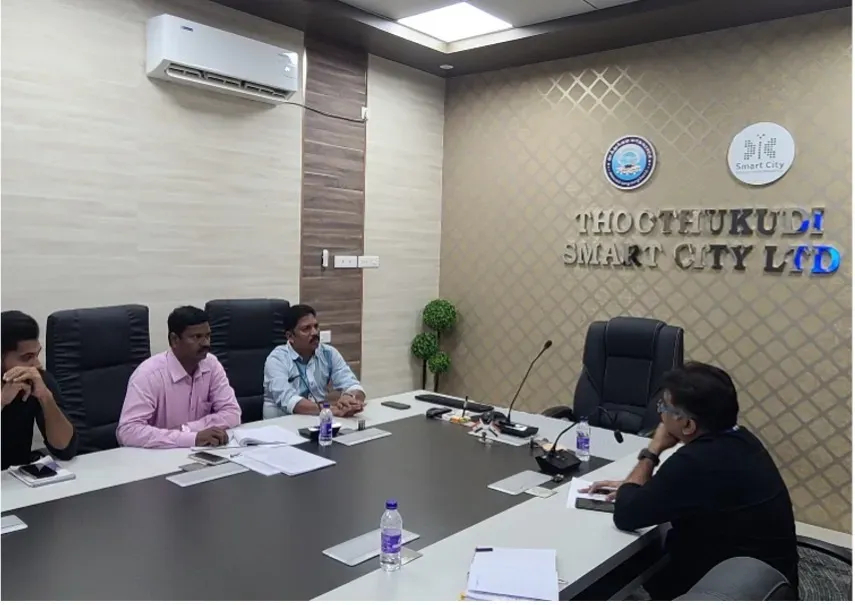
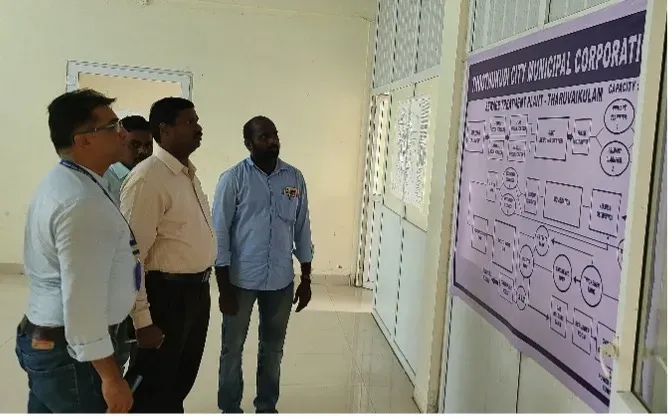
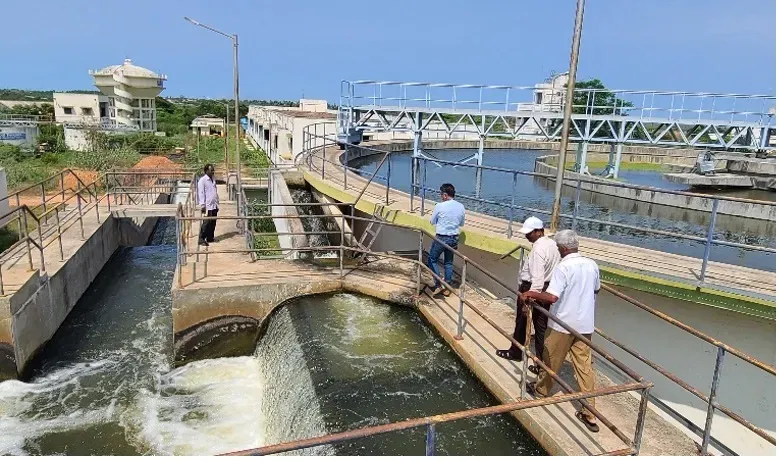
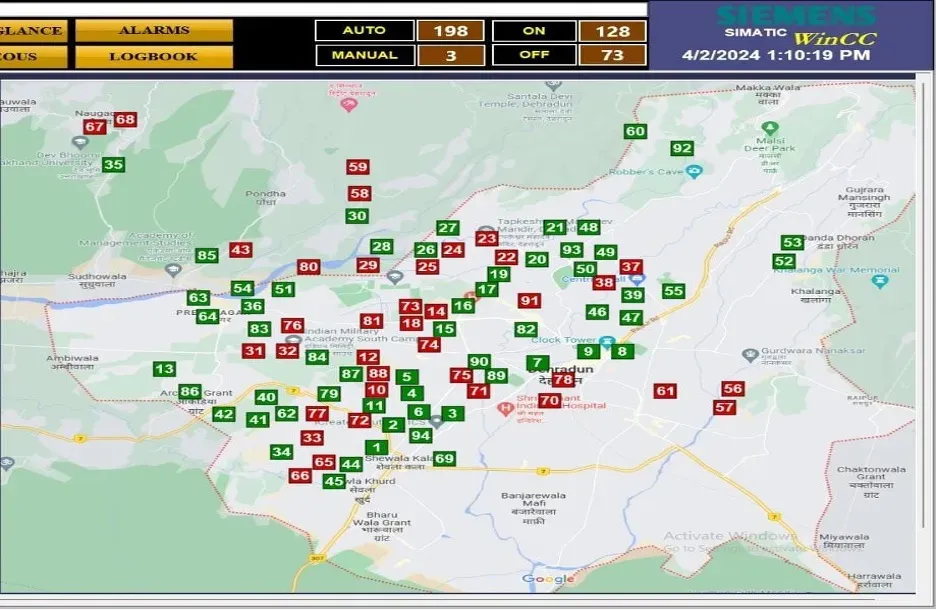
The Smart Cities Mission (SCM), initiated by the Ministry of Housing and Urban Affairs (MoHUA) in 2017, aimed to make Indian cities technologically advanced by strengthening governance and service delivery. As the mission drew to a close, the SAAR–Sameksha initiative commissioned 50 impact assessment studies through prestigious academic institutions to document outcomes, engage students in urban development, and enable knowledge exchange between urban practice and academia.NIUA's Water and Environment vertical led the assessment for ICT use in water supply and sewerage services, covering a secondary assessment of all 100 Smart Cities and an in-depth primary assessment of four cities — Agra, Rajkot, Solapur, and Thoothukudi. Interventions assessed include SCADA applications in water and wastewater treatment plants and pumping stations, DMA zonation, smart metering, 24×7 water supply, smart water management, water auditing, smart grids for wastewater reuse, smart toilets, IoT-based flow metering, pipeline laying, household sewer connections, and augmentation of STPs and WTP sources.The study evaluates these interventions through the lens of governance, service level improvements, and citizens' perspectives, identifies implementation challenges, and provides recommendations for similar missions at the national, state, and city levels.
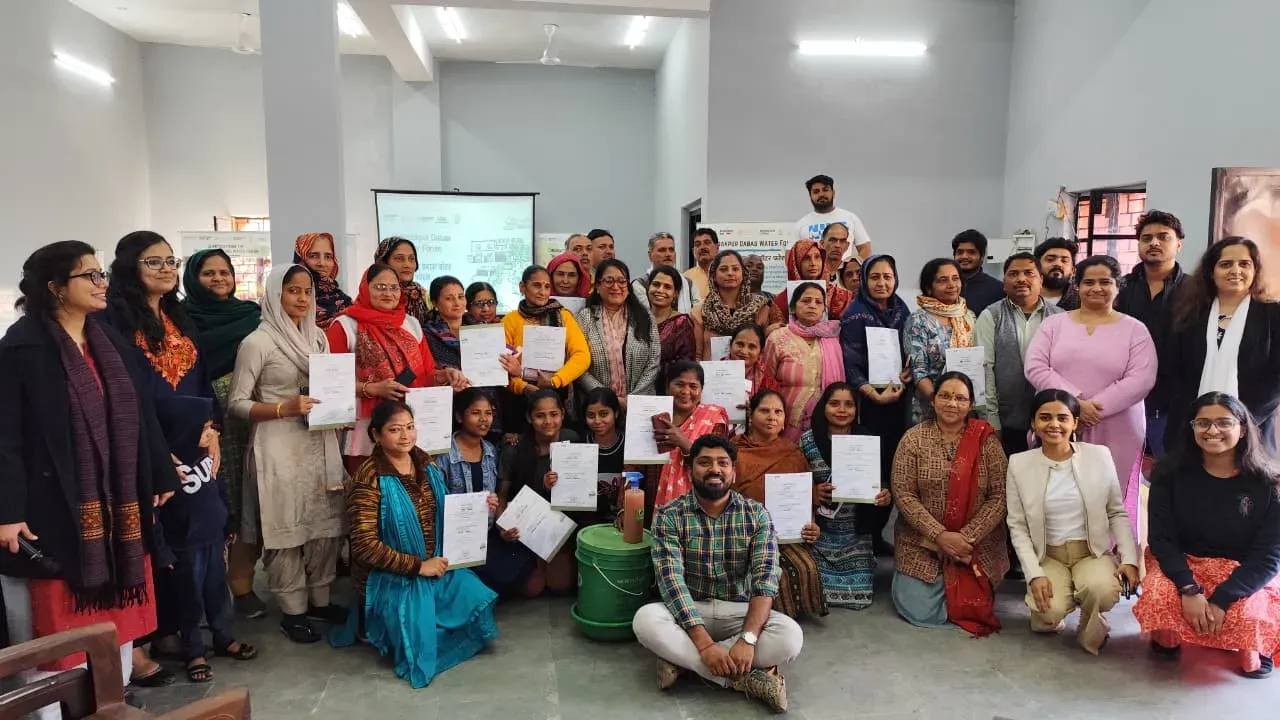
Participatory and Inclusive Water Sensitive Urban Design for Sustainability and Resilience (PARIWAR)
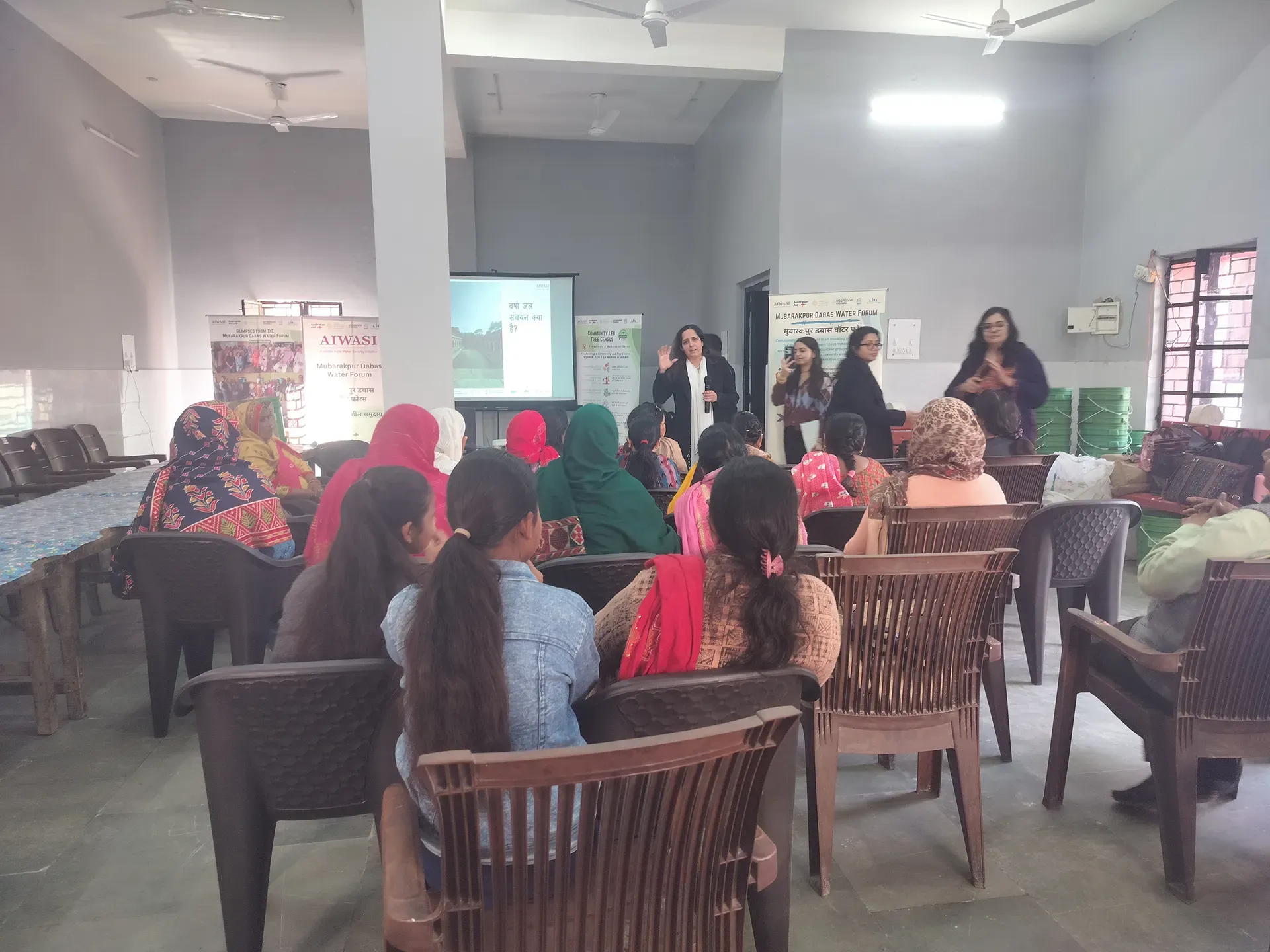
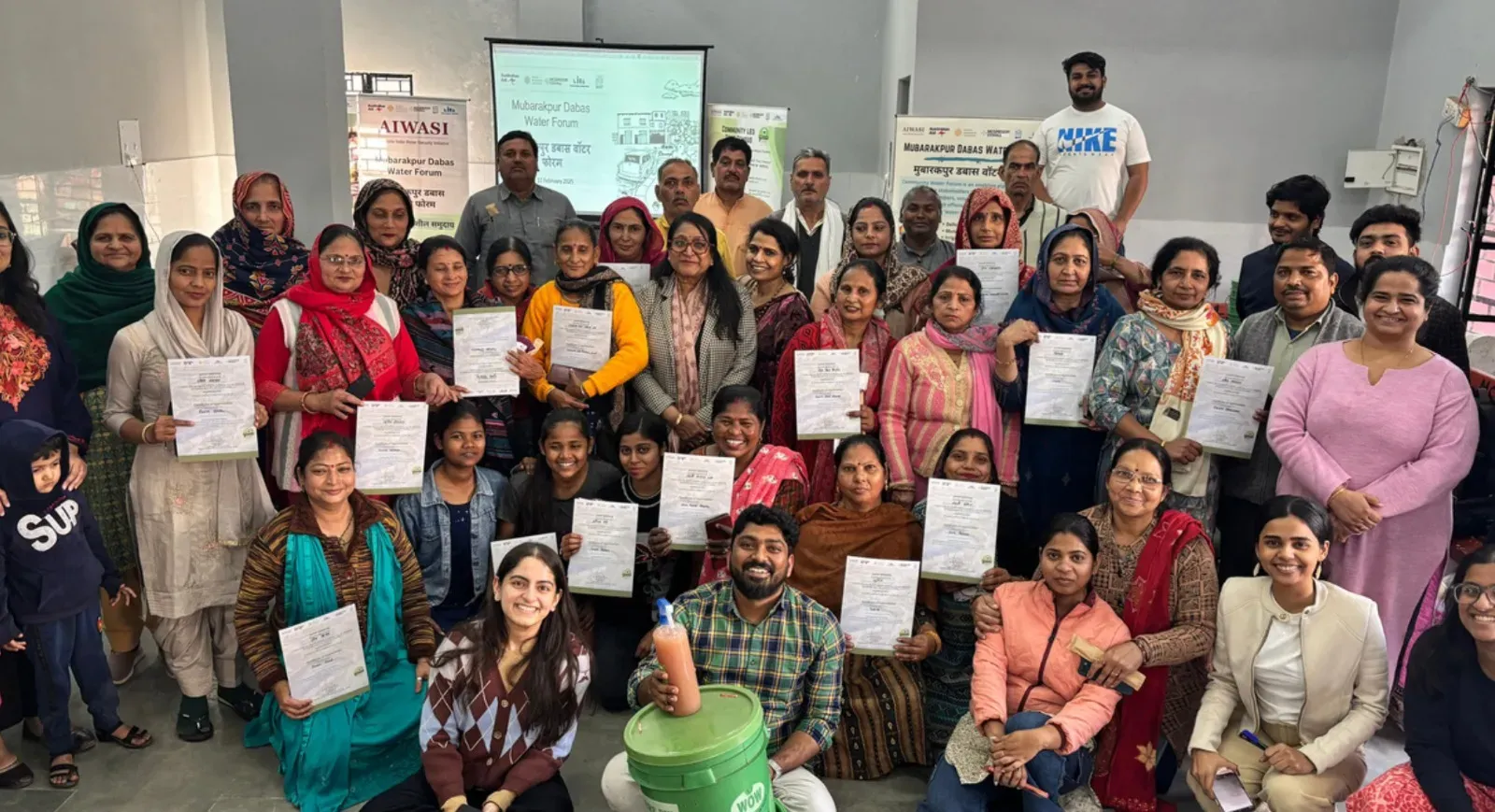
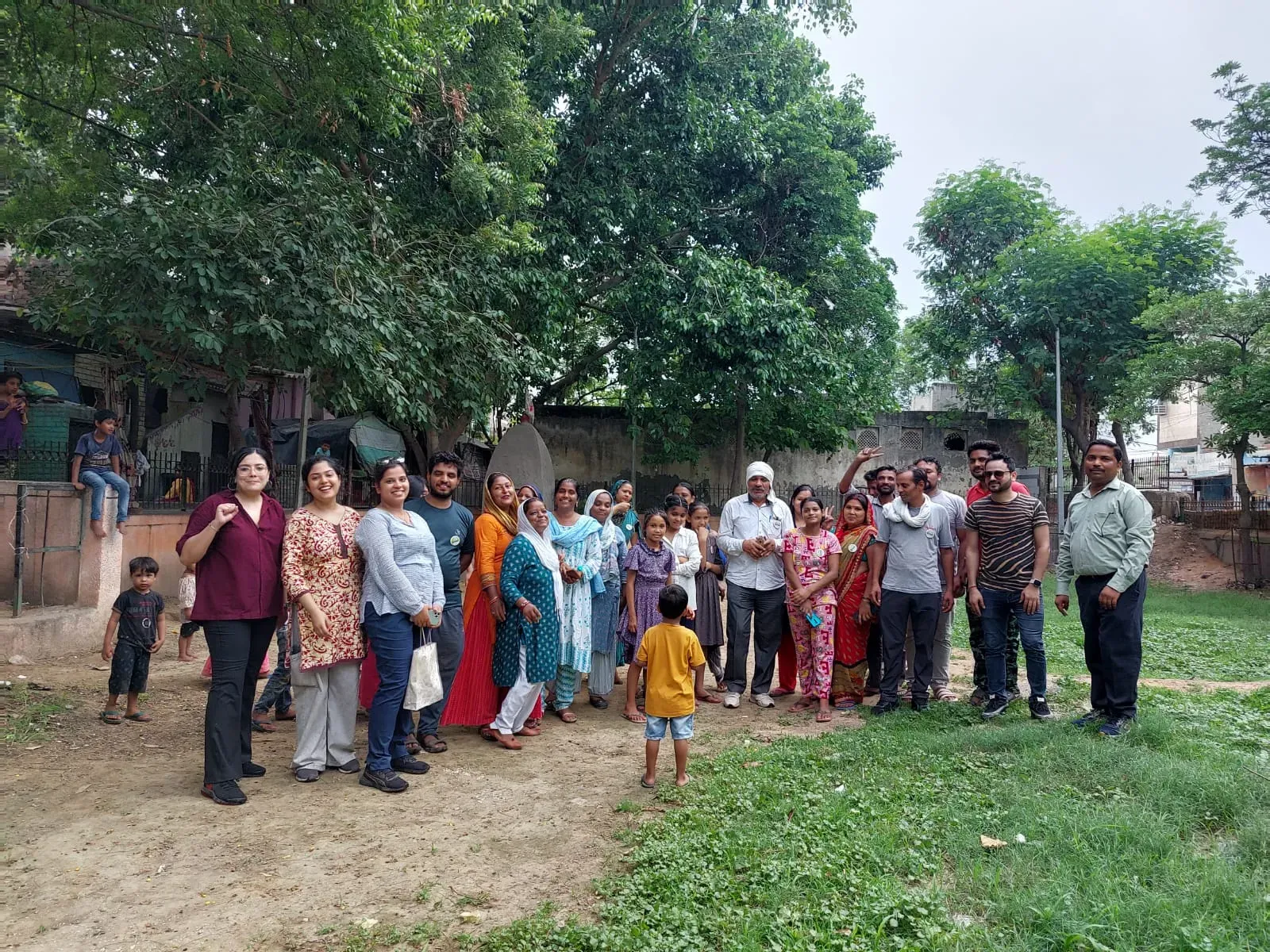
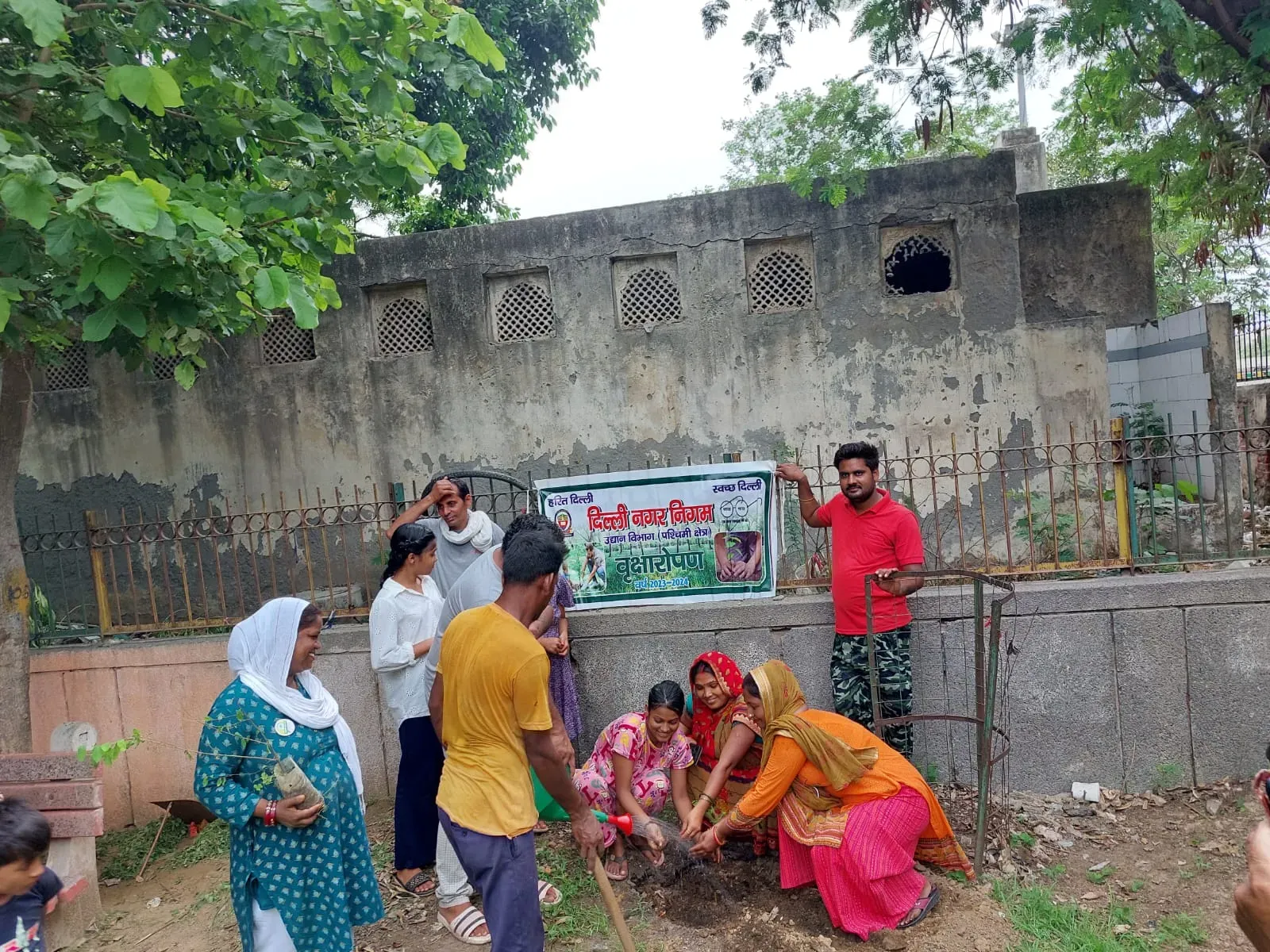
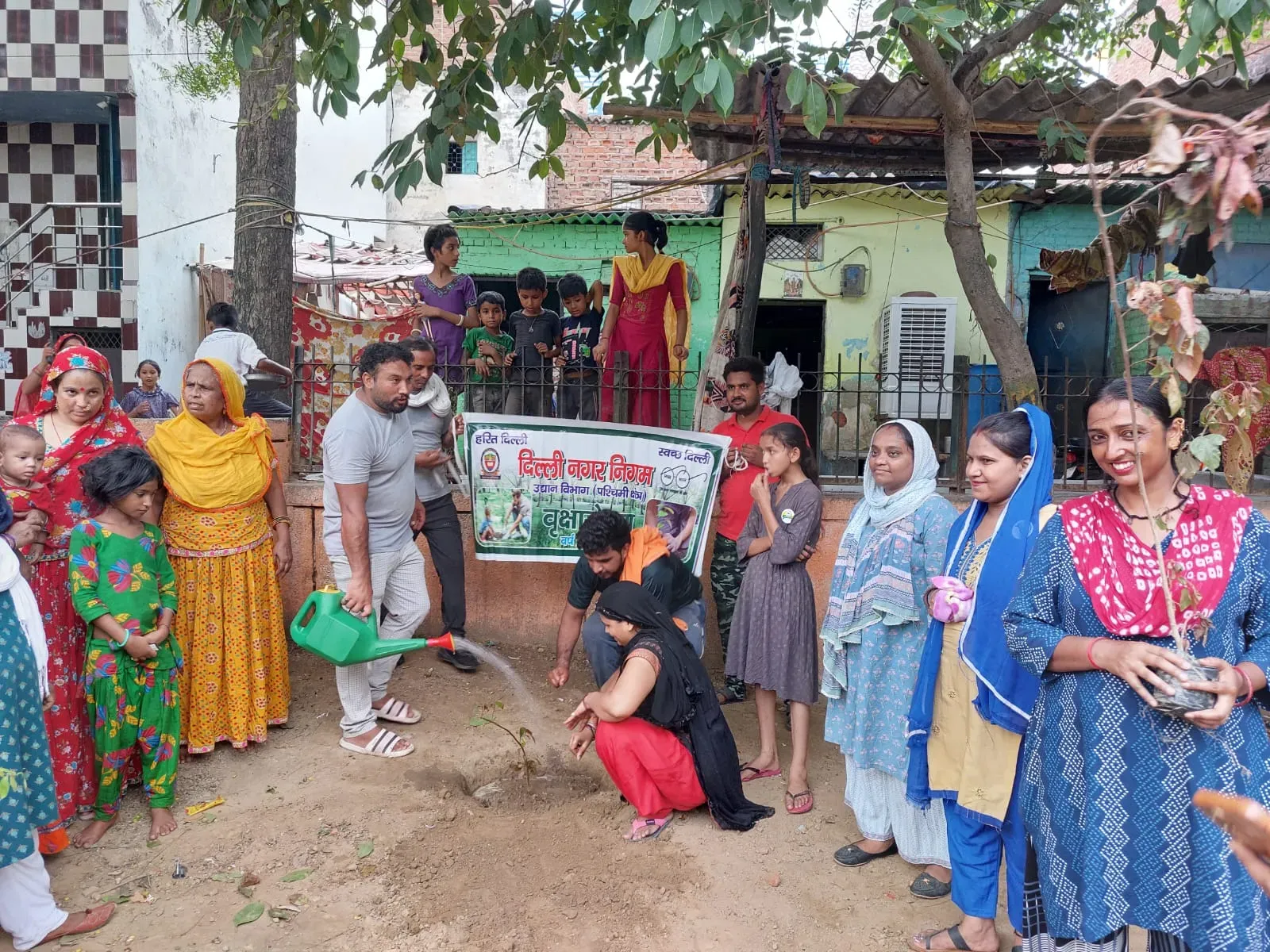
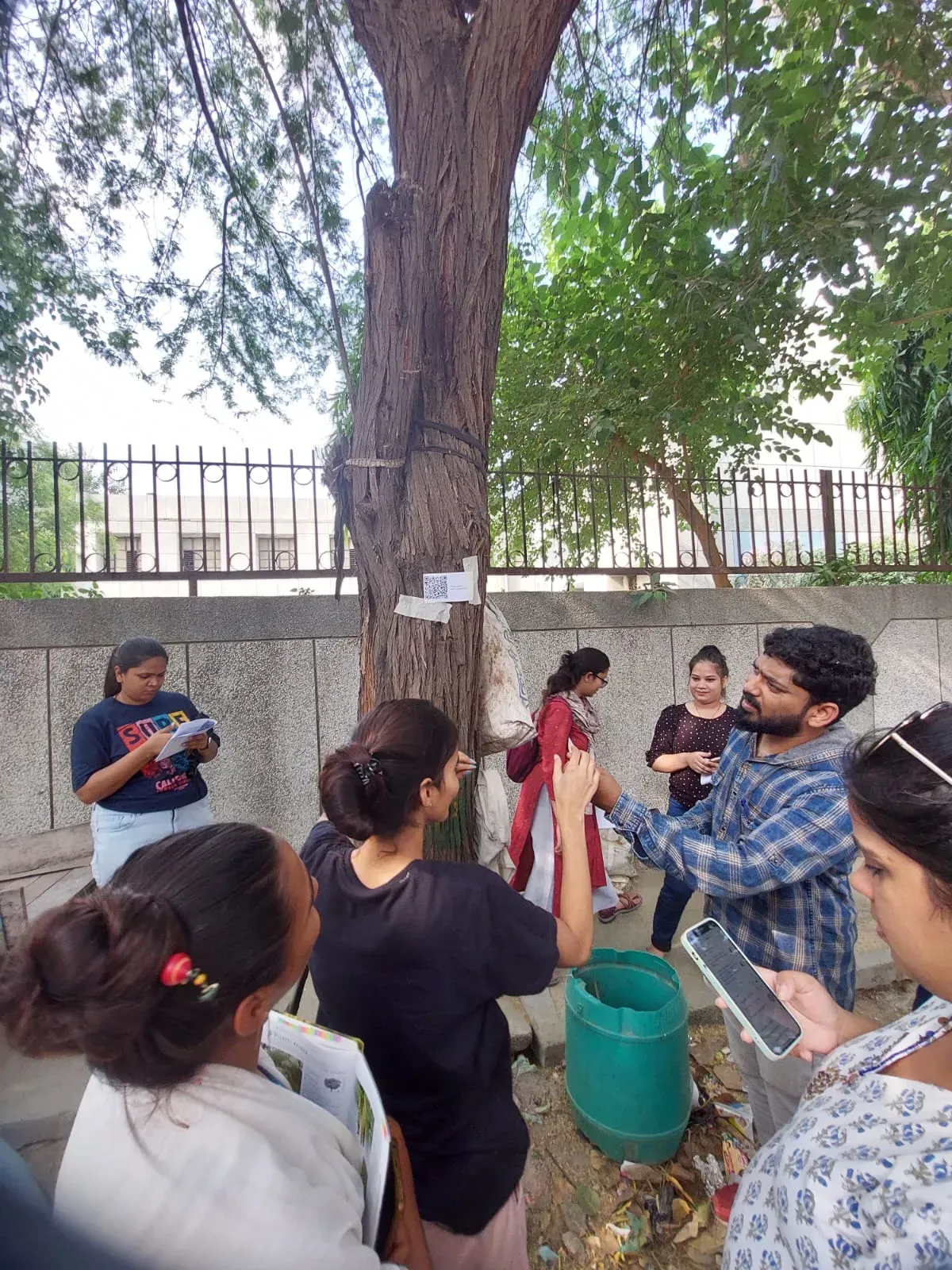
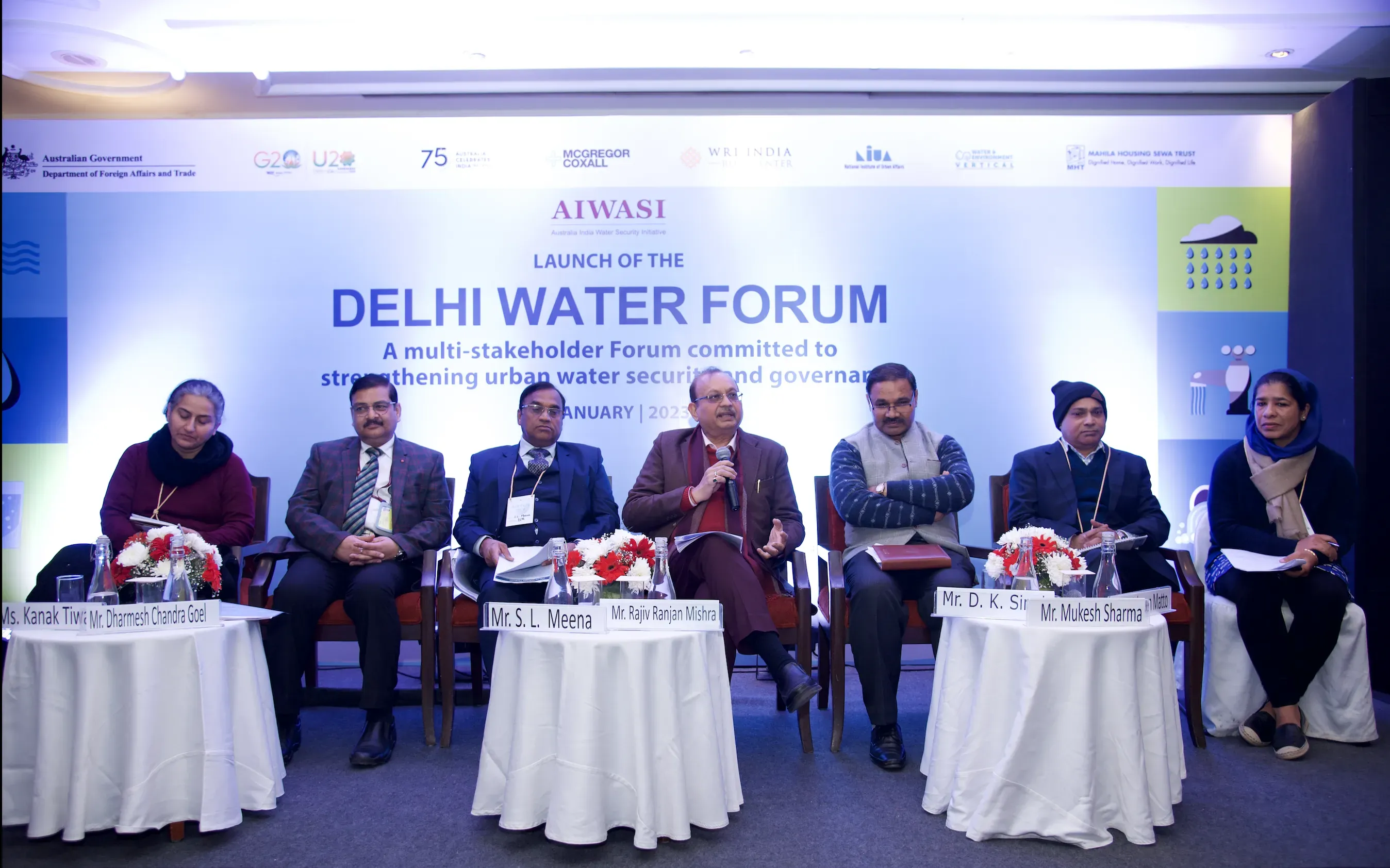
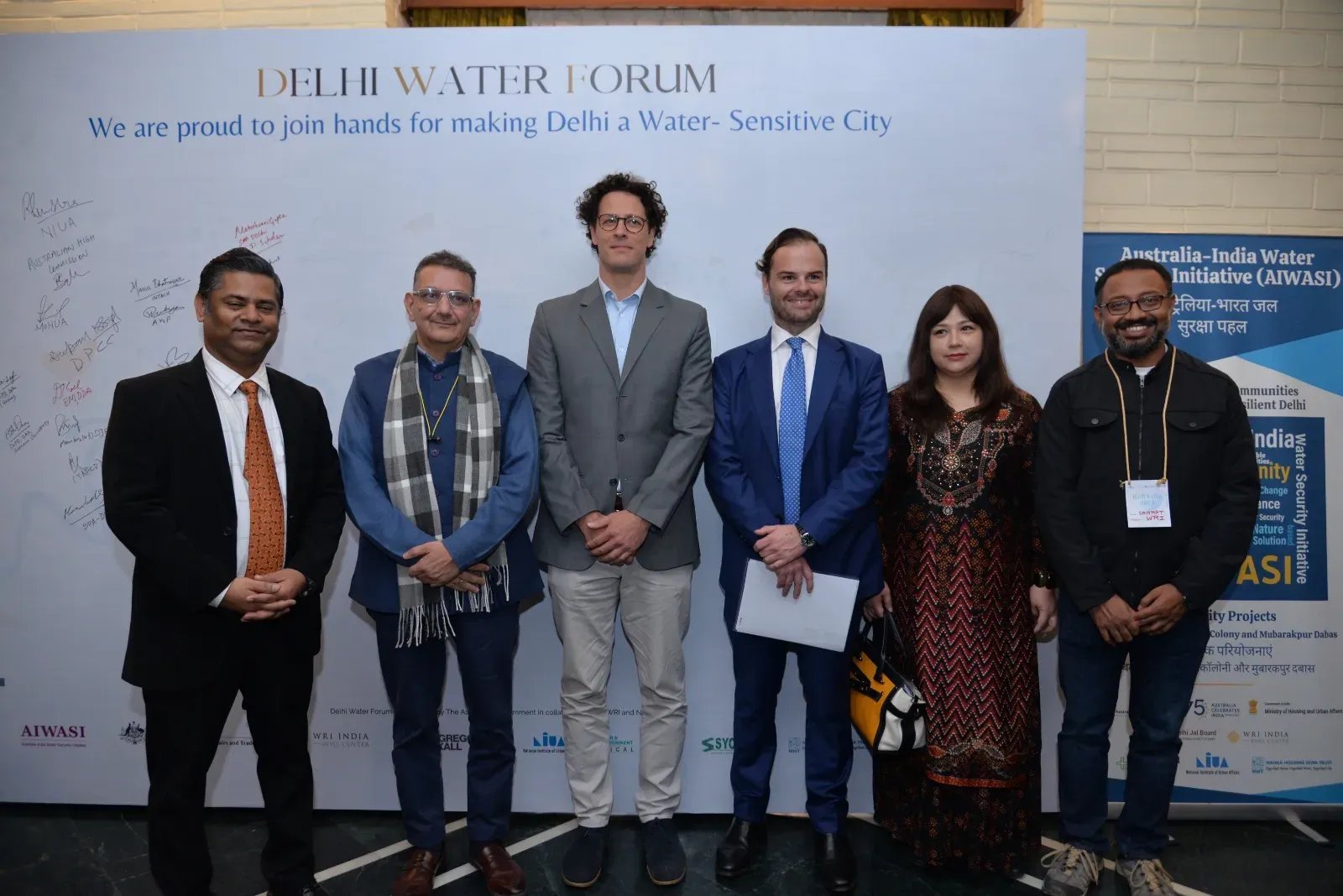
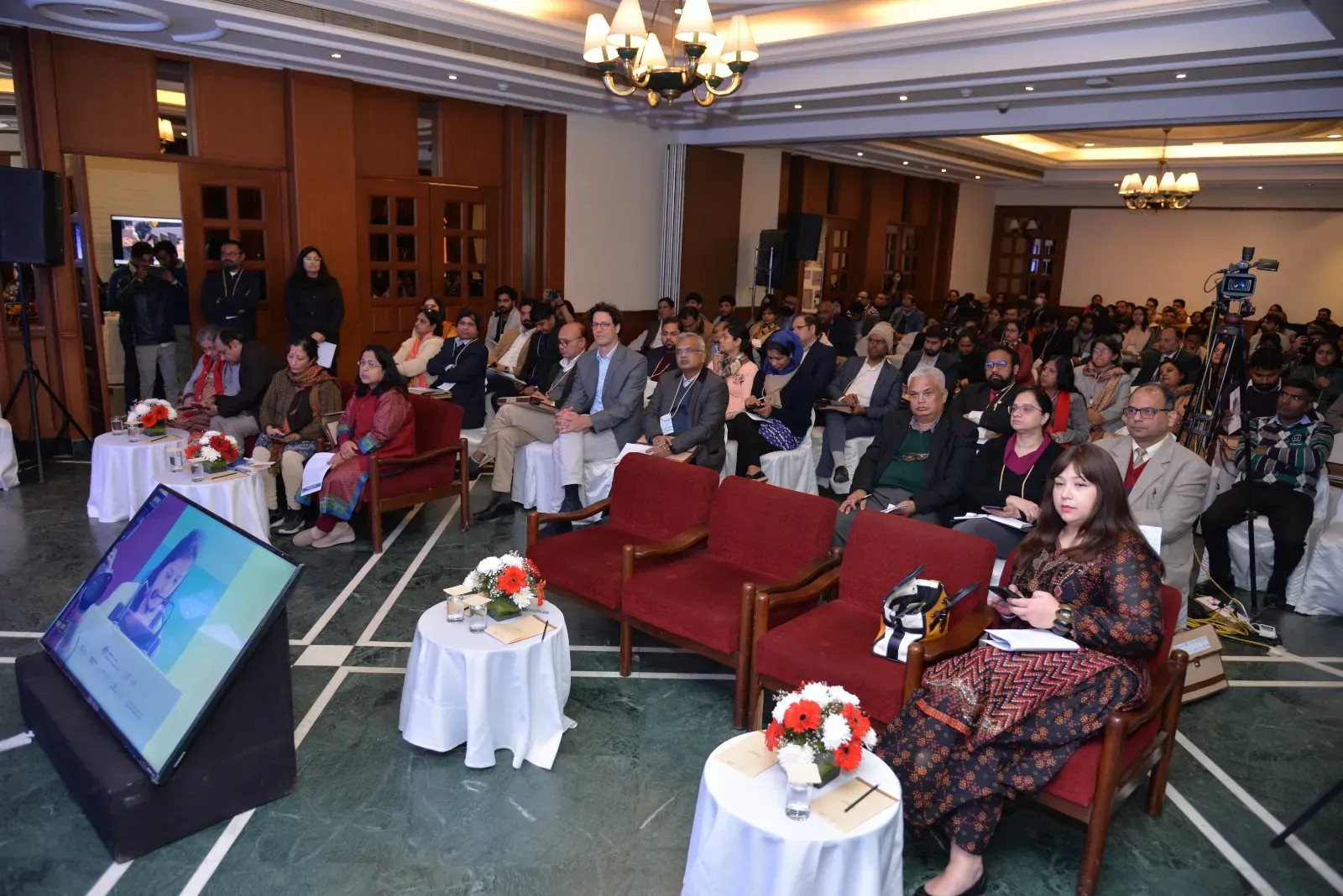
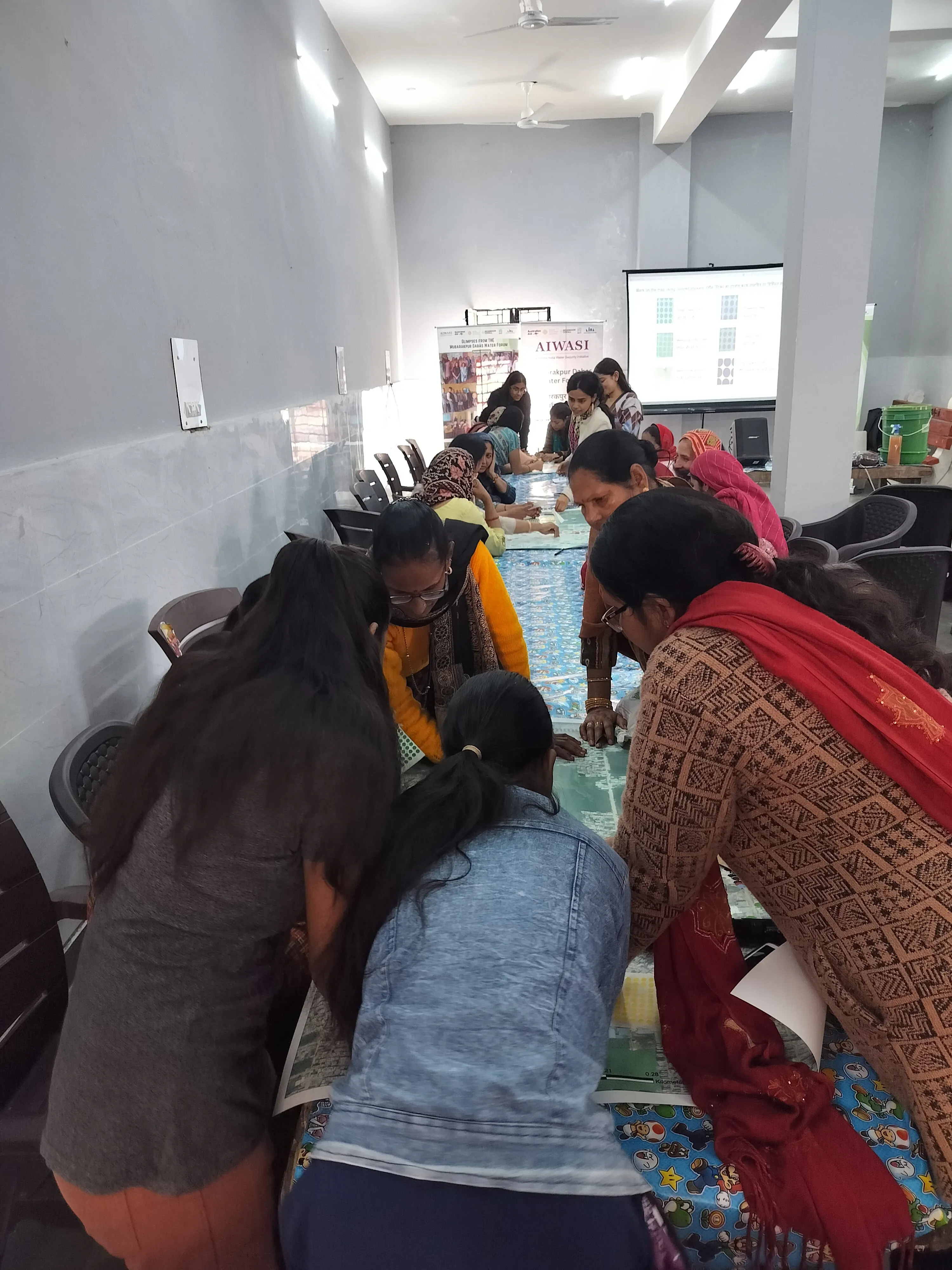
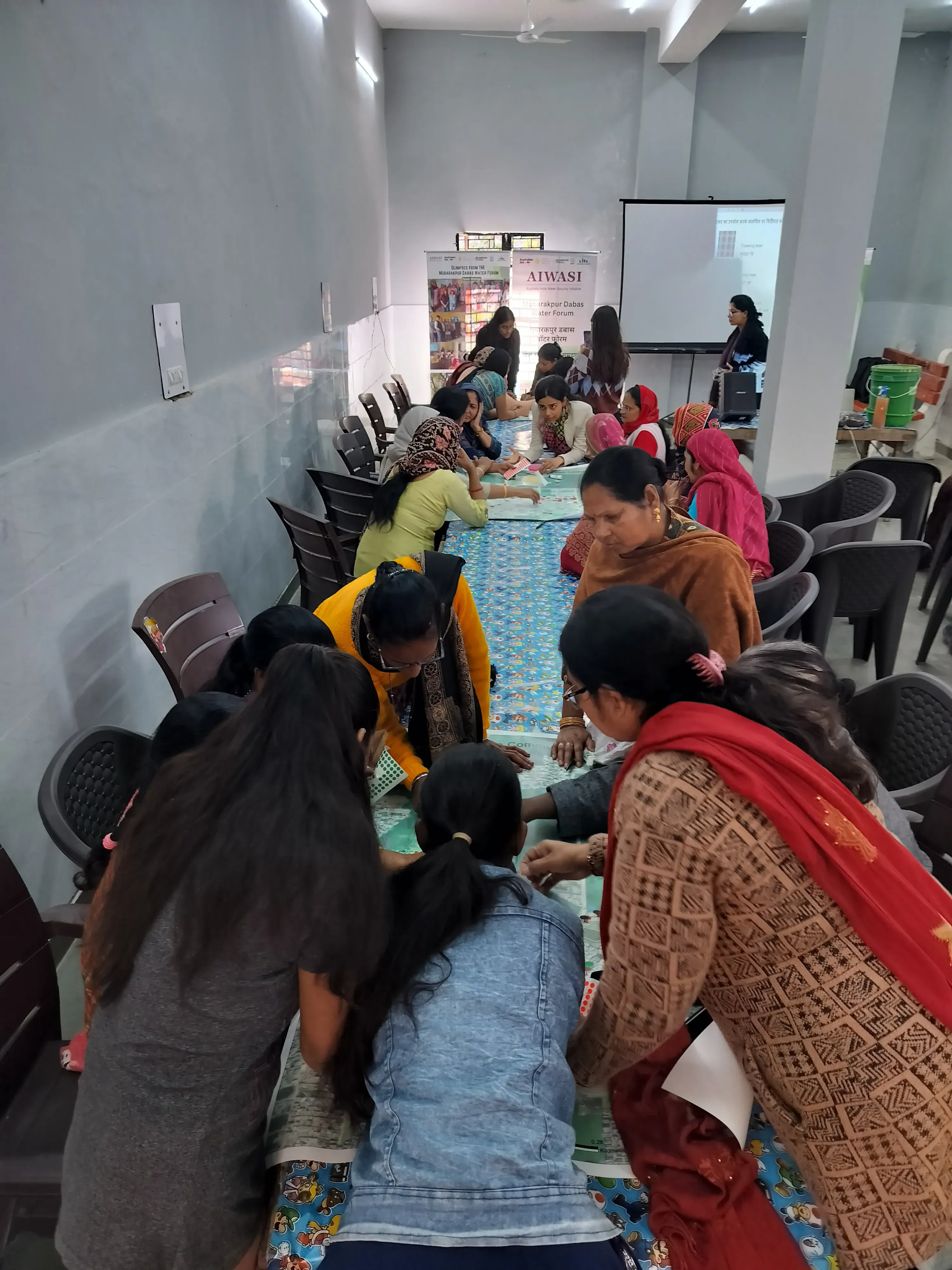
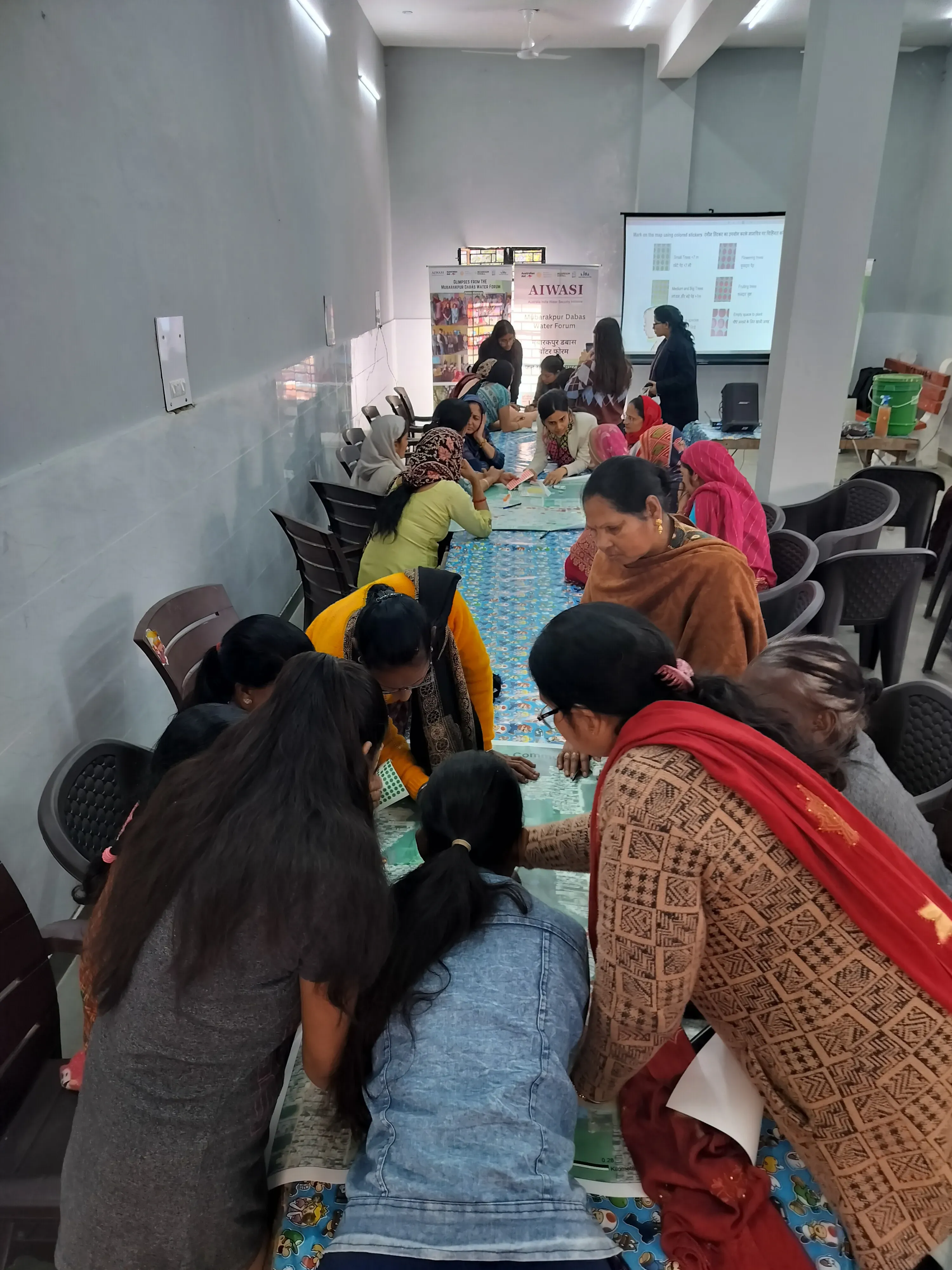
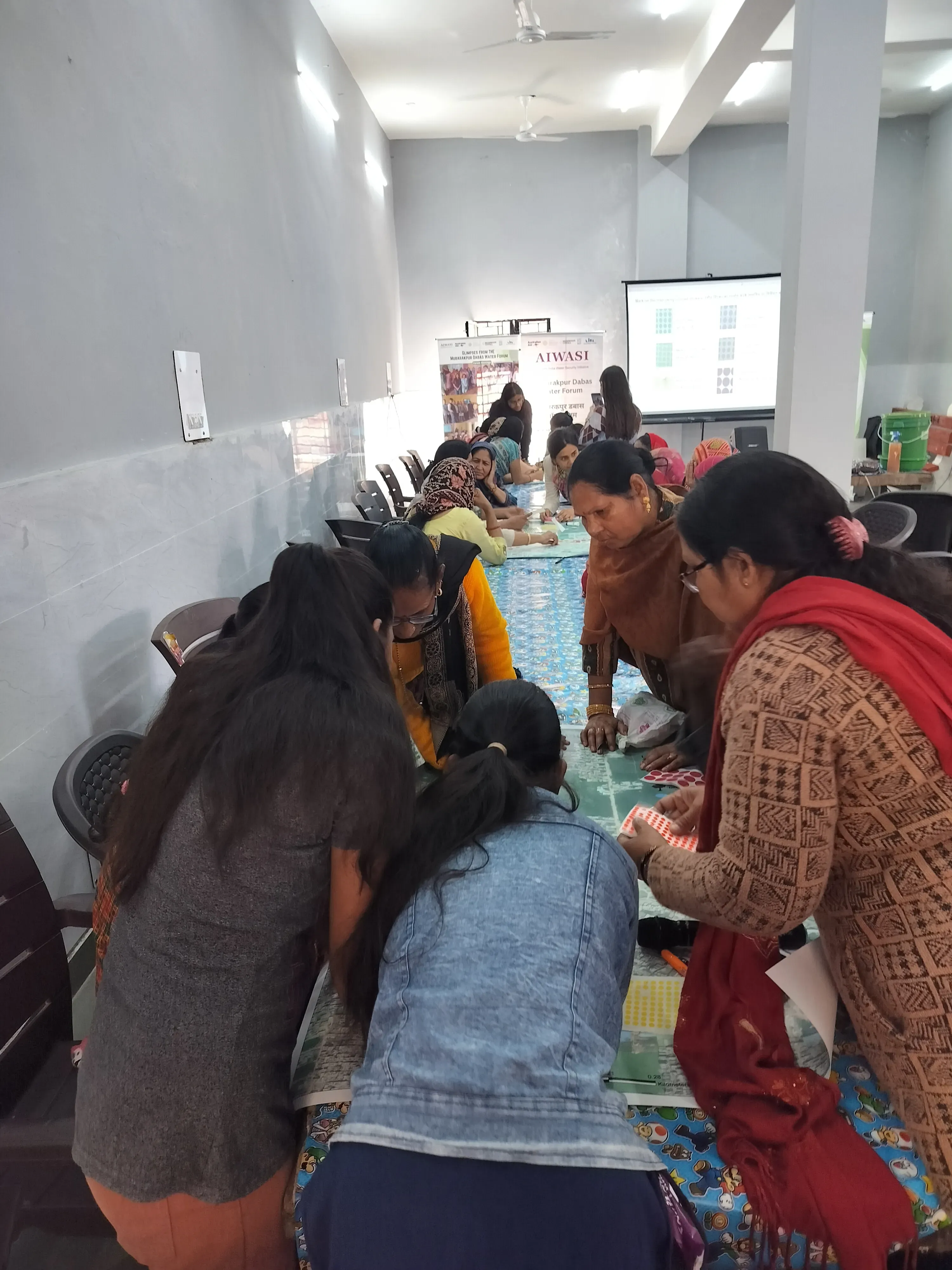
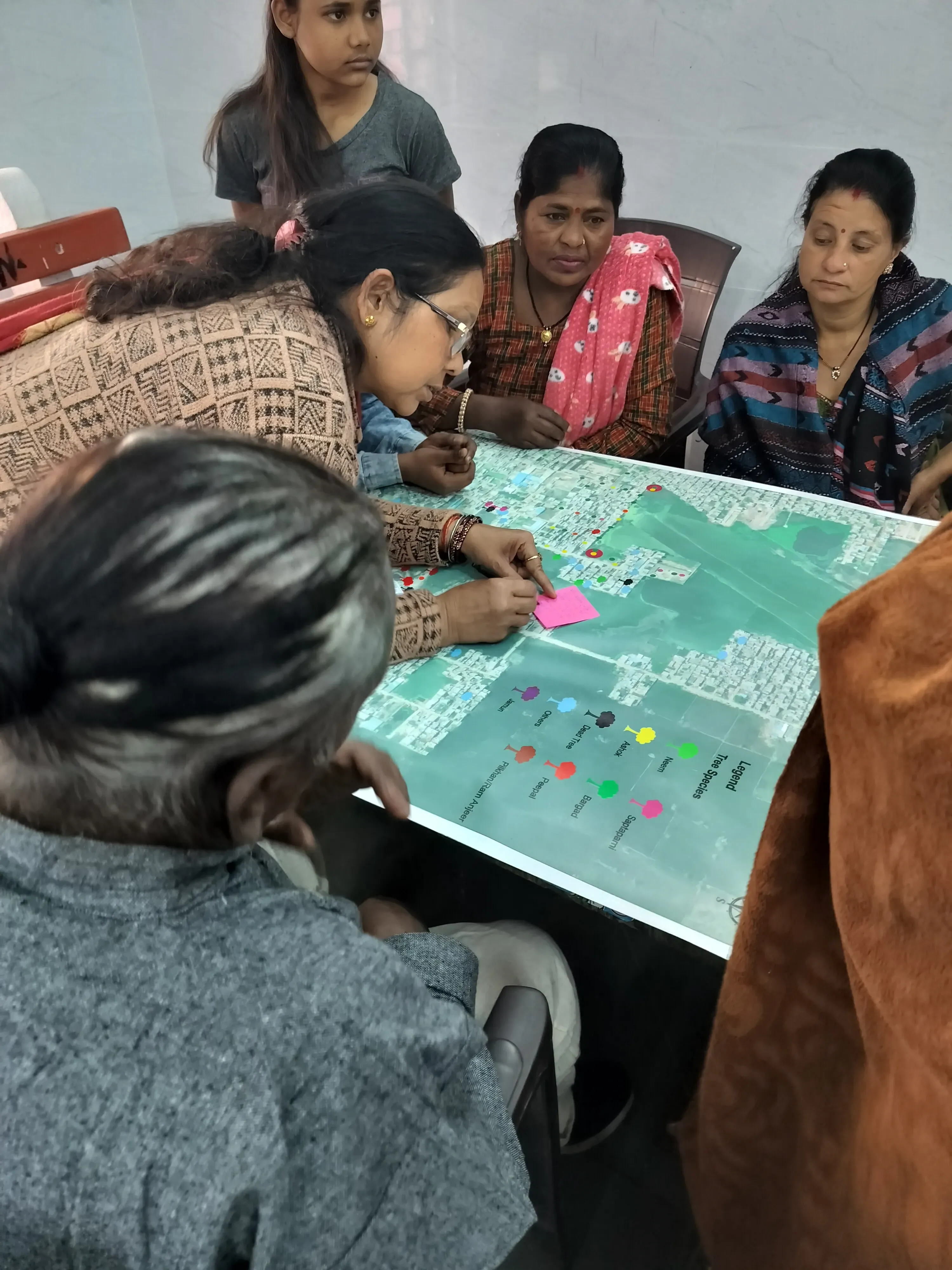
PARIWAR is an urban water initiative aimed at creating an enabling environment for Water-Sensitive Urban Design (WSUD) in Delhi. A concept popularised in Australia, WSUD integrates the urban water cycle — including stormwater, groundwater, wastewater management, and water supply — into urban design to minimise environmental degradation and improve aesthetic and recreational value.Conducted in association with Australian experts, the project takes a two-pronged approach: designing and implementing water-sensitive demonstration projects in two disadvantaged communities in West Delhi — Bakkarwala Resettlement Colony and Mubarakpur Dabas Urban Village — and establishing the Delhi Water Forum (DWF), a city-wide, multi-stakeholder body that brings together diverse voices to inform policy decisions for enhancing water security through the WSUD philosophy.At the city level, the DWF is a first-of-its-kind platform in India dedicated to achieving water security through WSUD, with both government and non-government members onboarded. At the community level, Community Water Forums (CWFs) have been established in Bakkarwala and Mubarakpur Dabas, as well as in surrounding unauthorised colonies, serving as a platform for convergence among local NGOs, Resident Welfare Associations (RWAs), Citizen Action Groups (CAGs), and civic authorities. These forums bridge the gap between disadvantaged communities and local governance while building community capacity through a community-led tree census, skills training in solid waste management, and school-level awareness and monitoring programs.
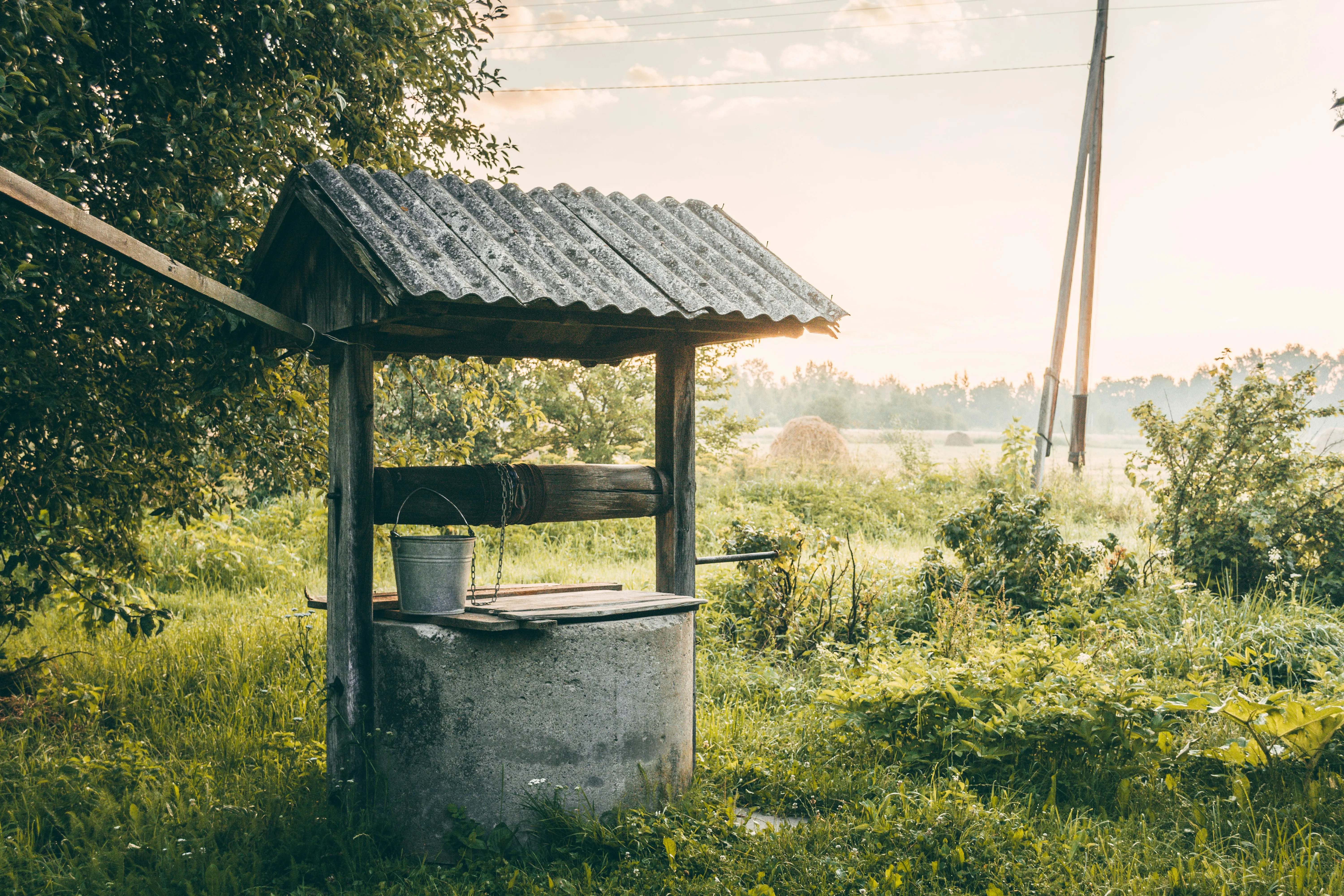
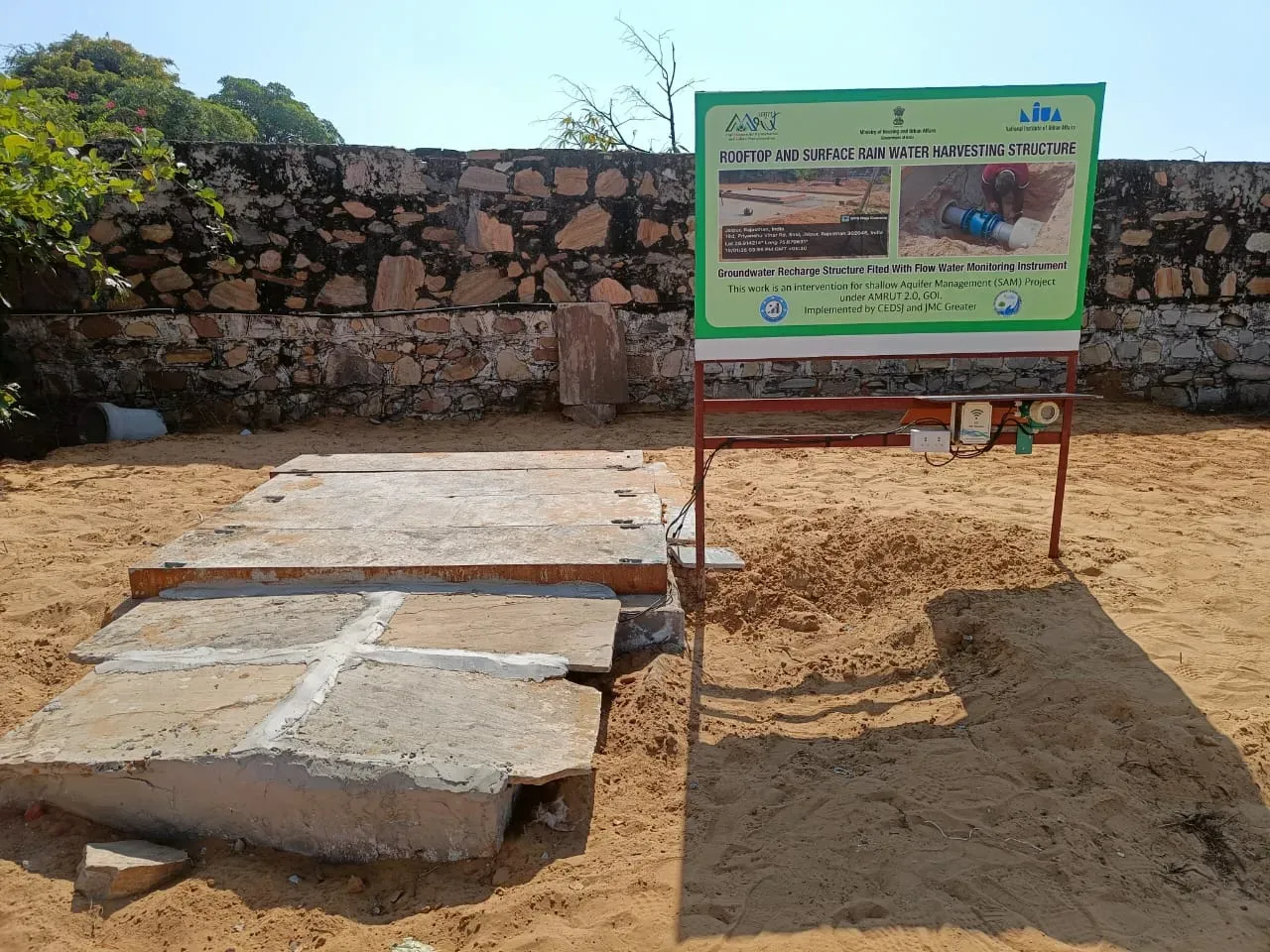
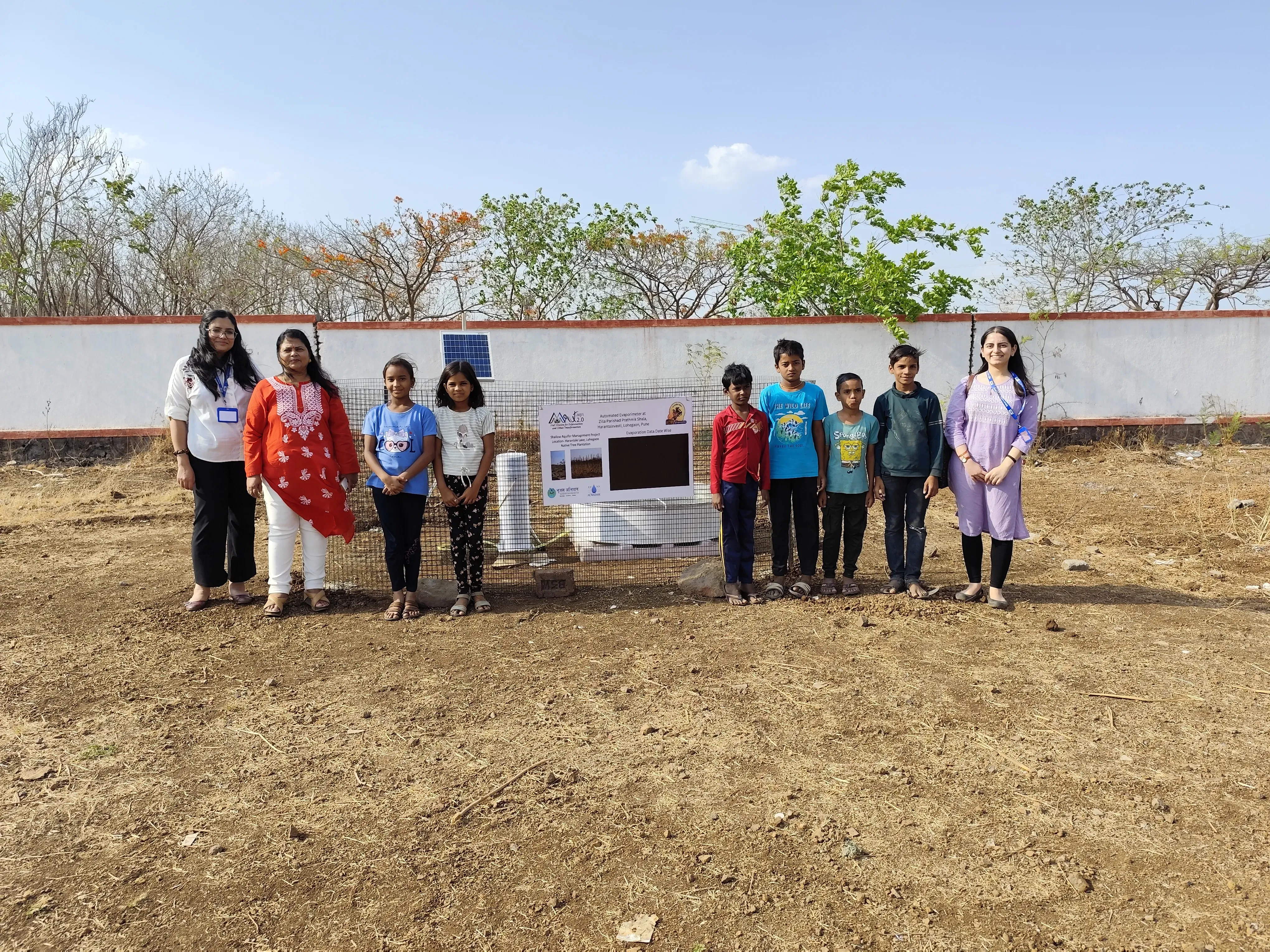
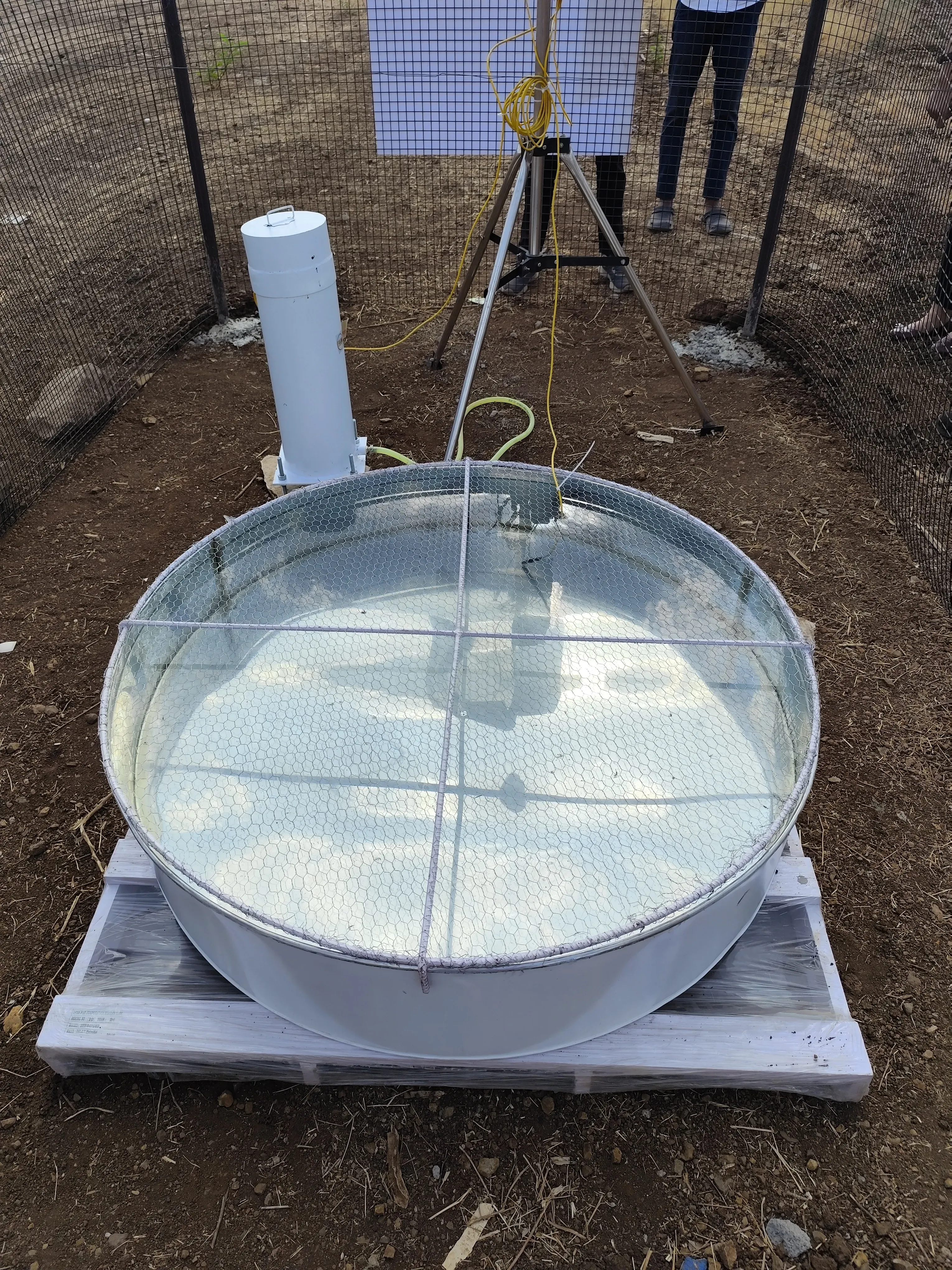
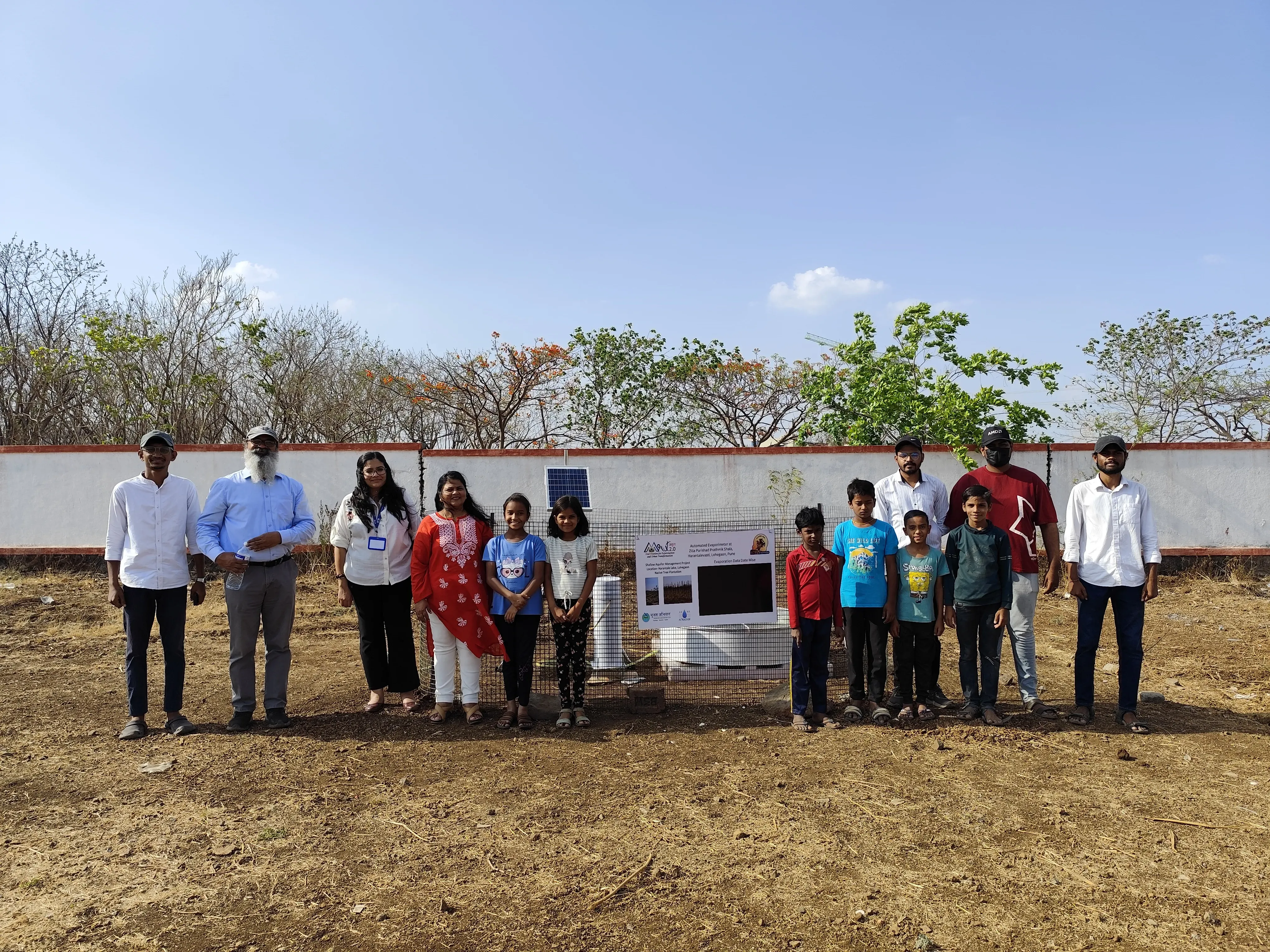
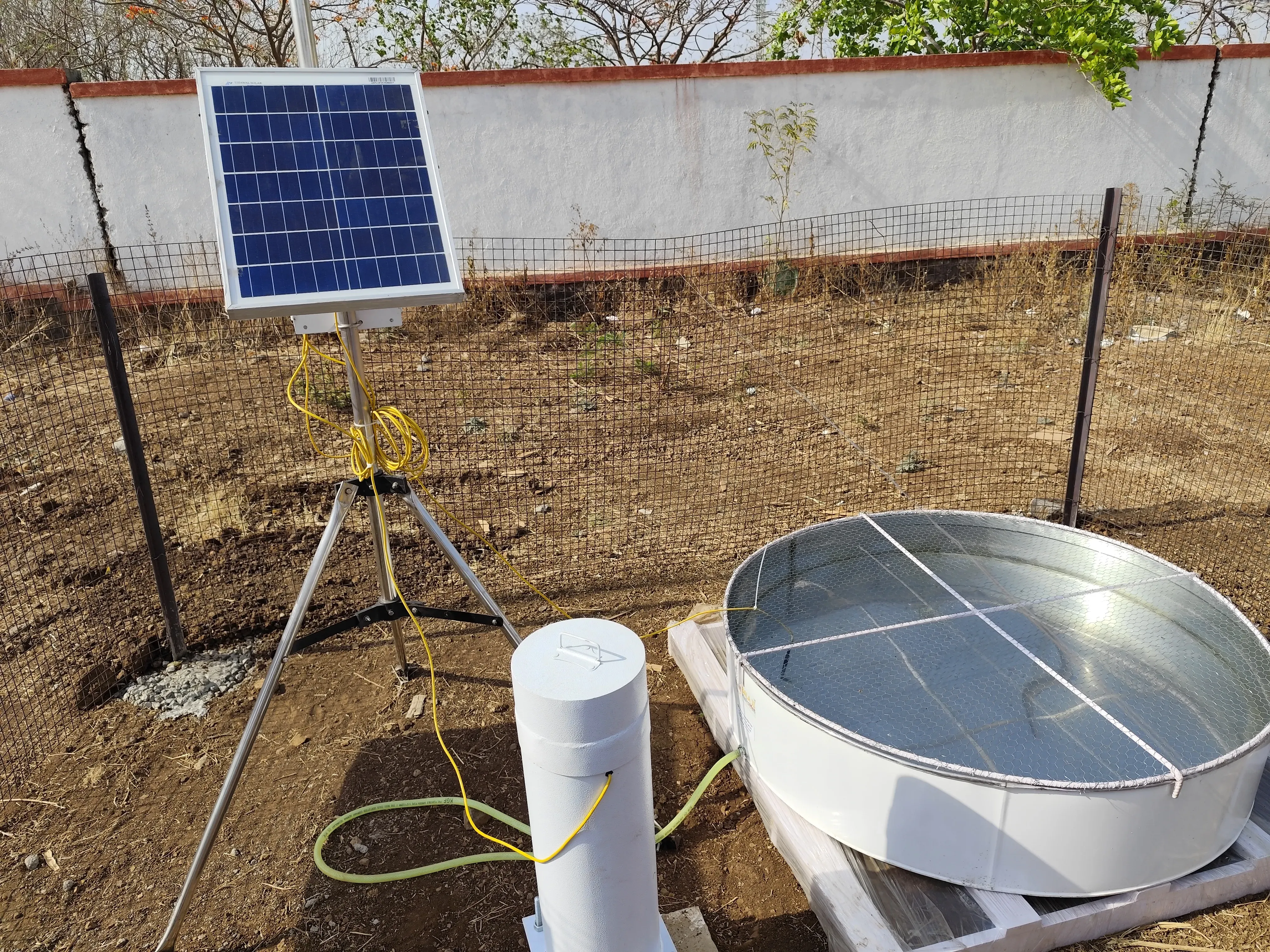
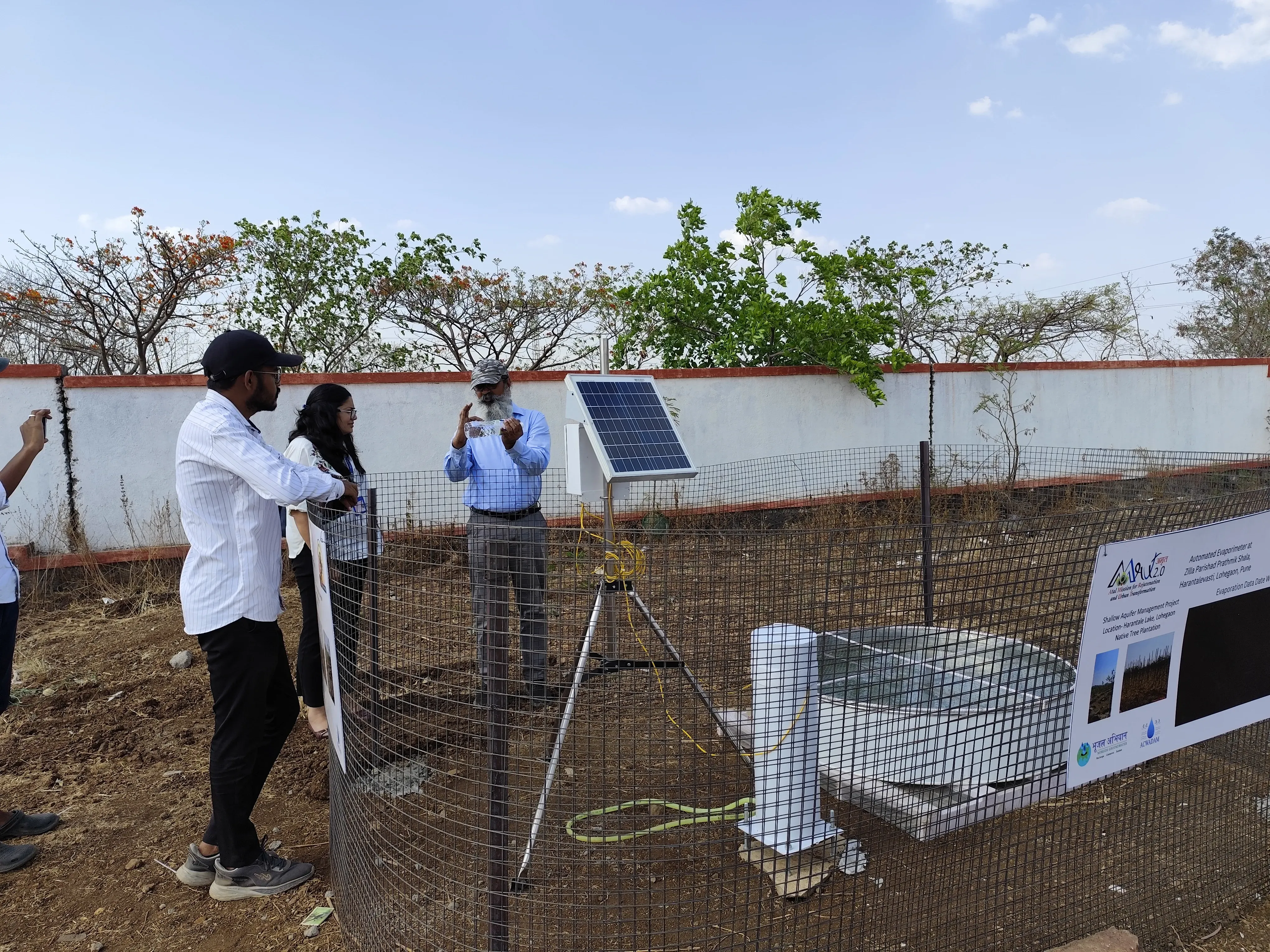
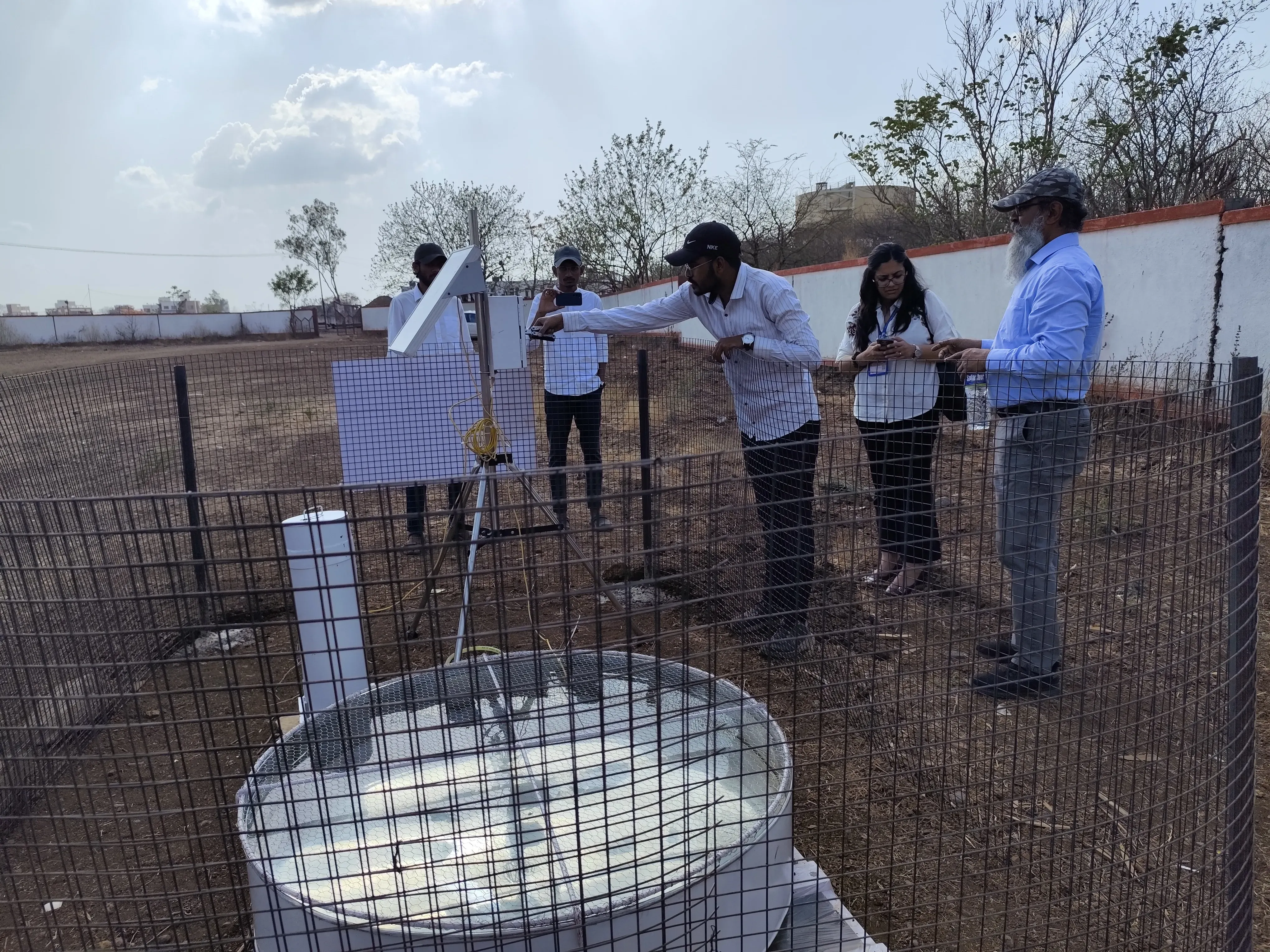
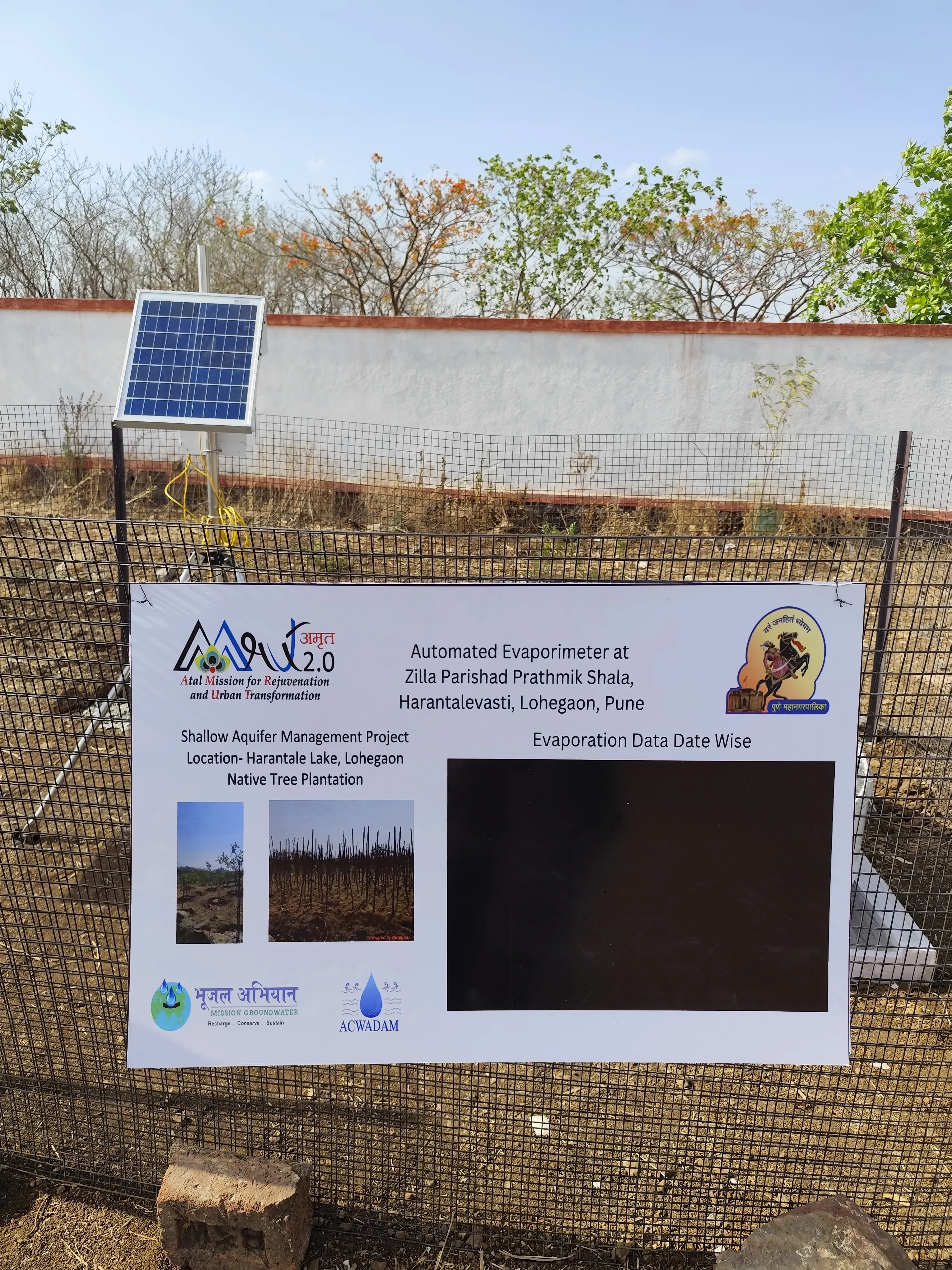
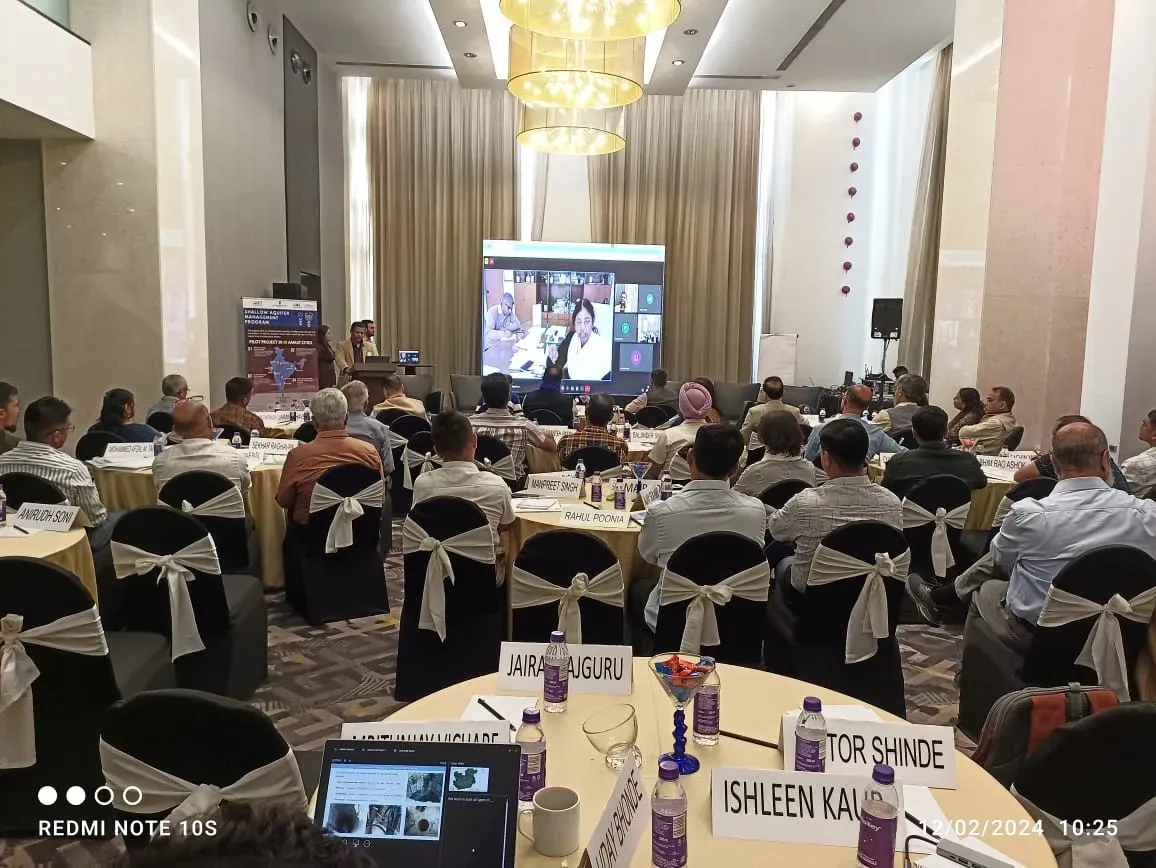
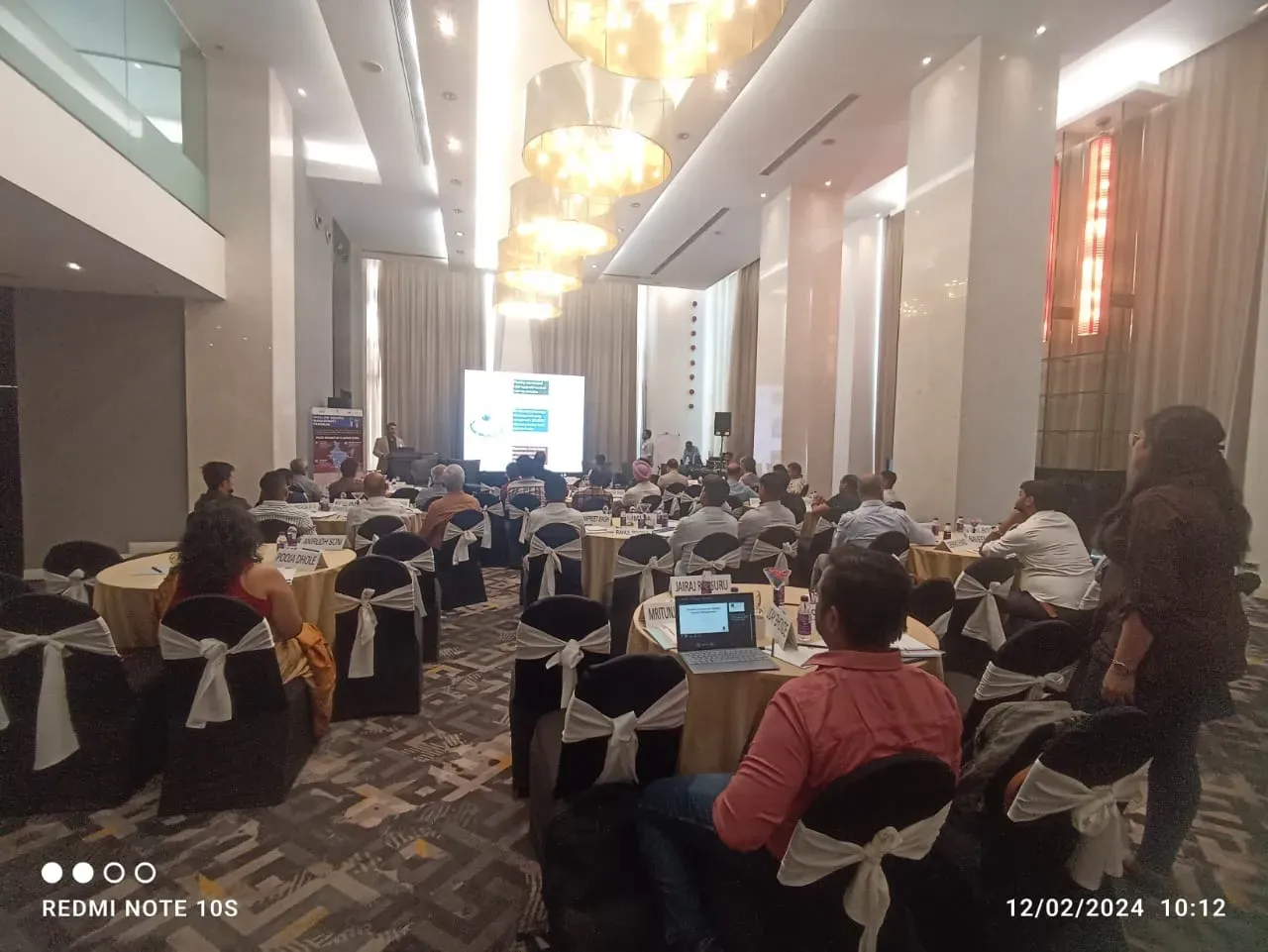
Shallow Aquifer Management (SAM) 2.0: A Sub-mission under AMRUT 2.0
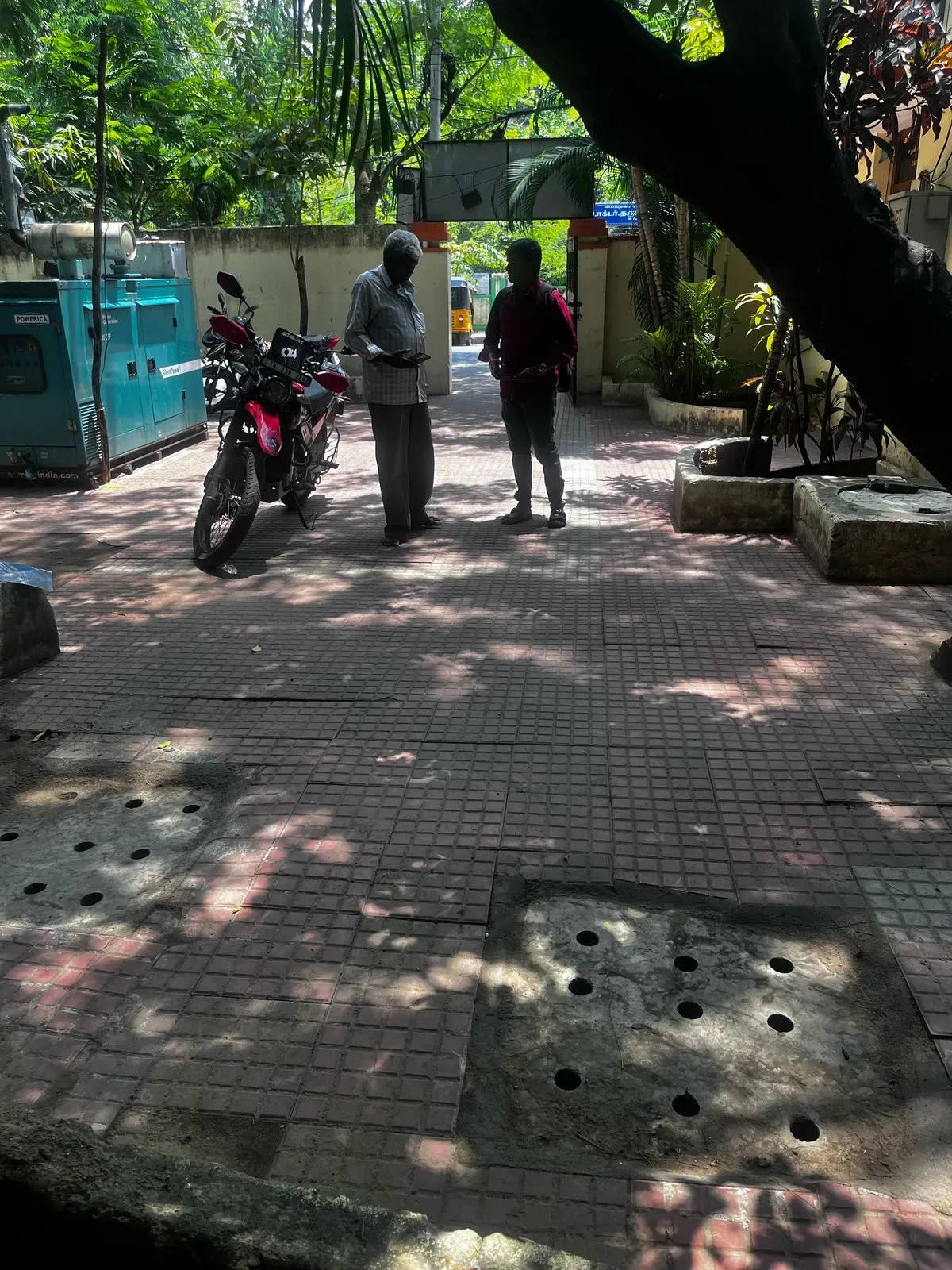
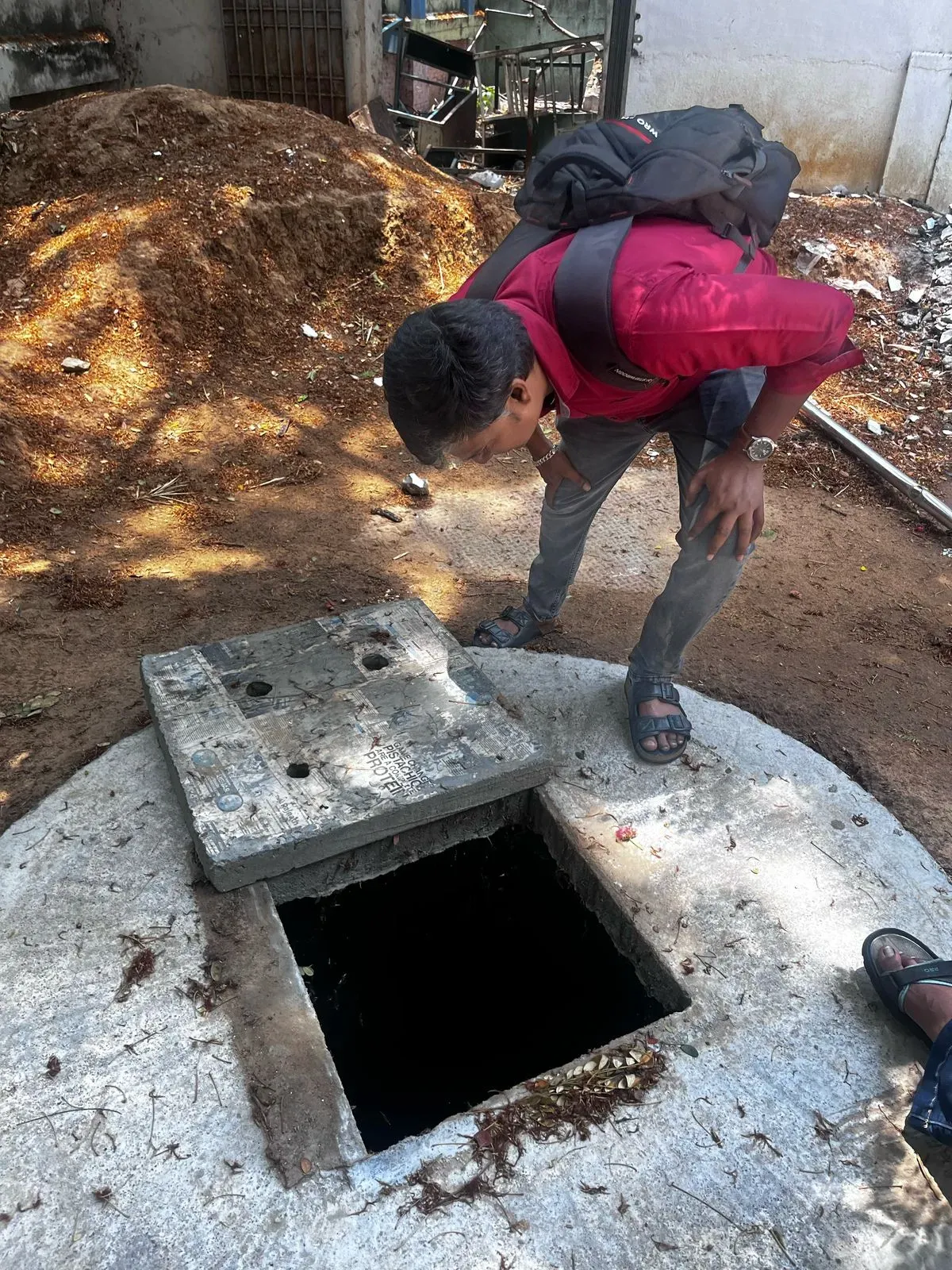
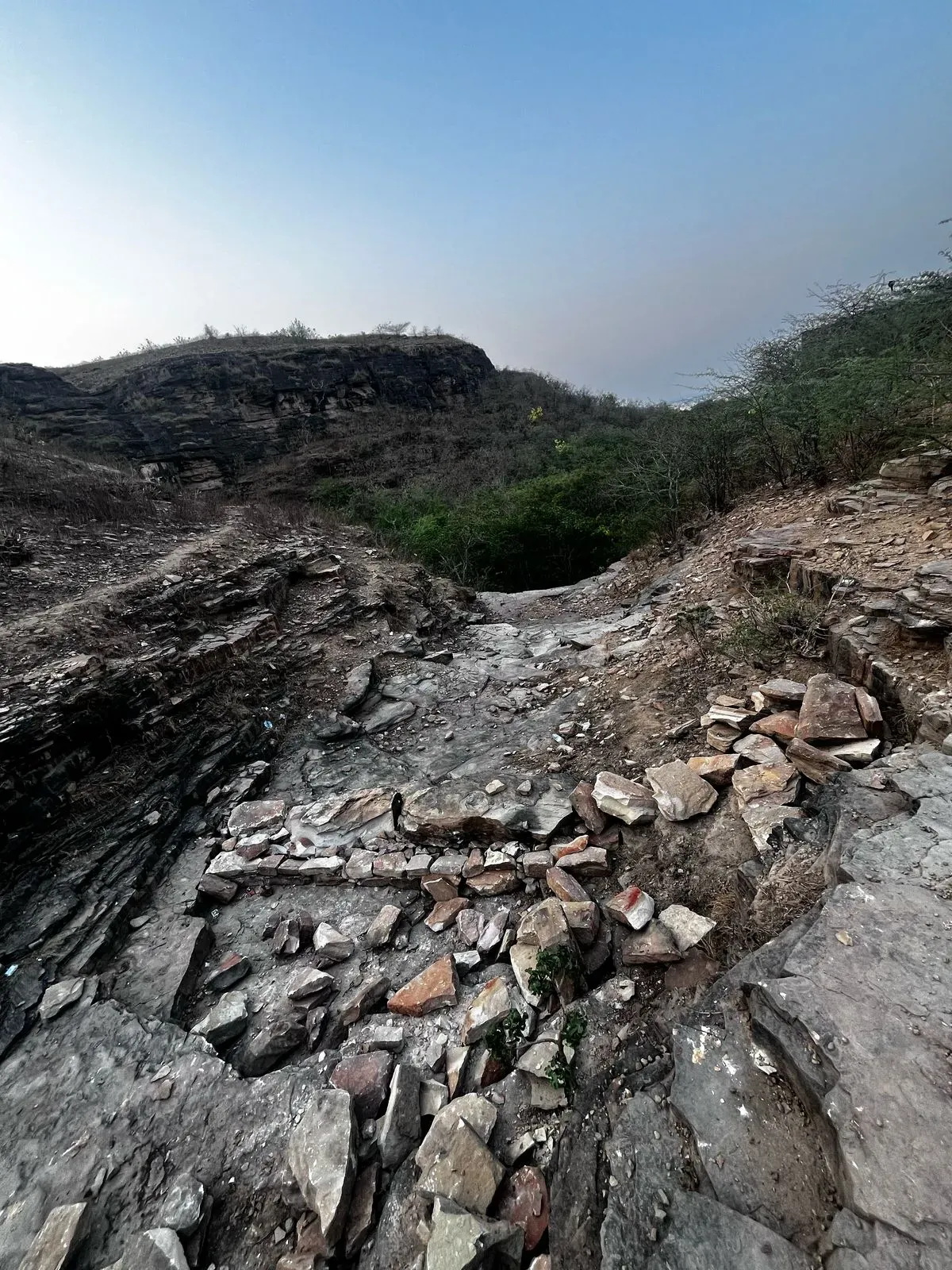
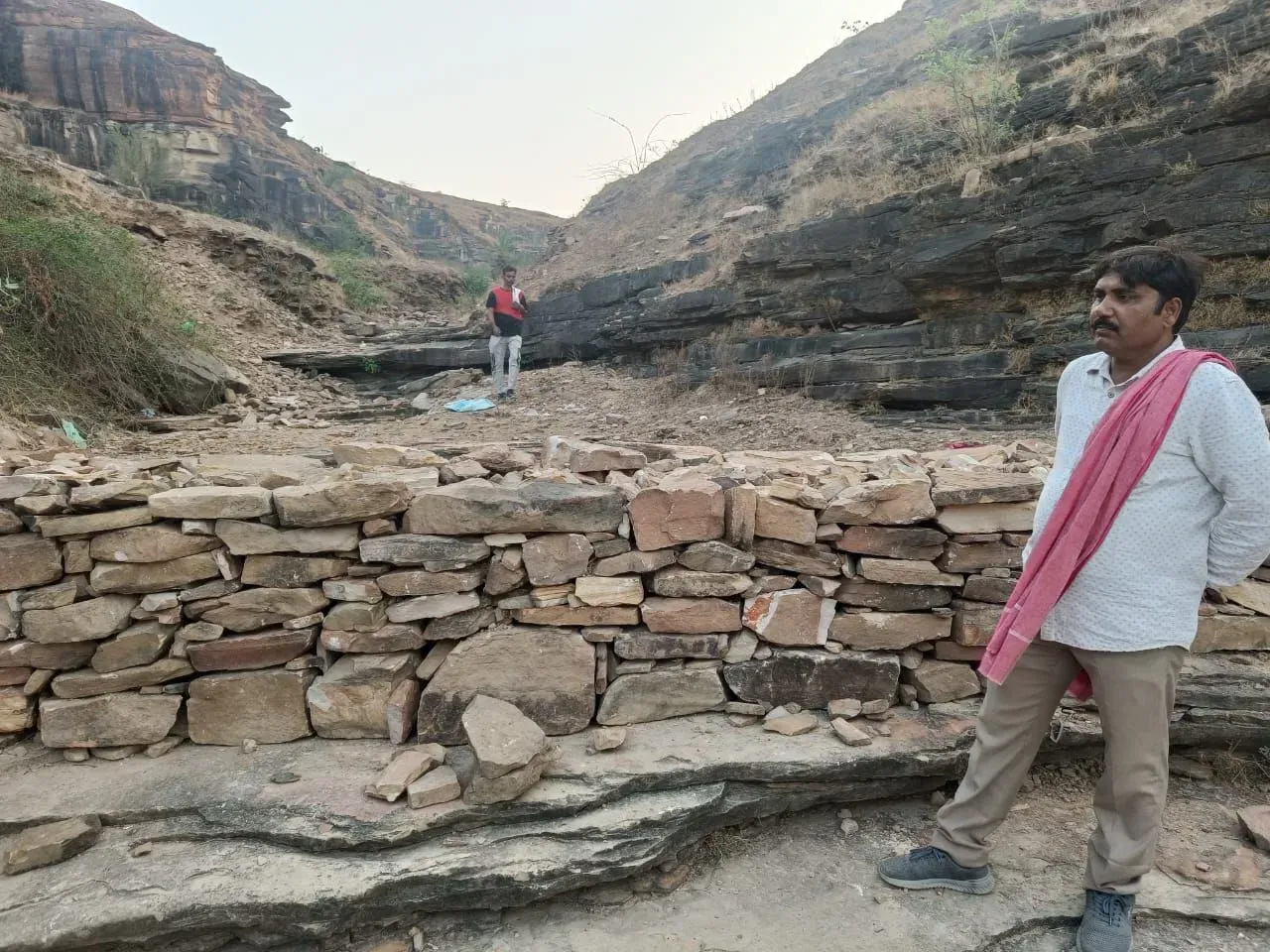
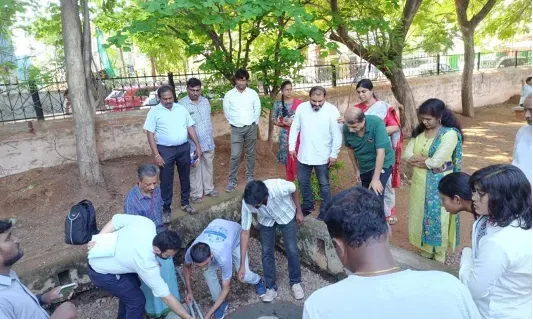
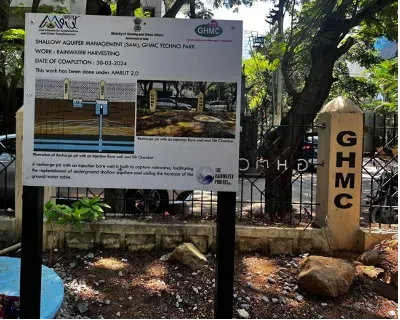
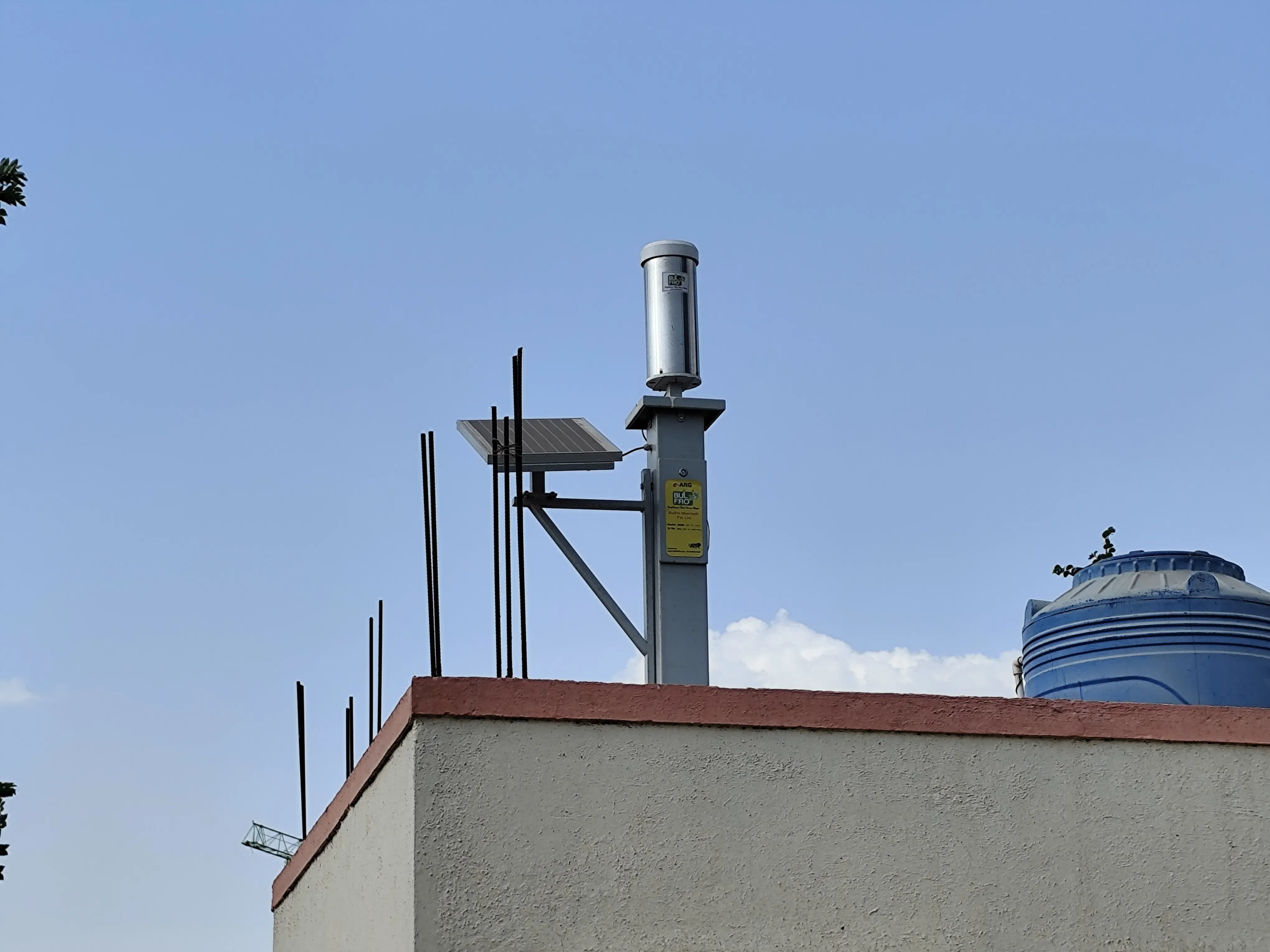
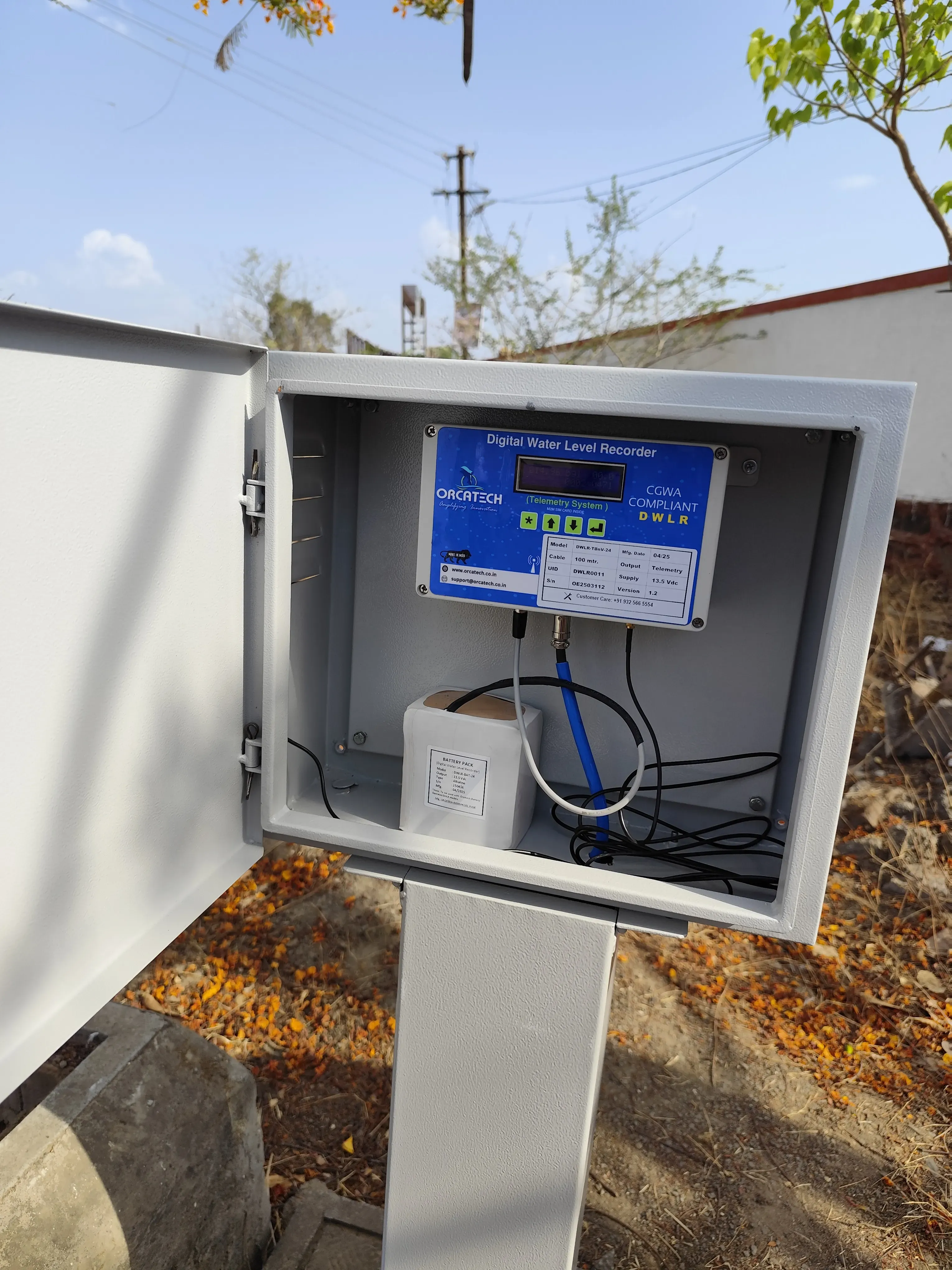
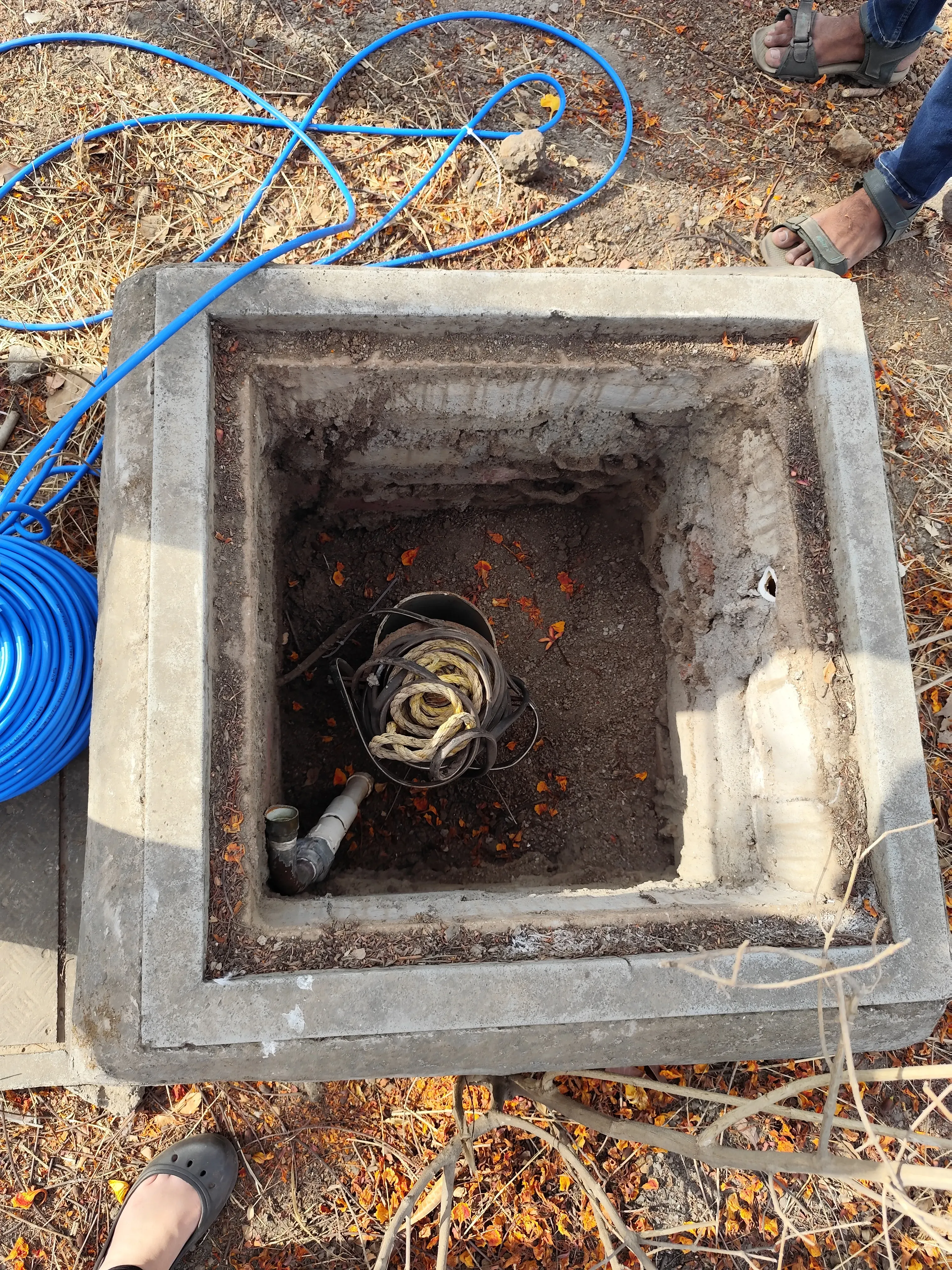
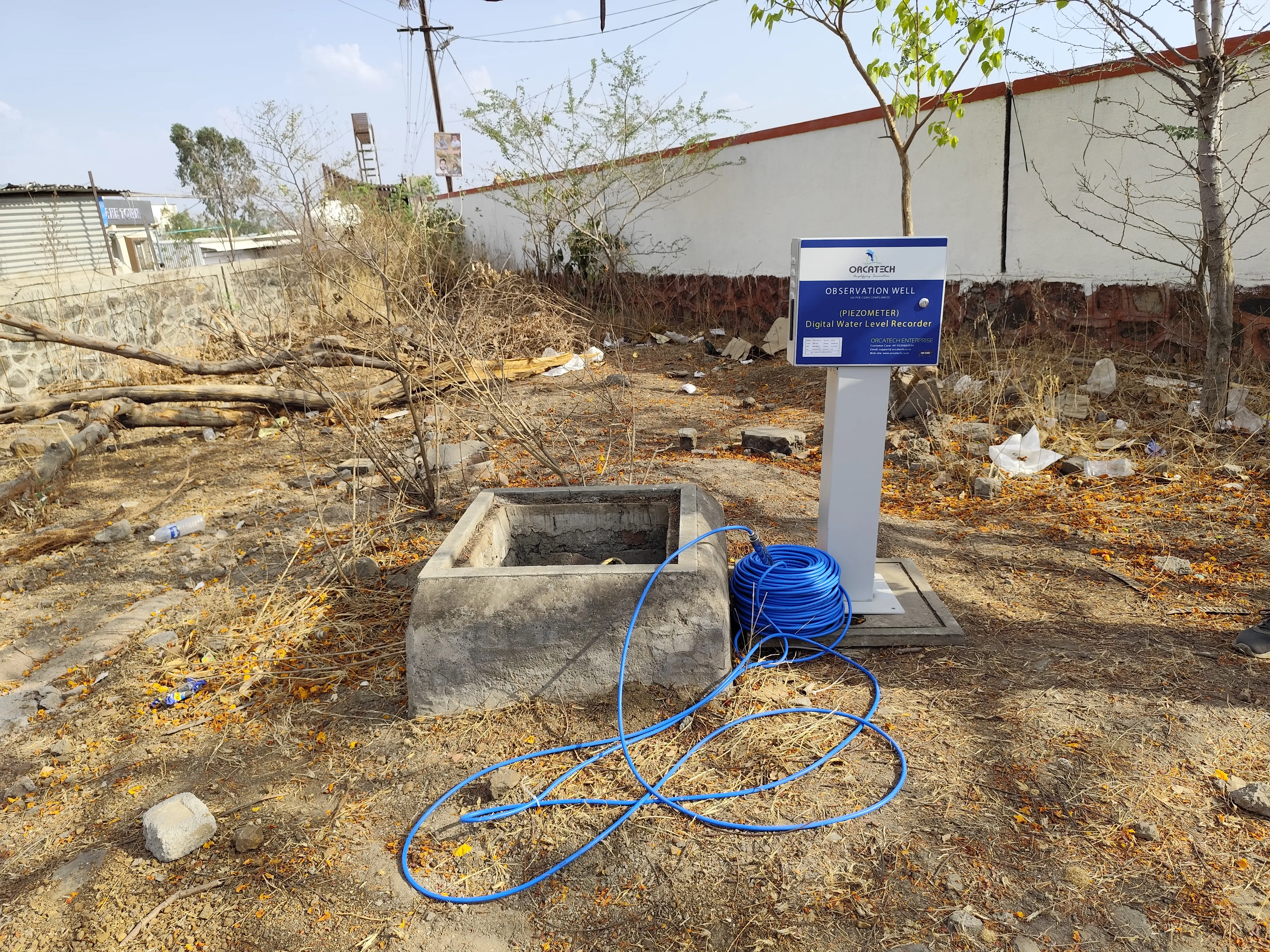
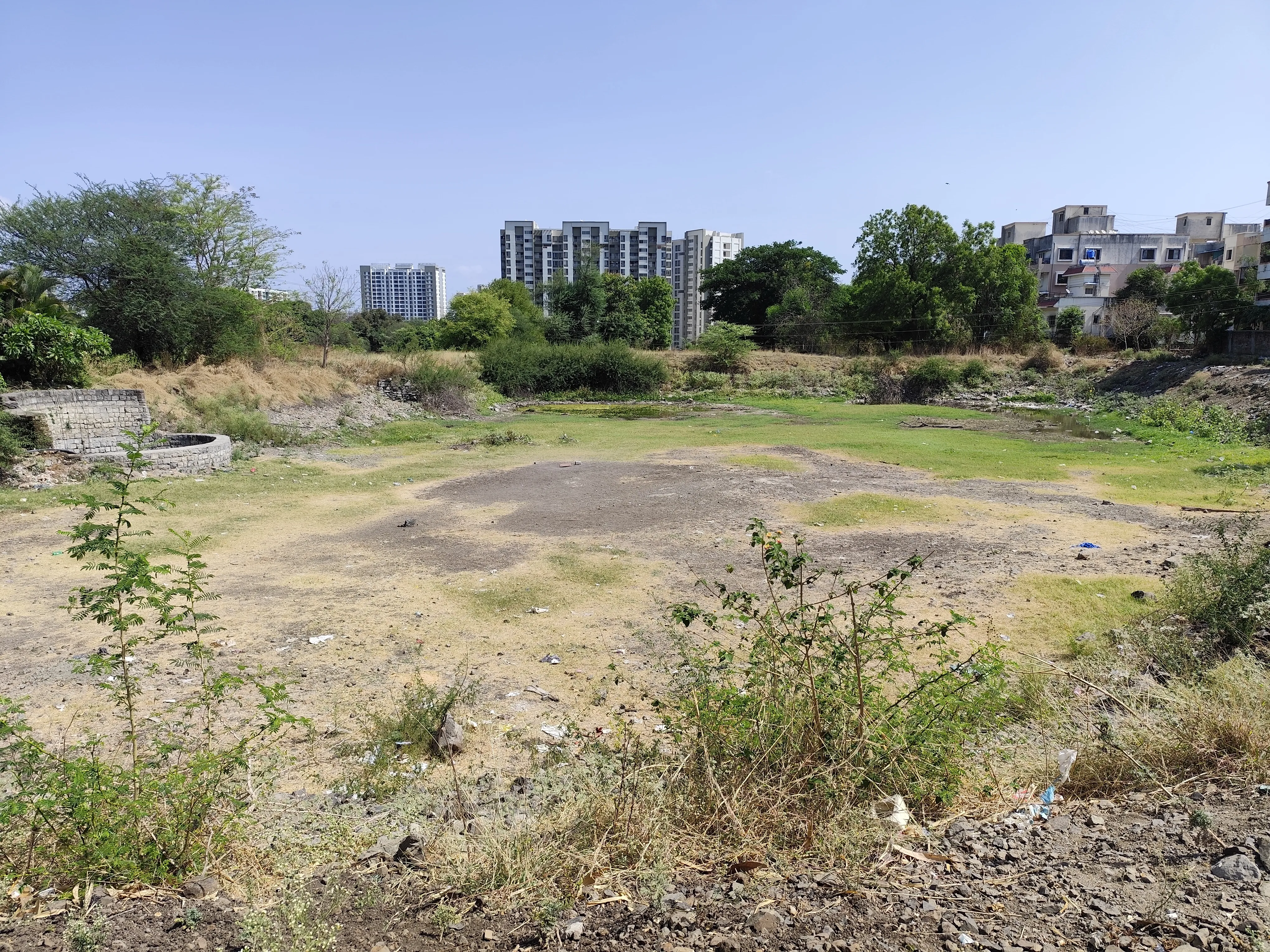
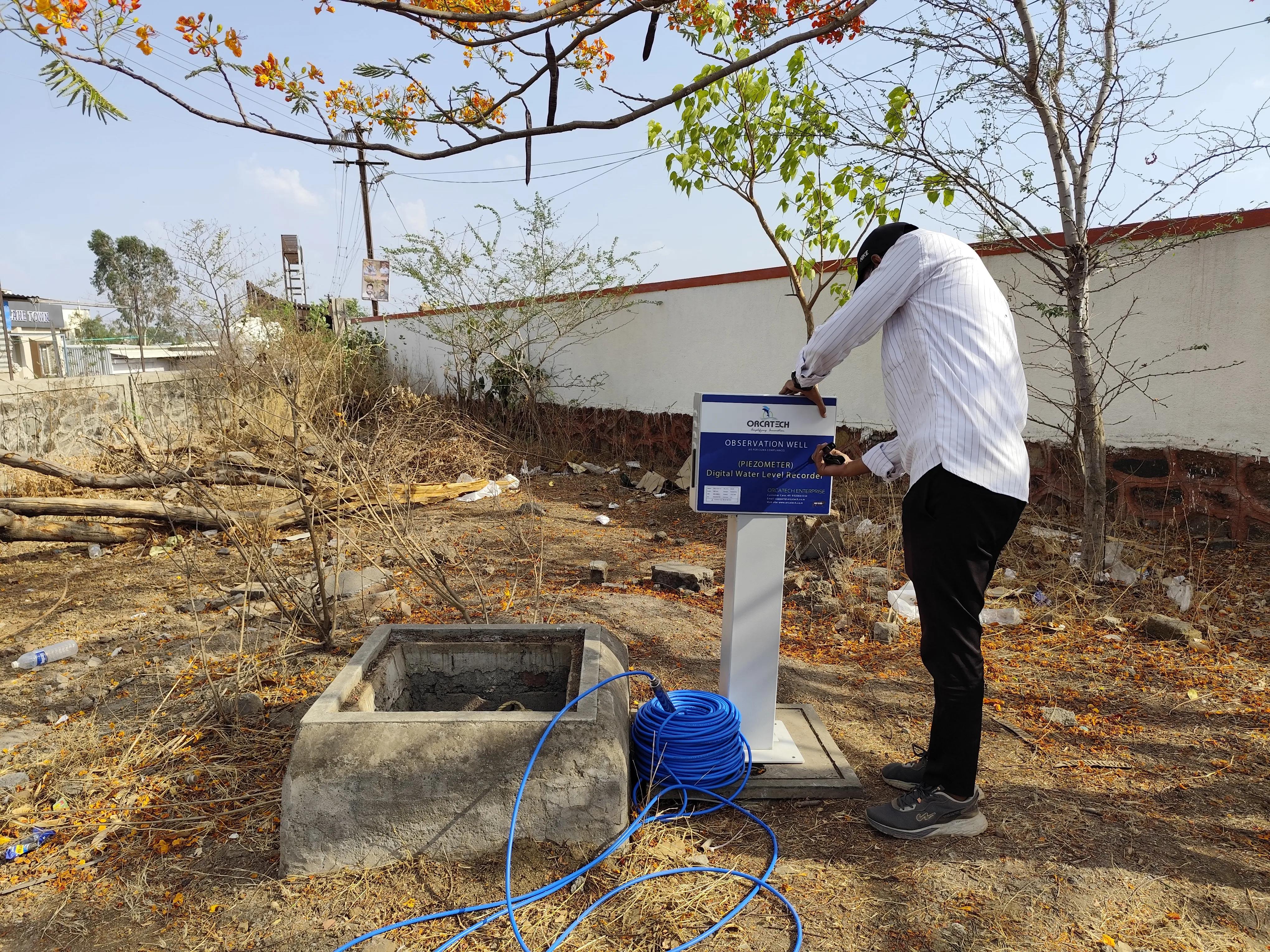
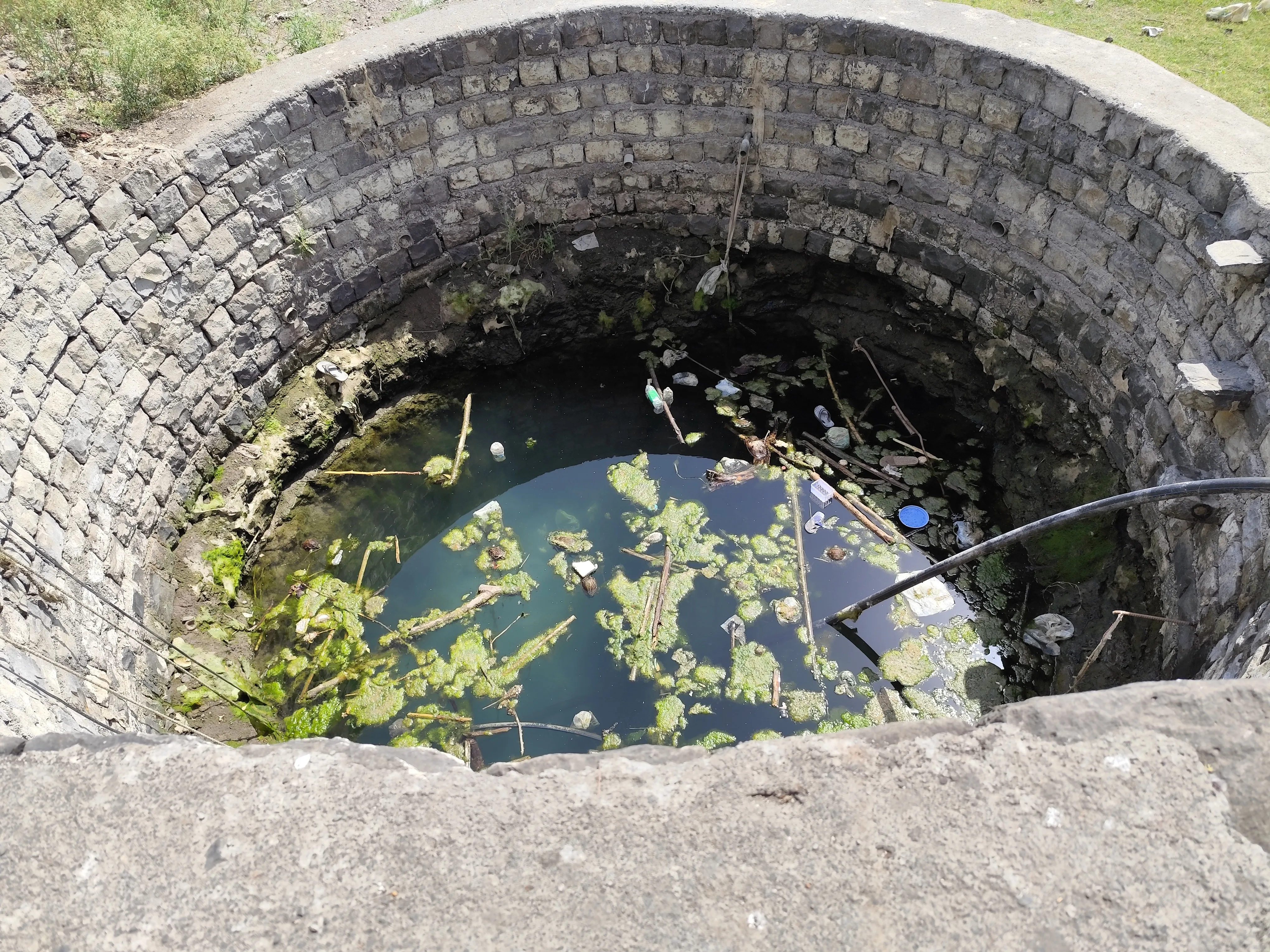
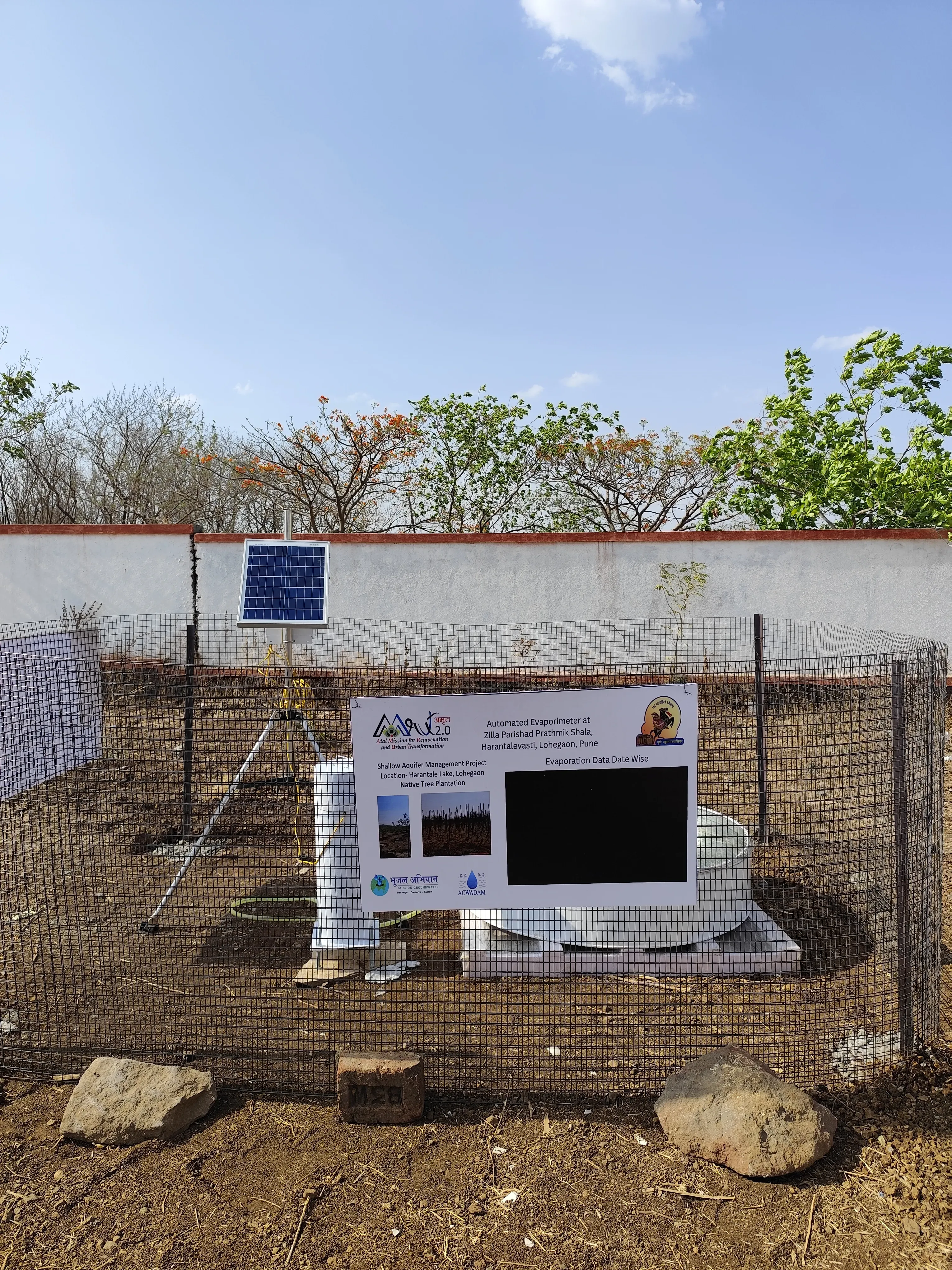
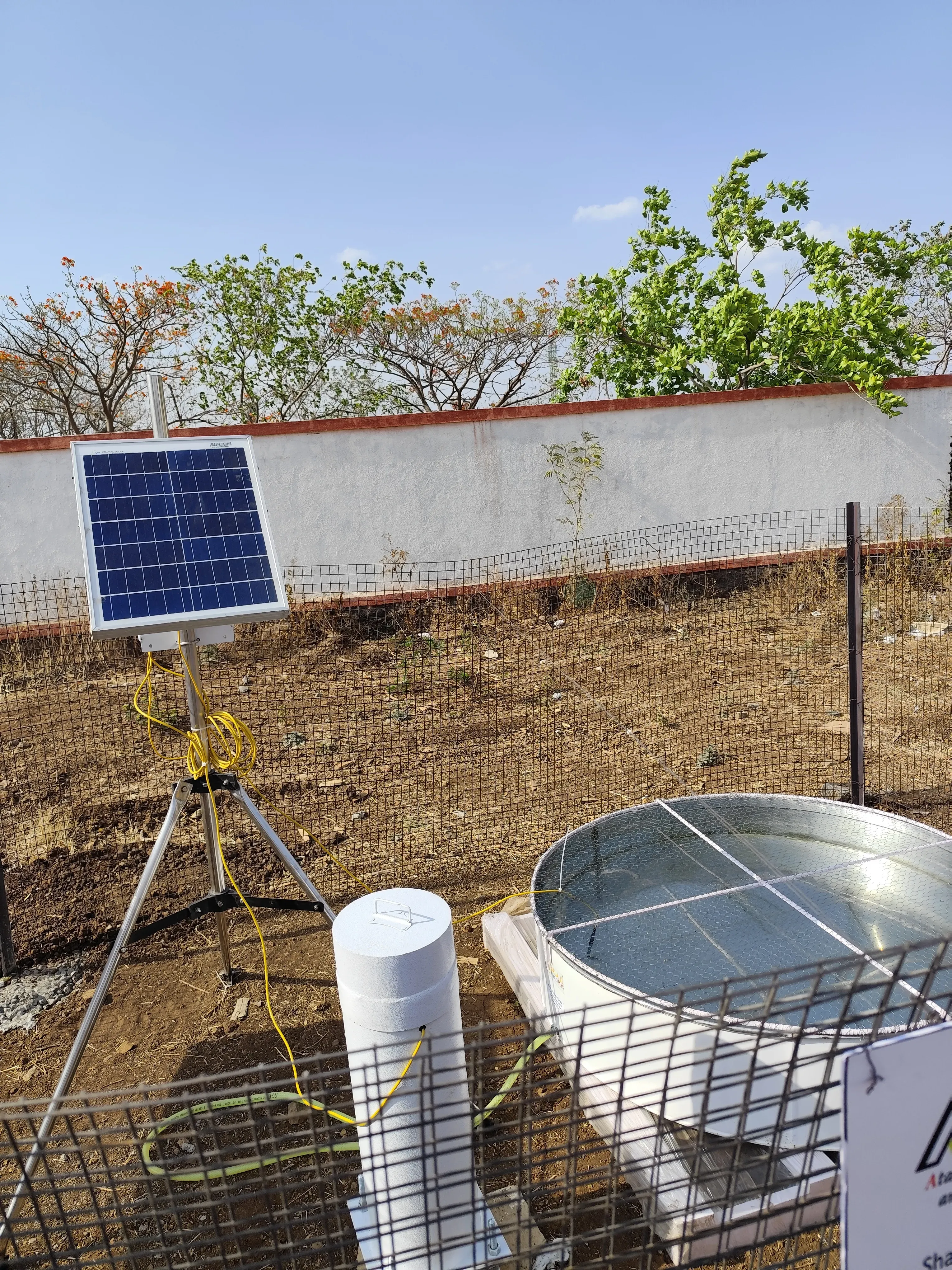
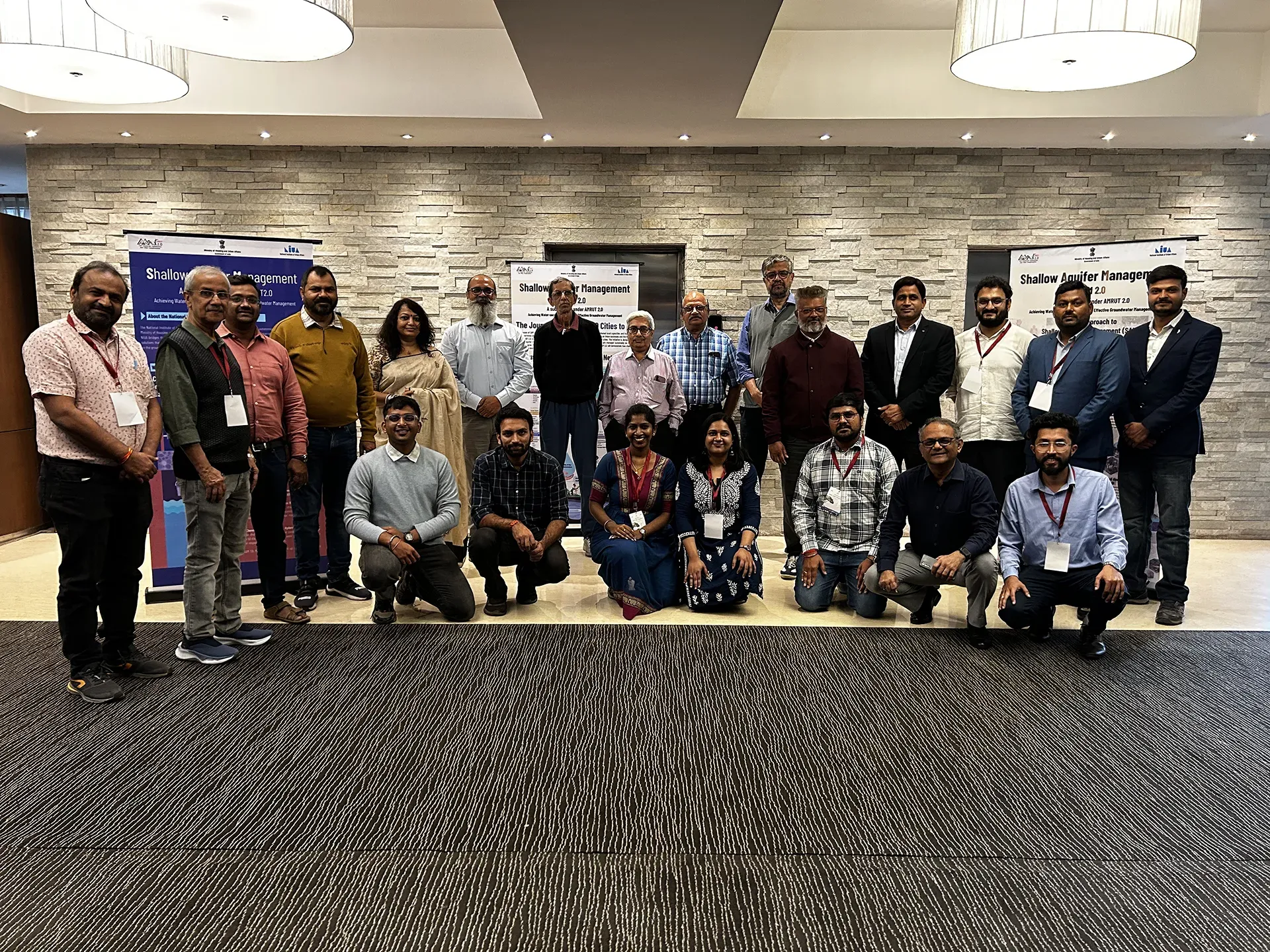
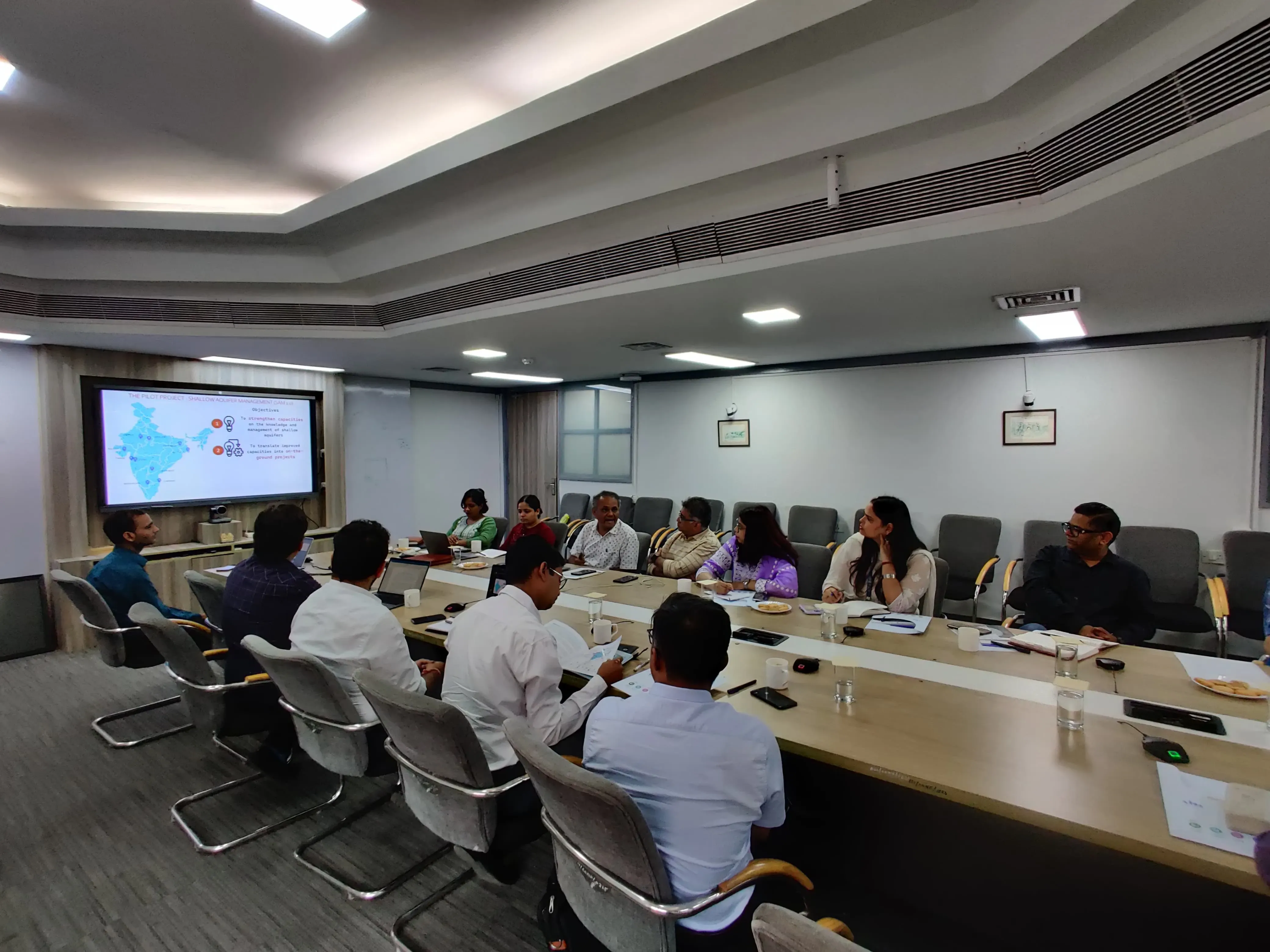
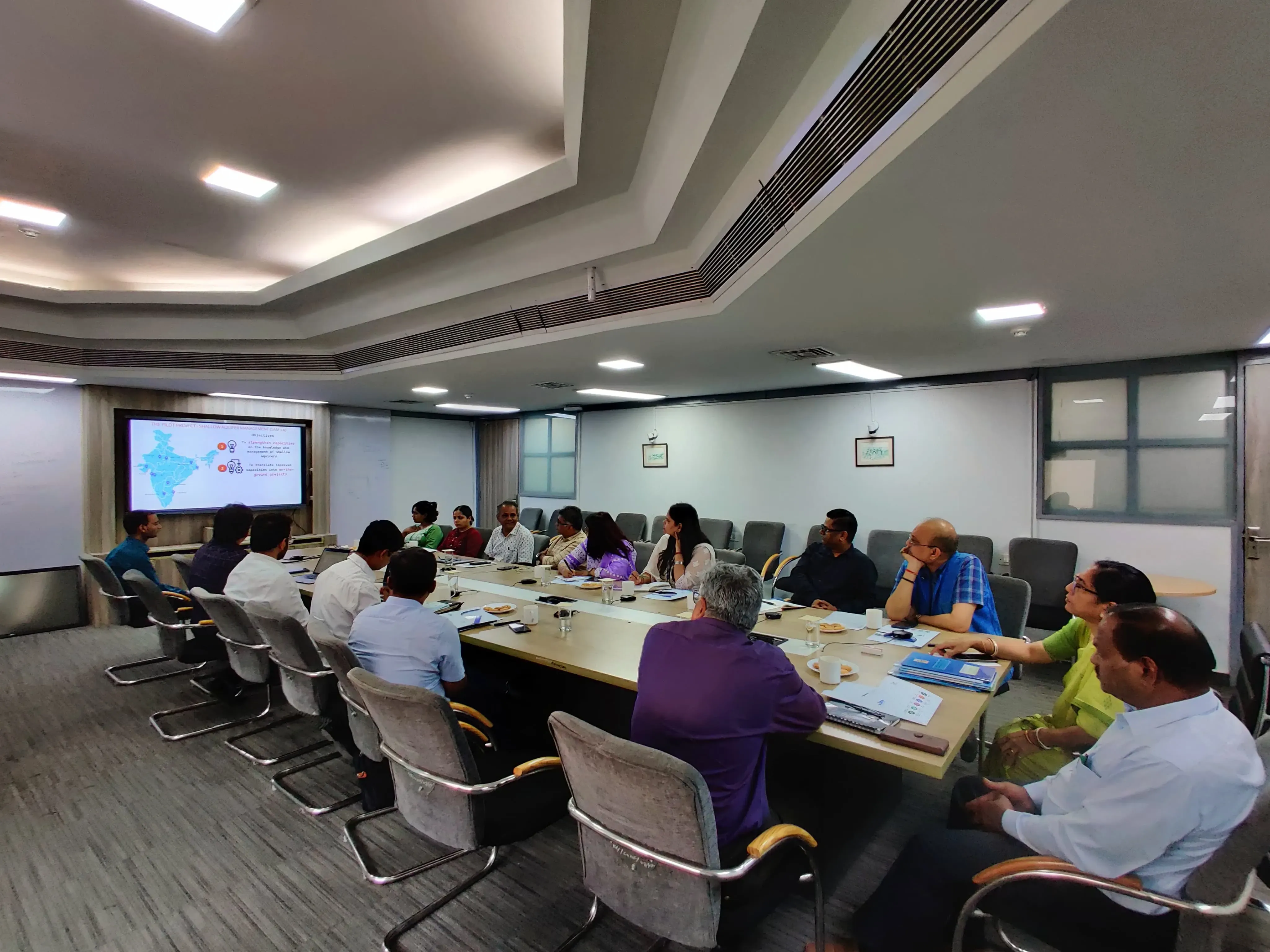
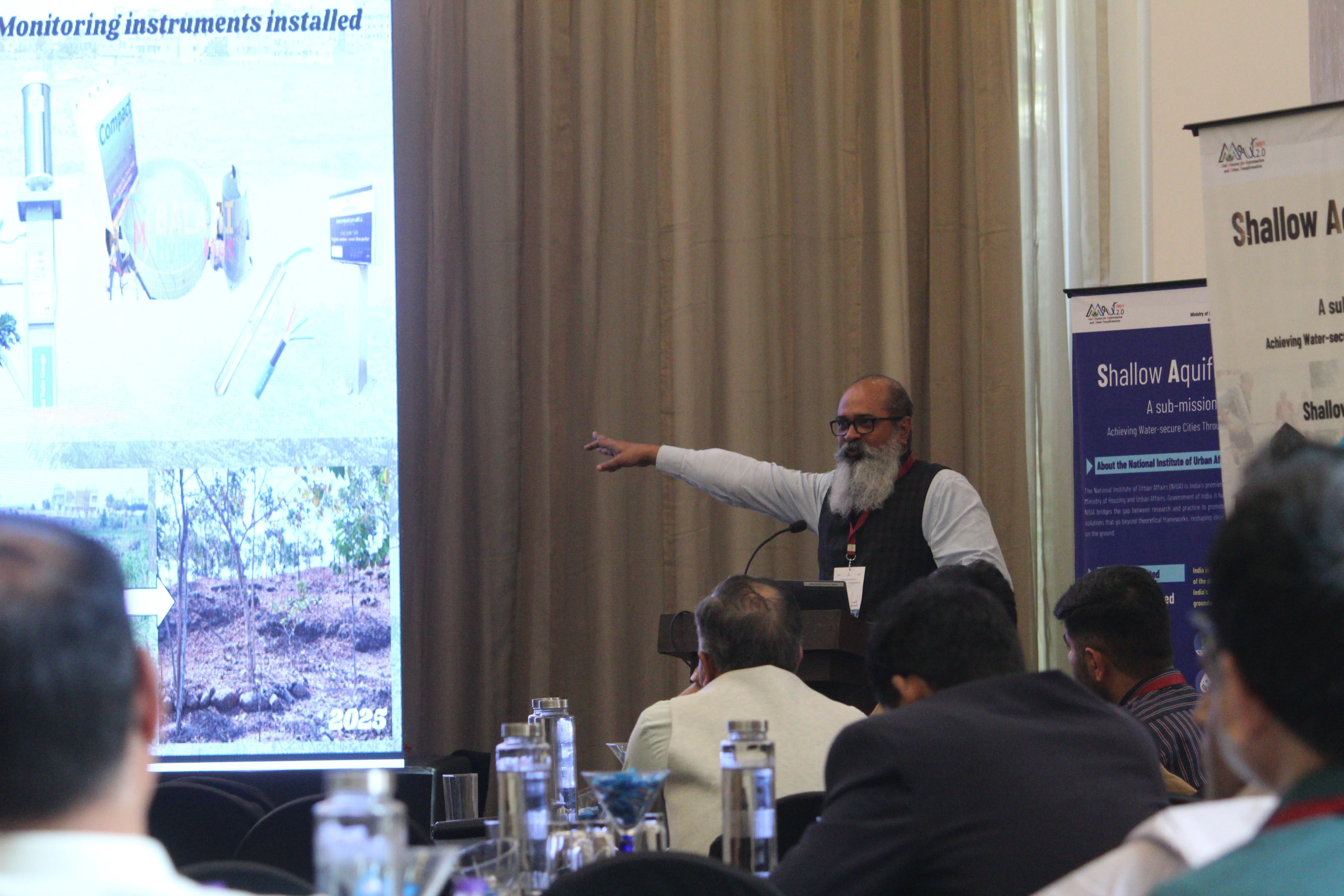
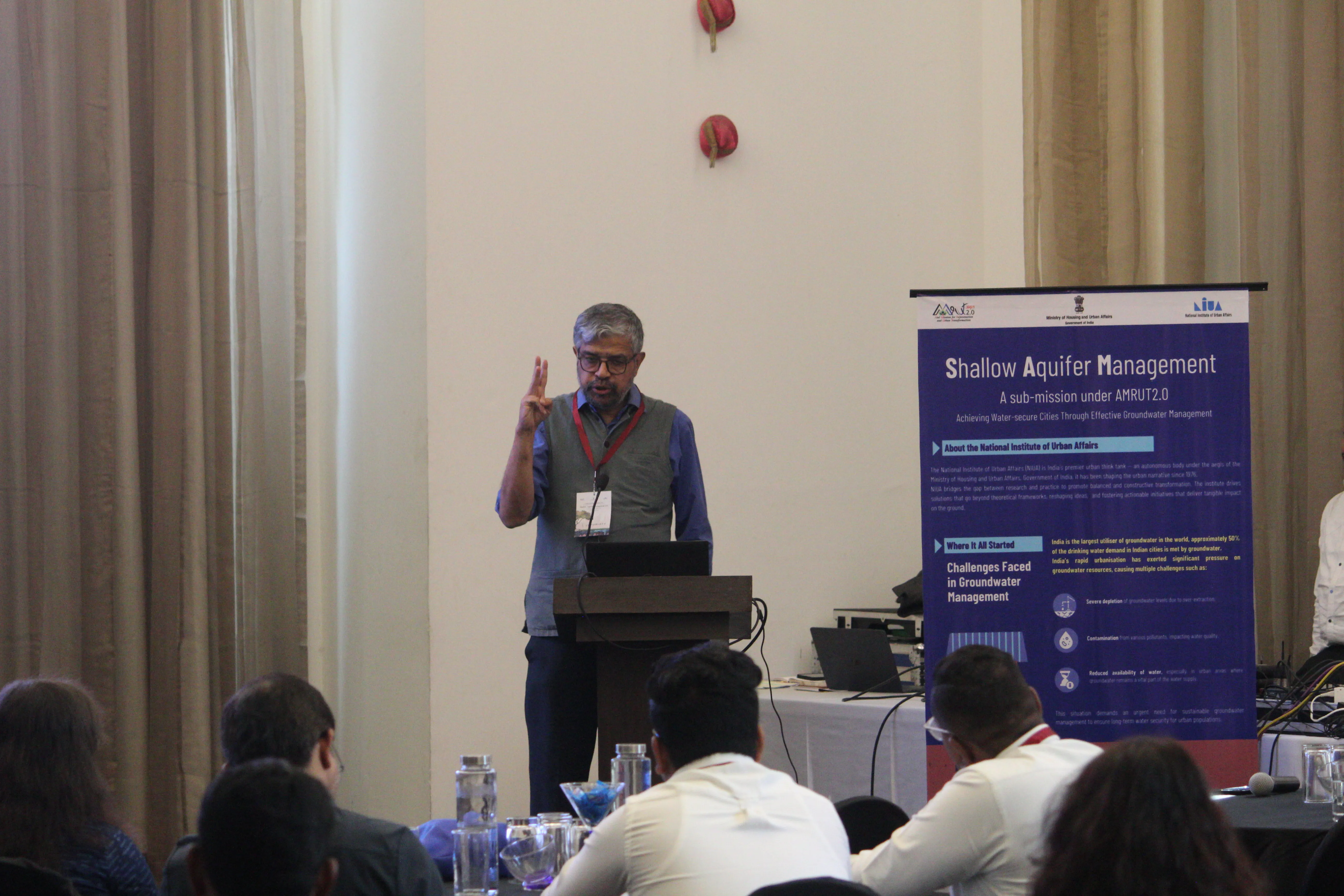
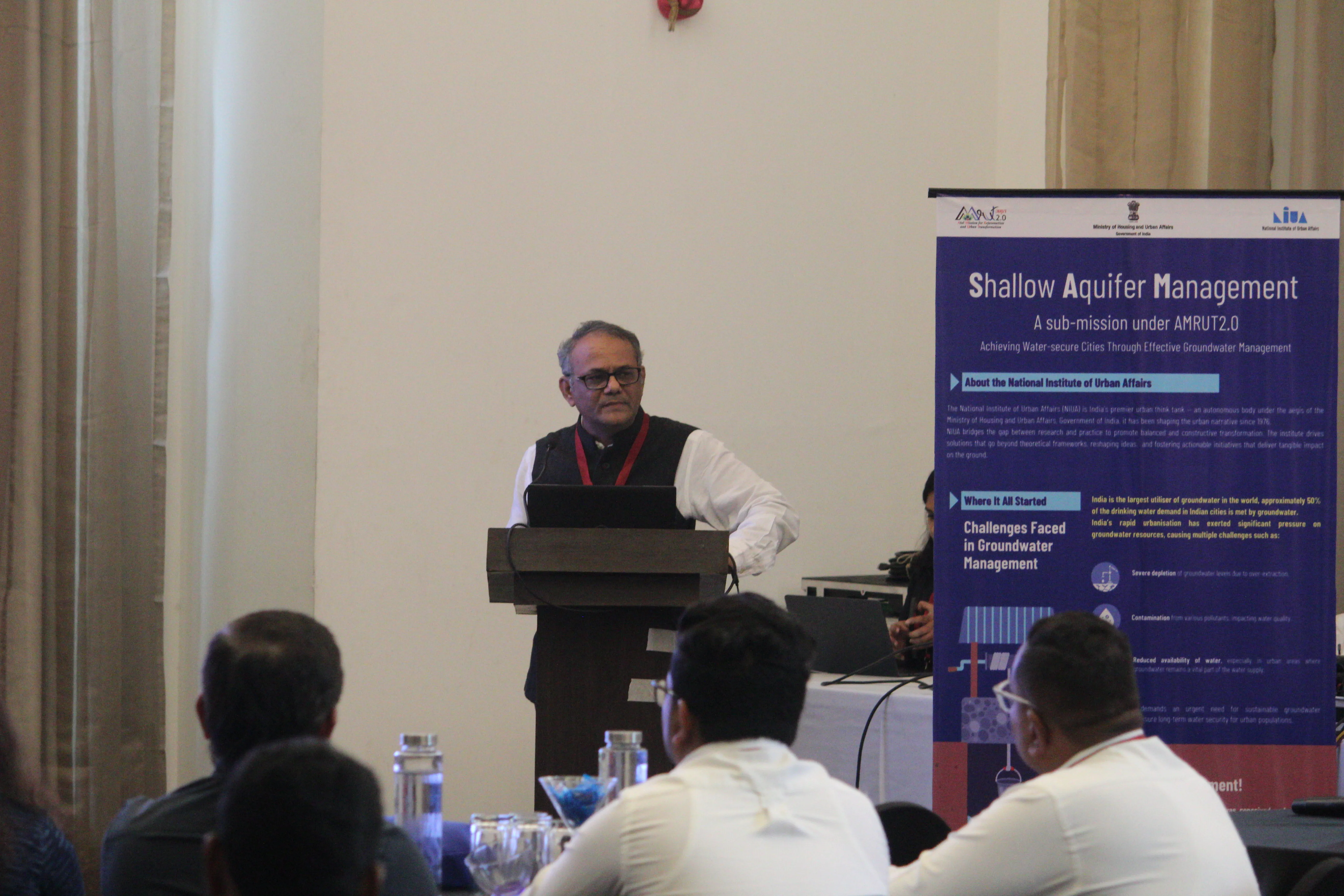
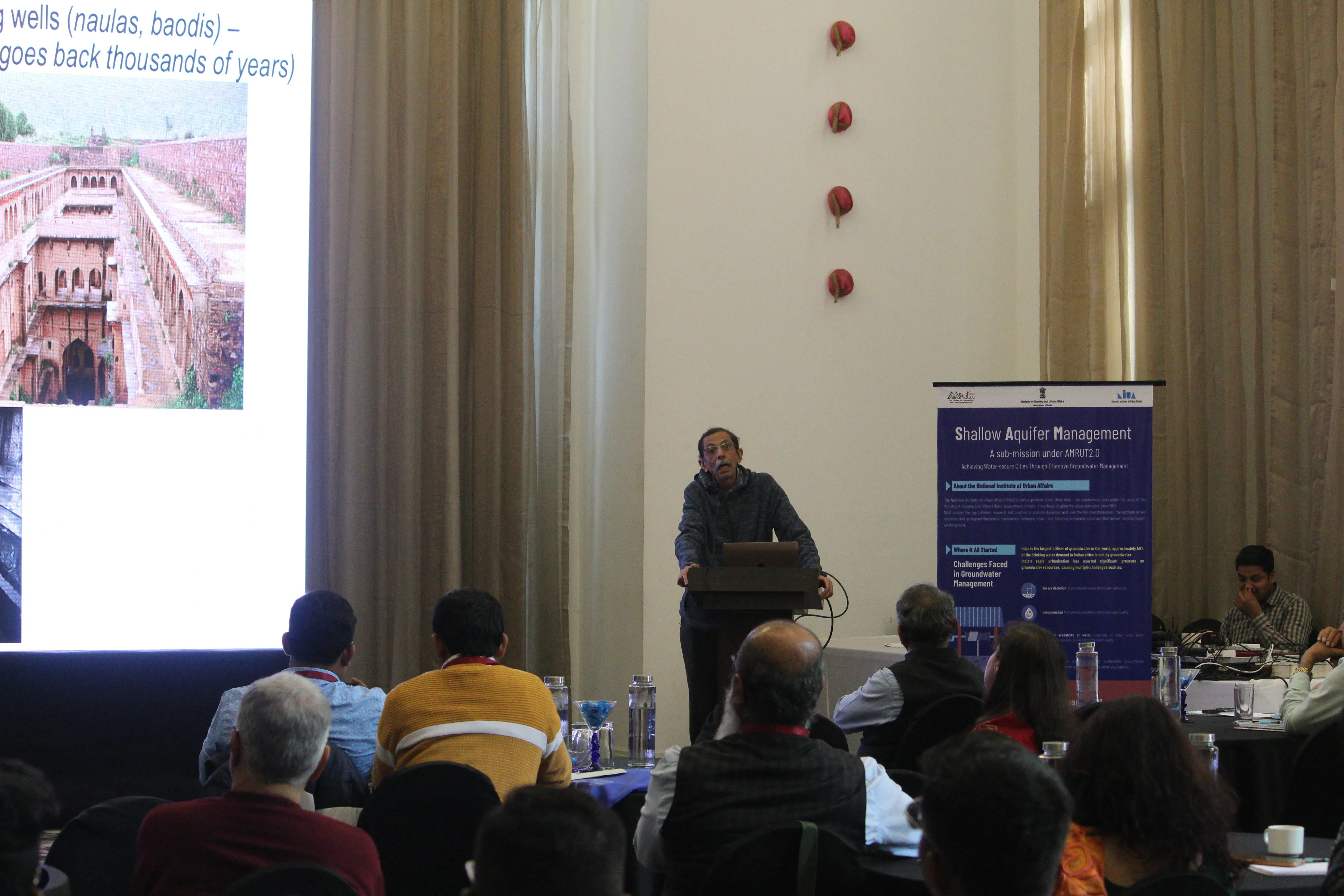
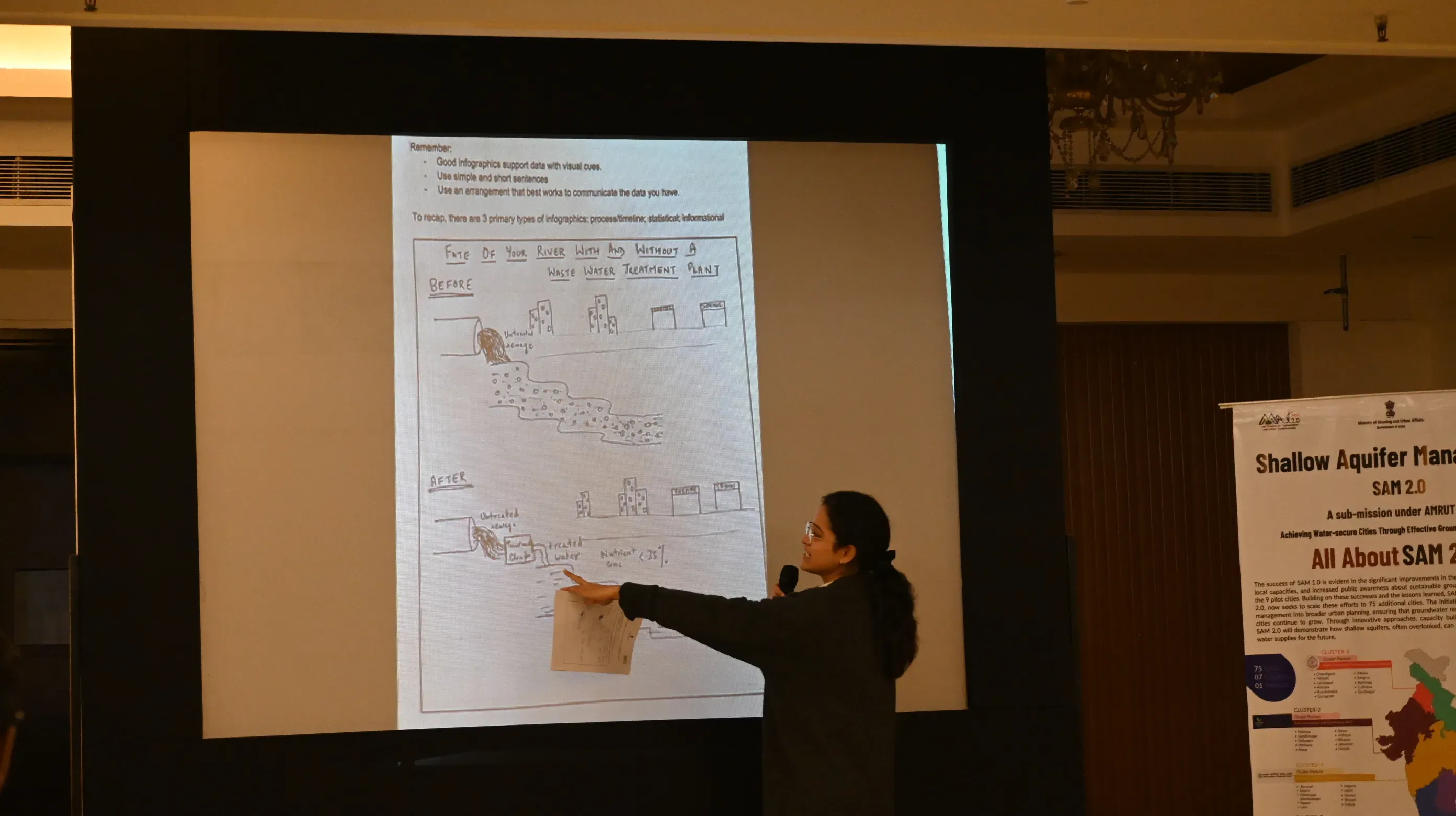
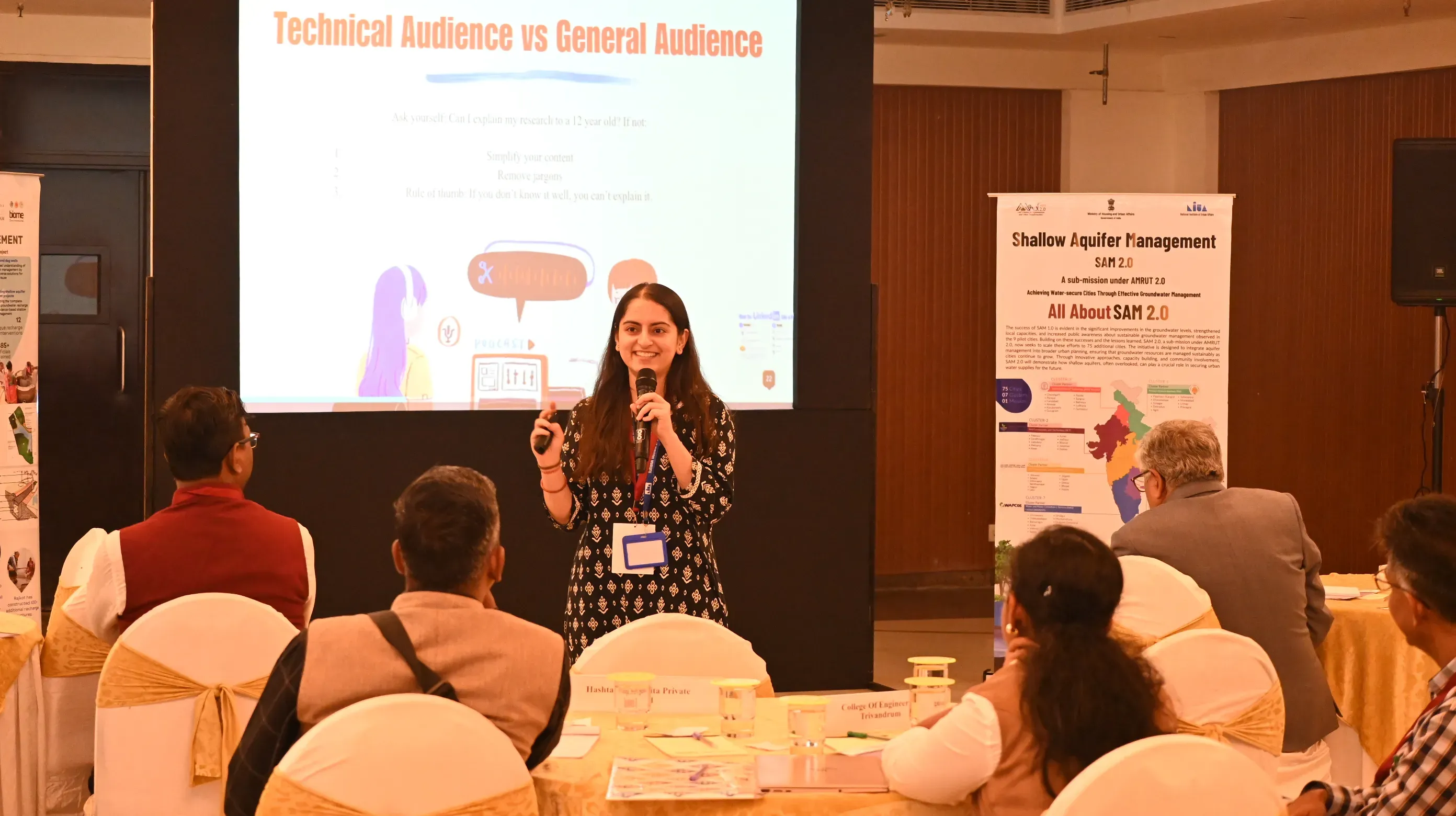
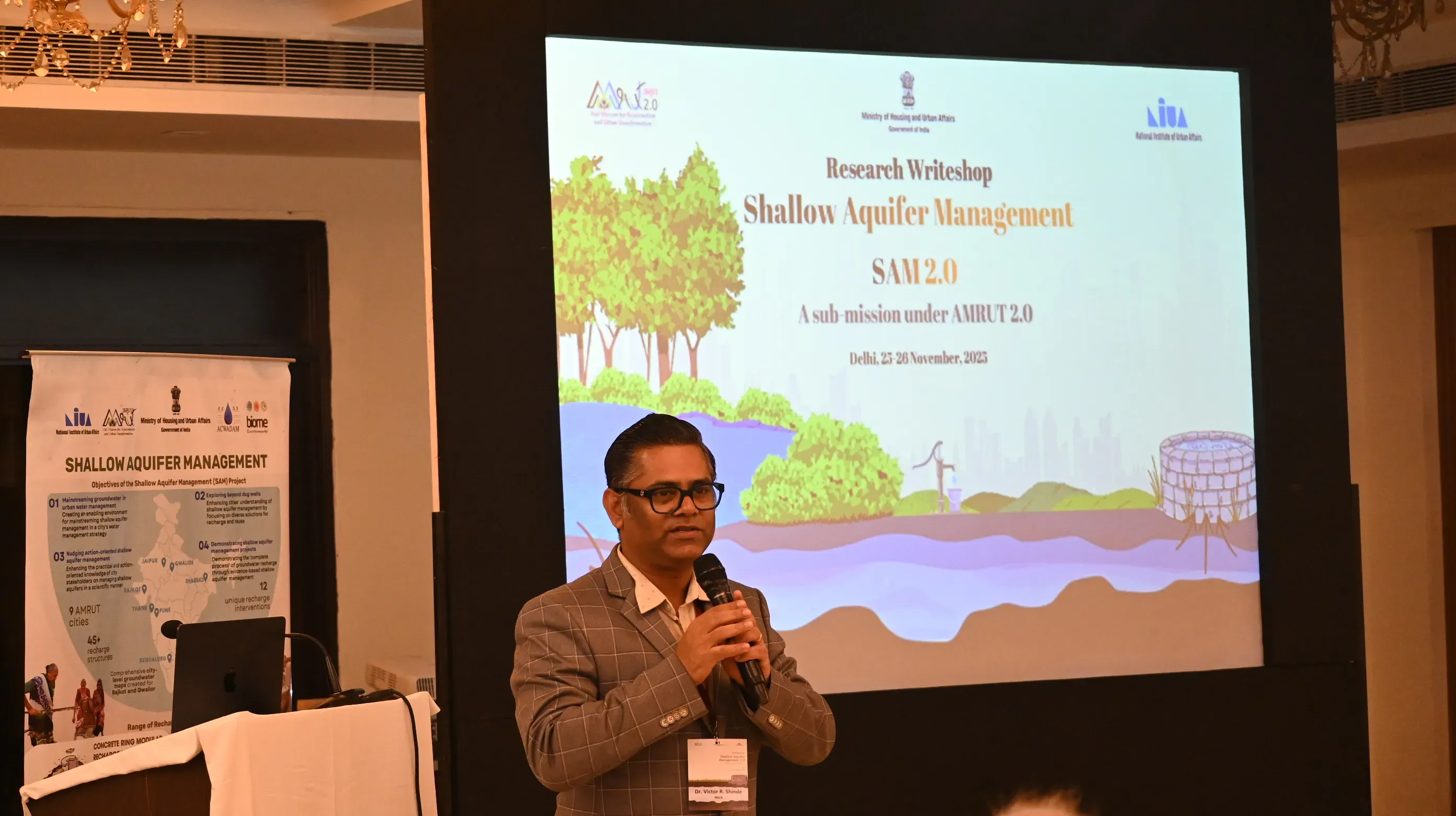
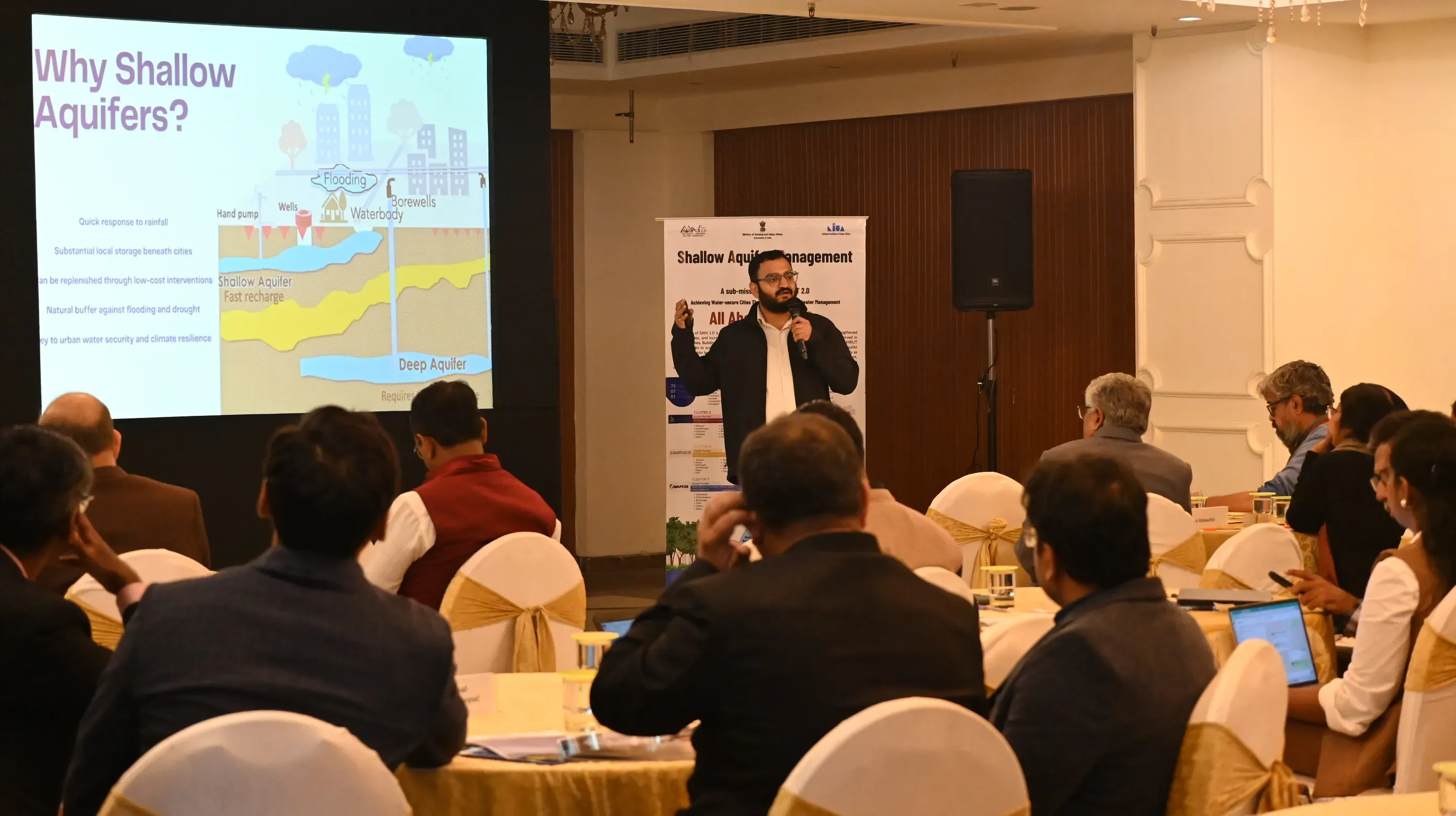
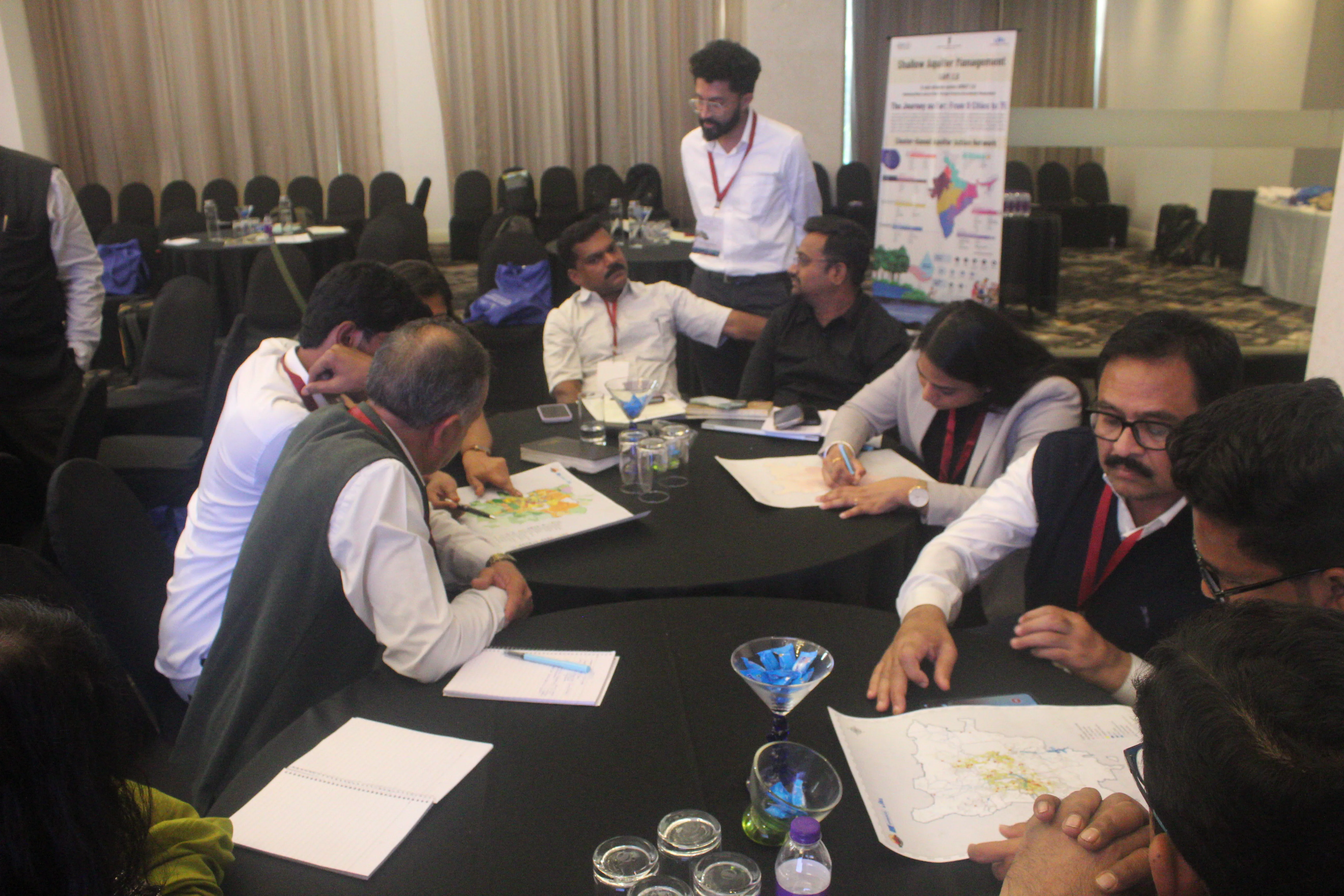
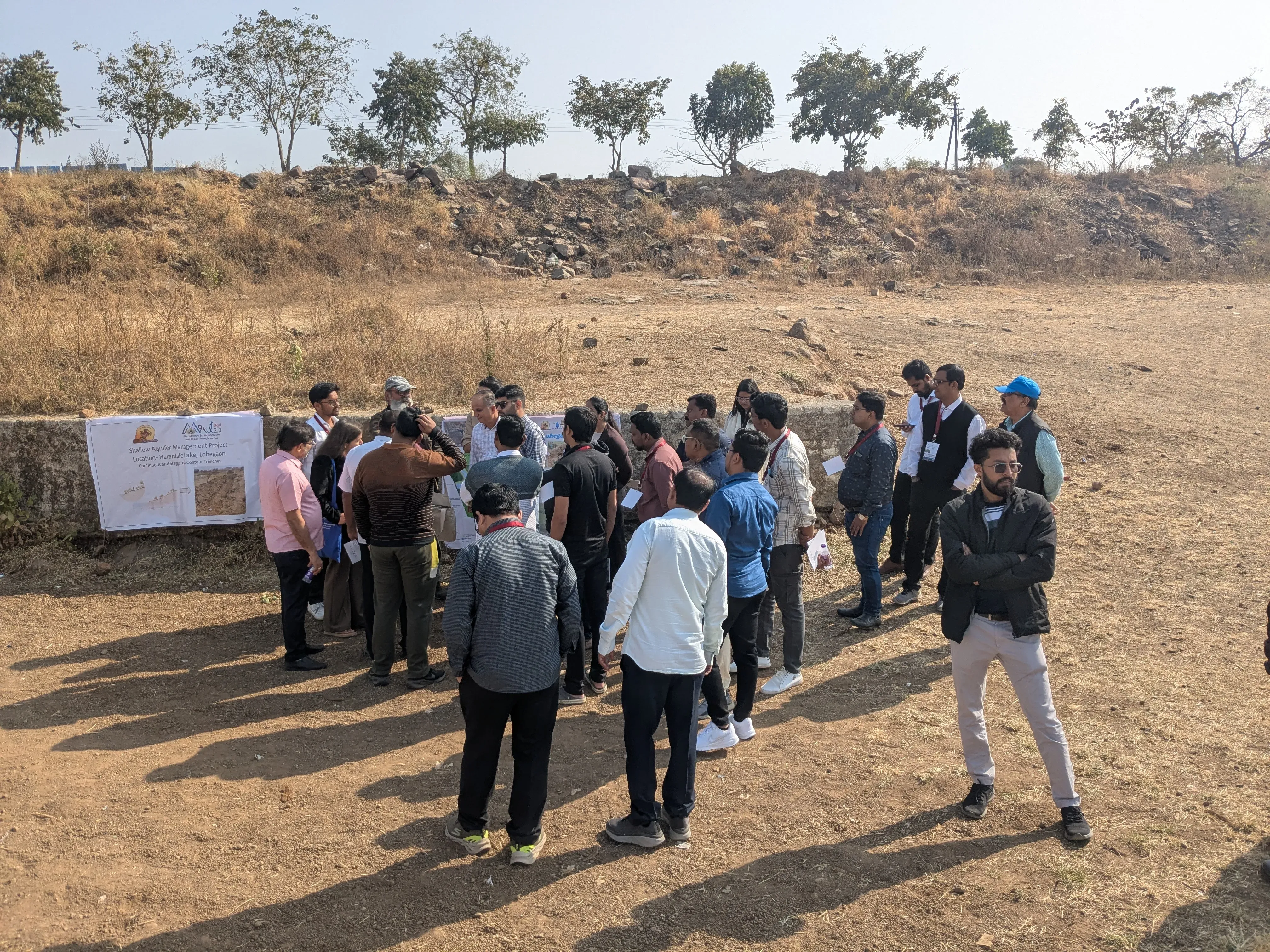
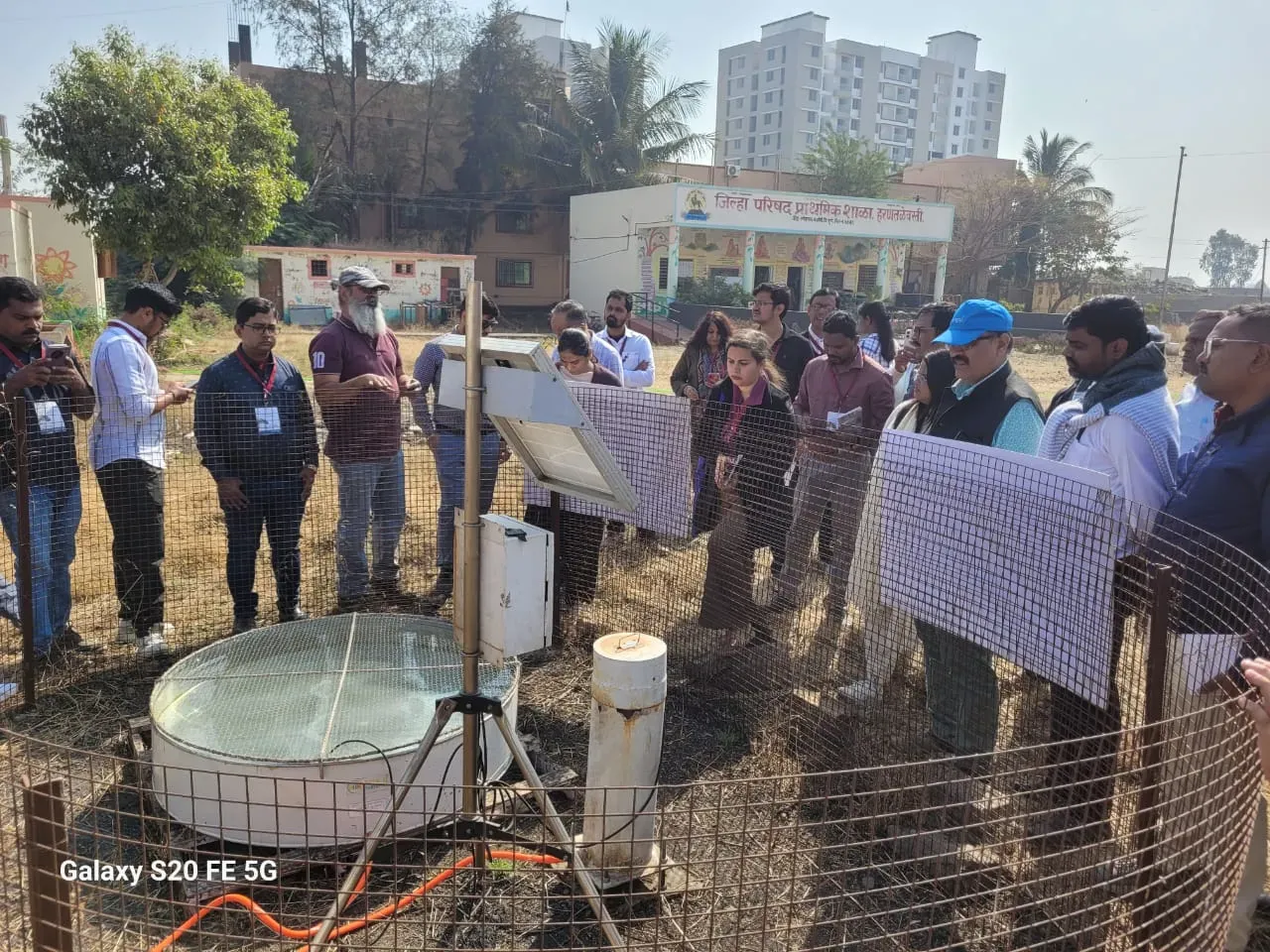
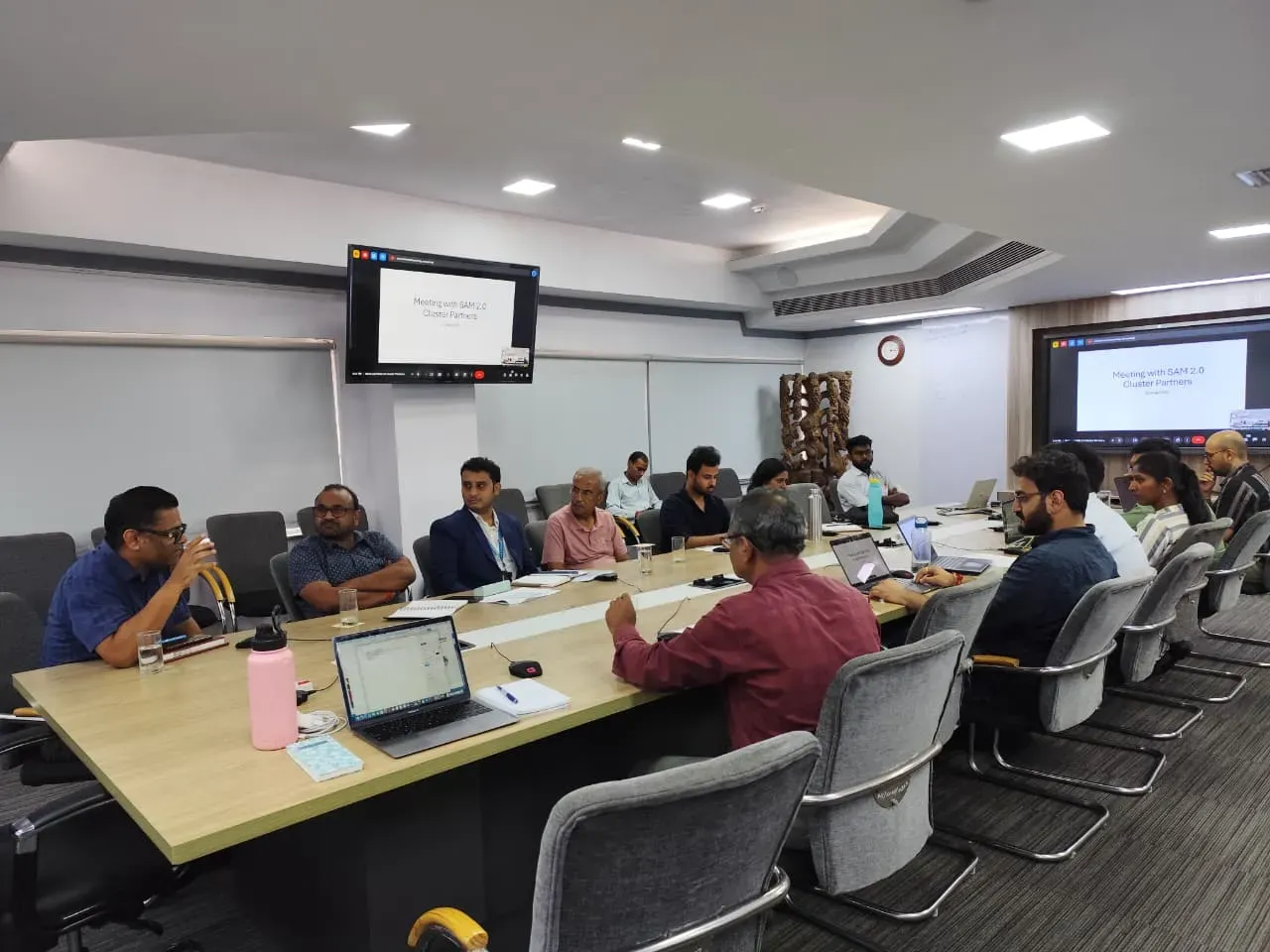
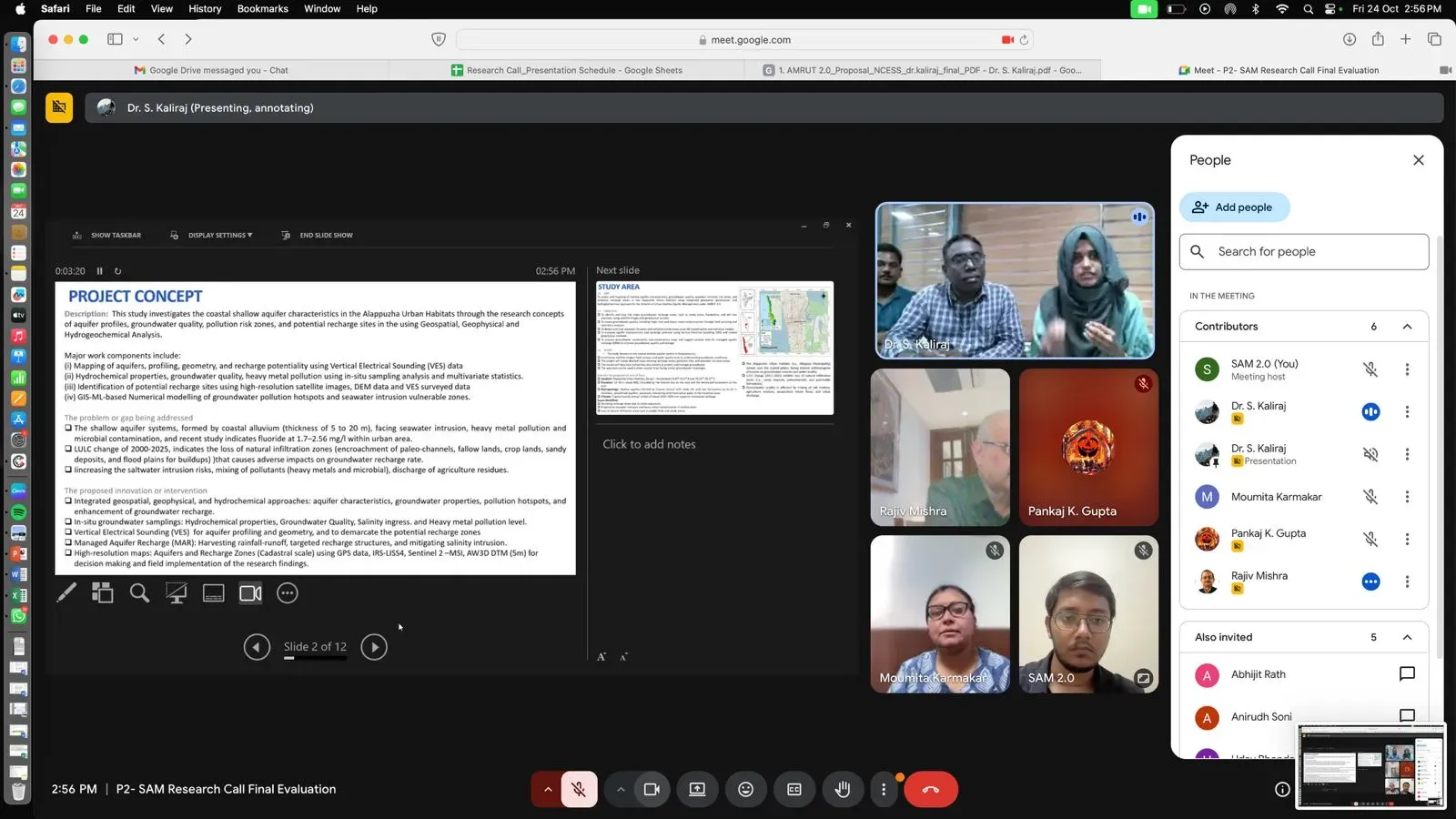
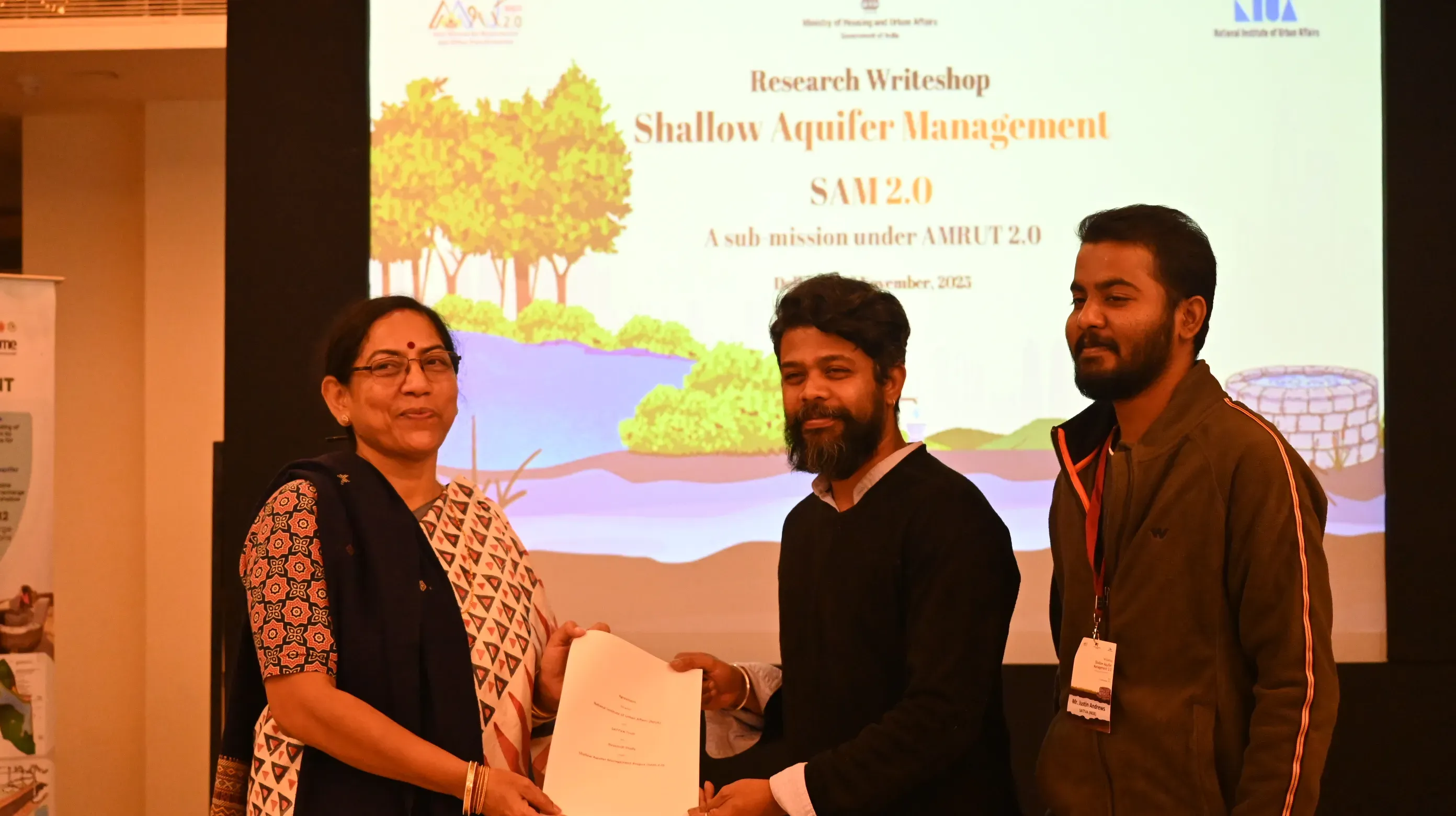
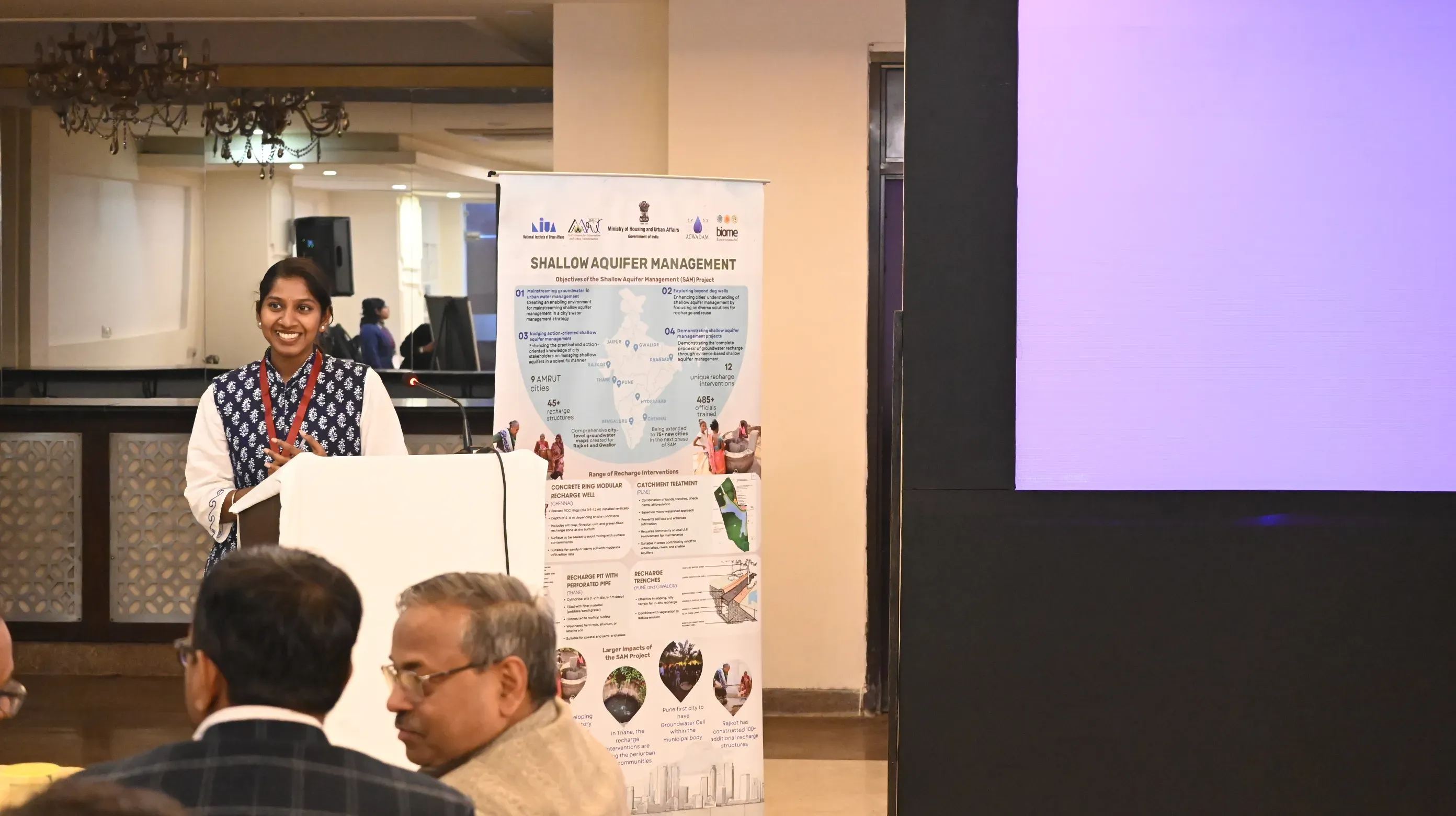
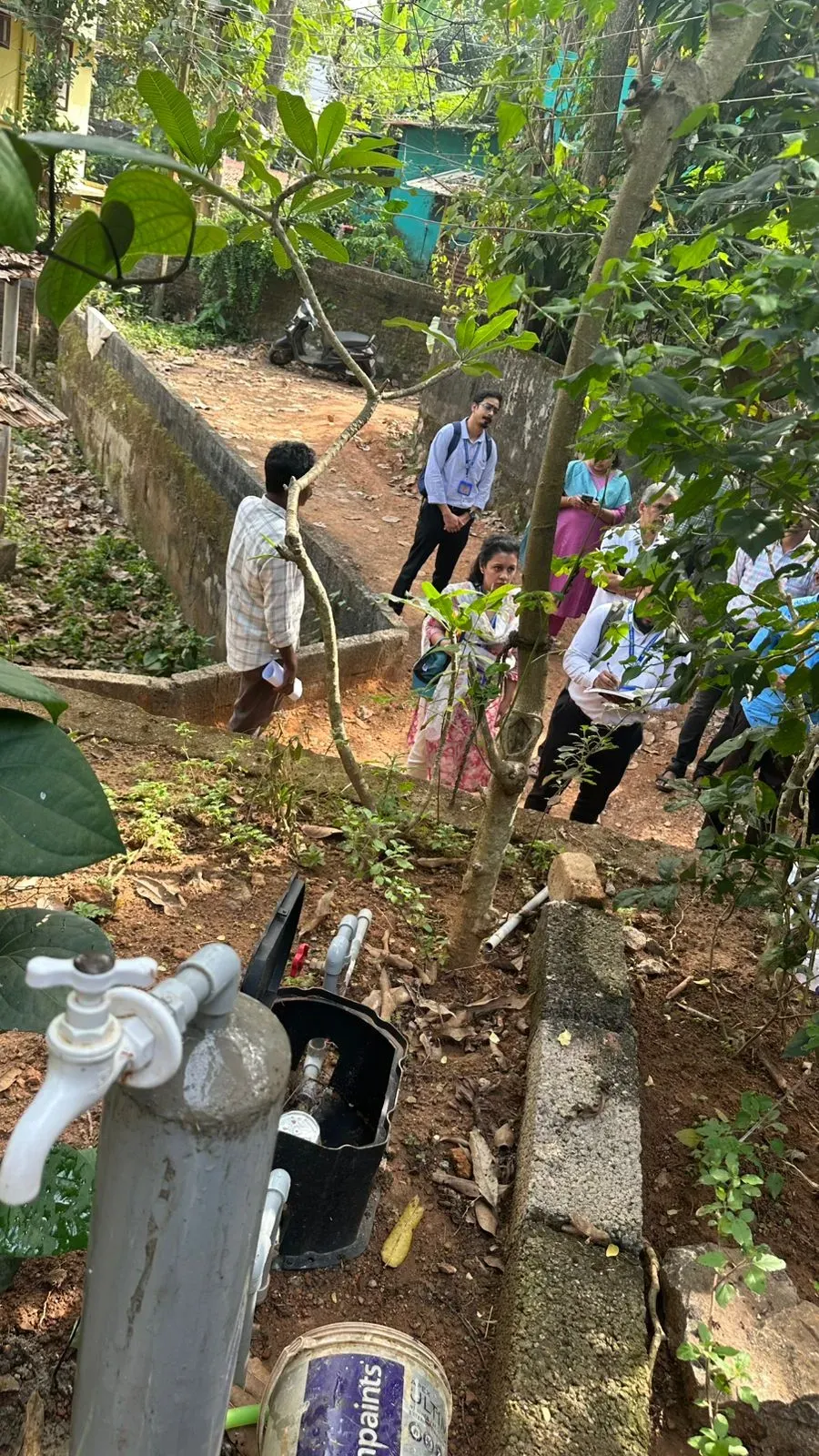
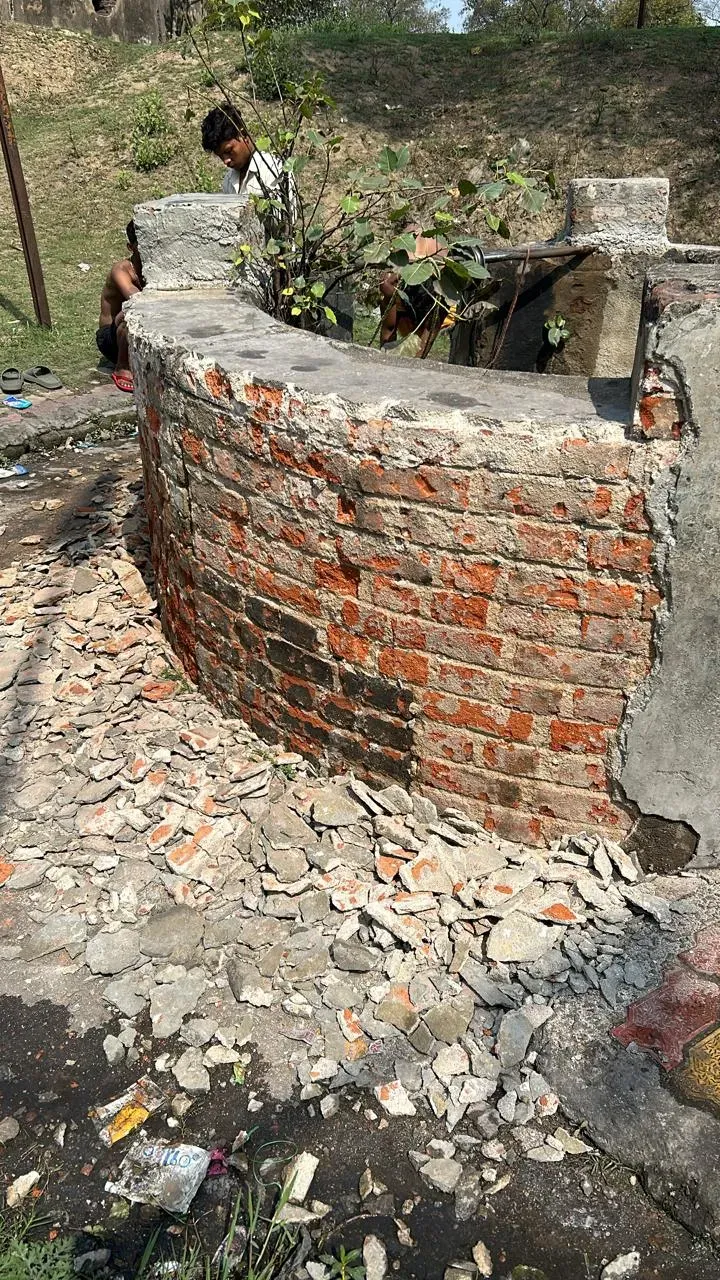
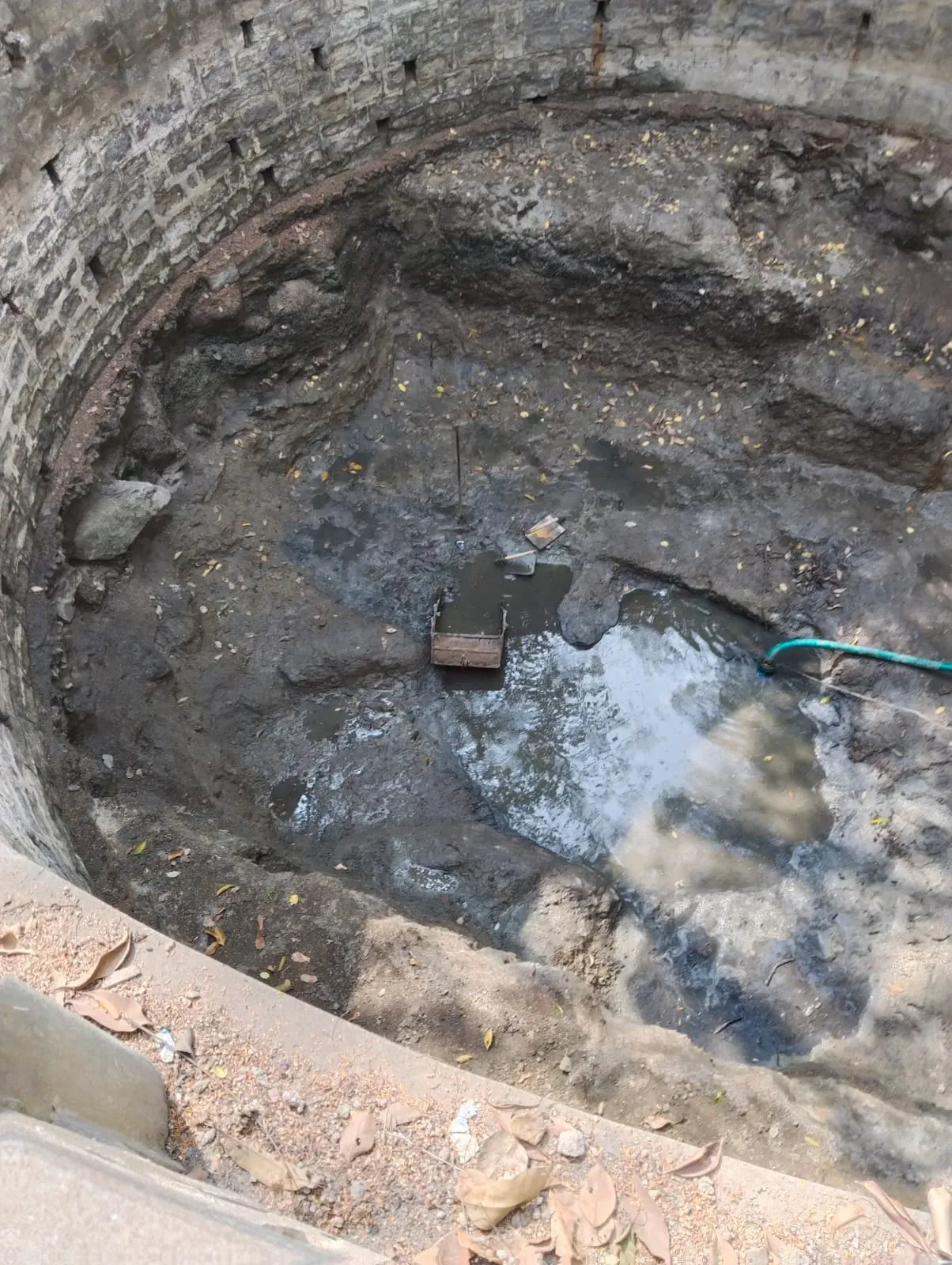
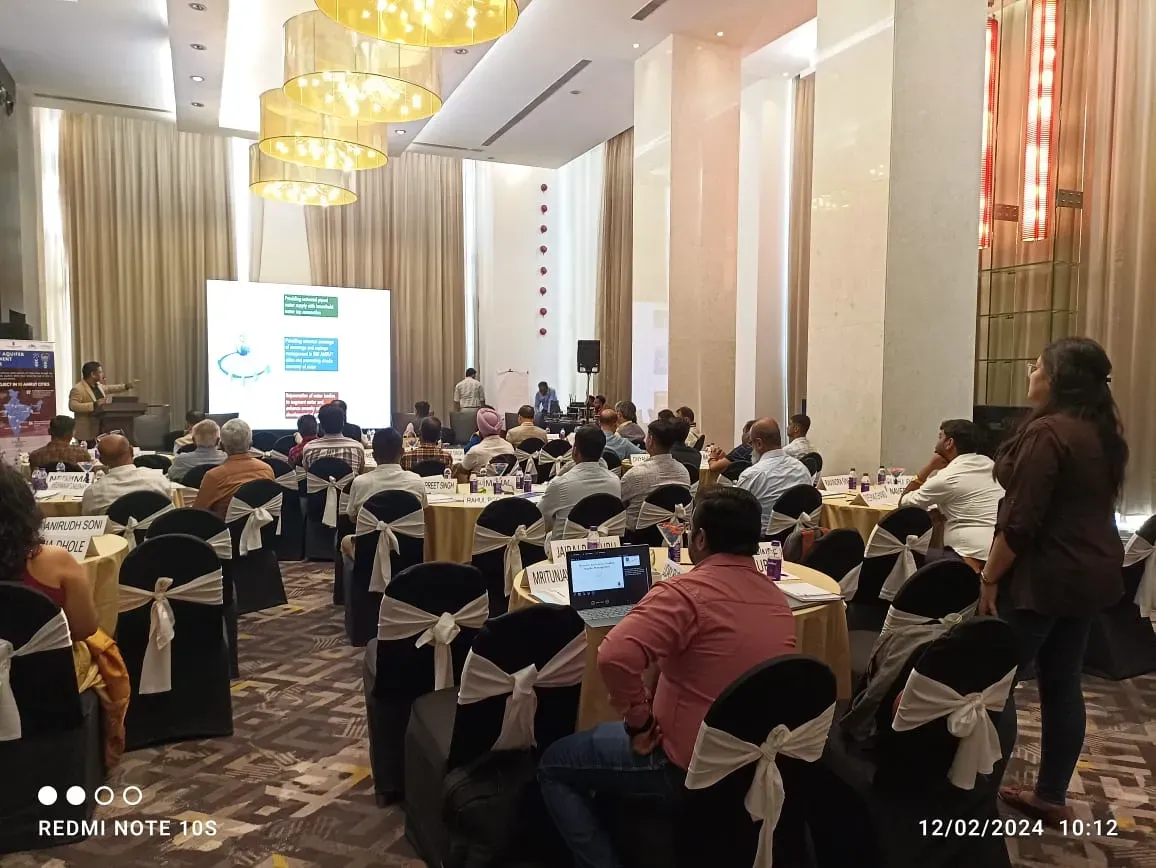
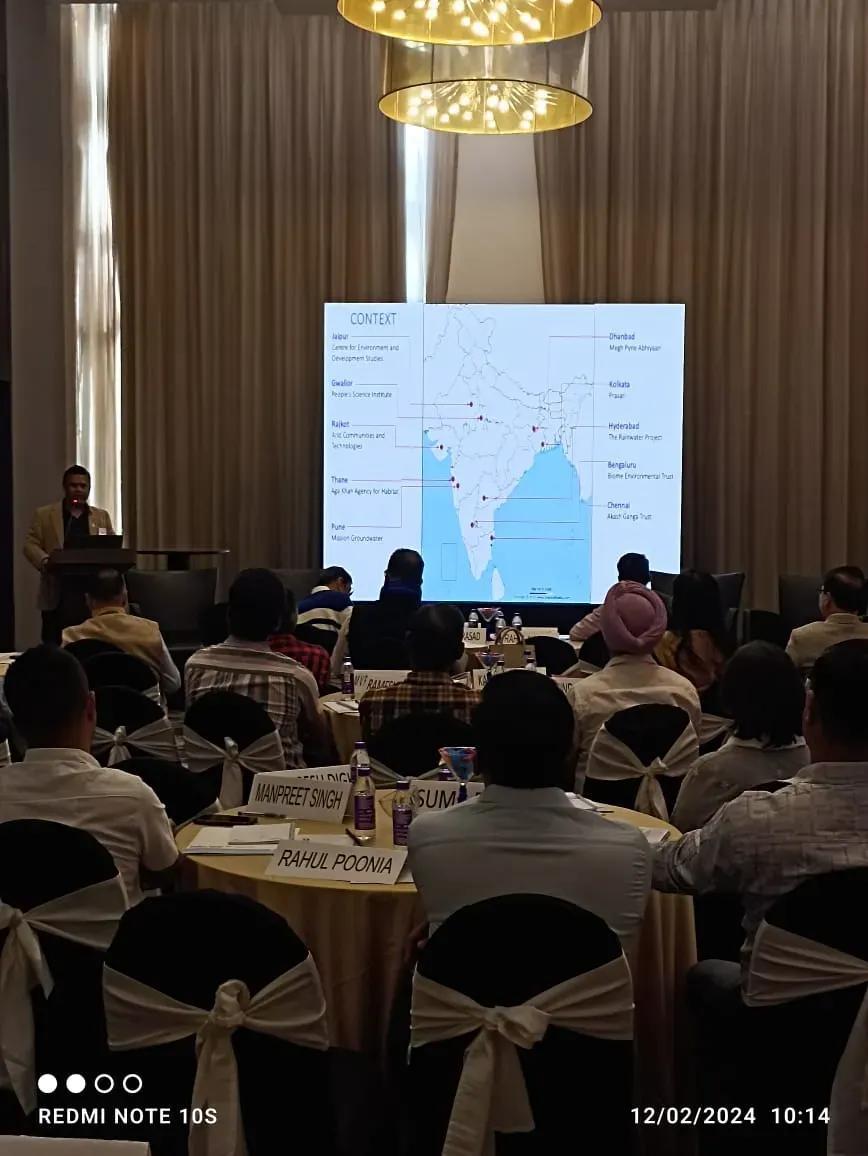
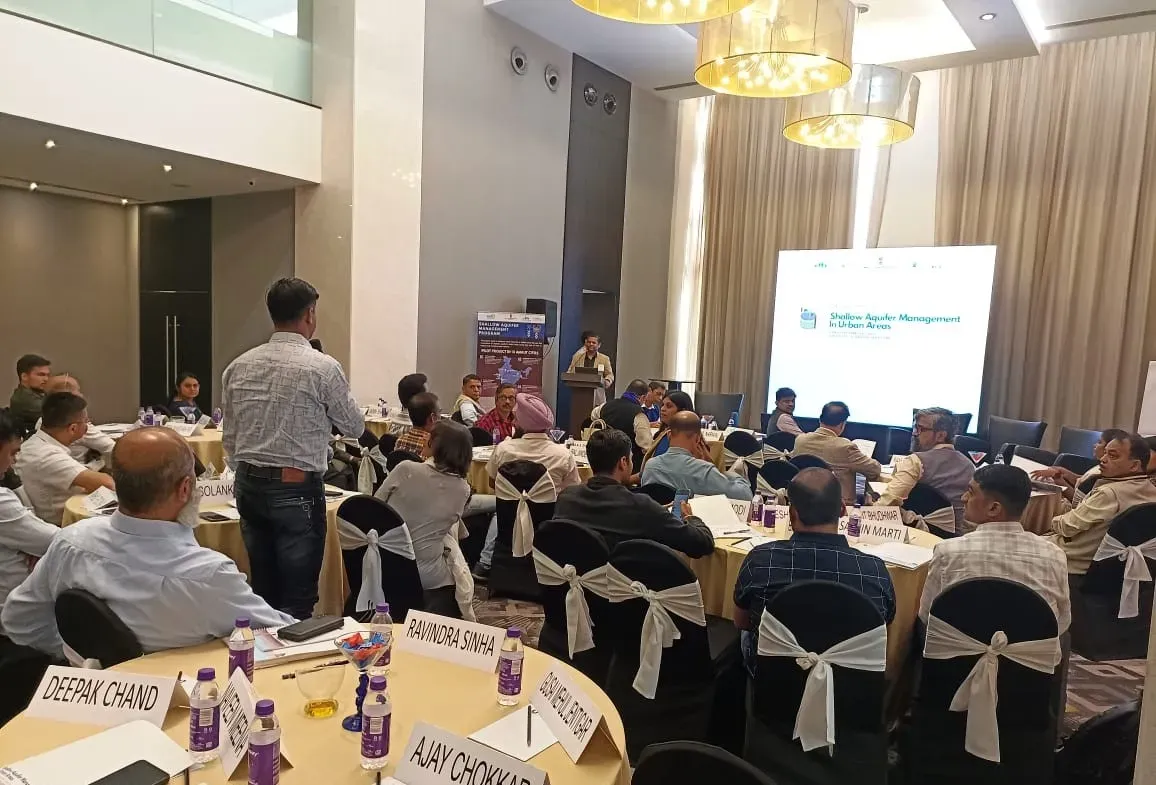
The Shallow Aquifer Management (SAM) initiative was conceived under the Atal Mission for Rejuvenation and Urban Transformation 2.0 (AMRUT 2.0). SAM 1.0 was launched as a pilot project in 2022 across 9 diverse Indian cities, selected for their varying hydrogeological conditions and severity of groundwater issues. These cities are Bengaluru, Chennai, Dhanbad, Gwalior, Hyderabad, Jaipur, Rajkot, Thane, and Pune. The initiative aimed to demonstrate the effectiveness of strategic interventions in managing shallow aquifers, focusing on aquifer mapping, the construction and restoration of recharge structures, and the integration of groundwater management into urban planning frameworks. The success of SAM 1.0 was evident in the significant improvements in groundwater levels, strengthened local capacities, and increased public awareness about sustainable water management. Building on these successes and the lessons learned, SAM 2.0 under AMRUT 2.0 now seeks to scale these efforts to 75 additional cities. The initiative is designed to integrate aquifer management into broader urban planning, ensuring that groundwater resources are managed sustainably as cities continue to grow. Through innovative approaches, capacity building, and community involvement, SAM 2.0 will demonstrate how shallow aquifers, often overlooked, can play a crucial role in securing urban water supplies for the future.
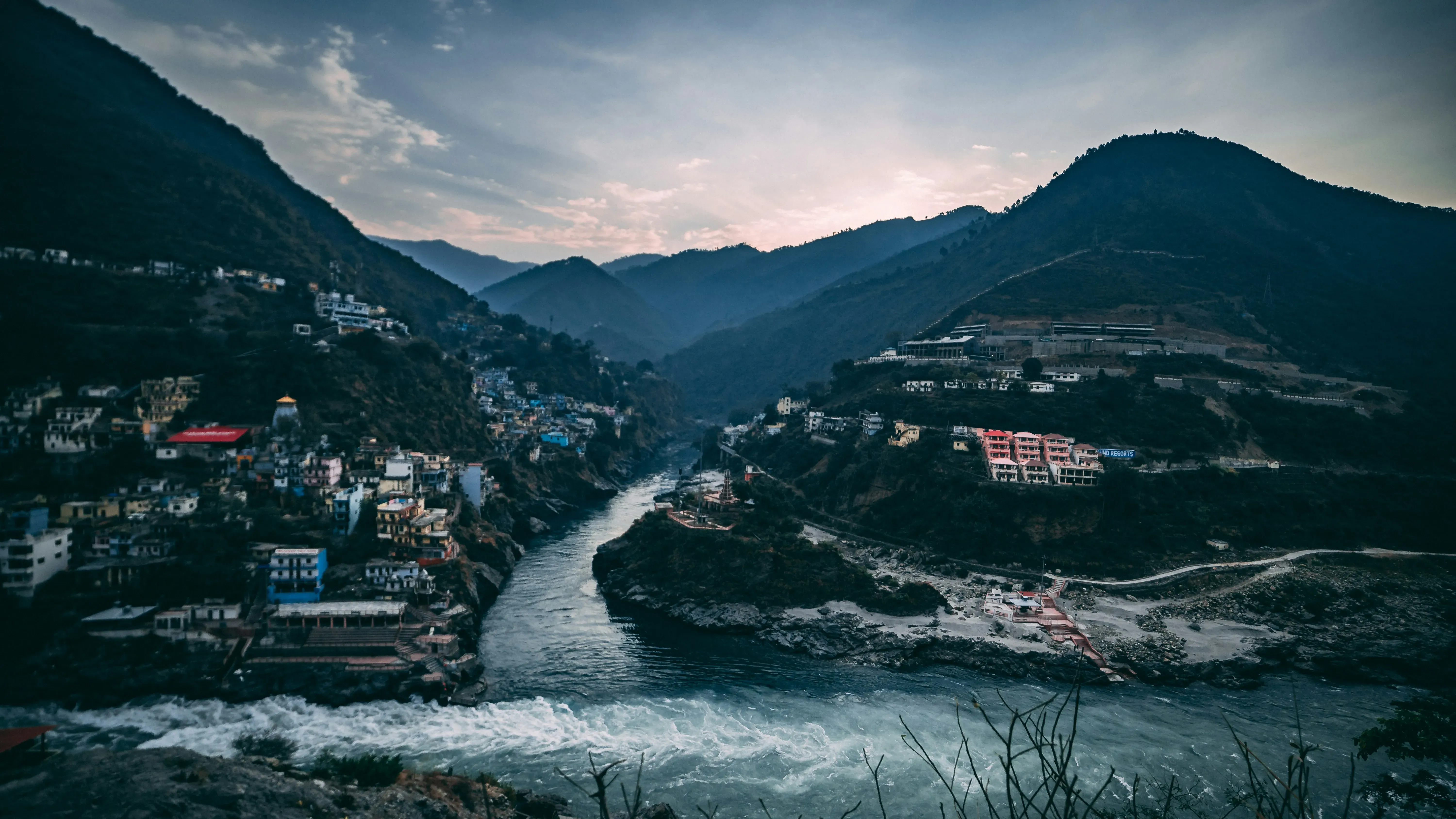
Addressing the Urban Drivers of River Health in the Ganga River Basin (URVERS)
Much of the undesirable state of rivers in the country is because of detrimental activities in cities. While cities have been the main cause of the problem, they need to be part of the solution as well. This project was conceptualised on this premise. The overall objective of the project was to promote river-sensitive urban development in cities of the Ganga Basin. It sought to do so by taking a three-pronged approach. The first was to develop national-level frameworks and advisories for managing the different aspects of urban rivers. The second was to implement pilot projects to demonstrate the application of urban river management interventions. The third was to build the capacities of city officials on different aspects of managing urban rivers.
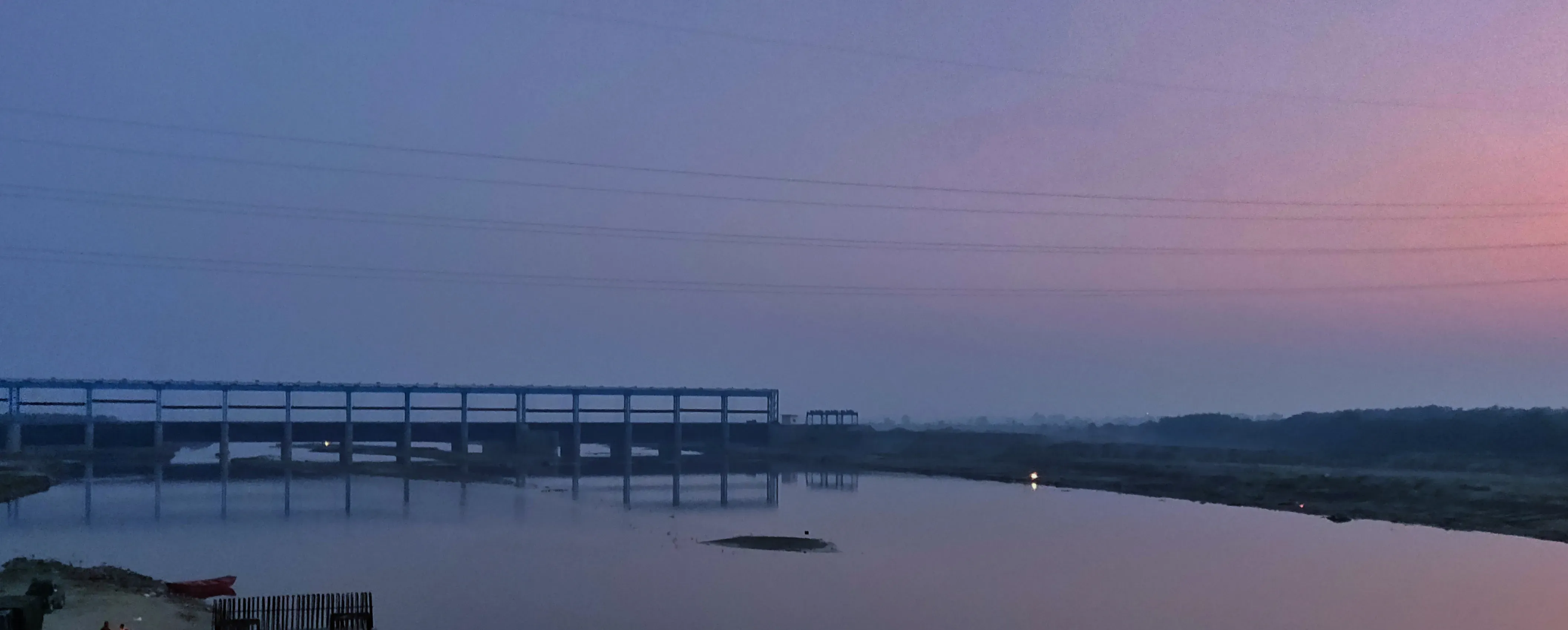
Development of Urban River Management Plans (URMPs) for Ramganga Basin Cities i.e. Moradabad and Bareilly, through a Multistakeholder Process
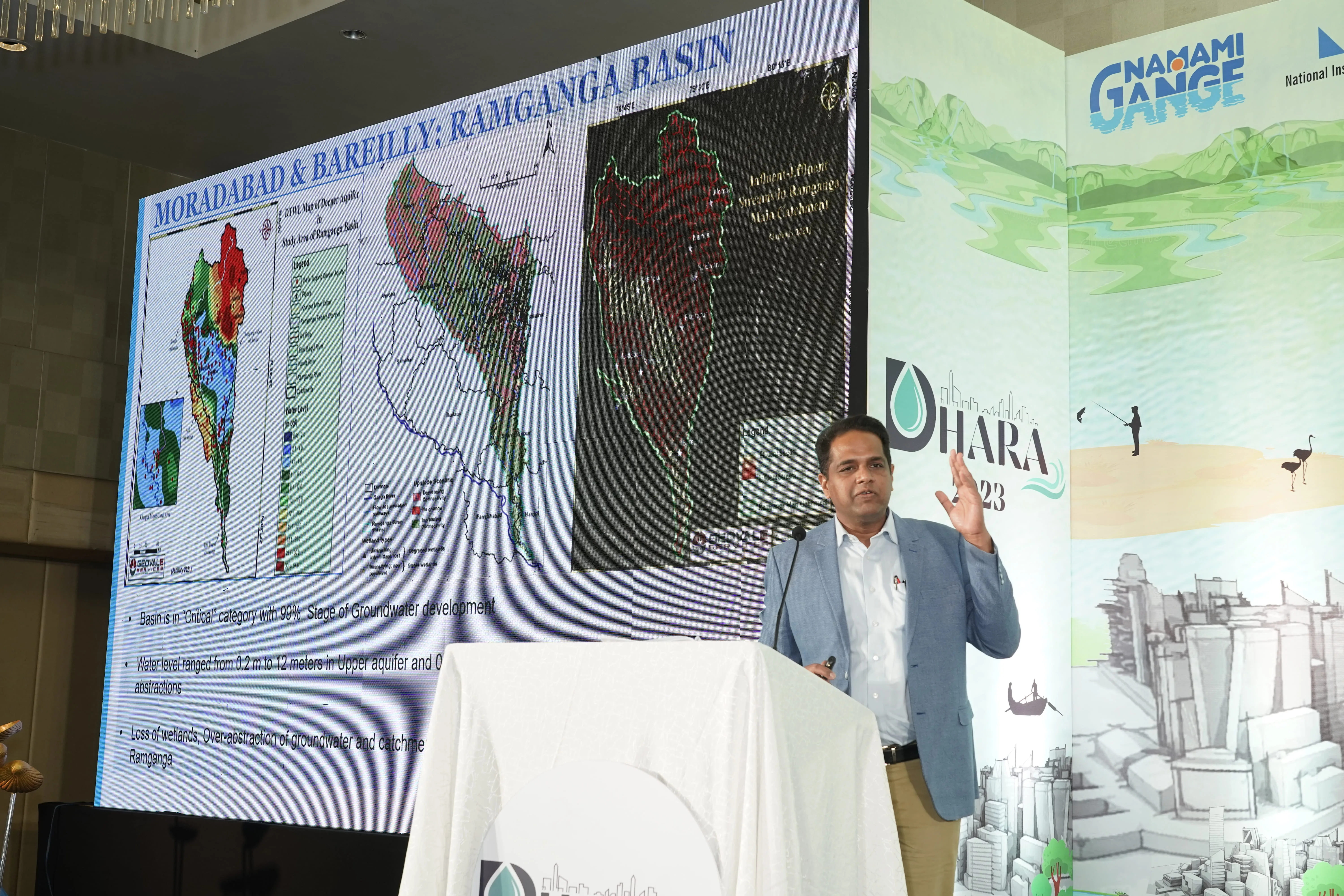
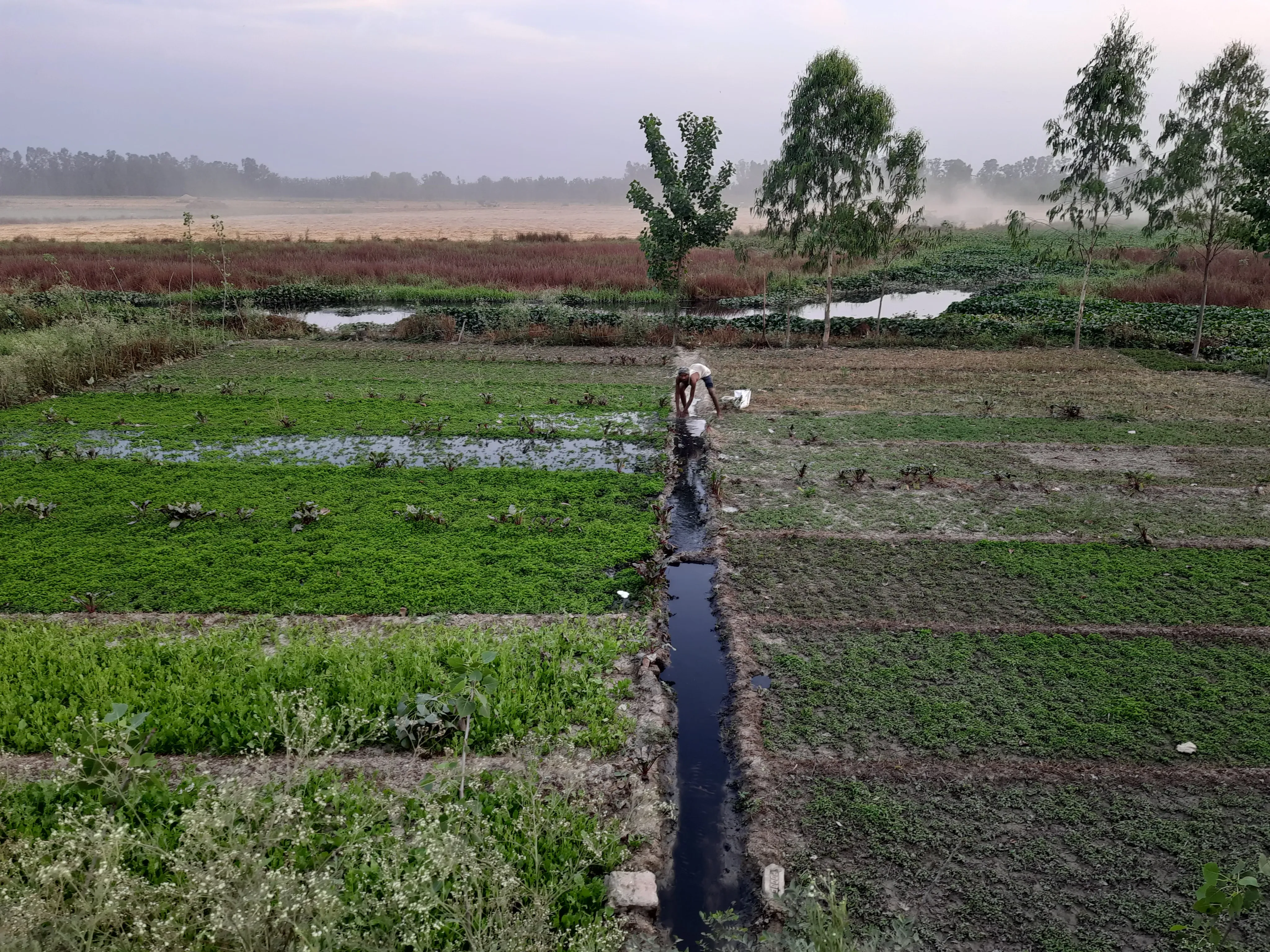
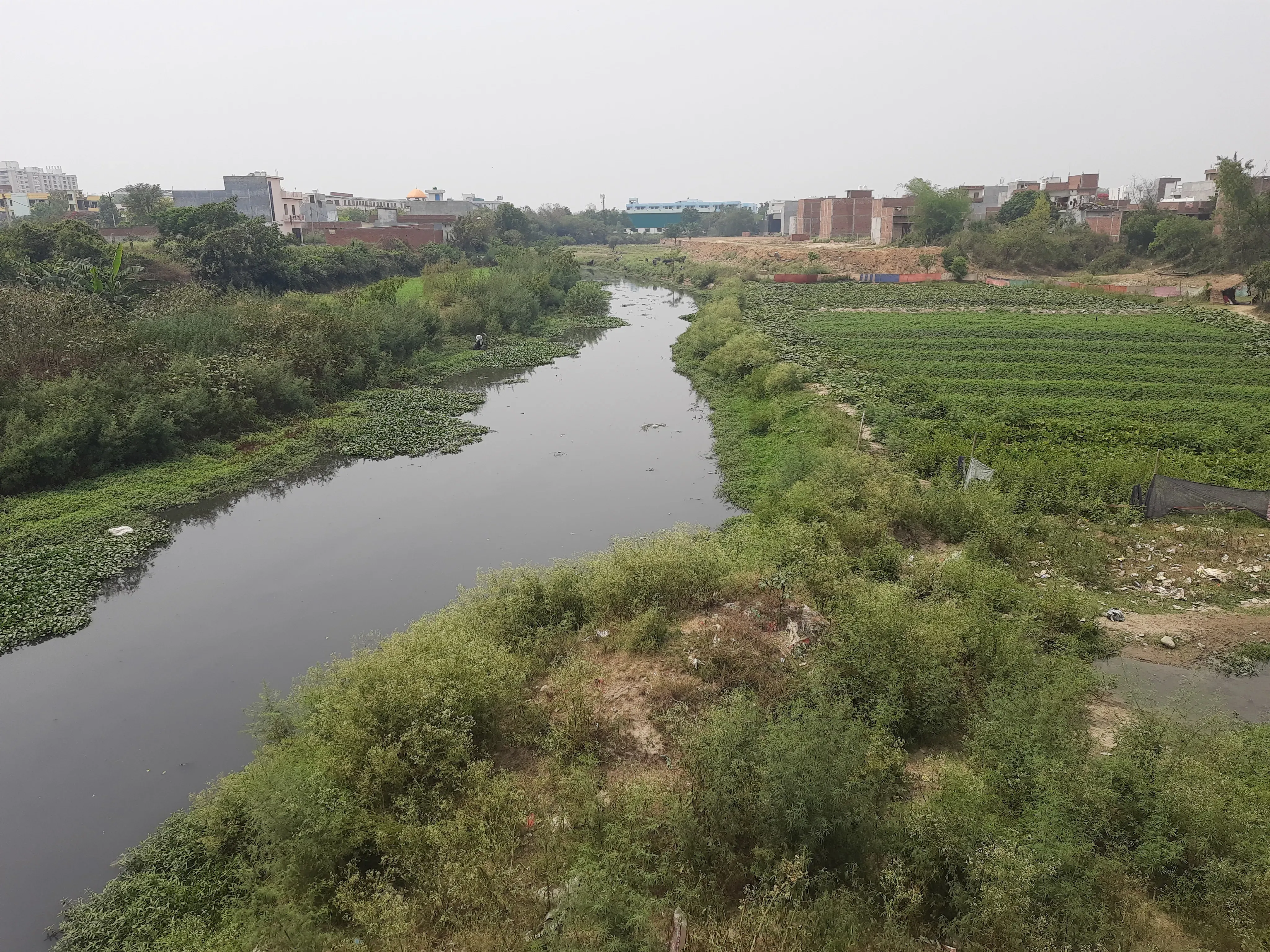
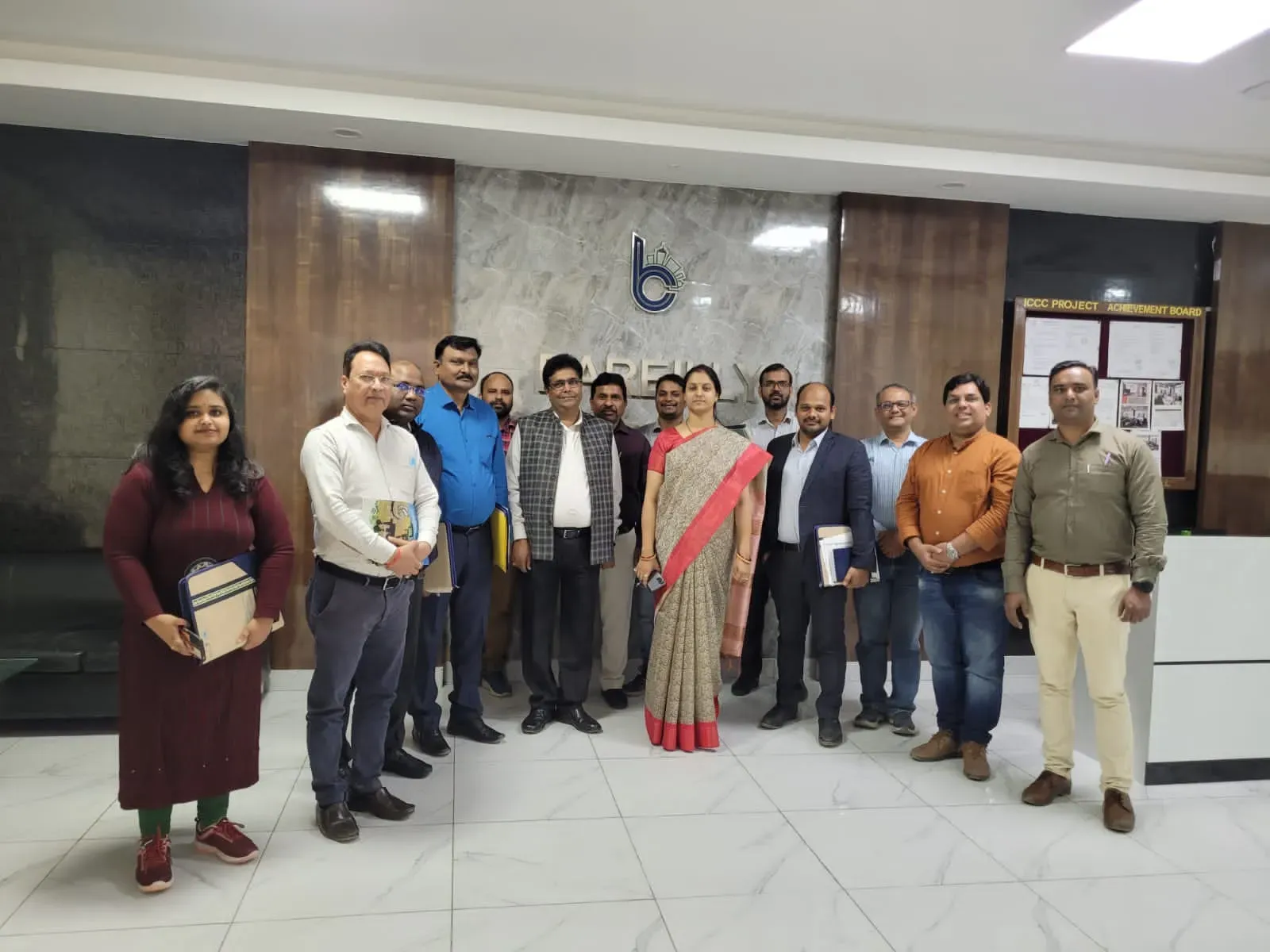
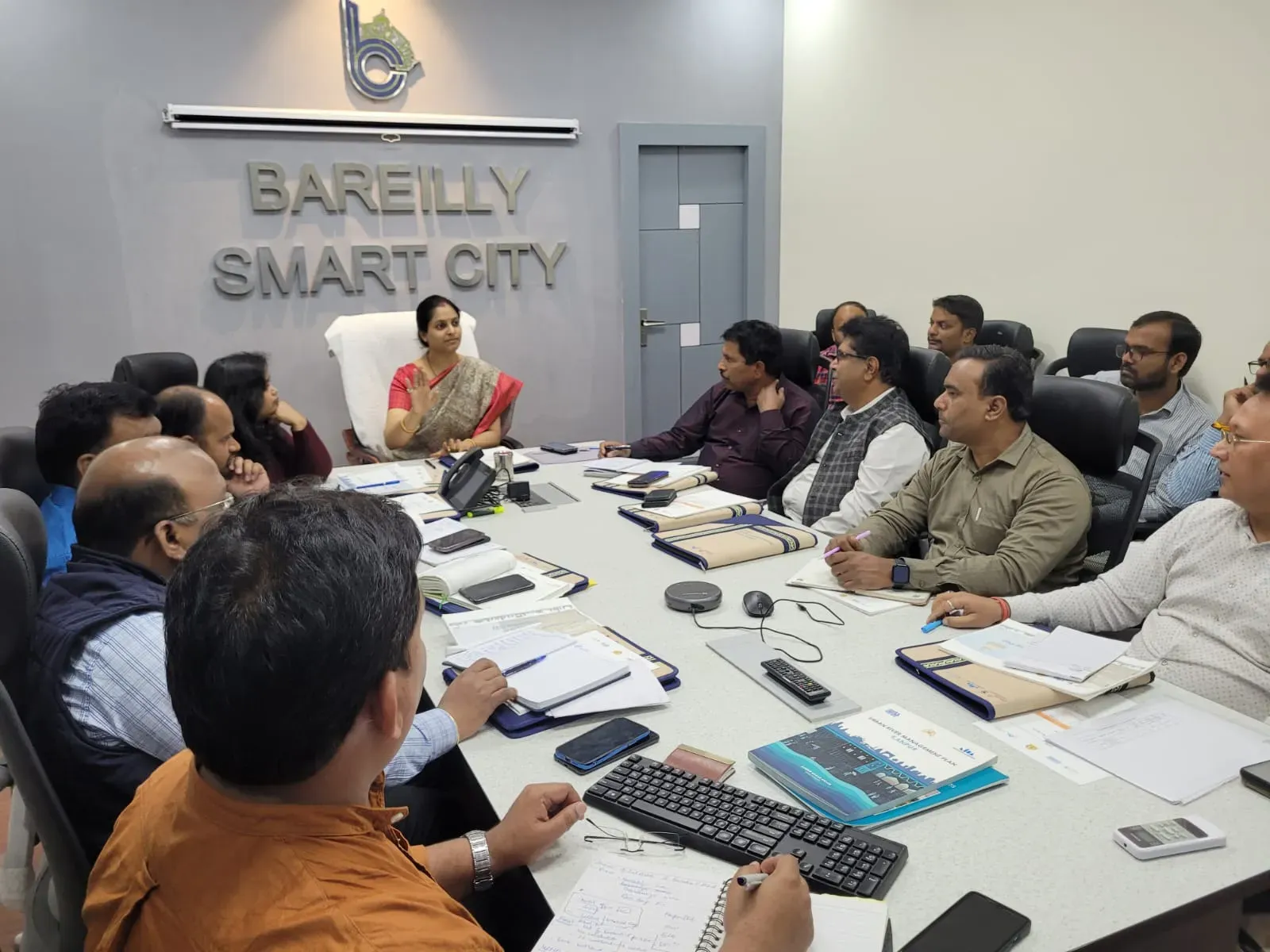
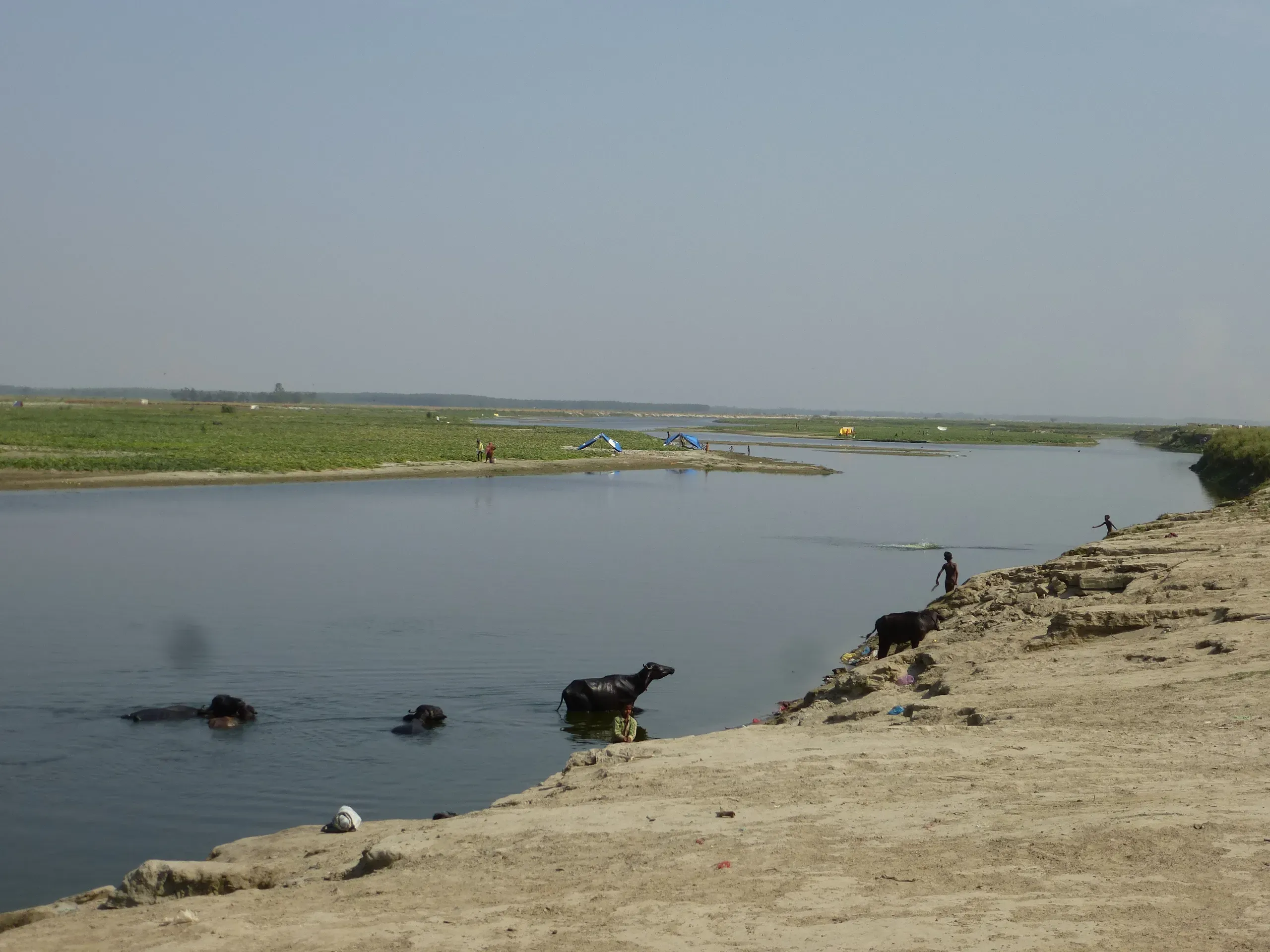
The Ramganga River, a key tributary of Ganga, is a crucial water resource for cities and communities across western Uttar Pradesh. Beyond meeting the region’s water demands, it plays a vital role in supporting the region's economy, particularly in industrial and commercial hubs like Moradabad and Bareilly. However, rapid urbanisation and unregulated discharge of industrial and domestic waste have severely impacted the river’s health, leading to deteriorating water quality and posing significant environmental and public health risks.To address these challenges, WWF, in collaboration with NIUA, is working on the conservation and sustainable management of the Ramganga River through the development and implementation of Urban River Management Plans (URMPs) for Moradabad and Bareilly.With support from NMCG, NIUA has developed a comprehensive framework to help river cities plan and implement interventions that restore and maintain urban river stretches sustainably. This framework promotes a multi-stakeholder approach, ensuring better coordination and minimising conflicts among various sectors involved in river management.By adopting this framework, NIUA has developed URMPs for Bareilly and Moradabad and will work closely with Urban Local Bodies (ULBs) to implement them, fostering long-term river health and resilience.The URMPs integrate scientific assessments, nature-based solutions, and community engagement strategies. They provide key recommendations for river-centric urban planning and blue-green infrastructure conservation, ensuring the river’s sustainability and resilience.
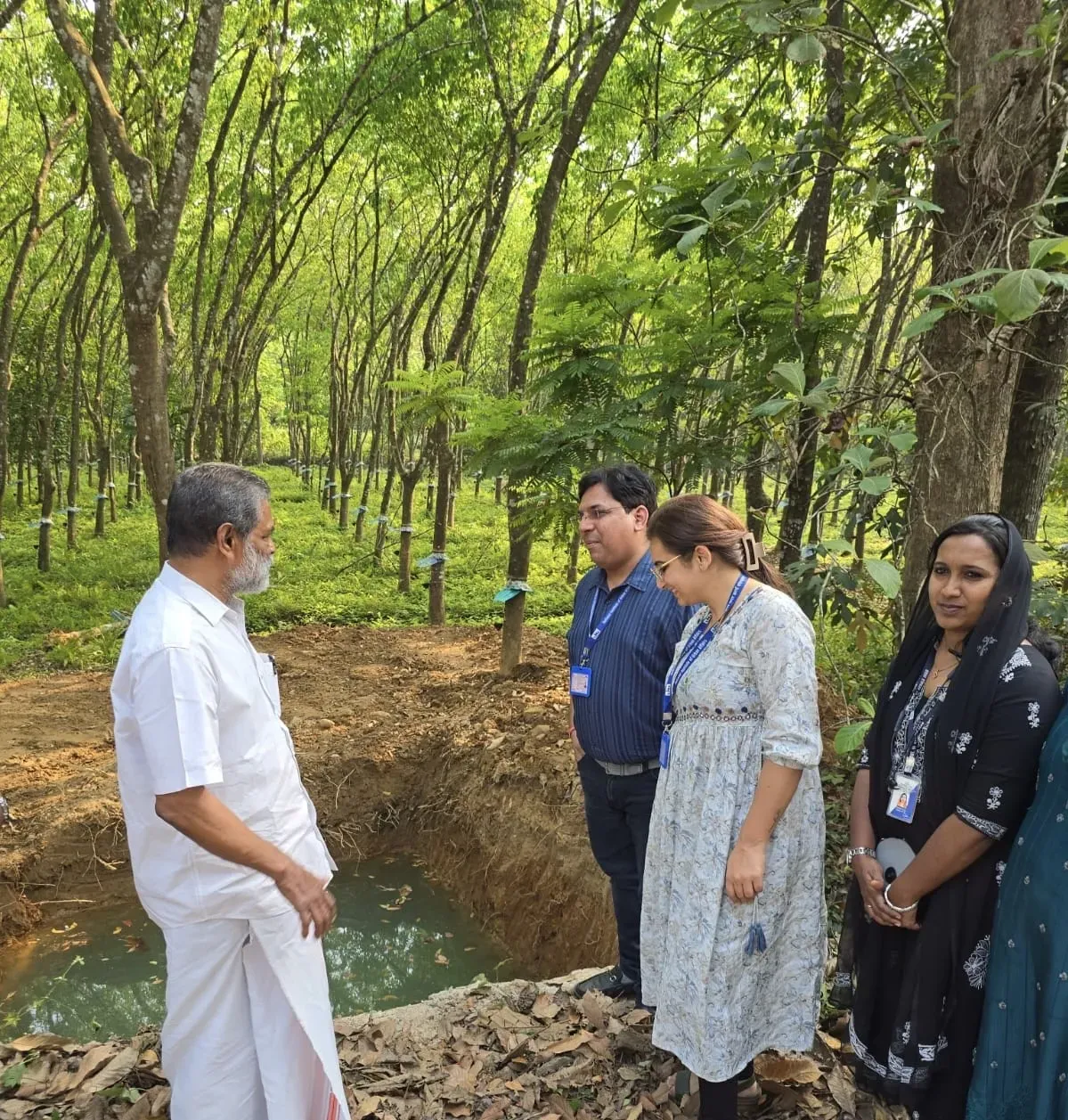
Independent Review and Monitoring of Projects under AMRUT 2.0 (IRMA)
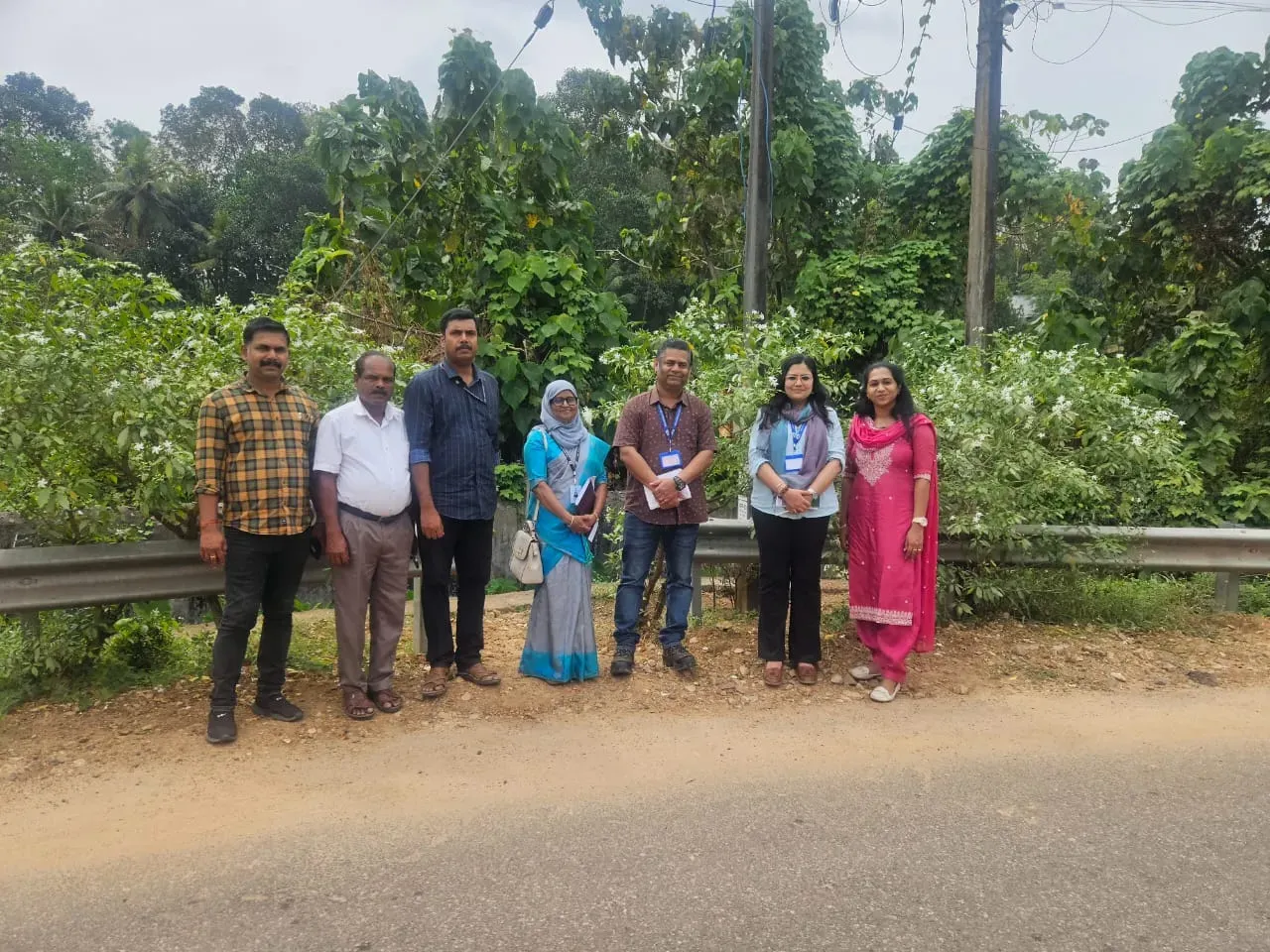
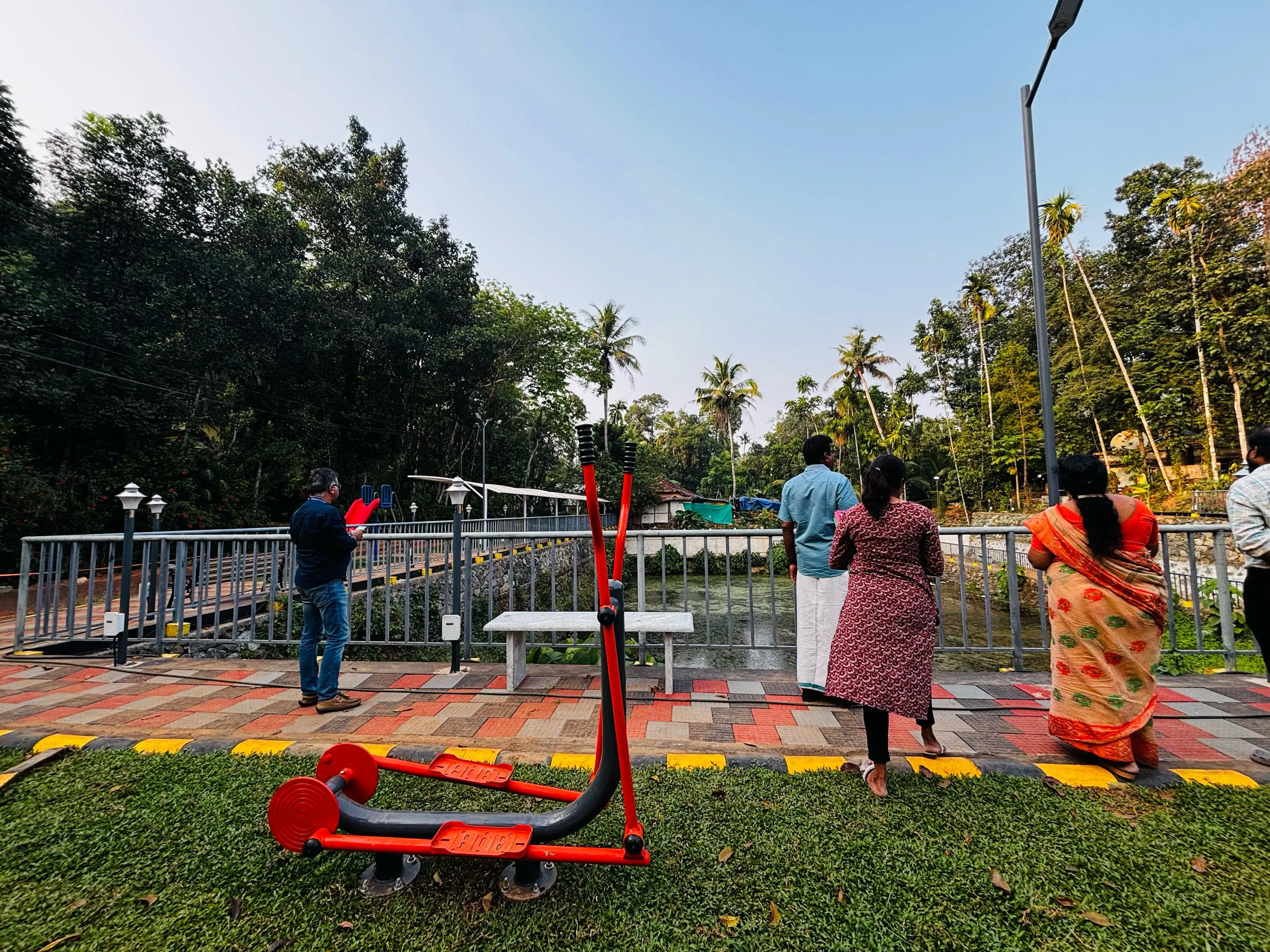
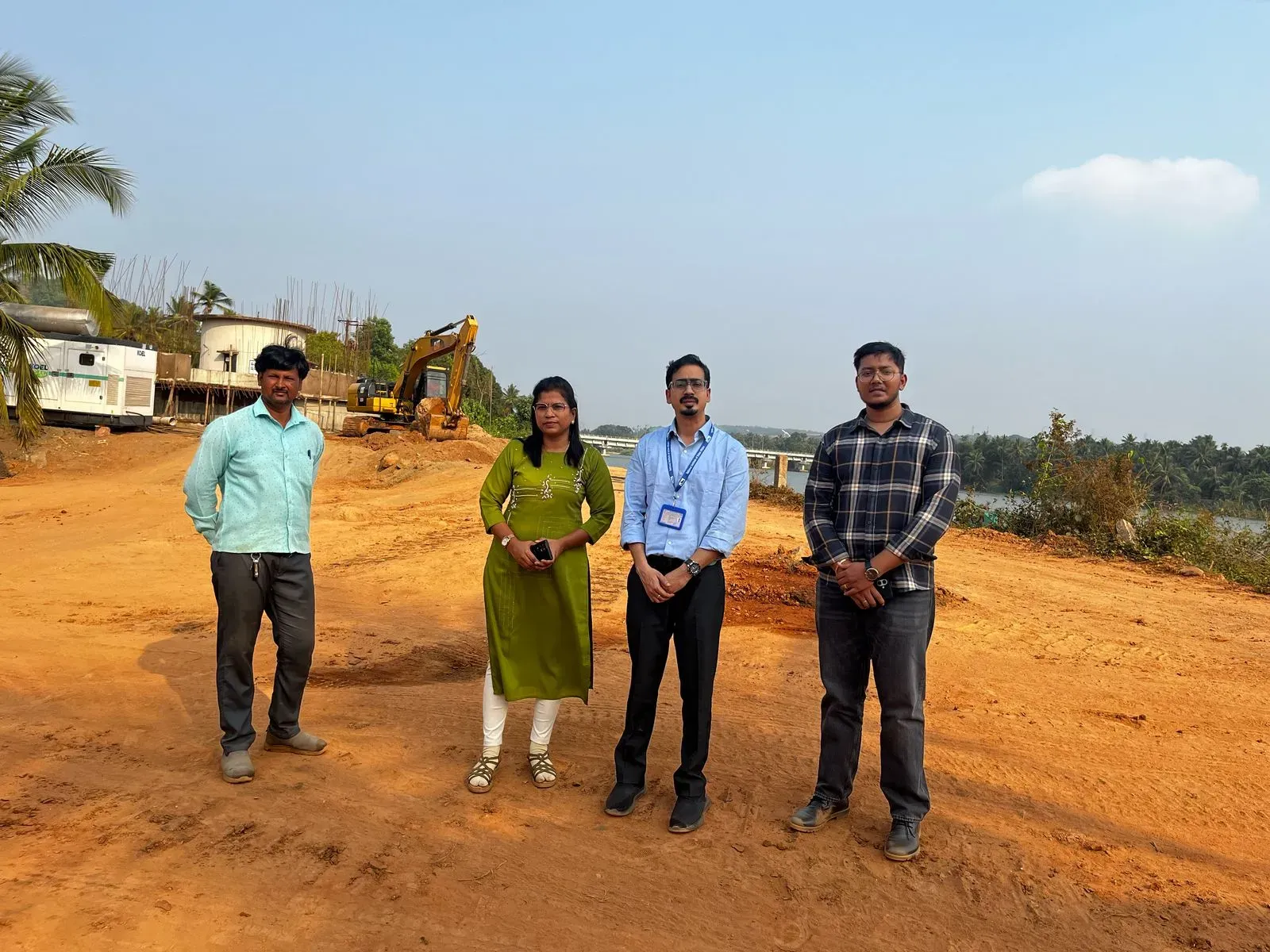
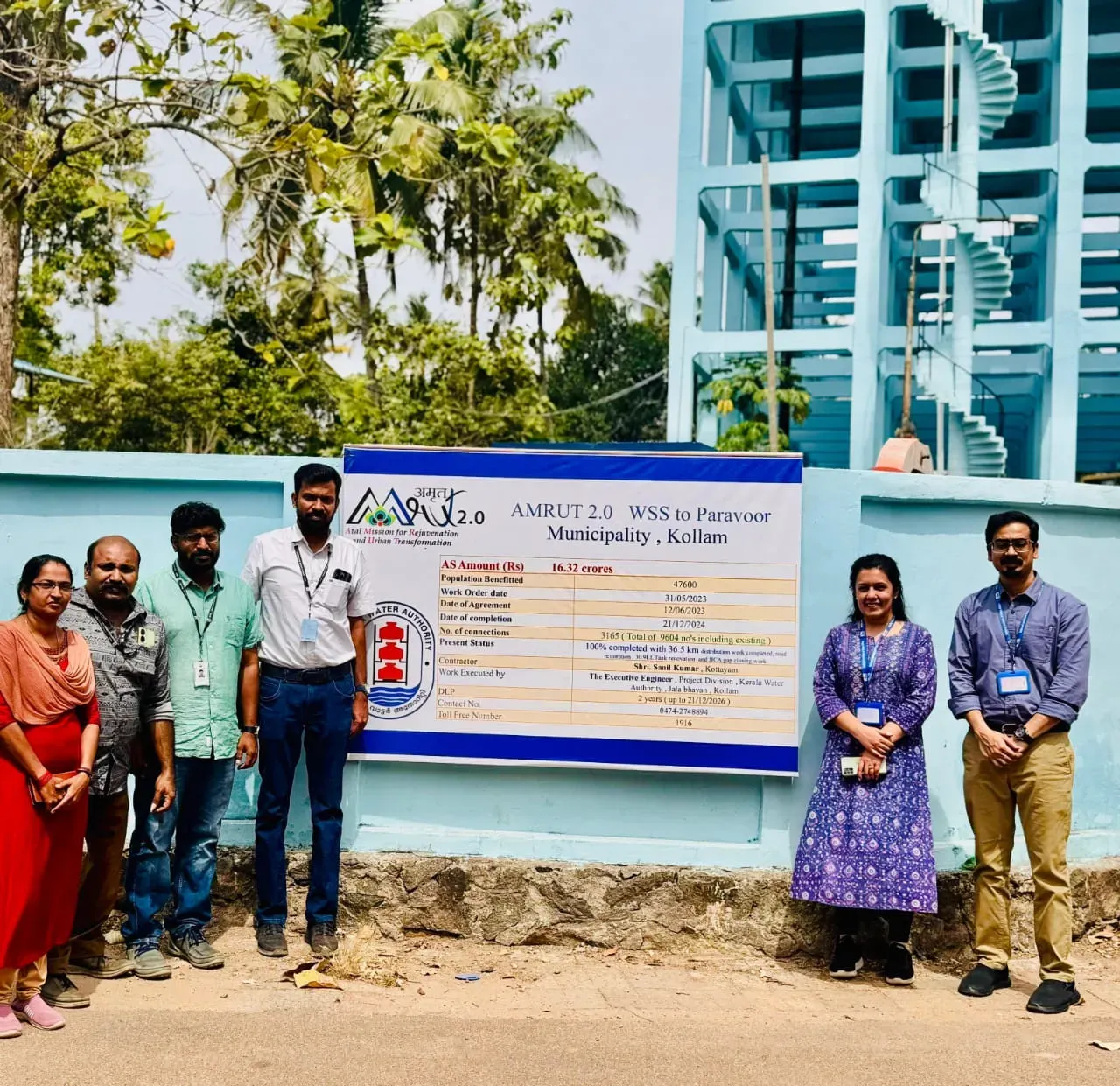
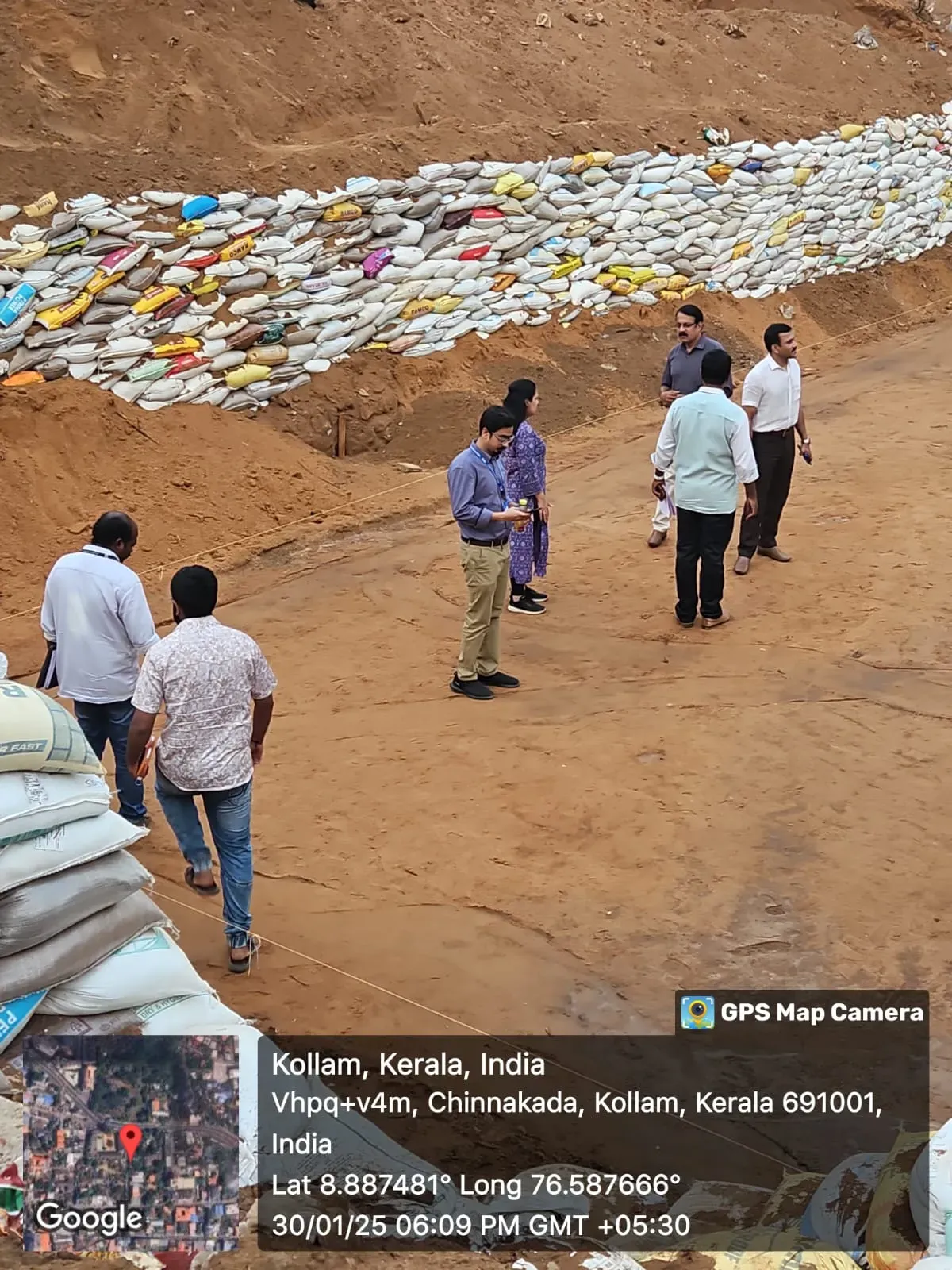
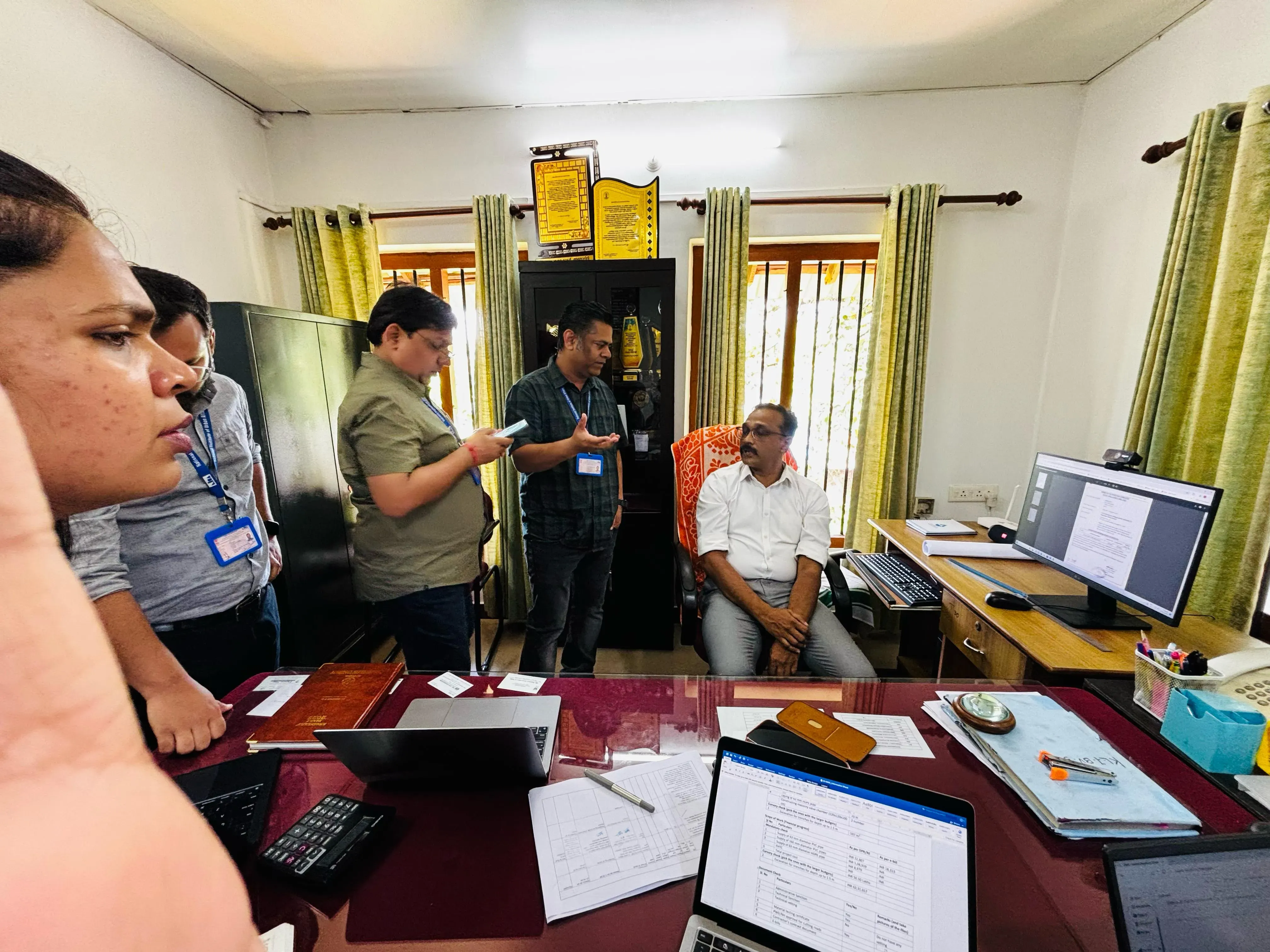
The Atal Mission for Rejuvenation and Urban Transformation (AMRUT), launched by the Ministry of Housing and Urban Affairs (MoHUA), aims to enhance urban infrastructure by improving water supply, wastewater and septage management, and developing parks and green spaces in cities. To ensure that projects under AMRUT 2.0 meet quality standards and stipulated project timelines, regular monitoring and evaluations are conducted. These assessments help identify challenges, provide feedback to states and MoHUA, and recommend corrective actions. This process also plays a key role in determining the release of subsequent central fund instalments.While project feasibility—such as its necessity and viability—is assessed before approval, the Independent Review and Monitoring Agency (IRMA) focuses on evaluating project implementation, identifying obstacles, and facilitating timely interventions.As part of this initiative, the National Institute of Urban Affairs (NIUA) has been tasked with independently reviewing contract-approved projects across 1,000 Urban Local Bodies (ULBs) in 11 Indian states under AMRUT 2.0. Unlike traditional approaches to assessing infrastructural projects, AMRUT 2.0 integrates third-party independent monitoring through IRMA, ensuring real-time on-site evaluation and necessary course correction for better project outcomes.
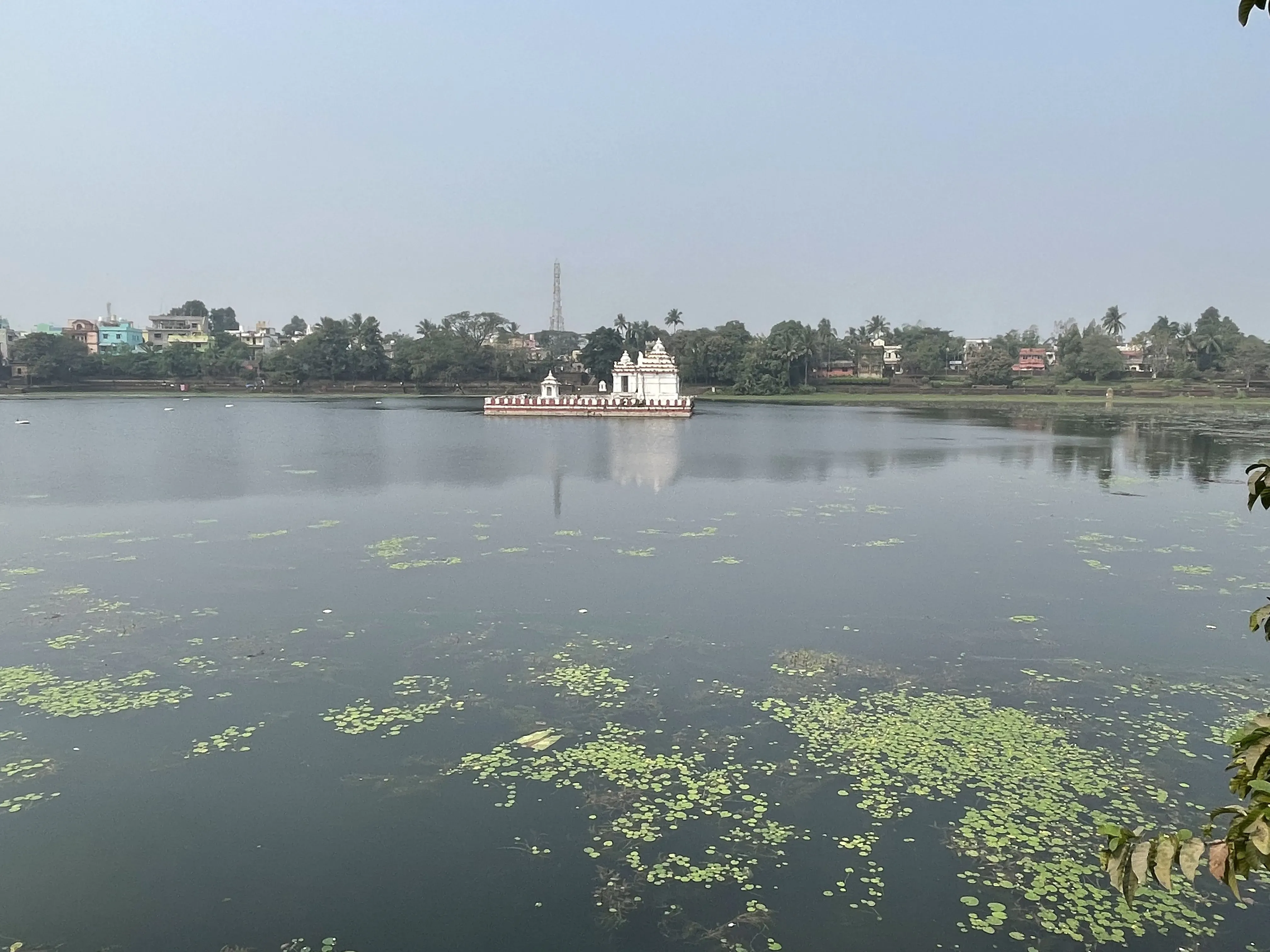
Proliferating Ecosystem Based Adaptation Practices in Indian Cities (EPIC)
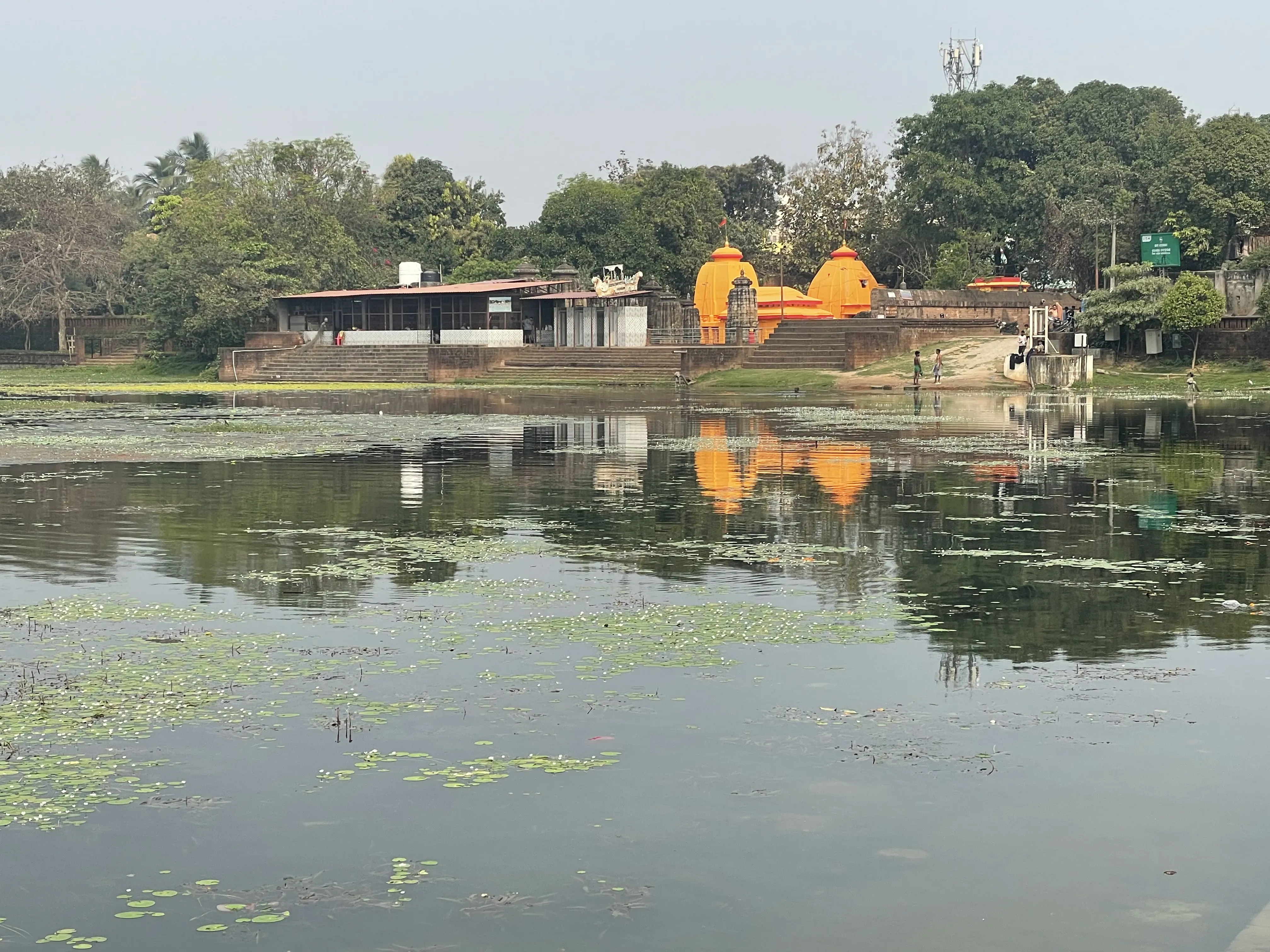
Most Indian cities rely solely on engineering solutions for water management. However, there is growing evidence that nature-based solutions can serve as significant complementary measures providing multi-functional benefits. In some cases, they have the potential to replace traditional infrastructural interventions. When such solutions are used to address the impacts of climate change, they are called Ecosystem-based Adaptation (EbA). The overall objective of this project is to create an enabling environment to mainstream the agenda for EbA solutions as a robust and sustainable approach for water management. It seeks to address two core challenges that are faced by most cities grappling with climate change i.e. water scarcity and urban flooding.The project is being implemented in two phases. The first phase is focused on designing practical EbA interventions for flood control and groundwater recharge in Bhubaneshwar city. The second phase aims to scale up EbA practices within the larger cohort of Indian cities, using the learnings and outputs of the first phase.
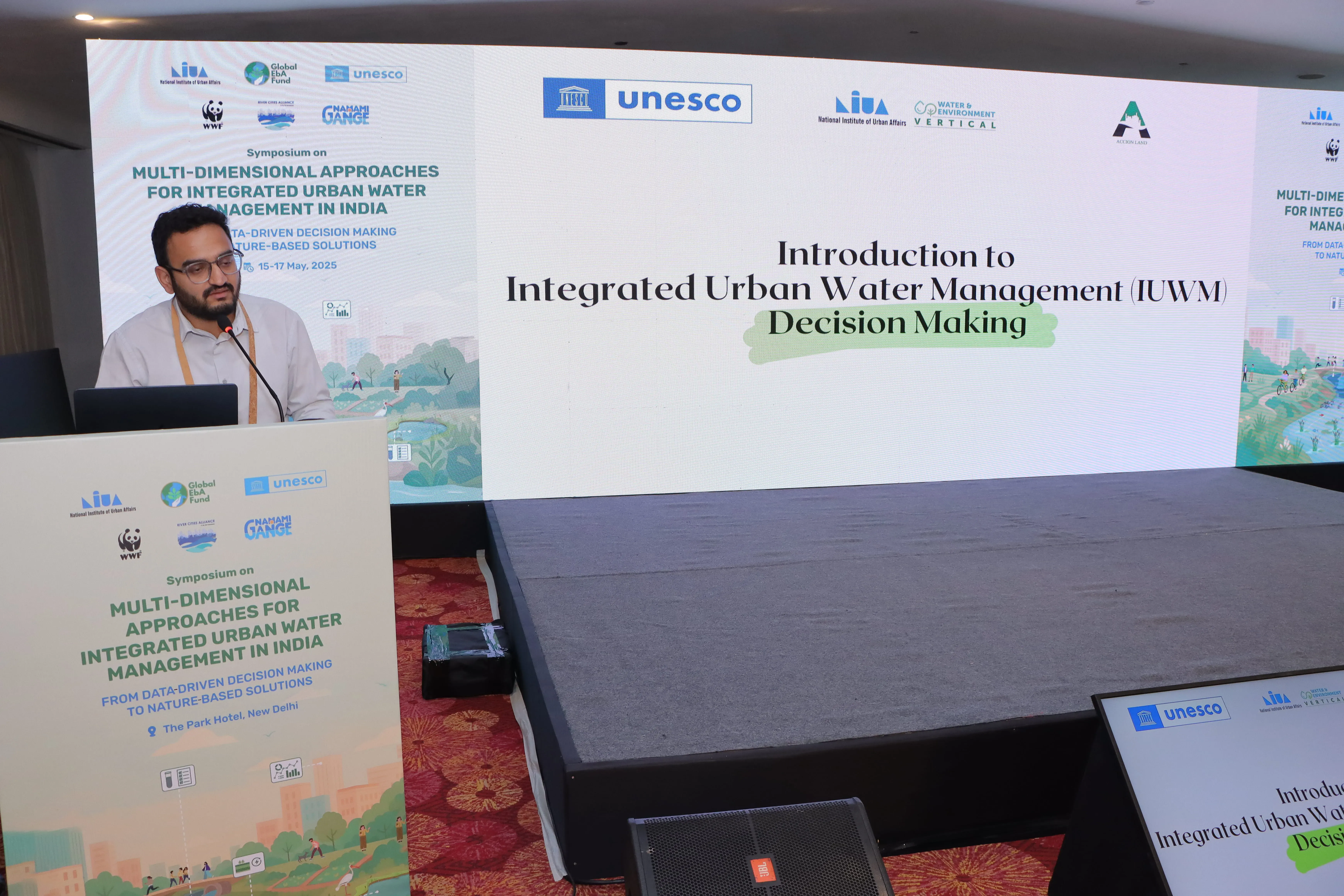
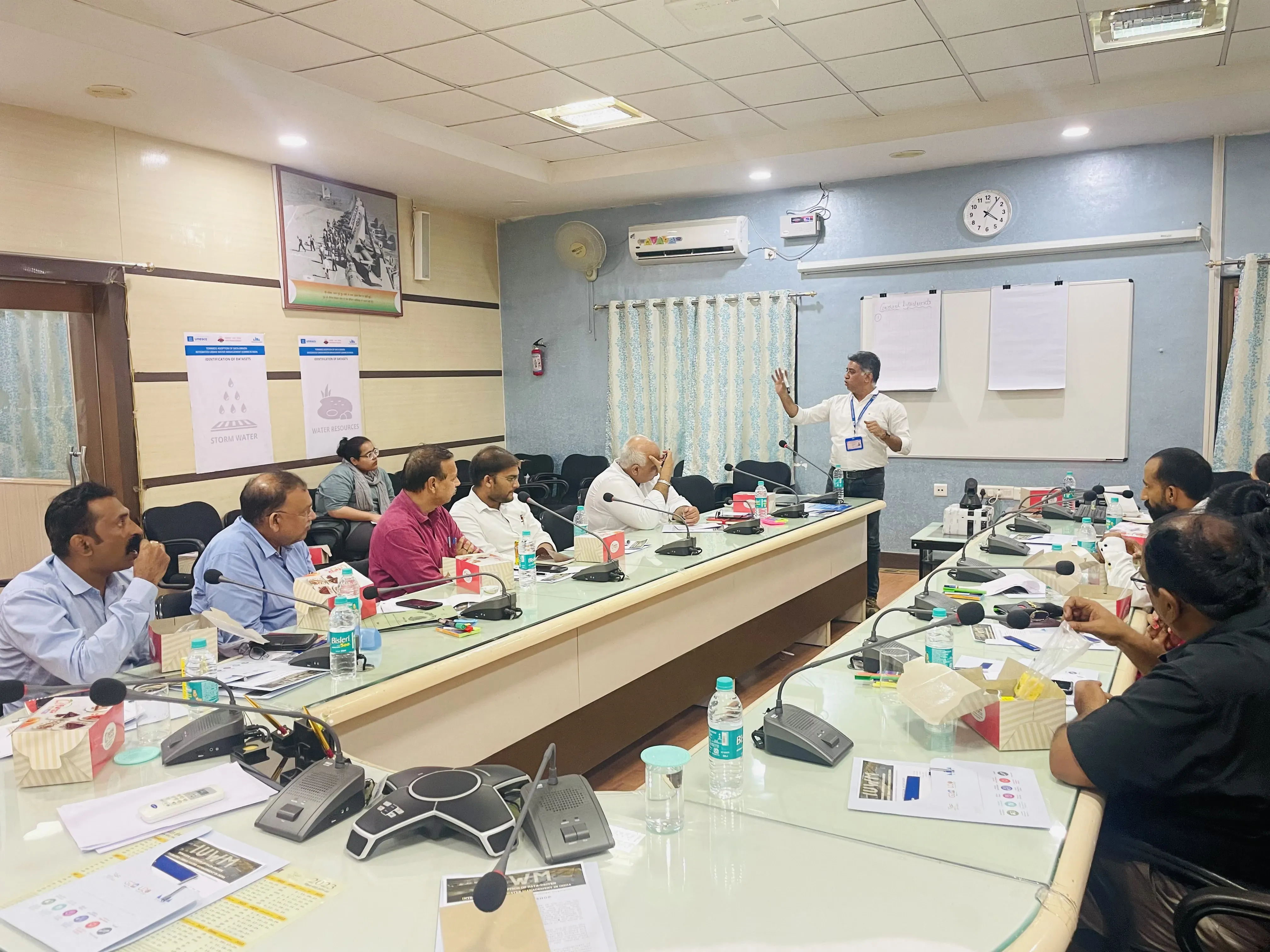
Towards Adoption of Data-driven Integrated Urban Water Management (IUWM) in India
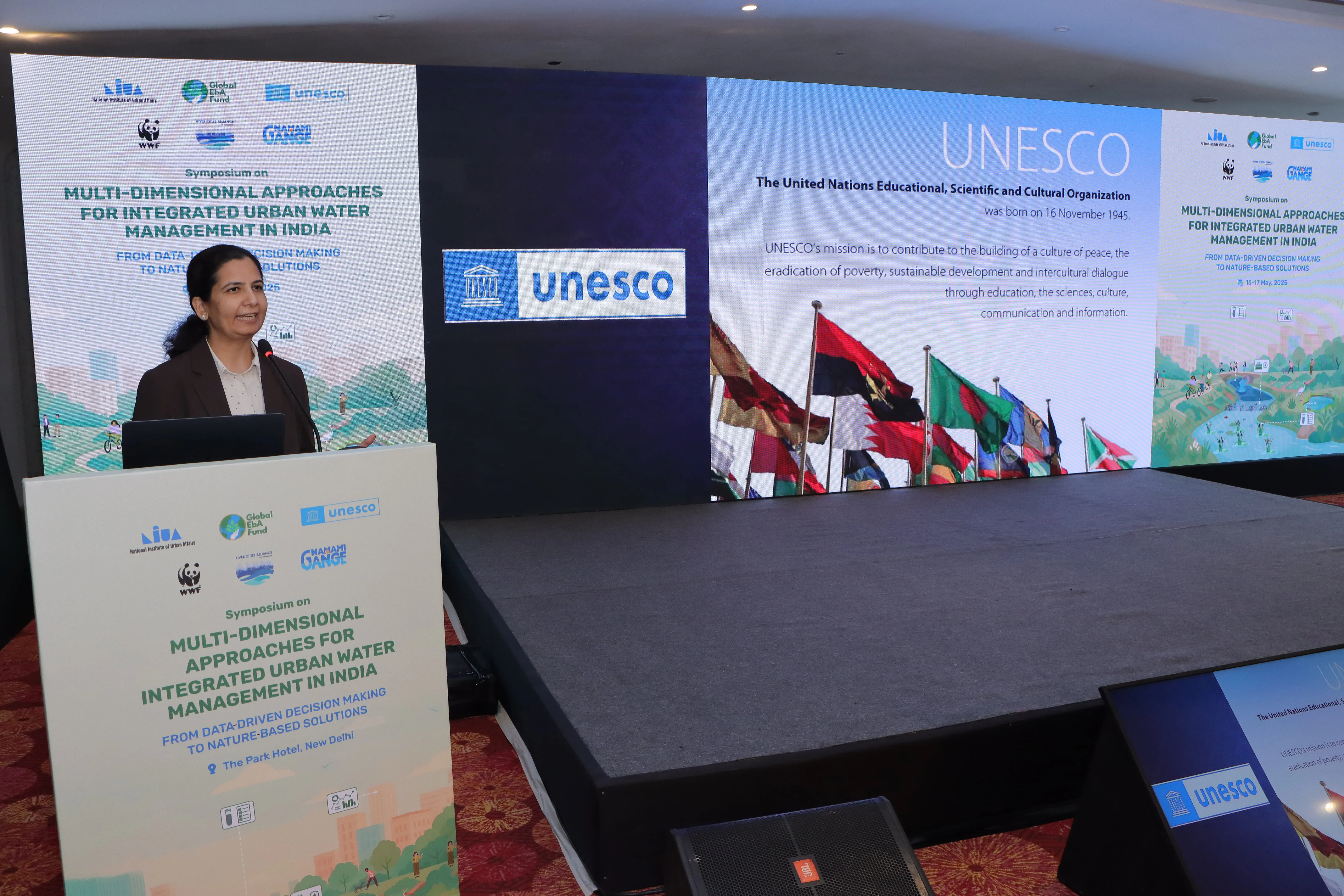
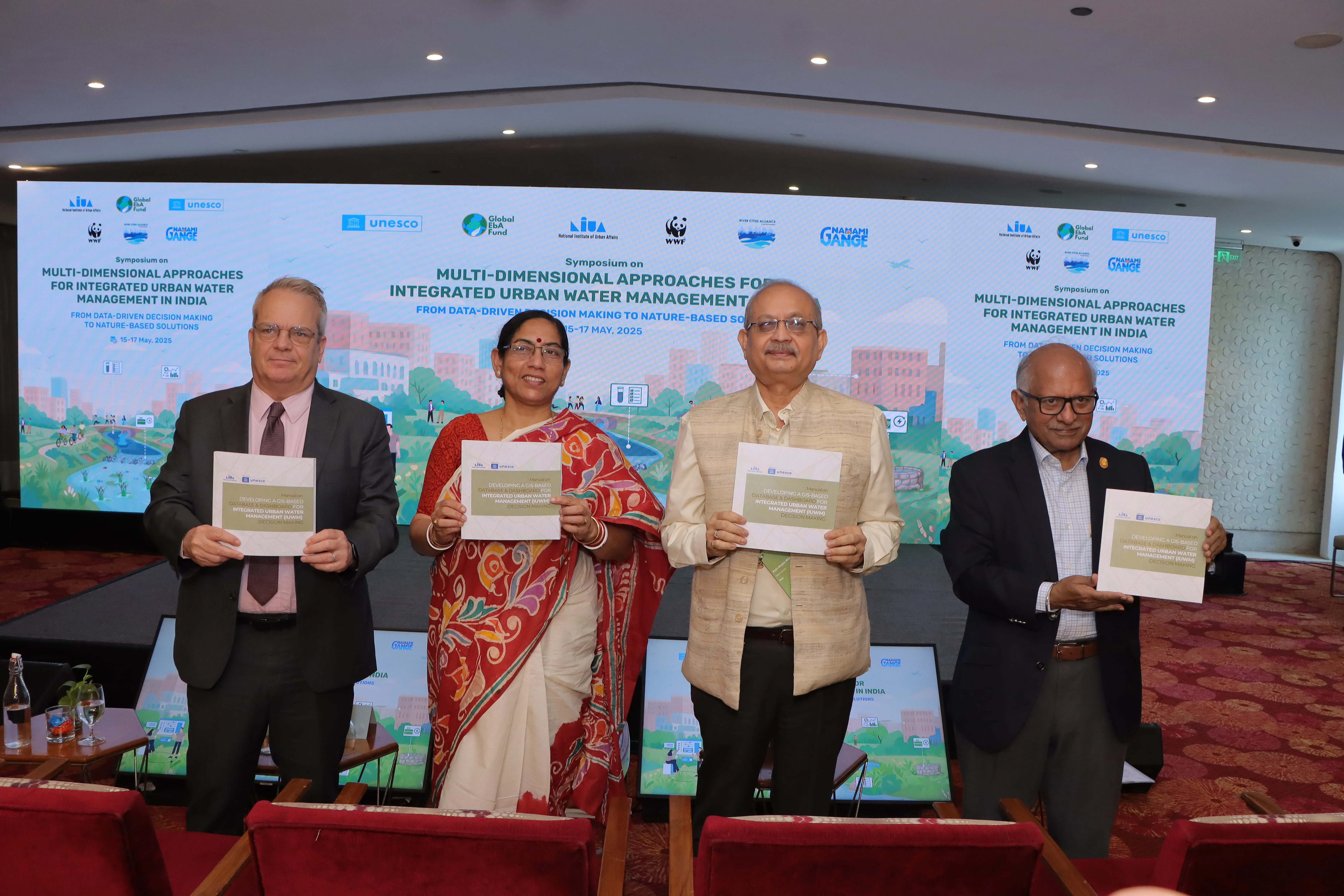
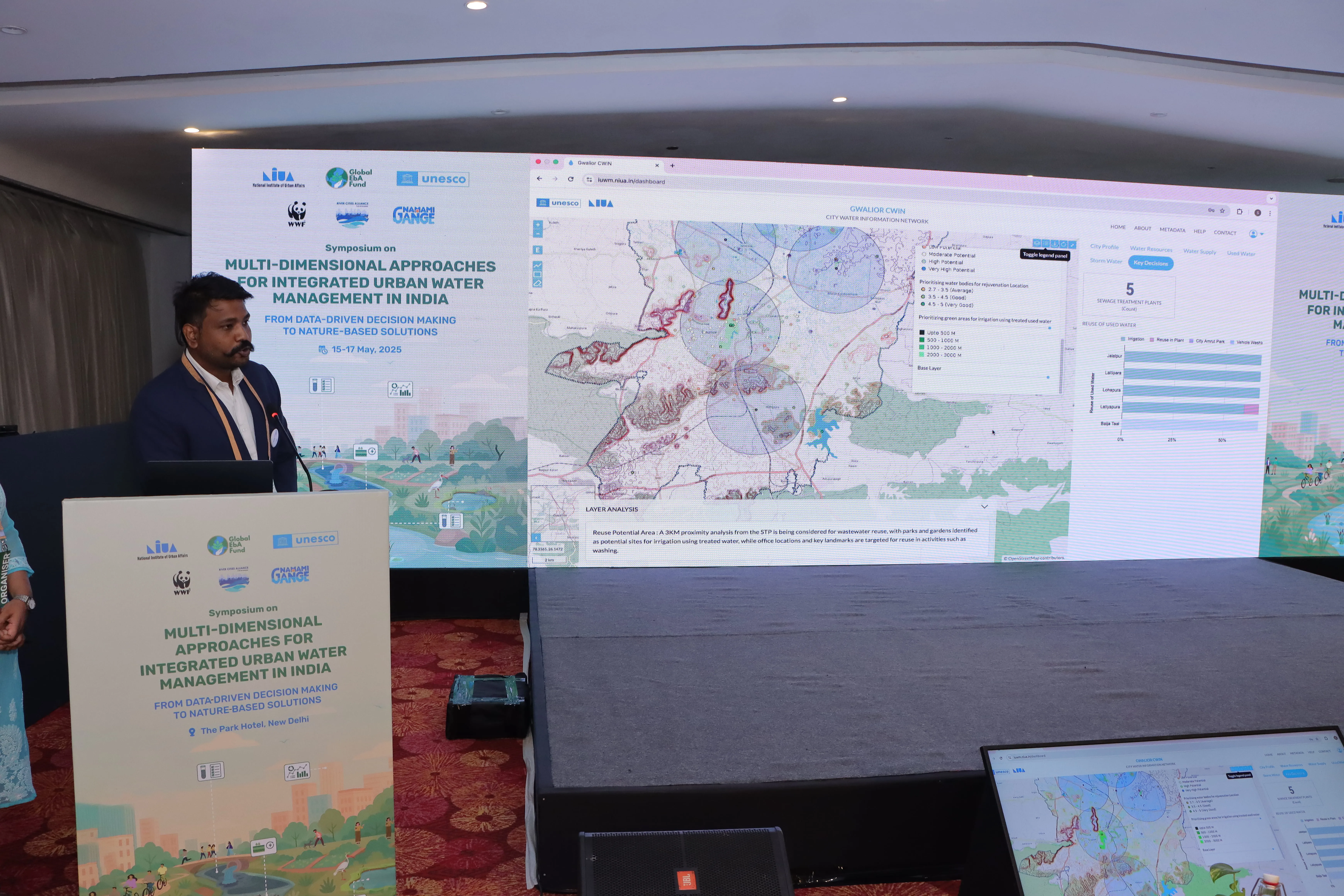
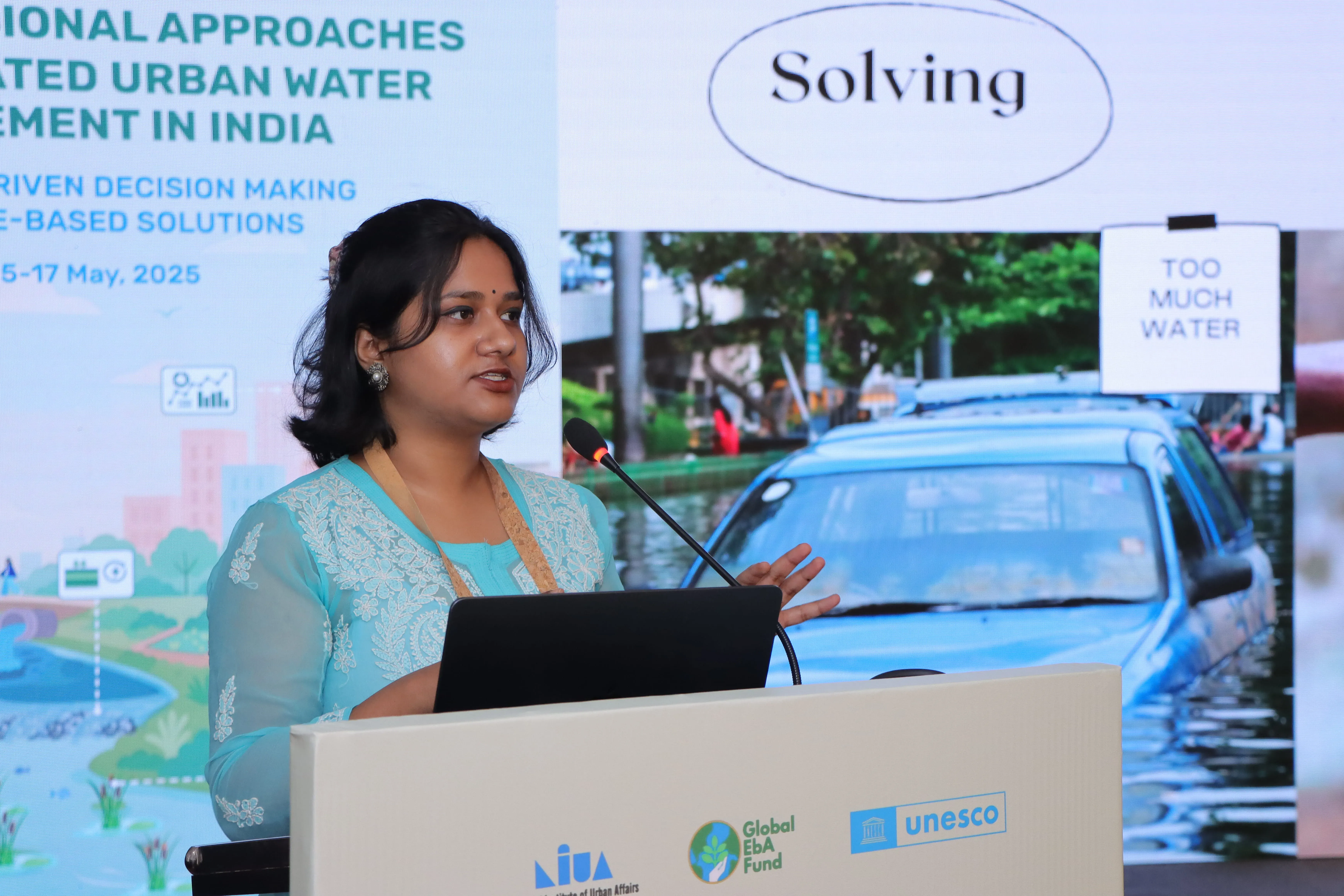
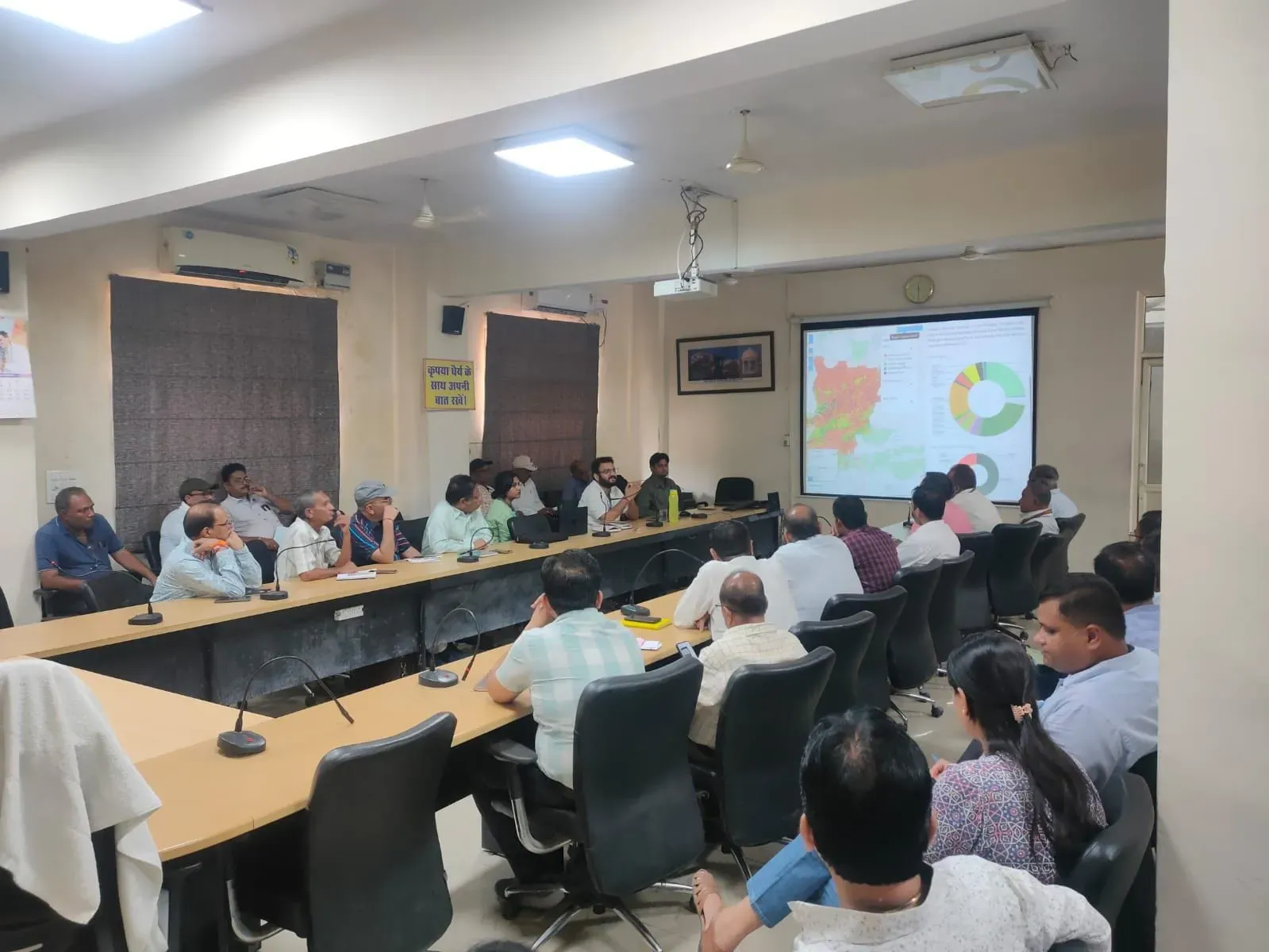
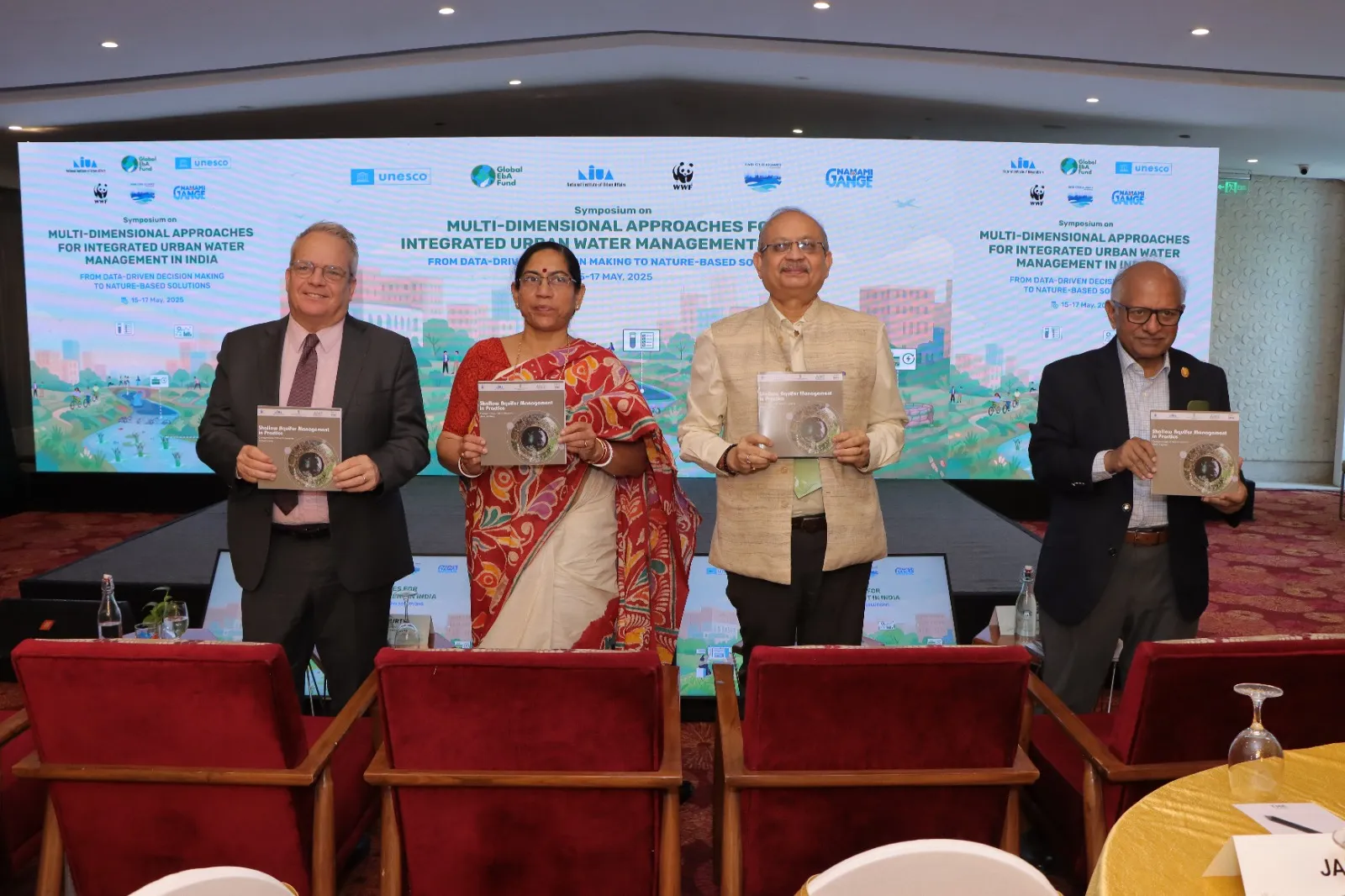
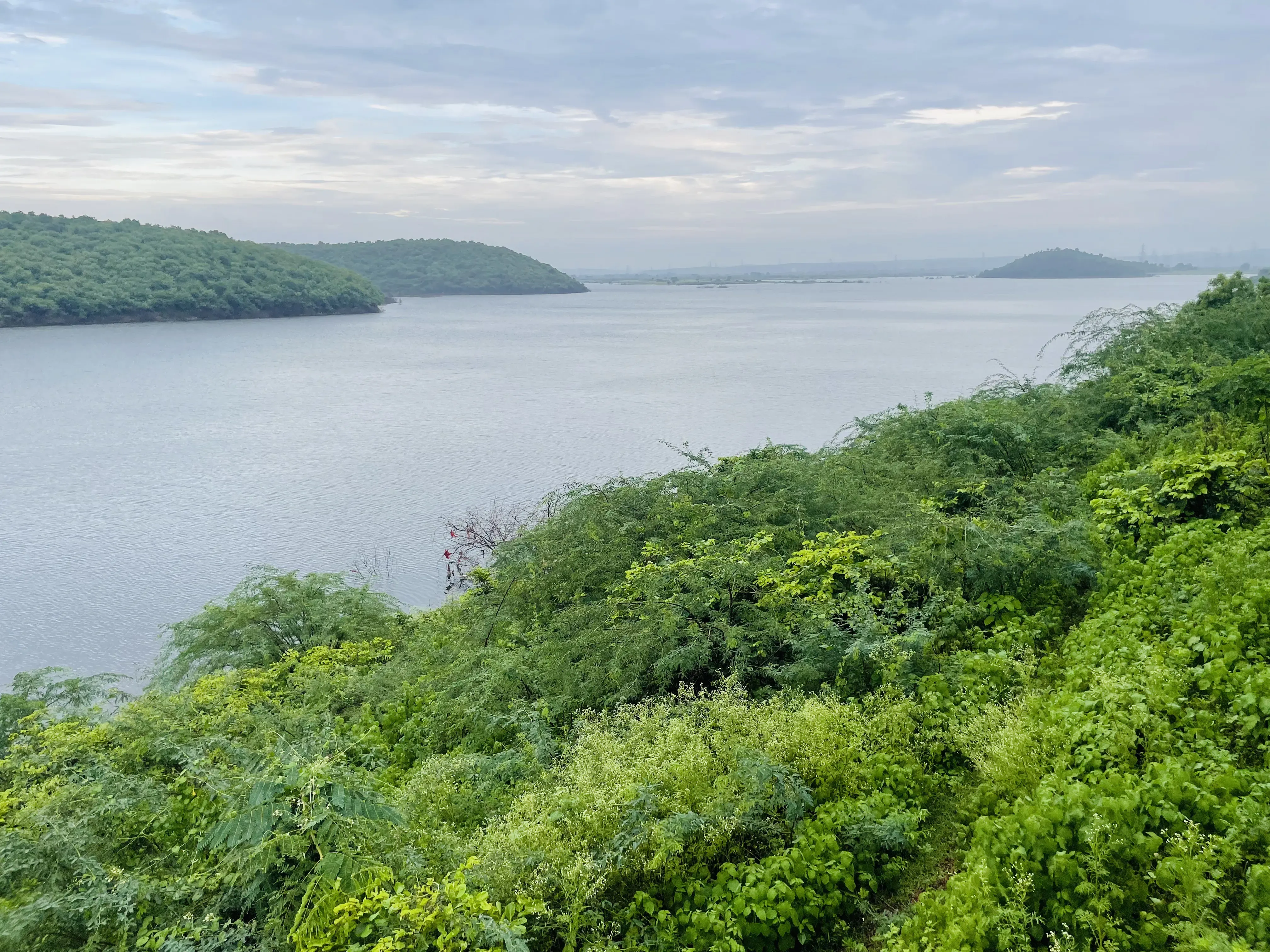
India's cities face mounting water challenges — from overburdened supply networks and inadequate sanitation to rising flood risk and fragmented governance. Addressing these demands more than isolated fixes; it requires a holistic, coordinated approach that sees the urban water cycle as a whole.Integrated Urban Water Management (IUWM) offers exactly that. By treating water supply, sanitation, and stormwater as interconnected systems rather than separate silos, IUWM provides a framework for smarter, more resilient urban water planning. Yet one of the most persistent barriers to its adoption in India has been the absence of a robust, unified data foundation to guide decision-making.CWIN — the City Water Information Network — was built to change that.Developed for Gwalior, CWIN is a dynamic, data-driven dashboard that brings together the city's entire urban water ecosystem in one place: water resources, supply networks, wastewater, stormwater systems, the city's Master Plan, and spatial data. It offers real-time visualisation of water-related information, identifies flood-prone zones and groundwater recharge hotspots, maps optimal areas for treated wastewater reuse, and flags communities most vulnerable to flooding. It also highlights opportunities for afforestation and helps municipal officers and planners move from weeks of manual analysis to instant, actionable insight.More than a tool for Gwalior, CWIN is envisioned as a replicable model — a proof of concept that other Indian cities can adapt as they navigate their own water futures.
Preparation of Urban River Management Plans for 60 cities in the Ganga River Basin
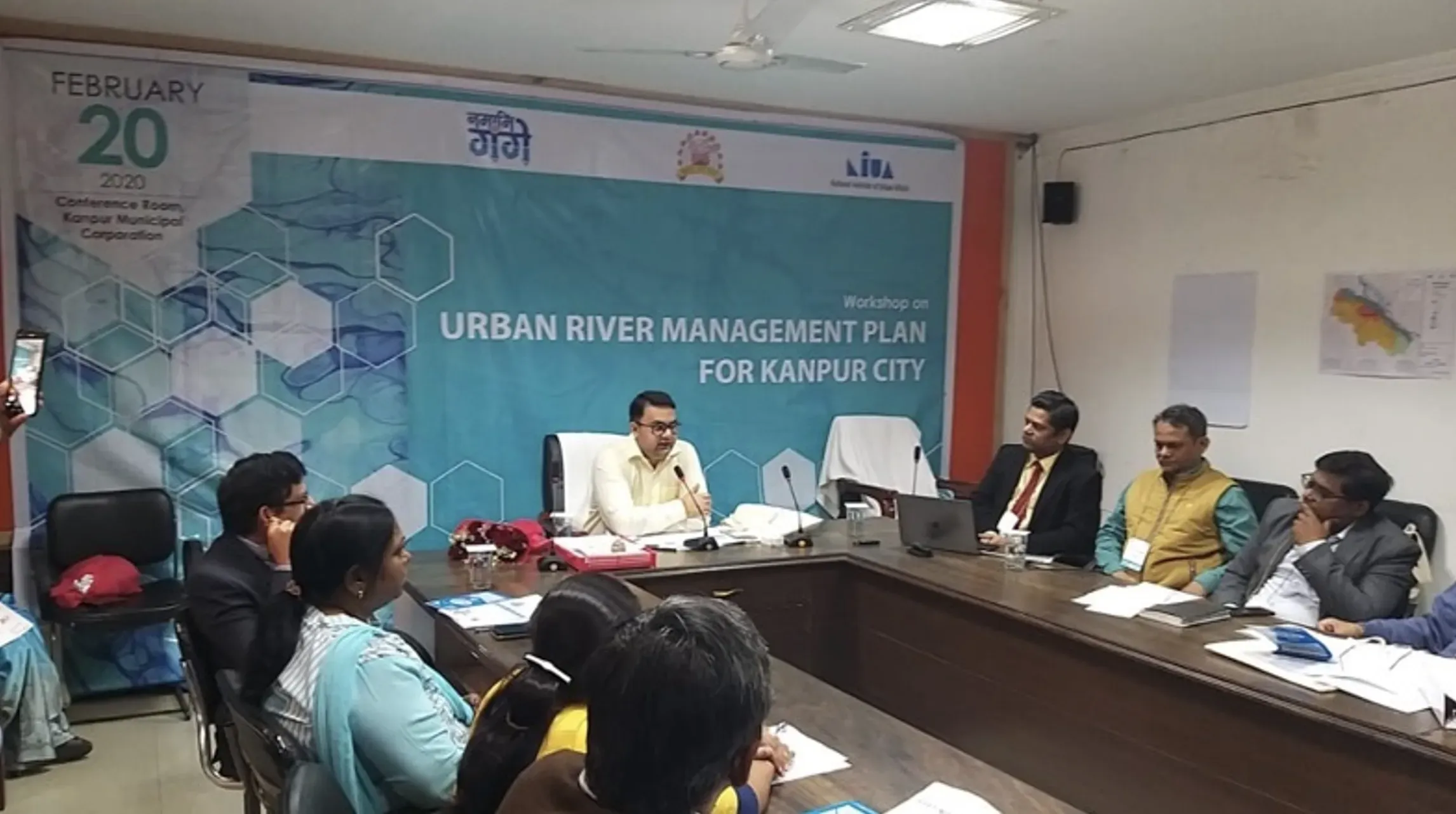
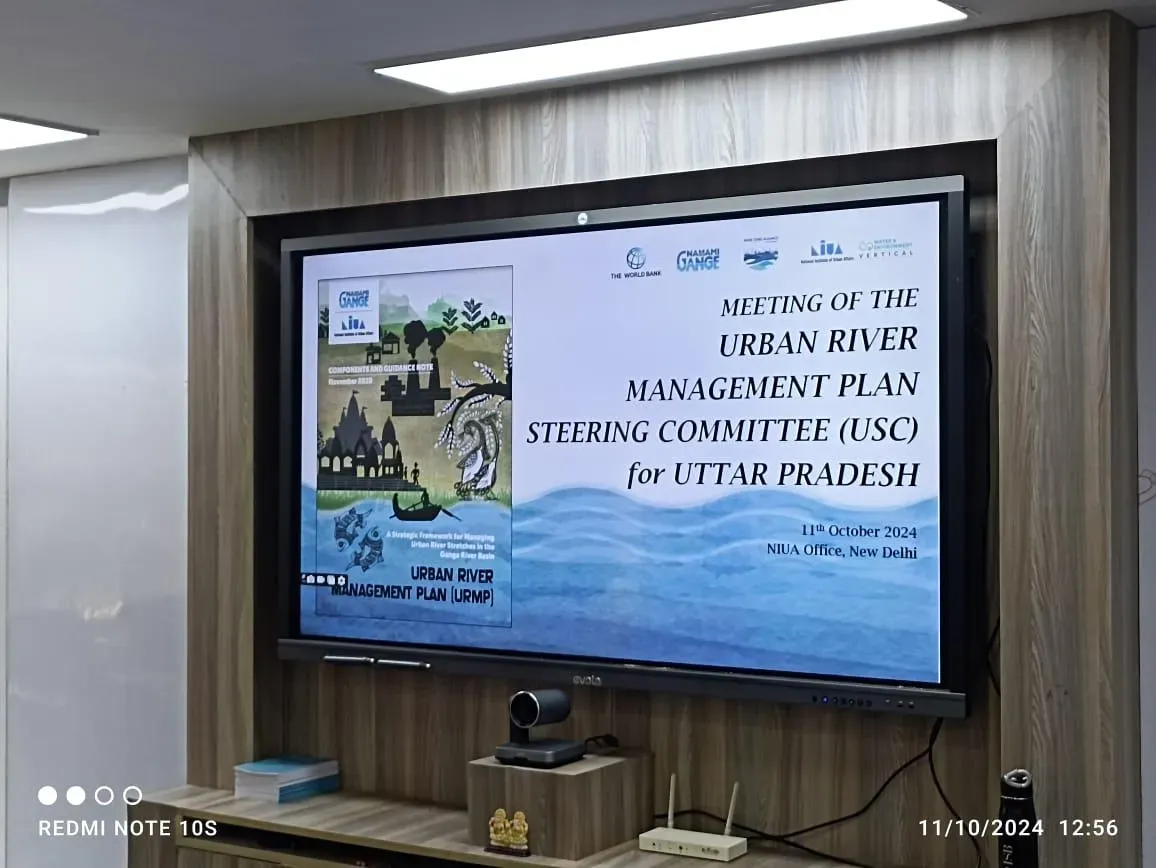
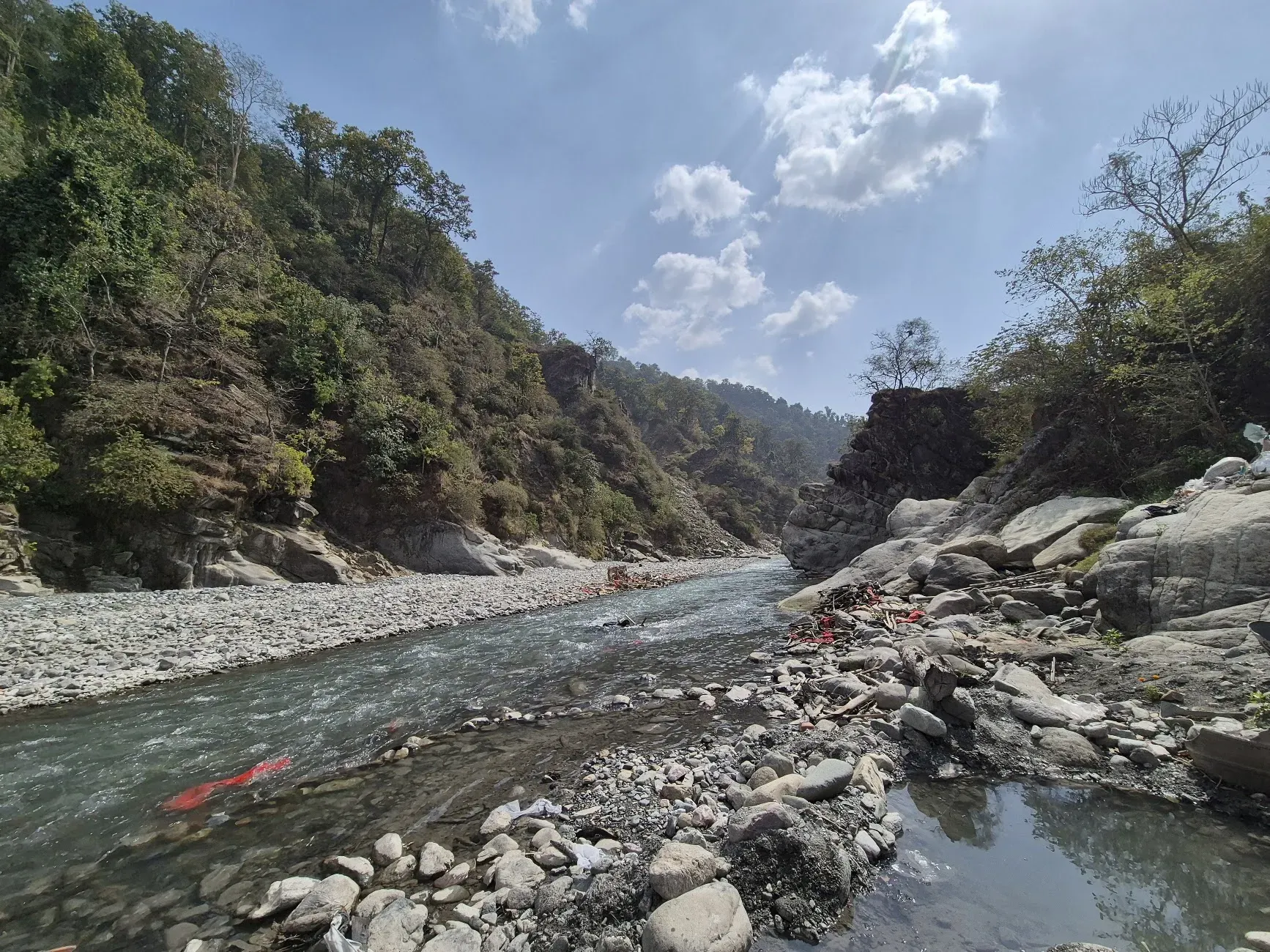
On 10 December 2019, during the National Ganga Council Meeting in Kanpur, the Hon’ble Prime Minister emphasised the need to adopt new thinking in river cities, one with a facilitatory outlook rather than a regulatory approach. In the 5th meeting of the Empowered Task Force on River Ganga in February 2020, NIUA and the Town and Country Planning Organisation (TCPO) were directed to provide suggestions on holistic river-centric planning. Accordingly, the Urban River Management Plan (URMP) framework was conceived of and launched on 4th November 2020 by NIUA in partnership with the National Mission for Clean Ganga (NMCG). The framework is a general template for river cities to develop city-specific river management plans that take into account the ecological and socio-economic significance of rivers. URMPs have since been formulated by Kanpur, Ayodhya, Chatrapati Sambhaji Nagar, Bareilly, and Moradabad. With support from the World Bank, 60 additional cities within the Ganga Basin states of Uttarakhand, Uttar Pradesh, West Bengal, Bihar, and Jharkhand will now prepare their URMPs. From the hill cities of Uttarakhand to the impact of rapid industrialisation on the rivers of Bihar and Jharkhand, this project will focus on a multitude of verticals - all aimed at strengthening urban river management in India. Over the duration of this project, it will focus on preparing the URMPs in partnership with the 60 identified Ganga Basin cities. In the first phase, 27 cities will be targeted, while the remaining 33 cities will be taken up in the subsequent phase.
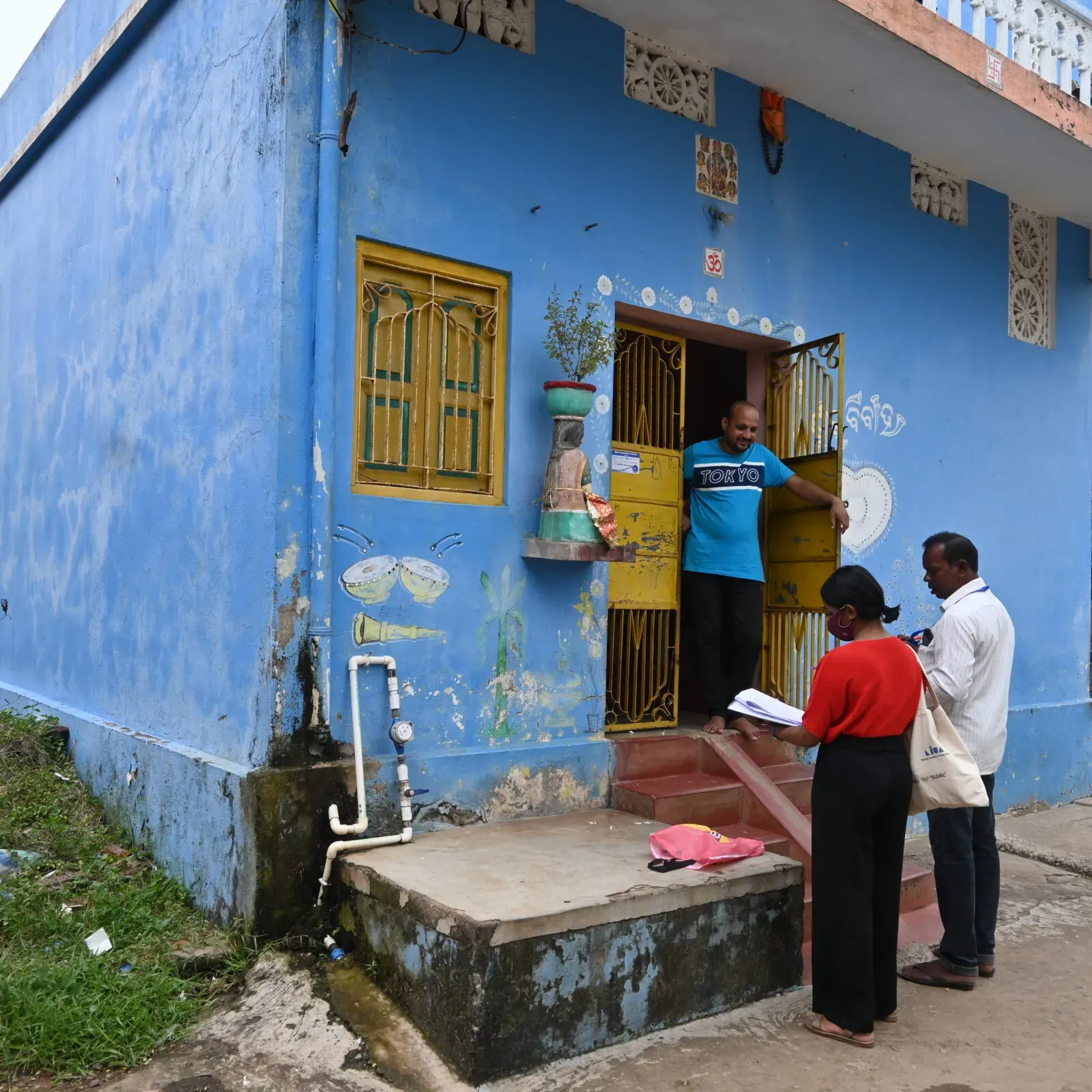
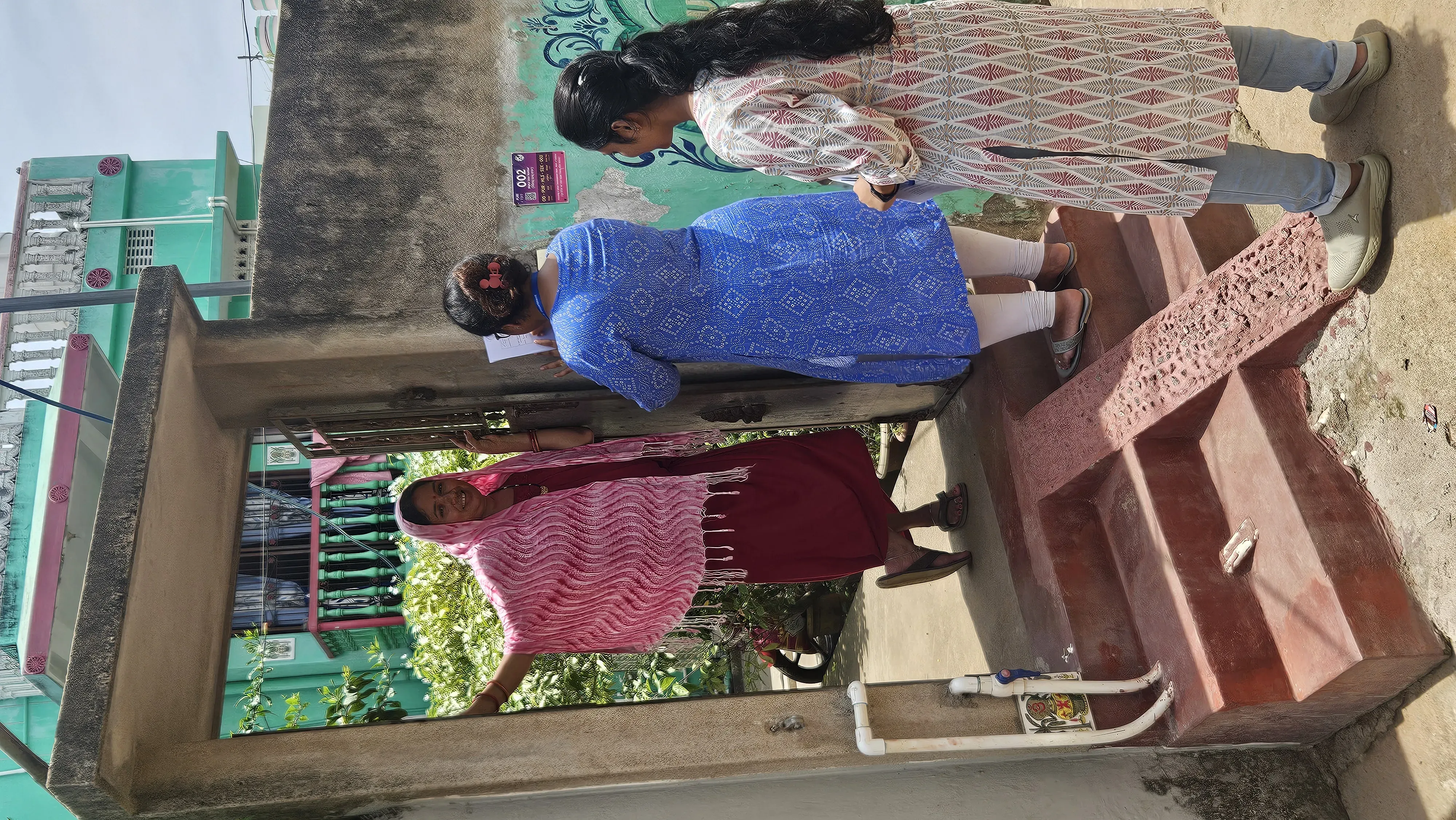
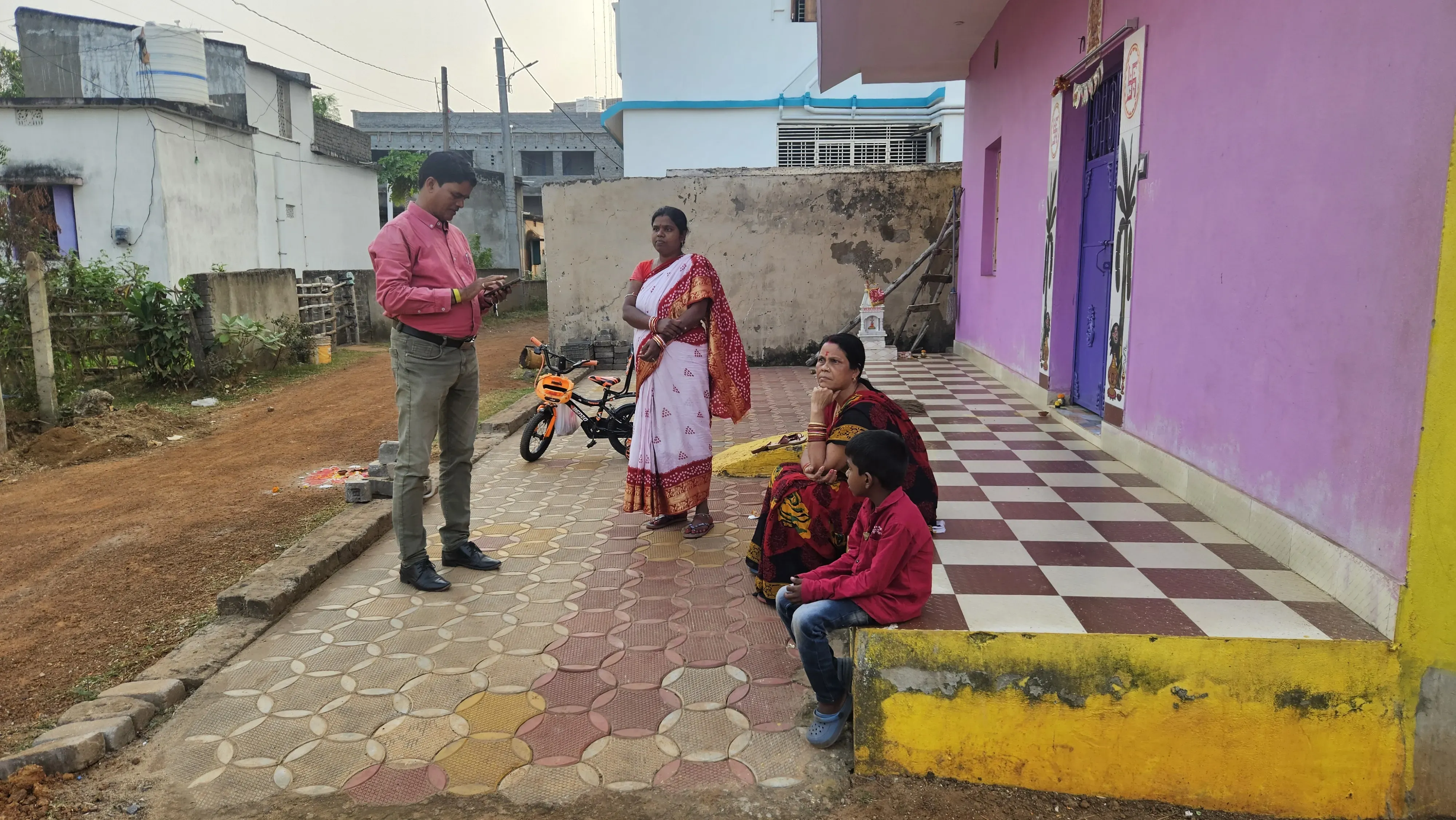
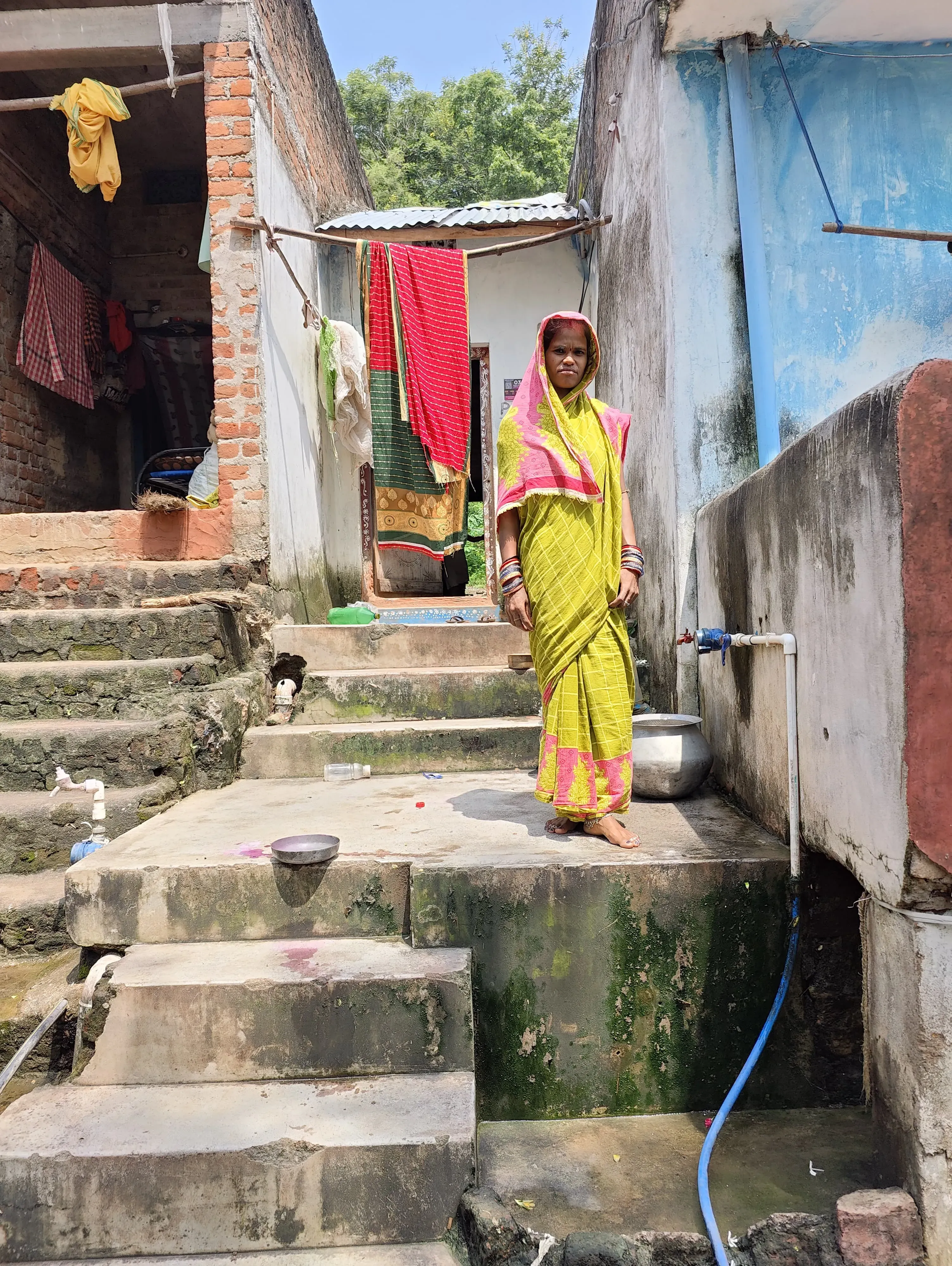
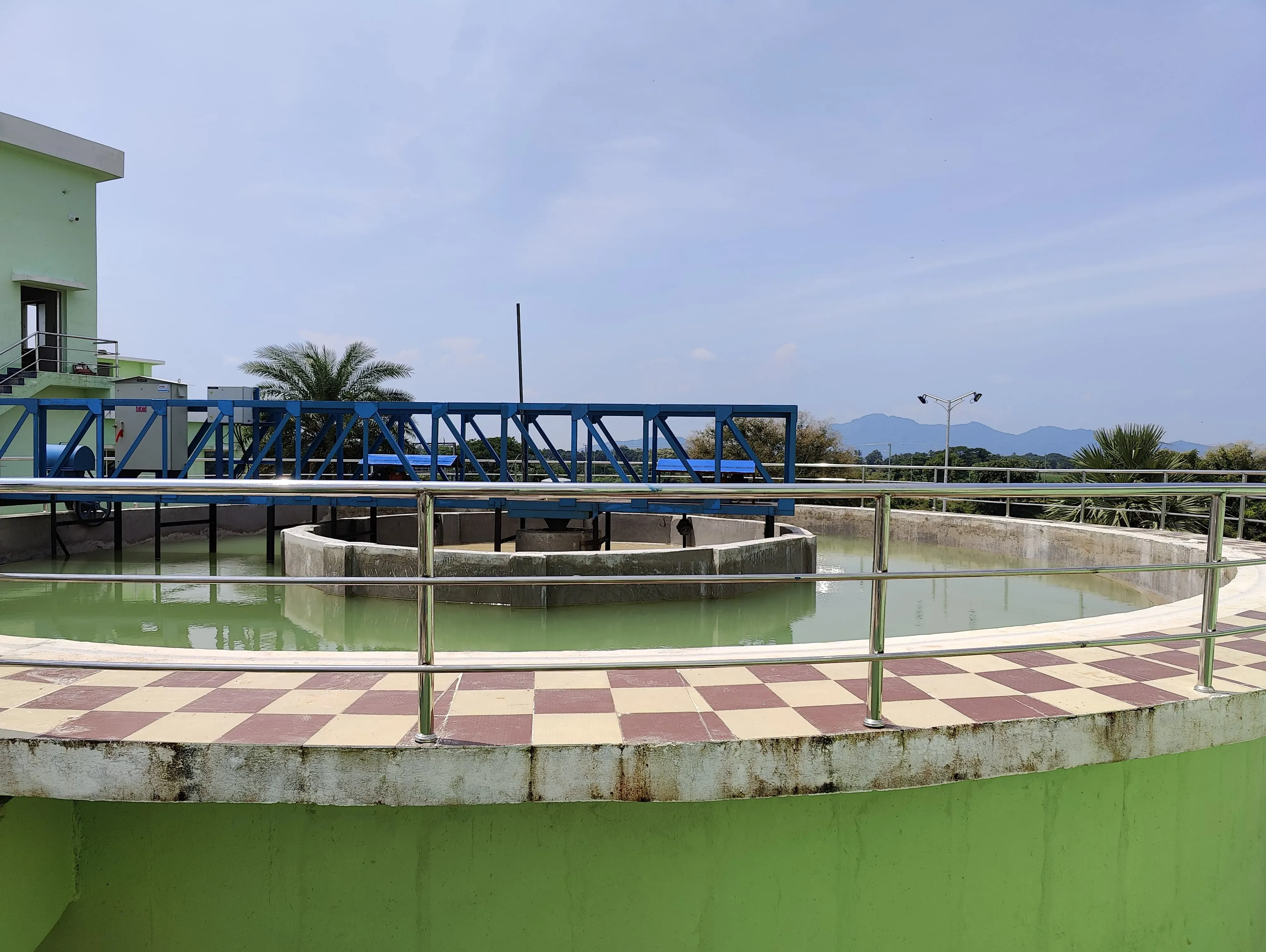
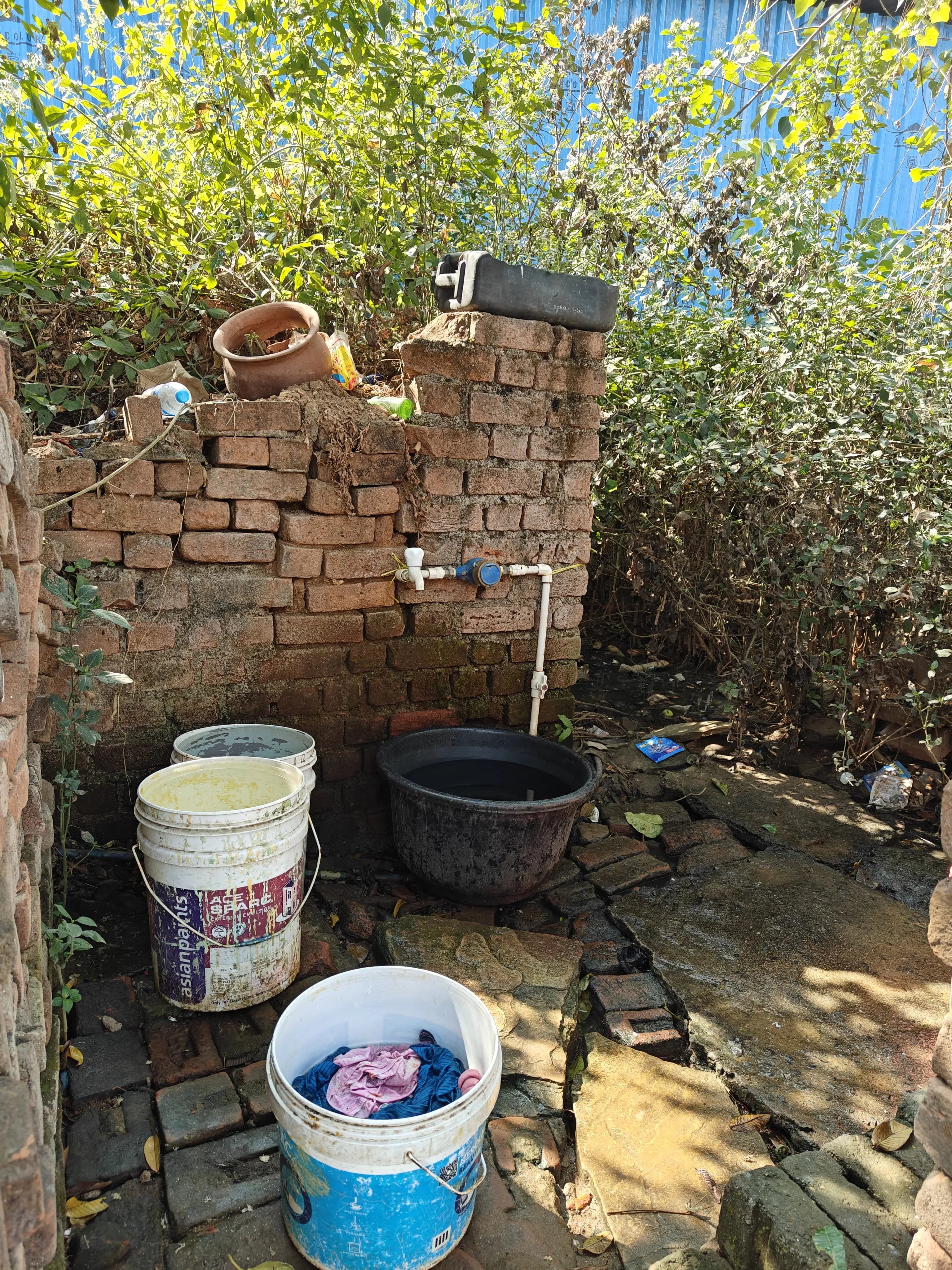
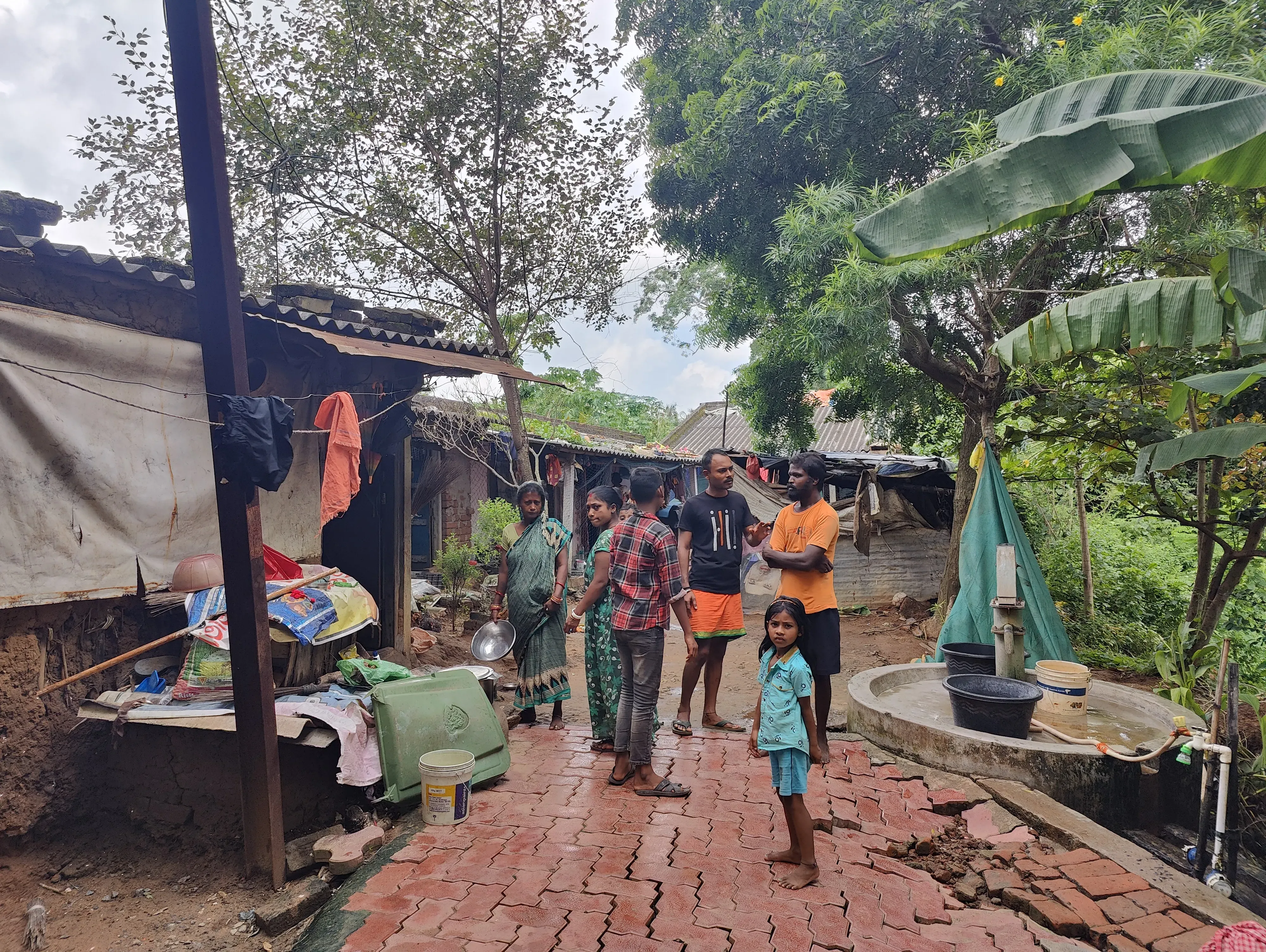
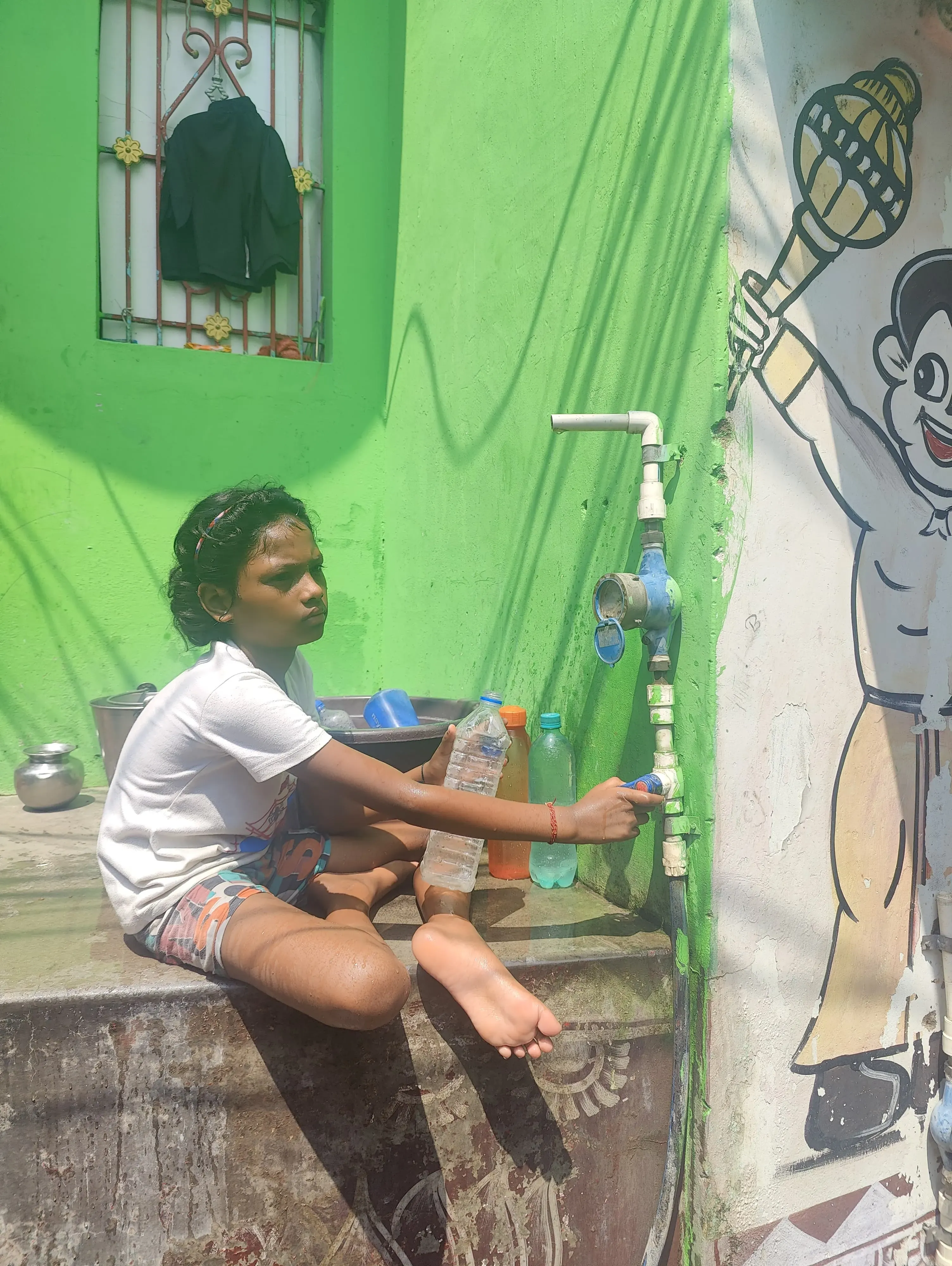
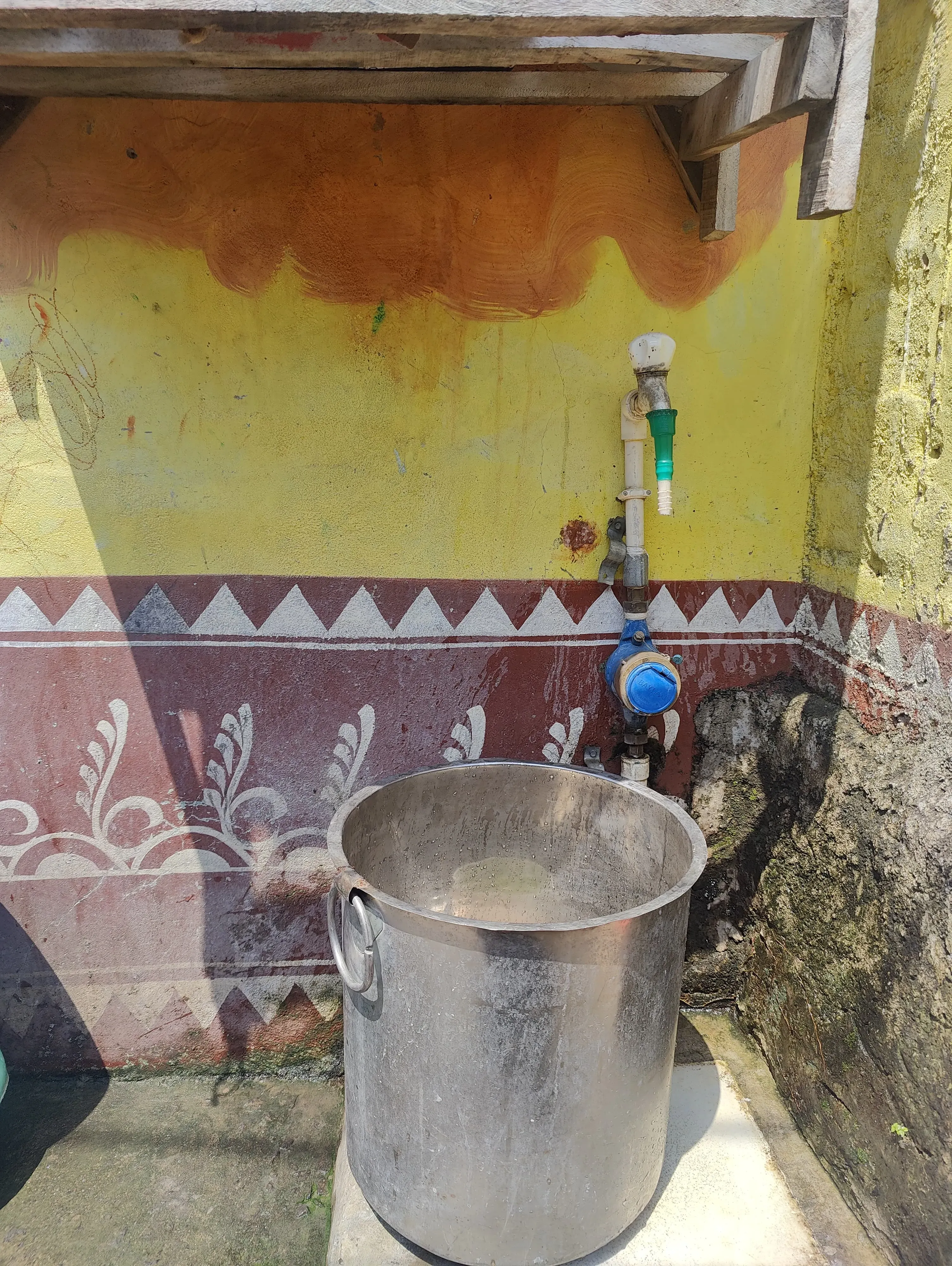
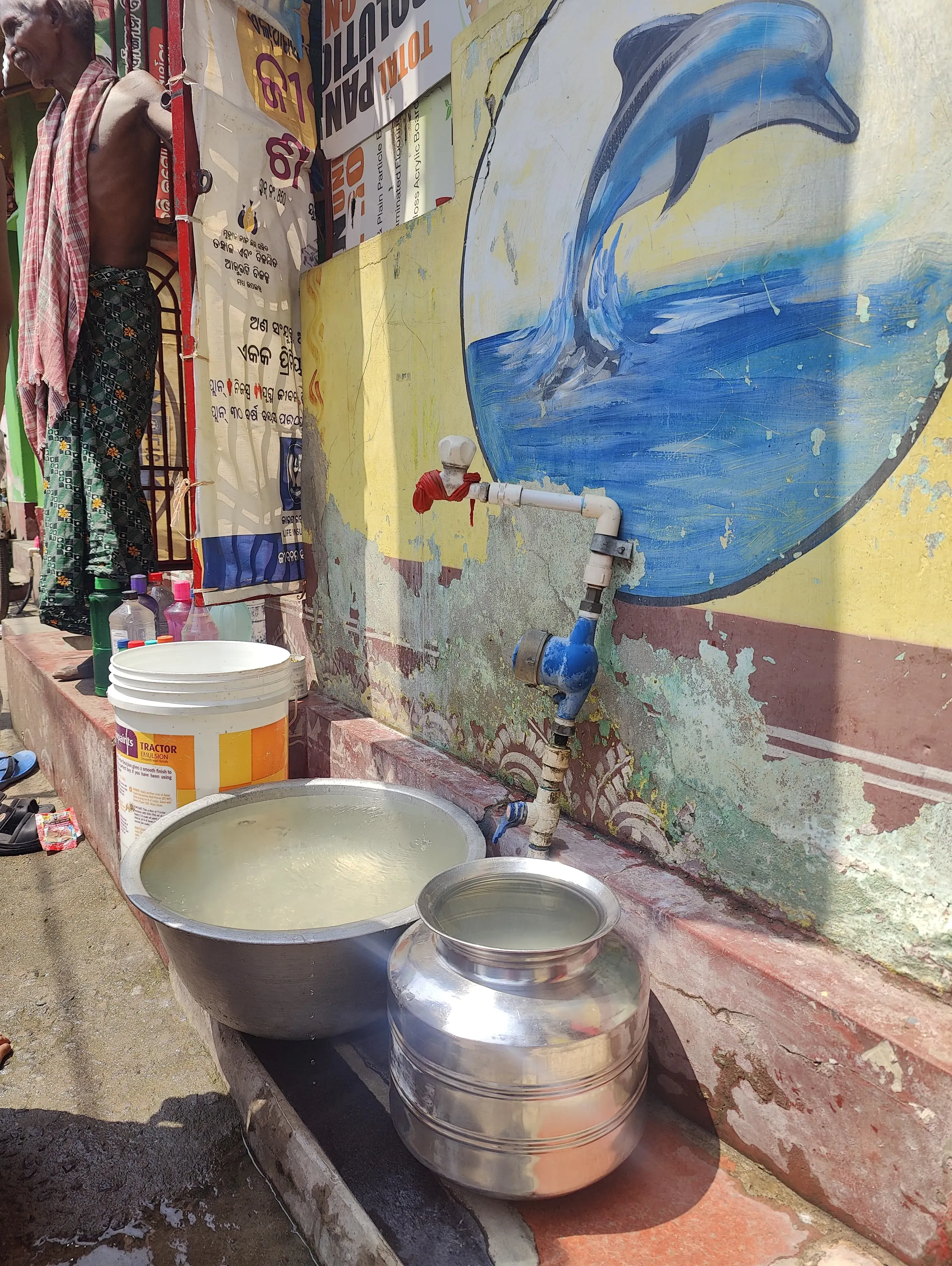
Evaluating the Efficacy and Impact of the Drink From Tap Mission in Odisha
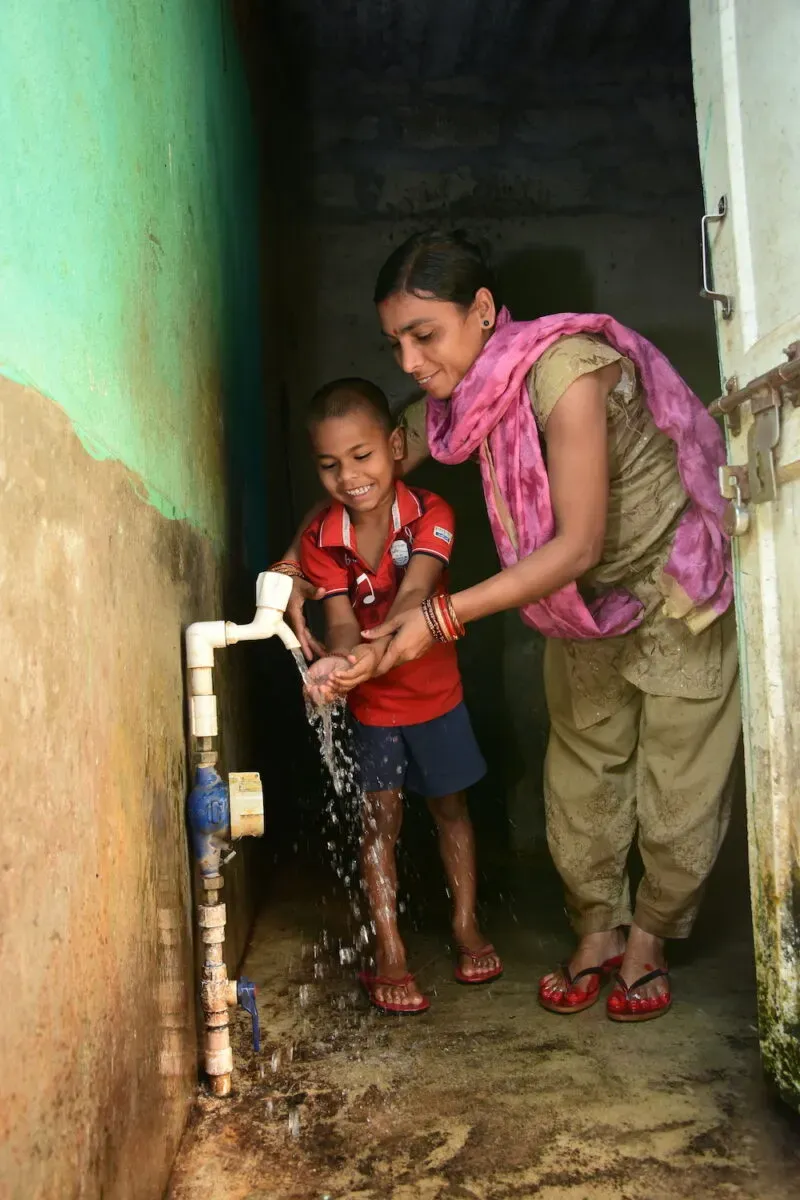
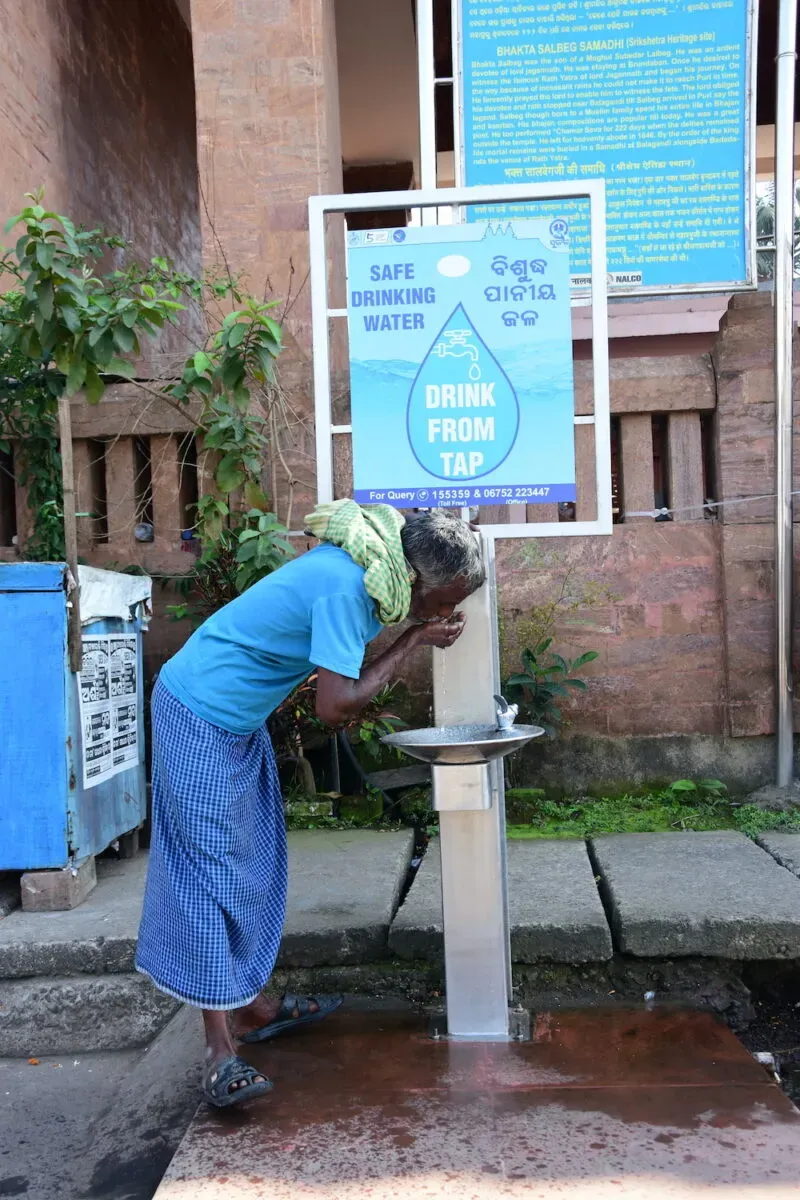
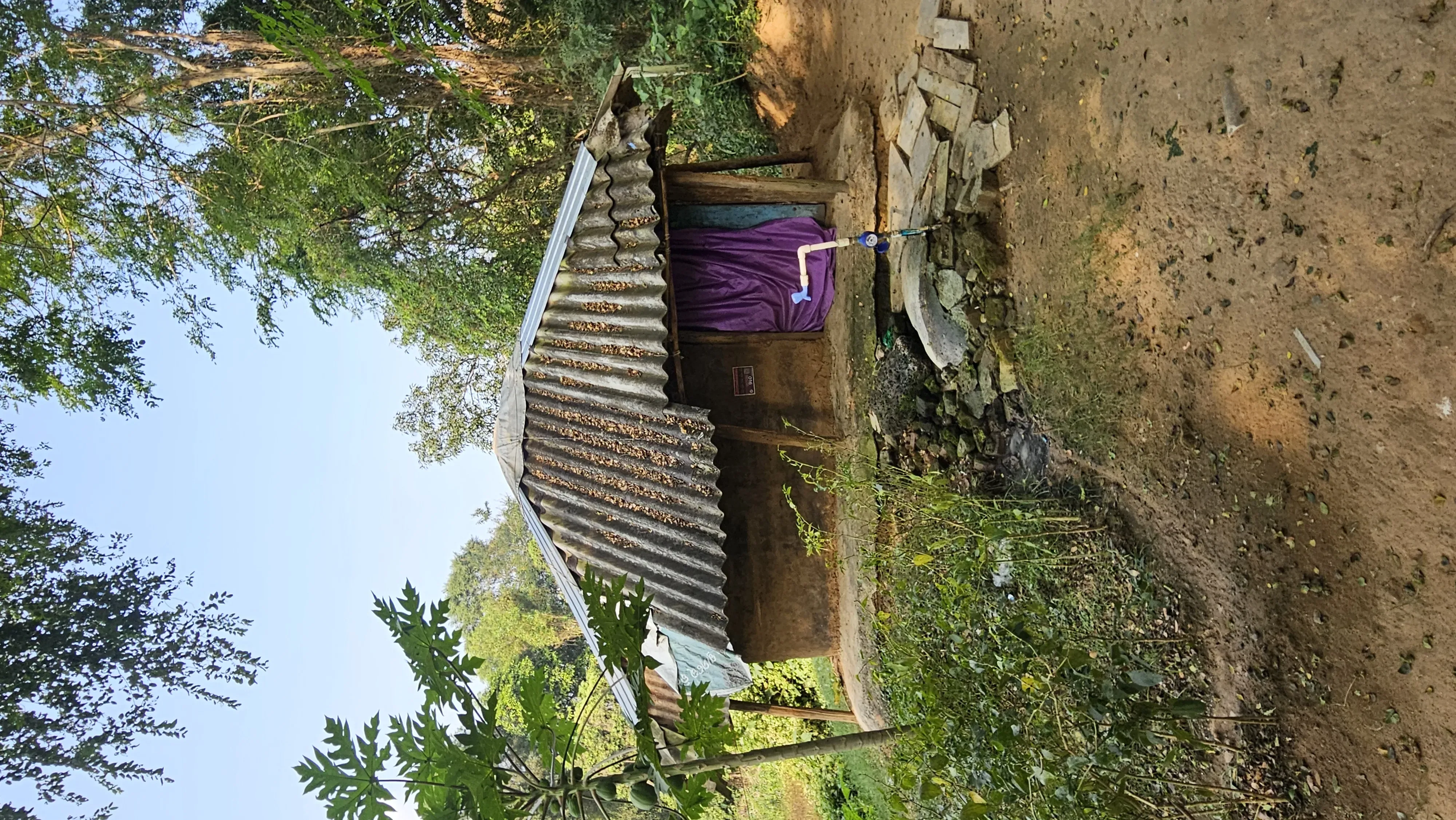
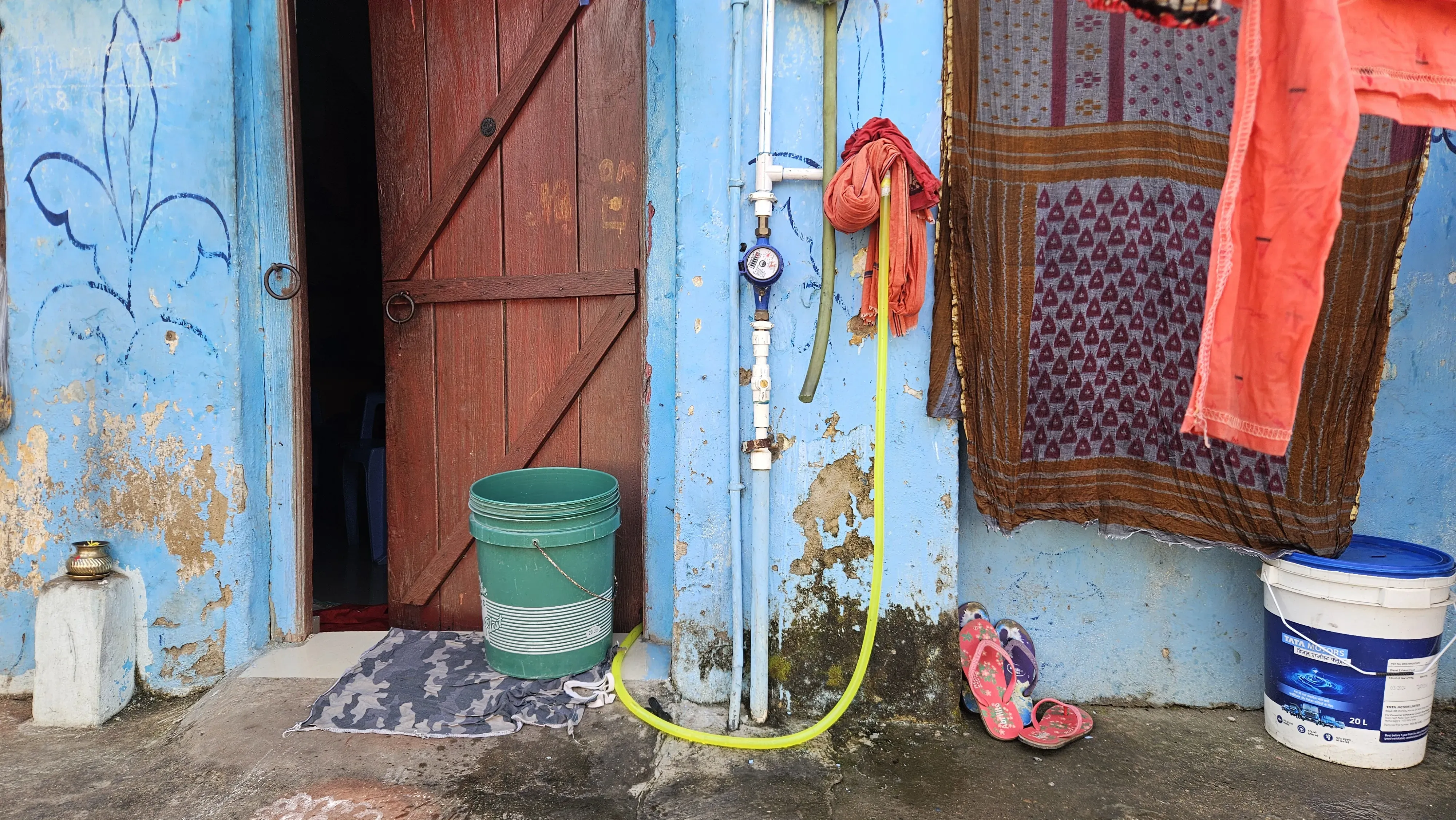
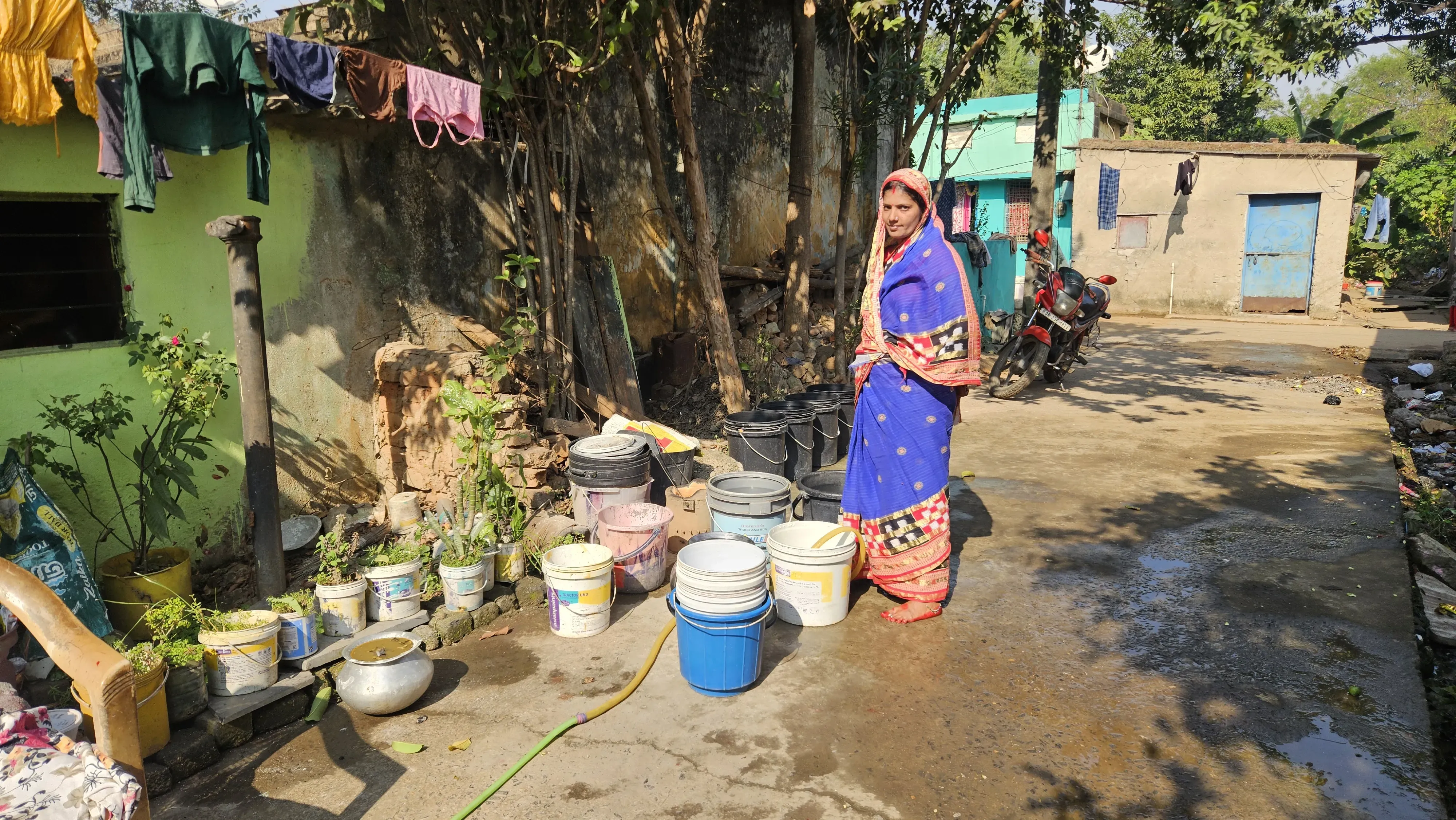
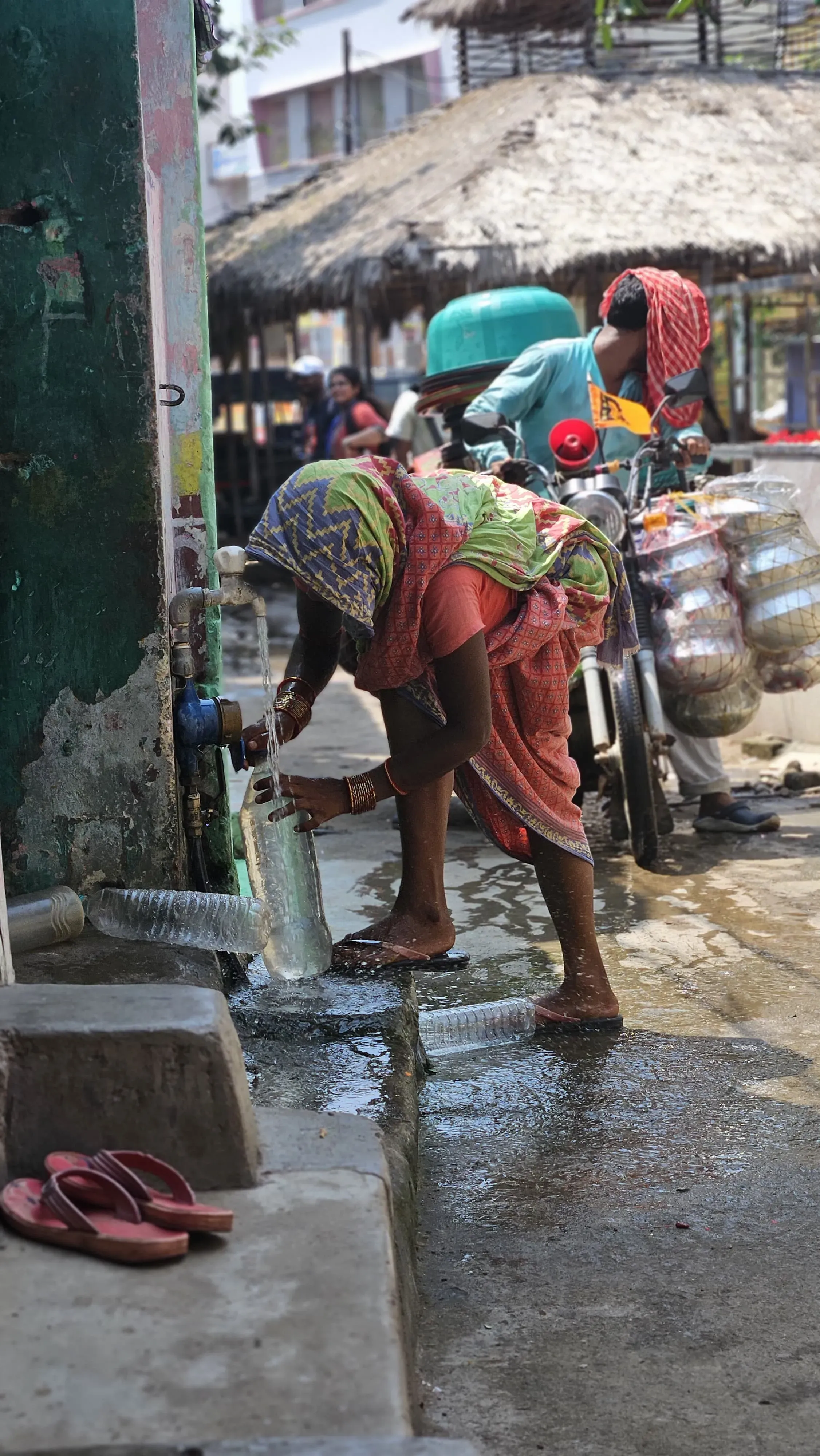
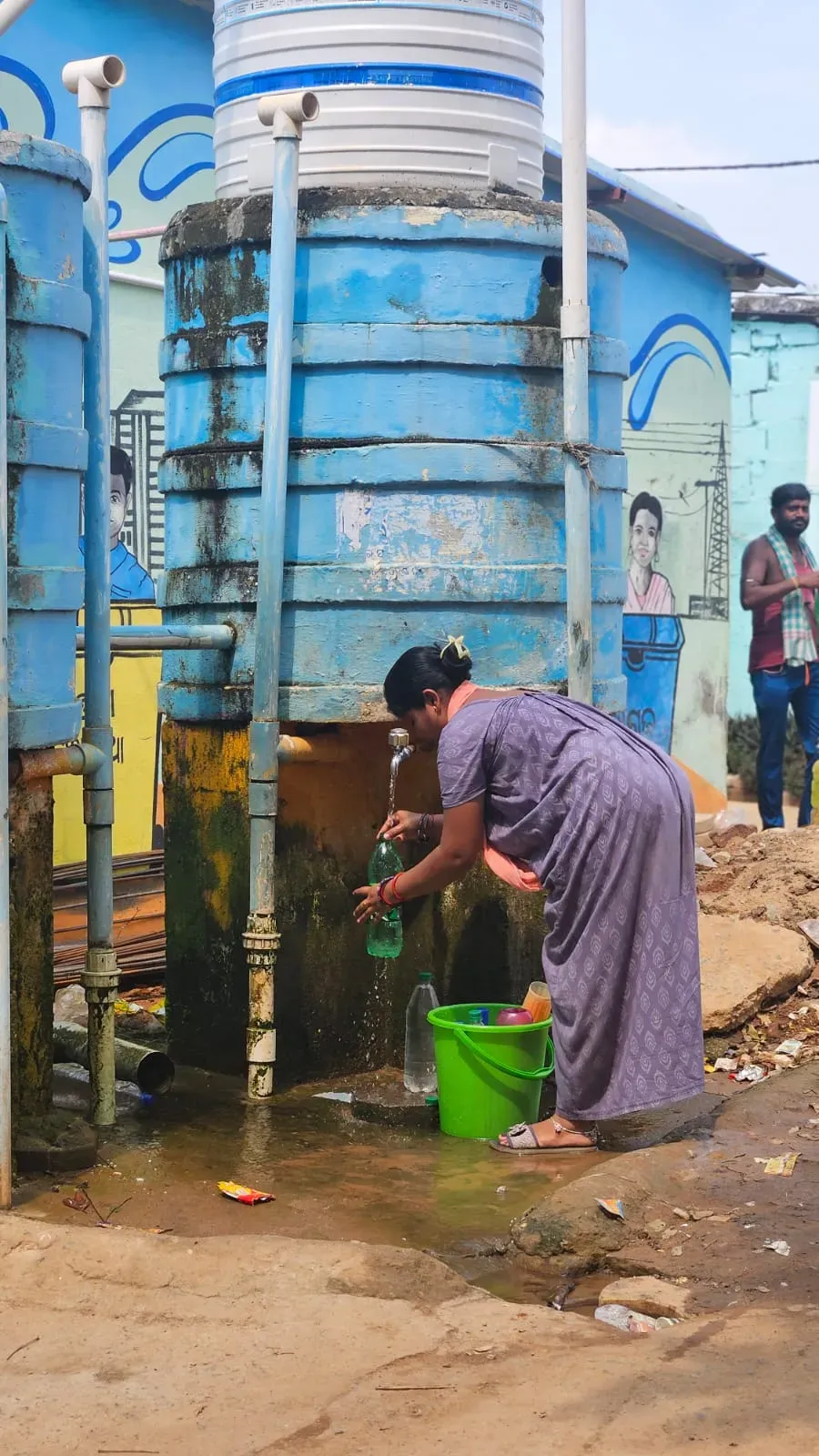
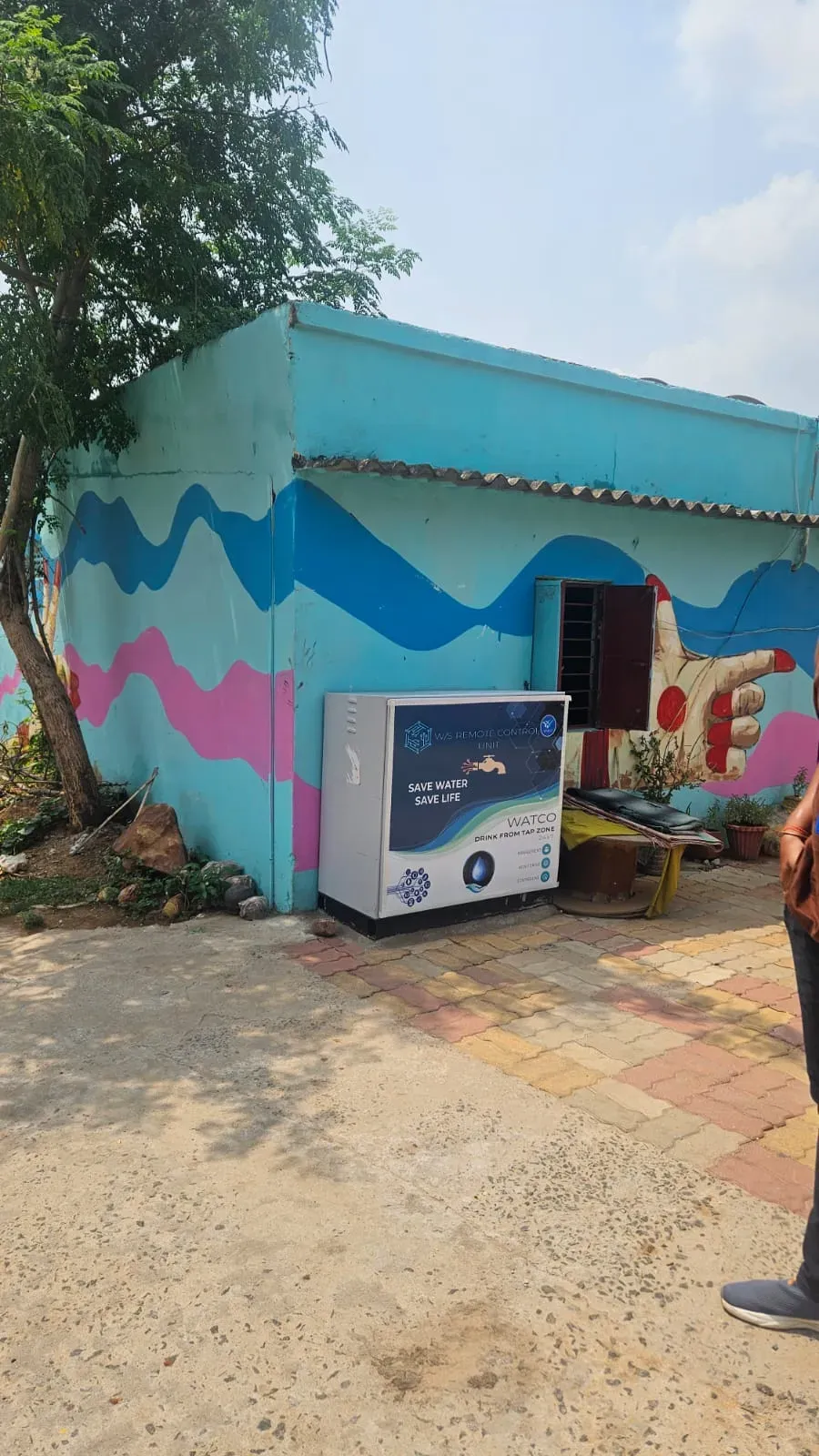
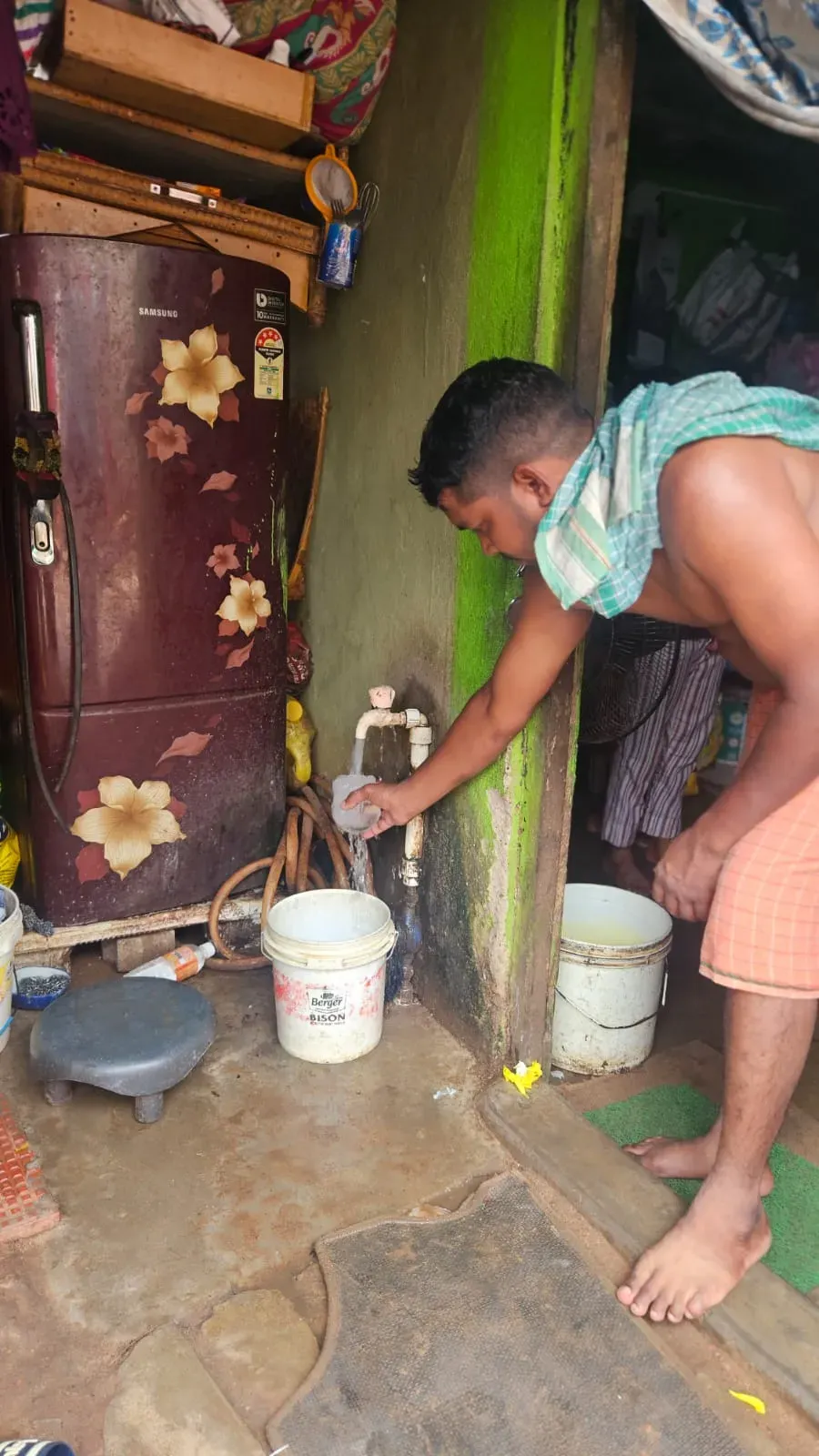
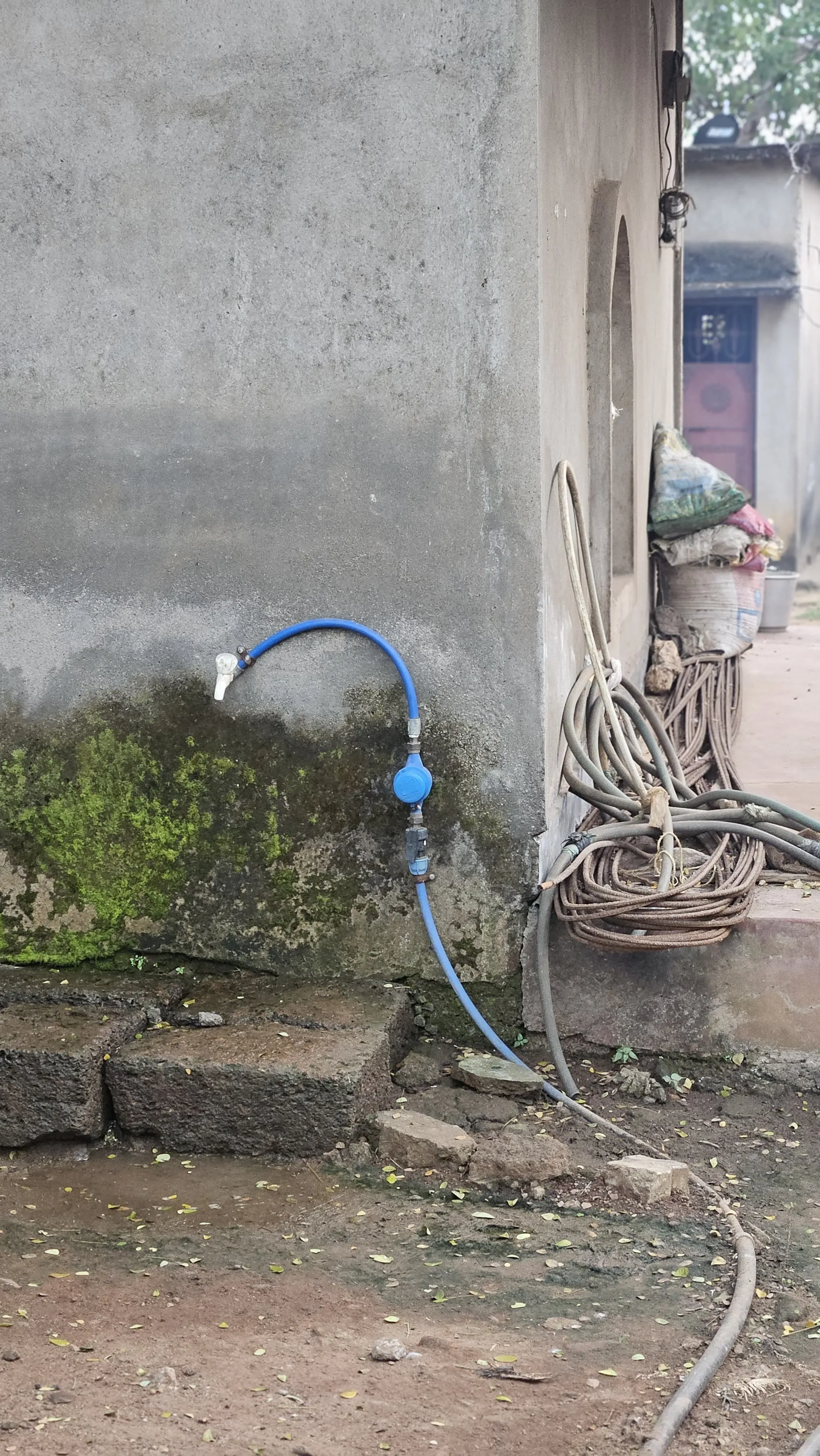
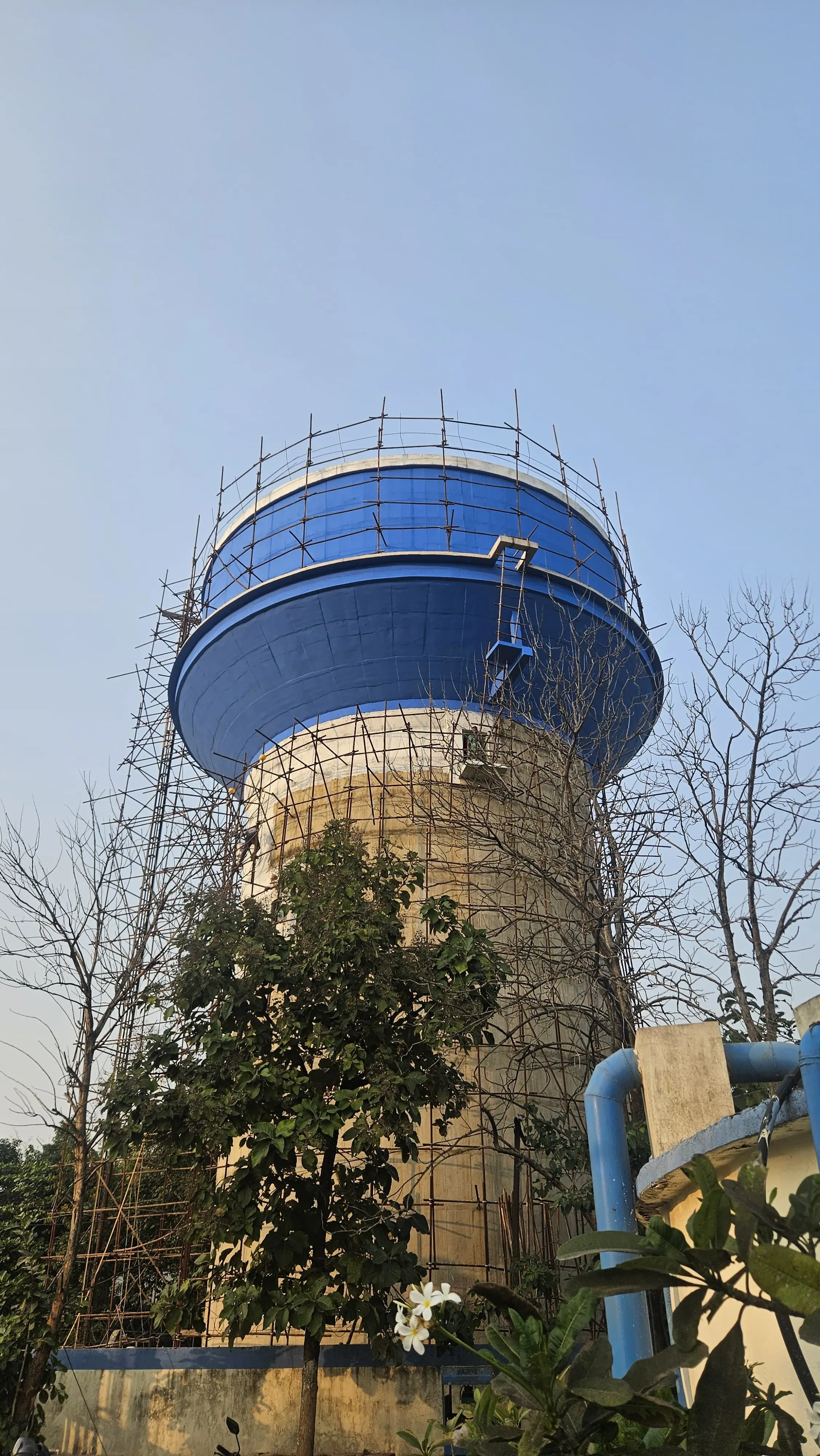
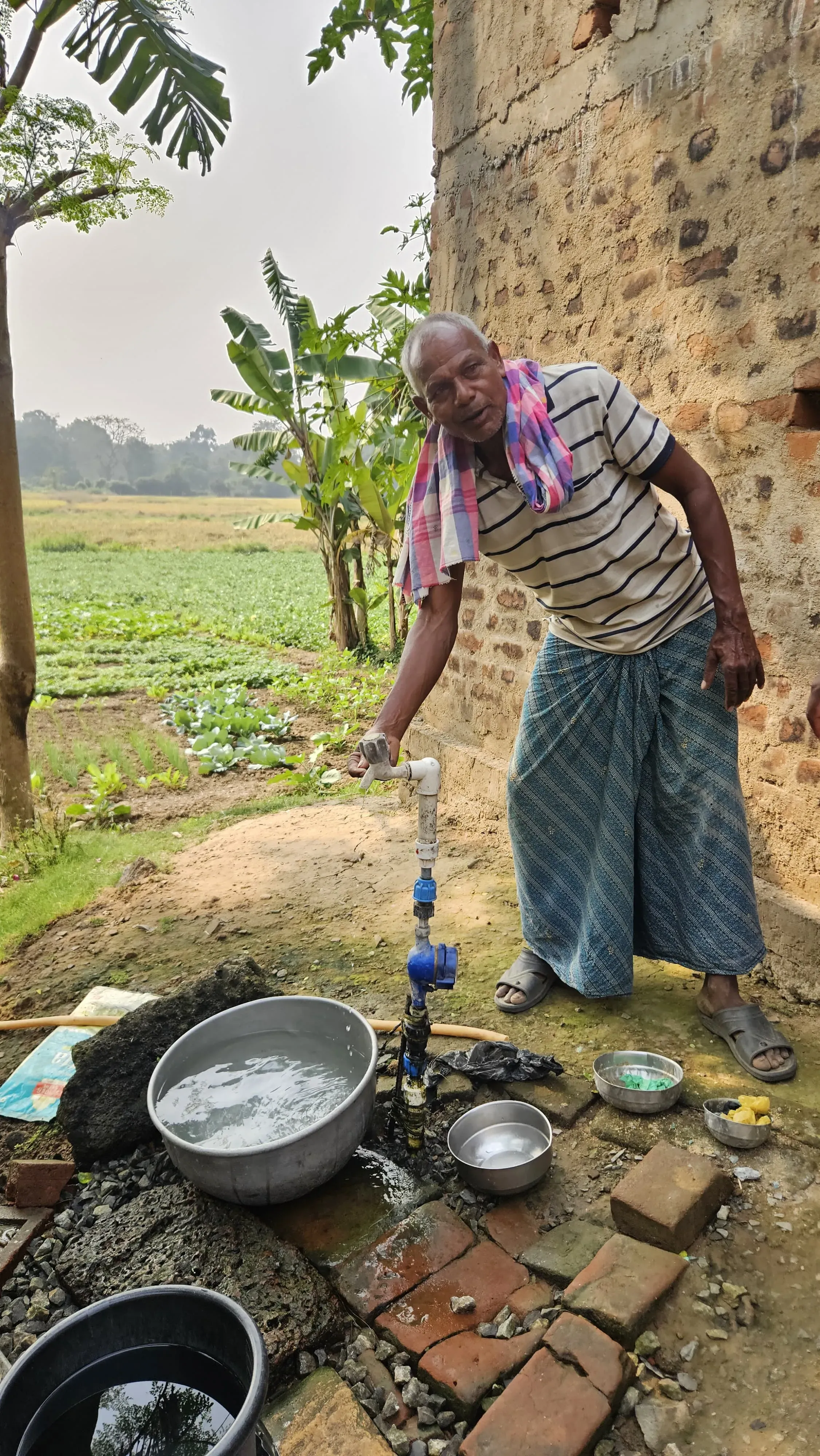
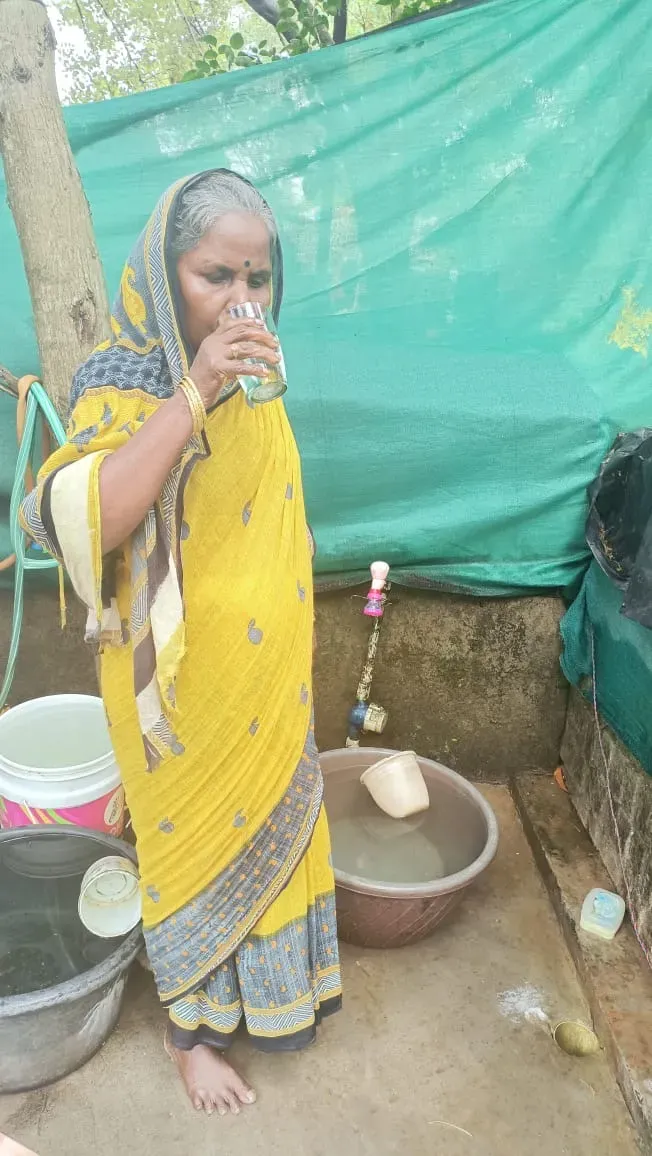
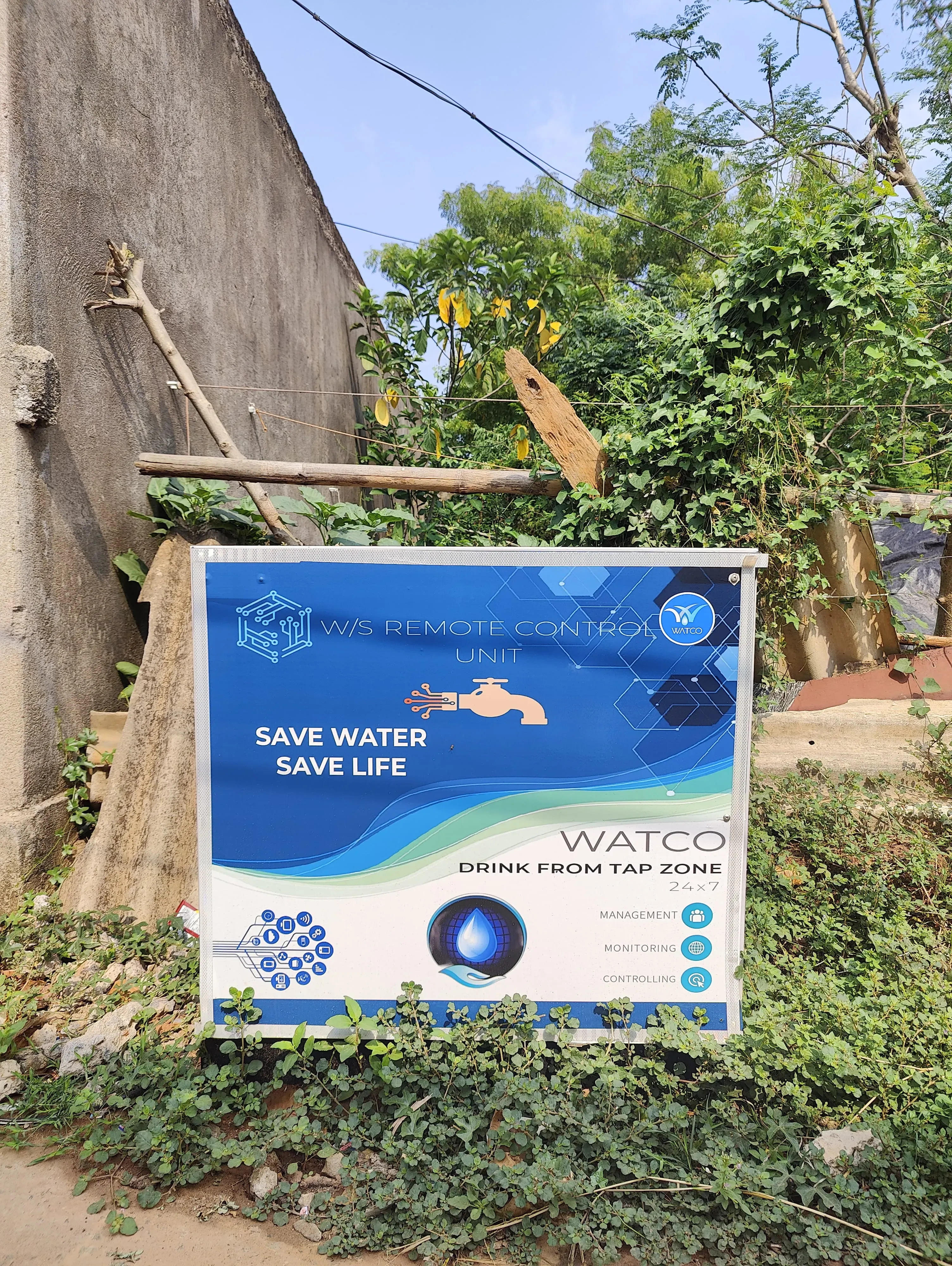
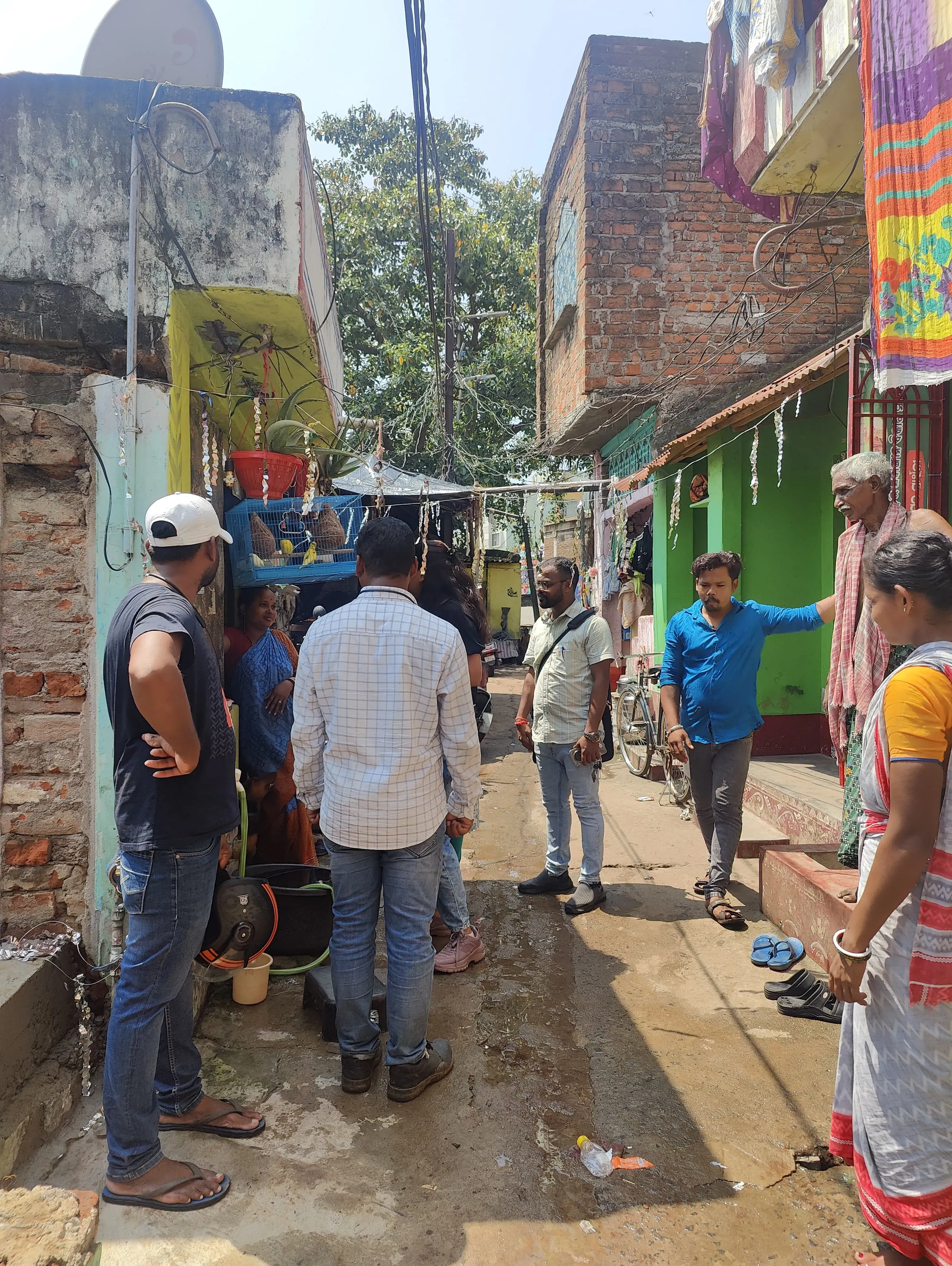
In August 2019, the Government of Odisha launched the seminal "Drink from Tap" Mission, revolutionizing urban water supply by ensuring 24/7 tap water that was safe to drink and use directly — eliminating the need for filtration or boiling.To pave the way, Odisha rolled out pilot water supply schemes in select areas of Bhubaneswar and across the entire city of Puri. To assess their impact and sustainability, the National Institute of Urban Affairs (NIUA) was engaged to evaluate the efficacy and impact of the scheme. This assessment focuses on:Technical efficiency – The performance of the system on service level benchmarksConsumer perception – Public trust and satisfaction with the initiativeInstitutional capacity – Readiness for long-term implementationWith a vision to expand the mission across all 114 Urban Local Bodies (ULBs) in Odisha, the insights offered by NIUA will be critical for refining strategies, overcoming challenges, and ensuring the mission's long-term success. The evaluation done serves as a valuable blueprint for cities embarking on 24x7 potable water supply schemes in the near future.
Shallow Aquifer Management (SAM) 1.0: A Pilot Project under AMRUT 2.0
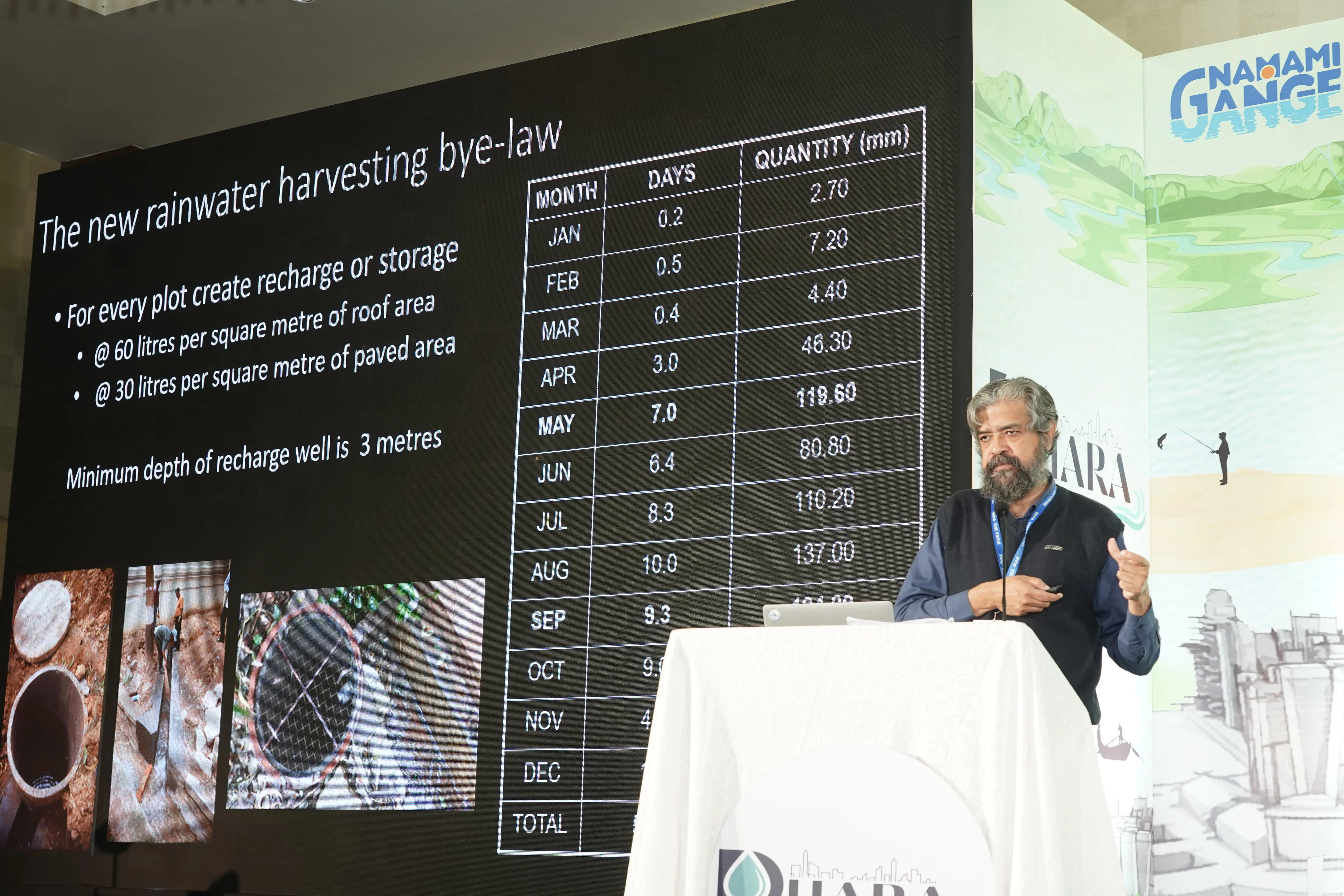
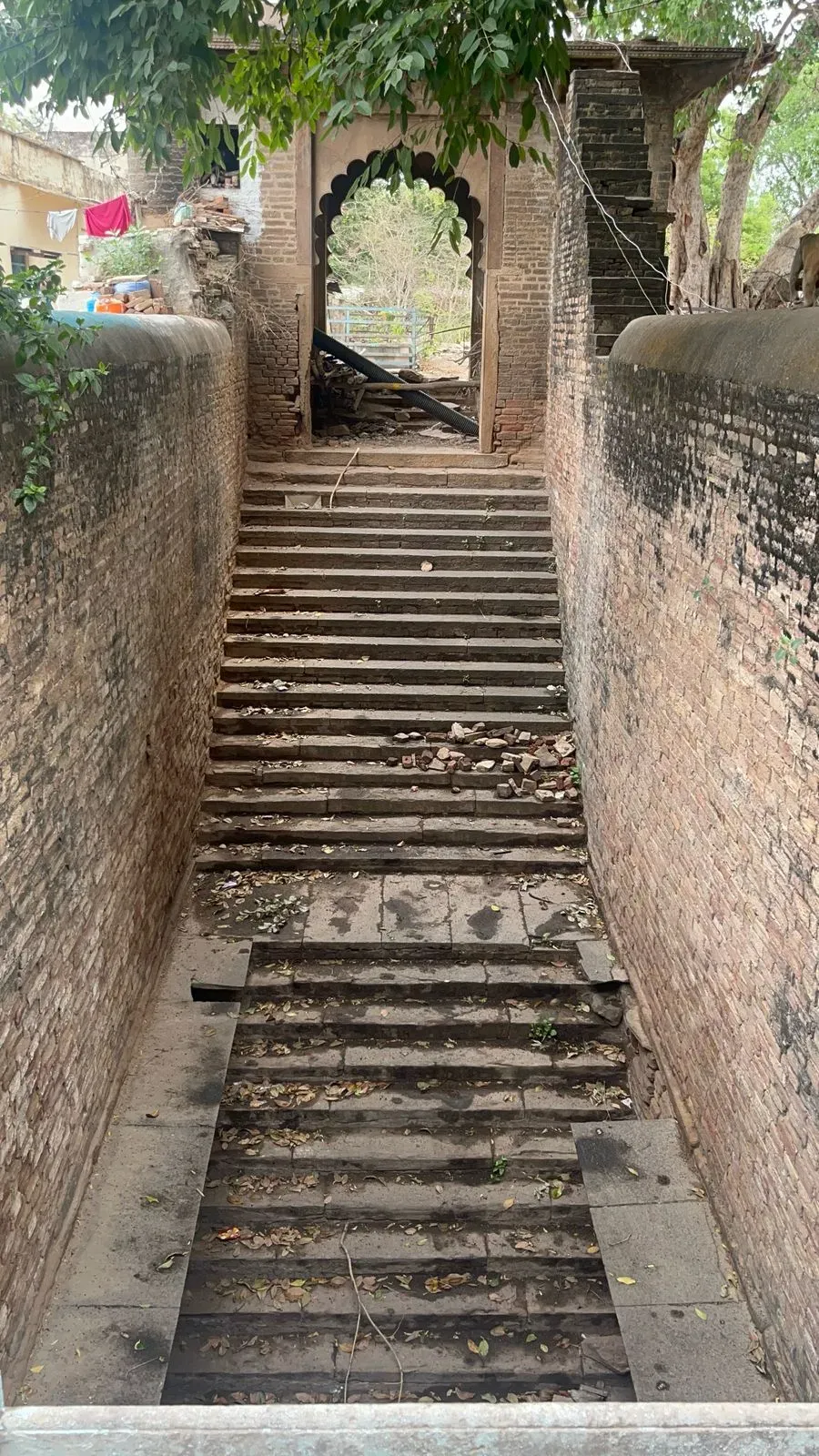
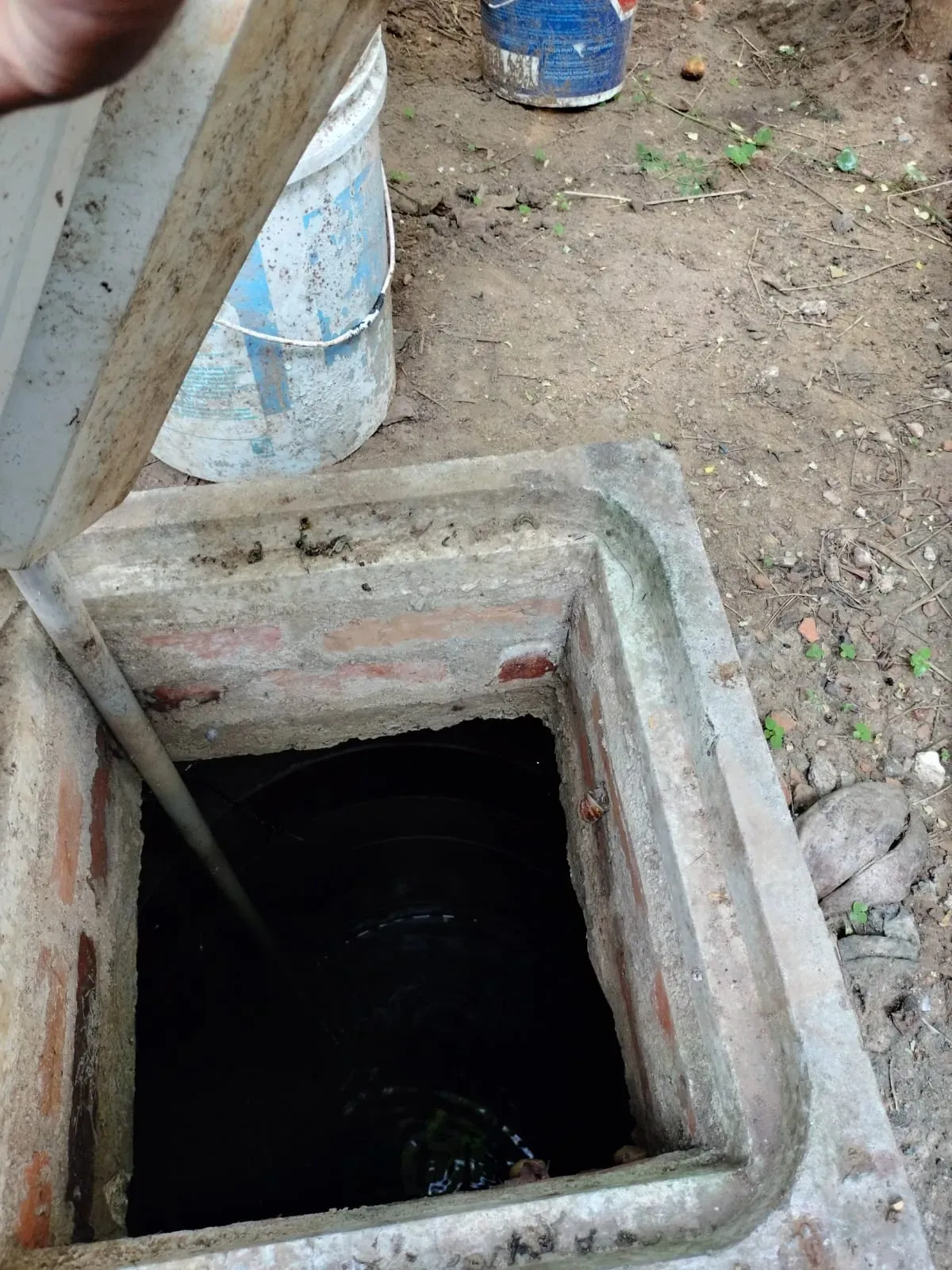
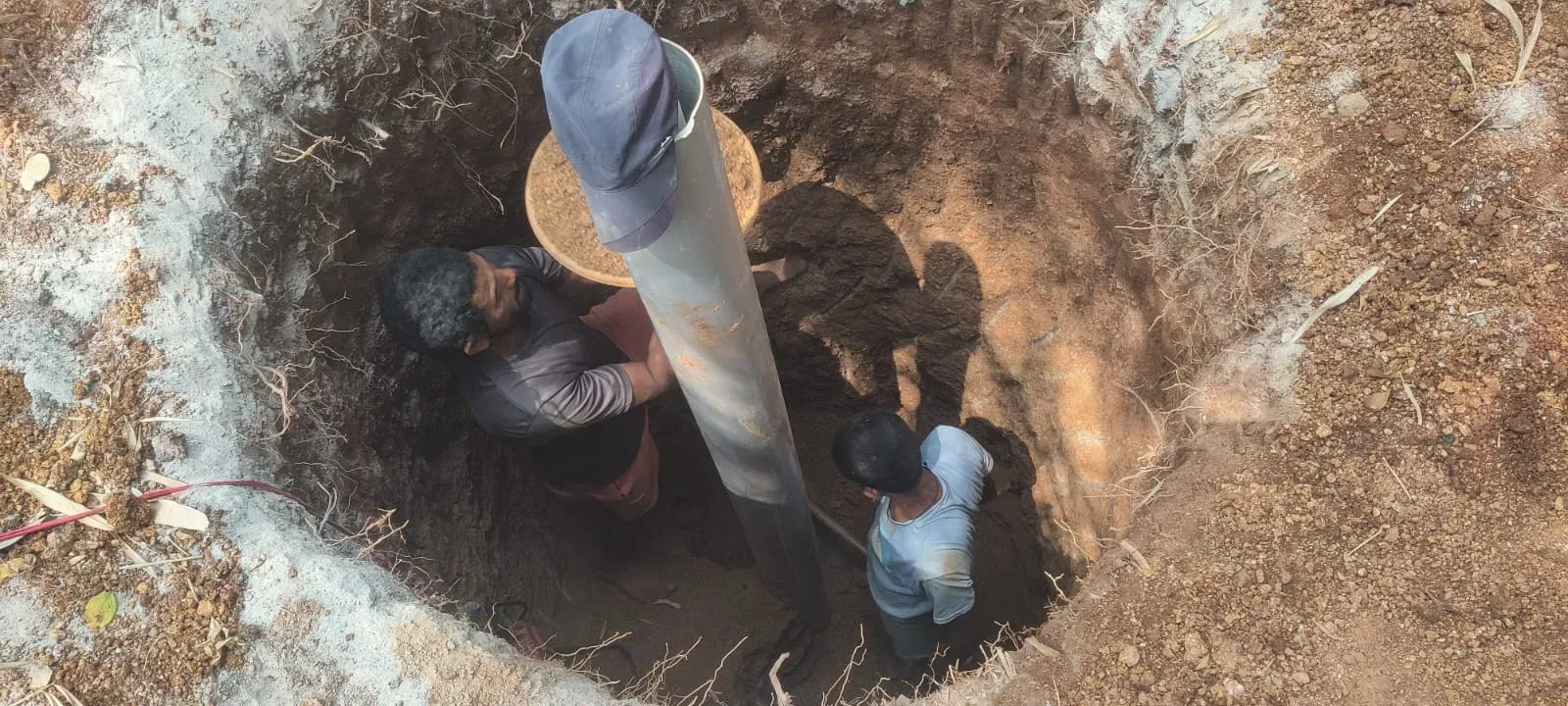
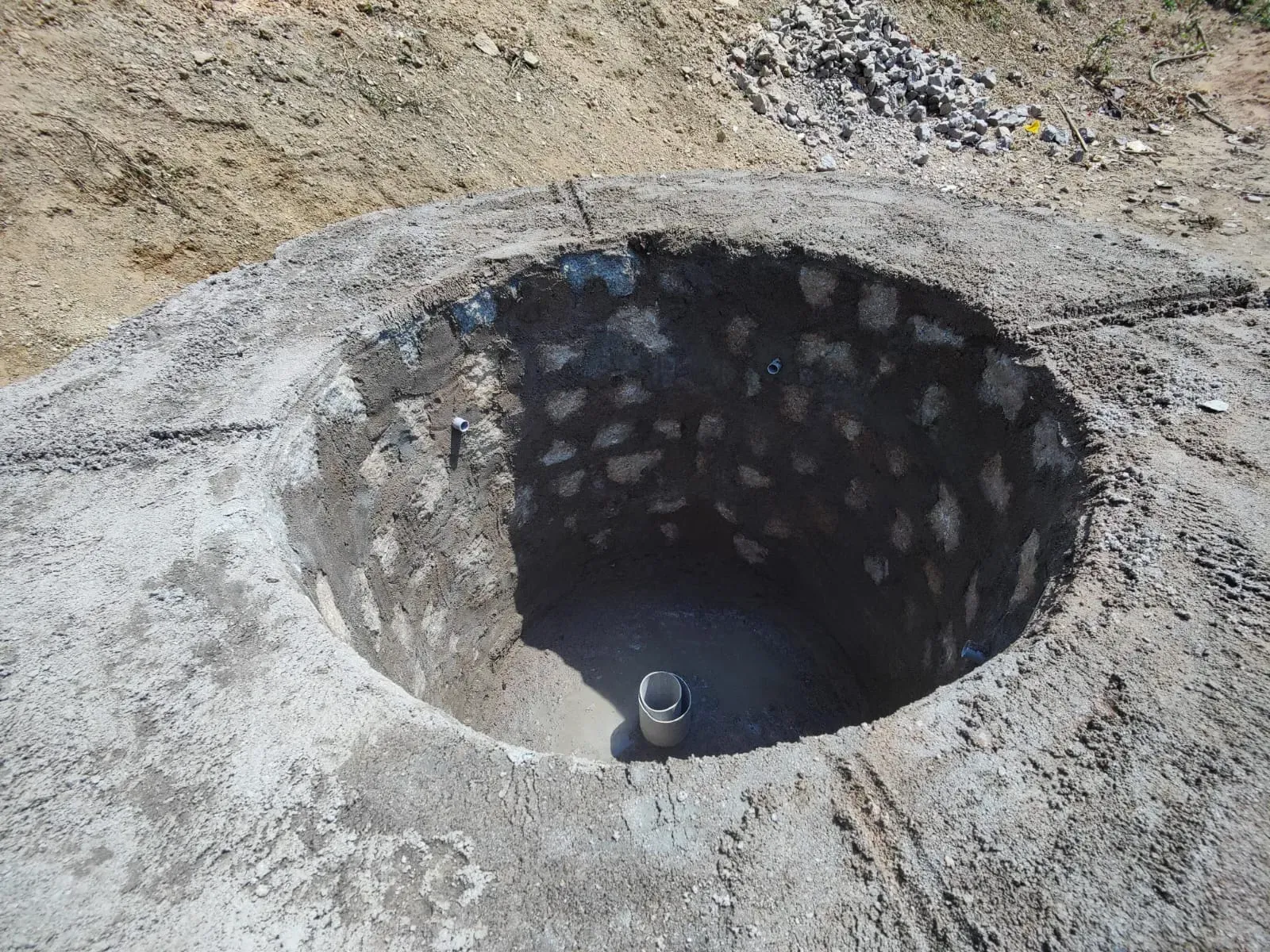
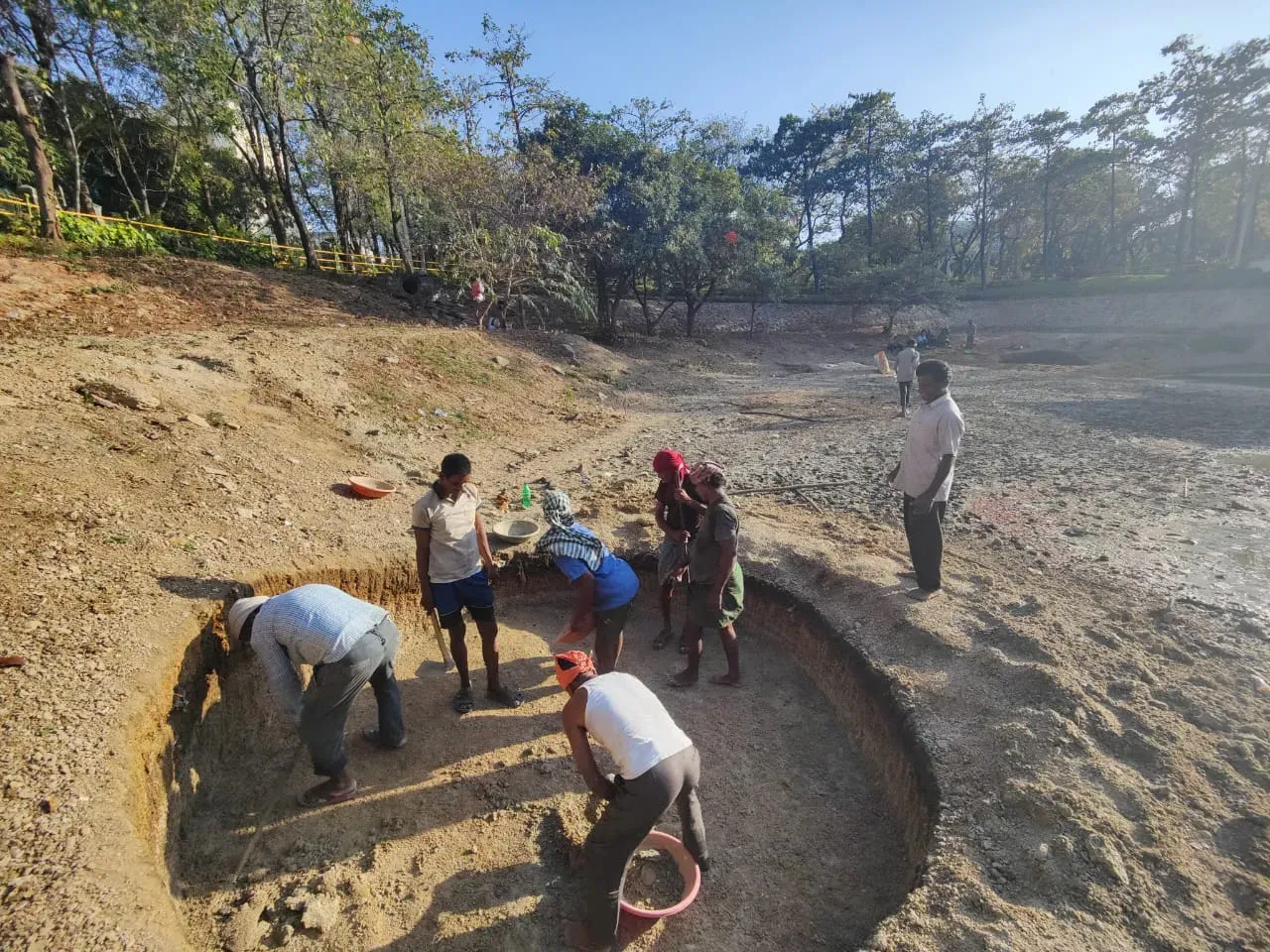
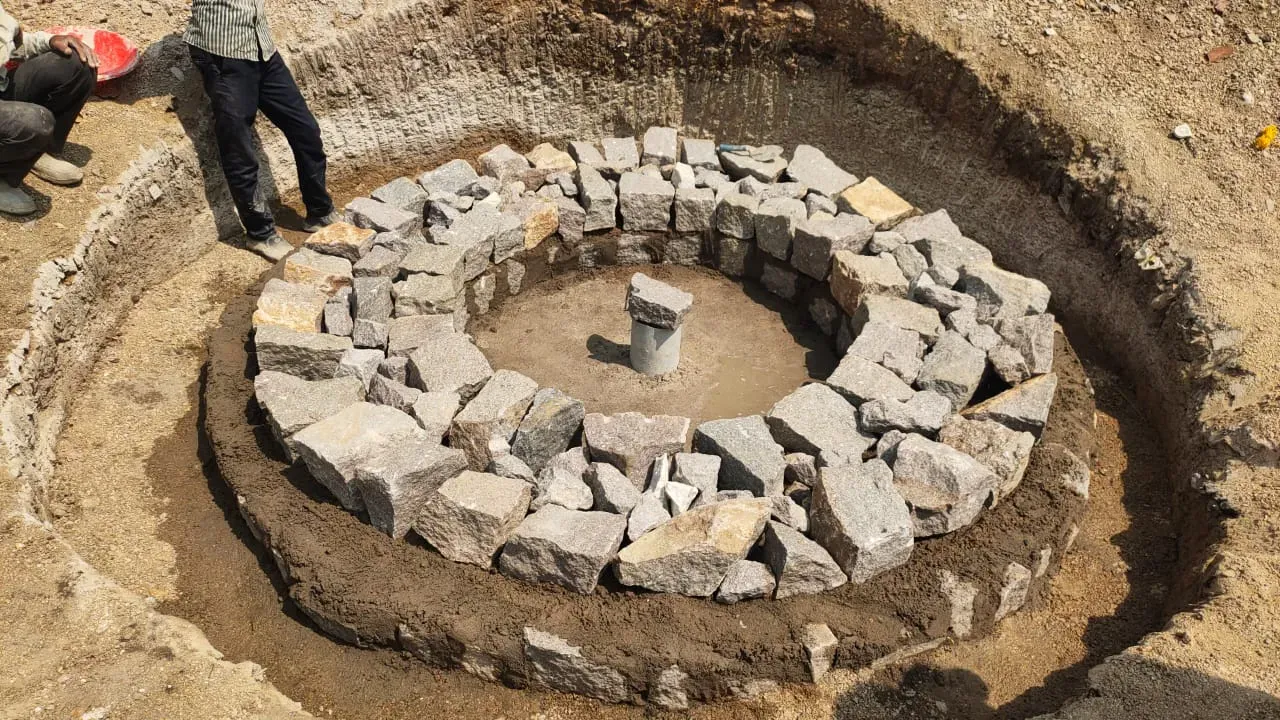
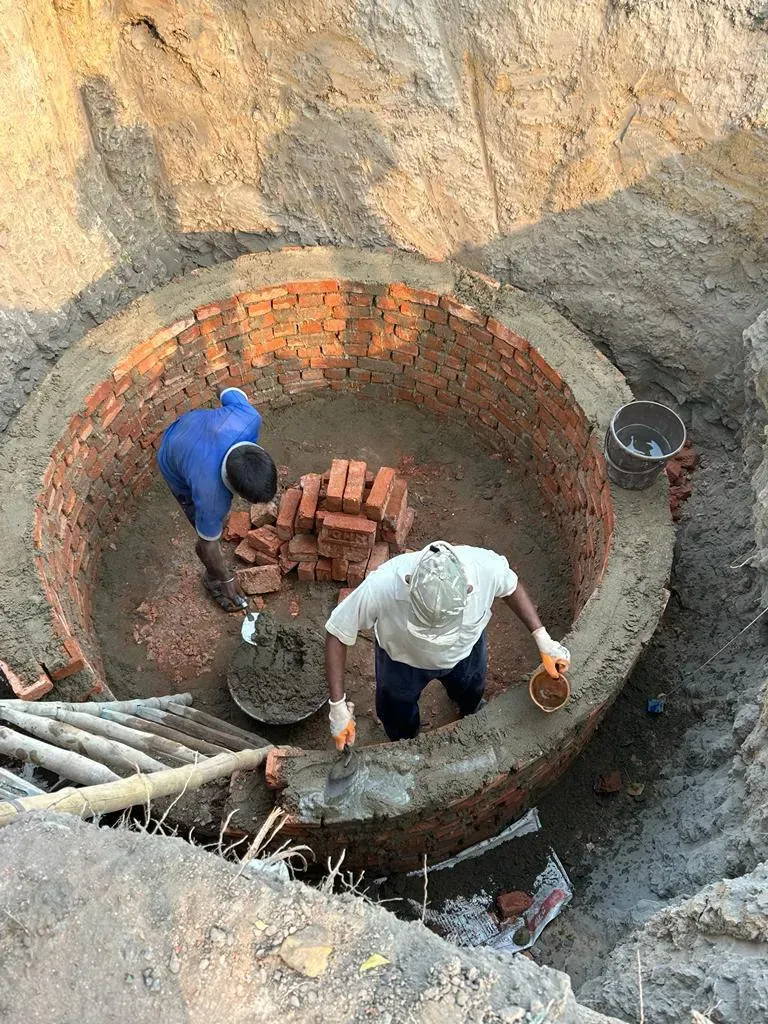
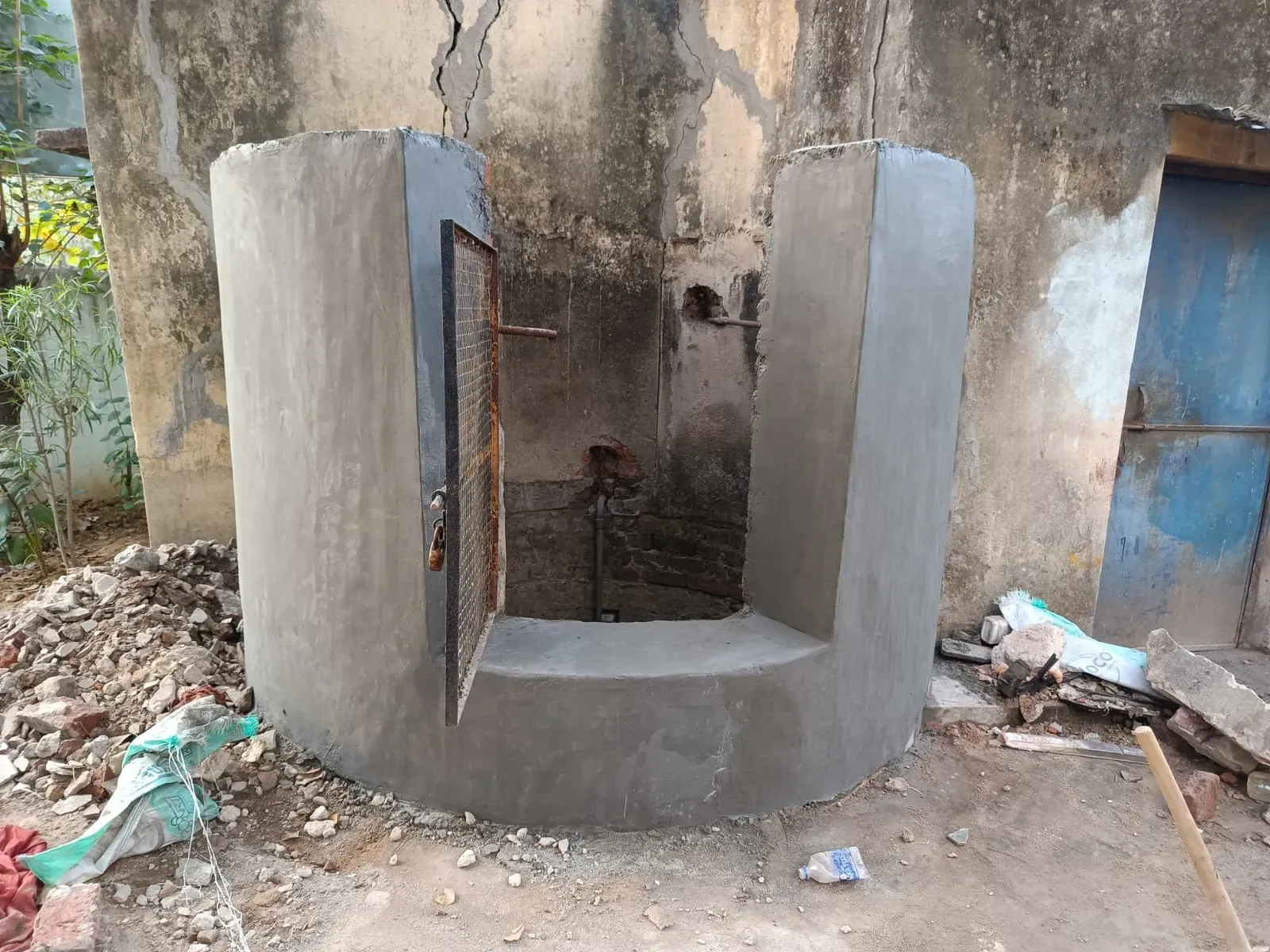
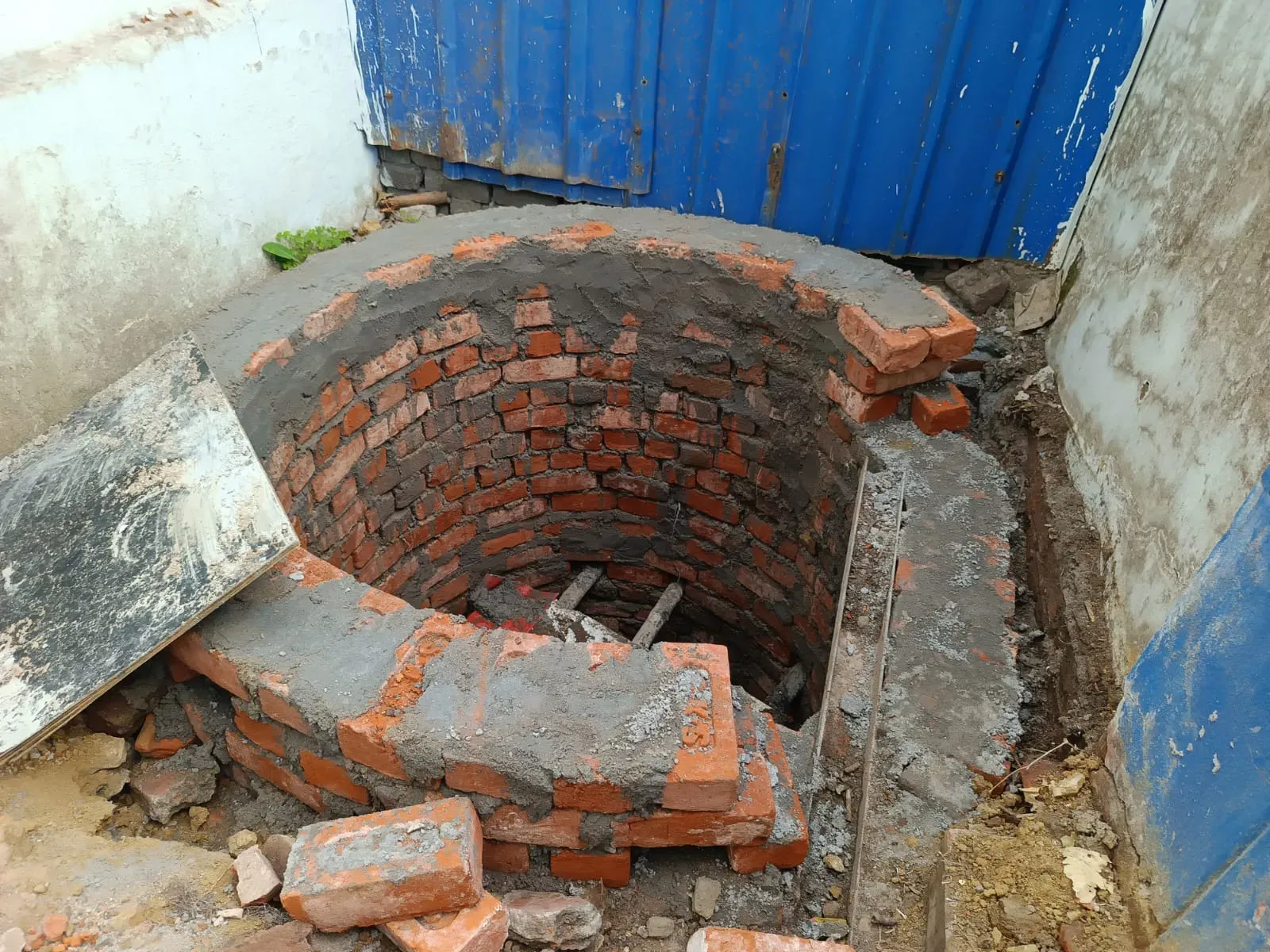
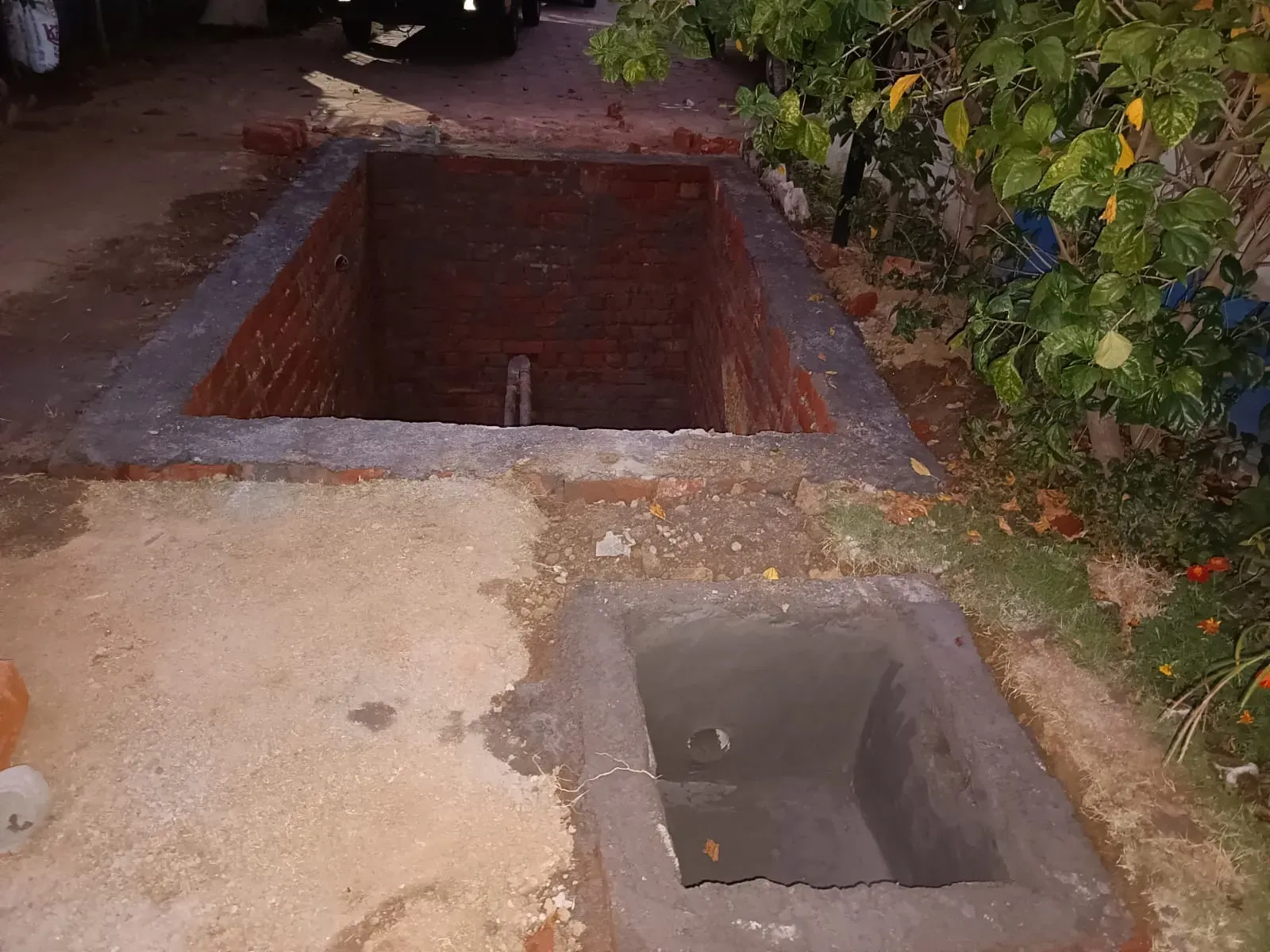
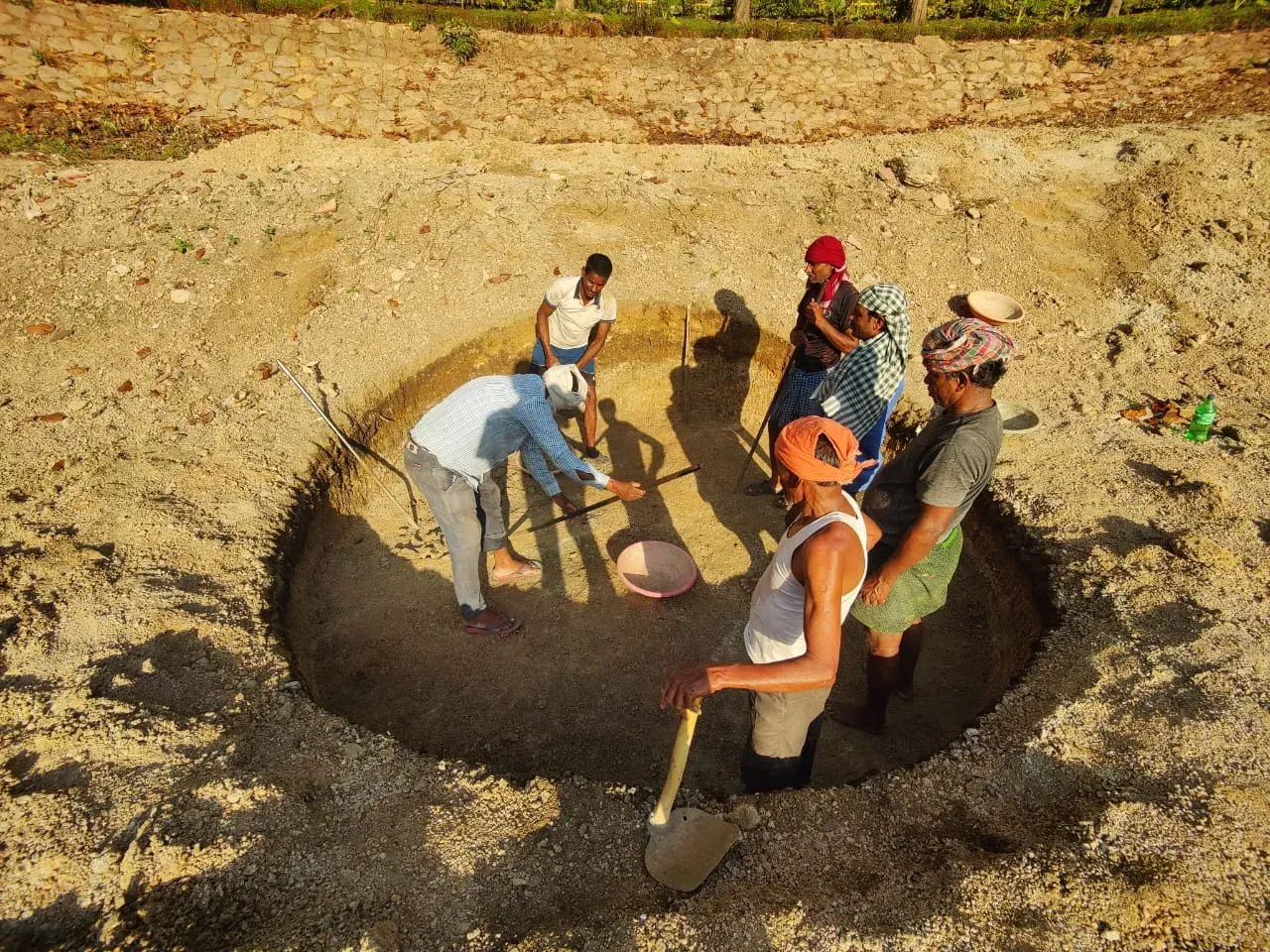
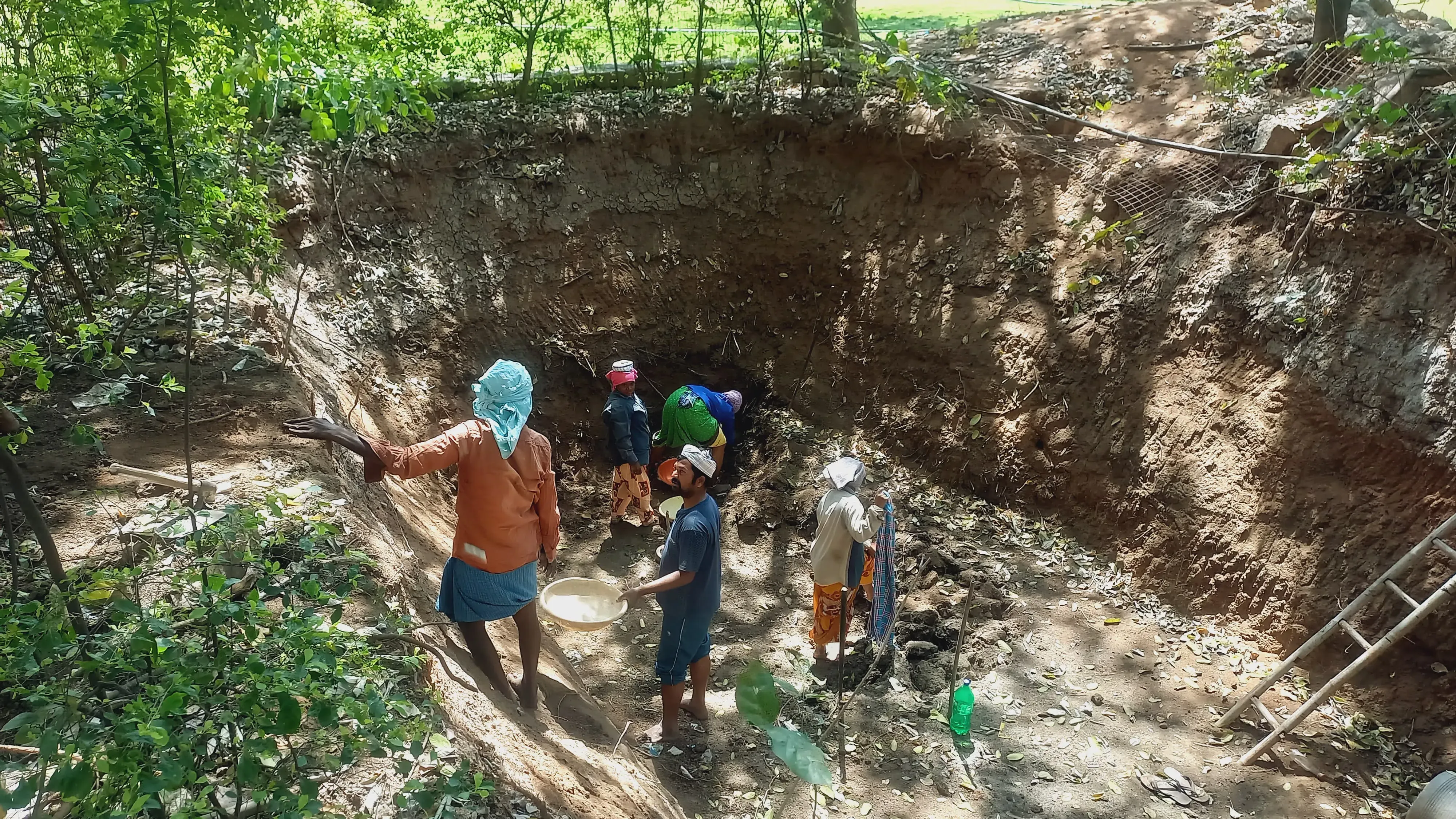
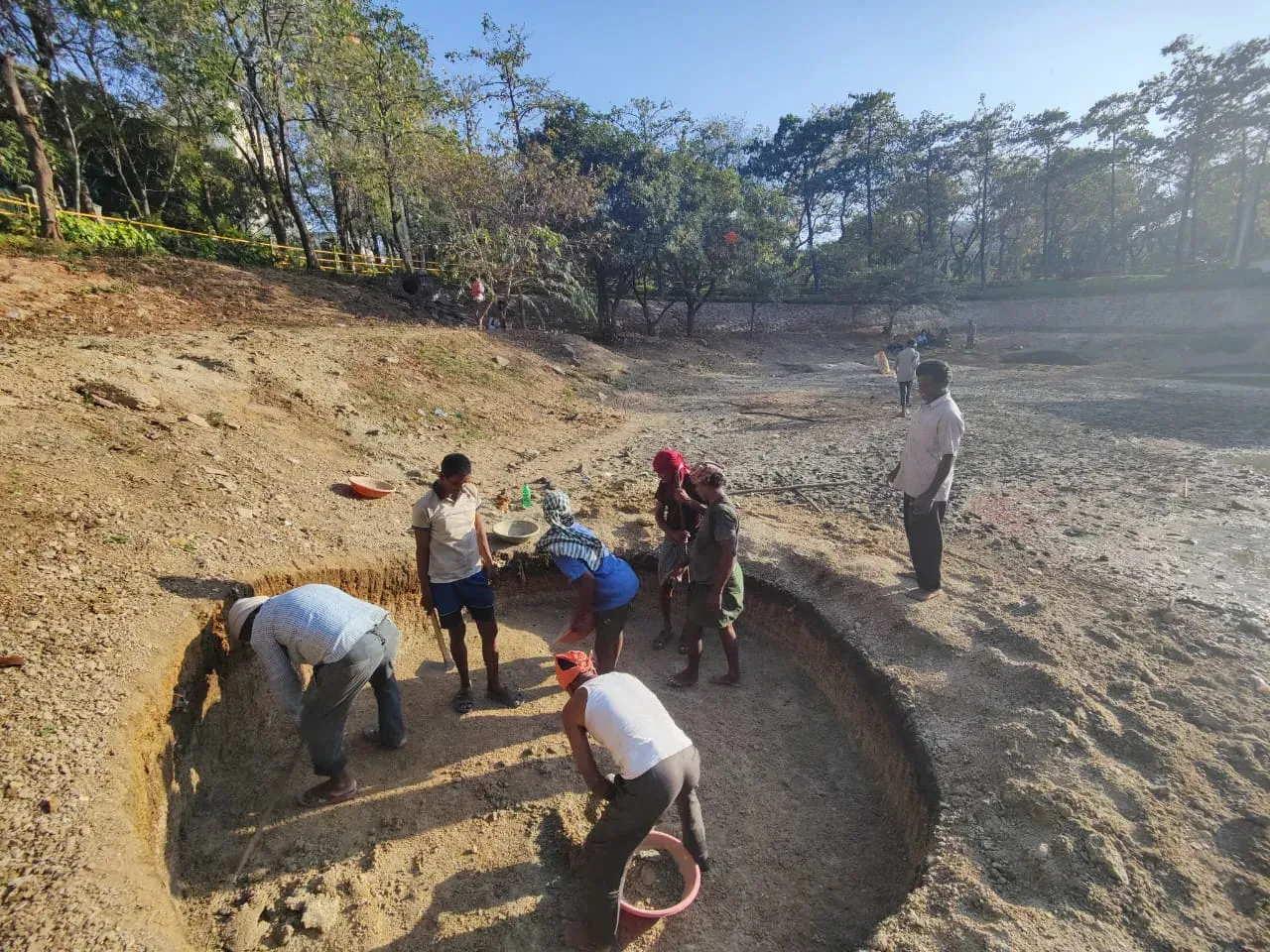
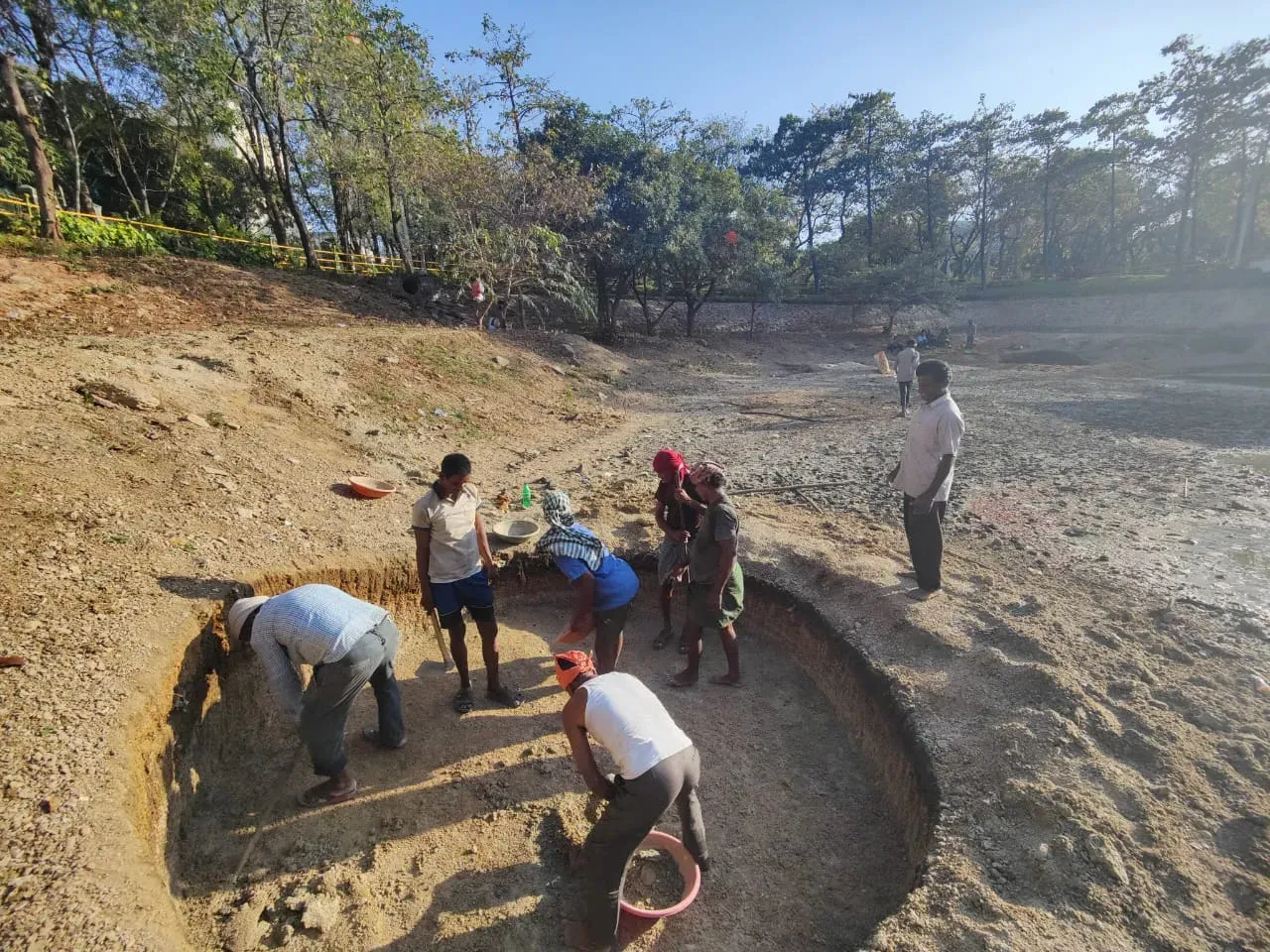
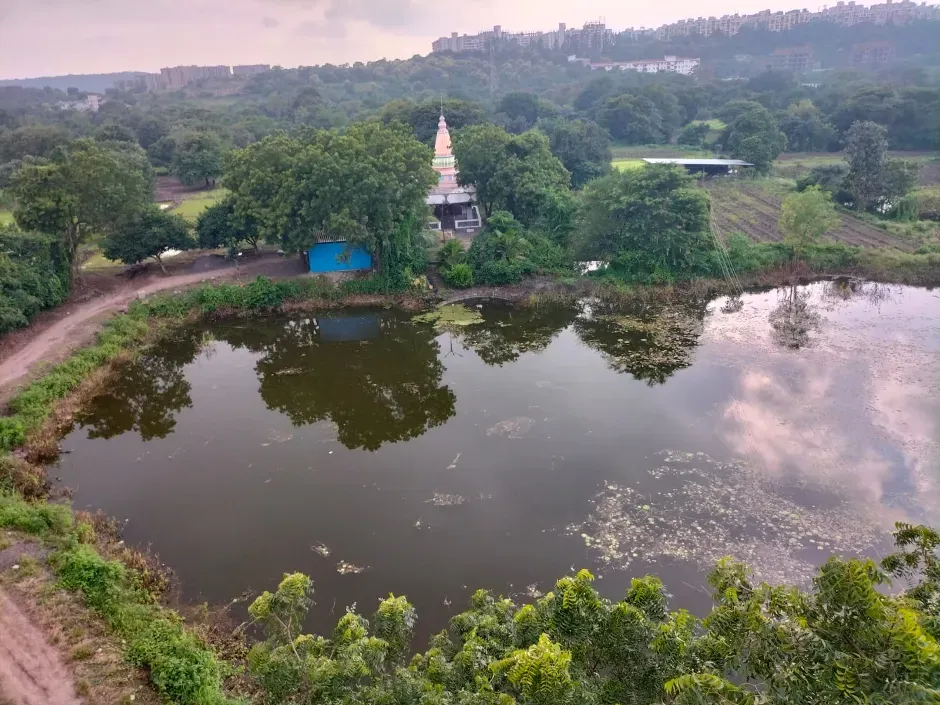
India is the largest extractor of groundwater in the world. About 55% of the water demand in our cities is met by groundwater. Indian cities use groundwater in both formal water supply and through informal water abstraction to meet the growing freshwater demand. In most cases, this is the water stored at shallow depths below the ground or in shallow aquifers. However, because of indiscriminate abstraction, several Indian cities have exhausted their shallow aquifers. While there is a tendency in cities to dig deeper for water, an easy solution would be to just manage their shallow aquifers more judiciously. The reason is that shallow aquifers are not only easily accessible water reserves but also relatively much quicker to recharge when compared to deep aquifers. To promote sustainable shallow aquifer management (SAM), a pilot project was initiated in 2022 under AMRUT 2.0 in 10 cities.The overarching objective of this pilot project was to create an enabling environment for mainstreaming shallow aquifer management in a city’s water management strategy. It focuses on interventions aimed towards developing water secure cities through the restoration of the shallow (unconfined / phreatic) aquifers which have stood the test of time in India’s long-standing water history. The project has two components. First, to enhance the practical and action-oriented knowledge of city stakeholders on managing shallow aquifers in a scientific manner. Second, to demonstrate the use of recharge wells as one of the means for shallow aquifer management.A variety of approaches/structures as means for shallow aquifer recharge were designed for the pilot cities, which also address the larger problems of groundwater depletion, urban flooding and contamination of groundwater reserves. The SAM project cities are Bengaluru, Chennai, Dhanbad, Gwalior, Hyderabad, Jaipur, Kolkata, Pune, Rajkot, and Thane.
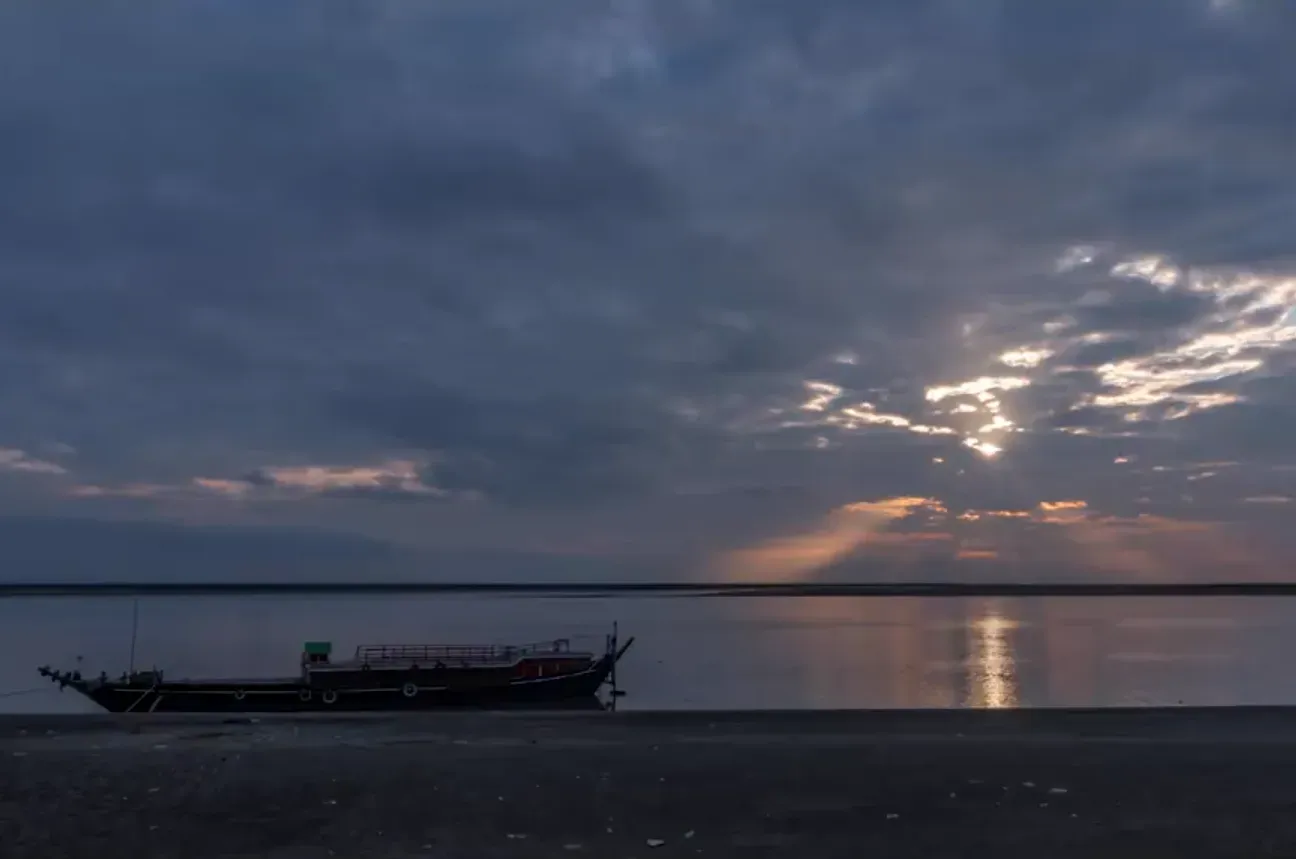
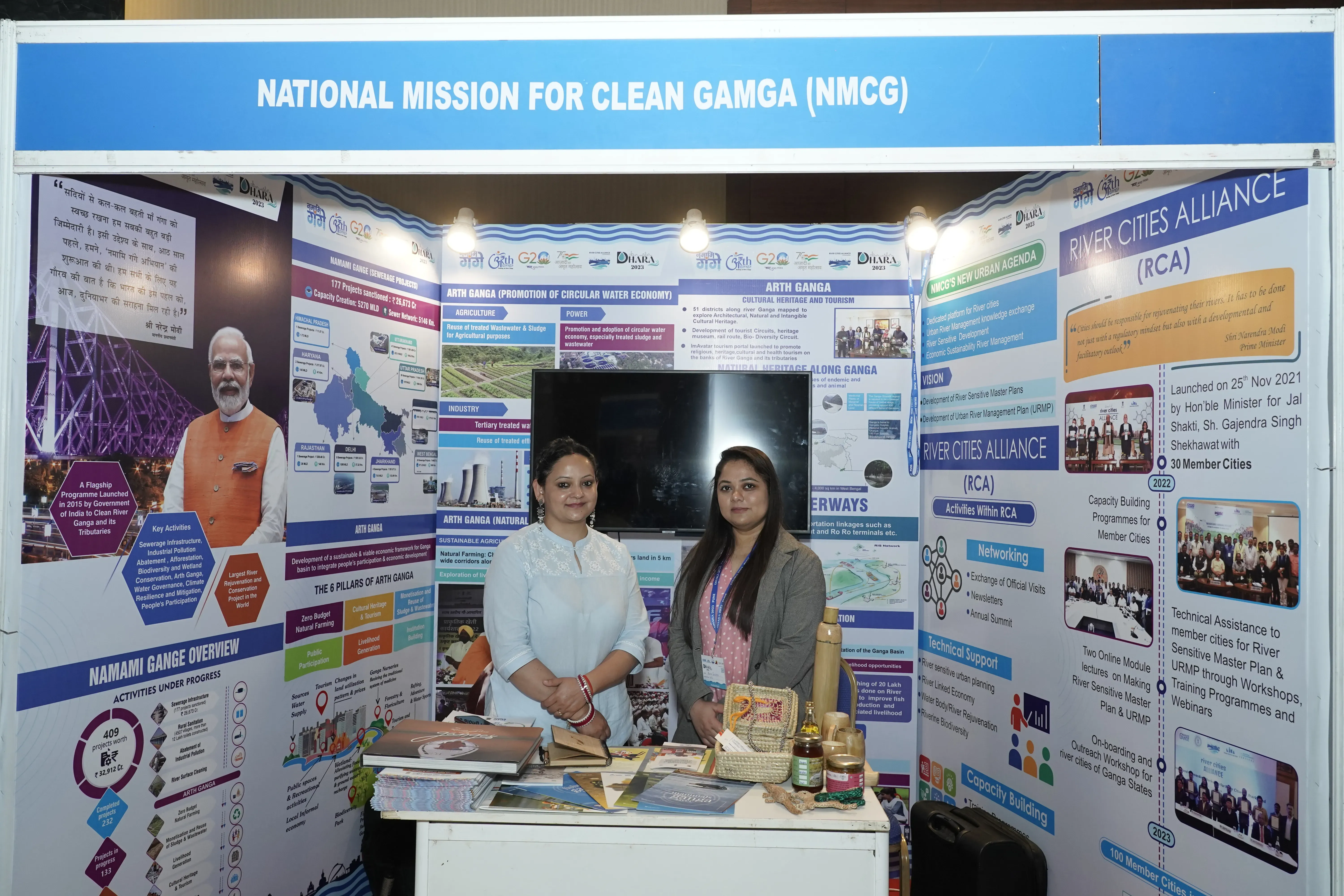
River Cities Alliance: Fostering Harmony Between Cities and Rivers
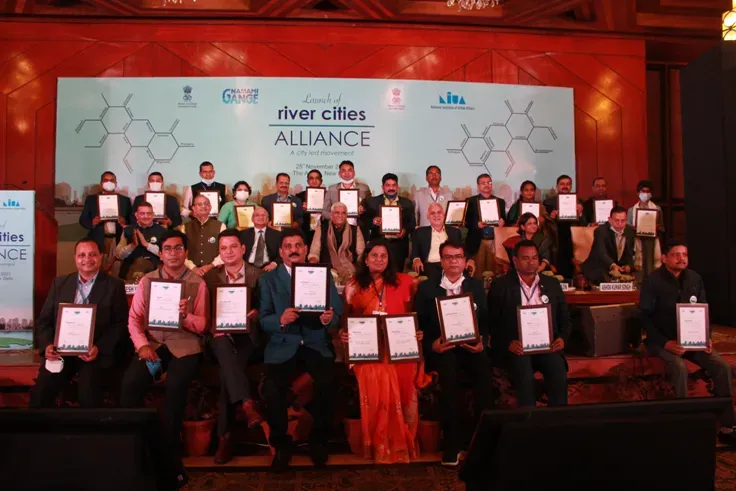
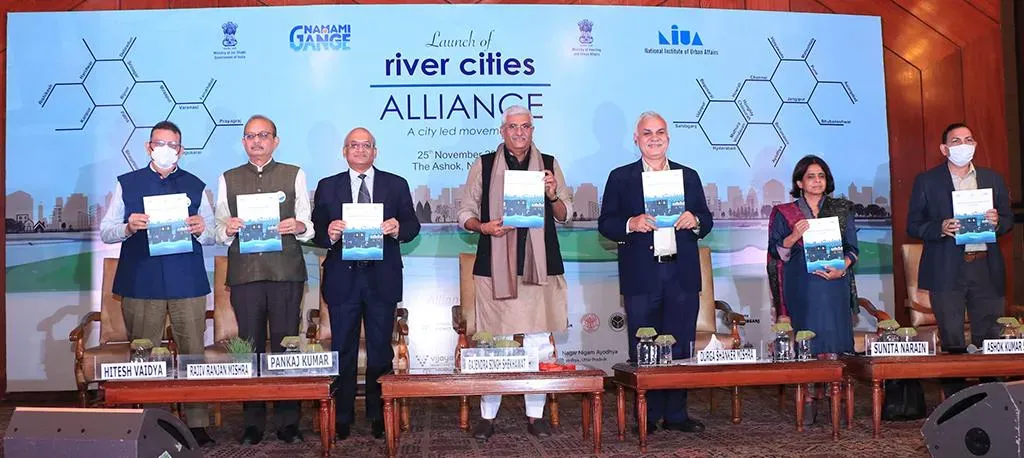
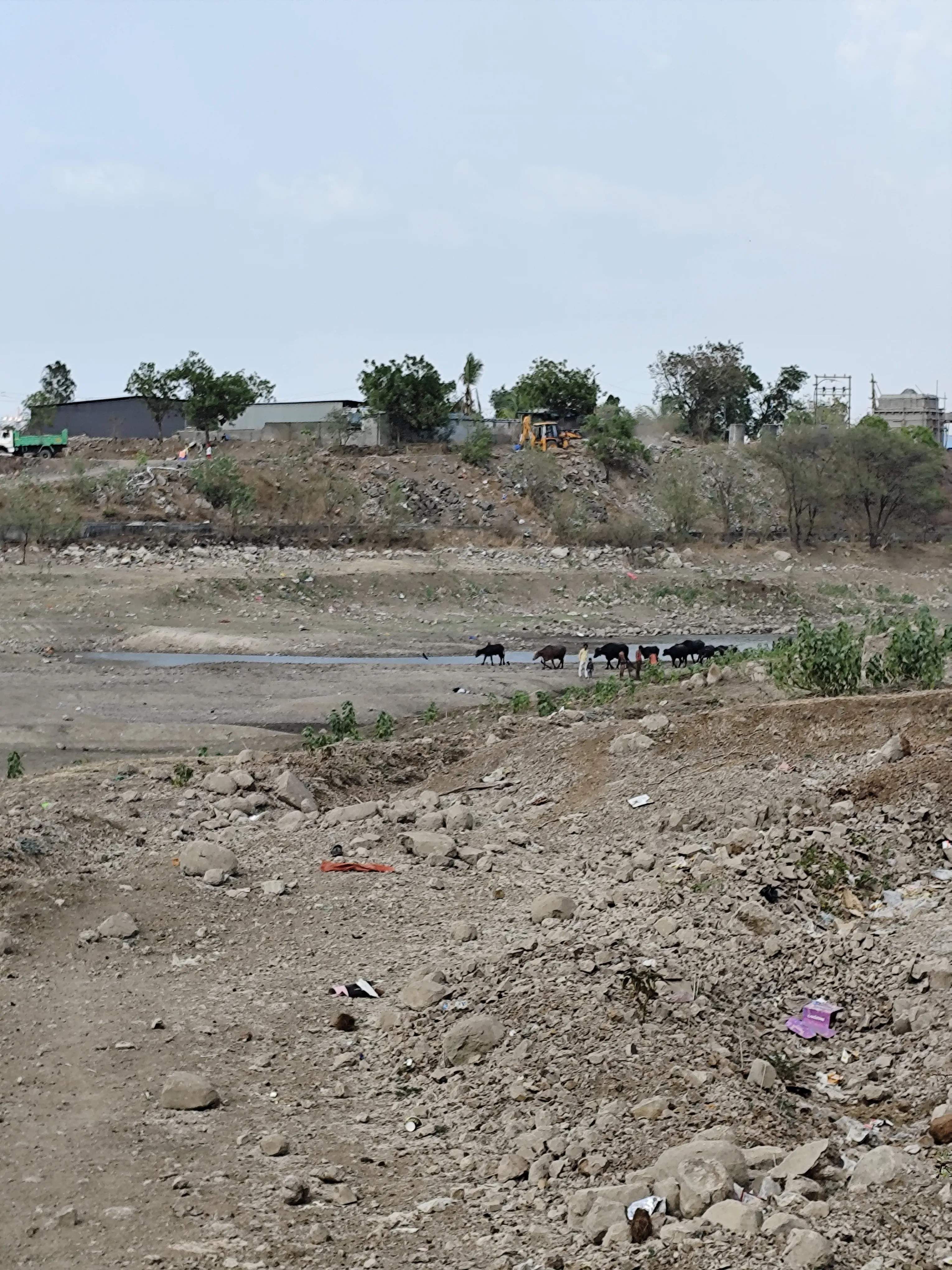
Launched in November 2021, the River Cities Alliance (RCA) aims to promote a symbiotic relationship between Indian river cities and their waterways. Initially comprising 30 cities, the RCA has grown to over 145 member cities. The alliance was formed in response to the Honorable Prime Minister's 2019 call to action, emphasizing the need for cities to take responsibility for river rejuvenation.Urban areas significantly contribute to river degradation, making their effective management crucial. Rivers provide numerous environmental, economic, and social benefits, and cities can reap these rewards by fostering a harmonious relationship with their rivers — this is where the RCA comes in. The National Mission for Clean Ganga (NMCG) and the National Institute of Urban Affairs (NIUA) jointly manage the RCA, working together to promote sustainable urban river management practices.
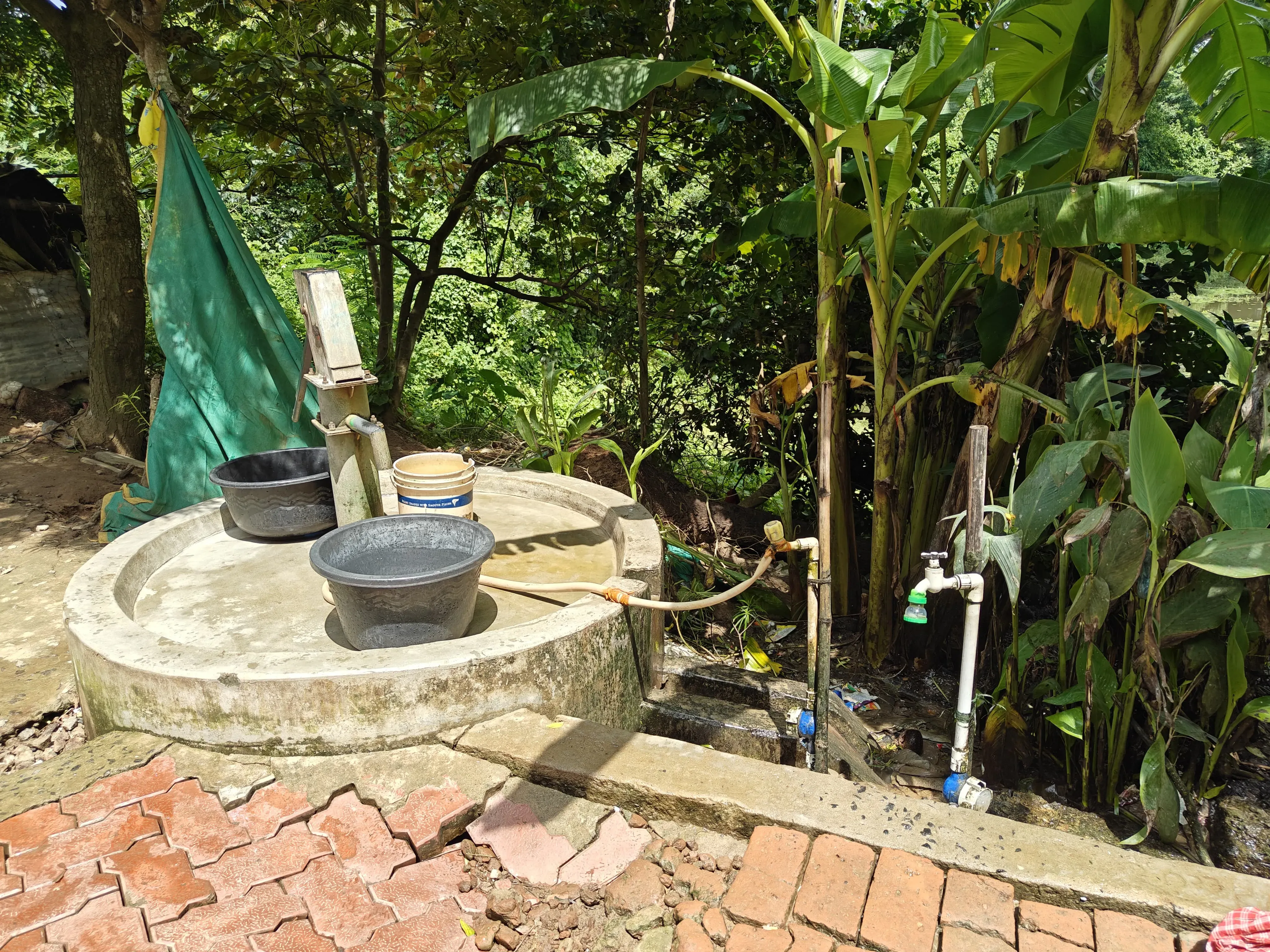
Establishing a Standard Operating Procedure (SOP) for the Implementation of Drink from Tap (DFT) Schemes
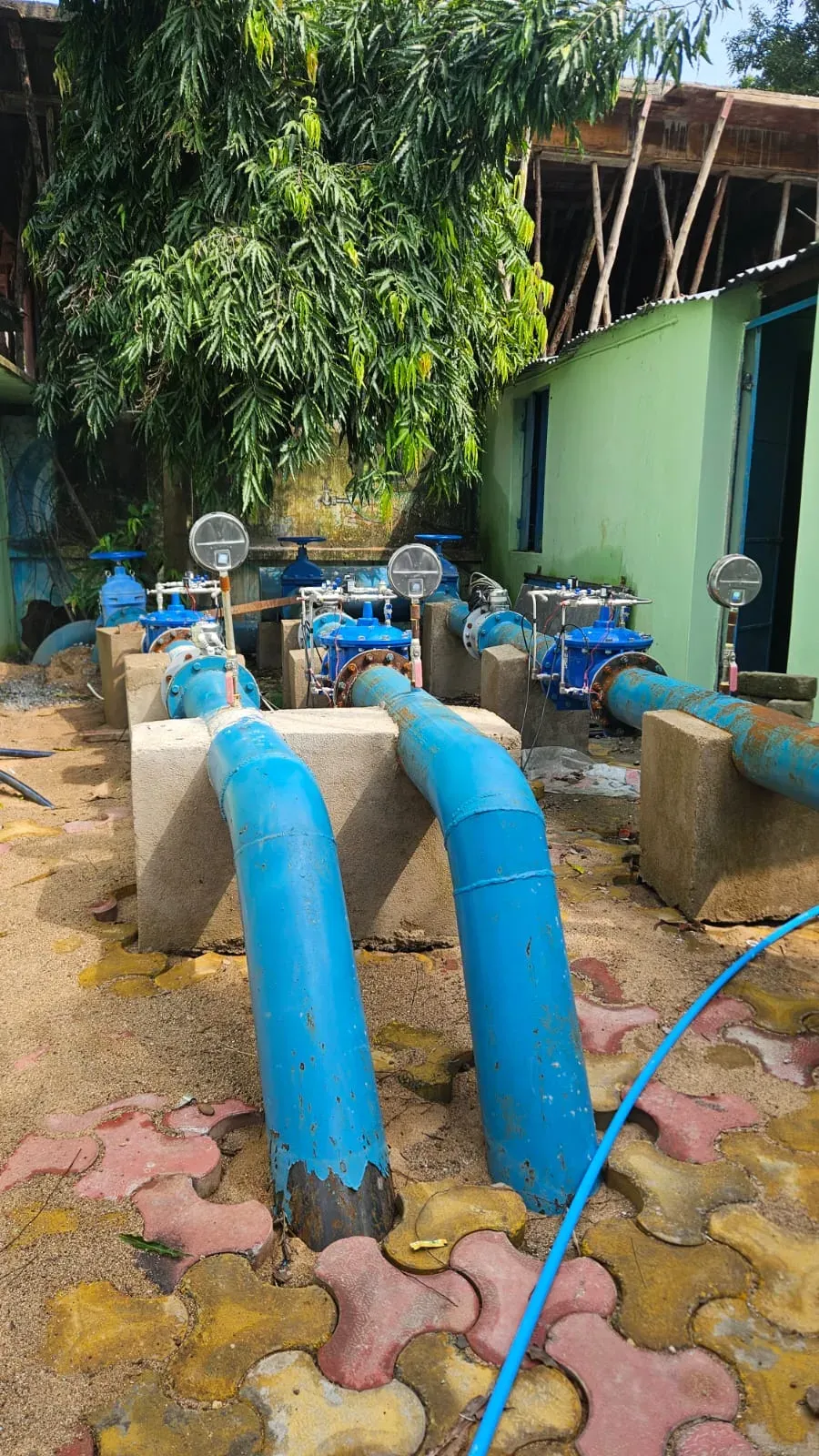
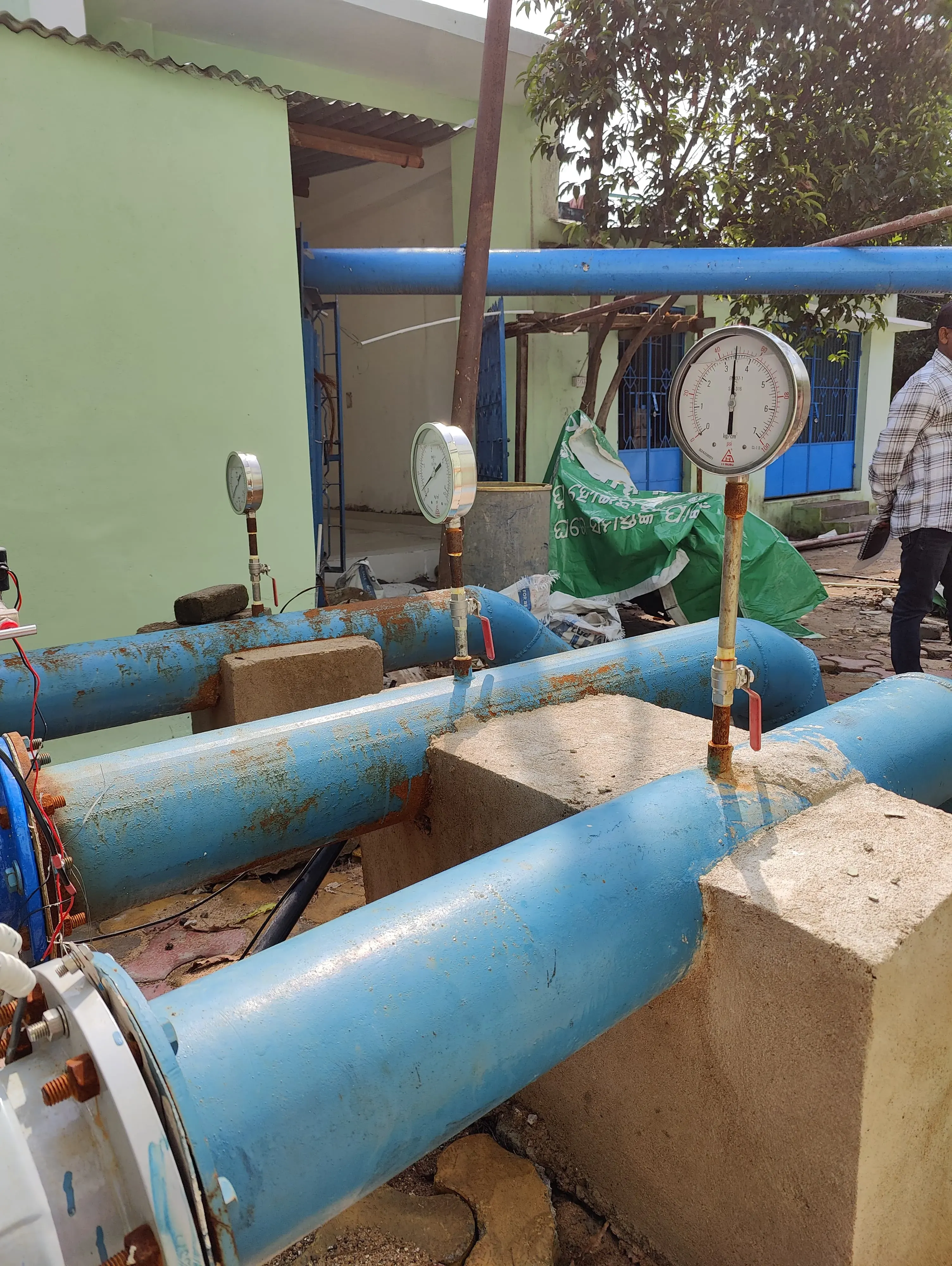
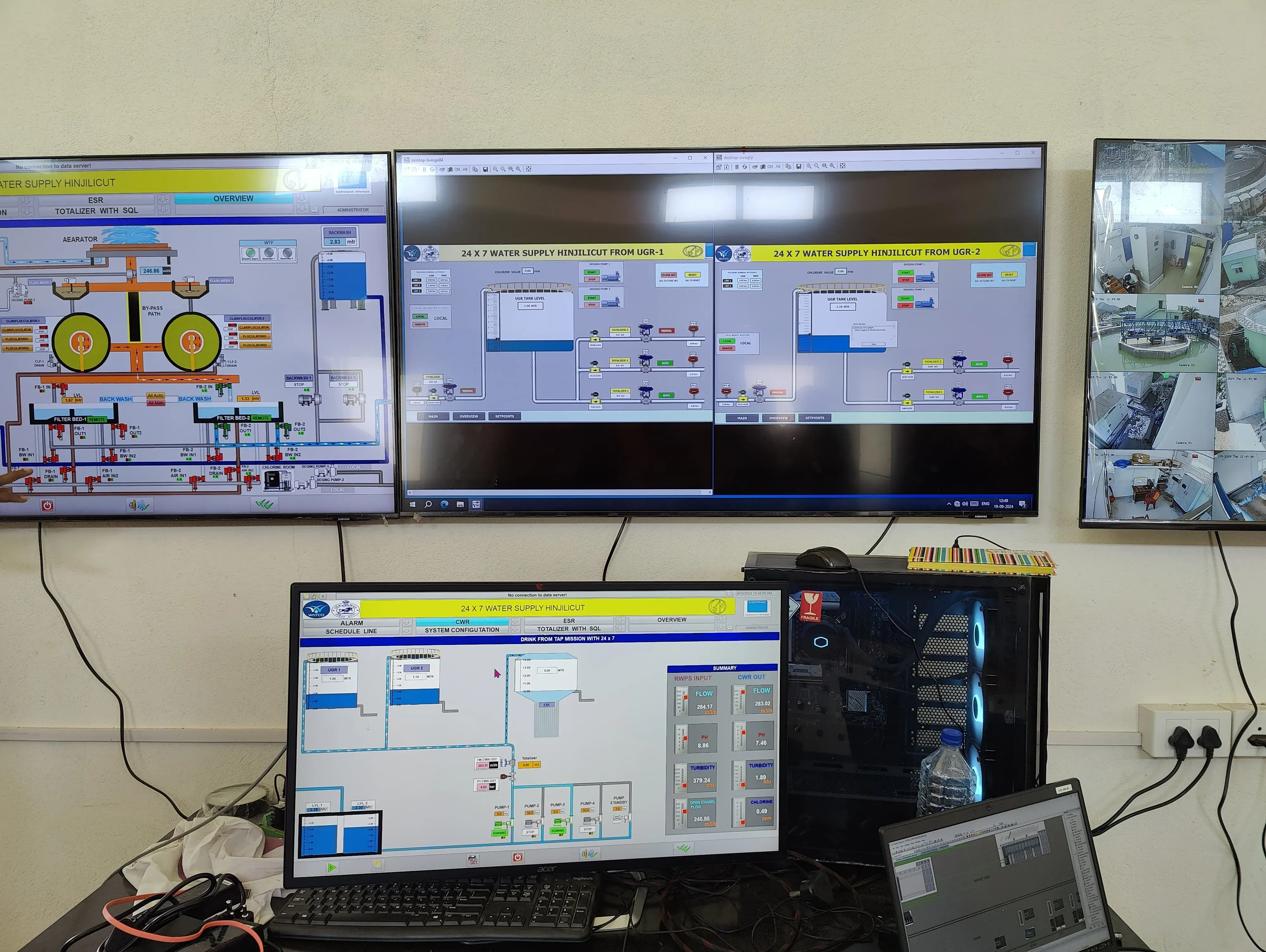
The ‘Drink from Tap’ (DFT) Mission is a flagship initiative of the Government of Odisha, aimed at ensuring safe, high-quality, 24x7 drinking water supply to urban residents across the state. Successfully implemented in 24 Urban Local Bodies (ULBs), the mission is now being scaled up to cover all 114 ULBs in Odisha. To facilitate smooth and timely implementation at this scale, a comprehensive Standard Operating Procedure (SOP) is being developed.The SOP draws on lessons learned from the initial implementation and is designed to provide clear, actionable guidance for ULBs. It aims to eliminate delays caused by unclear directives, streamline monitoring and reporting, and support adherence to tight implementation timelines. Developed in close coordination with the Water Corporation of Odisha (WATCO), the SOP integrates on-ground experiences and challenges faced by ULBs.The SOP will address five thematic areas: Technical (design period, SCADA, automation), Institutional (tendering, staffing, capacity building), Financial Management (tariffs, sustainability), Operations and Maintenance (water quality, audits, energy efficiency), and Policy Measures (NRW, climate resilience, awareness, consumer satisfaction).To enhance accessibility and usability, the SOP is also being translated into a digital dashboard, which will serve as a dynamic platform for reference and implementation.
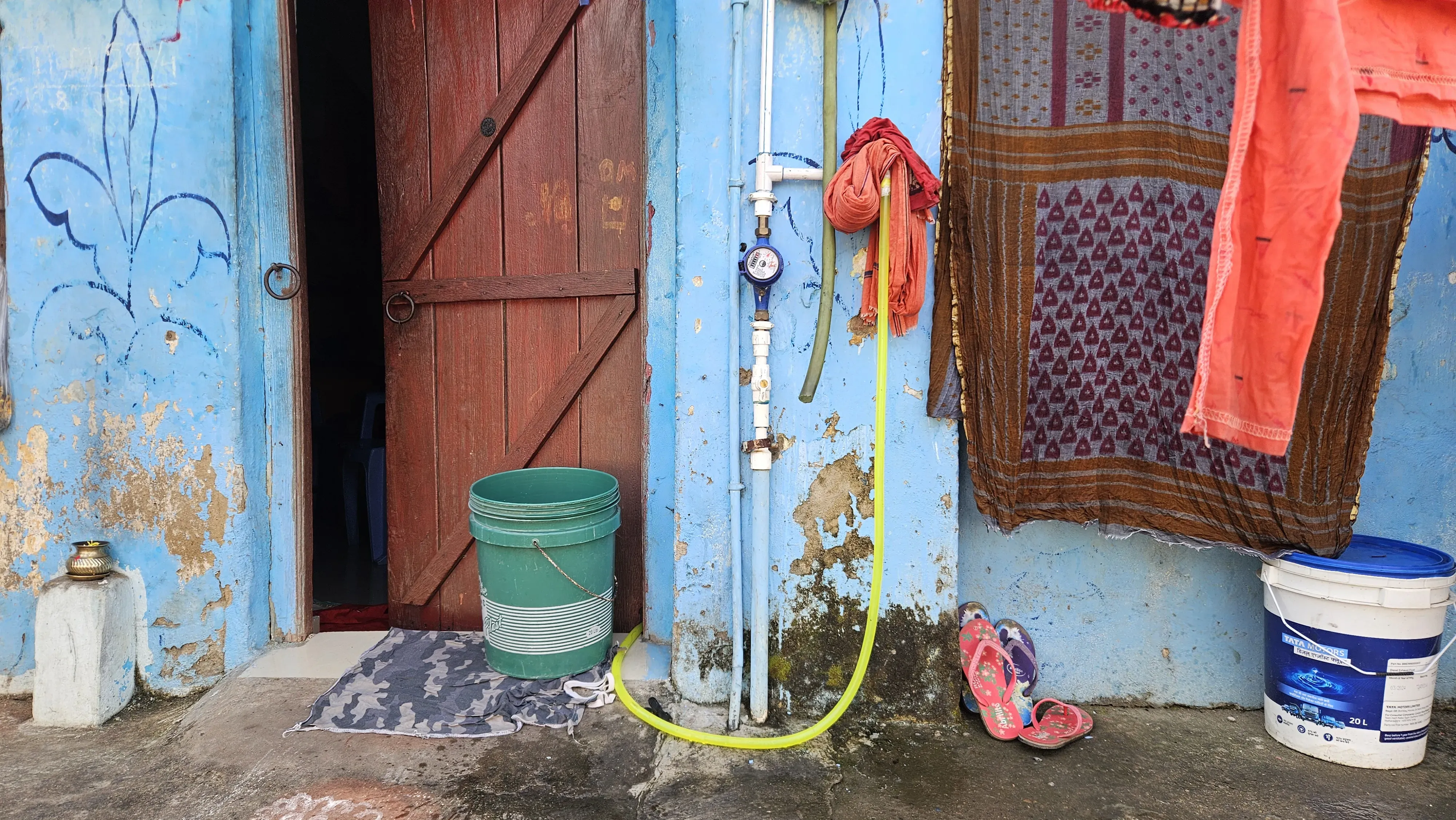
Institutionalizing an Impact Assessment Framework for Drink from Tap Mission in Odisha
The Government of Odisha has been proactively enhancing water supply and sanitation in the state, by operationalizing schemes such as BASUDHA (Buxi Jagabandhu Assured Drinking Water to all Habitation). In August 2019, the state launched its “Drink from Tap” (DFT) Mission that aimed to provide 24X7 drink-from-tap quality water to every household in urban Odisha so that water accessed from household taps was safe to drink and cook with without additional filtration or boiling. In 2021, NIUA was engaged by the Water Corporation of Odisha (WATCO), Department of Housing and Urban Development to evaluate the efficacy of its ‘Drink from Tap’ mission. WATCO has since undertaken this work across 24 Urban Local Bodies (ULBs) in Odisha. NIUA’s role now is to institutionalize an impact assessment framework, using an indicator-based approach to evaluate system efficiency, operations, maintenance, and consumer satisfaction. These efforts include training WATCO officials, applying an easy-to-use impact assessment tool across 24 ULBs, and developing a baseline framework for non-DFT areas to measure the comparative impact and progress of future implementations. Unique features include a blend of qualitative and quantitative data collection methods, rigorous field visits, comparison with Service Level Benchmarks (SLBs), and the creation of a digital dashboard to support macro and micro-level analysis of DFT.
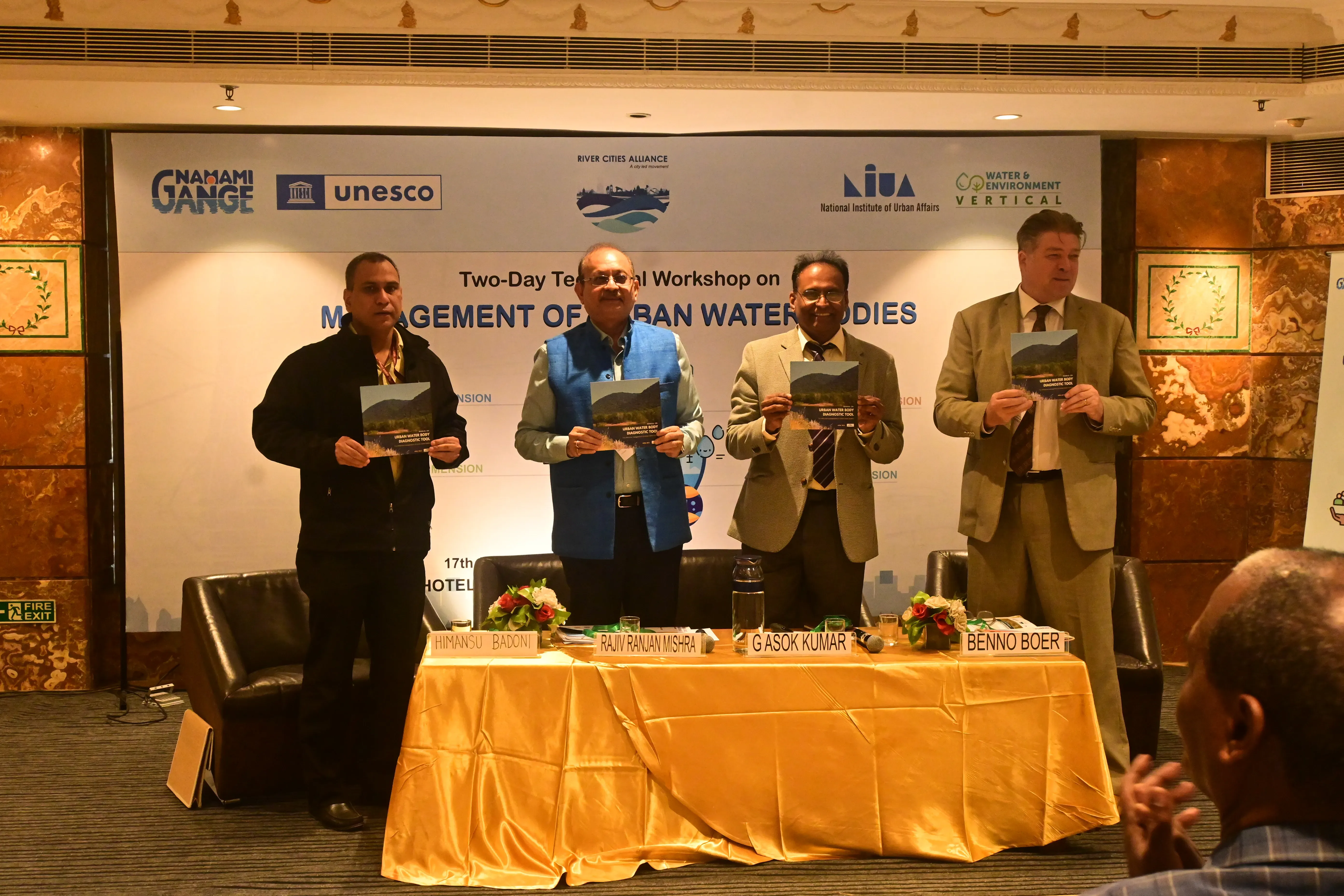
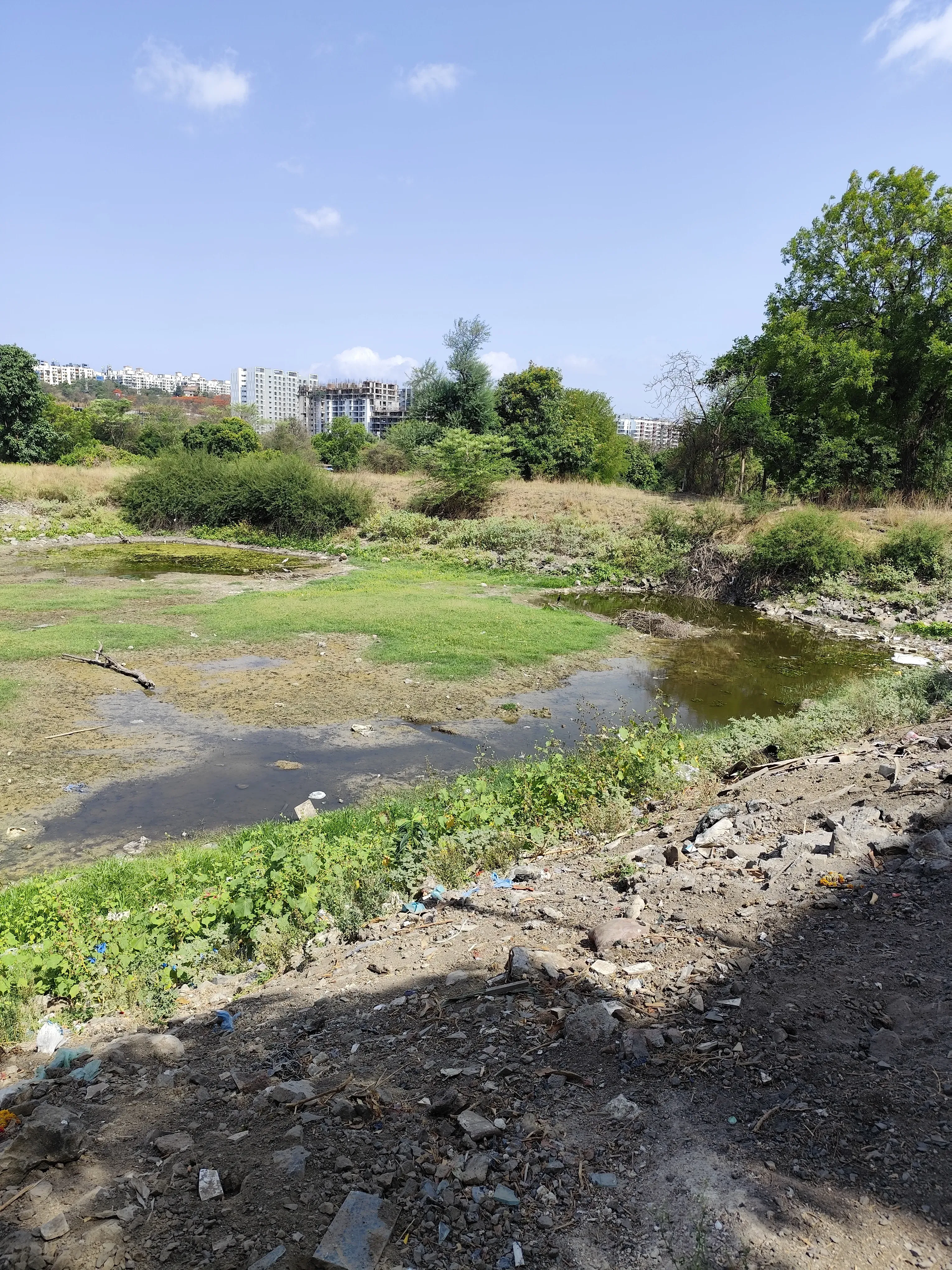
Urban Water Body Diagnostic Tool
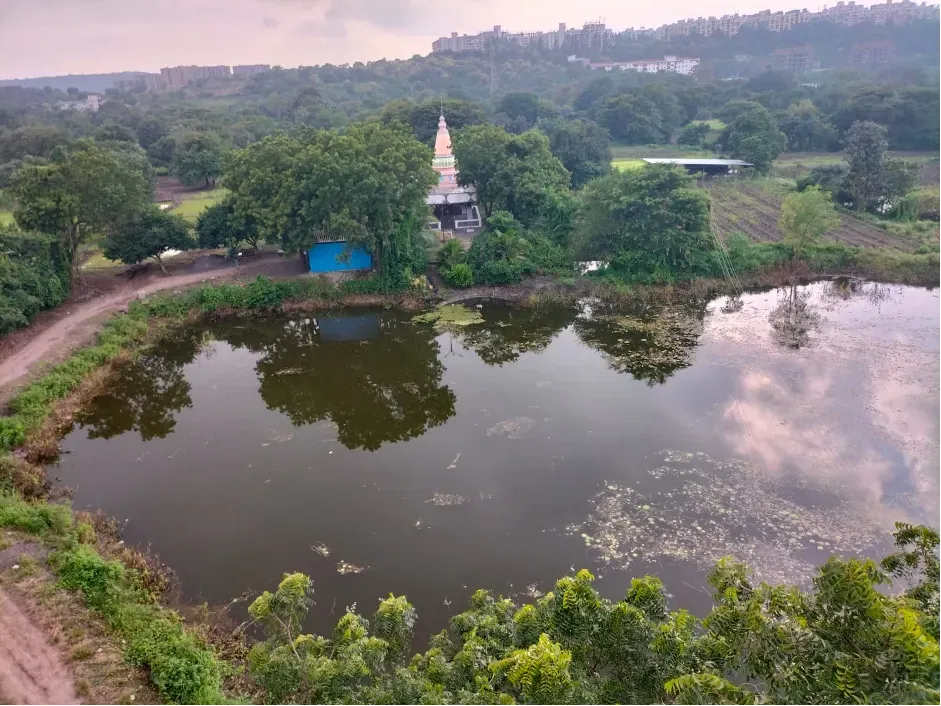
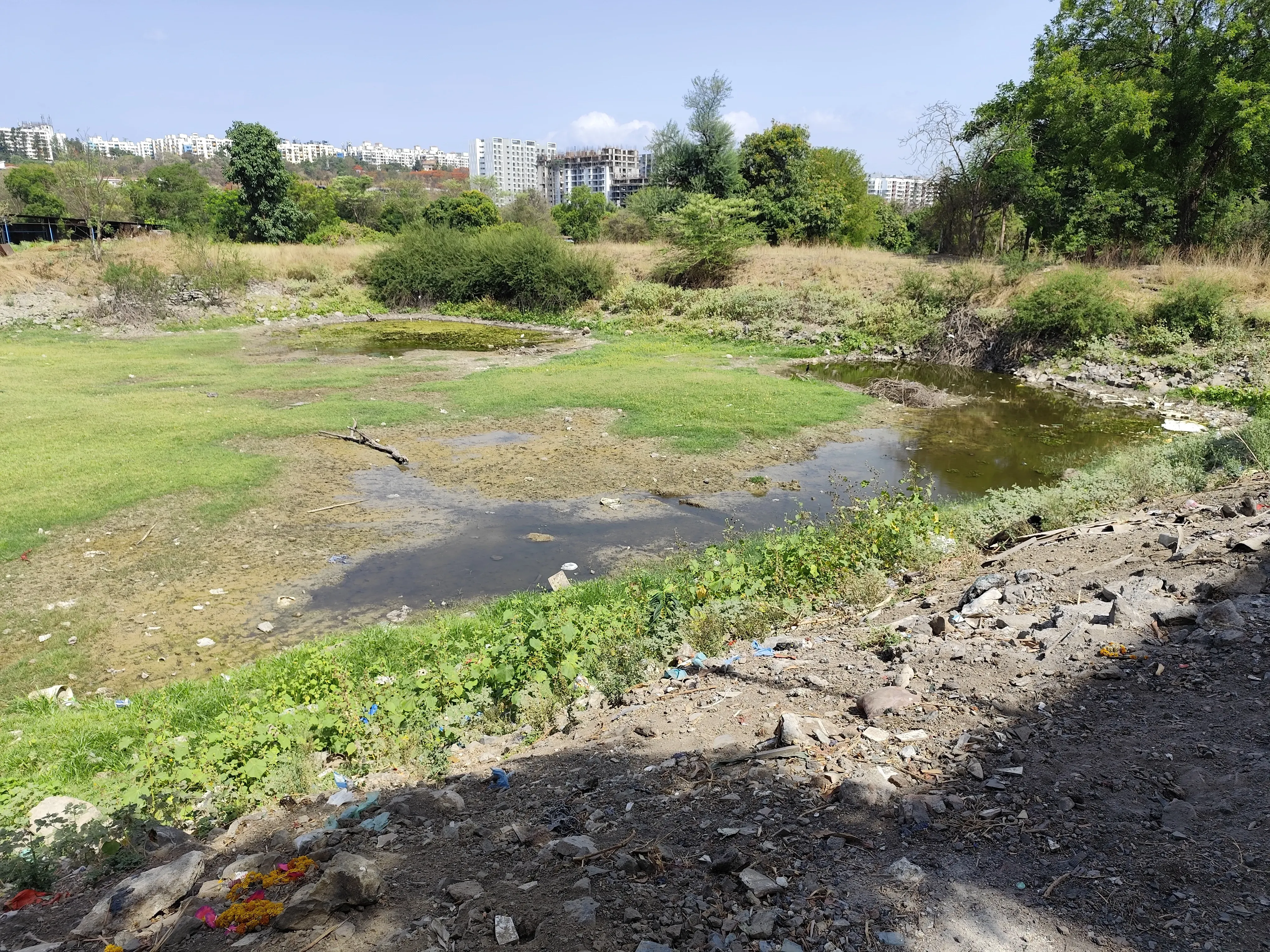
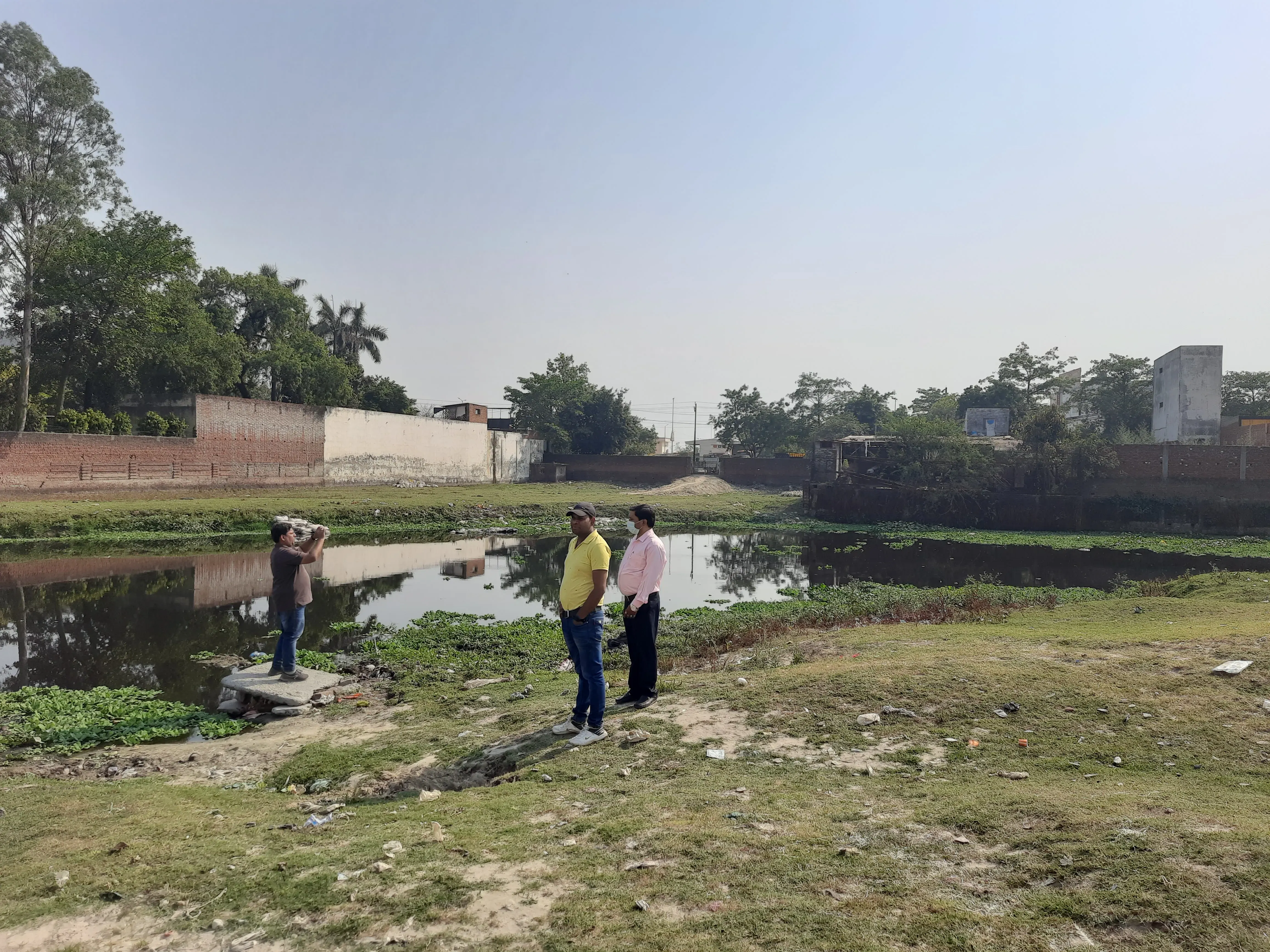
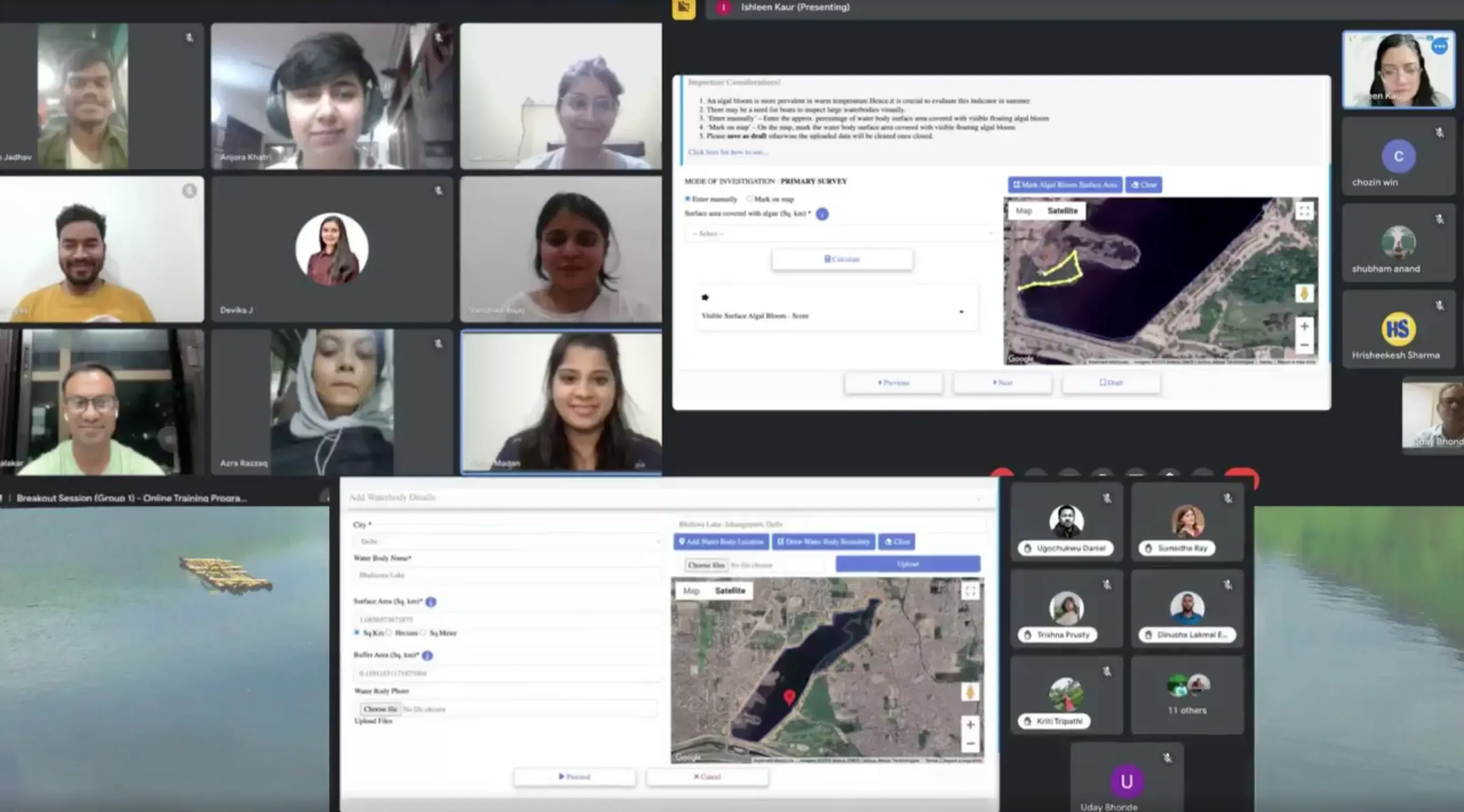
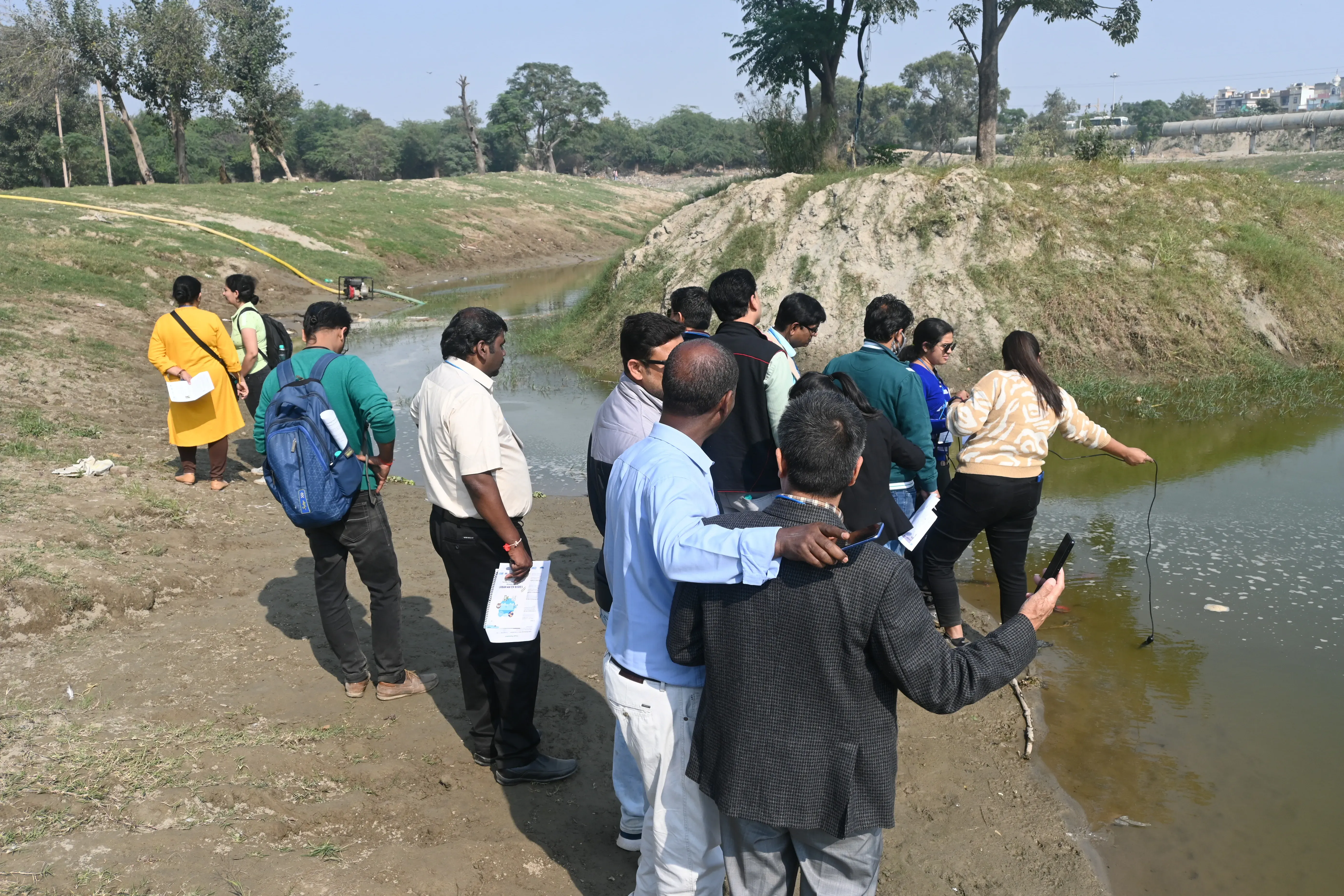
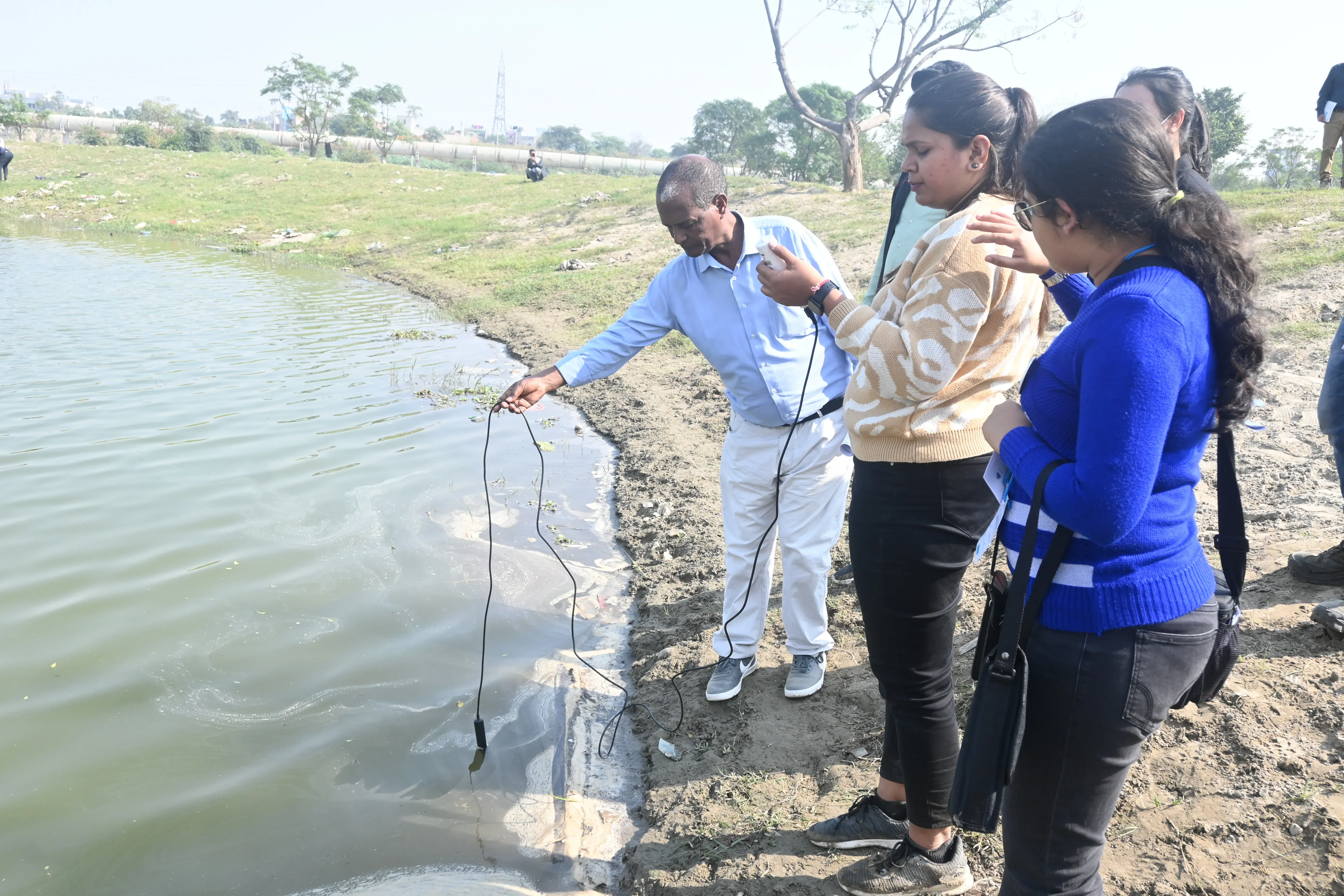
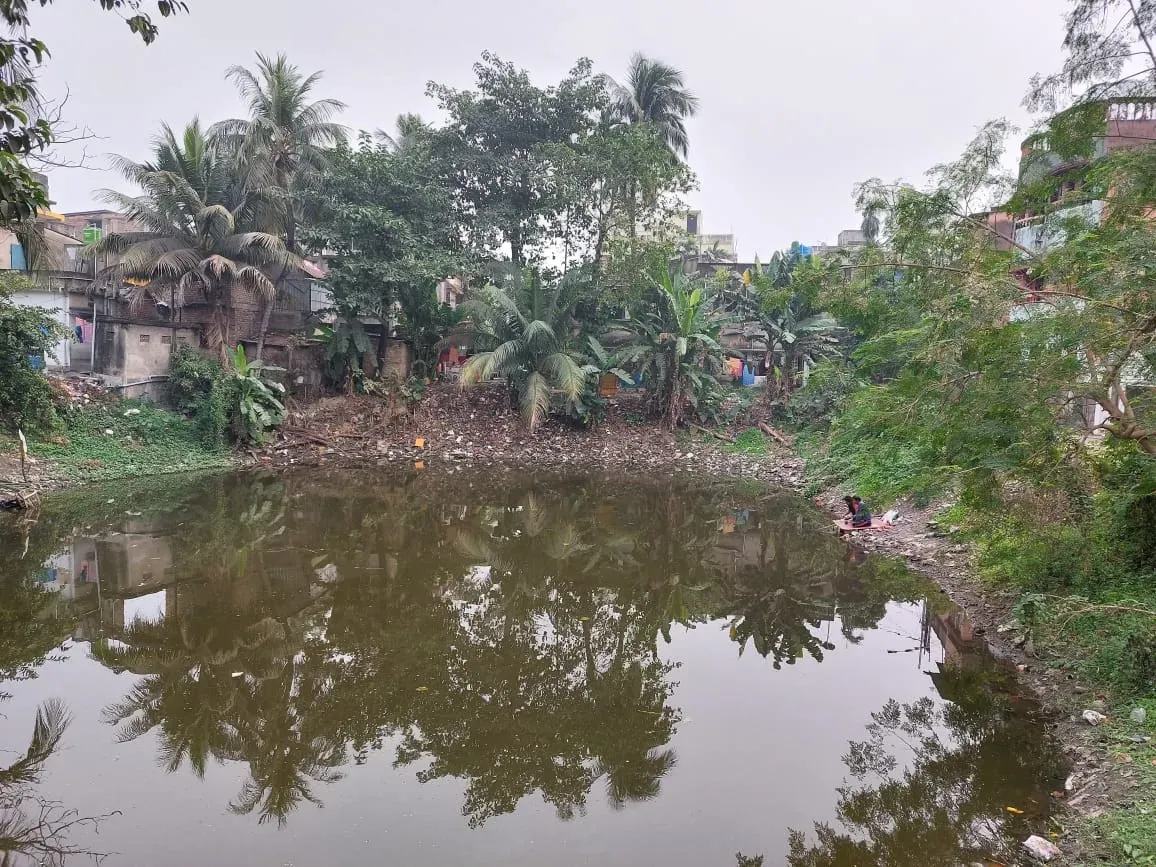
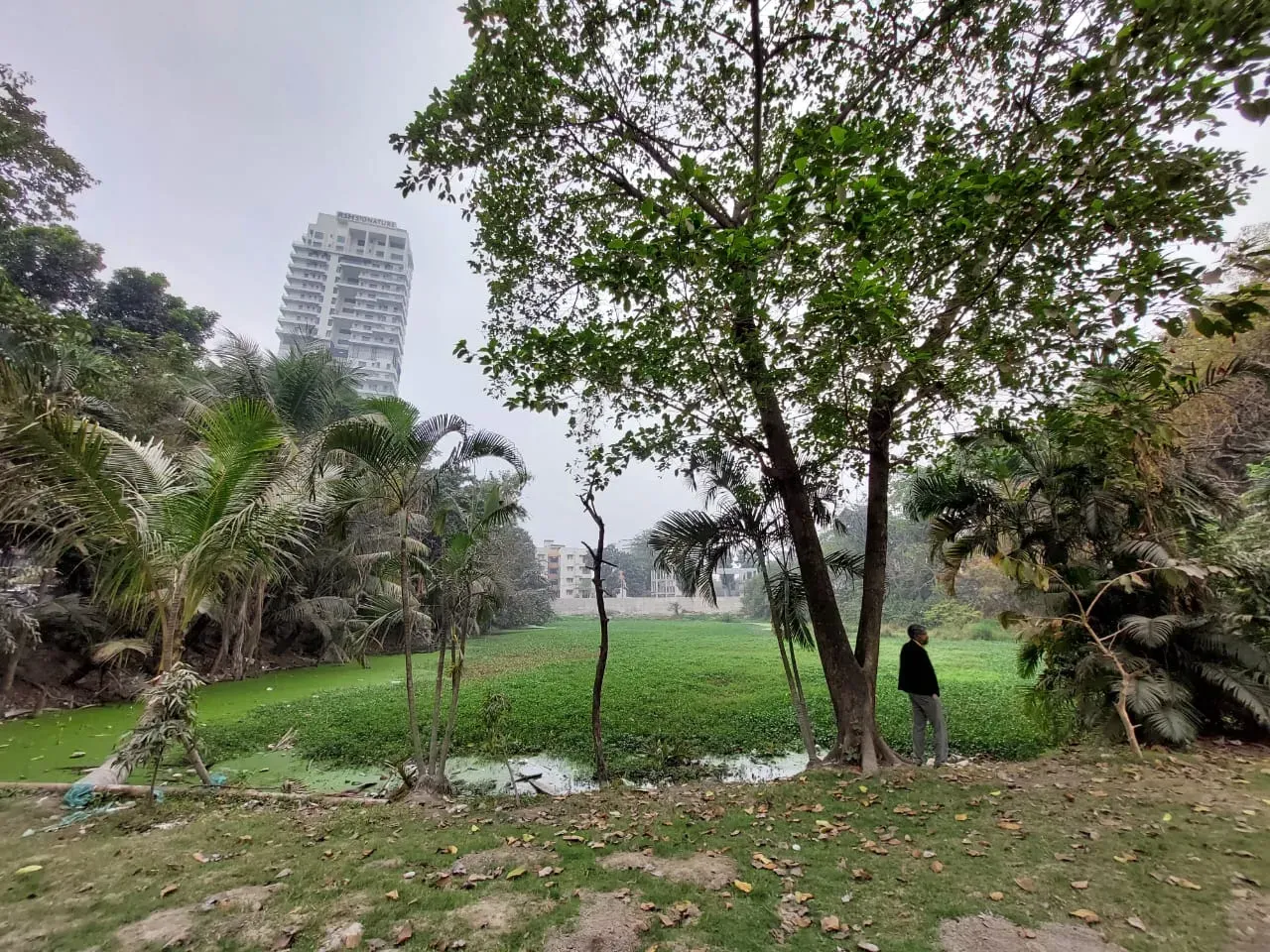
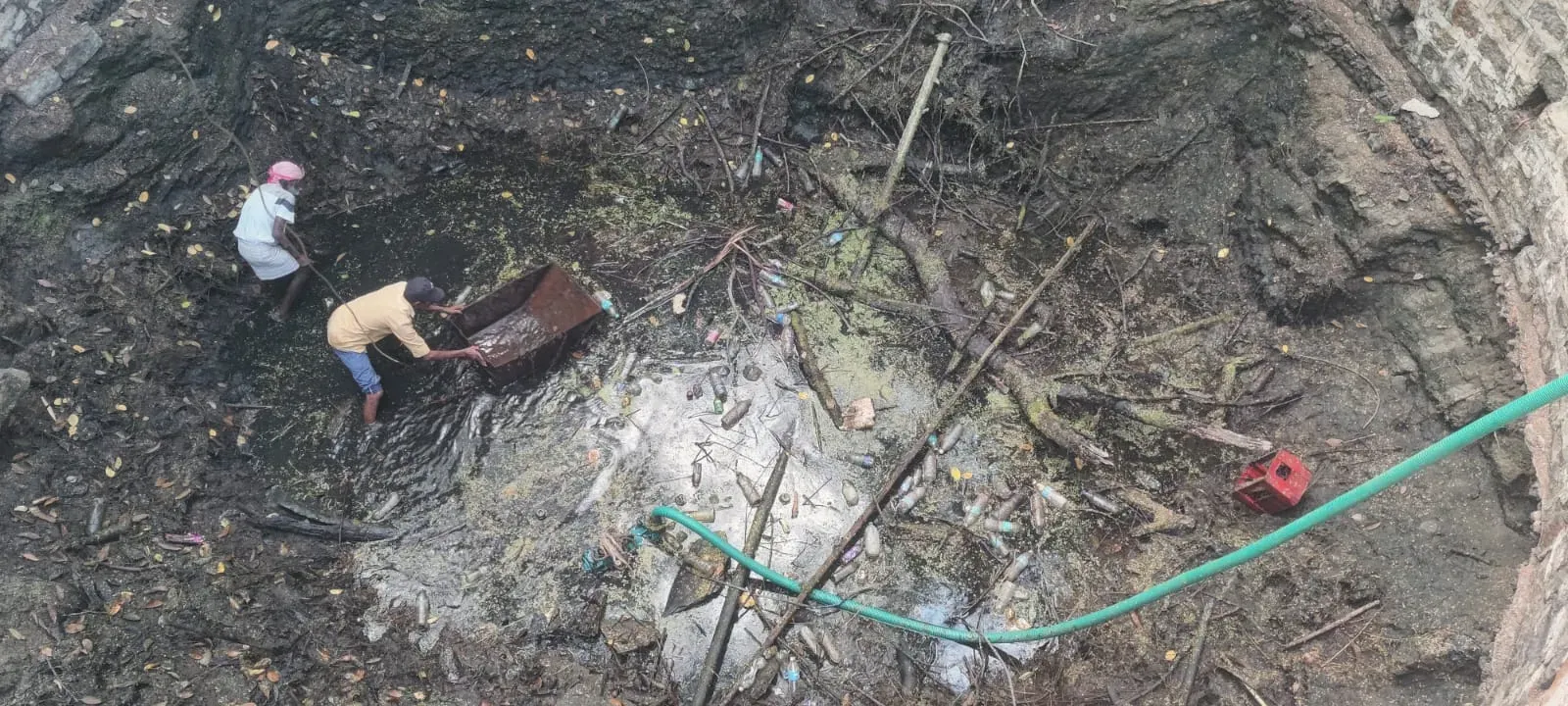
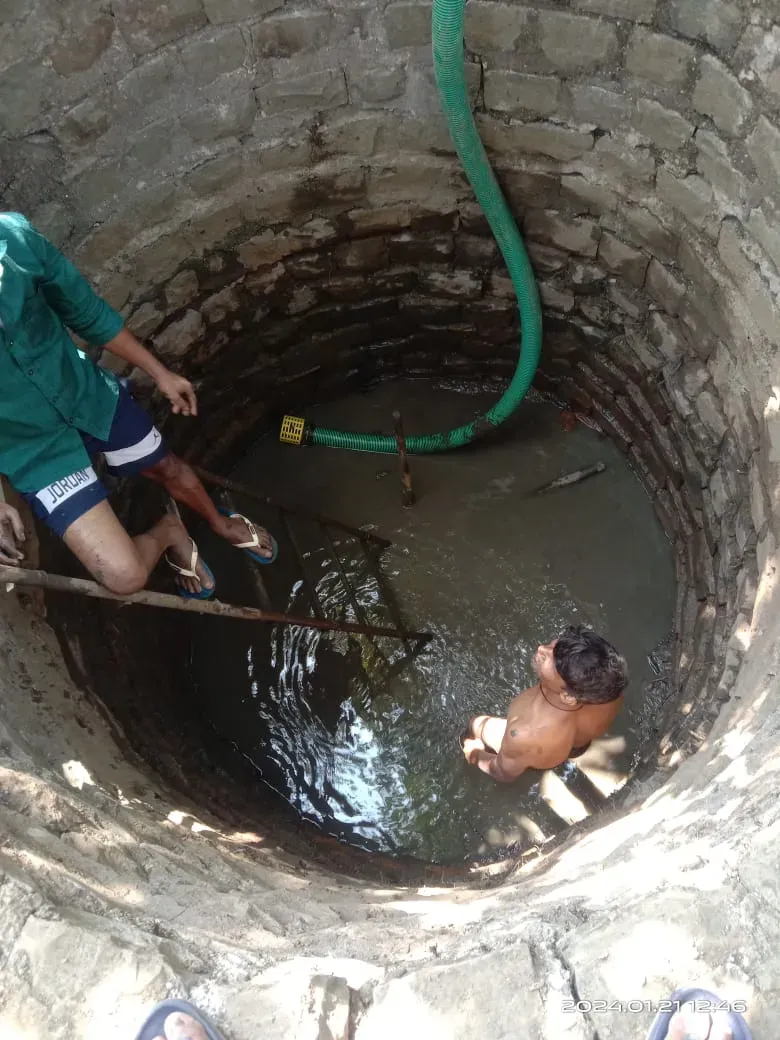
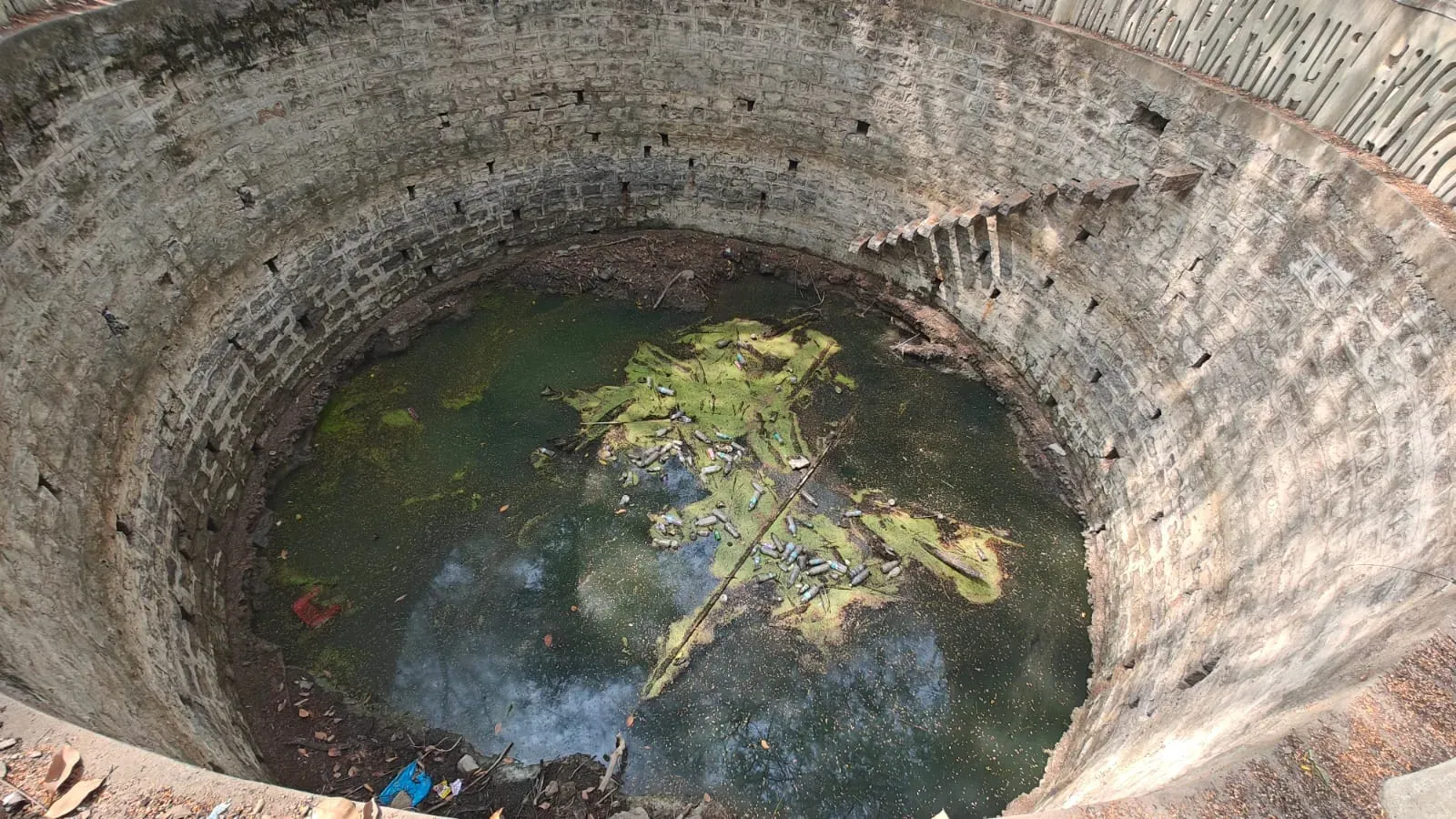
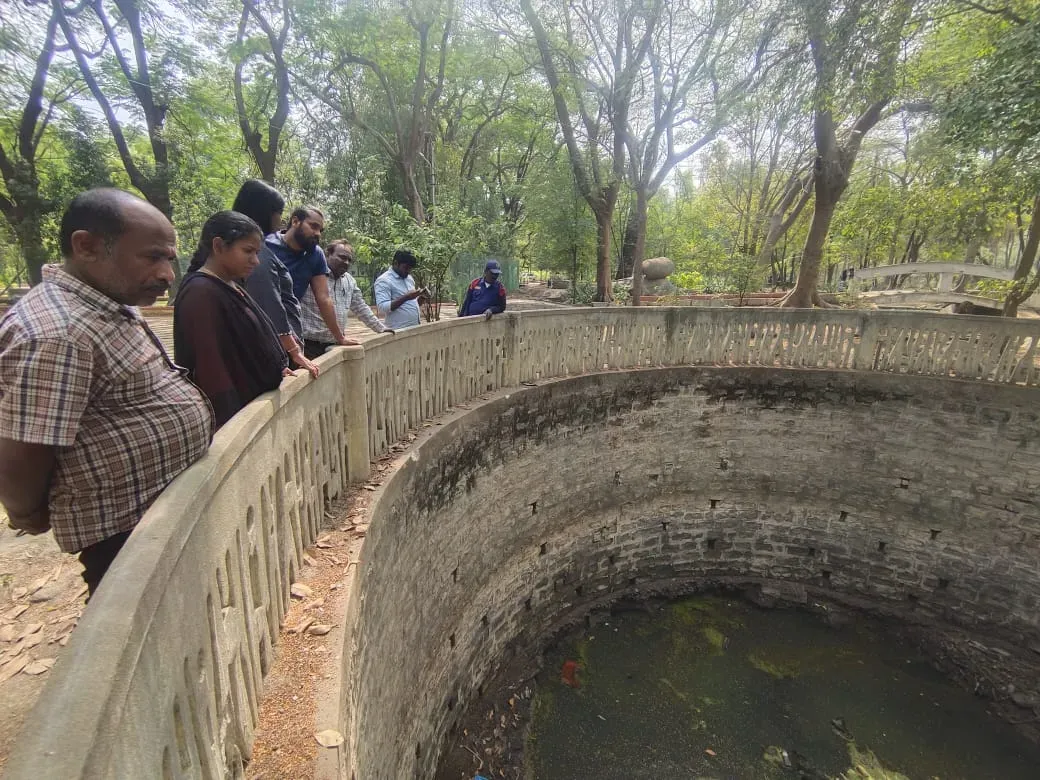
The condition of water bodies (lakes, ponds, wells, etc.) in many Indian cities has generally been deteriorating over the last several years. Some are shrinking, some are getting polluted, yet others are completely encroached upon. This project aims to create a decision support system for cities to manage the water bodies within their jurisdiction. The outcome of this project is an Urban Water Body Diagnostic Tool that will help city officials, consultants, training institutions, researchers, academicians, and students to identify and prioritize actions for rejuvenation of water bodies within any city.The diagnostic tool is based on assessing the status-quo of urban water bodies, in terms of various physical, chemical, biological, and management parameters. Importantly, the tool helps in conducting a rapid assessment that a city can perform easily and periodically in order to identify immediate actions for their management.The tool is available in public domain as a digital webtool, which is used by various city officials, consultants, training institutions, researchers, academicians, and students in assessing the urban waterbodies across the world.
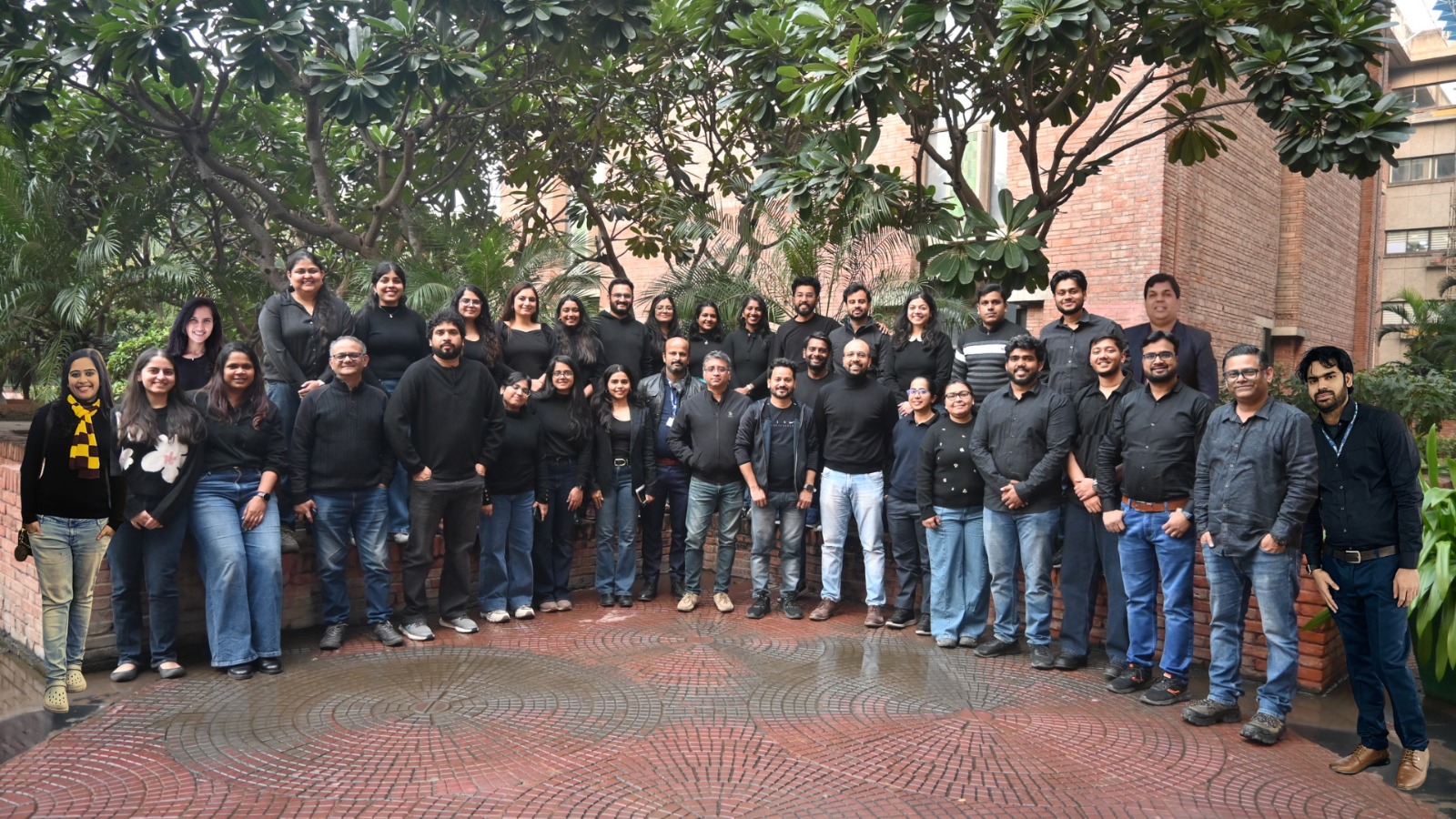
Meet the minds behind NIUA's Water and Environment Vertical
Knowledge in Action
Thought Leadership
Driving urban transformation
Strategic Guidelines for Making River Sensitive Master Plans
The Strategic Guidelines for Making River-Sensitive Master Plans, developed by the National Institute of Urban Affairs (NIUA) in collaboration with the National Mission for Clean Ganga (NMCG), provide a comprehensive framework to help cities across India incorporate river-sensitive approaches into their urban planning processes. The document underscores the importance of recognizing rivers not just as water bodies, but as vital ecological, cultural, and economic assets that are crucial to the sustainability of urban environments. With rapid urbanization often putting rivers at risk through pollution, encroachment, and poor management, these guidelines aim to embed river conservation into city development plans.The guidelines outline a structured process that cities can follow to integrate rivers into their master planning. The first stage involves conducting a river baseline assessment, which includes understanding the river’s current ecological status, water quality, and the pressures it faces due to urbanization. This data helps form the foundation for the next stage, which involves visioning—setting a long-term, sustainable vision for how rivers can be integrated into urban life. Along with this, clear, actionable goals are set for the river’s management, health, and ecological restoration.A crucial component of the guidelines is the integration of policies and regulations that align with river-sensitive principles. This ensures that urban planning processes actively contribute to the health of rivers, not just as a passive component of the landscape. Specific sectoral strategies for land use, water supply, sanitation, and flood management are tailored to address river concerns, ensuring that these elements of urban planning incorporate river restoration and preservation.The guidelines also emphasize public participation throughout the planning process, engaging local communities, stakeholders, and citizens. This involvement fosters a sense of ownership and responsibility for river health, ensuring that the community plays a key role in implementation. Additionally, a robust monitoring and evaluation system is established to track progress and assess the effectiveness of river-sensitive interventions over time.By embedding these principles into master planning, the guidelines aim to create river-sensitive cities that promote not only ecological sustainability but also social and economic resilience. The approach is aligned with national missions such as the Namami Gange Programme and the Smart Cities Mission, ensuring that river management is integrated into broader urban development goals. This strategic framework enables cities to manage their rivers effectively while promoting overall sustainable growth.
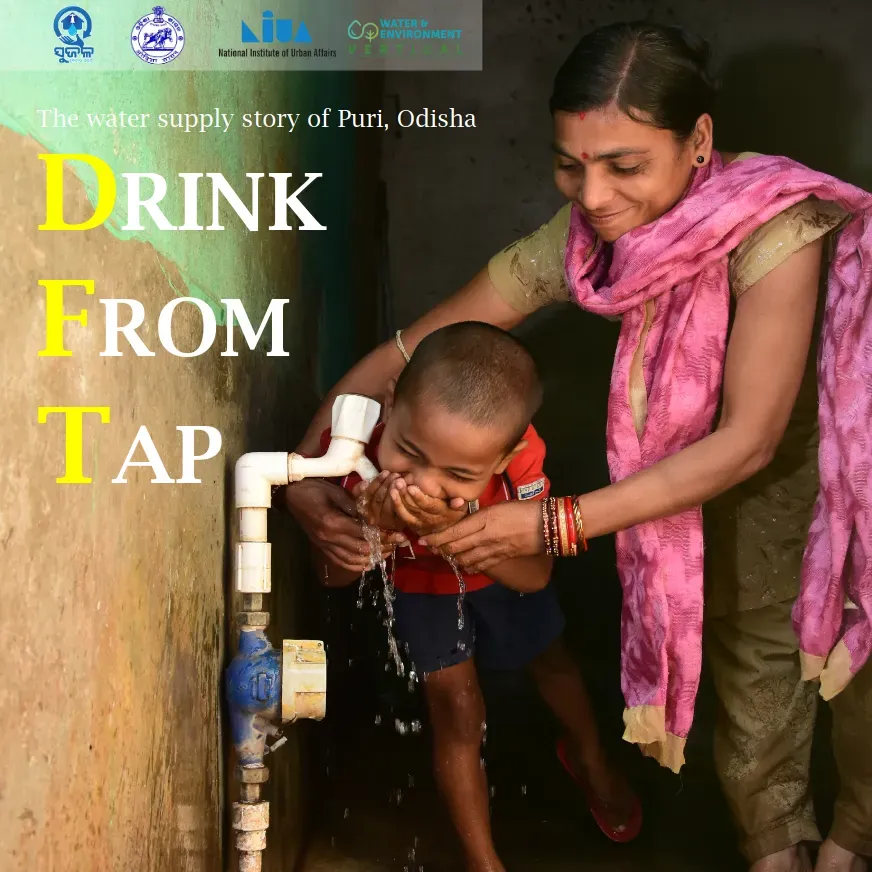
Drink from Tap Mission- The water supply story of Puri, Odisha
The “Drink from Tap” Mission, also known as the "SUJAL" Scheme, is a significant initiative launched by the Government of Odisha's Housing & Urban Development Department in October 2020. This mission aims to ensure equitable access to safe drinking water for the people of Odisha, with a focus on providing people-centric solutions that prioritize both technology and community involvement. The Water Corporation of Odisha (WATCO), a state-owned, not-for-profit entity, is responsible for implementing the scheme, ensuring the delivery of safe and sustainable drinking water across the state.At its core, the mission combines modern technological innovations with community-driven approaches to water management, aiming to create a responsive and sustainable water distribution system. By integrating advanced technology into water supply management, the scheme ensures the efficient operation and maintenance of water systems. Moreover, by empowering local communities to take ownership of these systems, the mission fosters resilience and adaptability to the unique challenges faced by different areas. This community-led approach strengthens the connection between people and their water sources, allowing for more effective and locally-tailored solutions.The “Drink from Tap” Mission serves as a model for achieving sustainable water management by blending technological advancements with strong community involvement. By promoting these collaborative efforts, the scheme offers a long-term, scalable solution to water access that can be replicated in other regions facing similar challenges. Ultimately, the mission exemplifies how the combination of innovation and local governance can drive equitable access to safe drinking water, ensuring both sustainability and community empowerment.
Urban Water Body Diagnostic Tool
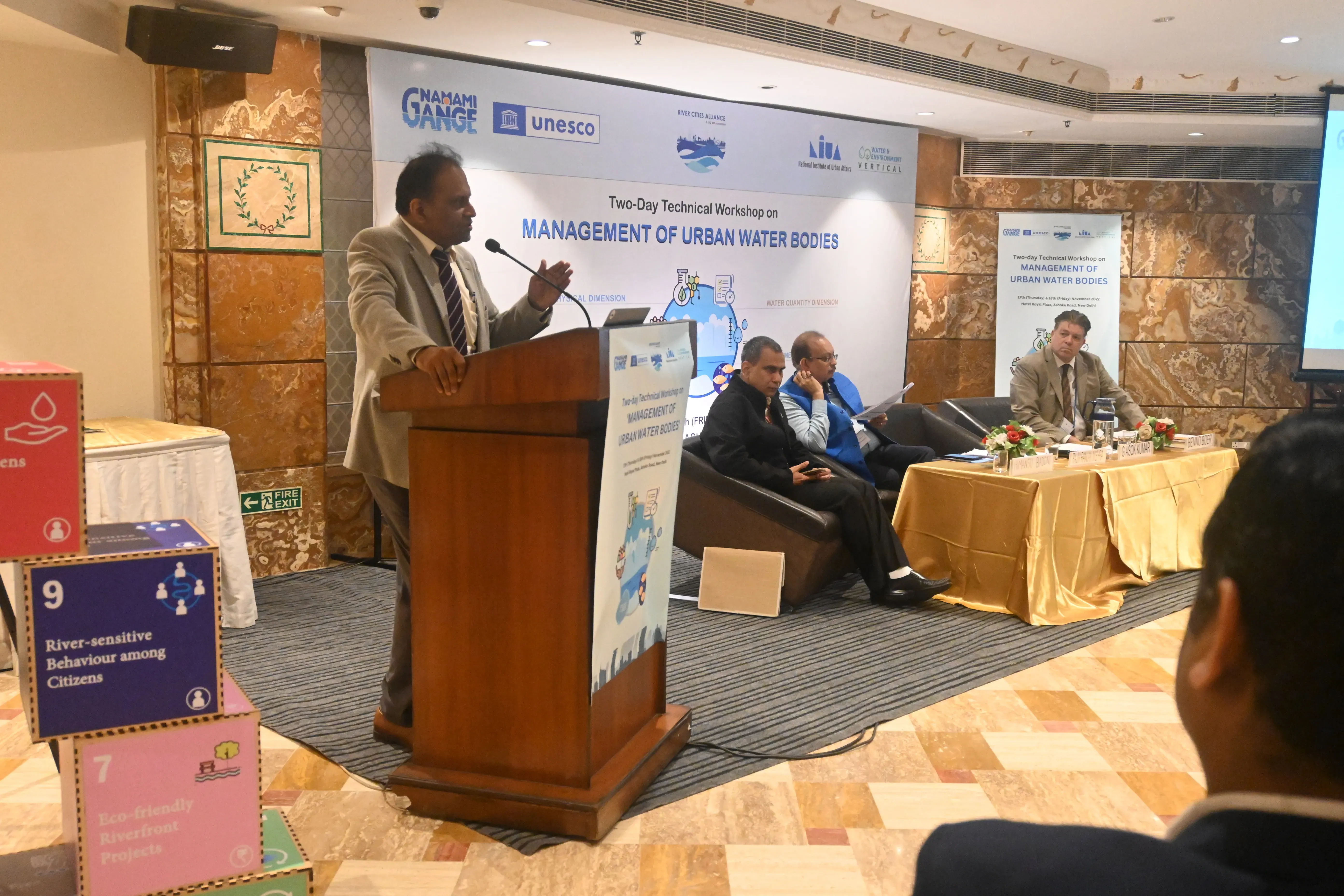
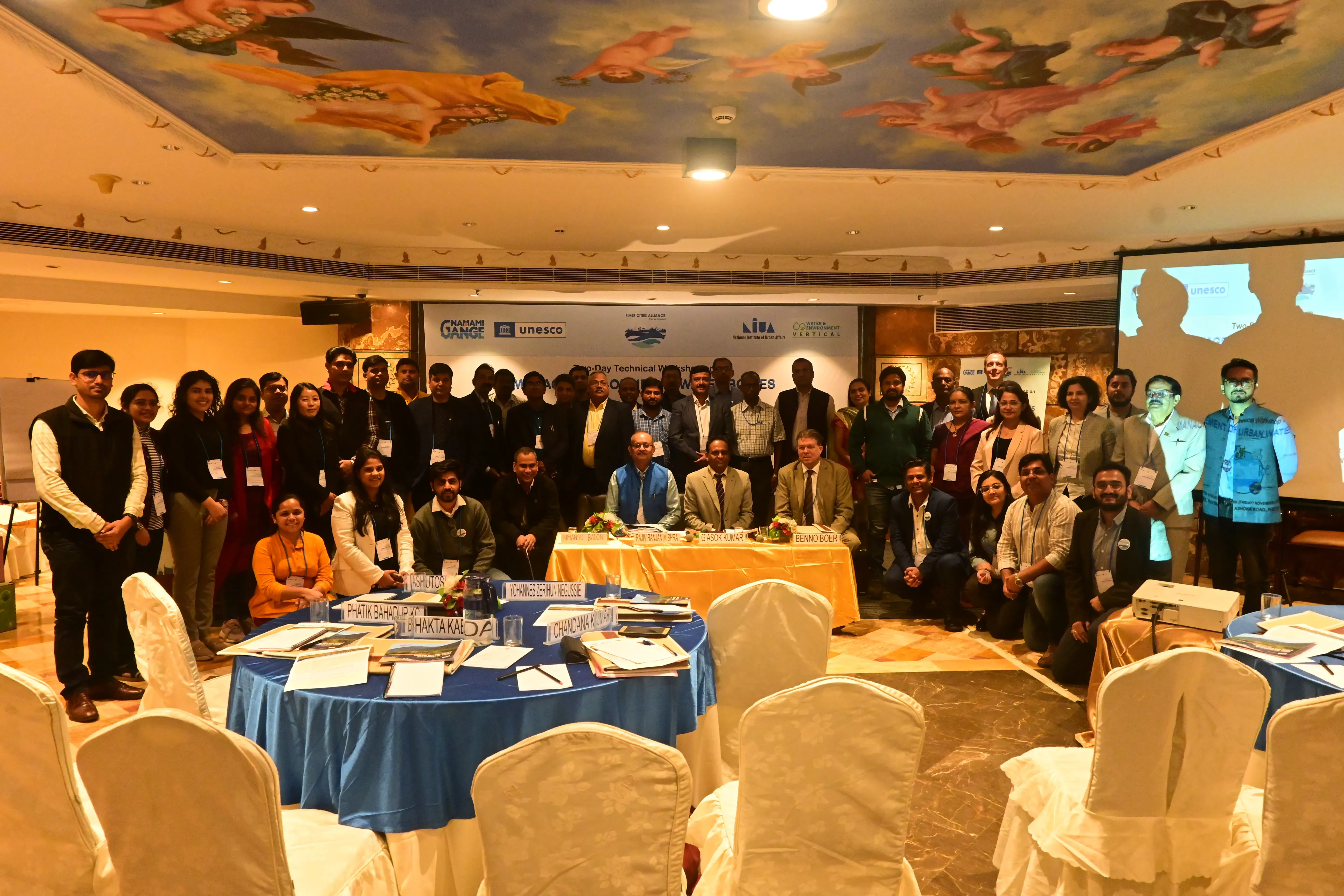
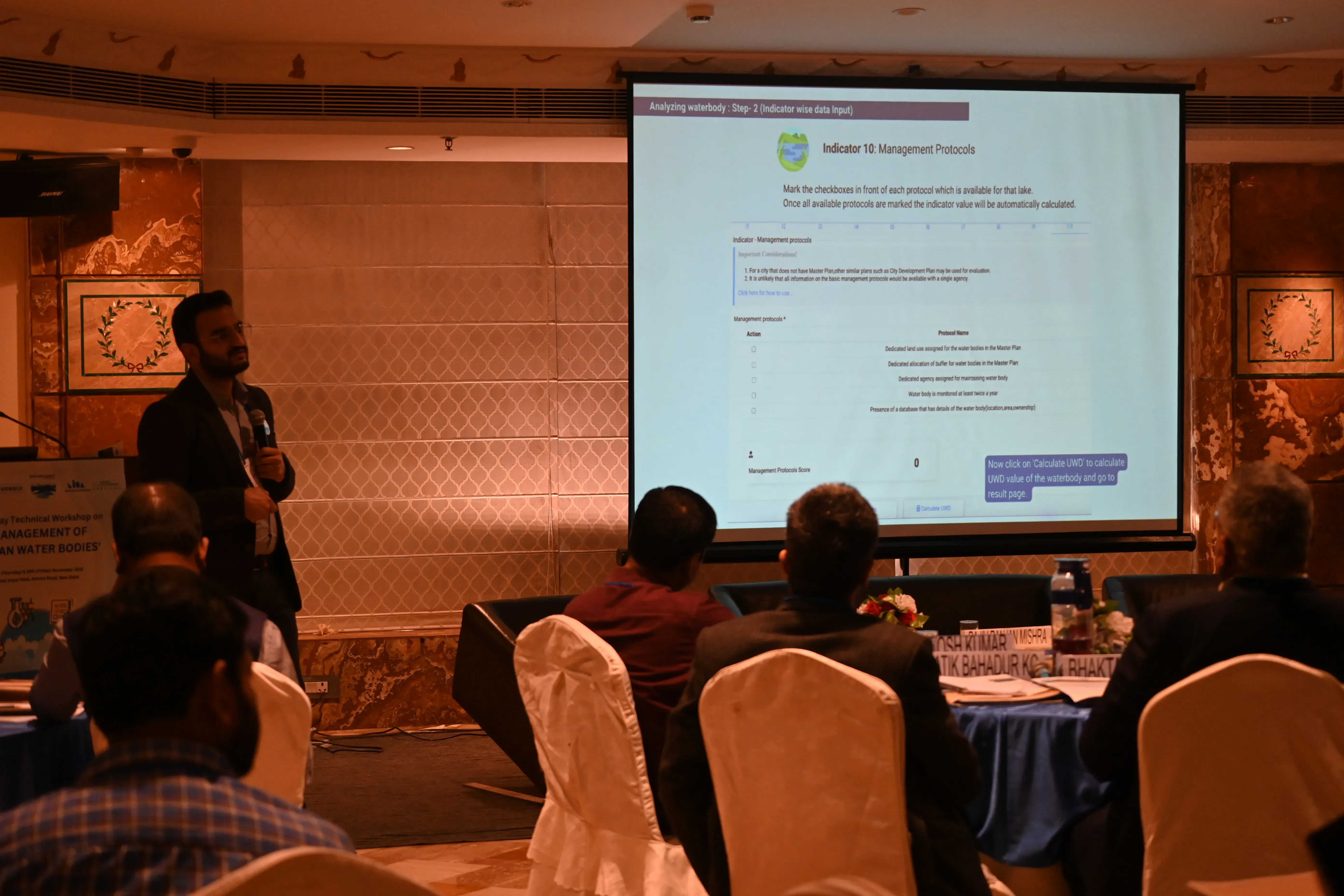
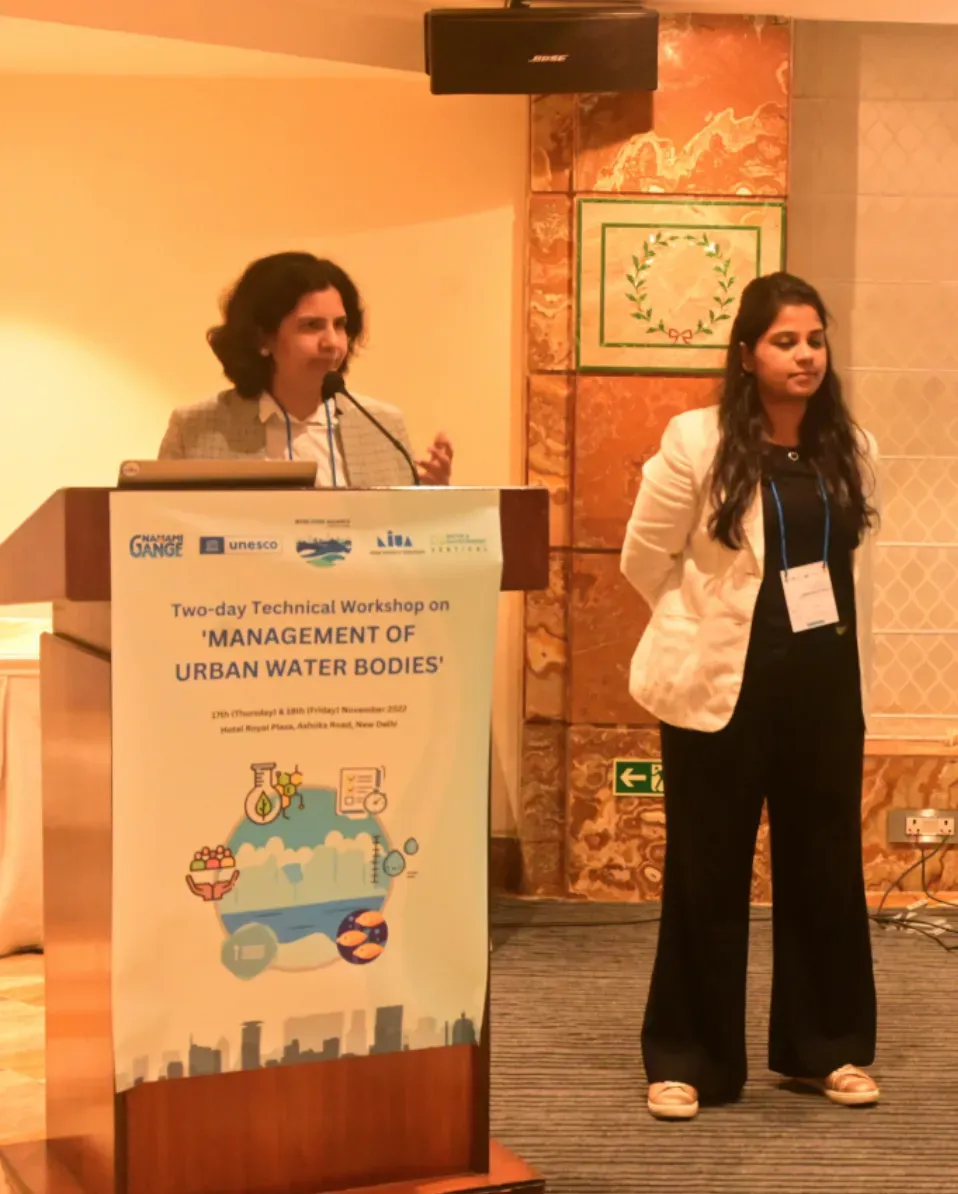
The National Institute of Urban Affairs (NIUA), in partnership with UNESCO New Delhi, has developed the Urban Water Body Diagnostic Tool—a strategic, science-based decision support system that empowers urban administrators to effectively manage and rejuvenate water bodies within their jurisdictions. With urbanization putting increasing pressure on natural ecosystems, particularly urban water bodies that often face neglect, encroachment, and pollution, this tool emerges as a critical enabler for sustainable urban water governance.The diagnostic tool is structured to provide an end-to-end assessment of each urban water body, enabling city planners and administrators to understand current conditions, identify critical challenges, and prioritize intervention measures. It uses a mix of outcome-based indicators (such as water quality, biodiversity levels, and surrounding land use) and process-based indicators (such as institutional management mechanisms, community participation, and maintenance practices). These indicators collectively offer a comprehensive view of both the ecological health and the governance framework associated with each water body.To ensure objectivity and scientific rigor, the tool incorporates the Analytical Hierarchy Process (AHP)—a structured technique for organizing and analyzing complex decisions based on mathematics and psychology. Through AHP, appropriate weights are assigned to each indicator based on their relative importance. This helps in creating a robust, data-driven profile for every water body under consideration. The result is a composite score and diagnosis that allows city officials to rank water bodies based on their condition and determine which ones require urgent attention or long-term planning.What sets the Urban Water Body Diagnostic Tool apart is its standardized yet adaptable framework. While it provides a consistent methodology applicable across different cities and water body types, it also allows for customization based on local priorities and contexts. Furthermore, the tool facilitates participatory decision-making by encouraging inputs from diverse stakeholders, including local communities, municipal bodies, environmental experts, and civil society organizations. Beyond diagnostics, the tool supports evidence-based urban water management, enabling cities to align their rejuvenation strategies with broader sustainability goals, such as those outlined in the National Mission for Clean Ganga, AMRUT 2.0, and the Sustainable Development Goals (SDGs). By restoring ecological balance and integrating water bodies into urban landscapes, the tool contributes to climate resilience, public health, and improved quality of urban life.
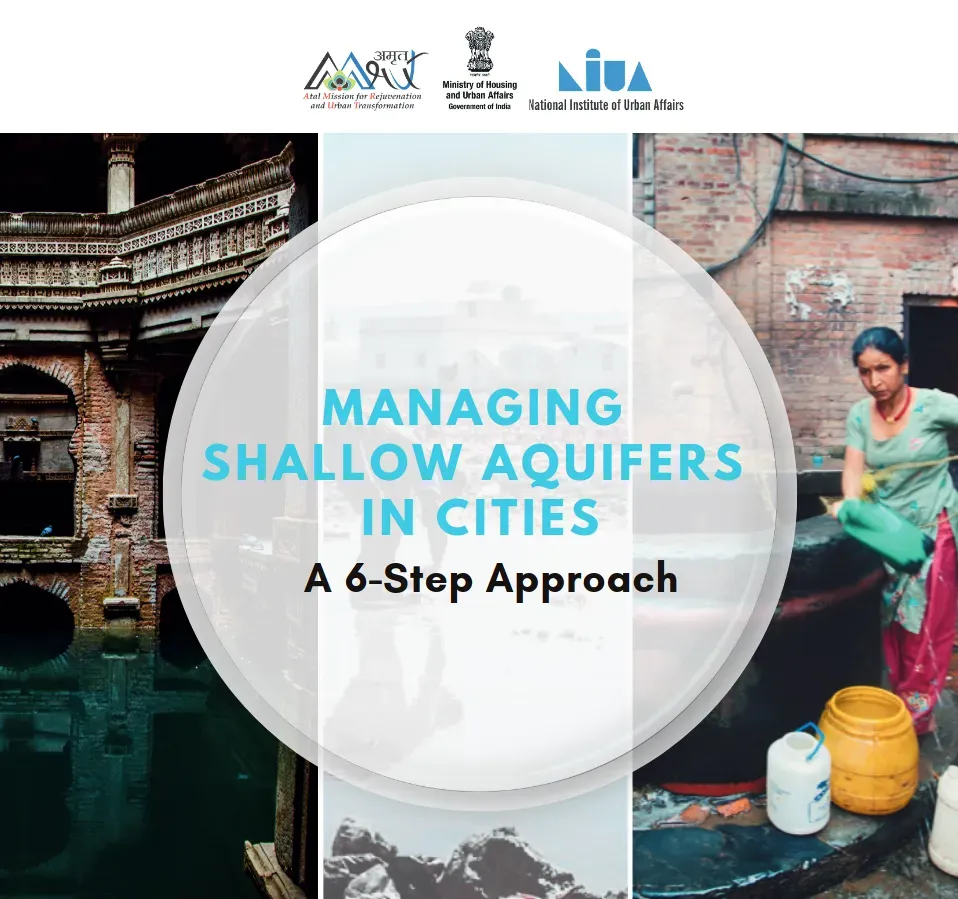
Managing Shallow Aquifers in Cities: A 6-Step Approach
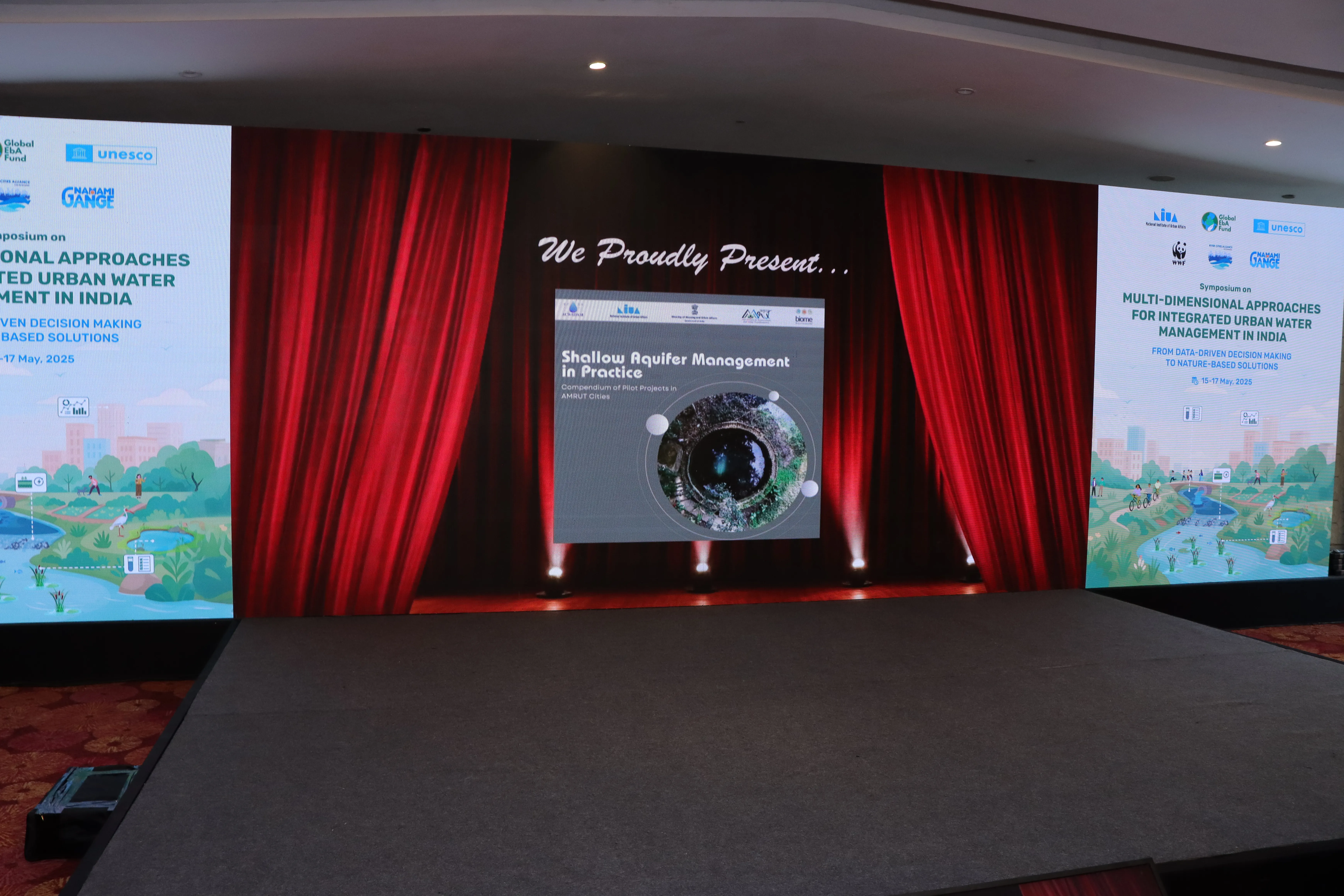
Water security stands at the heart of sustainable development, and its assurance requires a holistic, inclusive, and culturally aware approach. While technical solutions are vital to managing water resources, recognizing the intangible value of water—its cultural, spiritual, and symbolic importance—is equally crucial. Across the world, communities have long celebrated water through festivals, rituals, and beliefs, embedding it deeply into the fabric of daily life. This intrinsic connection with water offers powerful pathways to promote conservation, equity, and long-term sustainability.The Cambodian Water Festival, Bon Om Touk, is a vivid example of such a cultural celebration, rooted in the natural phenomenon of the Tonle Sap River reversing its flow during the monsoon. The festival draws millions of people to celebrate the life-giving relationship between water, agriculture, and livelihoods. Similarly, in India, the River Ganges is revered as a goddess—Ganga Ma—whose waters are believed to purify the soul and support life. These cultural practices go beyond mere symbolism; they reflect deep-rooted ecological knowledge and social cohesion around water.In parallel, modern initiatives like Odisha’s "Drink from Tap" Mission demonstrate how blending community participation with technological innovation can transform urban water governance. Implemented by WATCO, the mission ensures equitable access to safe drinking water through decentralized, people-centric systems. By empowering communities and integrating smart management techniques, the initiative offers a replicable model for sustainable urban water supply.Another emerging frontier is the sustainable management of groundwater, particularly shallow aquifers, which remain crucial to India's urban water security. With Indian cities being the largest groundwater extractors globally, the overexploitation of shallow reserves has led to rapid depletion. Under the AMRUT 2.0 scheme, ten cities have embarked on a pilot Shallow Aquifer Management (SAM) program. This initiative showcases diverse recharge methods, revives traditional water structures, and reconnects communities with age-old water stewardship practices.This compendium captures these diverse yet interconnected efforts—traditional, institutional, and community-led—to highlight how societies can protect, value, and sustainably manage their water resources. By honoring the tangible and intangible dimensions of water, cities and communities can chart a resilient and inclusive path toward water security.
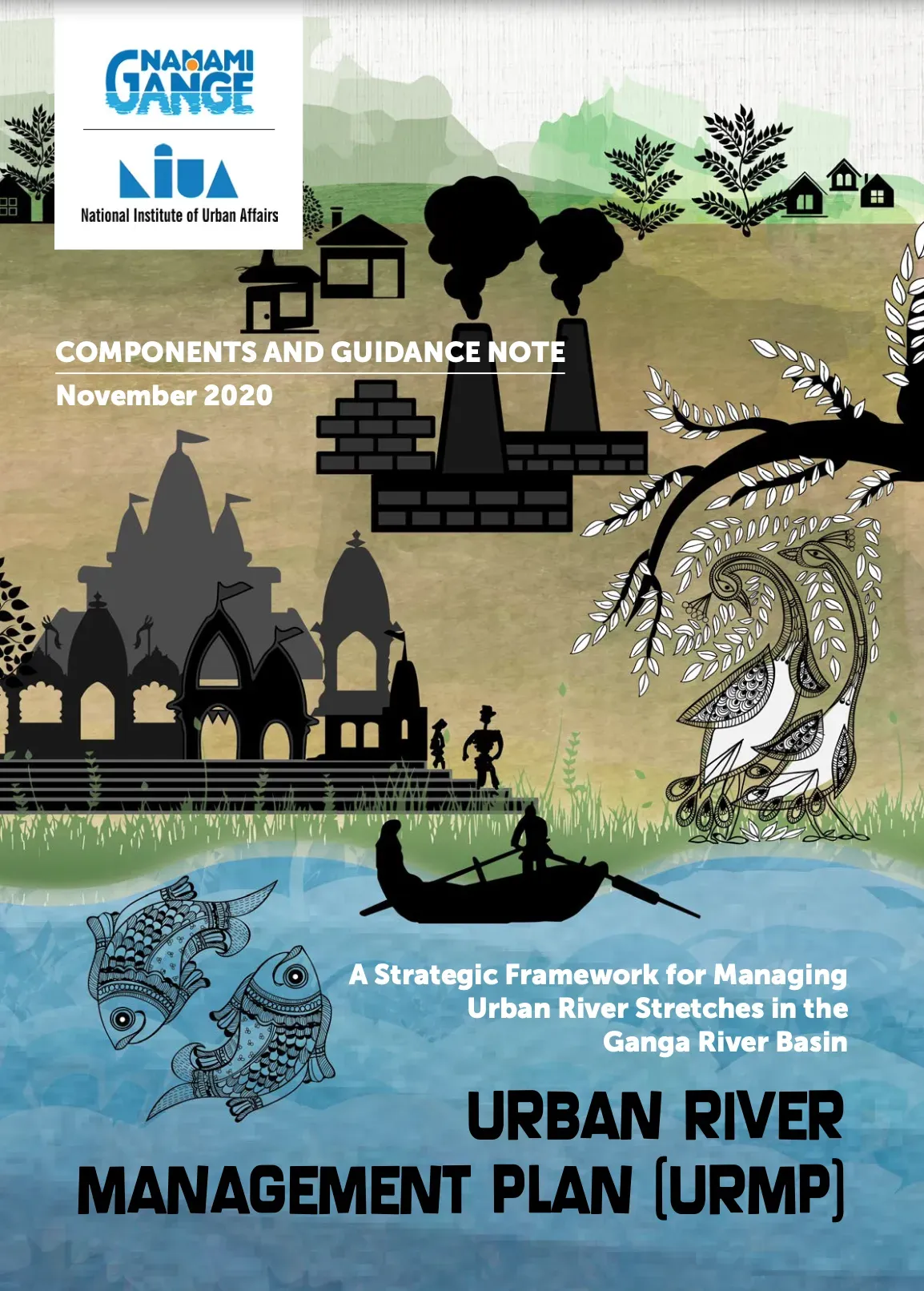
A Strategic Framework for Managing Urban River Stretches in the Ganga River Basin: URMP
The Urban River Management Plan (URMP) Framework is a comprehensive guide developed by the National Institute of Urban Affairs (NIUA) with support from the National Mission for Clean Ganga (NMCG). It aims to provide cities with a structured approach for the sustainable management and rejuvenation of urban rivers, which have often been neglected or exploited due to rapid urbanization. The framework recognizes rivers not only as water bodies but also as critical ecological, cultural, and economic assets. As urban areas expand, the framework emphasizes the need to protect rivers through effective governance, planning, and coordination across urban sectors.The URMP framework follows a seven-stage process. The first step involves a city-river profiling that helps in understanding the current condition of the river, its ecological status, and the socio-economic dependence of the surrounding urban population. The second stage involves developing a vision for the river's future and setting long-term and short-term goals. The third stage focuses on preparing actionable strategies, including identification of projects for river rejuvenation and flood management. The next stage includes alignment with city development plans, ensuring that river management becomes part of the urban development process. The framework also emphasizes institutional integration to ensure that various urban departments and stakeholders are involved in the implementation of the plan. The final stage involves developing a monitoring and evaluation mechanism to assess the progress of river management initiatives and ensure long-term sustainability.A key element of the framework is its focus on nature-based solutions and climate resilience, which aim to restore the ecological health of the river systems while also addressing urban vulnerabilities such as flooding and water scarcity. The URMP also promotes multi-stakeholder engagement, bringing together local communities, municipal authorities, and national agencies to work towards a shared vision for river management.The framework aligns with existing national programs like AMRUT, Swachh Bharat Mission, and Smart Cities Mission to ensure synergy and effective implementation. Additionally, it provides tools, templates, and performance indicators that cities can use to customize their river management plans.Overall, the URMP aims to create river-sensitive cities by restoring ecological integrity and improving the overall quality of life for urban residents.