SAAR Impact Assessment Research Study for Smart Cities Mission Theme 7: Use of ICT for Water Supply and Sewerage Services
Resource Partners: Smart Cities Mission, MoHUA
Duration: February 2024 - March 2025

About
The Smart Cities Mission (SCM), initiated by the Ministry of Housing and Urban Affairs (MoHUA) in 2017, aimed to make Indian cities technologically advanced by strengthening governance and service delivery. As the mission drew to a close, the SAAR–Sameksha initiative commissioned 50 impact assessment studies through prestigious academic institutions to document outcomes, engage students in urban development, and enable knowledge exchange between urban practice and academia.
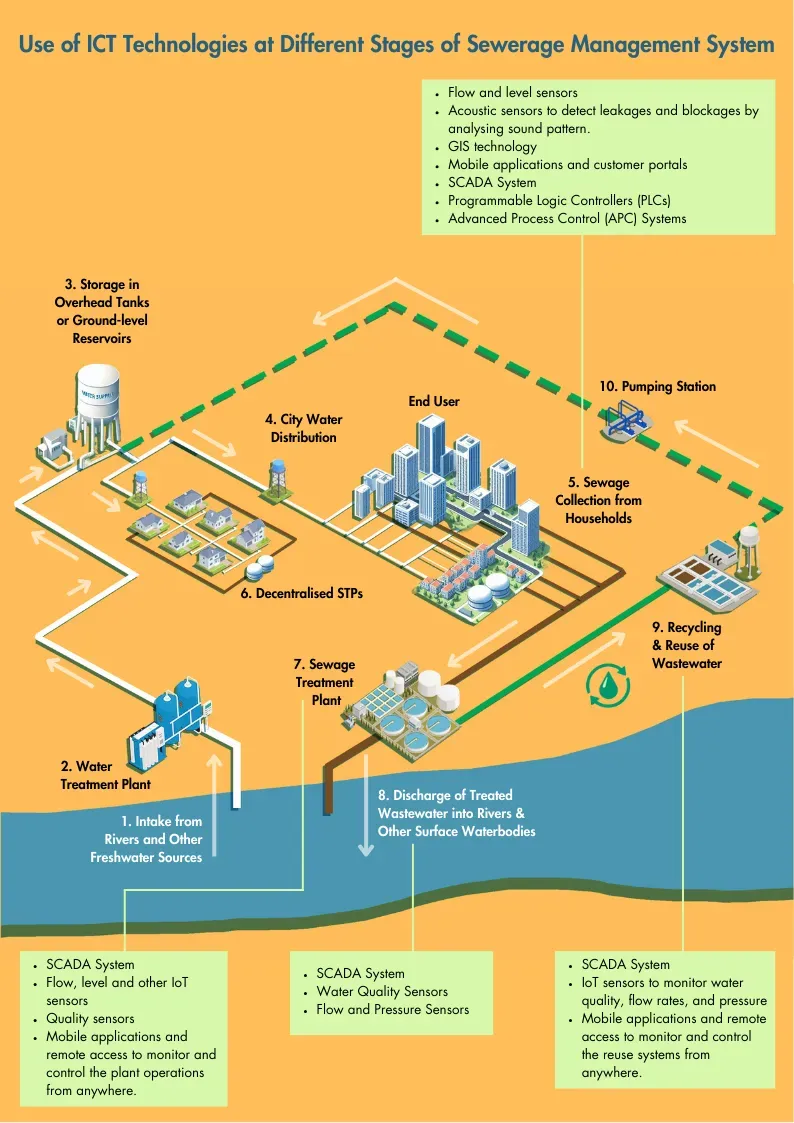
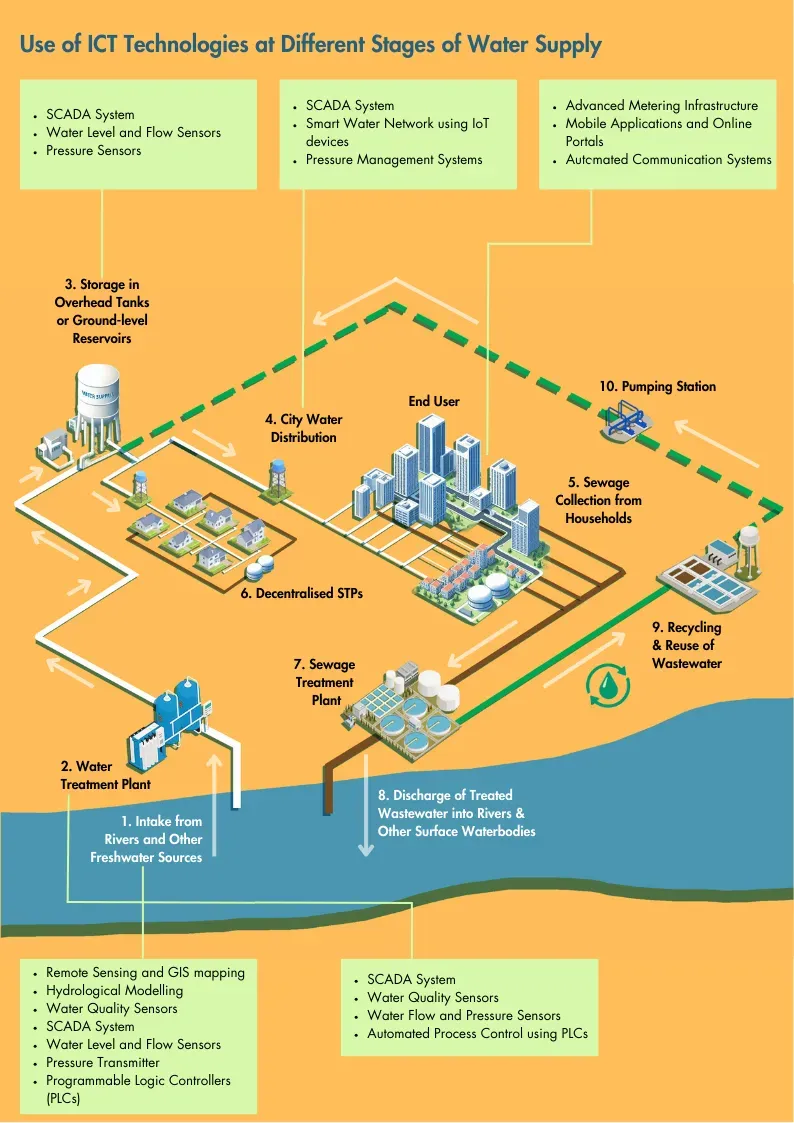
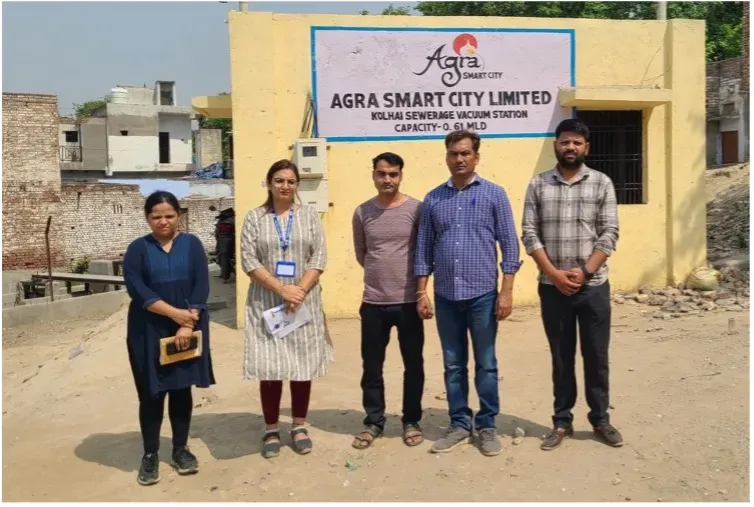
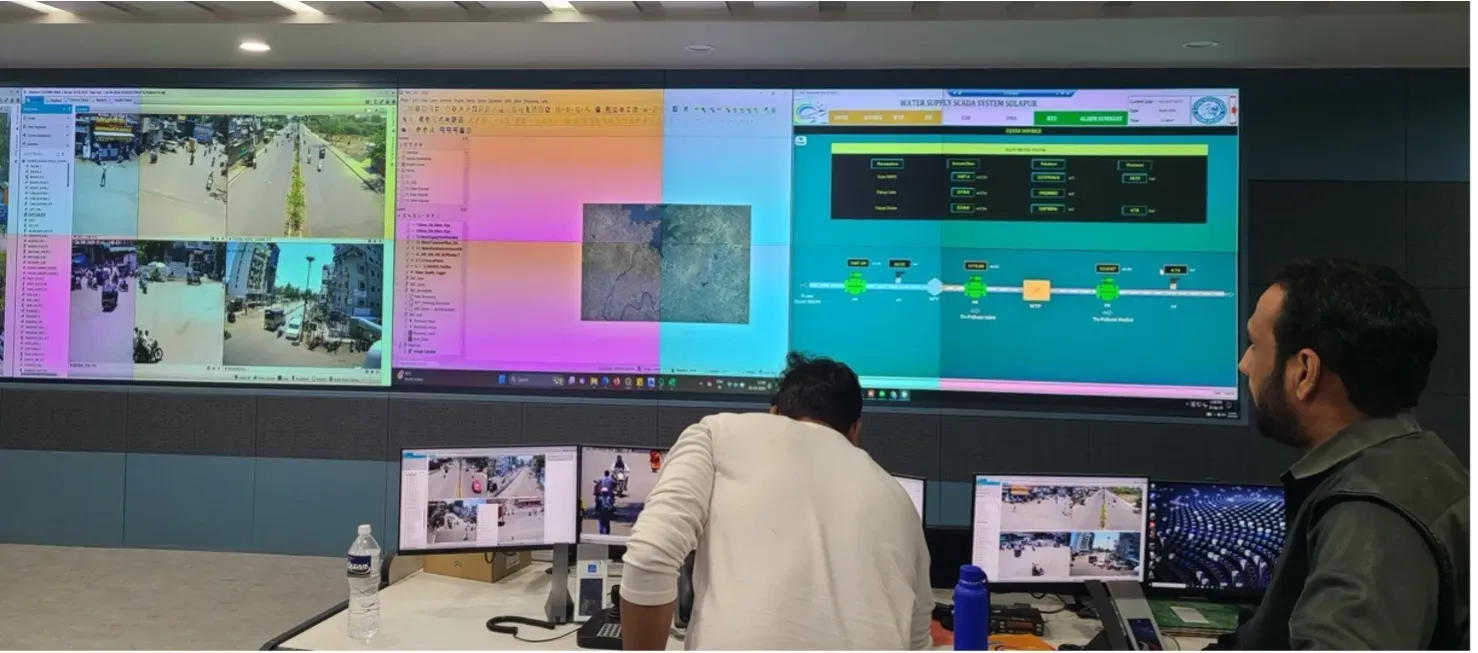
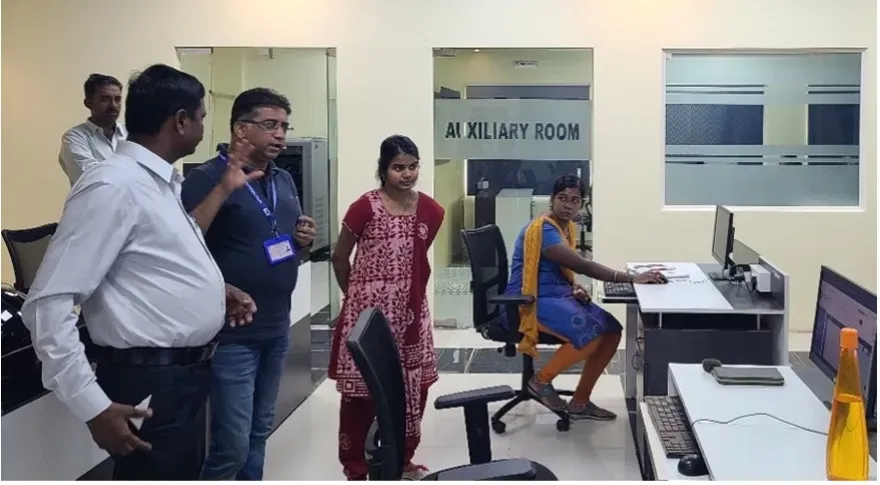
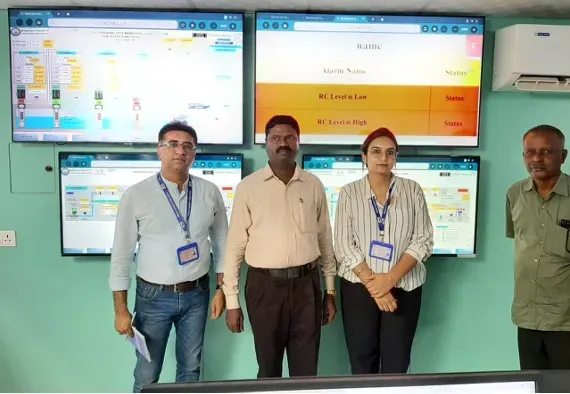
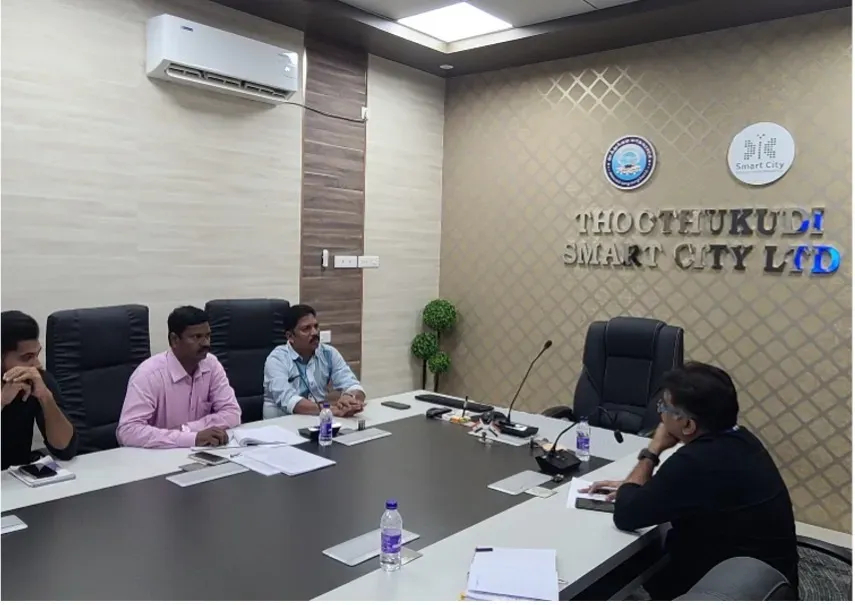
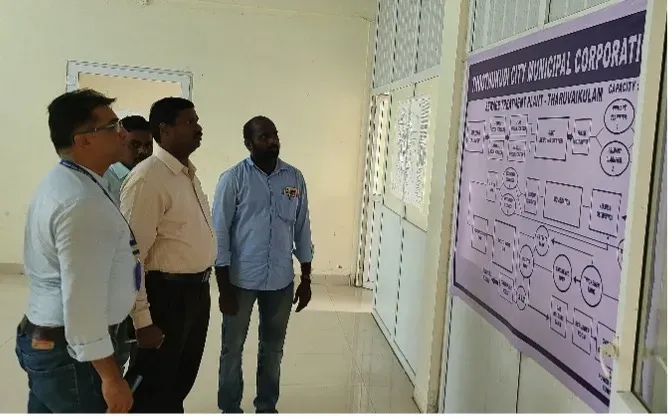
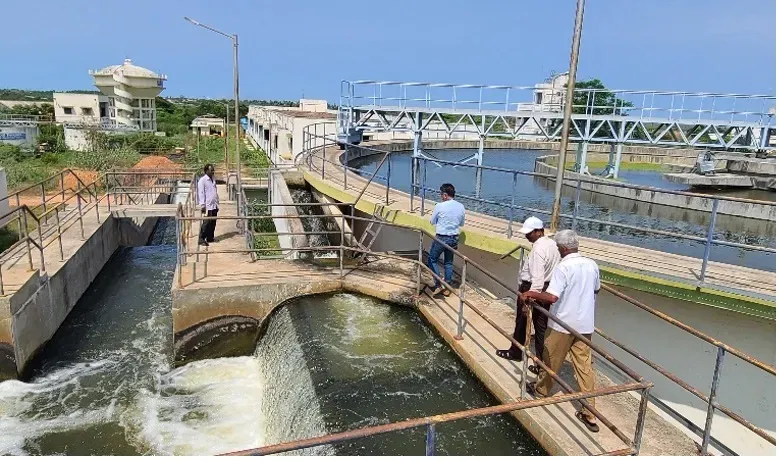
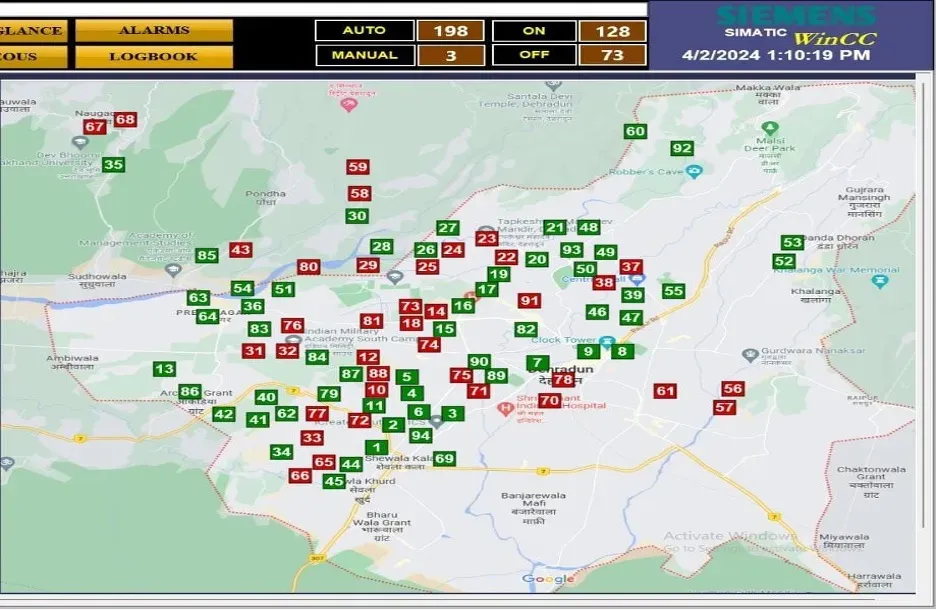
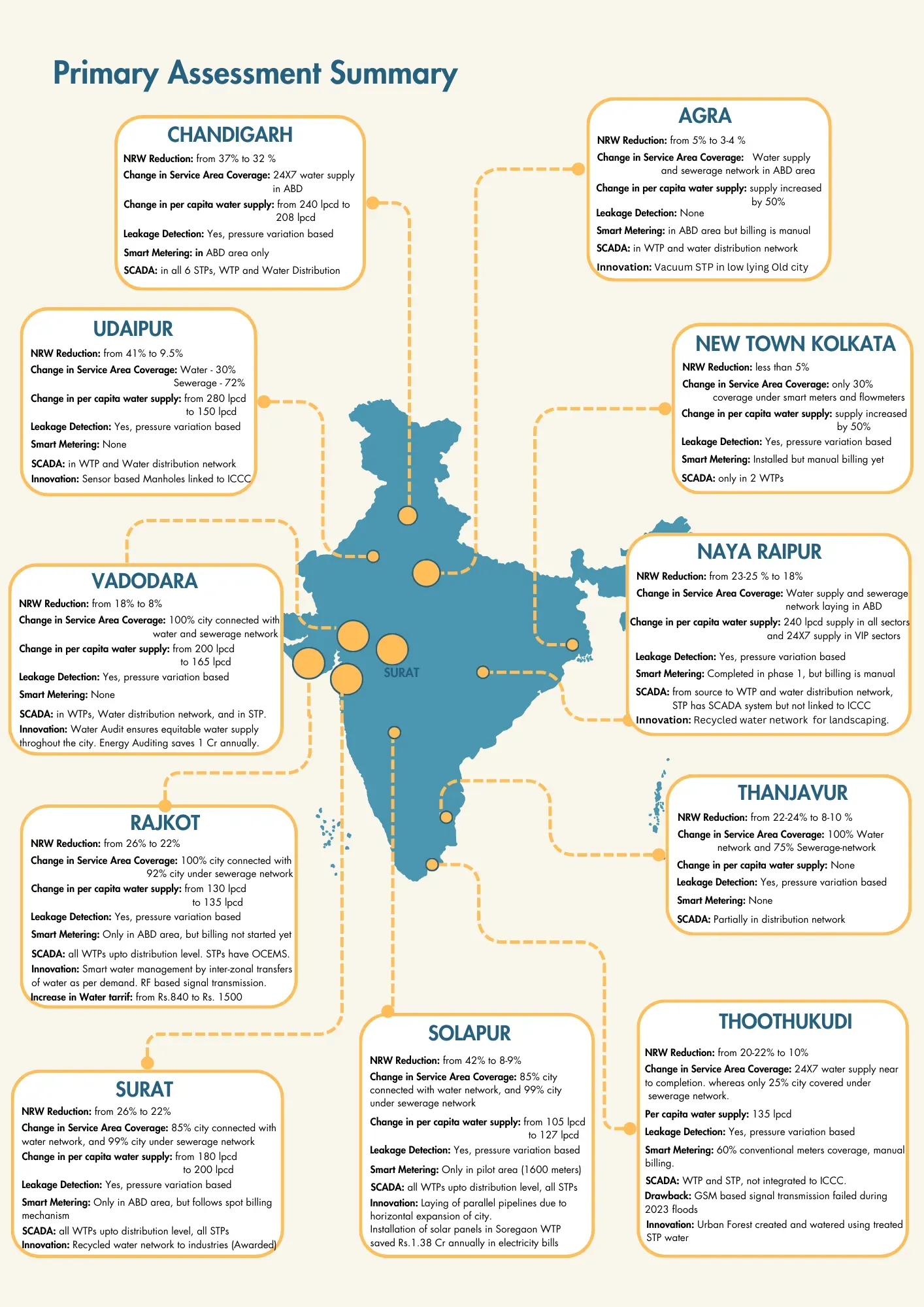
NIUA's Water and Environment vertical led the assessment for ICT use in water supply and sewerage services, covering a secondary assessment of all 100 Smart Cities and an in-depth primary assessment of four cities — Agra, Rajkot, Solapur, and Thoothukudi. Interventions assessed include SCADA applications in water and wastewater treatment plants and pumping stations, DMA zonation, smart metering, 24×7 water supply, smart water management, water auditing, smart grids for wastewater reuse, smart toilets, IoT-based flow metering, pipeline laying, household sewer connections, and augmentation of STPs and WTP sources.
The study evaluates these interventions through the lens of governance, service level improvements, and citizens' perspectives, identifies implementation challenges, and provides recommendations for similar missions at the national, state, and city levels.

94
Cities responded to the national-level assessment questionnaire.
63
Cities have implemented ICT-based projects in water supply and sewerage services
9,65,176
Smart meters installed in 30 cities for accurate billing and leakage detection
Adoption of ICT in urban water systems under the Smart Cities Mission is a critical step towards accountable governance, operational efficiency, and long-term sustainability.

Know More