Towards Adoption of Data-driven Integrated Urban Water Management (IUWM) in India
Resource Partners: UNESCO, New Delhi Office
Partners: Gwalior Municipal Corporation , AccionLAND Pvt. Ltd.
Duration: July 2023 - March 2025

About
India's cities face mounting water challenges — from overburdened supply networks and inadequate sanitation to rising flood risk and fragmented governance. Addressing these demands more than isolated fixes; it requires a holistic, coordinated approach that sees the urban water cycle as a whole.
Integrated Urban Water Management (IUWM) offers exactly that. By treating water supply, sanitation, and stormwater as interconnected systems rather than separate silos, IUWM provides a framework for smarter, more resilient urban water planning. Yet one of the most persistent barriers to its adoption in India has been the absence of a robust, unified data foundation to guide decision-making.
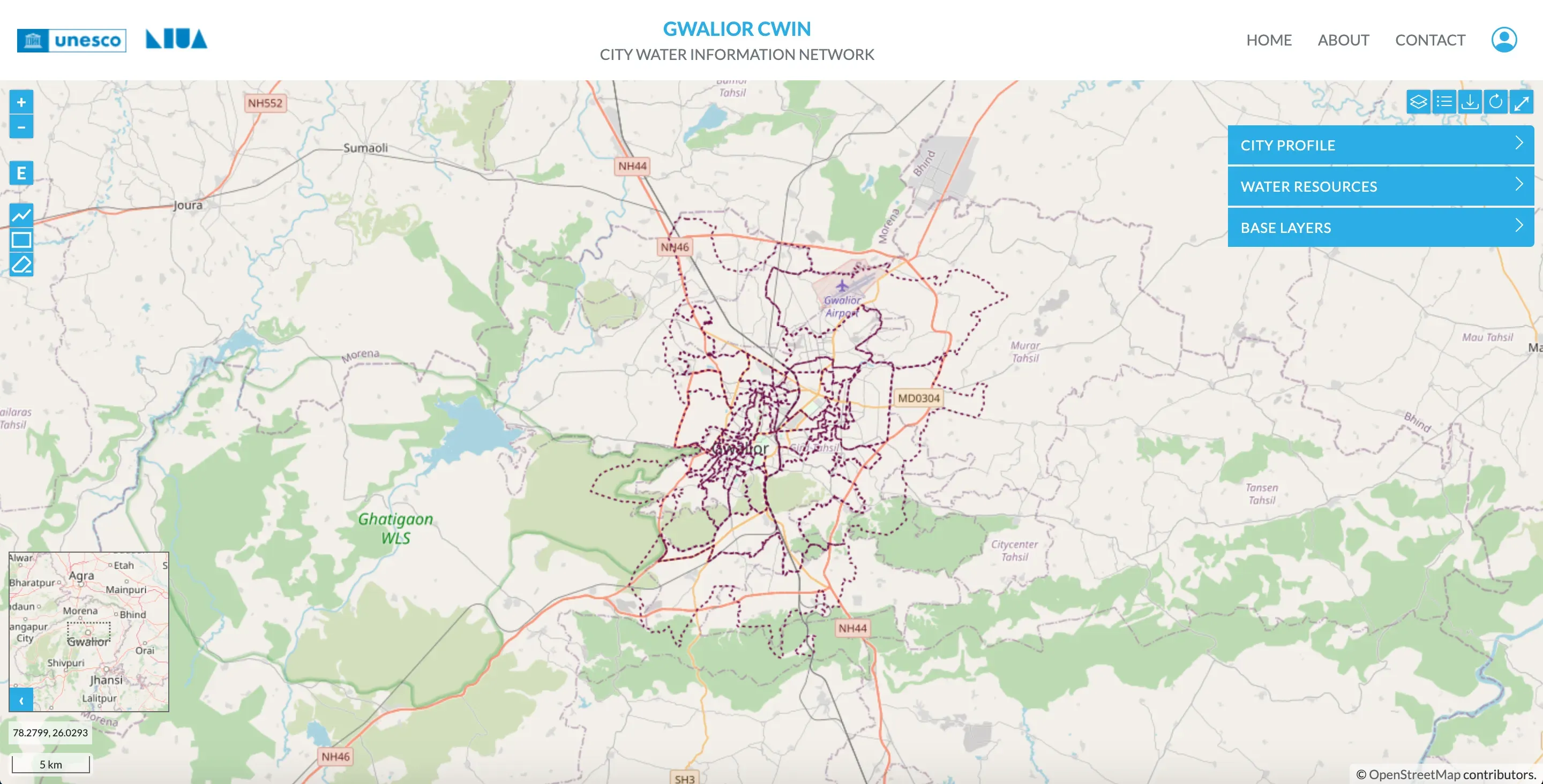
CWIN — the City Water Information Network — was built to change that.
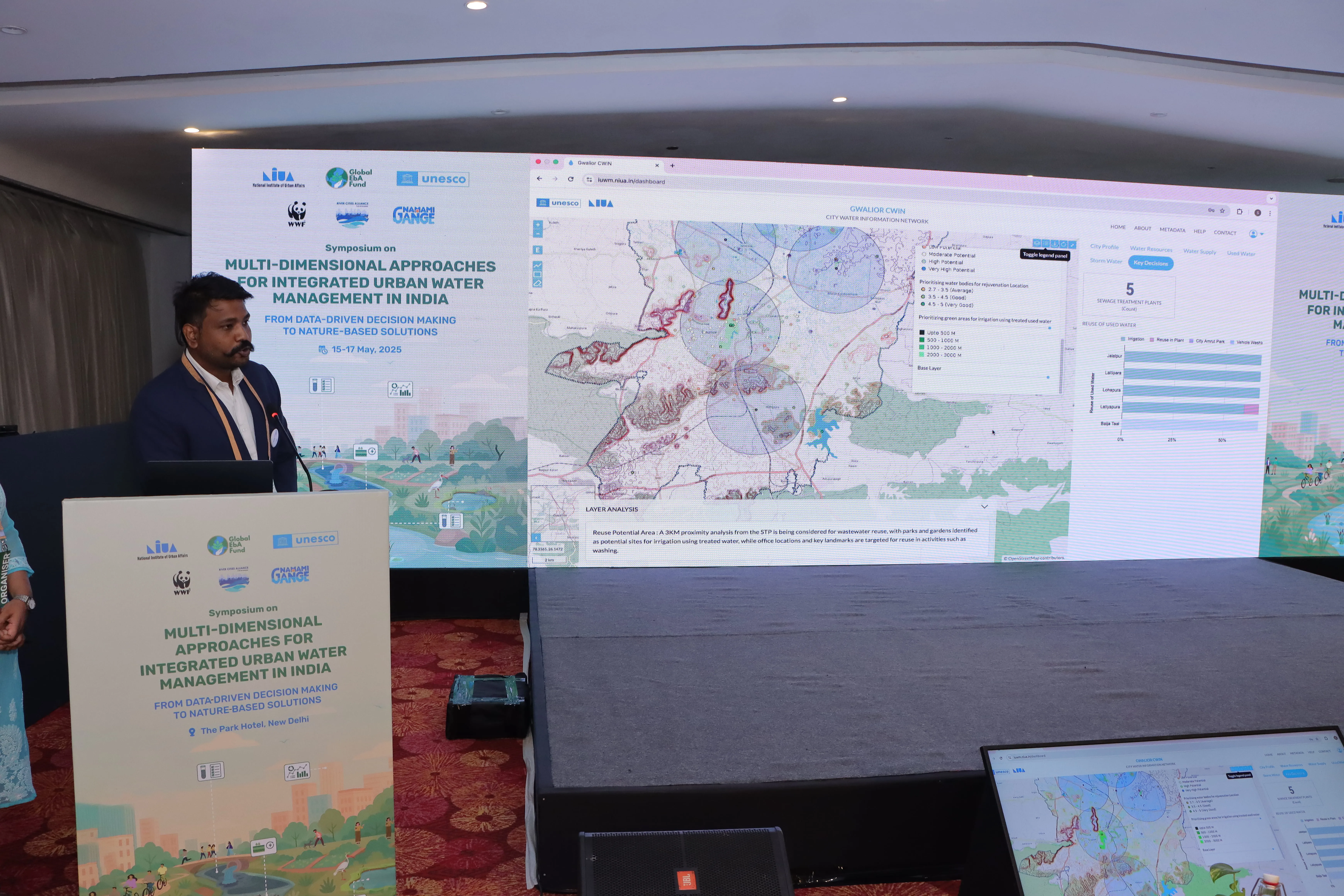
Developed for Gwalior, CWIN is a dynamic, data-driven dashboard that brings together the city's entire urban water ecosystem in one place: water resources, supply networks, wastewater, stormwater systems, the city's Master Plan, and spatial data. It offers real-time visualisation of water-related information, identifies flood-prone zones and groundwater recharge hotspots, maps optimal areas for treated wastewater reuse, and flags communities most vulnerable to flooding. It also highlights opportunities for afforestation and helps municipal officers and planners move from weeks of manual analysis to instant, actionable insight.
More than a tool for Gwalior, CWIN is envisioned as a replicable model — a proof of concept that other Indian cities can adapt as they navigate their own water futures.
30+
Data points for integrated urban water management captured
2000+
Groundwater wells inventoried
35+
Cities trained in developing IUWM dashboards
Events
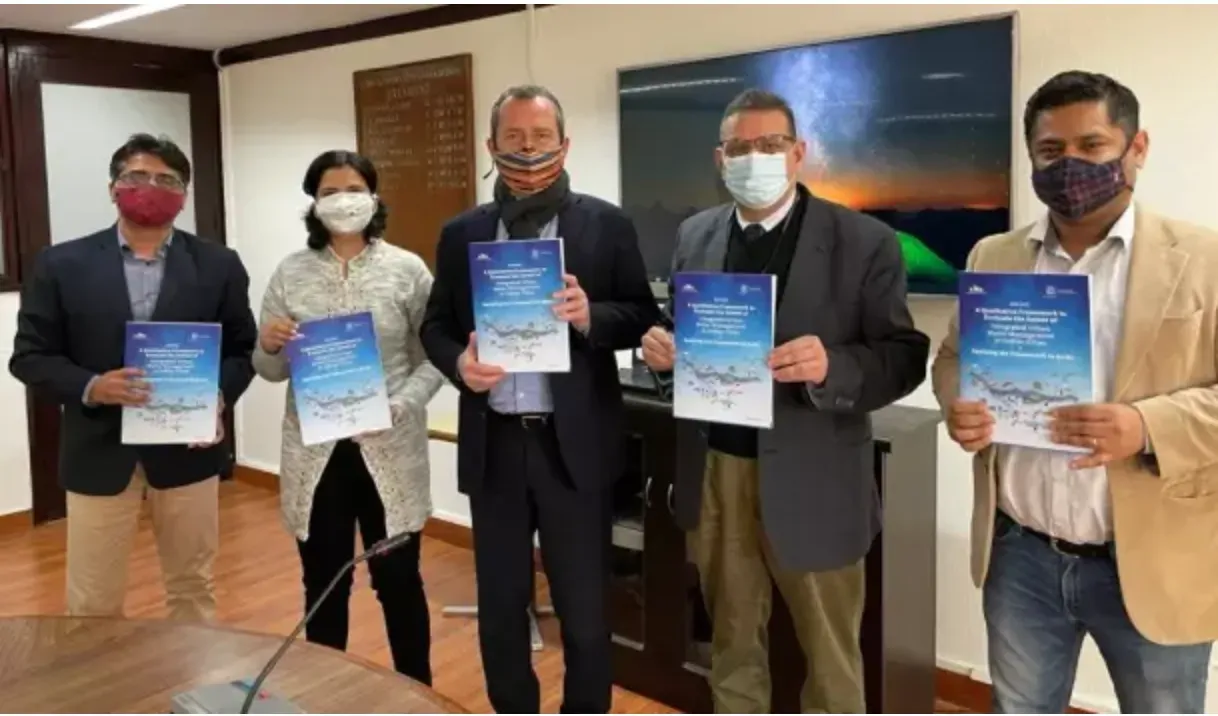
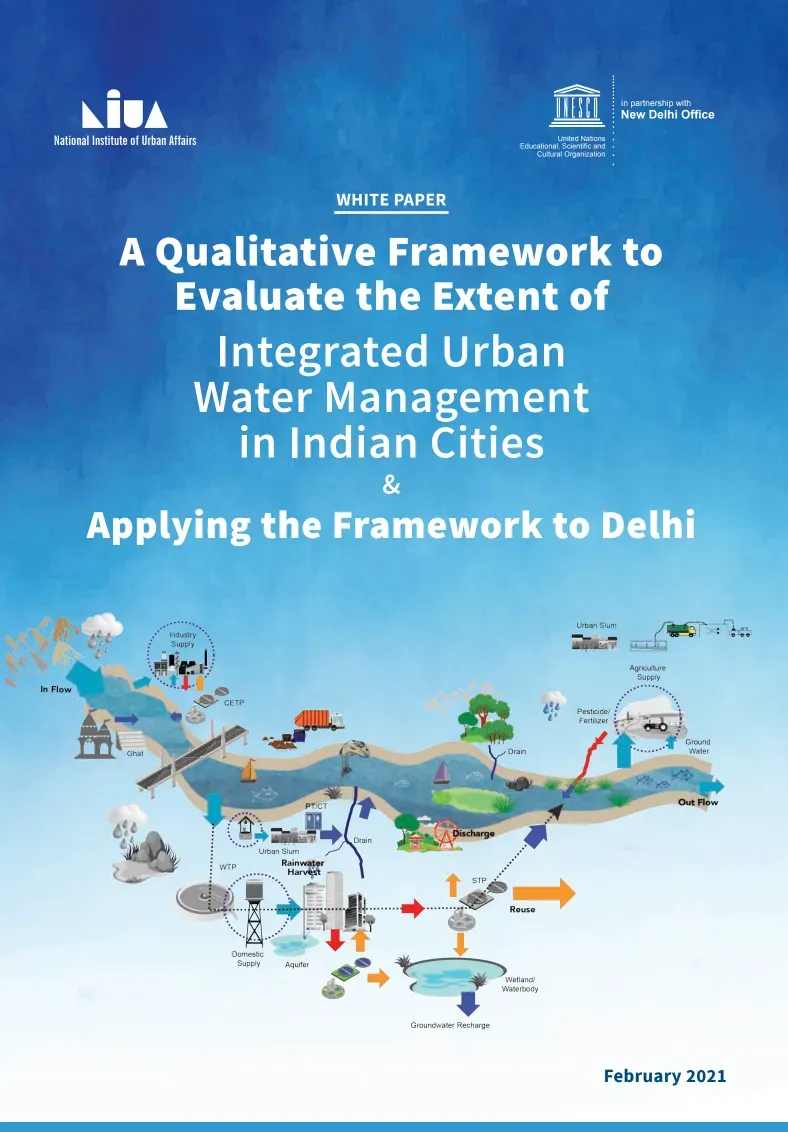
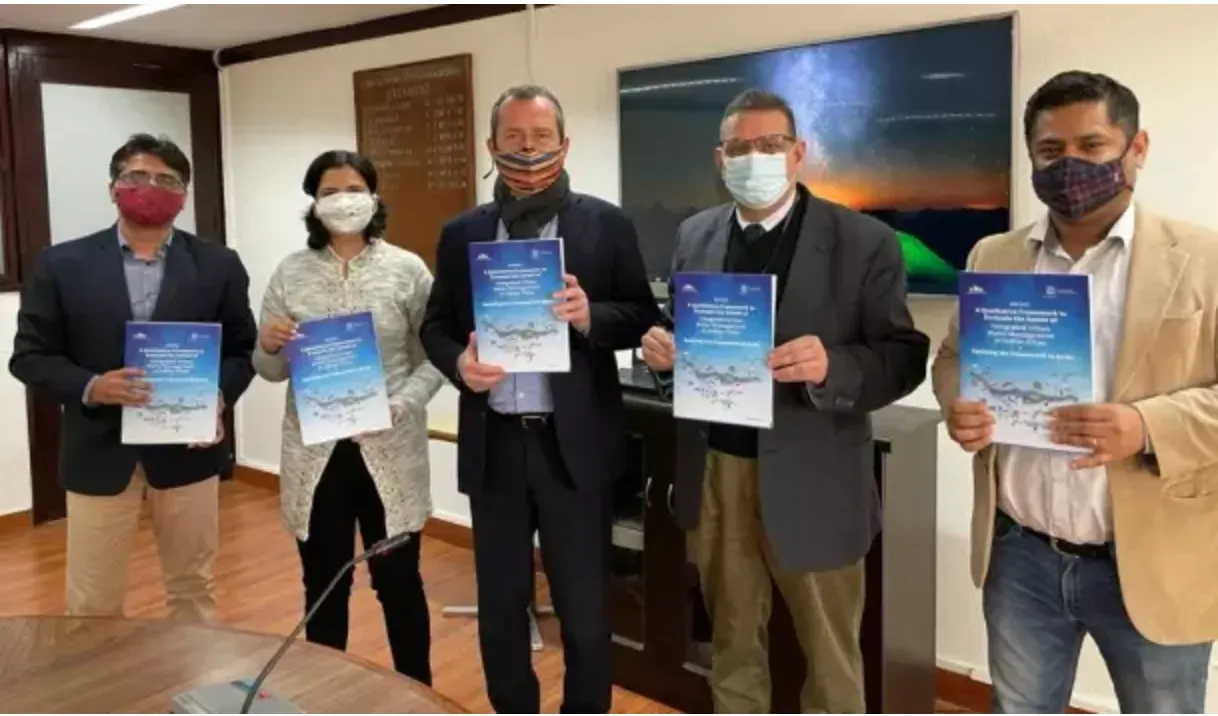
Launch of the White Paper on “A Qualitative Framework to Evaluate the Extent of Integrated Urban Water Management in Indian Cities”
 New Delhi
 February 2021 - February 2021
<p dir="ltr">On 3 February, UNESCO New Delhi and the National Institute of Urban Affairs (NIUA) jointly launched a white paper titled <em>"</em>A Qualitative Framework to Evaluate the Extent of Integrated Urban Water Management (IUWM) Implementation in Indian Cities" at the NIUA Centre in New Delhi.</p><p dir="ltr">The white paper was unveiled by Eric Falt, Director of UNESCO New Delhi, and Hitesh Vaidya, former Director of NIUA. It introduces a set of 10 qualitative criteria to assess the level of IUWM implementation in Indian cities, providing a structured approach to identifying existing gaps and areas for improvement. As an initial application, the framework has been used to evaluate Delhi’s performance in adopting integrated and sustainable urban water management practices, providing valuable insights for future planning and policy action.</p>
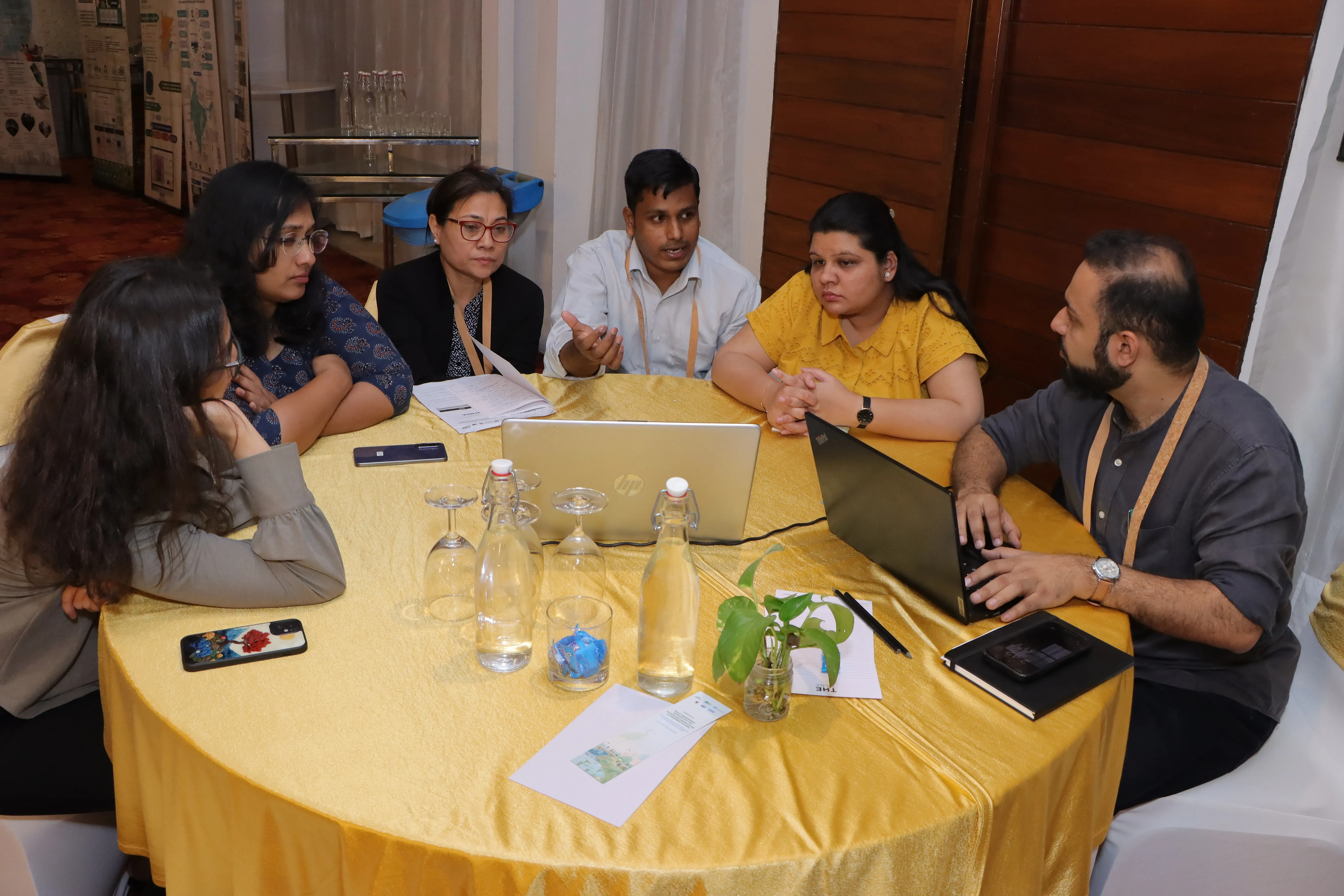
NIUA-UNESCO Expert Consultation Workshop on 'Promoting Data-Driven Integrated Urban Water Management (IUWM) in Indian Cities'
New Delhi
March 2024 - March 2024
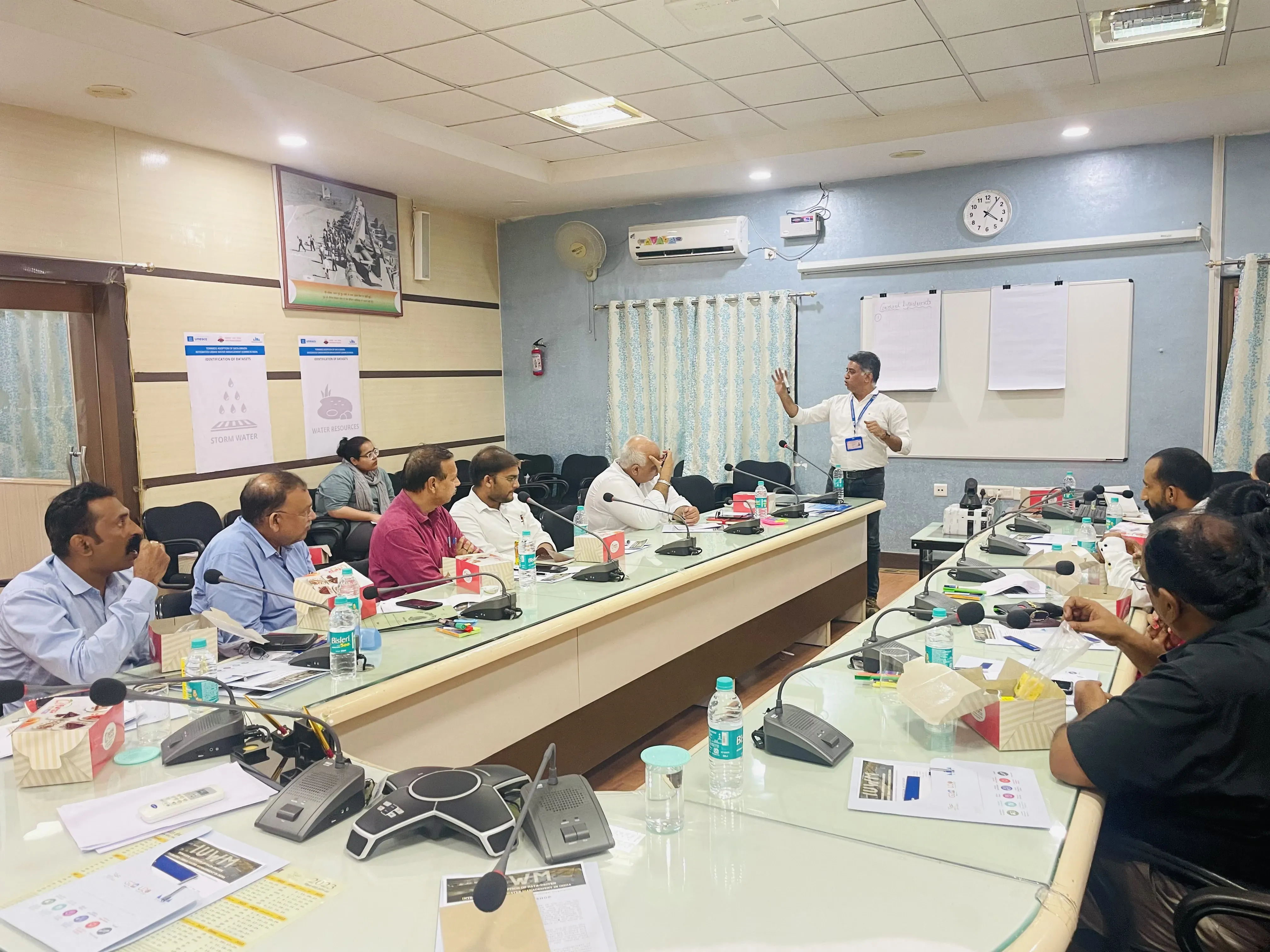
<p>One of the key objectives of the project is to develop a comprehensive database of water-related information that can facilitate integrated urban water management initiatives in cities. To achieve this, the workshop was successfully conducted, seeking input from a select group of experts, to help shape the nature, structure, and outlook of the database.</p>
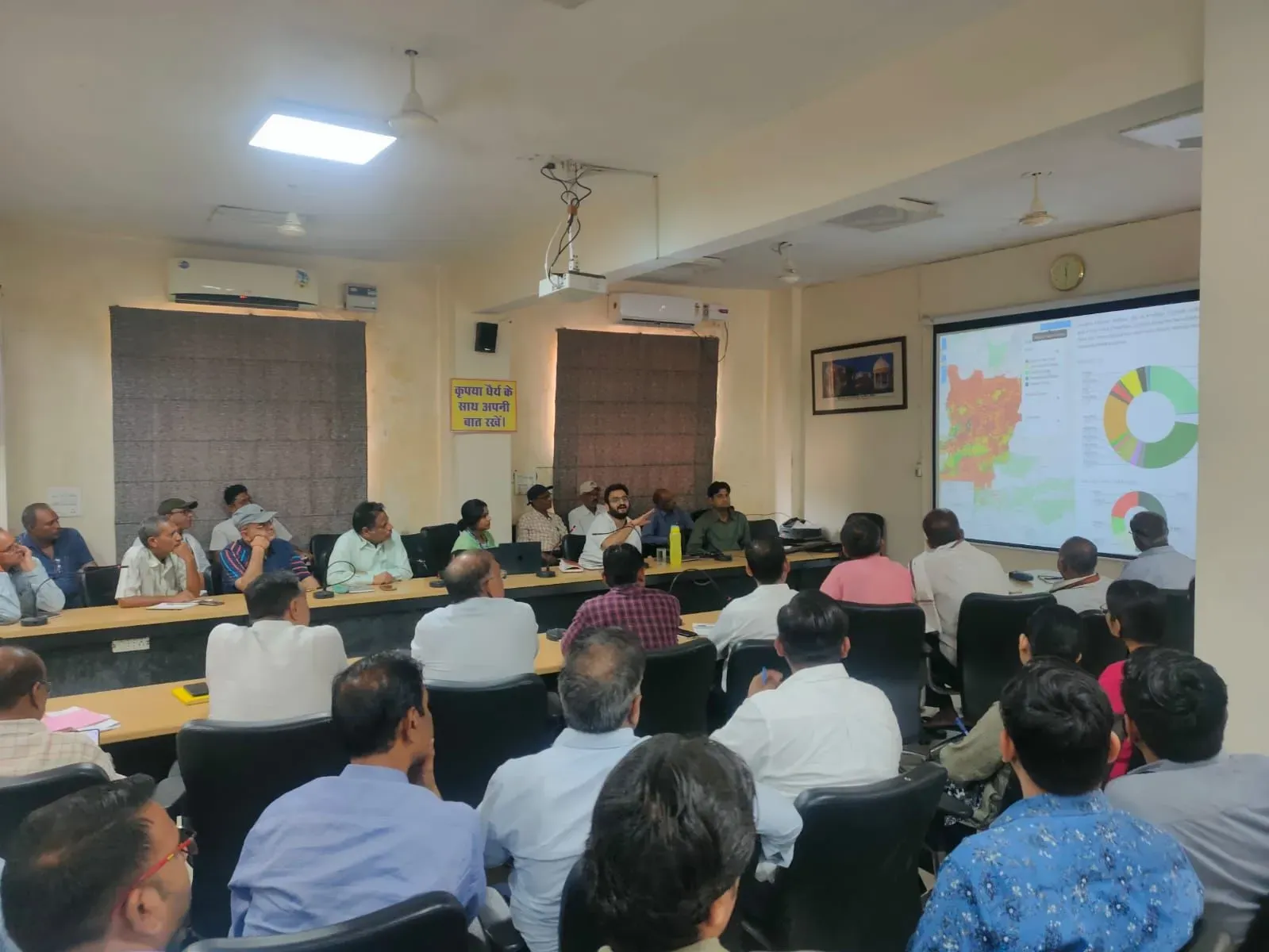
Training Workshop on the City Water Information Network (CWIN) Dashboard in Gwalior
Gwalior
June 2025 - June 2025
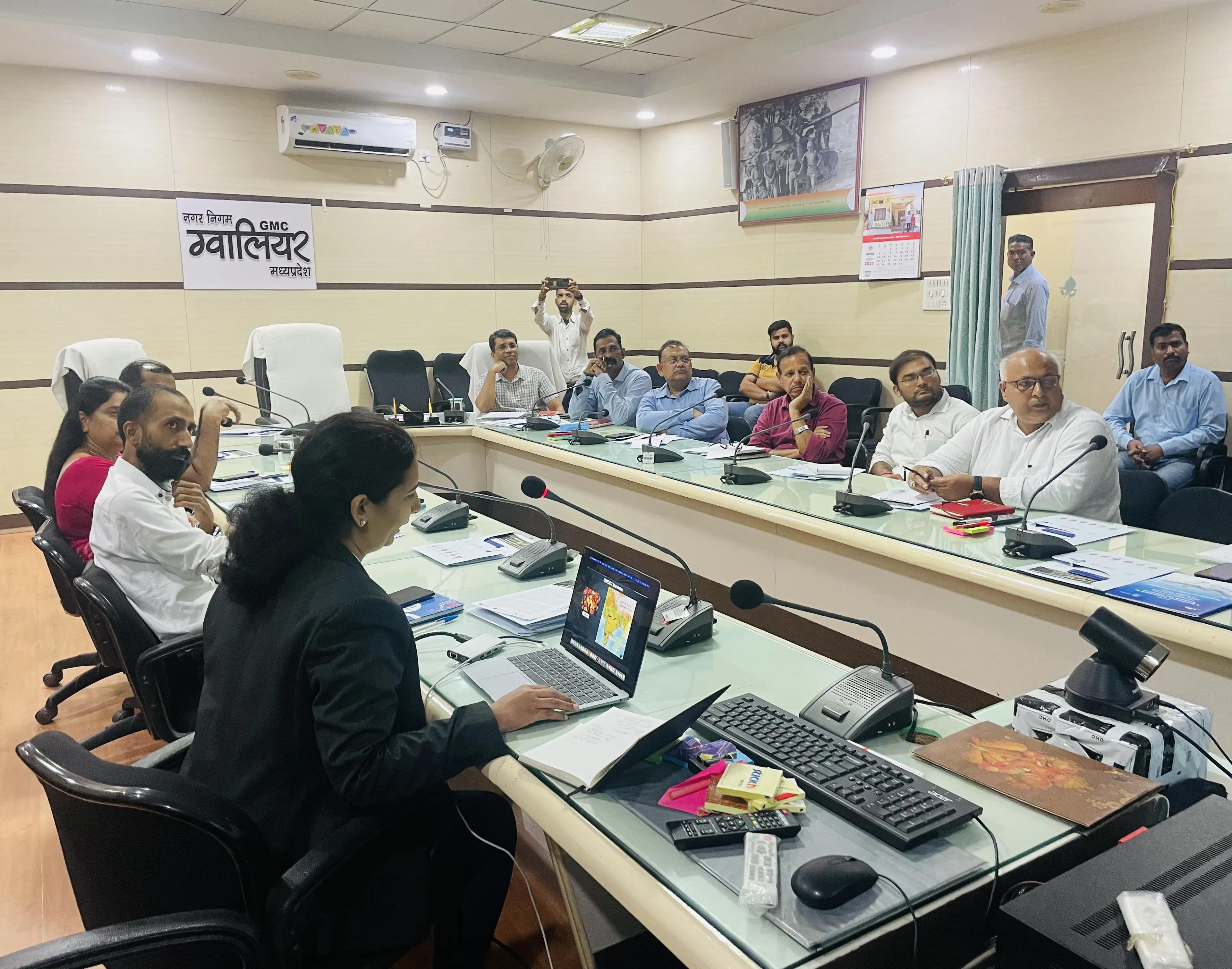
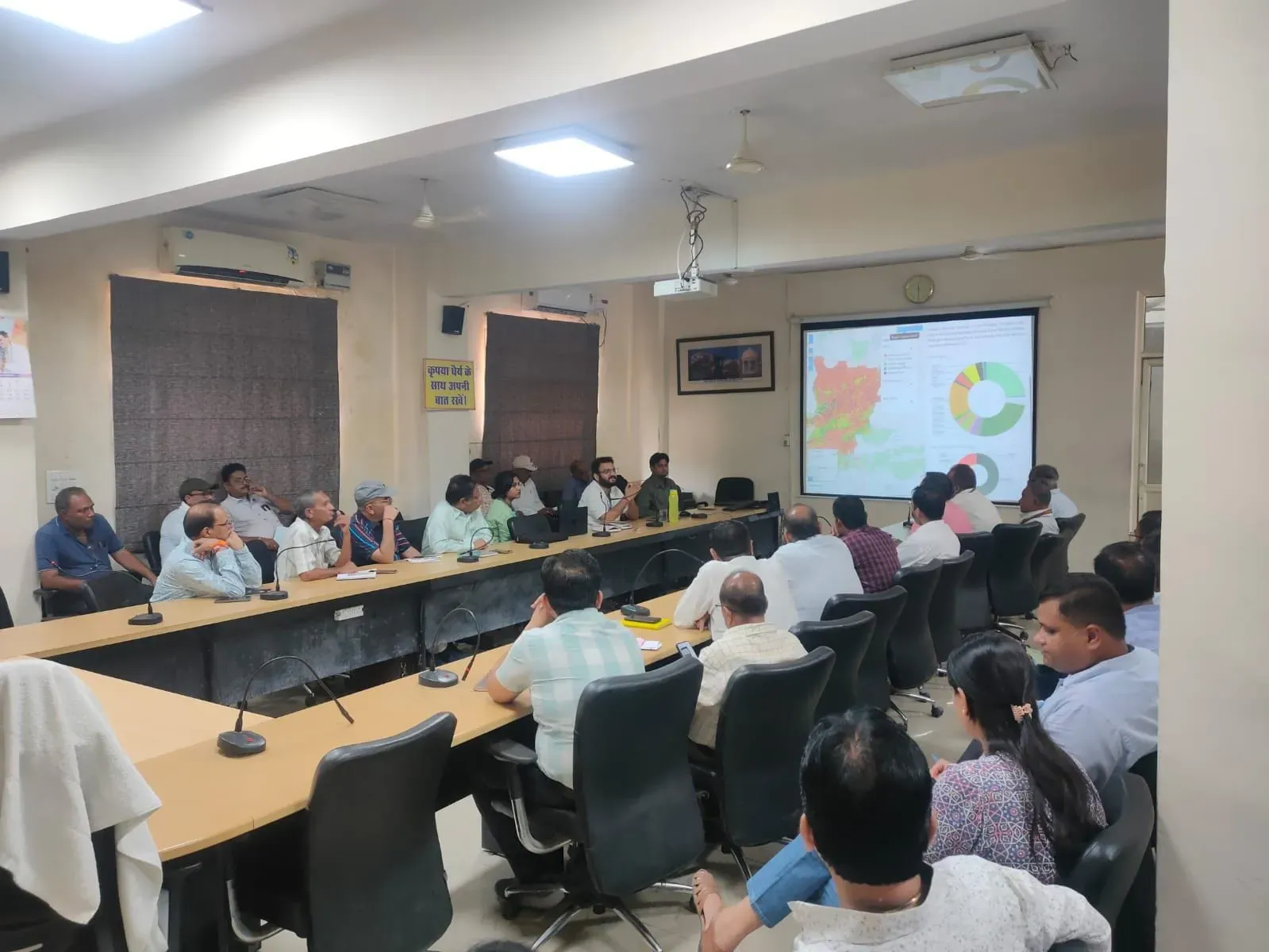
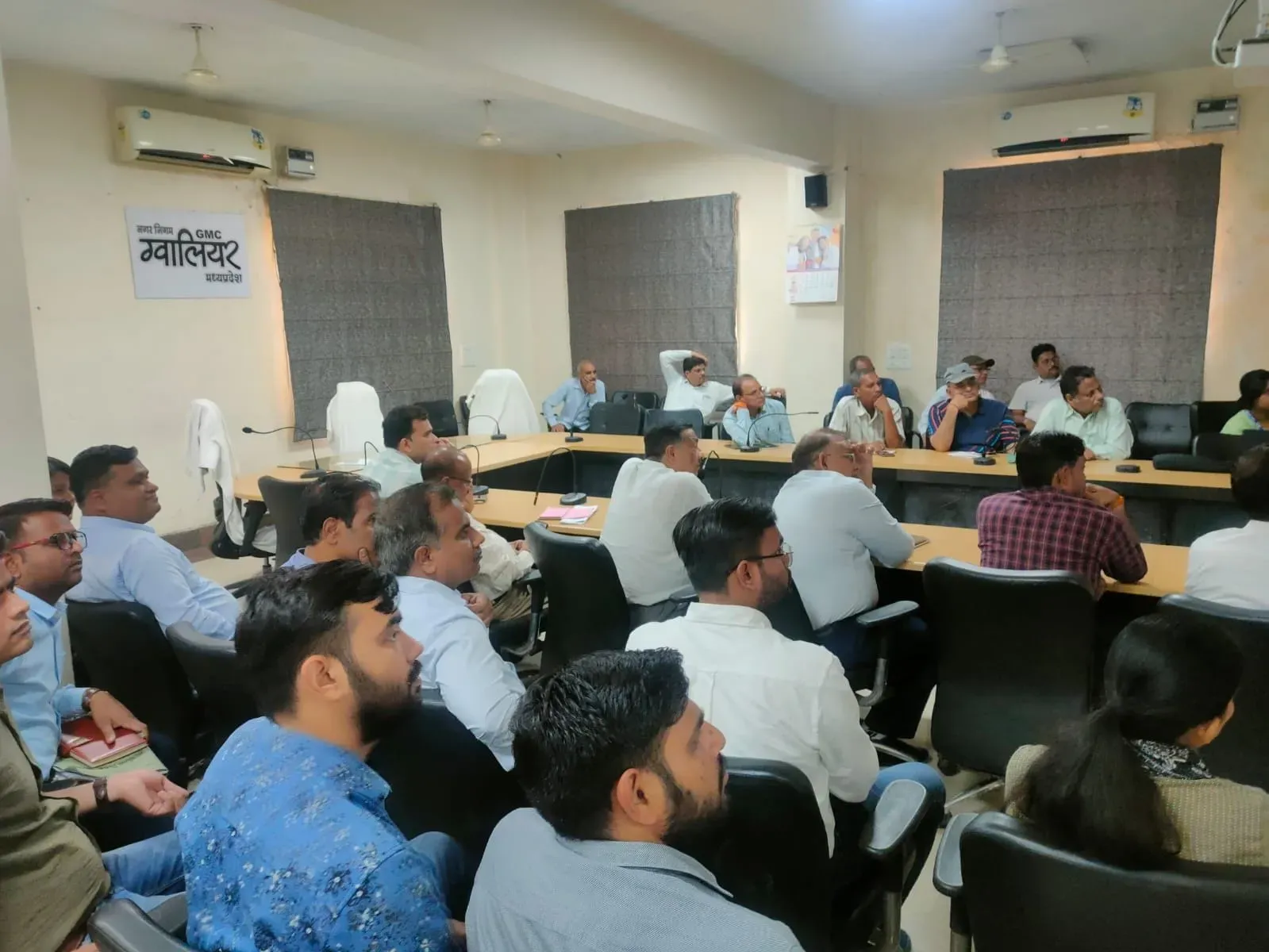
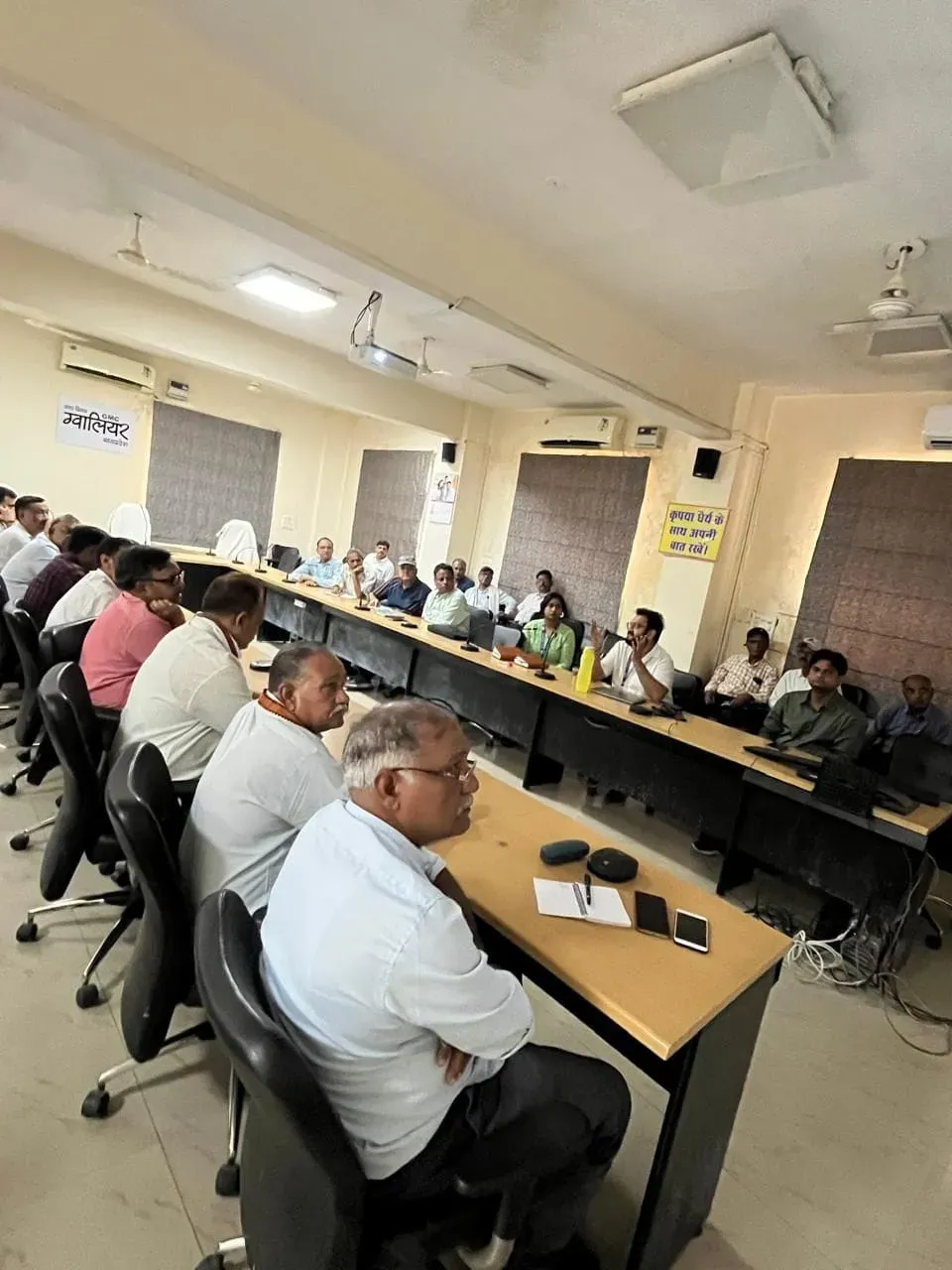
<p dir="ltr">On 13th June 2025, the NIUA Water and Environment team conducted a focused training workshop on the City Water Information Network (CWIN) dashboard for 68 officials of the Gwalior Municipal Corporation, including senior leadership and ward-level engineers. </p><p dir="ltr">Developed in partnership with UNESCO New Delhi and the Gwalior Municipal Corporation, CWIN integrates real-time, spatial, and historical data on water supply, wastewater, stormwater, flooding, recharge zones, and urban planning into a single digital platform.</p><p dir="ltr">The training equipped municipal staff to visualise and interpret complex urban water data, identify flood-prone zones and groundwater recharge hotspots, and streamline water-related decision-making using the dashboard.</p><p dir="ltr">Encouragingly, participants provided constructive feedback and expressed strong interest in continued training and support, reflecting genuine local ownership of the tool. Building on this momentum, Gwalior is now exploring a broader collaboration with NIUA, with the possibility of developing a comprehensive Integrated Urban Water Management (IUWM) Plan in the near future.</p><p dir="ltr">The workshop marks a significant step in translating data infrastructure into on-the-ground capacity, bringing evidence-based urban water governance closer to reality for one of India's river cities.</p>

Launch of CWIN at the Symposium on Multi-Dimensional Approaches for Integrated Urban Water Management in India
New Delhi
May 2025 - May 2025
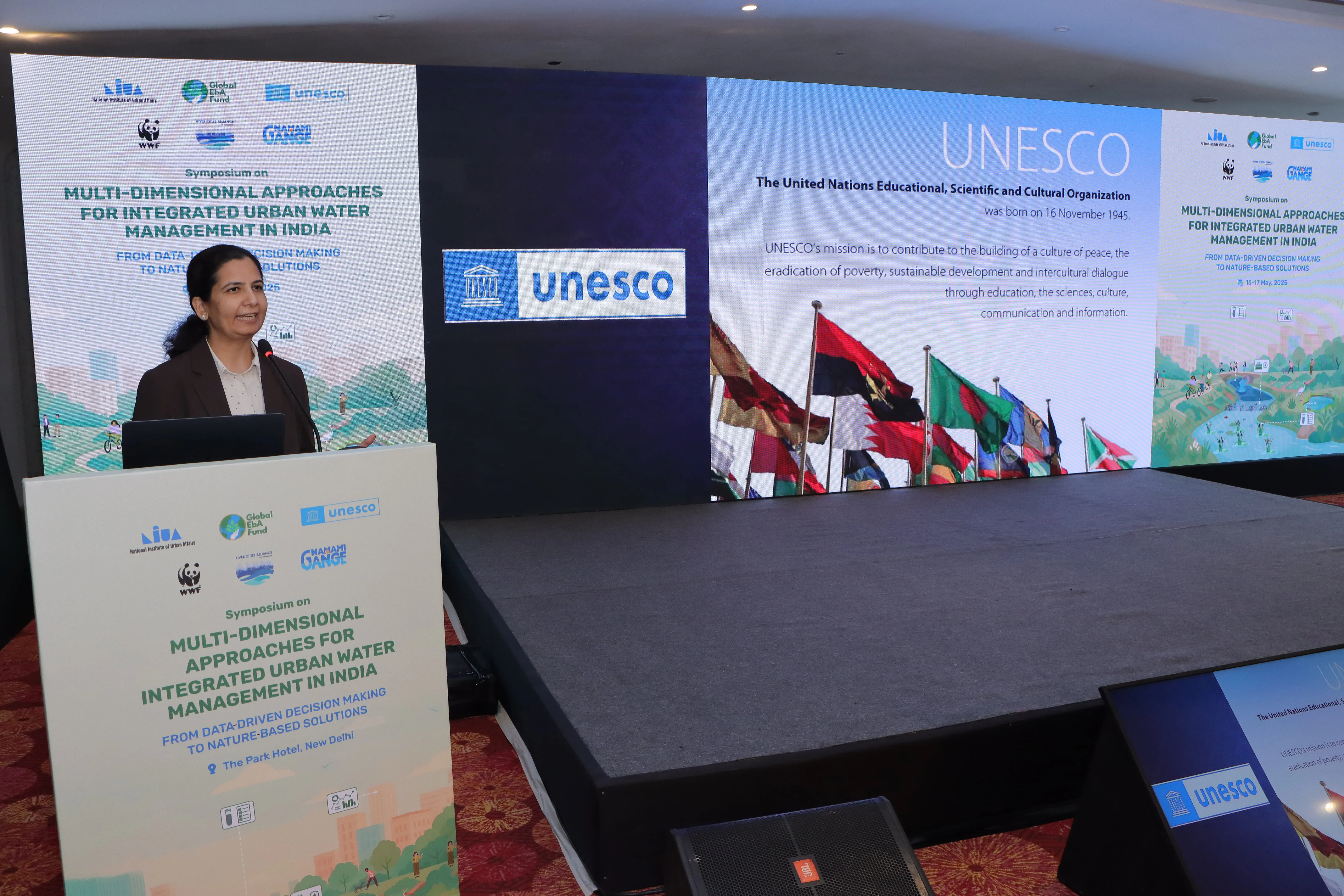
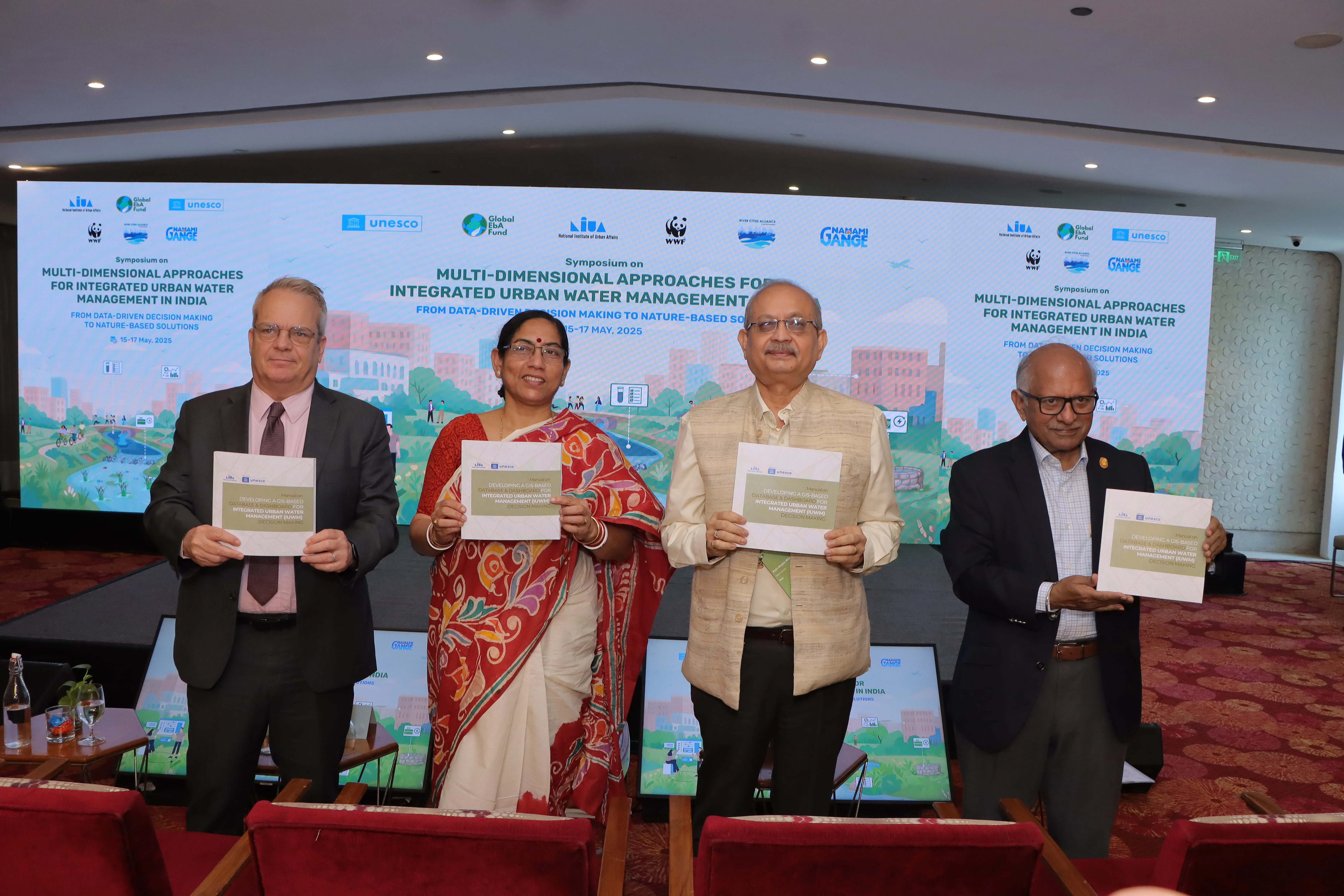
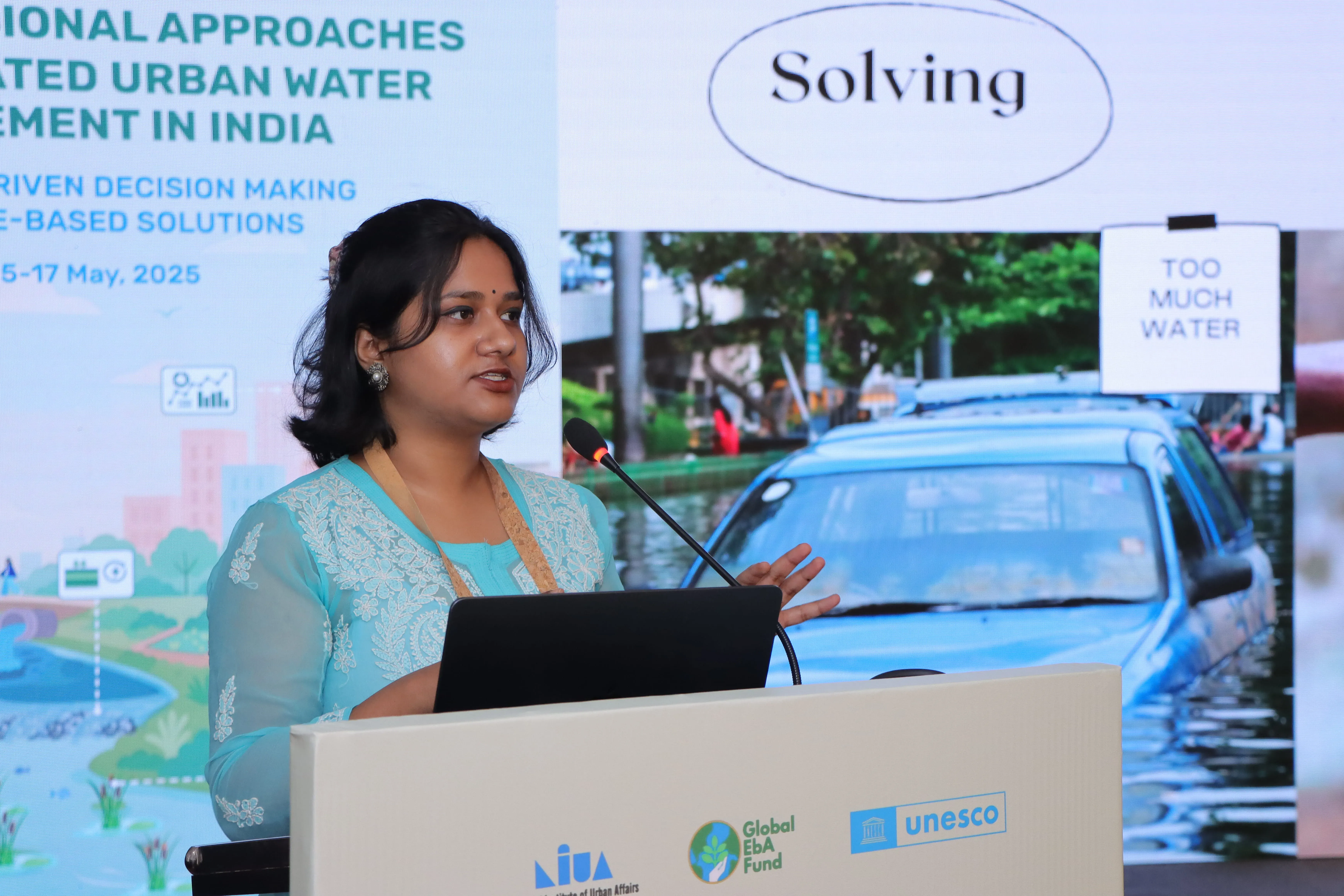
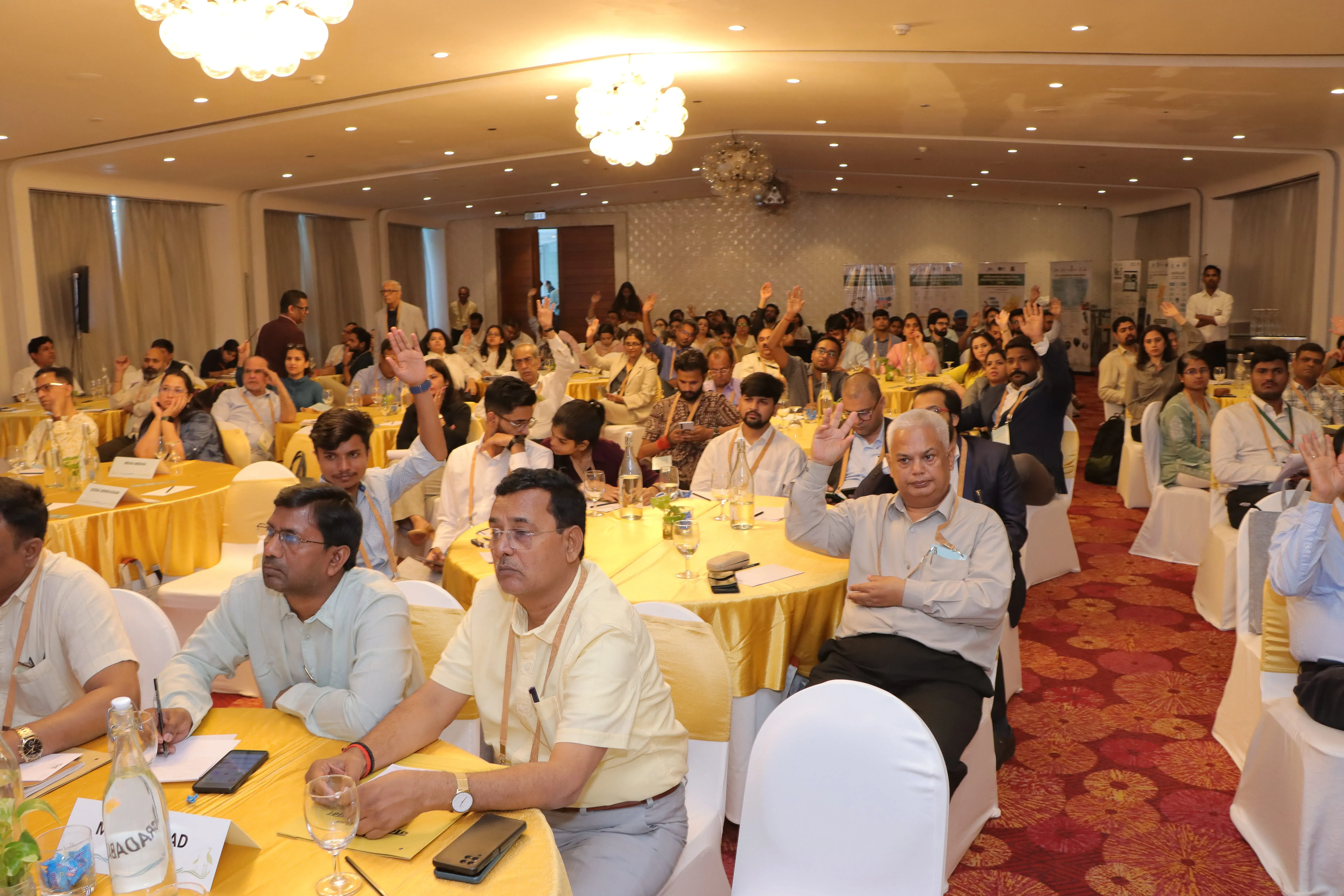
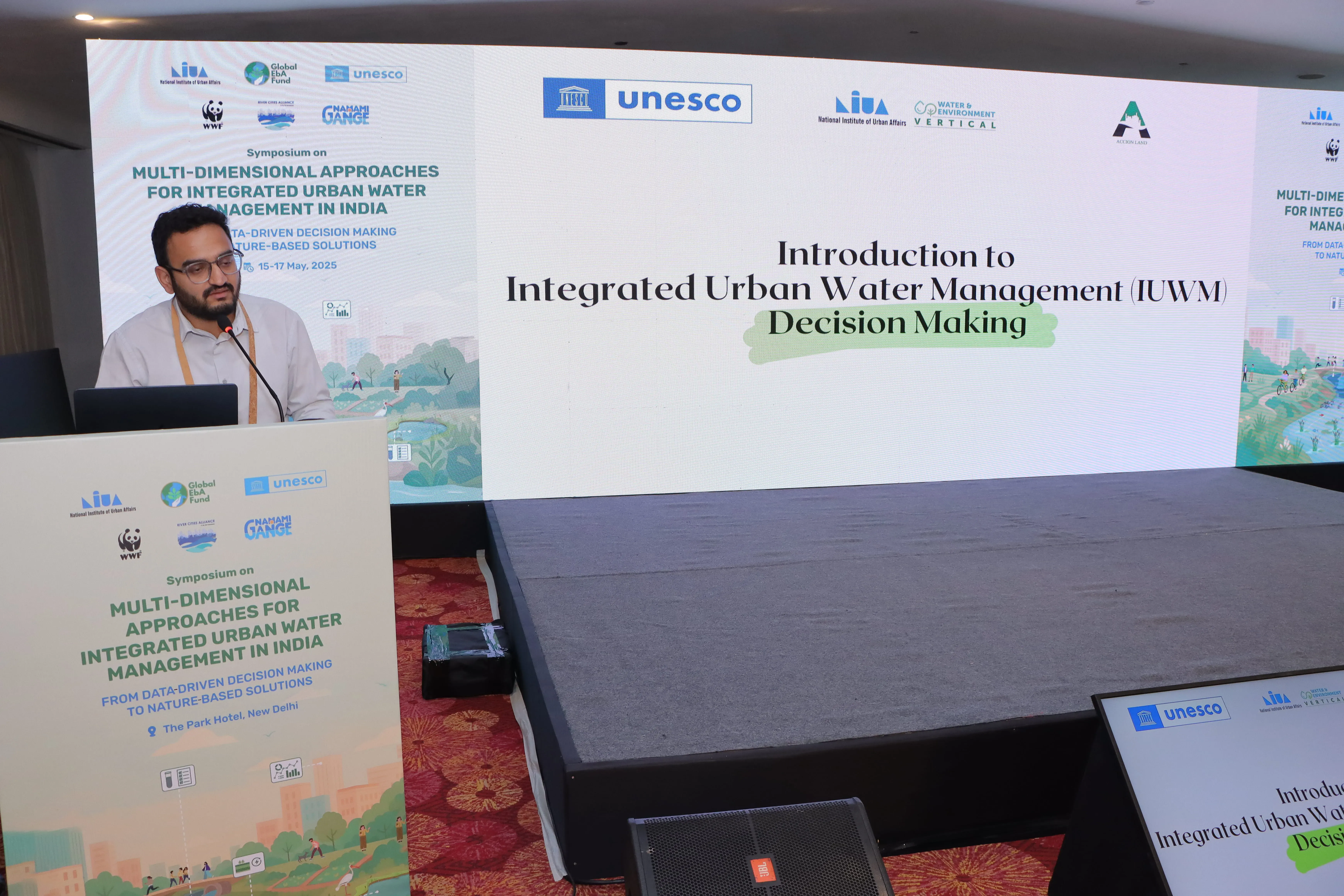
<p dir="ltr">The National Symposium brought together policymakers, researchers, urban planners, and practitioners to explore holistic strategies for water-secure and climate-resilient cities across India. A centrepiece of the event was the launch of the City Water Information Network (CWIN), piloted in Gwalior by NIUA, UNESCO India, and the Gwalior Municipal Corporation. The hands-on initiation of the dashboard demonstrated how integrated digital platforms can enable data-driven urban water governance, translating complex, fragmented water data into instant, actionable insight for municipal officers and planners. </p><p dir="ltr">The symposium also brought together a rich mix of city experiences, expert panels, and interactive tools — spanning nature-based solutions, urban flood management, wastewater reuse, and groundwater revival — drawing on real-world examples from cities including Bangkok, Thane, Bengaluru, Dhanbad, Chennai, and Moradabad. A field visit to Asita East Biodiversity Park along the Yamuna River offered participants a first-hand experience of ecological restoration in action.</p><p dir="ltr">Together, the three days made a compelling case for integrated, inclusive, and innovative approaches to urban water management — with CWIN standing as a tangible example of what data-driven governance can look like in practice.</p>
Know More