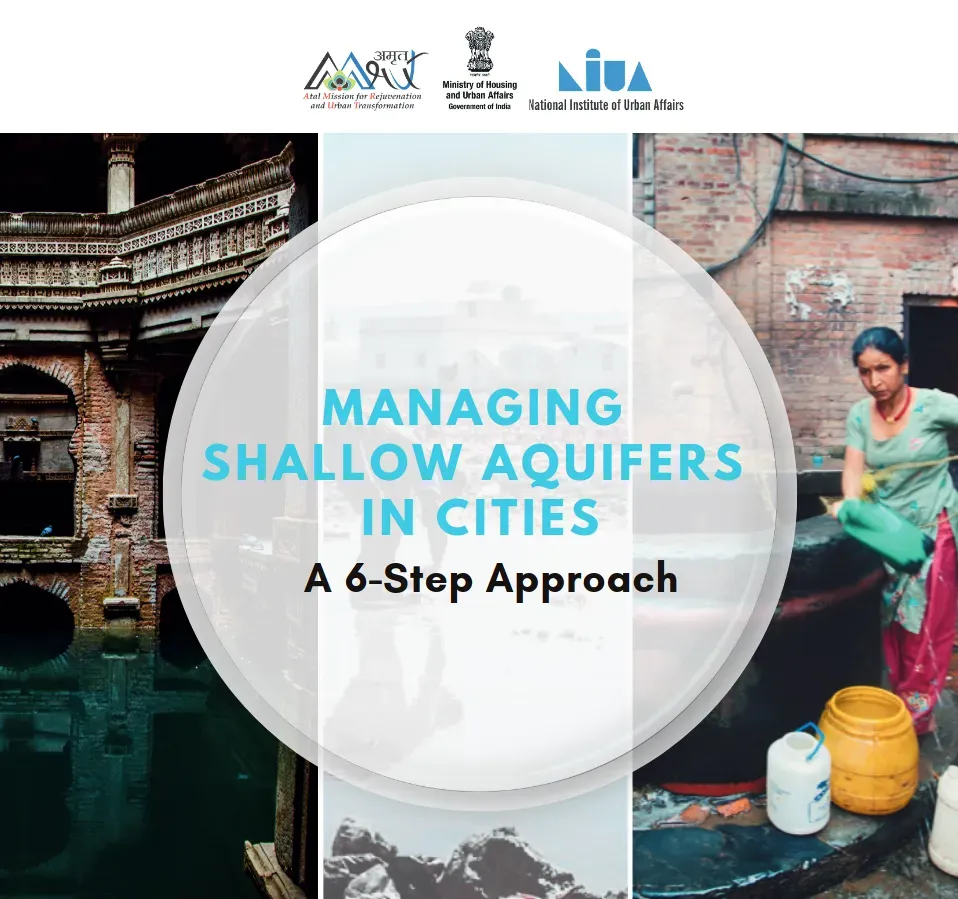
Managing Shallow Aquifers in Cities: A 6-Step Approach
2023
Water security stands at the heart of sustainable development, and its assurance requires a holistic, inclusive, and culturally aware approach. While technical solutions are vital to managing water resources, recognizing the intangible value of water—its cultural, spiritual, and symbolic importance—is equally crucial. Across the world, communities have long celebrated water through festivals, rituals, and beliefs, embedding it deeply into the fabric of daily life. This intrinsic connection with water offers powerful pathways to promote conservation, equity, and long-term sustainability.
The Cambodian Water Festival, Bon Om Touk, is a vivid example of such a cultural celebration, rooted in the natural phenomenon of the Tonle Sap River reversing its flow during the monsoon. The festival draws millions of people to celebrate the life-giving relationship between water, agriculture, and livelihoods. Similarly, in India, the River Ganges is revered as a goddess—Ganga Ma—whose waters are believed to purify the soul and support life. These cultural practices go beyond mere symbolism; they reflect deep-rooted ecological knowledge and social cohesion around water.
In parallel, modern initiatives like Odisha’s "Drink from Tap" Mission demonstrate how blending community participation with technological innovation can transform urban water governance. Implemented by WATCO, the mission ensures equitable access to safe drinking water through decentralized, people-centric systems. By empowering communities and integrating smart management techniques, the initiative offers a replicable model for sustainable urban water supply.
Another emerging frontier is the sustainable management of groundwater, particularly shallow aquifers, which remain crucial to India's urban water security. With Indian cities being the largest groundwater extractors globally, the overexploitation of shallow reserves has led to rapid depletion. Under the AMRUT 2.0 scheme, ten cities have embarked on a pilot Shallow Aquifer Management (SAM) program. This initiative showcases diverse recharge methods, revives traditional water structures, and reconnects communities with age-old water stewardship practices.
This compendium captures these diverse yet interconnected efforts—traditional, institutional, and community-led—to highlight how societies can protect, value, and sustainably manage their water resources. By honoring the tangible and intangible dimensions of water, cities and communities can chart a resilient and inclusive path toward water security.