Shallow Aquifer Management (SAM) 2.0: A Sub-mission under AMRUT 2.0
Resource Partners: Ministry of Housing and Urban Affairs (MoHUA)
Duration: January 2024 - January 2026

About
The Shallow Aquifer Management (SAM) initiative was conceived under the Atal Mission for Rejuvenation and Urban Transformation 2.0 (AMRUT 2.0). SAM 1.0 was launched as a pilot project in 2022 across 9 diverse Indian cities, selected for their varying hydrogeological conditions and severity of groundwater issues. These cities are Bengaluru, Chennai, Dhanbad, Gwalior, Hyderabad, Jaipur, Rajkot, Thane, and Pune. The initiative aimed to demonstrate the effectiveness of strategic interventions in managing shallow aquifers, focusing on aquifer mapping, the construction and restoration of recharge structures, and the integration of groundwater management into urban planning frameworks.
The success of SAM 1.0 was evident in the significant improvements in groundwater levels, strengthened local capacities, and increased public awareness about sustainable water management. Building on these successes and the lessons learned, SAM 2.0 under AMRUT 2.0 now seeks to scale these efforts to 75 additional cities. The initiative is designed to integrate aquifer management into broader urban planning, ensuring that groundwater resources are managed sustainably as cities continue to grow. Through innovative approaches, capacity building, and community involvement, SAM 2.0 will demonstrate how shallow aquifers, often overlooked, can play a crucial role in securing urban water supplies for the future.
Project Coverage & Cluster Distribution

75
cities are to be covered under the project
750-800
recharge structures are to be developed
17
different types of recharge interventions will be targeted
Events
SAM 2.0 Research Writeshop 1
 New Delhi
 November 2025 - November 2025
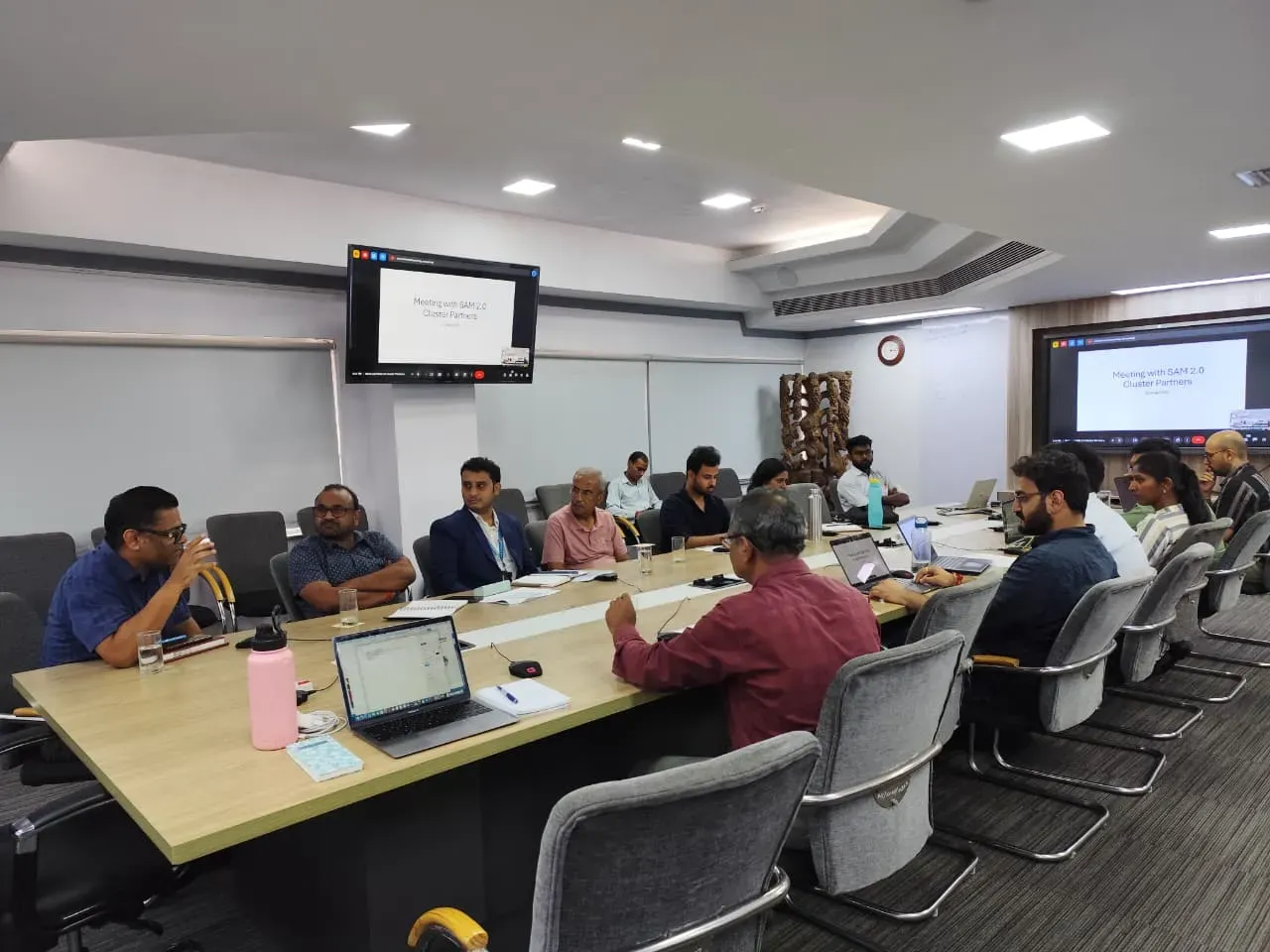
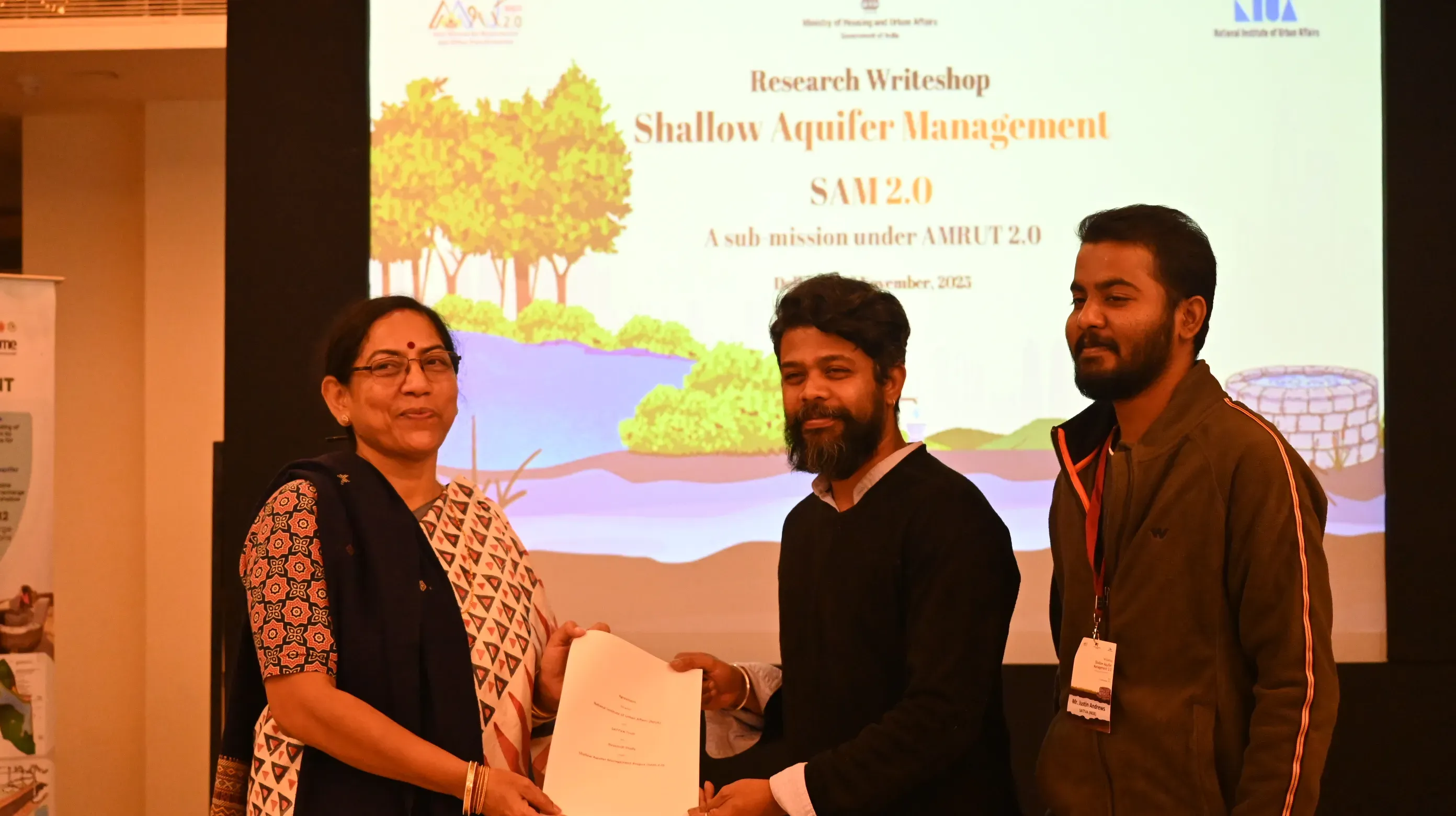
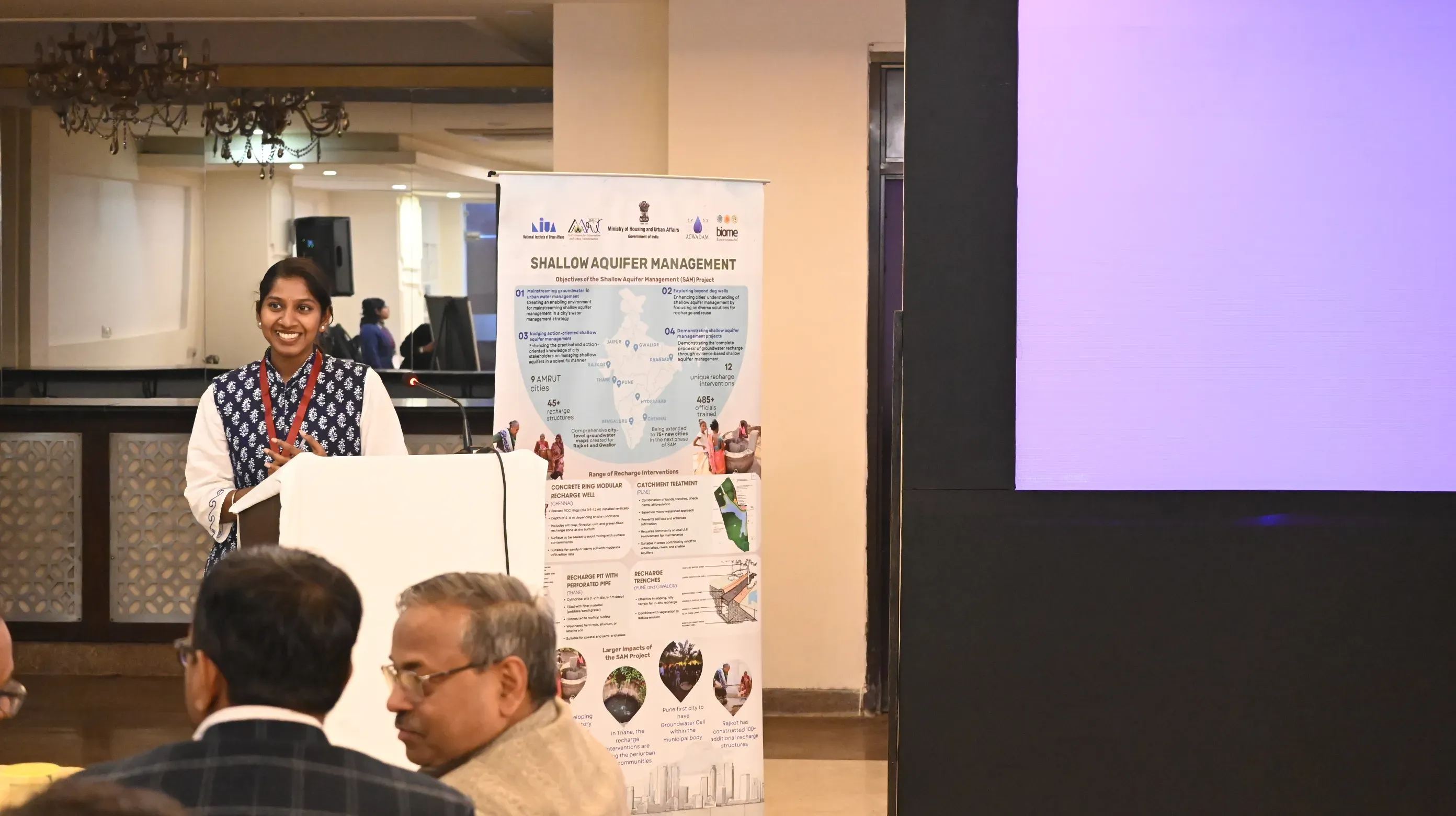
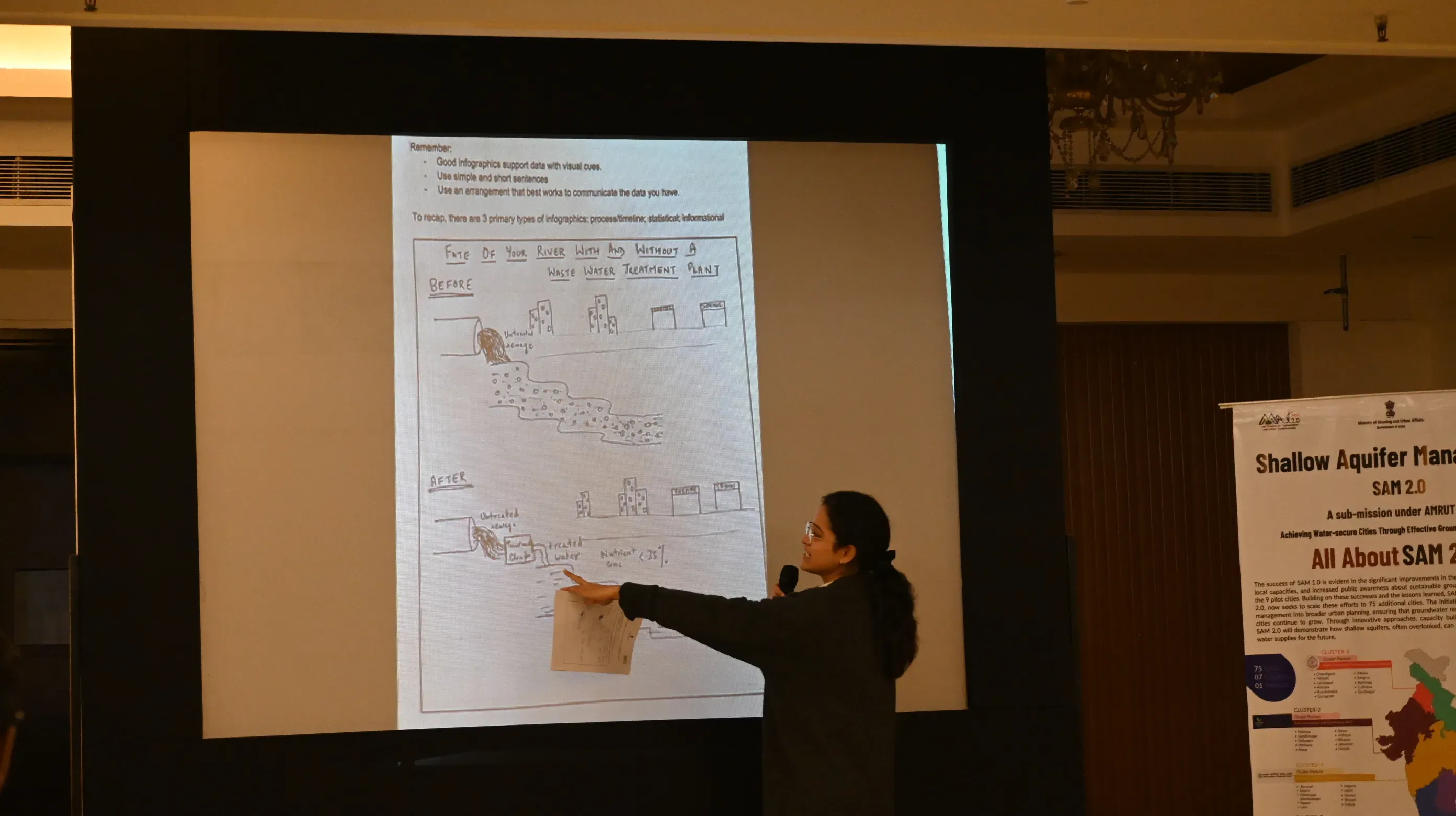
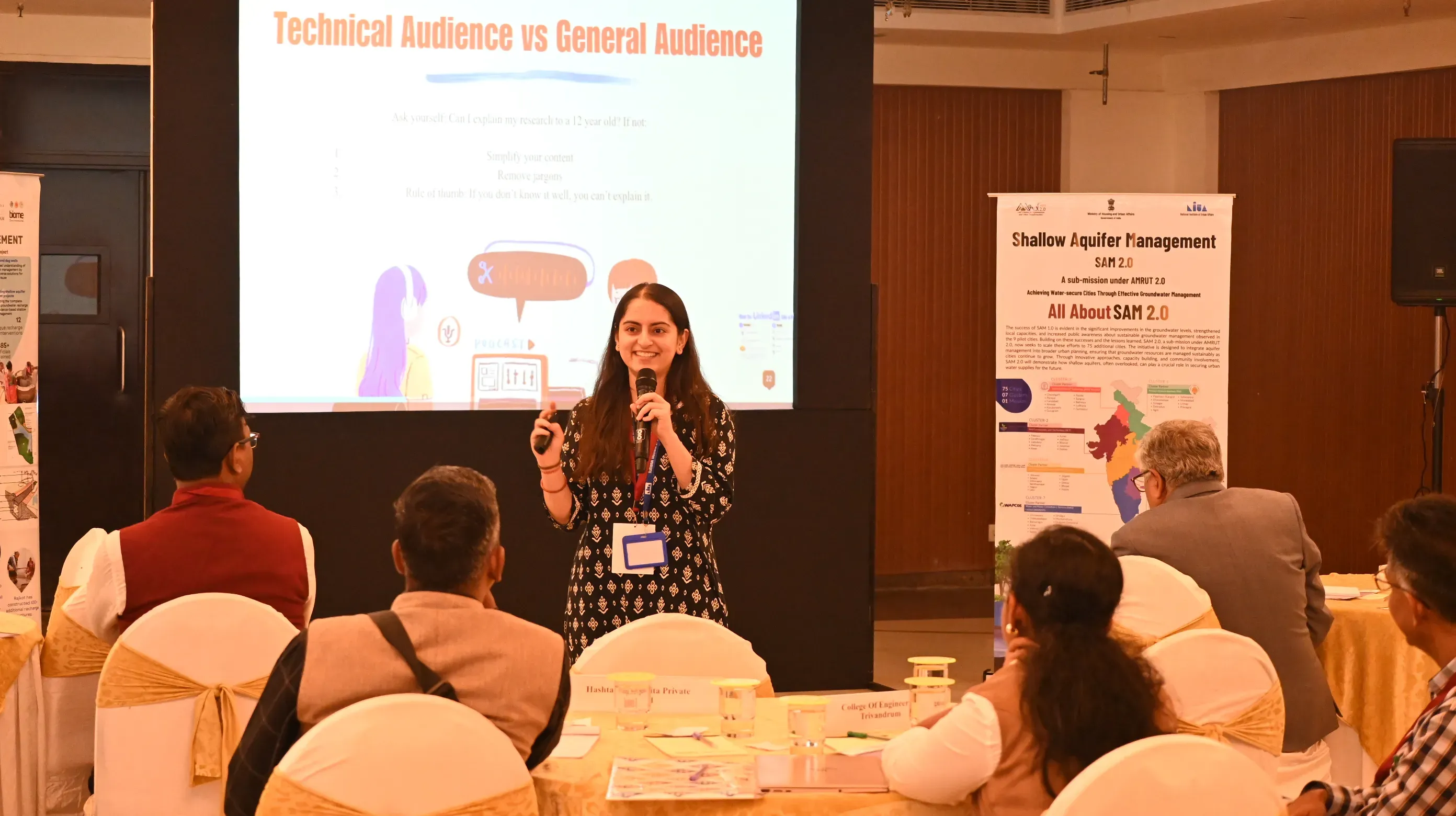
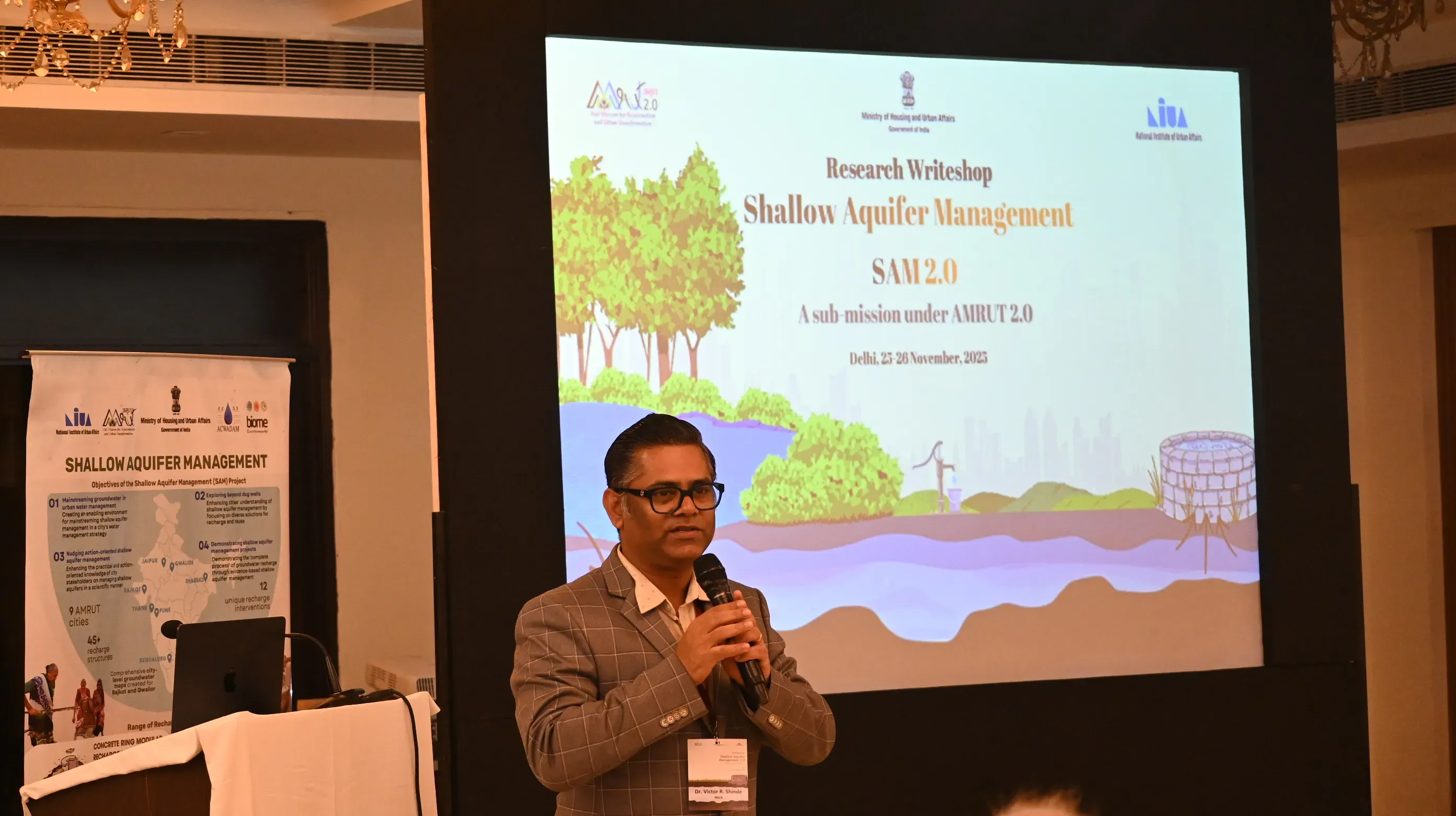
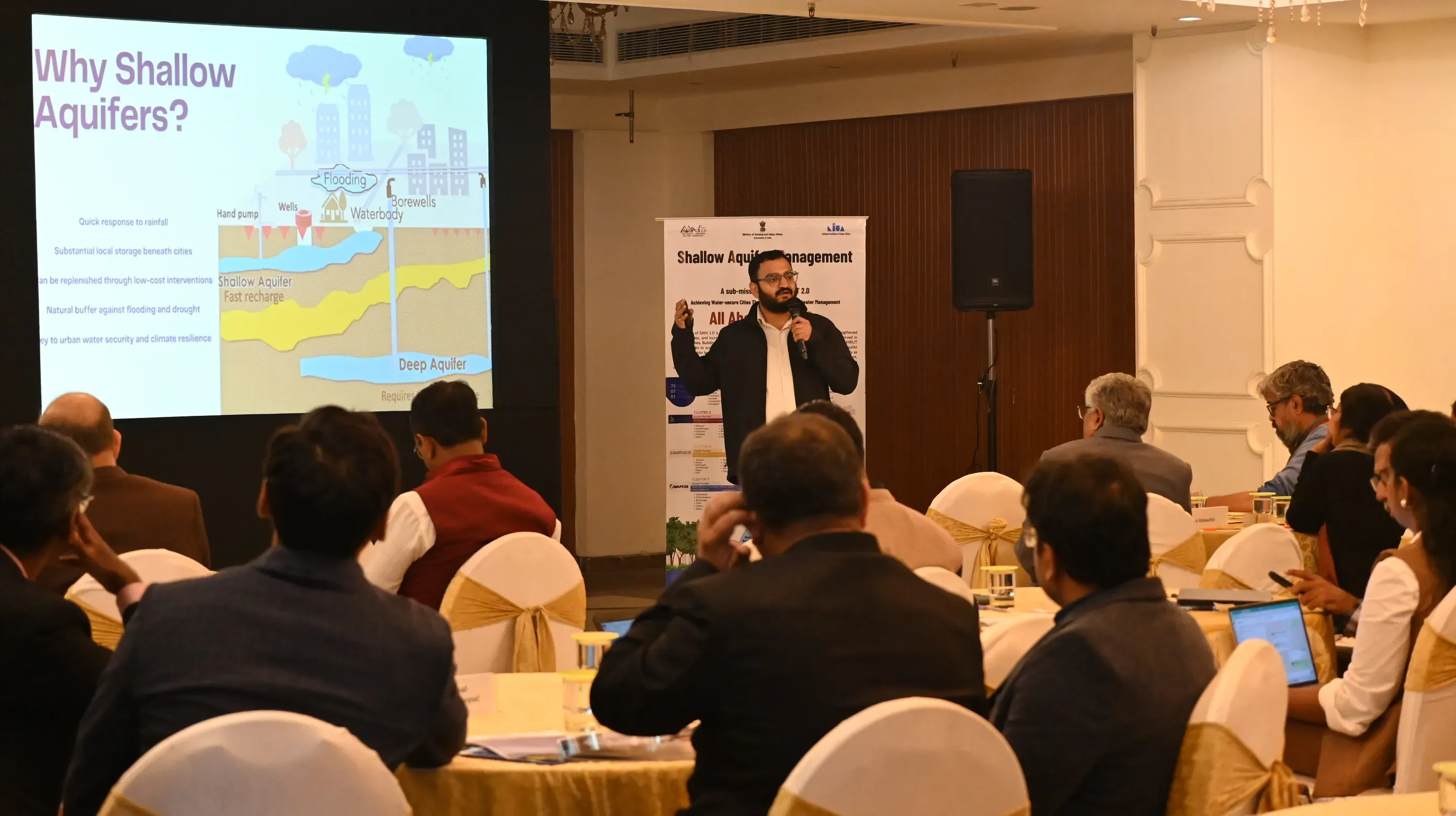
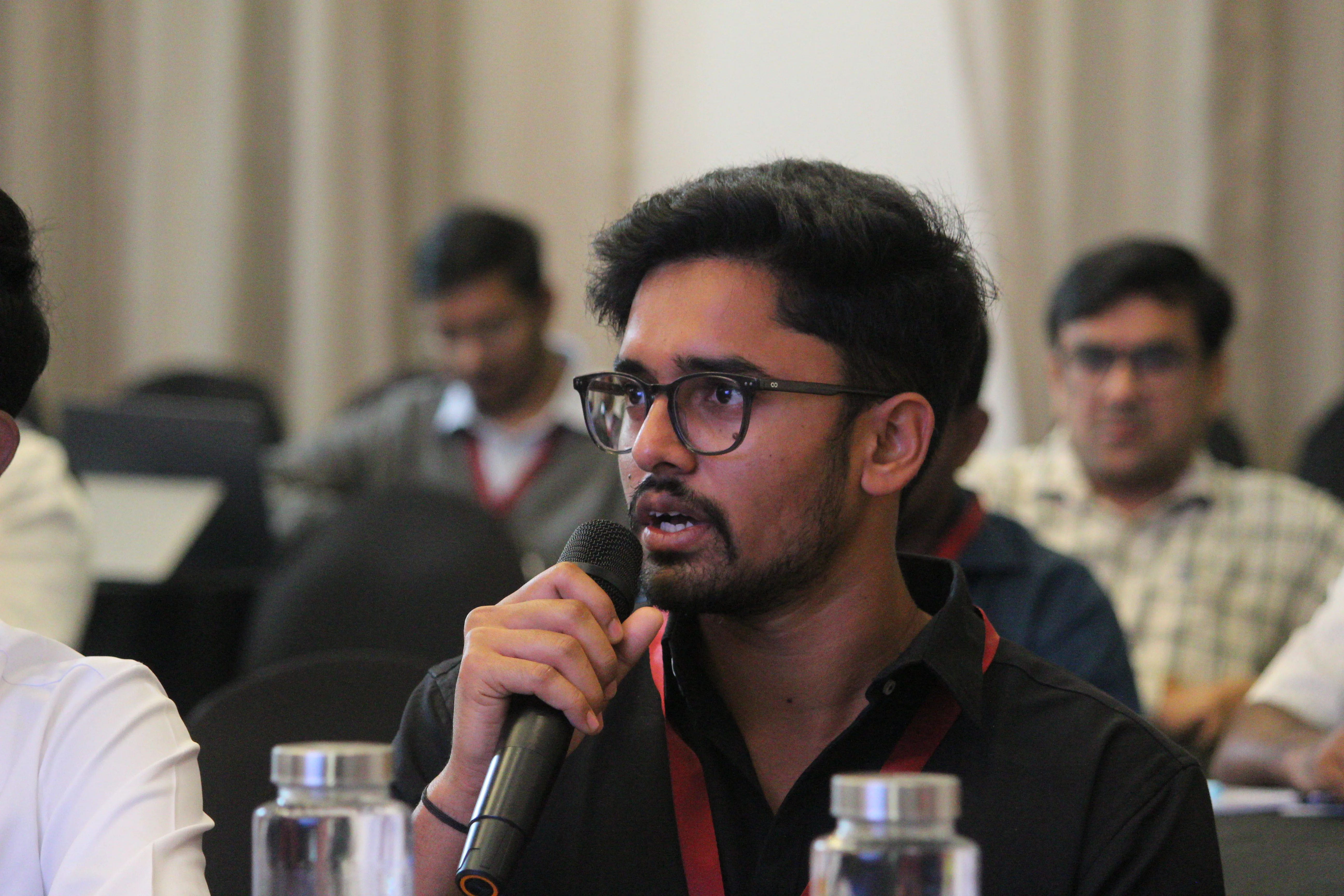
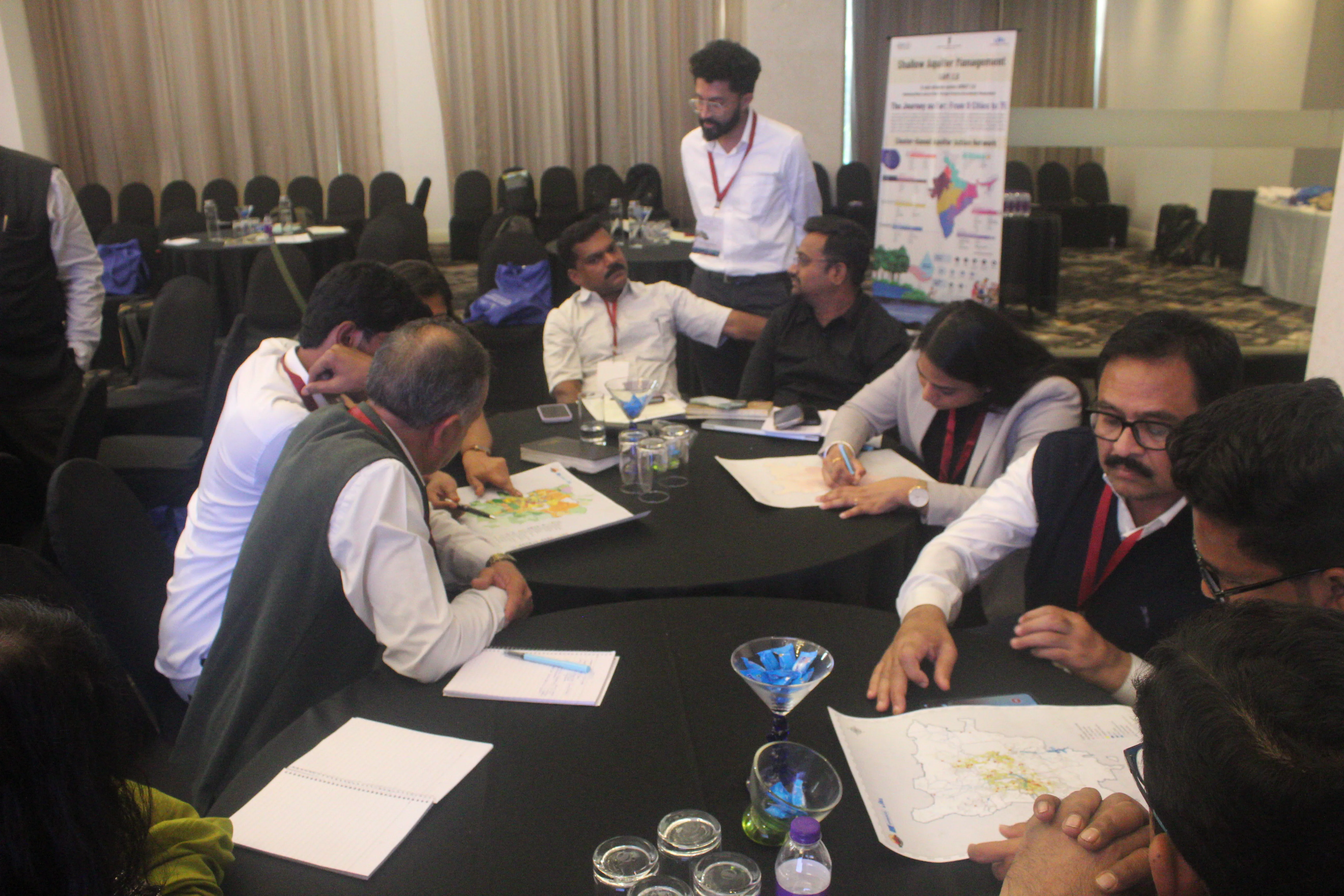
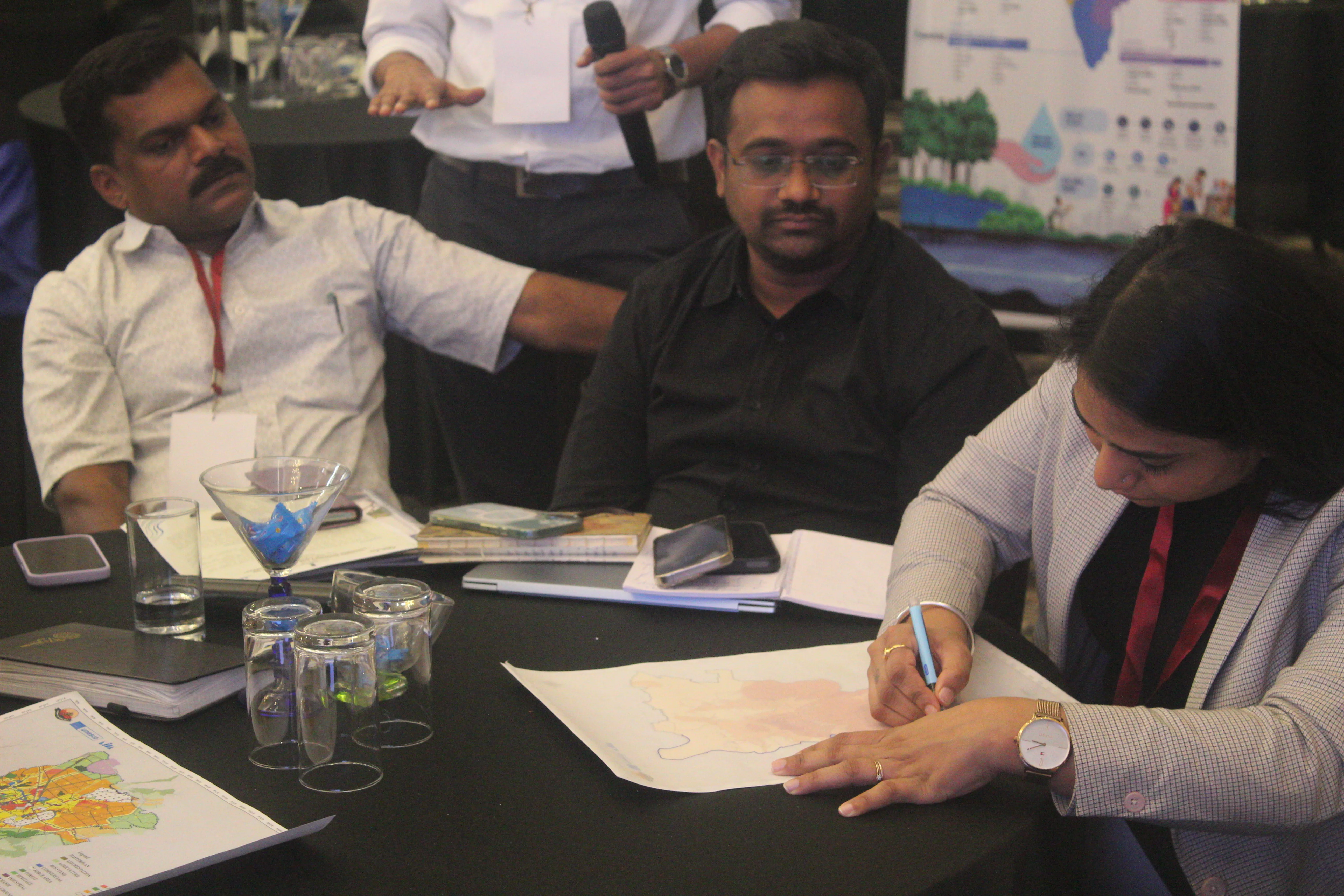
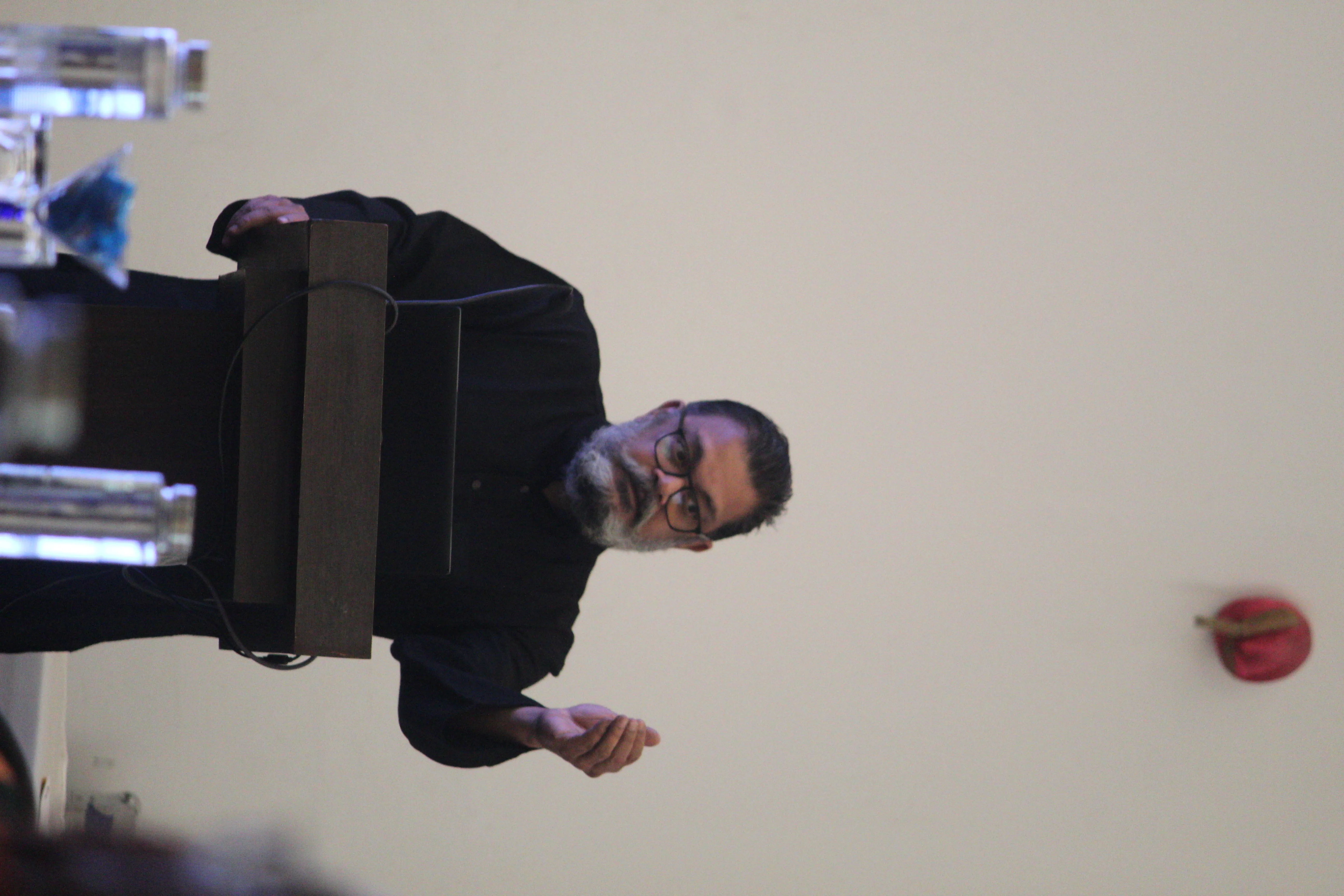
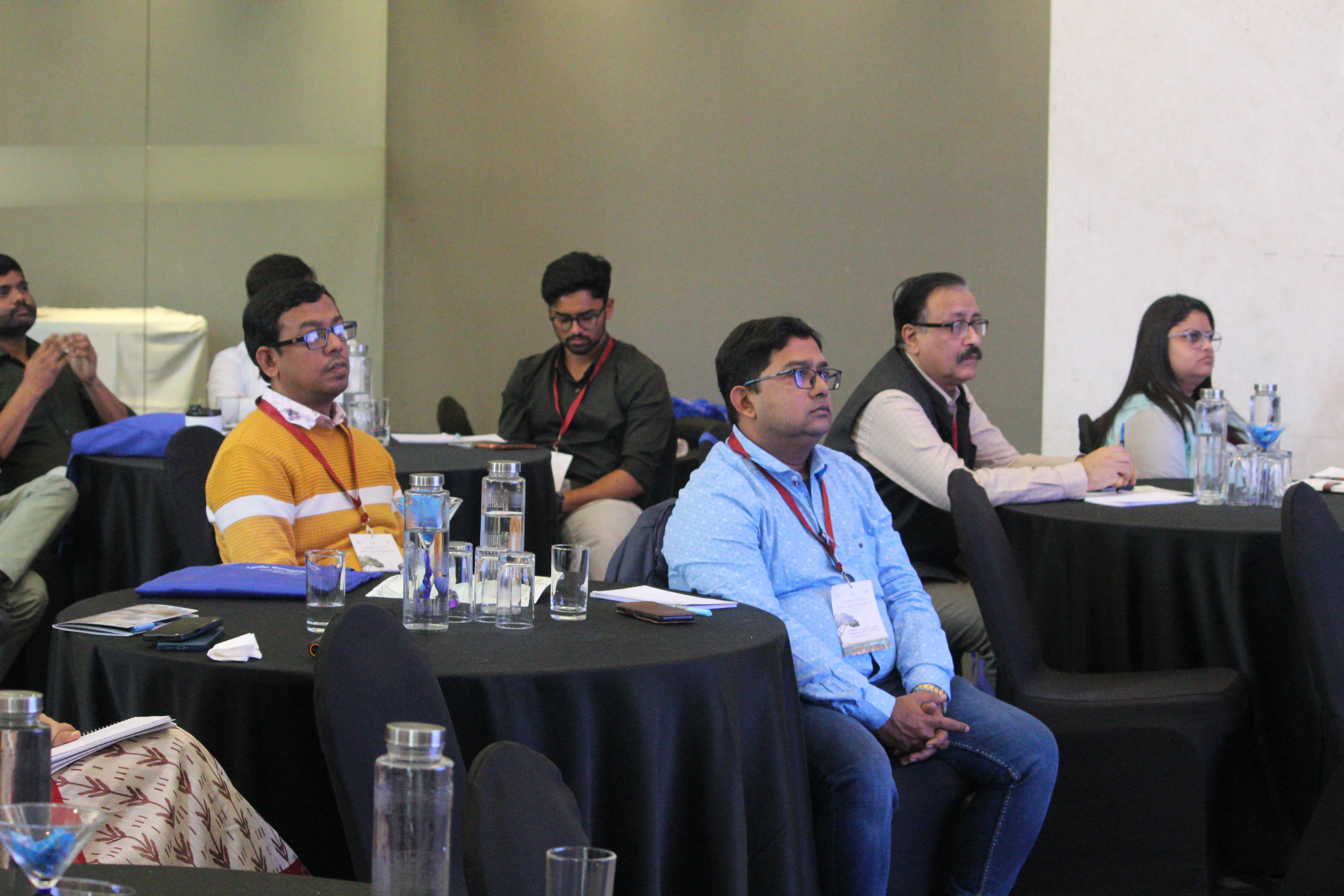
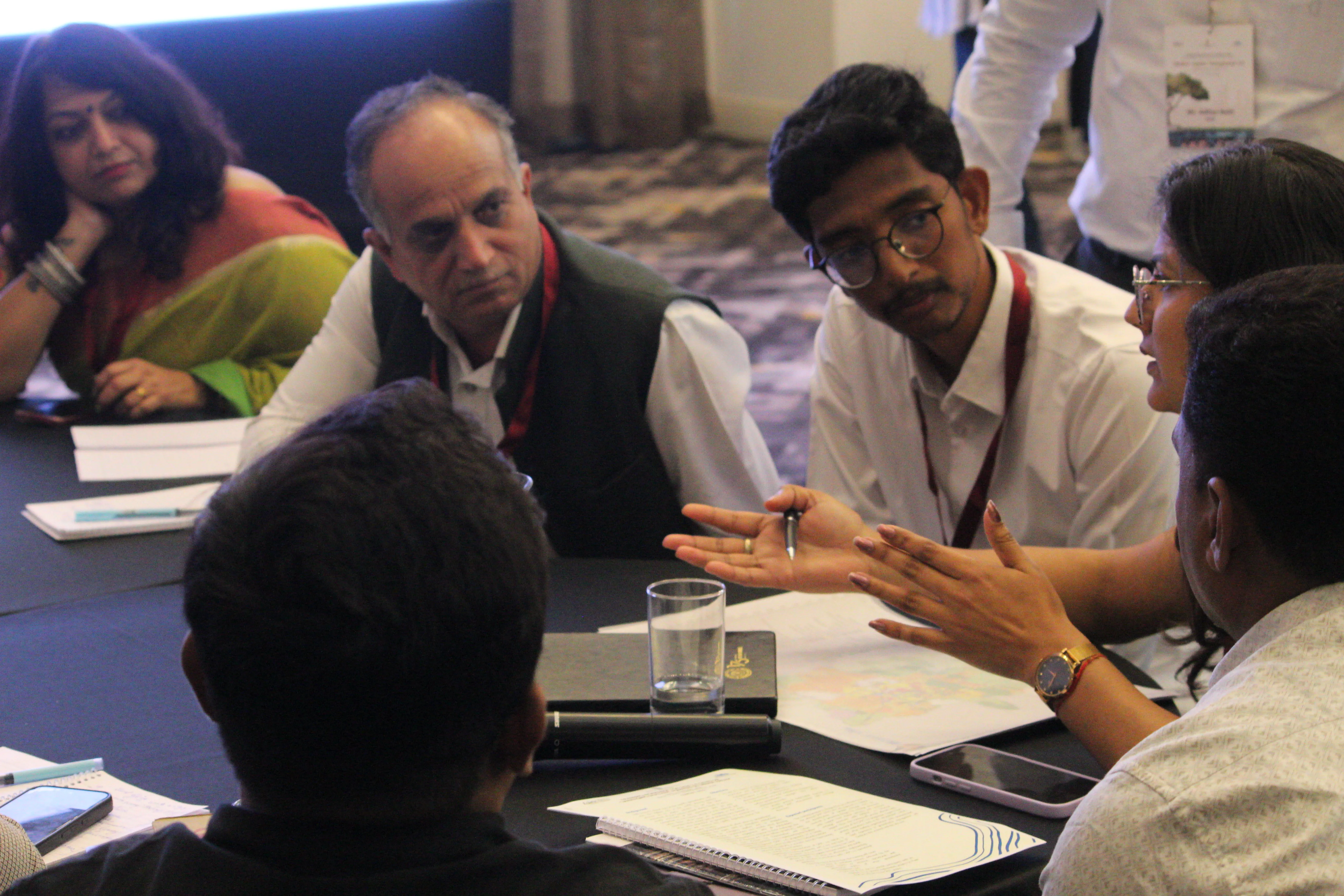
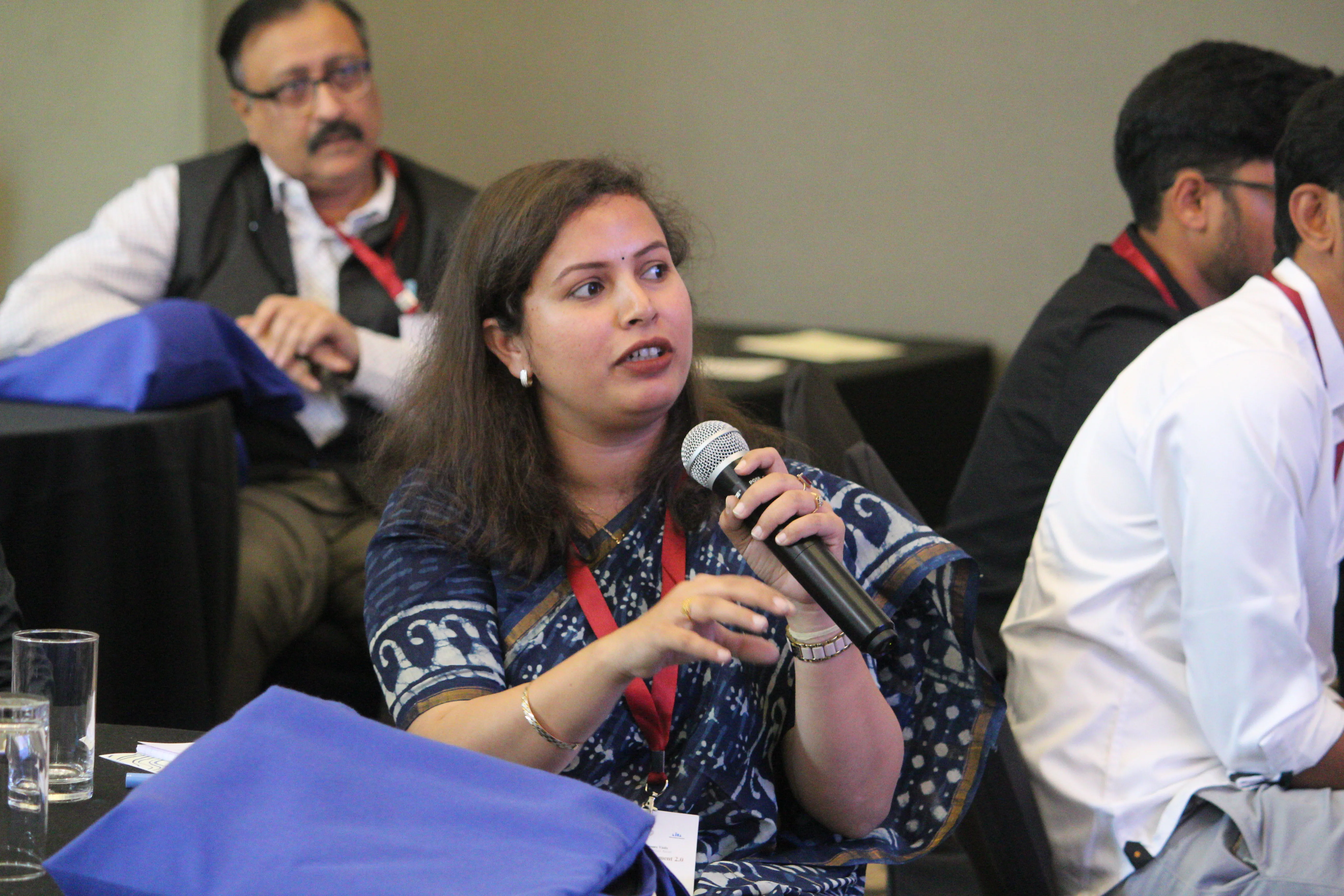
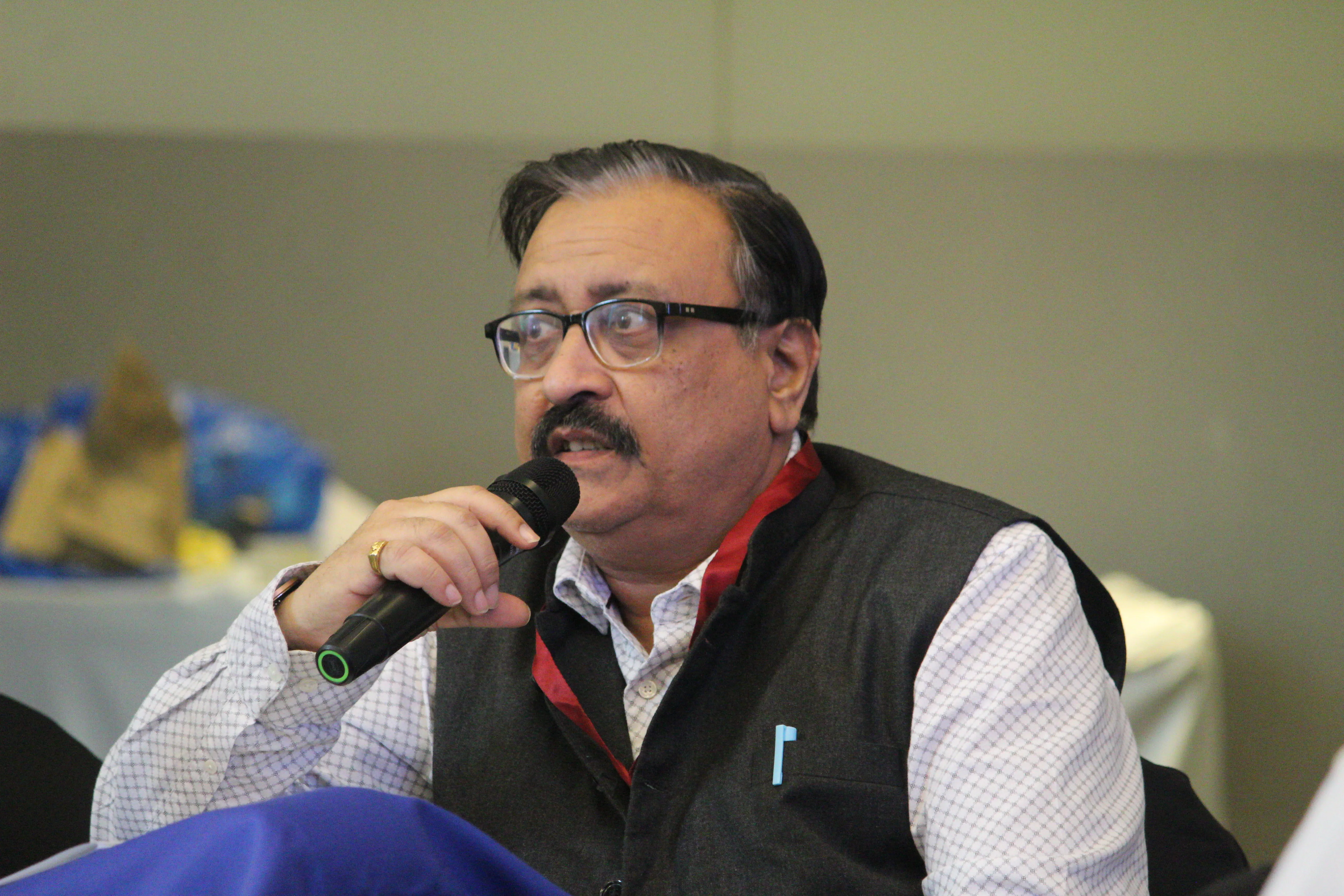
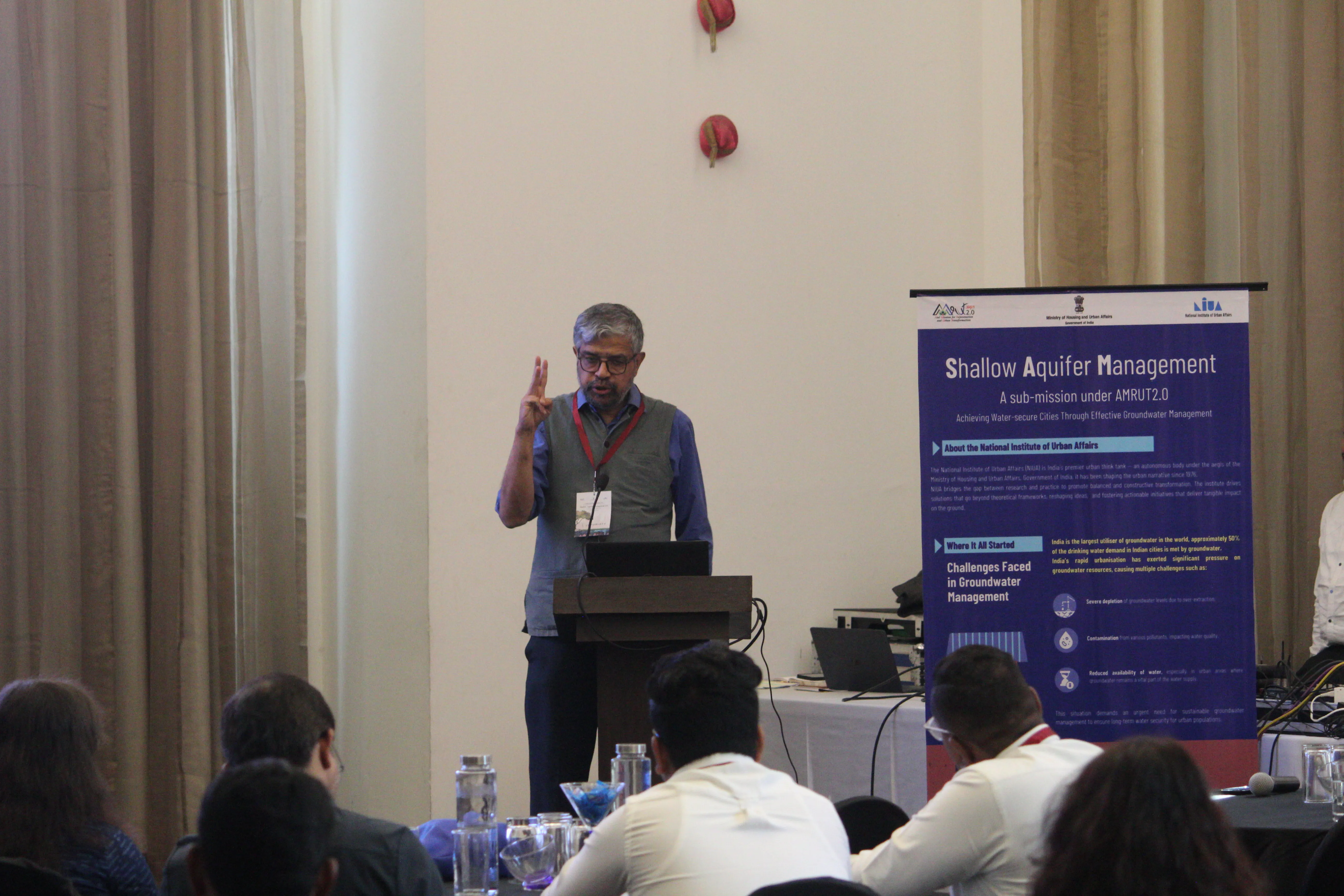
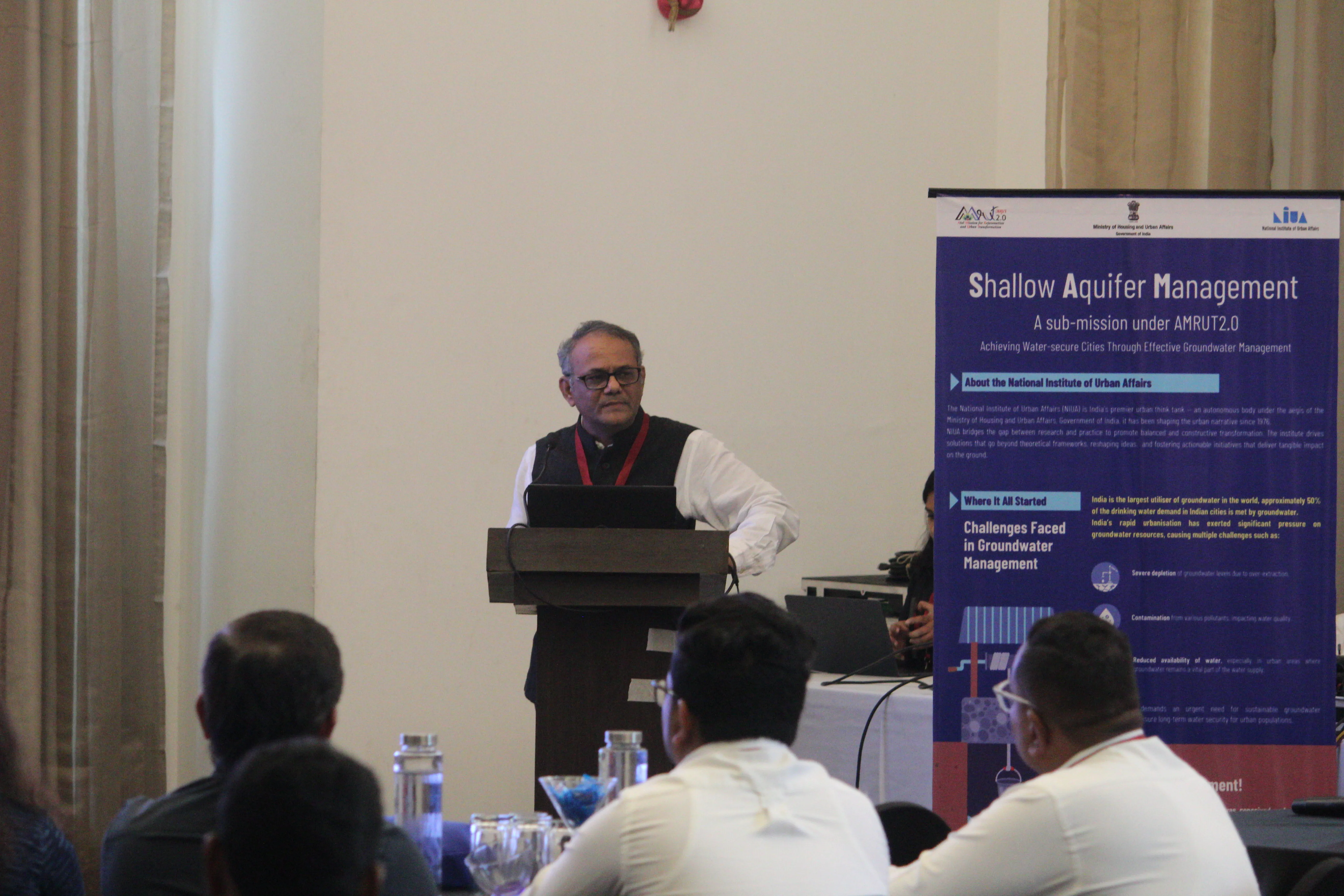
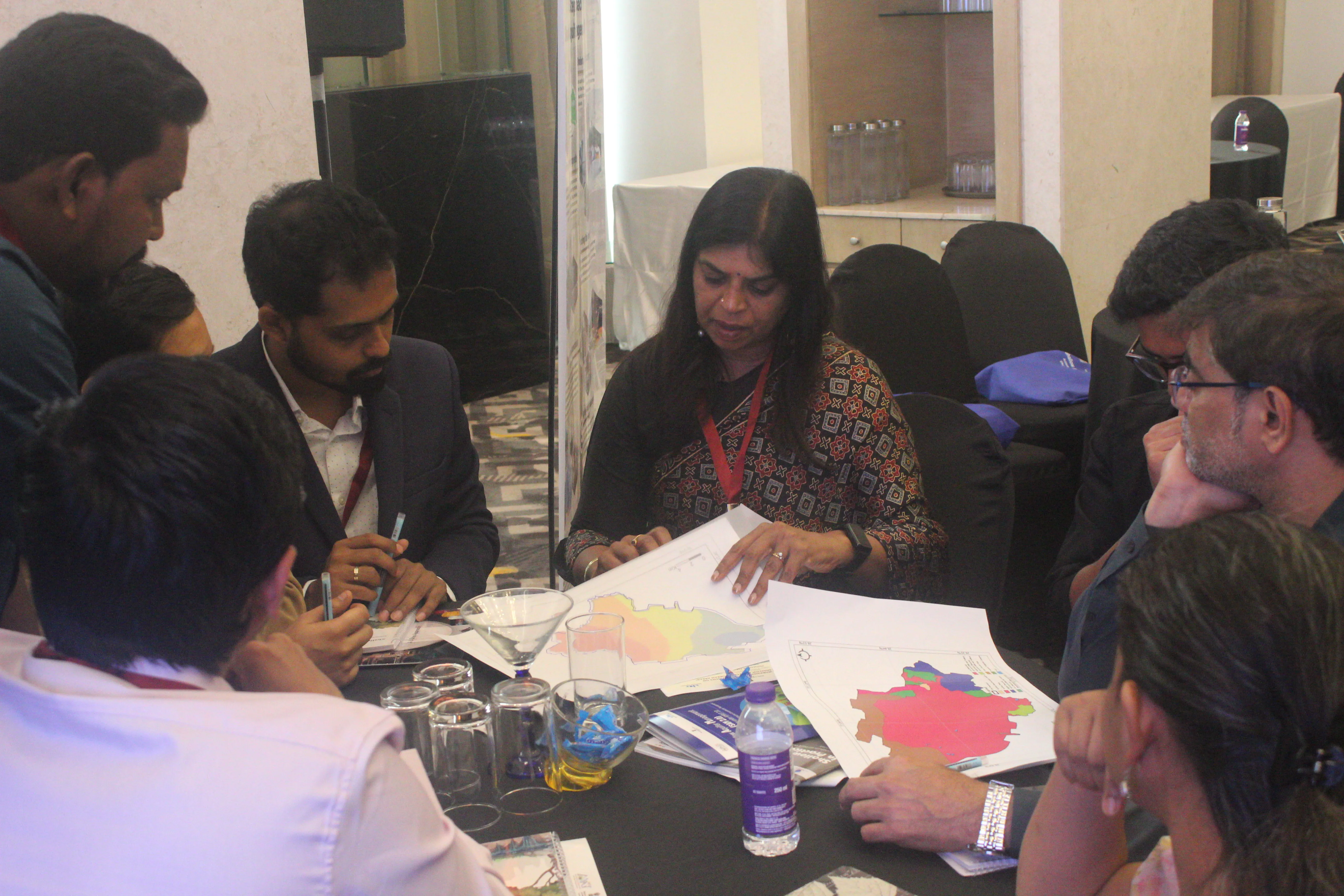
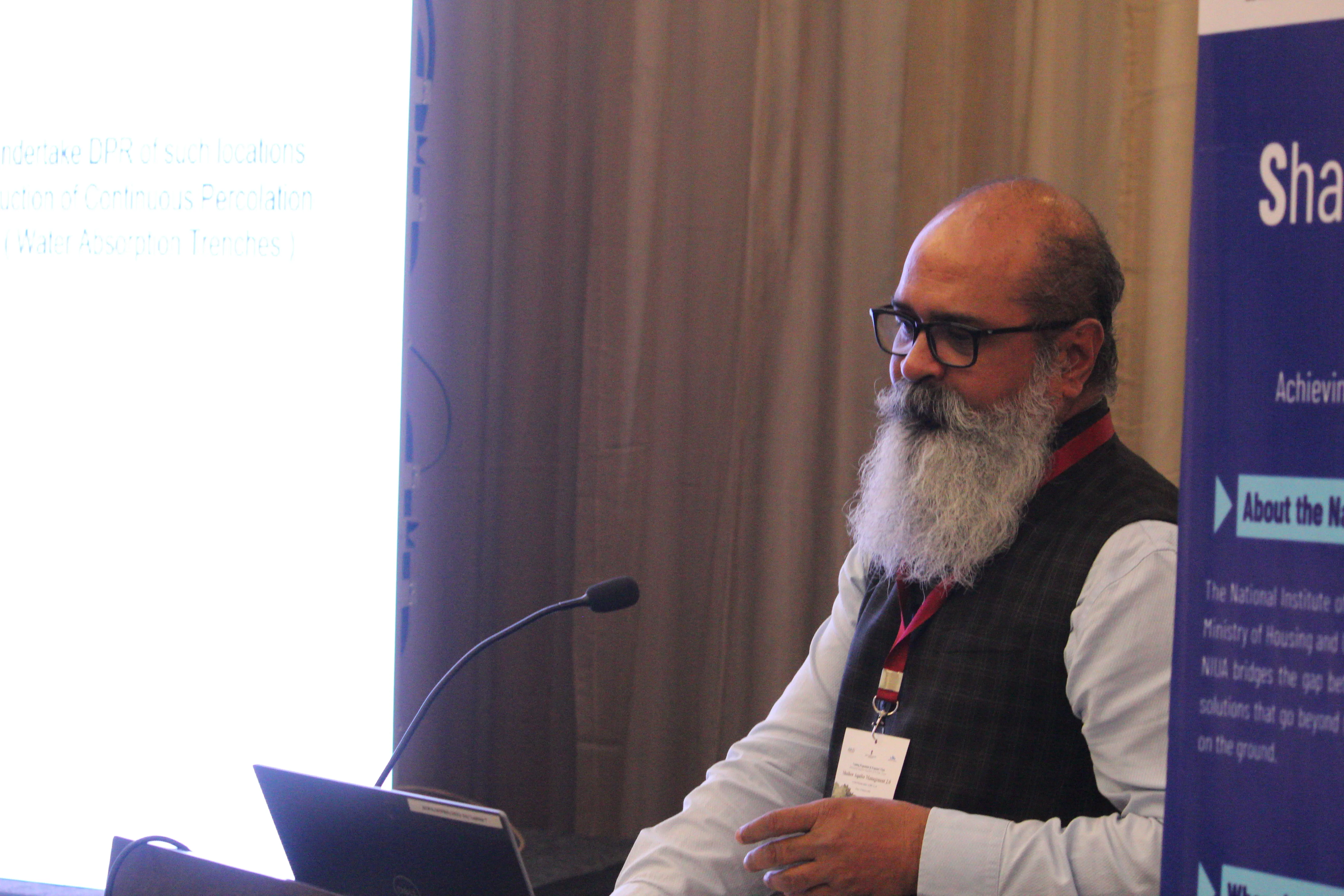
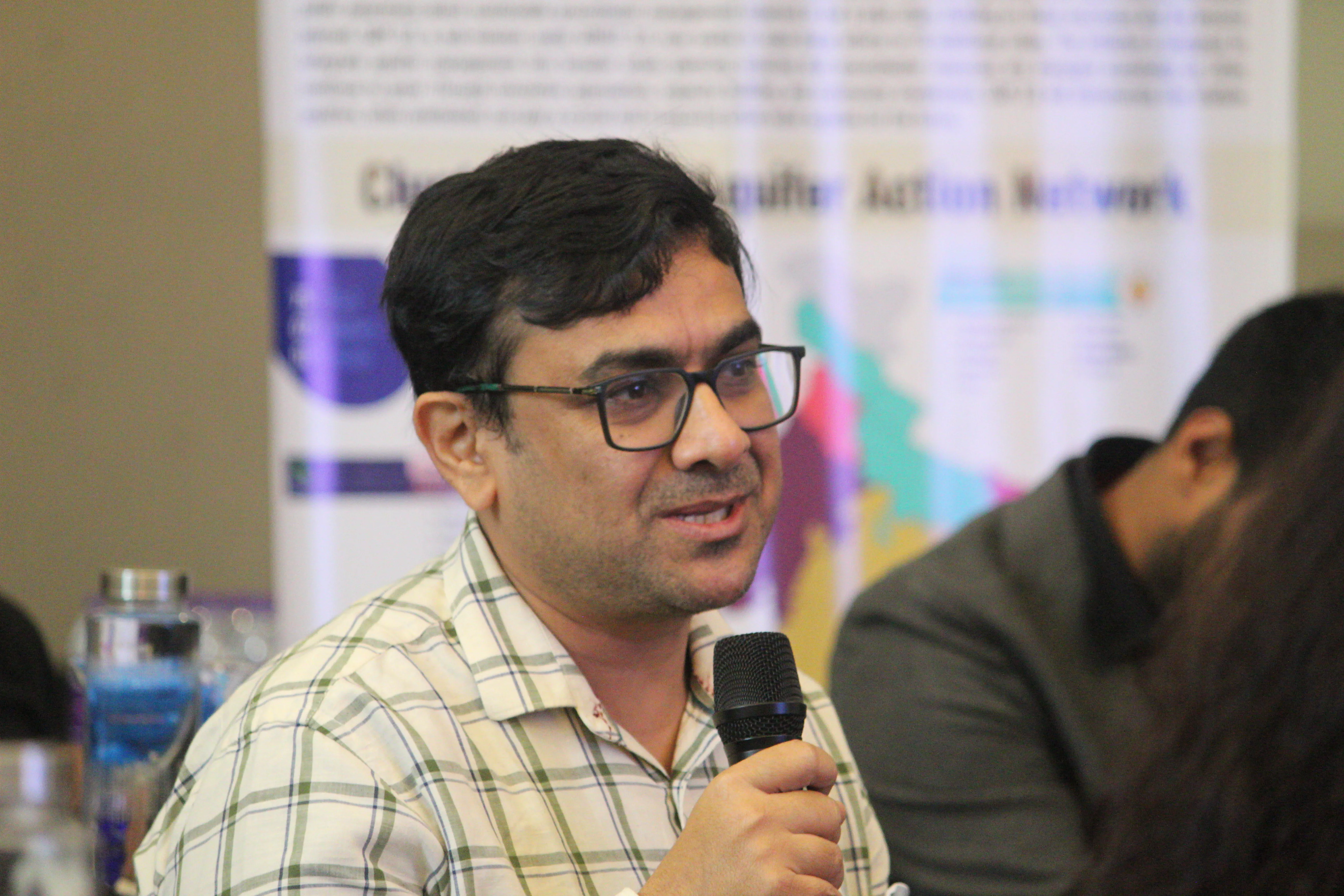
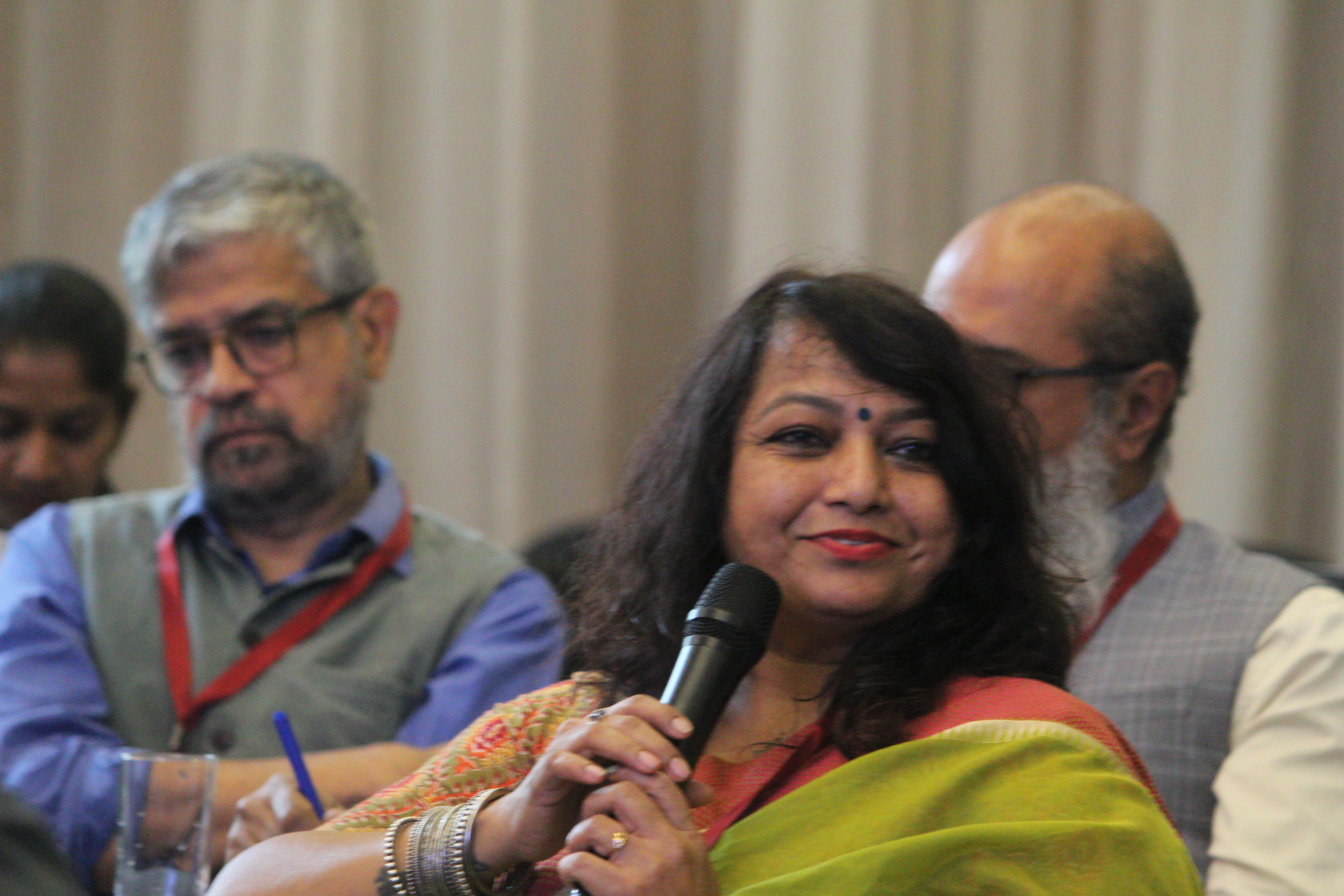
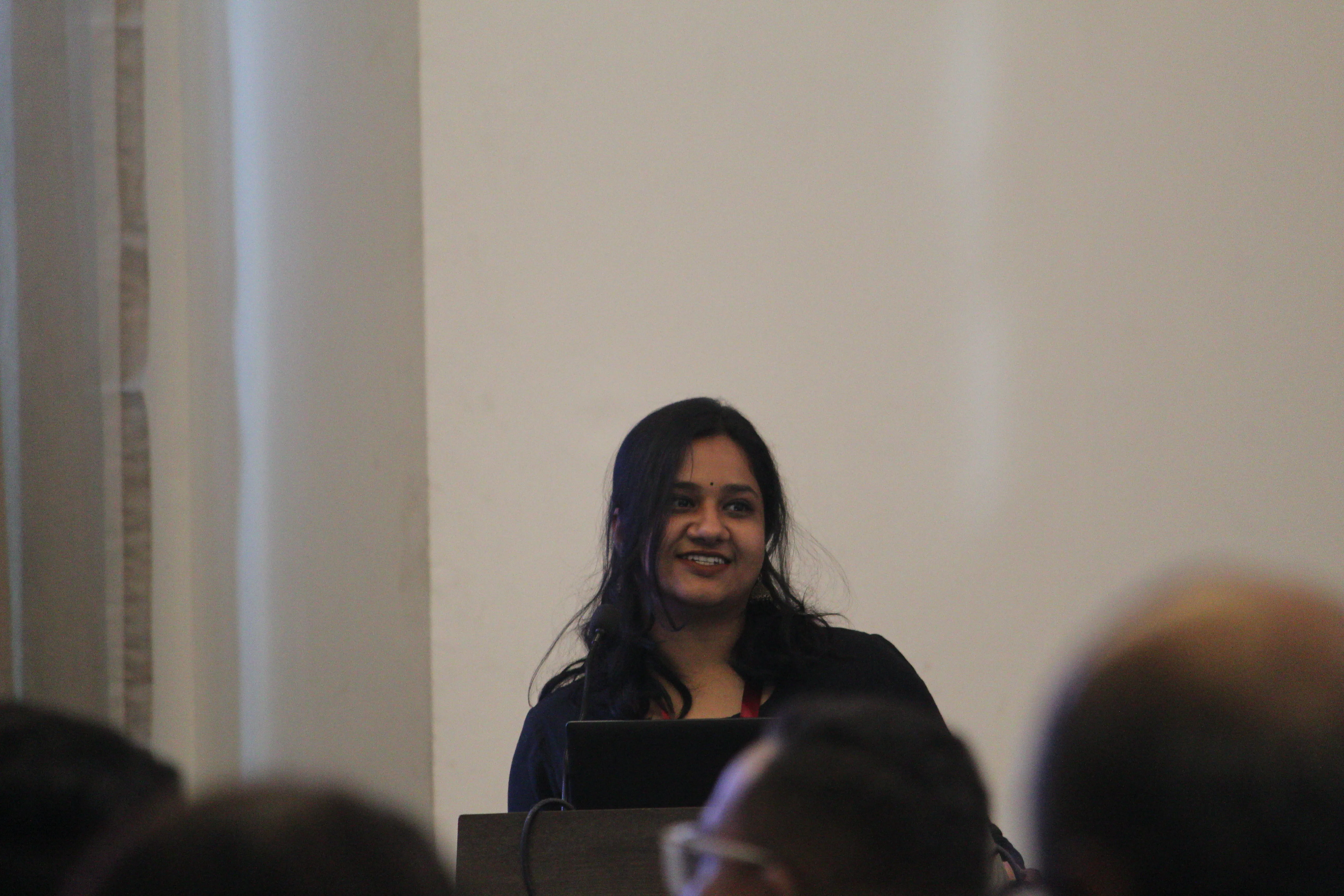
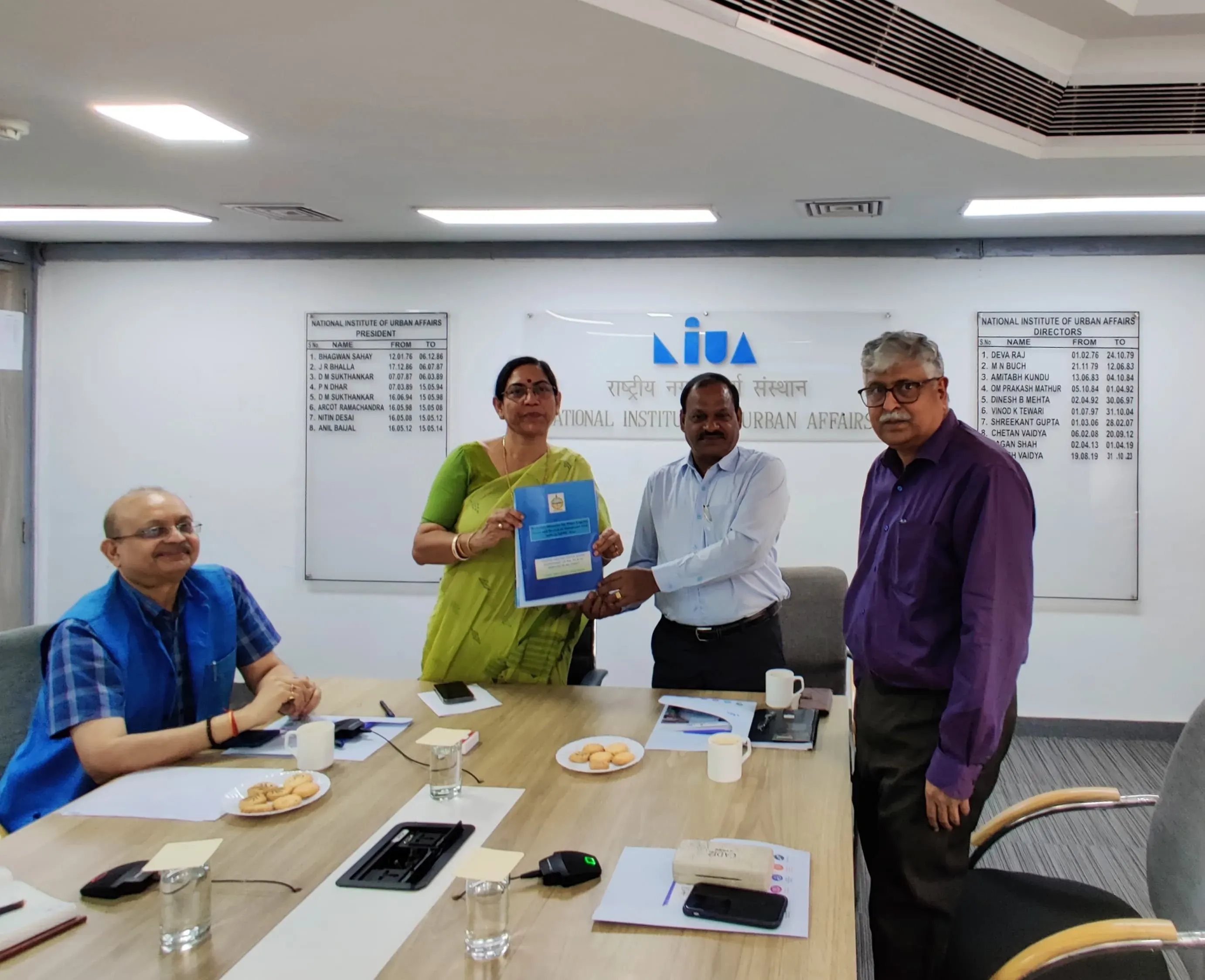
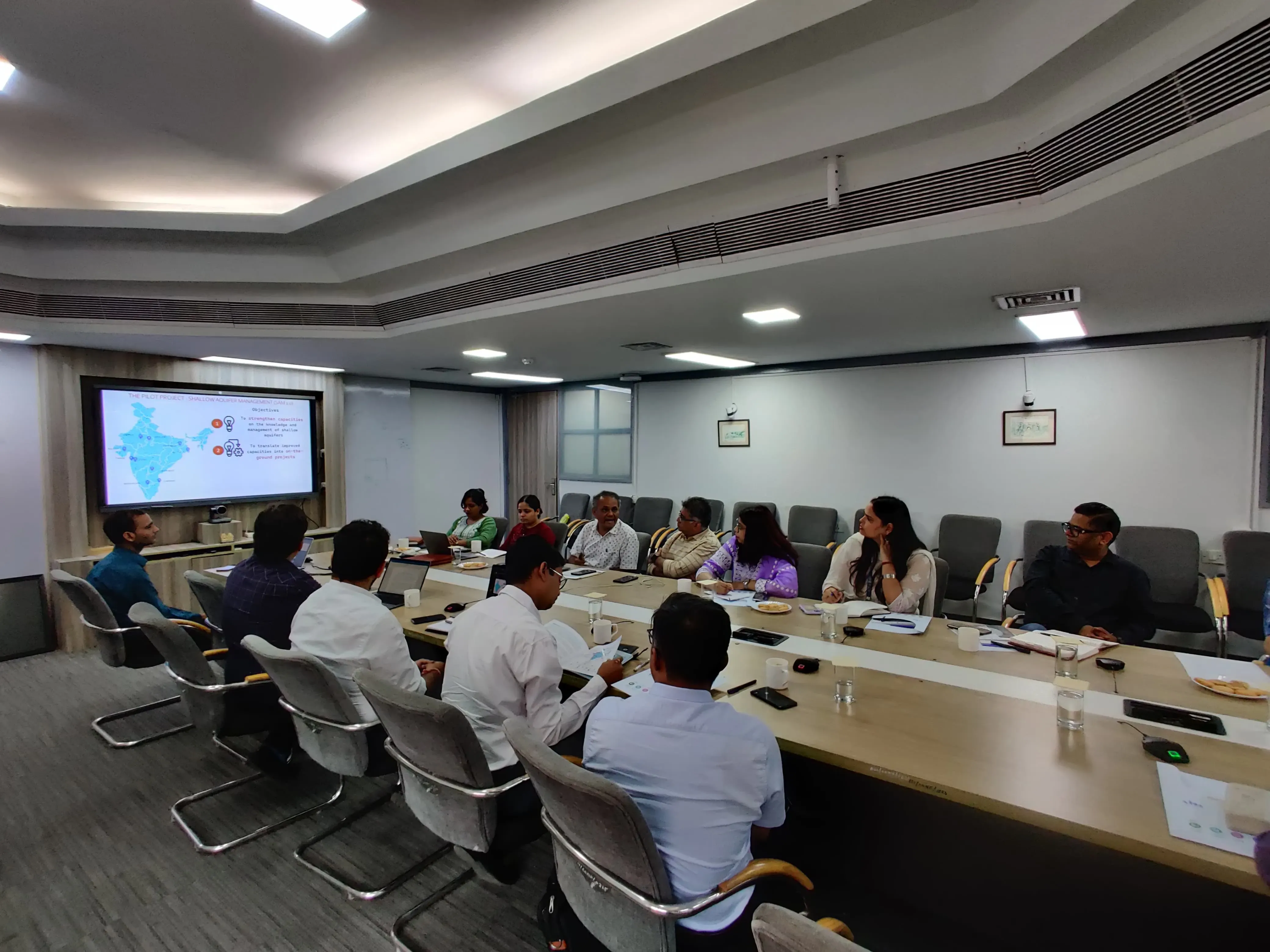
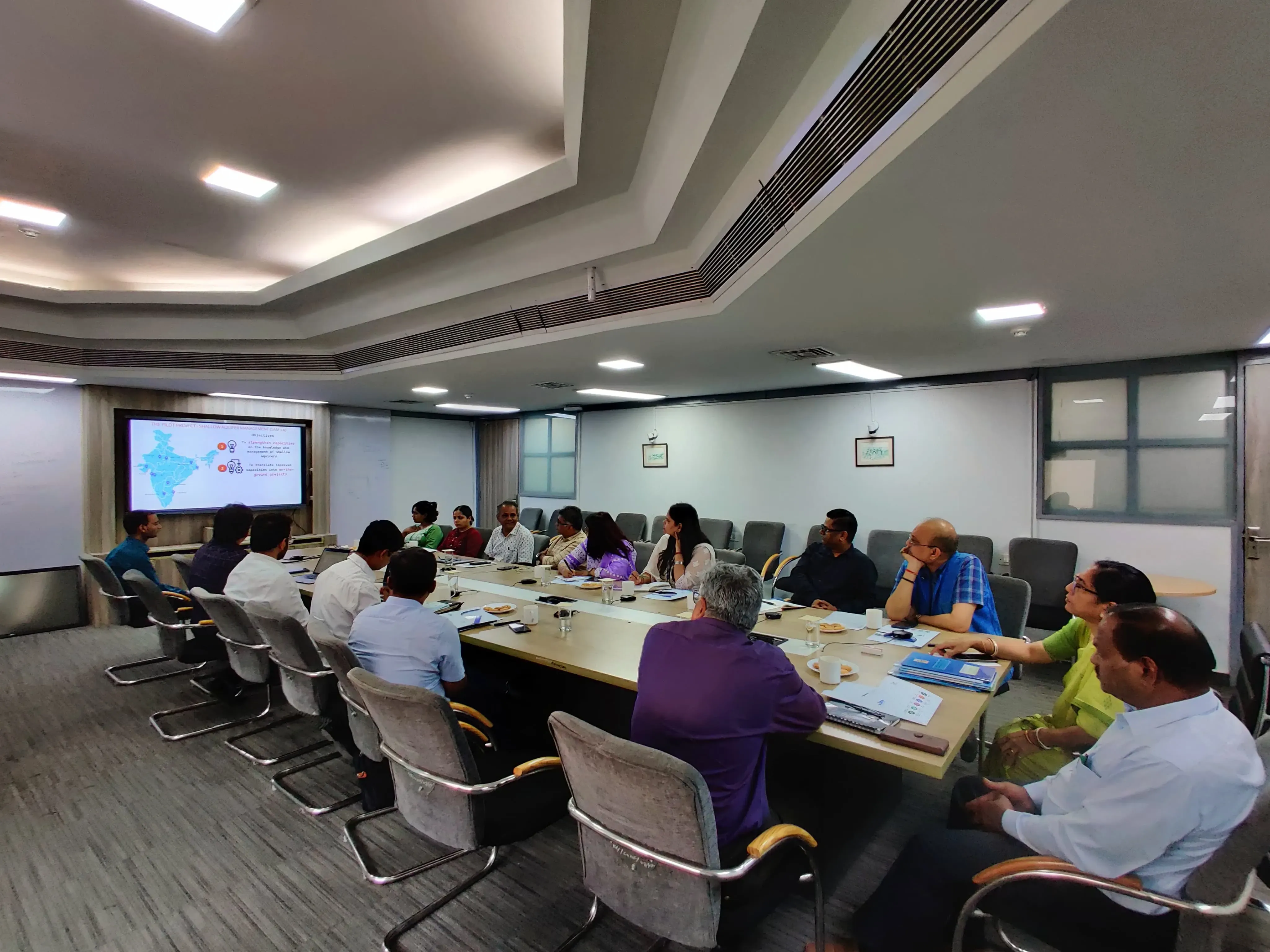
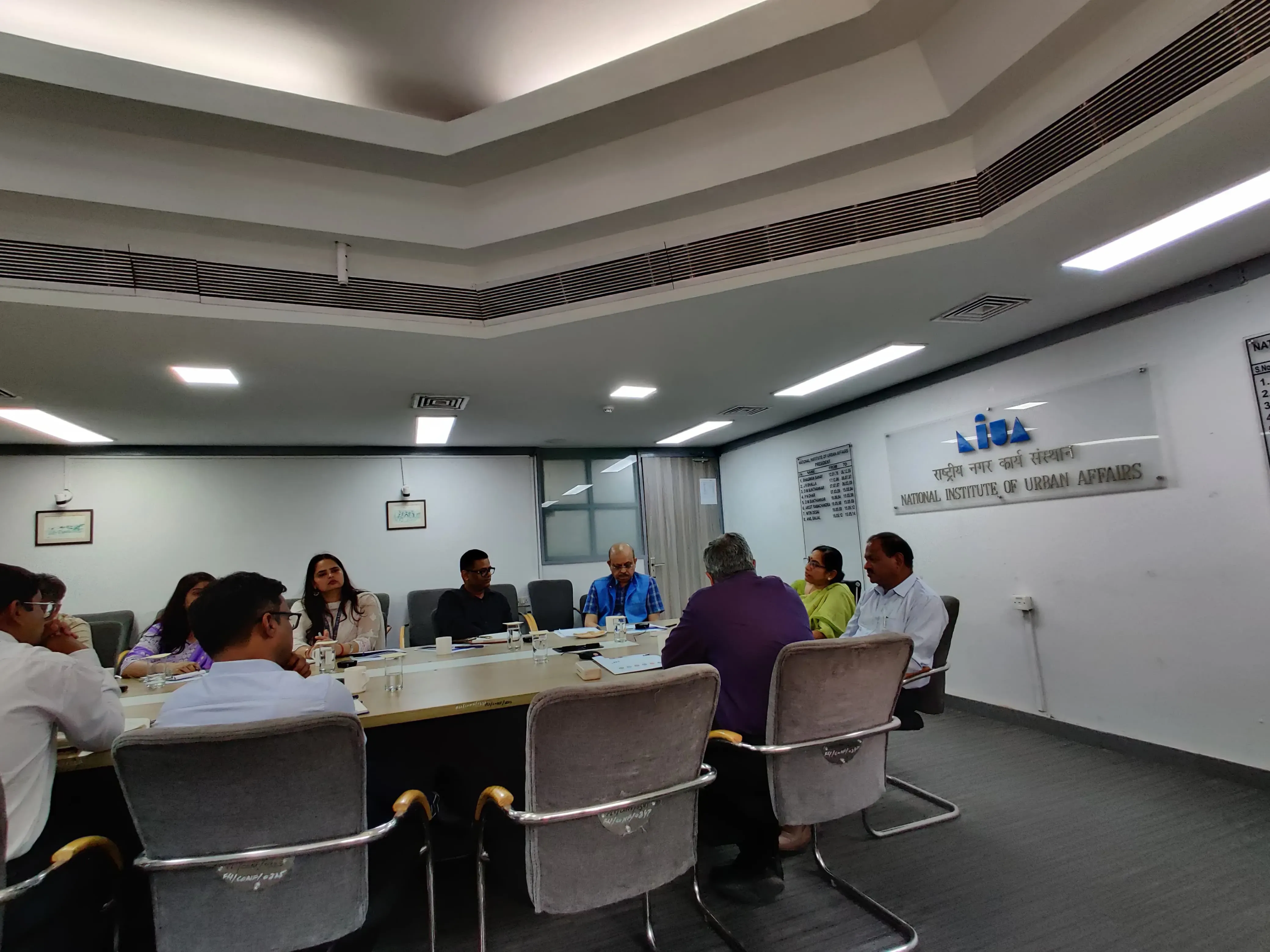
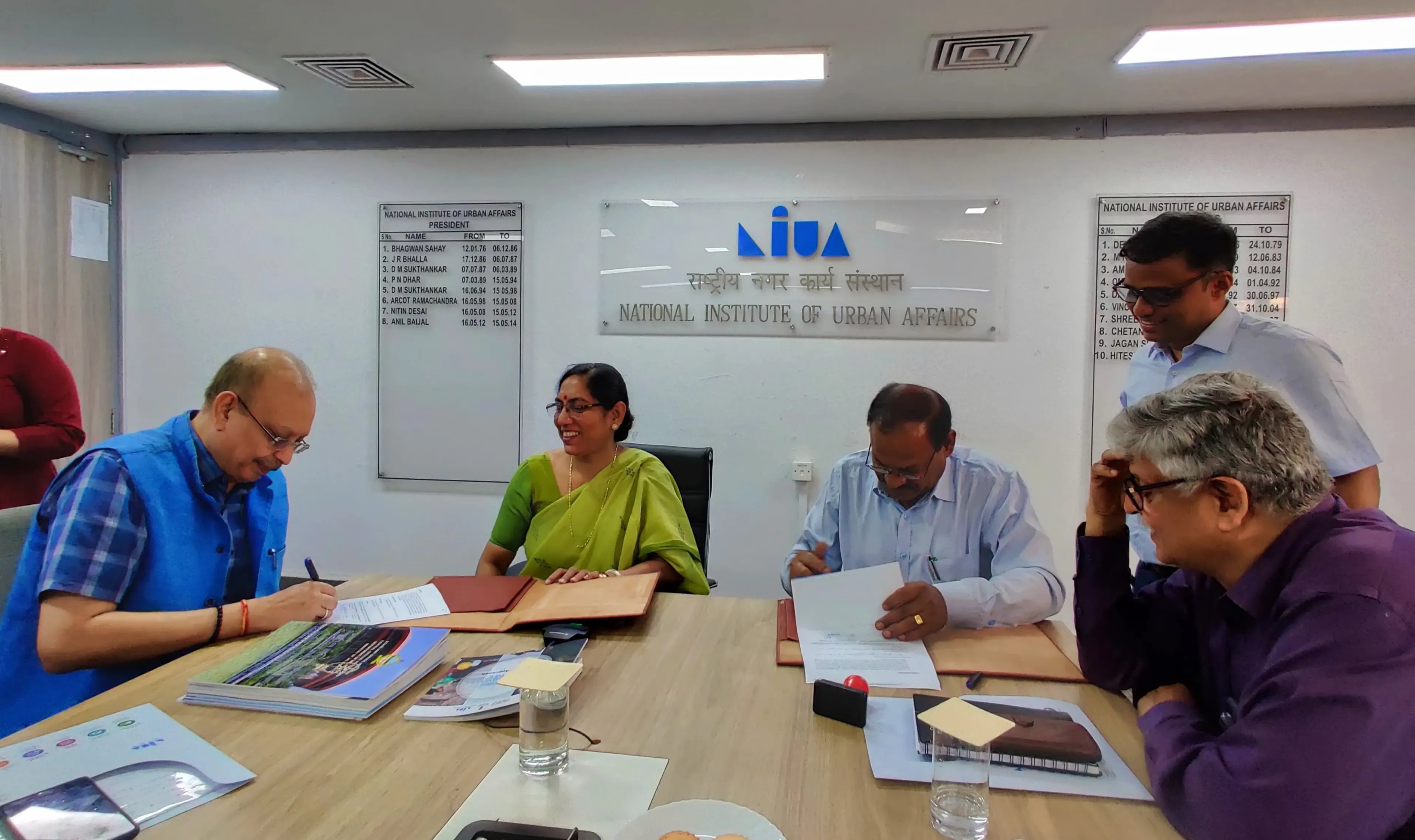
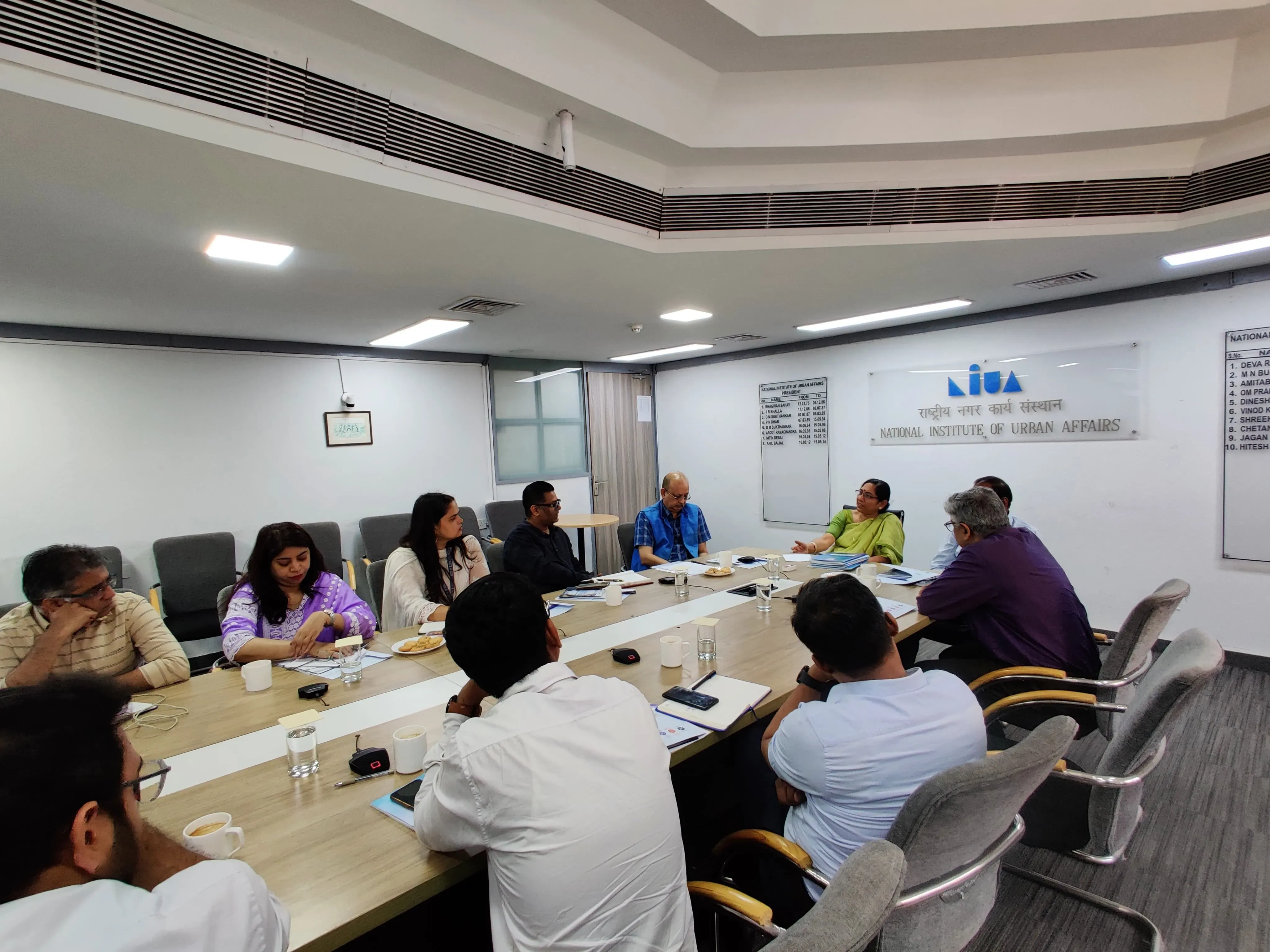
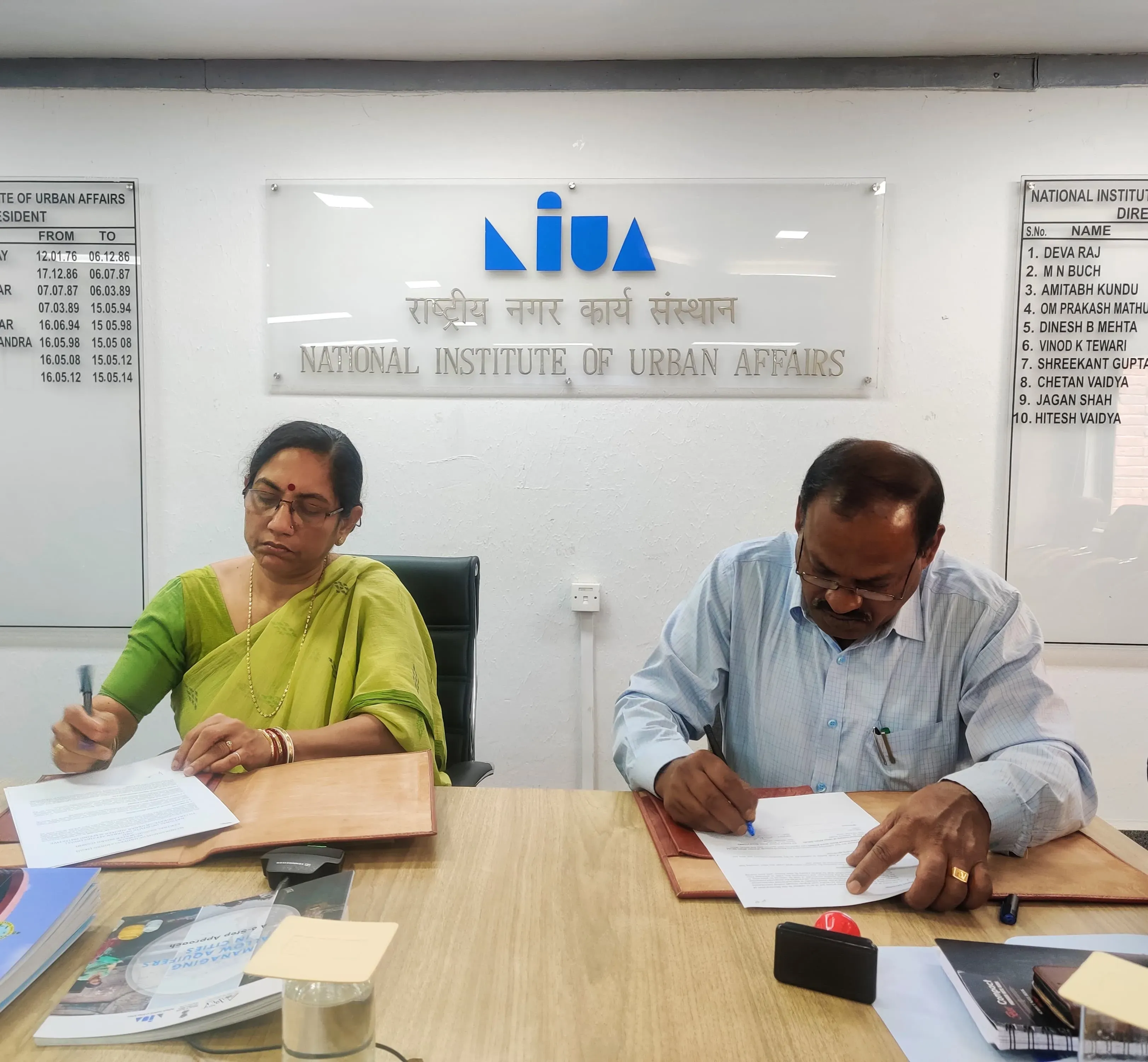
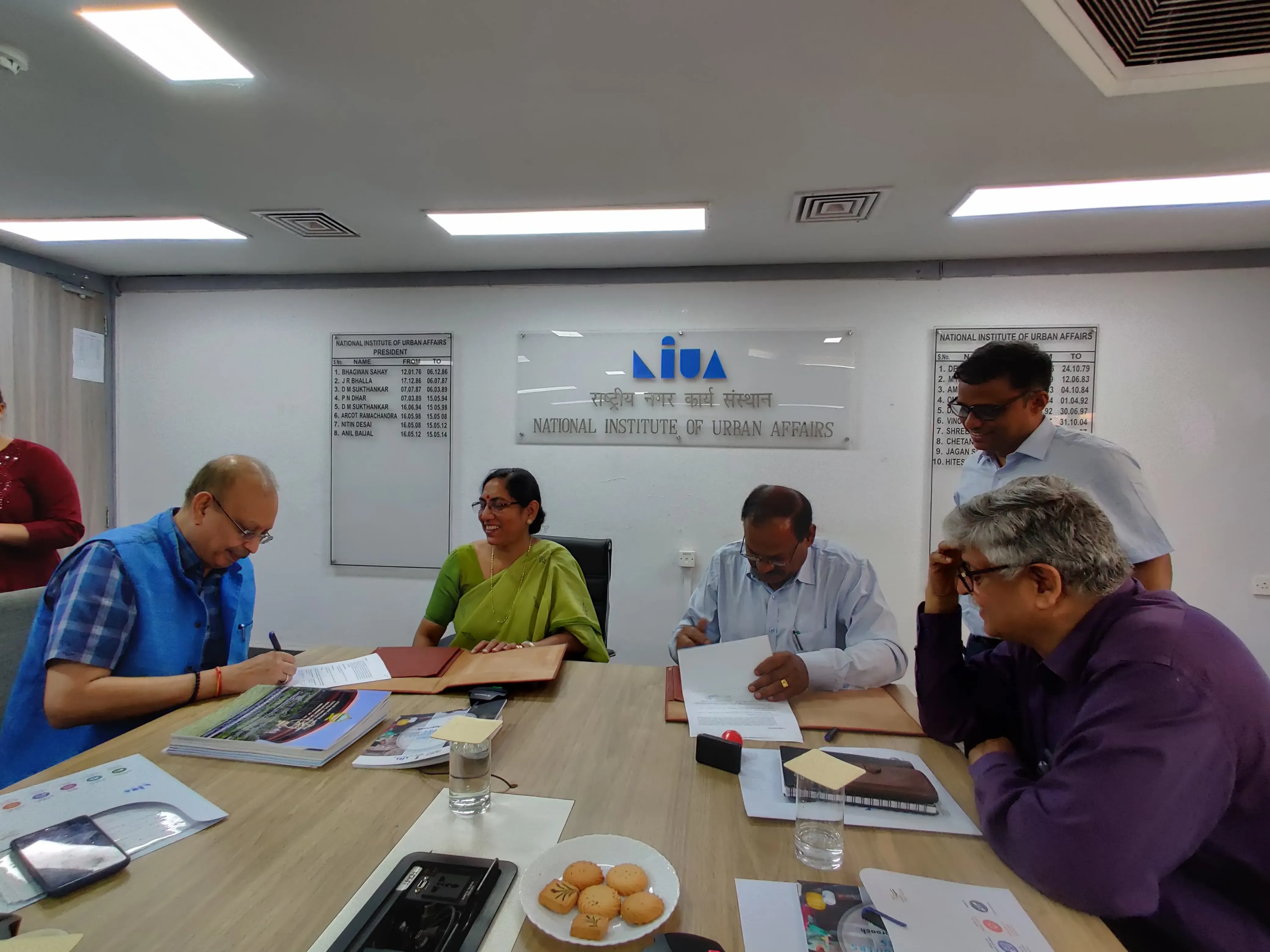
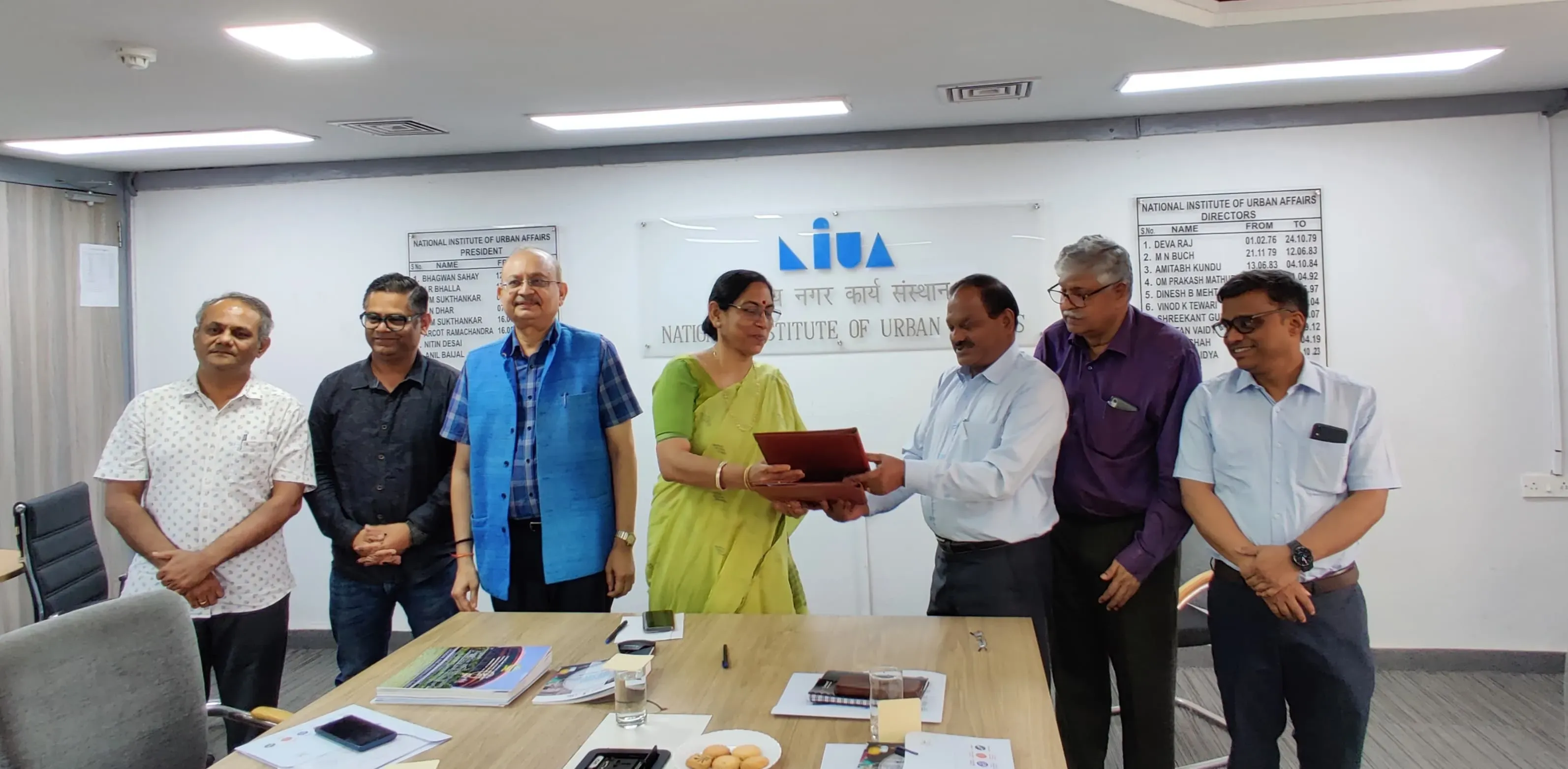
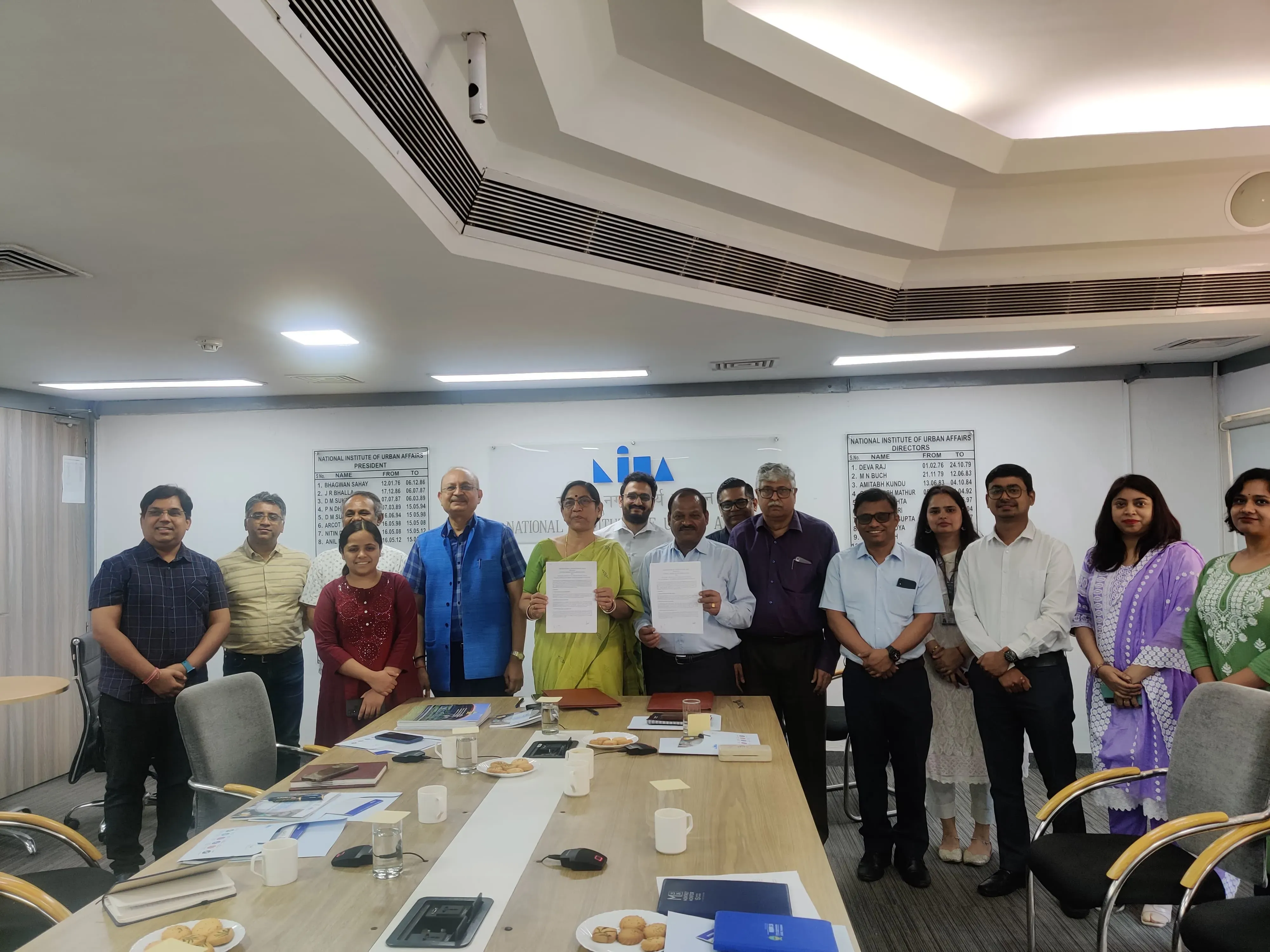
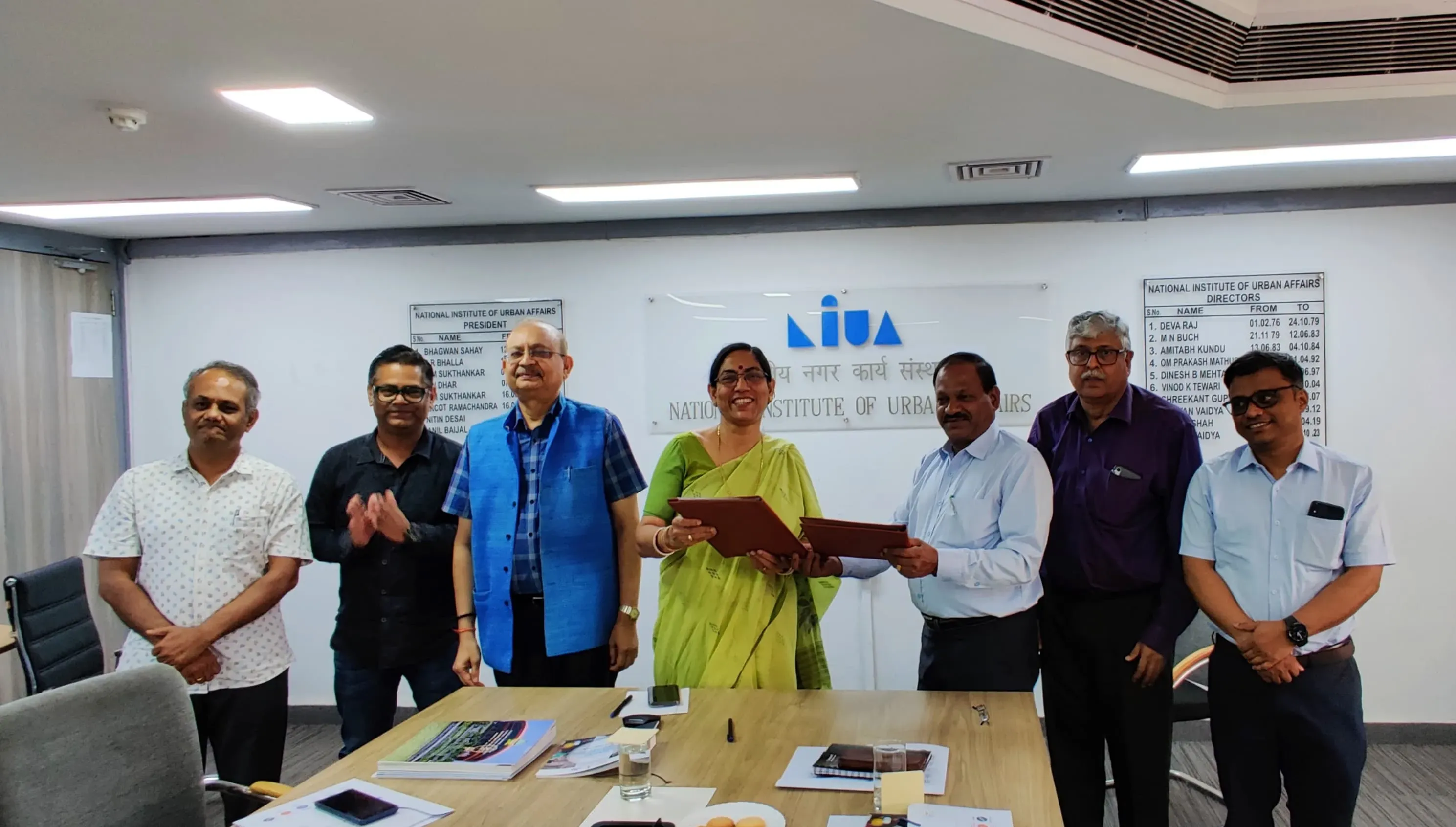
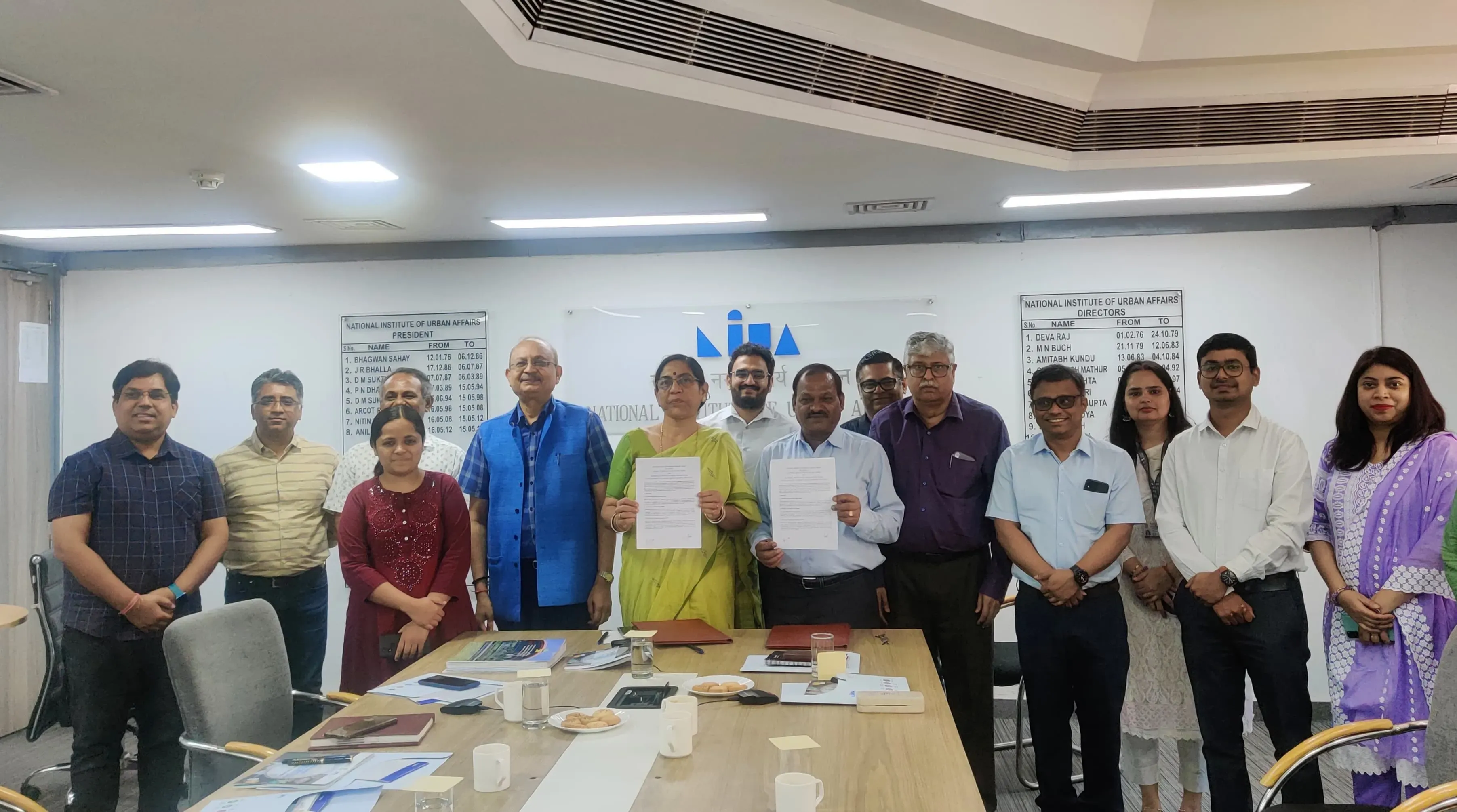
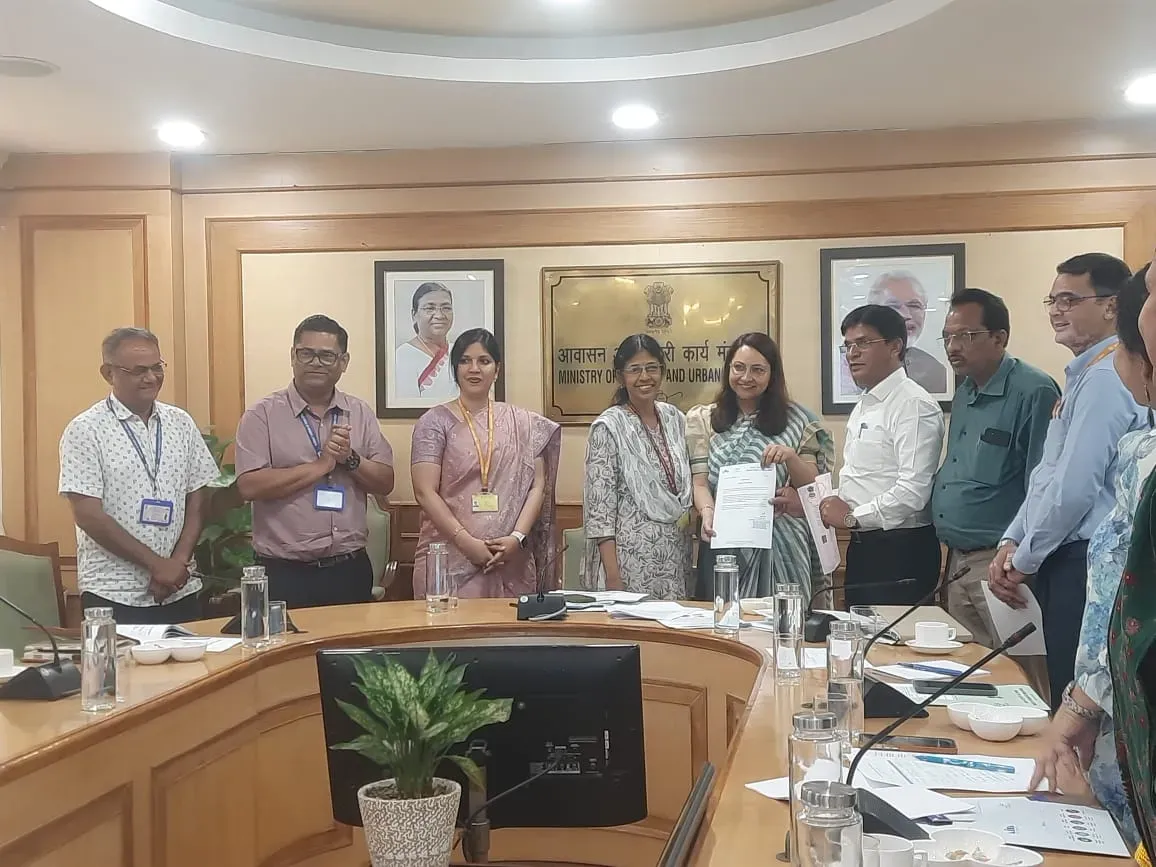
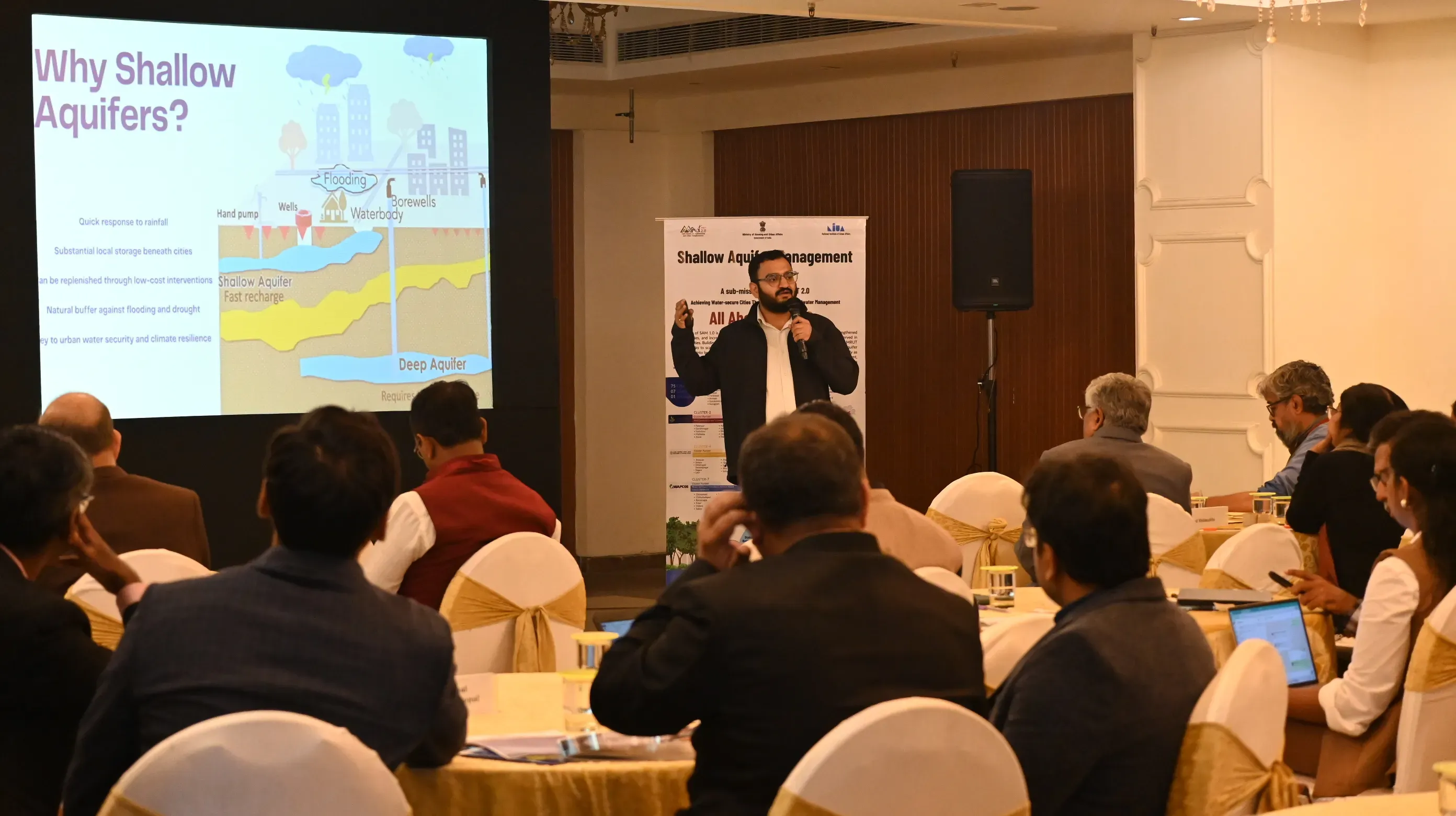
<p dir="ltr">In August 2025, a national call was issued inviting academic institutions, think tanks, and NGOs to submit research proposals on Shallow Aquifer Management (SAM)—a critical but historically underexplored area, despite India being the world’s largest extractor of groundwater. With rising urban water stress, strengthening knowledge on shallow aquifers has become increasingly essential. The response to the call was exceptional, with submissions ranging from strong conceptual frameworks to practice-ready approaches.</p><p dir="ltr">Following a rigorous evaluation process, the first cohort of institutions was selected under the SAM 2.0 Research Grant. The inaugural cohort includes TERI School of Advanced Studies, INDÉ (Integrated Design), National Centre for Earth Science Studies, Hashtag Per Capita Pvt Ltd, IIT (BHU) Varanasi, Maulana Azad National Institute of Technology Bhopal, College of Engineering Trivandrum, National Institute of Technology Jamshedpur, BMS College of Engineering, LCIT, and Govind Ballabh Pant University of Agriculture and Technology. The evaluation process was supported by Shri Rajiv Ranjan Mishra, Shri Ranjan Ray, Shri Yogesh Jadeja, Shri S. Vishwanath, Dr. Pankaj Gupta, and Dr. Sukesh Bartarya.</p><p dir="ltr">In November 2025, the first SAM 2.0 Research Writeshop was conducted, bringing together the selected cohort to present proposals and receive structured peer and expert feedback. The sessions contextualised the SAM 2.0 vision within the broader urban groundwater agenda, followed by detailed reviews from Shri Rajiv Ranjan Mishra, Shri S. Vishwanath, Dr. Pankaj Gupta, and Dr. Syed Mohinuddin. Interactive discussions focused on effective research communication and a group exercise on urban groundwater capacity needs, structured around People, Processes, and Tools. The writeshop concluded with Dr. Debolina Kundu, Director-NIUA, signing Memoranda of Understanding (MoUs) with each cohort member, formalising their association with the SAM project.</p>
SAM 2.0 Training in Pune
Pune
January 2025 - January 2025
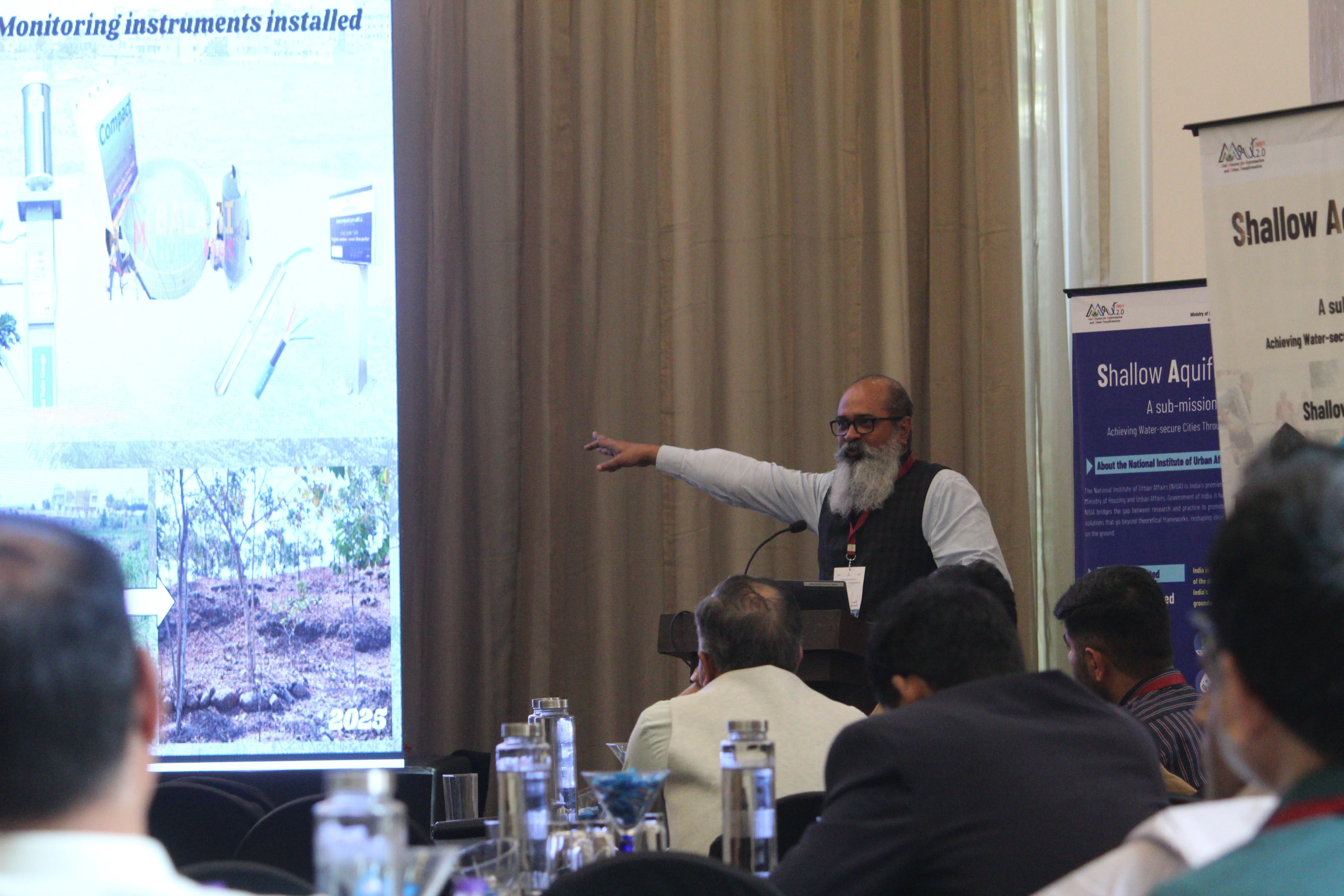
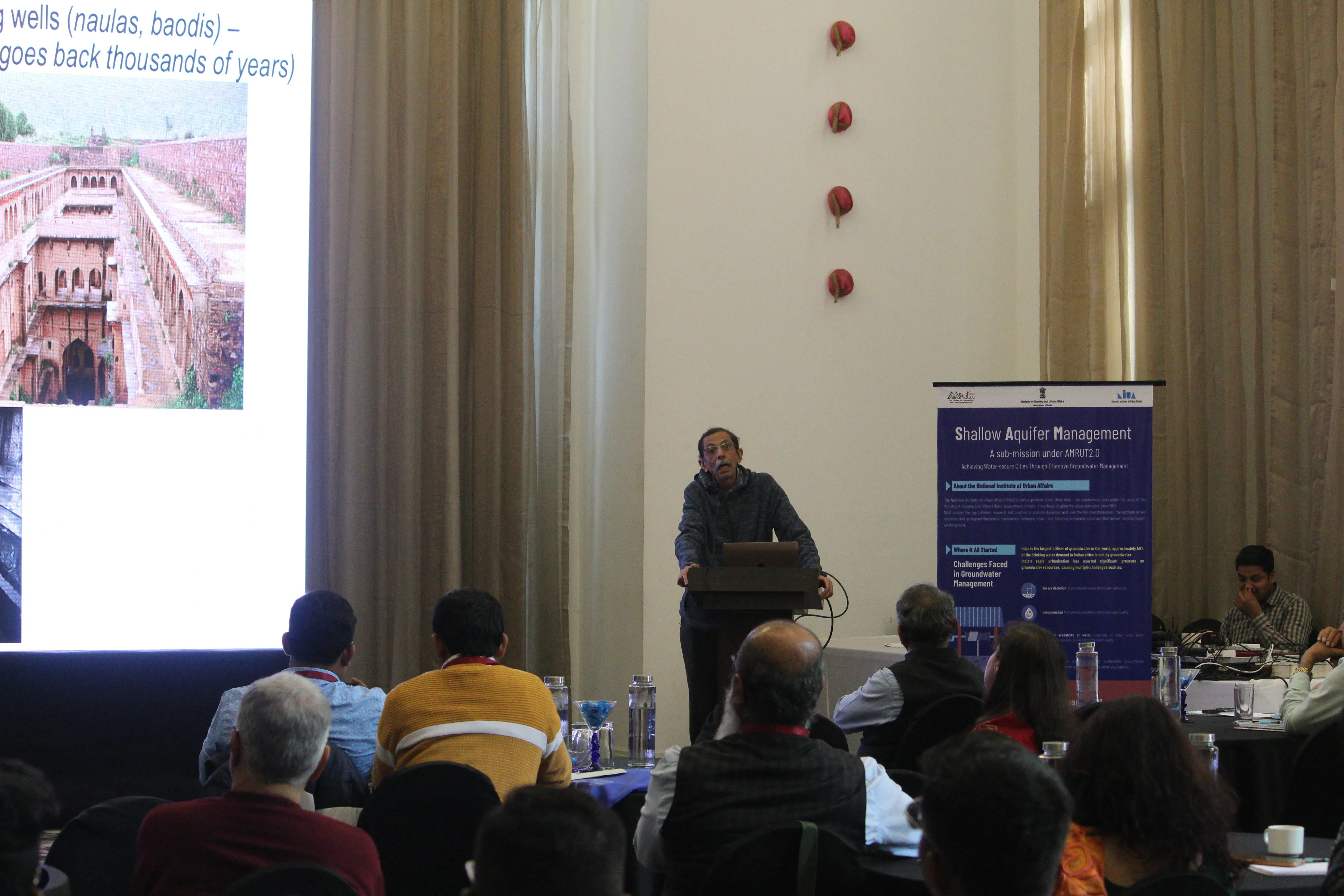
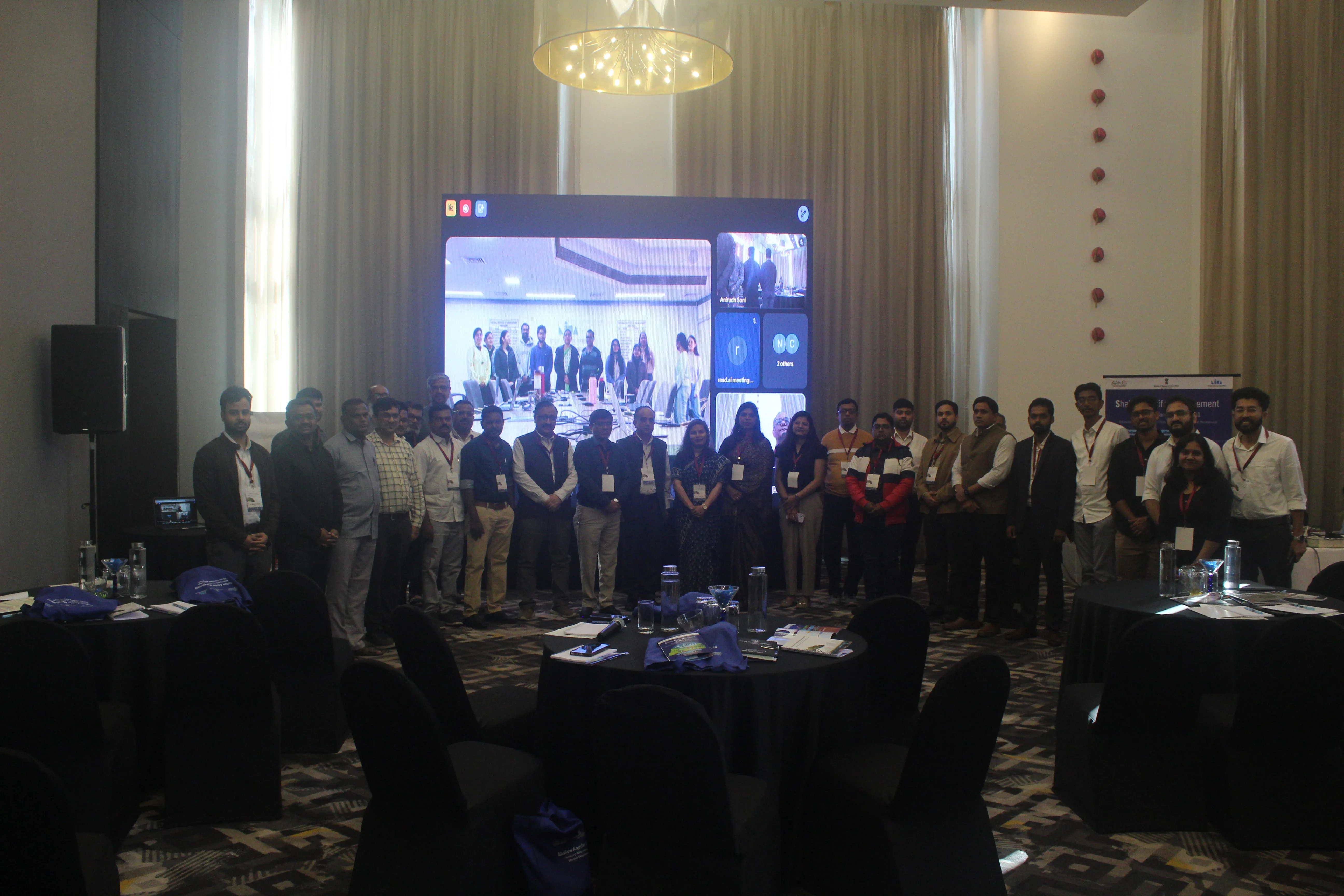
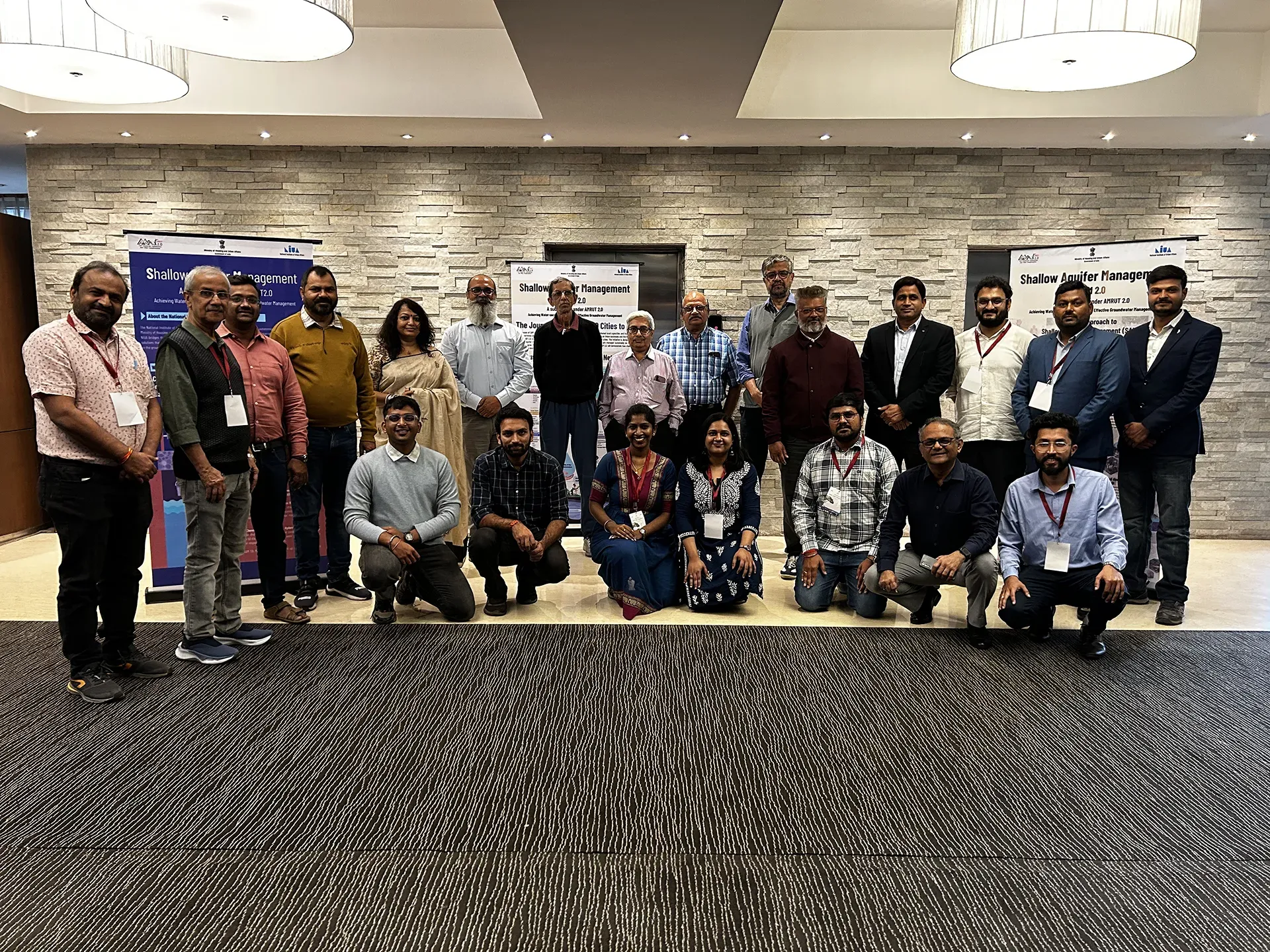
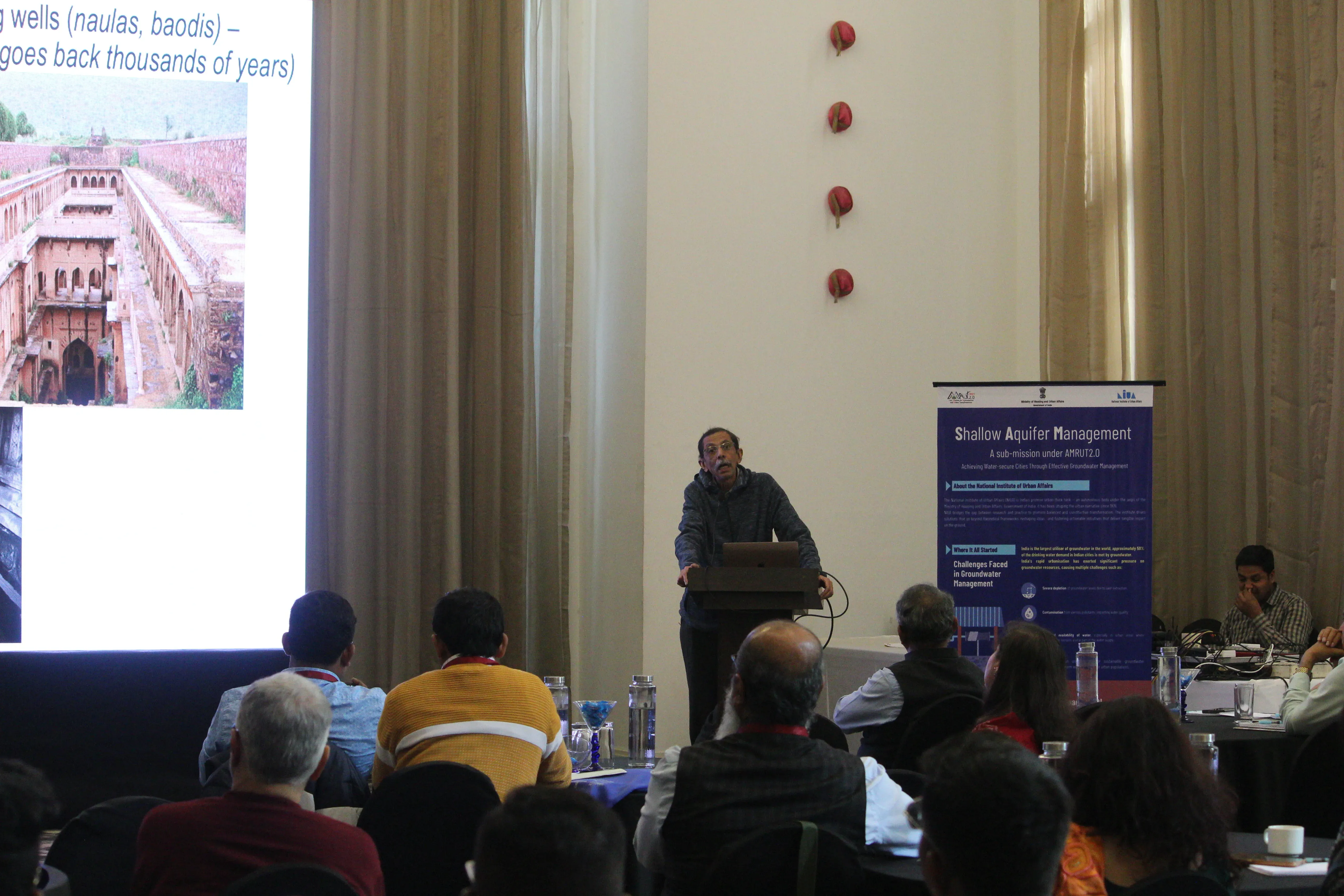
<p dir="ltr">Groundwater remains largely invisible, yet it is central to urban water security in India. With rapid urbanisation placing increasing pressure on shallow aquifers—an underutilised but critical resource—strengthening city-level capacity for groundwater management has become essential. To address this, NIUA under Shallow Aquifer Management (SAM 2.0), an initiative of AMRUT 2.0, organised a three-day Training Workshop on “Managing Shallow Aquifers in Urban Areas” in Pune from 7–9 January 2026.</p><p dir="ltr">The training brought together 22 officials from SAM 2.0 cities, fostering a shared understanding of urban aquifer systems and strengthening preparedness for city-led groundwater management. The programme combined technical depth with practical insights across four key areas: shallow aquifer concepts; city-level assessment, mapping, and site prioritisation; groundwater recharge options, including dug and heritage wells; and governance models, stakeholder engagement, and integration into urban planning.</p><p dir="ltr">Sessions were led and supported by leading groundwater and urban water experts, including Dr. Himanshu Kulkarni, S. Vishwanath, Eklavya Prasad, Kalpana Ramesh, Ravindra Sinha, Viraj Rajguru, Prof. Anurag Ohri, and Prof. Brijesh Yadav, who shared field-based experiences and implementation perspectives. Participating cities included Adilabad, Agra, Chhatrapati Sambhajinagar, Dehradun, Dewas, Dharamshala, Guwahati, Indore, Jalgaon, Nabadwip, Palakkad, Palampur, Salem, Saharanpur, Siddipet, and Tirupati.</p>
SAM 2.0 Site Visits in Pune
Pune
January 2025 - January 2025
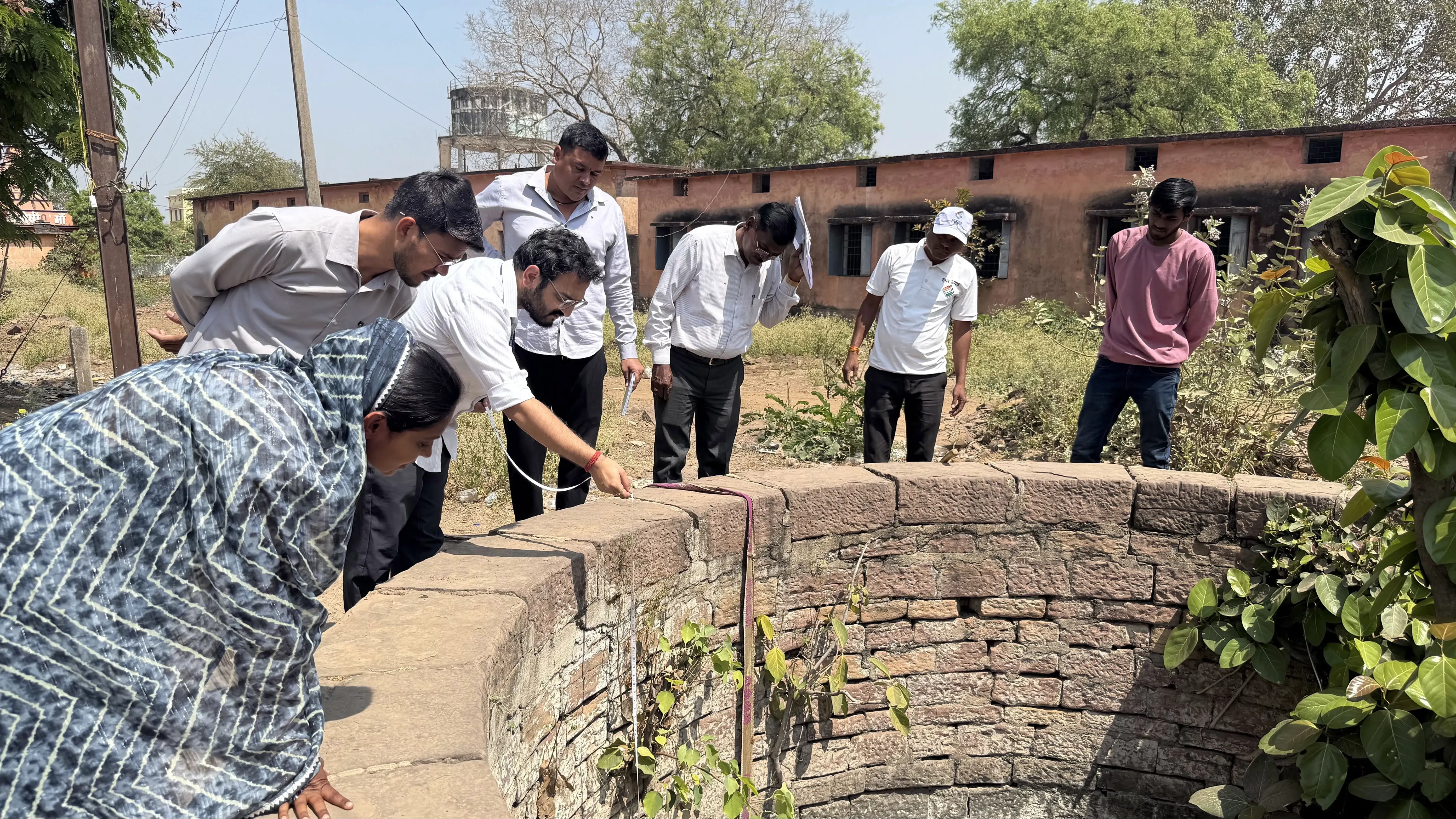
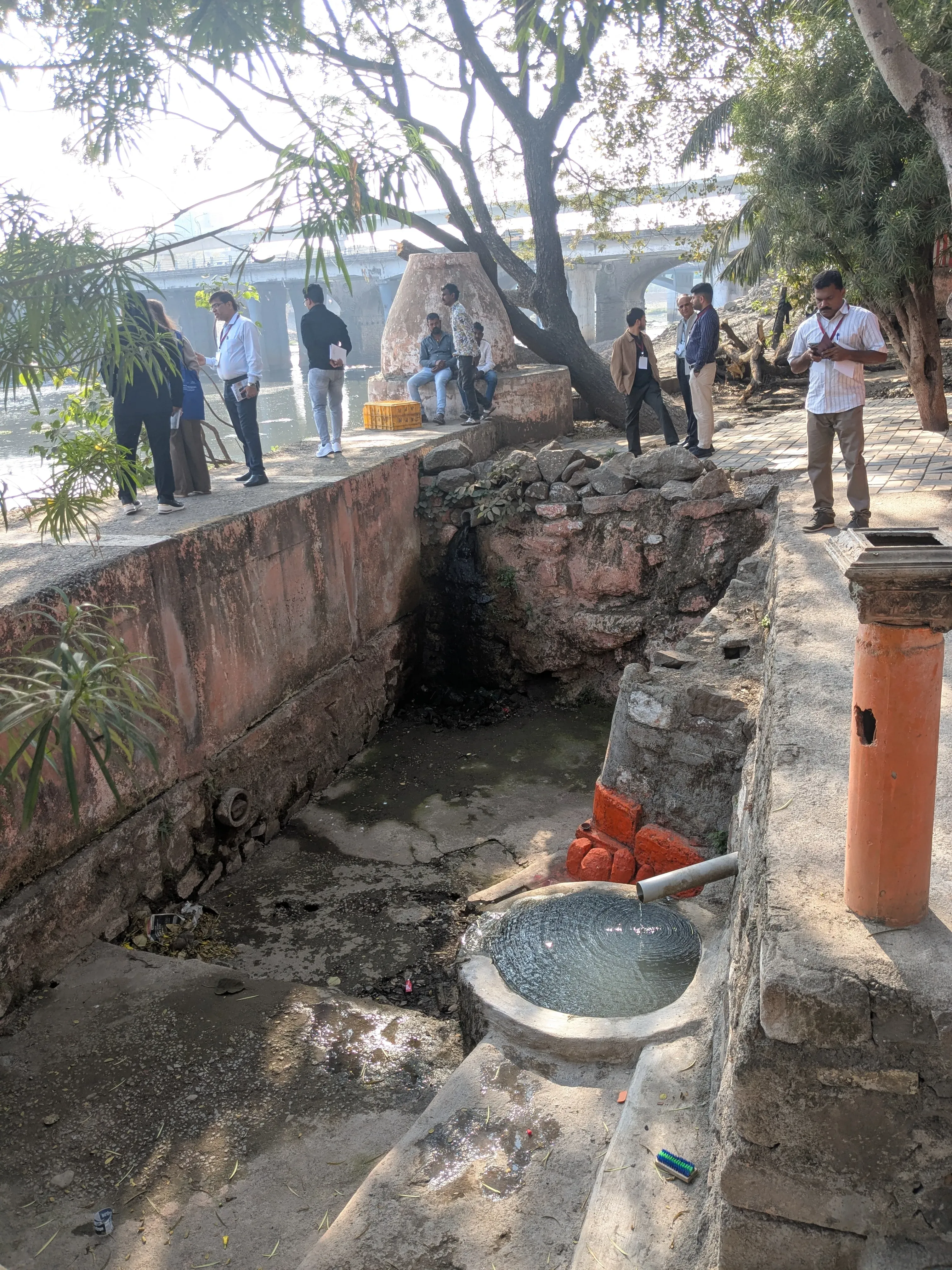
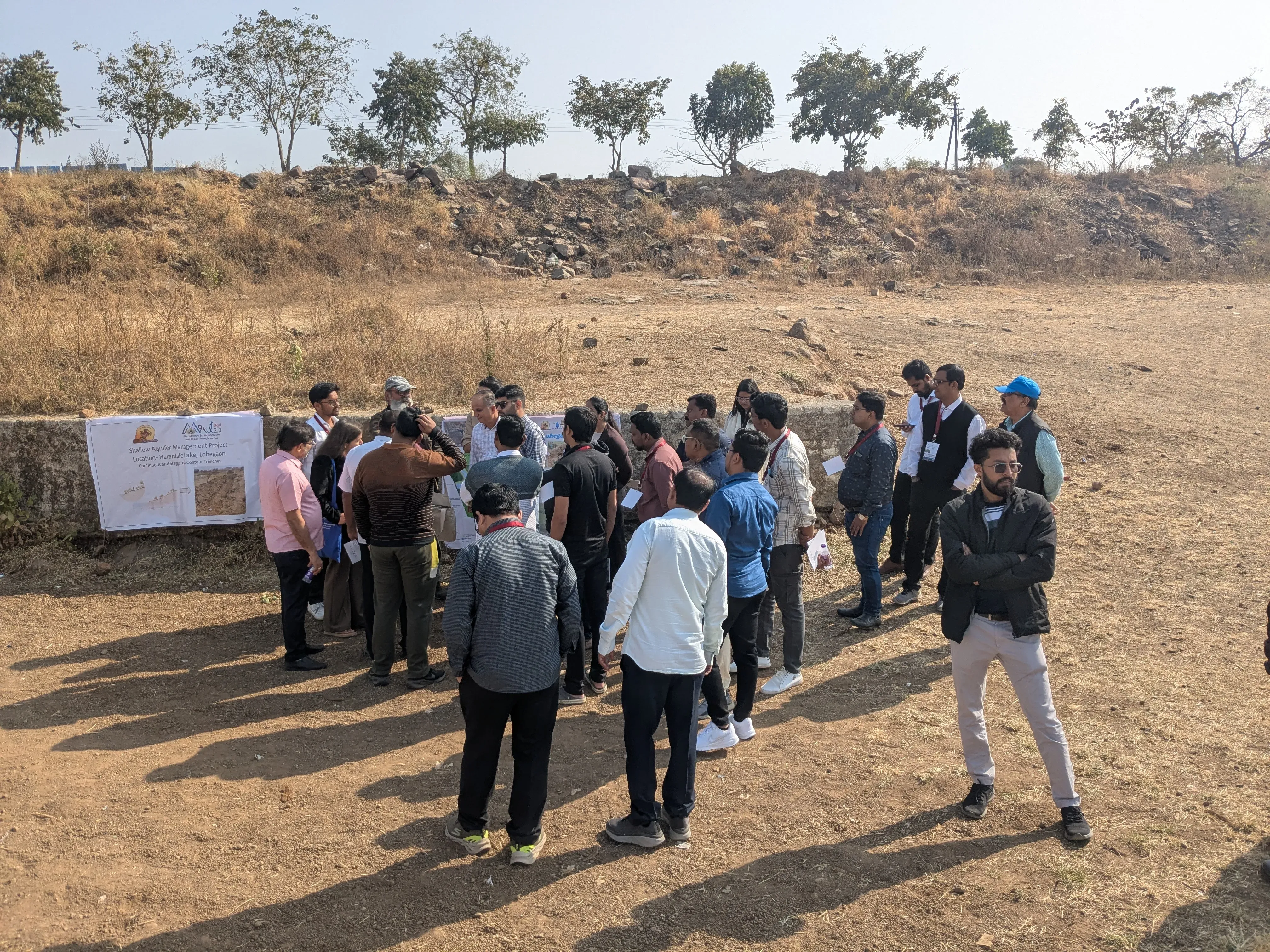
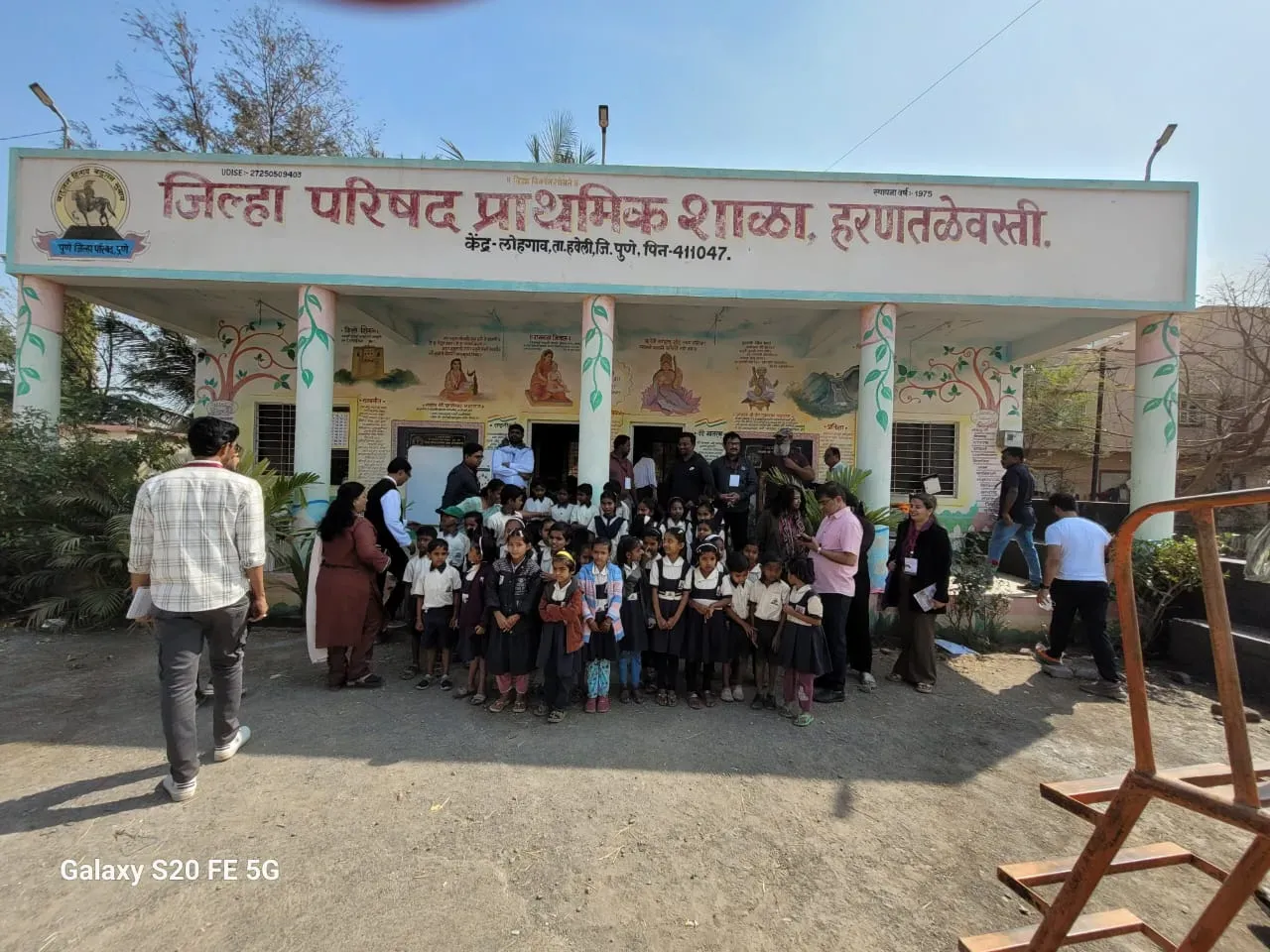
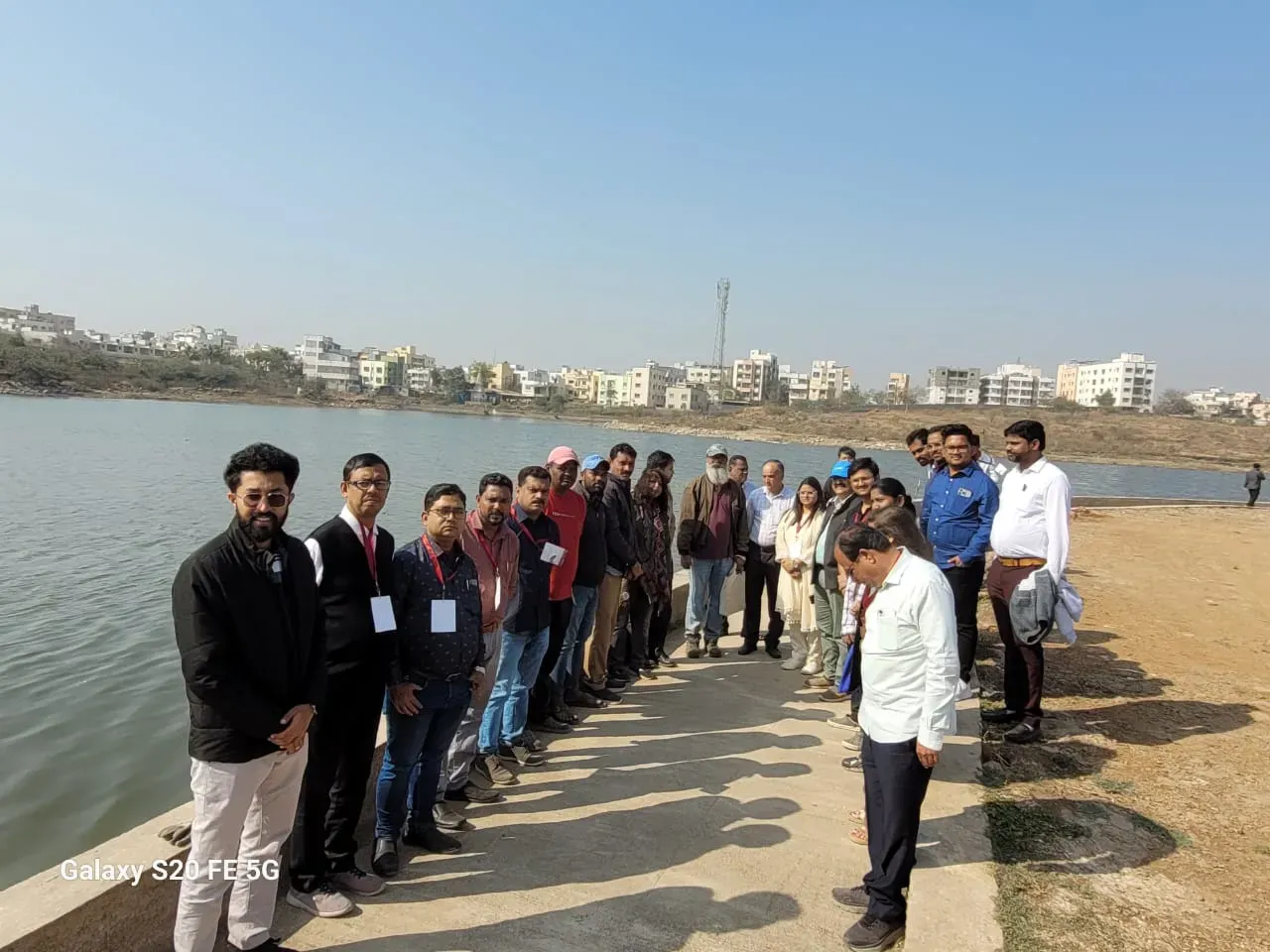
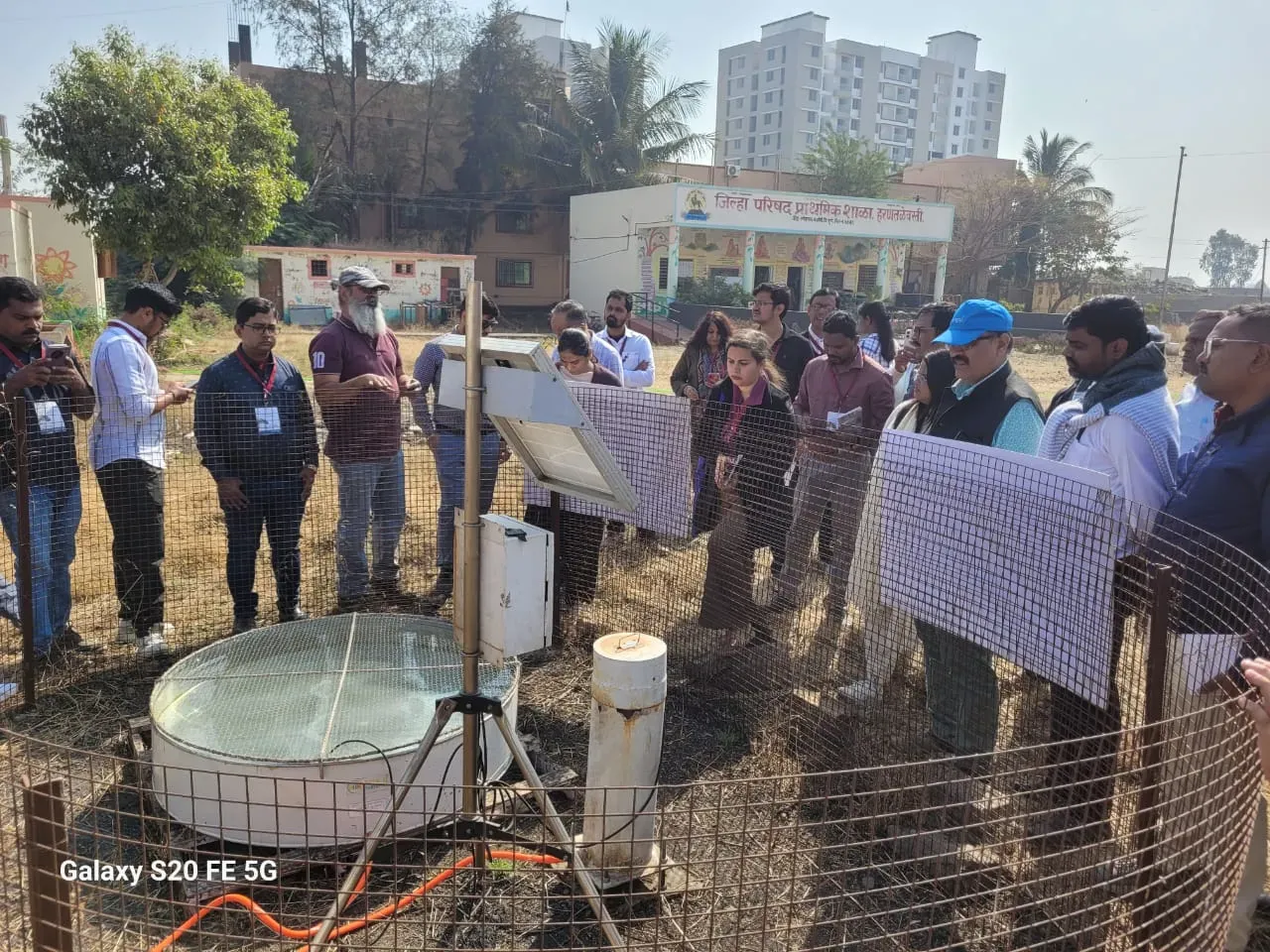
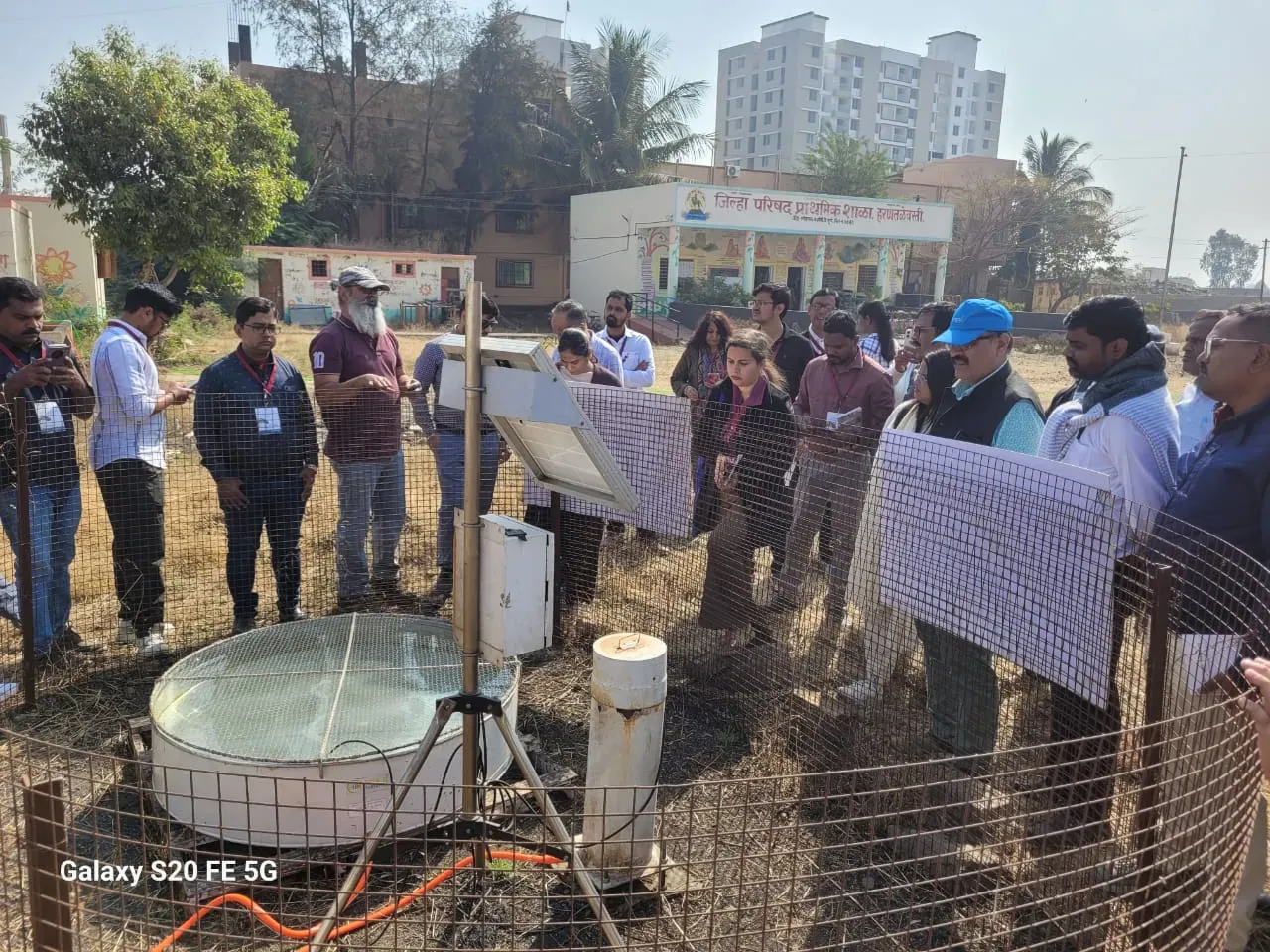
<p dir="ltr">Shallow aquifer management is most effective when technical knowledge is grounded in real-world application. In this context, <strong>field visits to SAM 1.0 intervention sites in Pune</strong> were organised to demonstrate how urban aquifer science translates into on-ground outcomes. The visits formed part of a broader effort to showcase proven approaches to groundwater recharge, monitoring, and local-scale interventions within city settings.</p><p dir="ltr">Participants visited a range of interventions, including <strong>urban springs, recharge-focused catchment treatments, percolation tanks, and a state-of-the-art weather monitoring system</strong>. These sites illustrated how data-driven planning, nature-based solutions, and community-linked infrastructure can support sustainable groundwater management. The visits reinforced the importance of embedding shallow aquifer considerations into routine urban planning processes to strengthen long-term water resilience in cities.</p>
Know More