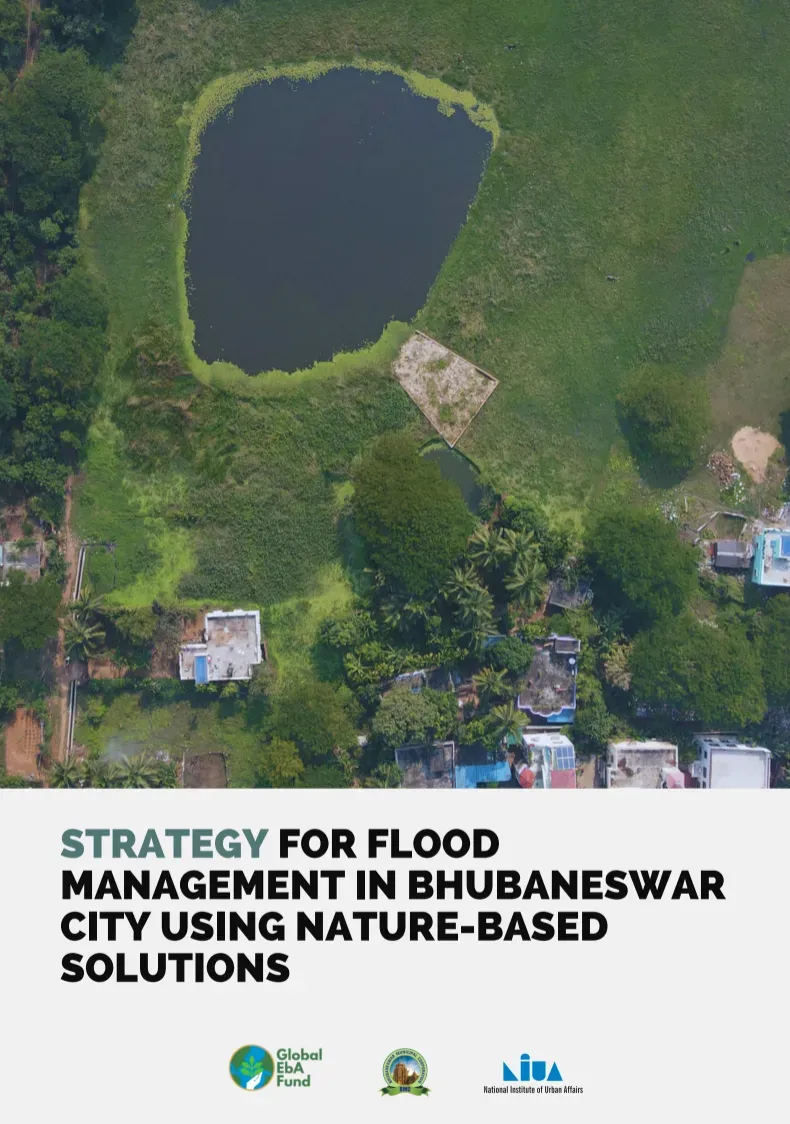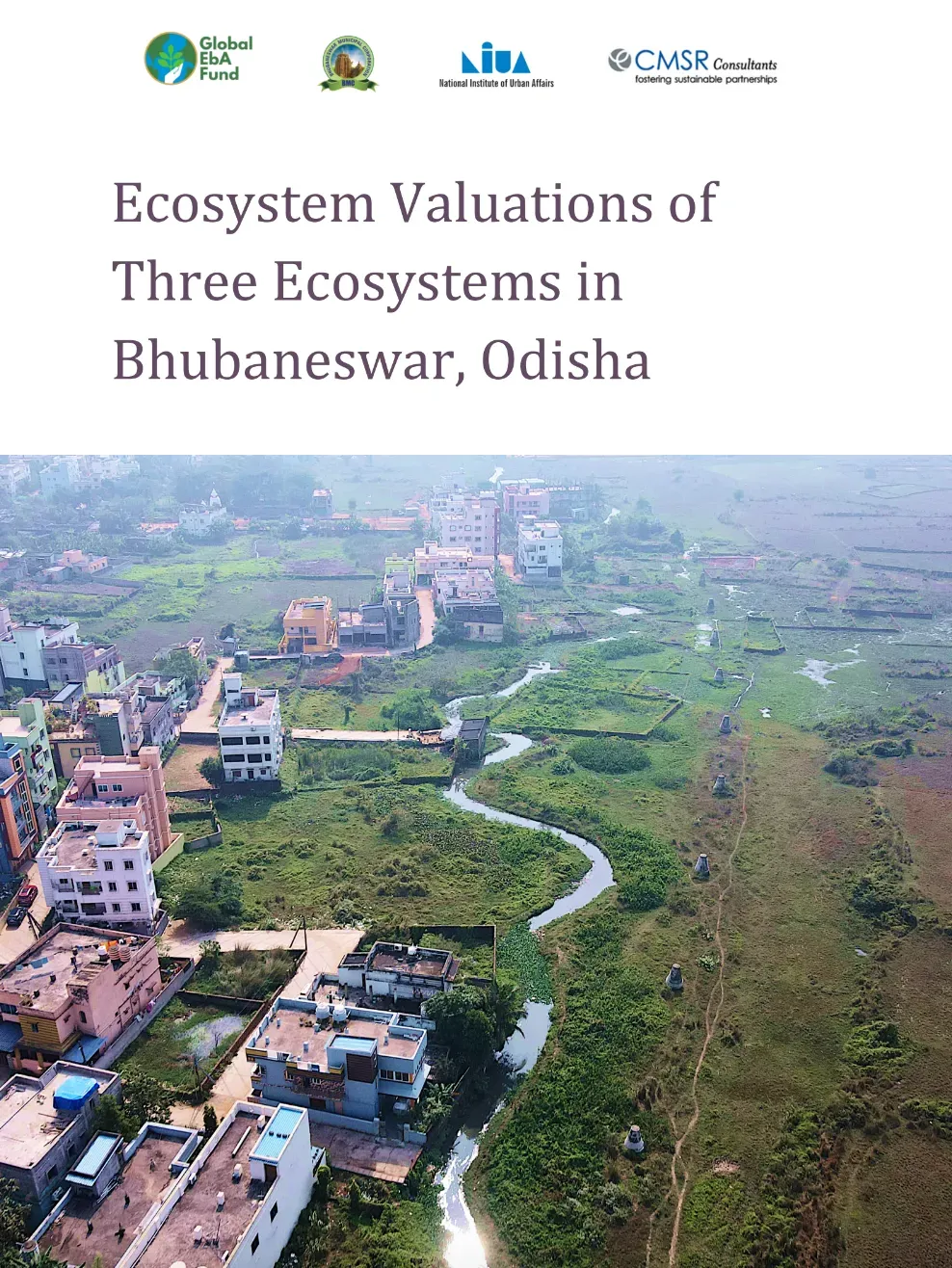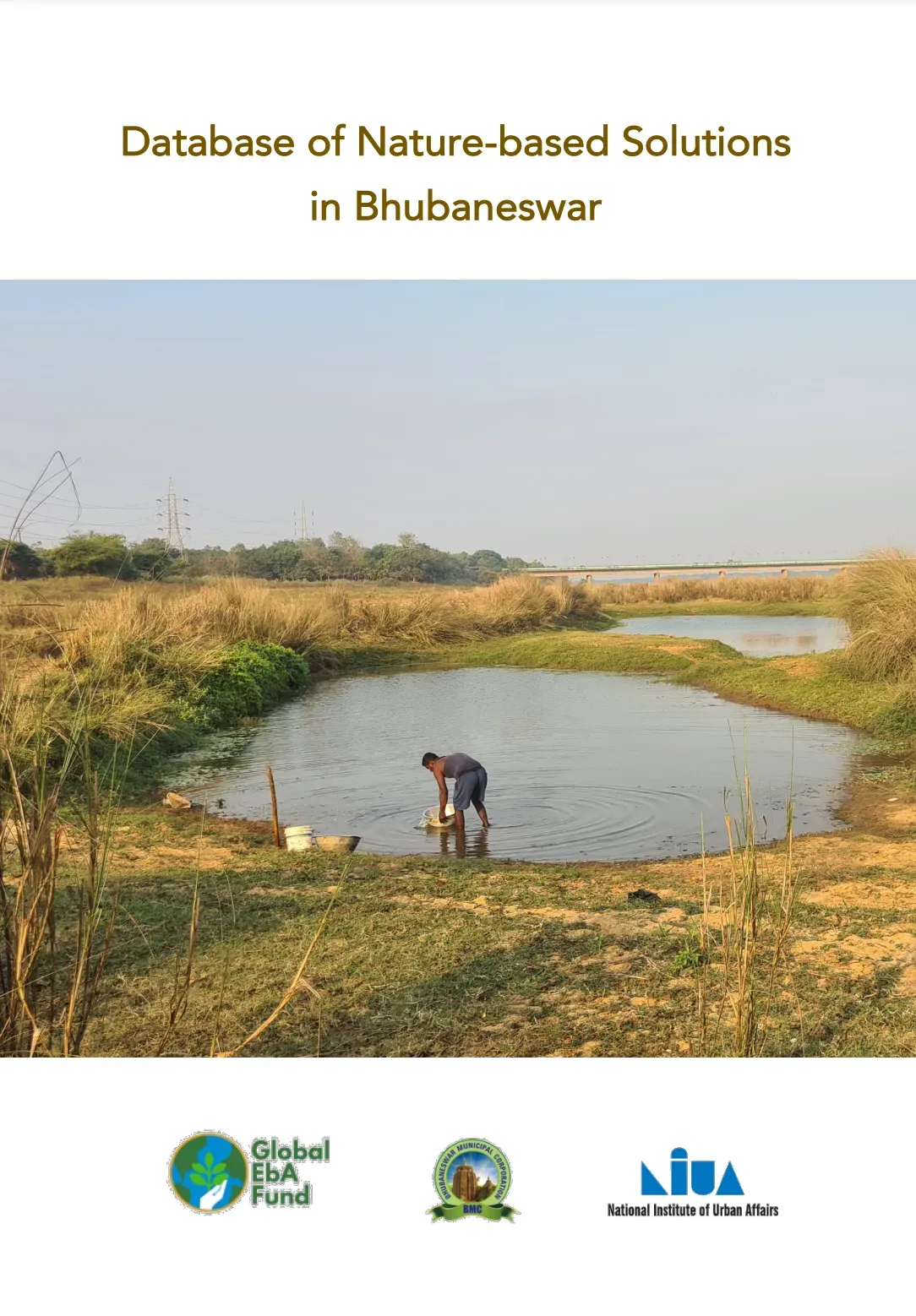
Proliferating Ecosystem Based Adaptation Practices in Indian Cities (EPIC)
Resource Partners: IUCN , Global EbA Fund
Partners: Bhubaneswar Municipal Corporation (BMC)
Duration: October 2022 - September 2024

About
Most Indian cities rely solely on engineering solutions for water management. However, there is growing evidence that nature-based solutions can serve as significant complementary measures providing multi-functional benefits. In some cases, they have the potential to replace traditional infrastructural interventions. When such solutions are used to address the impacts of climate change, they are called Ecosystem-based Adaptation (EbA).
The overall objective of this project is to create an enabling environment to mainstream the agenda for EbA solutions as a robust and sustainable approach for water management. It seeks to address two core challenges that are faced by most cities grappling with climate change i.e. water scarcity and urban flooding.
The project is being implemented in two phases. The first phase is focused on designing practical EbA interventions for flood control and groundwater recharge in Bhubaneshwar city. The second phase aims to scale up EbA practices within the larger cohort of Indian cities, using the learnings and outputs of the first phase.

3
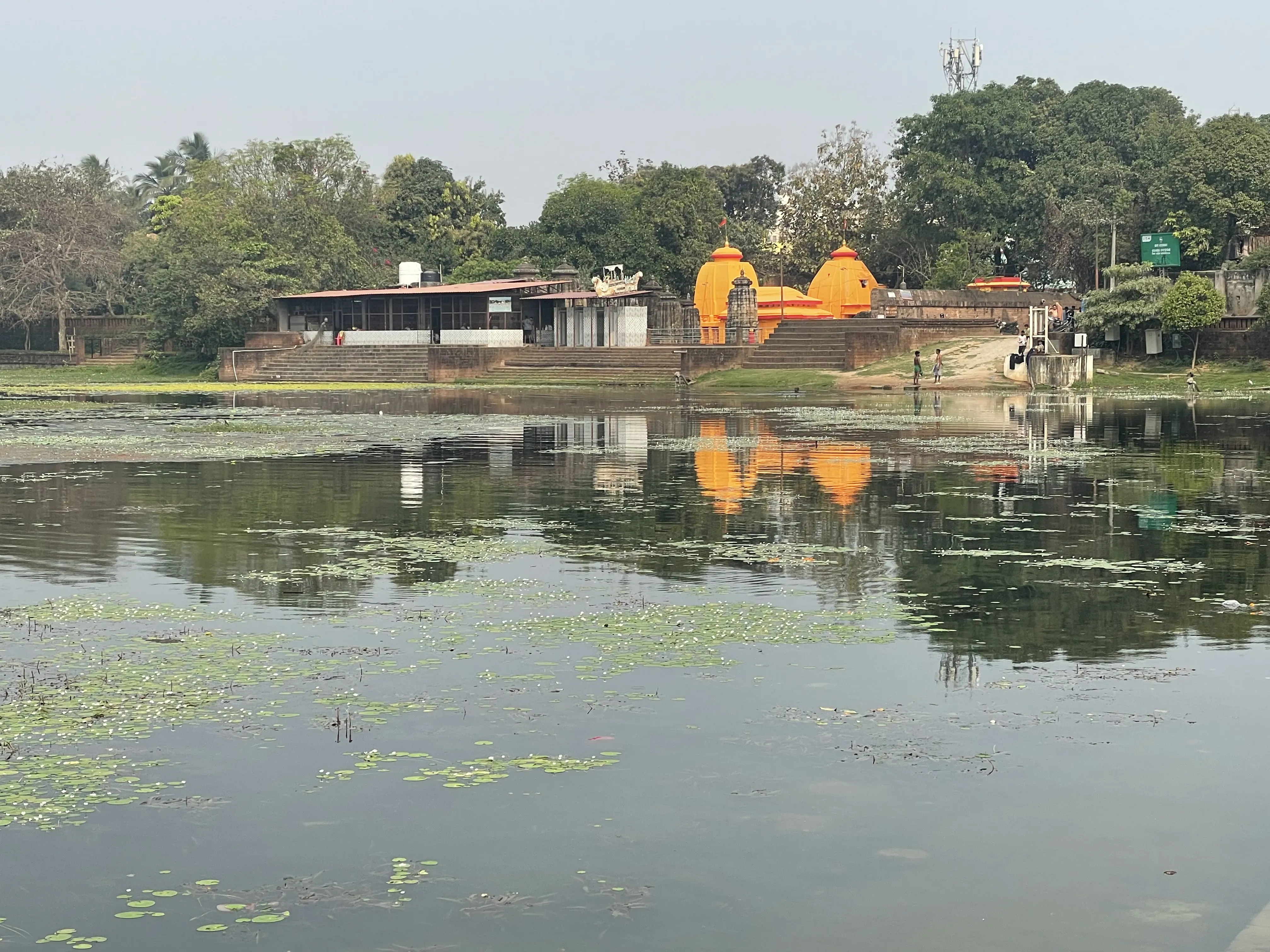
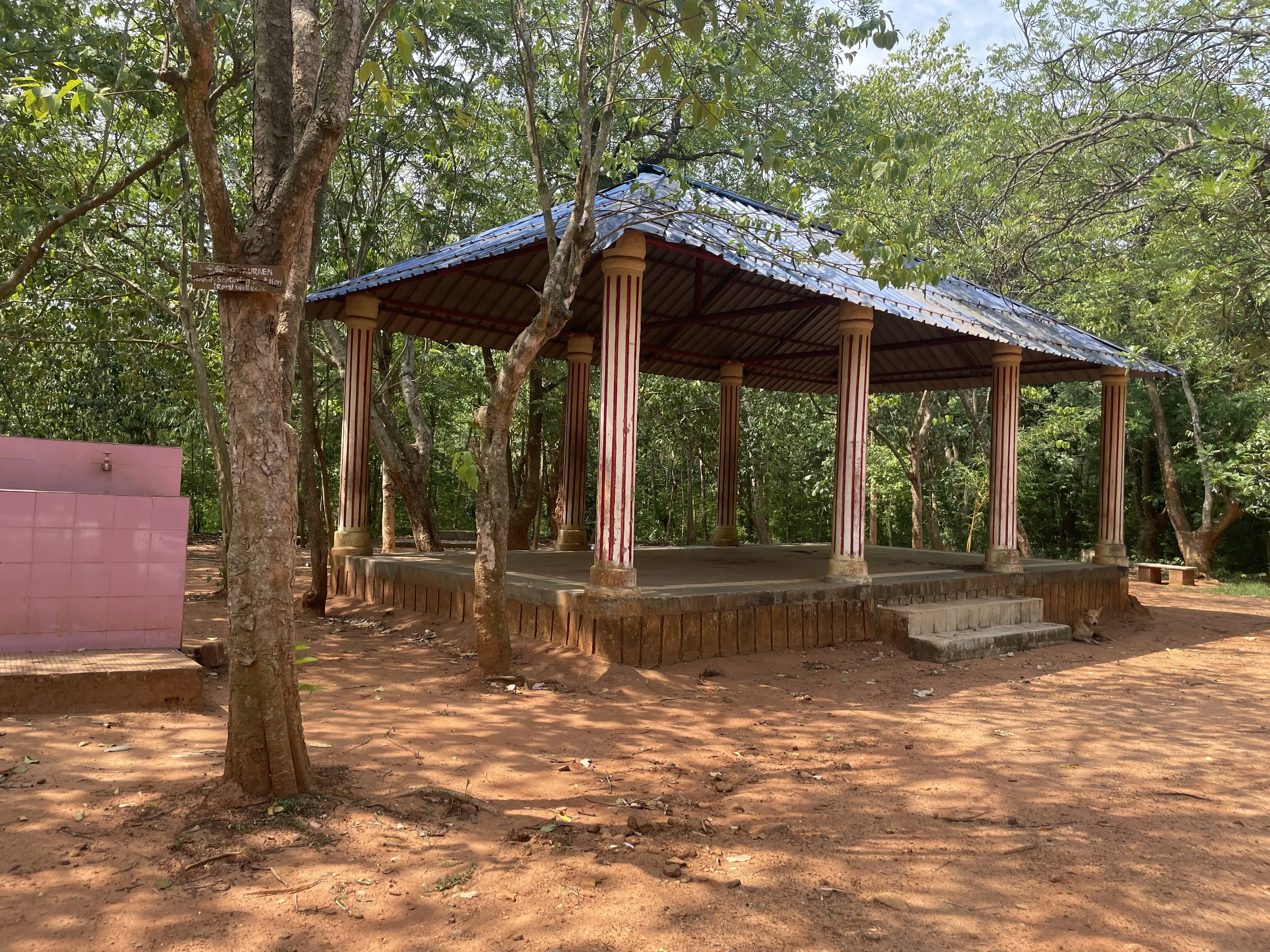
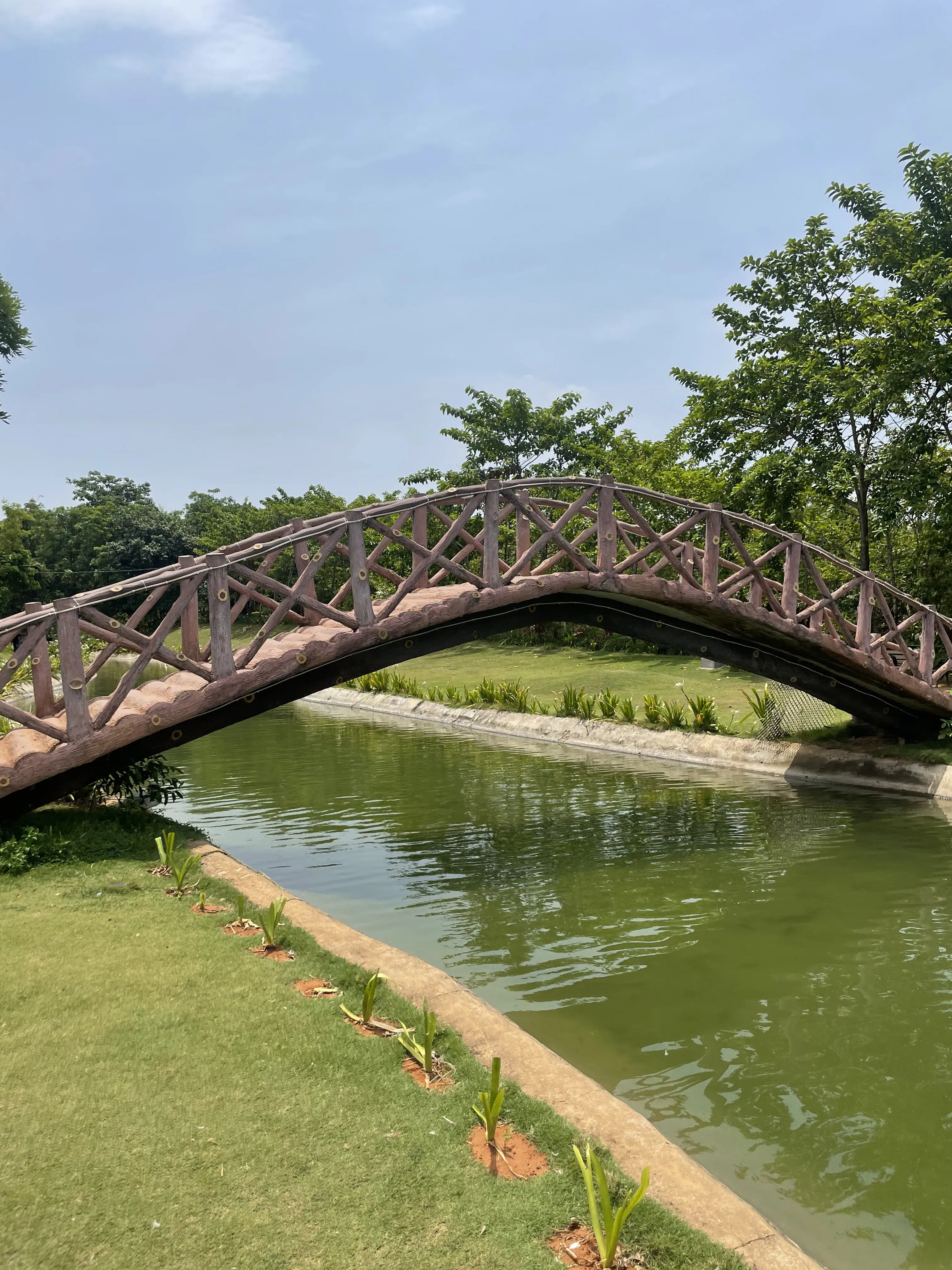
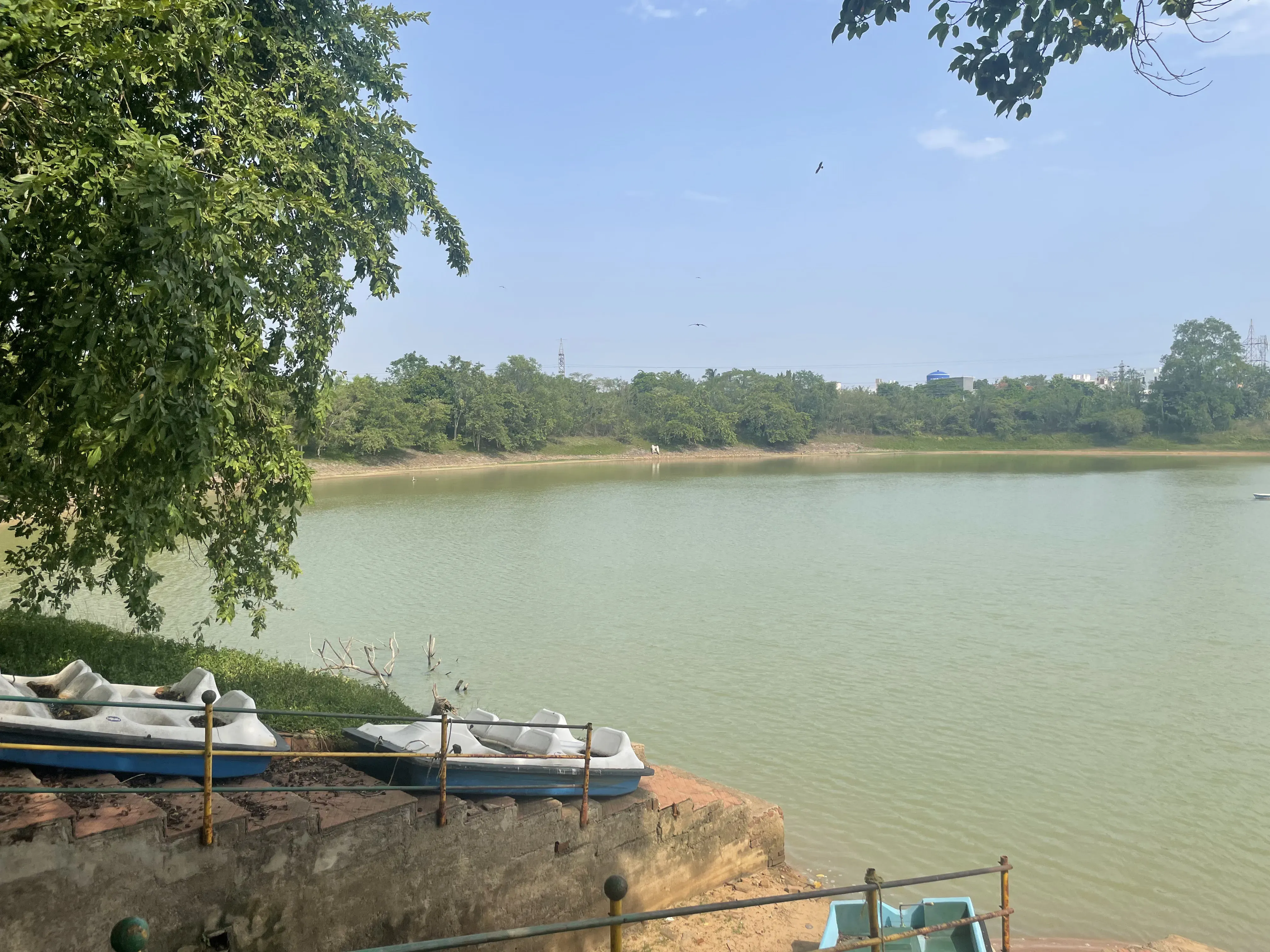
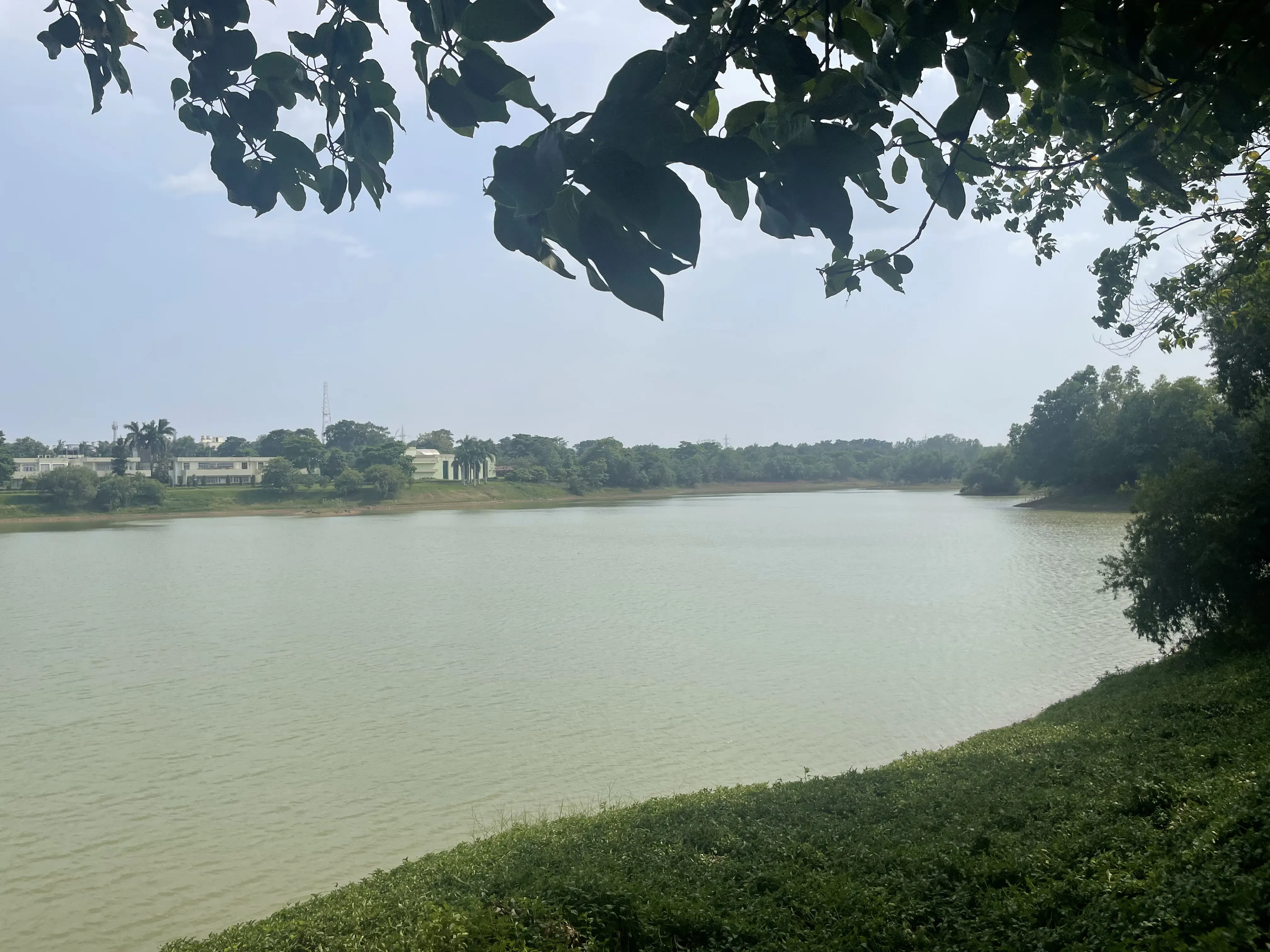
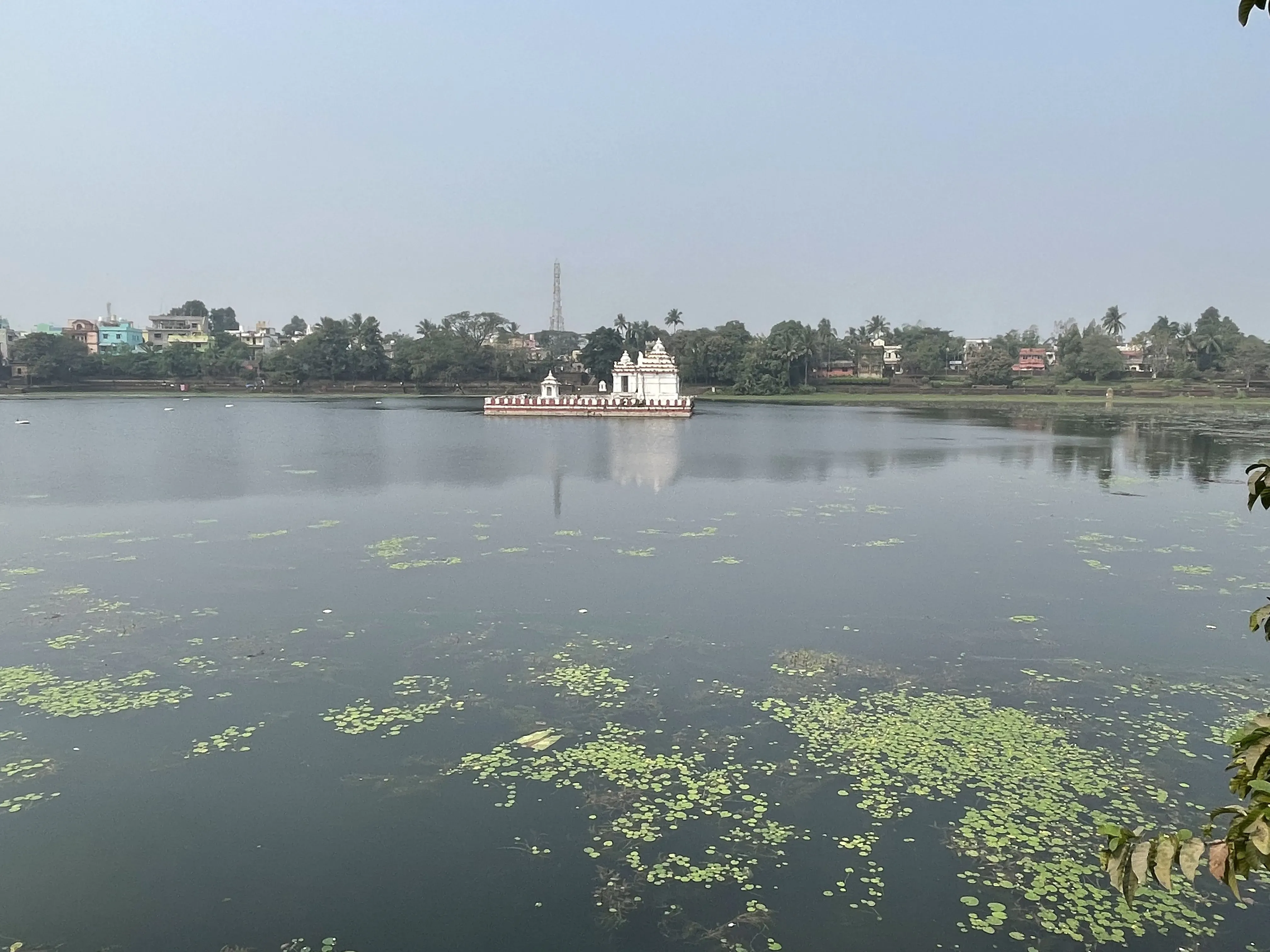
Urban ecosystems (Waterbody, Wetland, Urban Green) have been evaluated in Bhubaneswar
10
Areas were analysed and nature-based solutions were offered to reduce urban flooding
15
Ecosystems in Bhubaneswar were mapped
Events
Focused Group Discussion on the Biodiversity of Bhubaneswar City
 Bhubaneswar, Odisha, India
 March 2024 - March 2024
<p dir="ltr">A Focused Group Discussion (FGD) was organised in Bhubaneswar on 19th March 2024, with a group of six local biodiversity experts. Representatives from the City Forest Department, Odisha Biodiversity Board, Bhubaneswar Municipal Corporation, Centurion University, Fakir Mohan University and Earth Crusaders Organization joined the meeting.</p><p dir="ltr">The objective of this FGD was to identify the key ecosystems in the city, and understand the species richness as well as diversity of these ecosystems. Based on the discussions, the biodiversity rich areas and the areas under threat of urbanisation and encroachment, natural system modification, pollution, climate change, etc. were also identified. Through this FGD, an attempt was also made to identify the unique services provided by the identified ecosystems within the city.</p>
Brainstorming Workshop on Traditional Practices
Delhi, India
April 0004 - April 2024
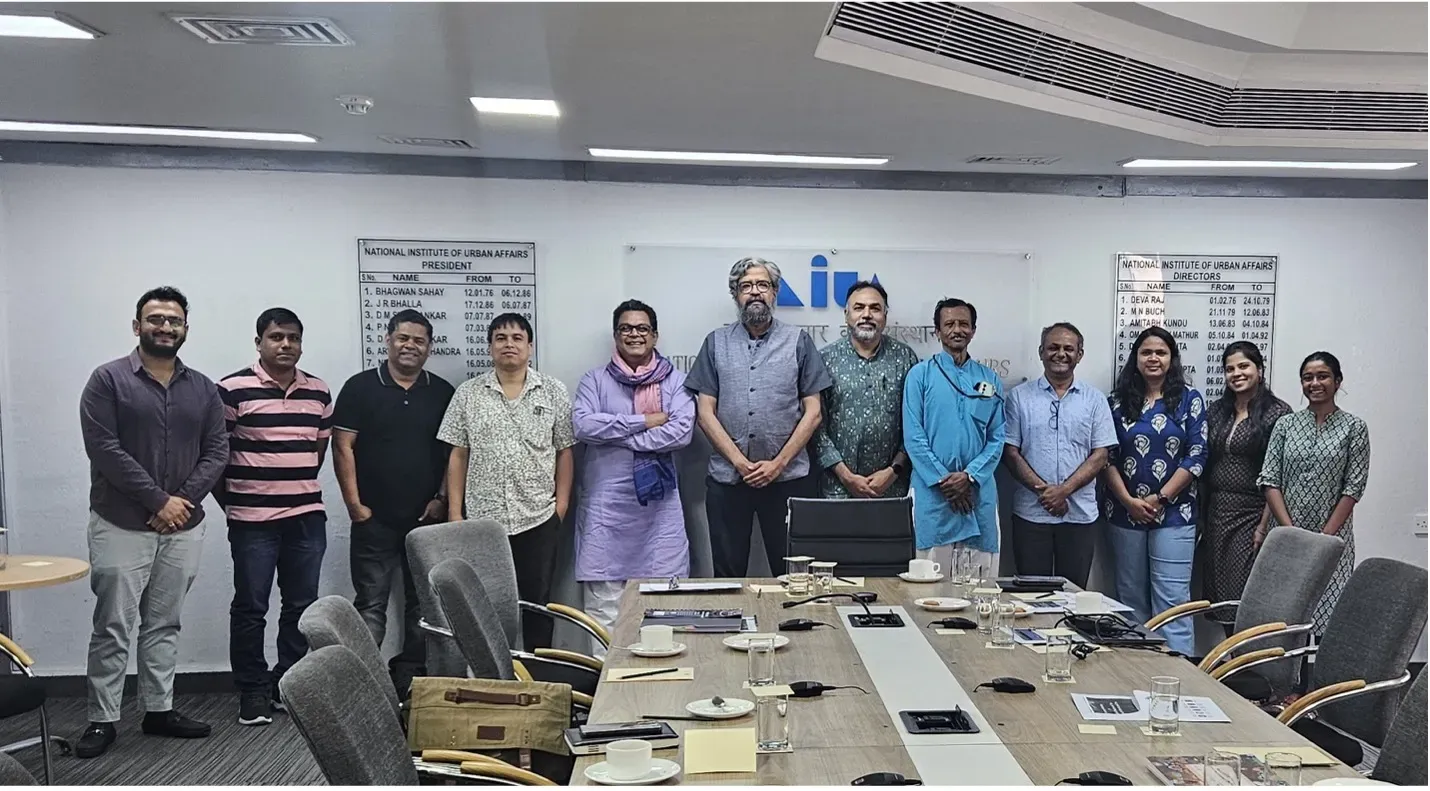
<p dir="ltr">To understand the landscape of the indigenous/traditional practices in India for their relevance in addressing two critical challenges i.e. urban flooding and water scarcity, a brainstorming workshop was held on Traditional Practices and their Relevance on Water-secured Cities on 8th April 2024 at the NIUA office, New Delhi.</p><p dir="ltr">Over generations, indigenous communities across the globe have developed a deep understanding of their surrounding ecosystems. Indigenous practices and traditional knowledge of water management in India have been well-captured in several books, monologues, scripts, articles, etc. These practices not only safeguard water sources but also contribute to ecosystem health, reducing vulnerabilities to extreme weather events, ensuring reliable water supplies, and ultimately promoting long-term climate resilience for both indigenous and non-indigenous communities alike.</p><p dir="ltr">Currently, our cities face two critical challenges, that is, flooding during monsoon and water scarcity during dry seasons; and climatic changes are expected to further aggravate these. Contemporary strategies rely more on engineering solutions and are employed to address these issues at speed and scale. The primary aim of the workshop was to delve into discussions on the possibilities of integrating indigenous practices/knowledge and harnessing nature-based solutions, to mitigate the impact of climate change.</p>
Symposium on Multi-Dimensional Approaches for Integrated Urban Water Management
Delhi, India
May 2025 - May 2025
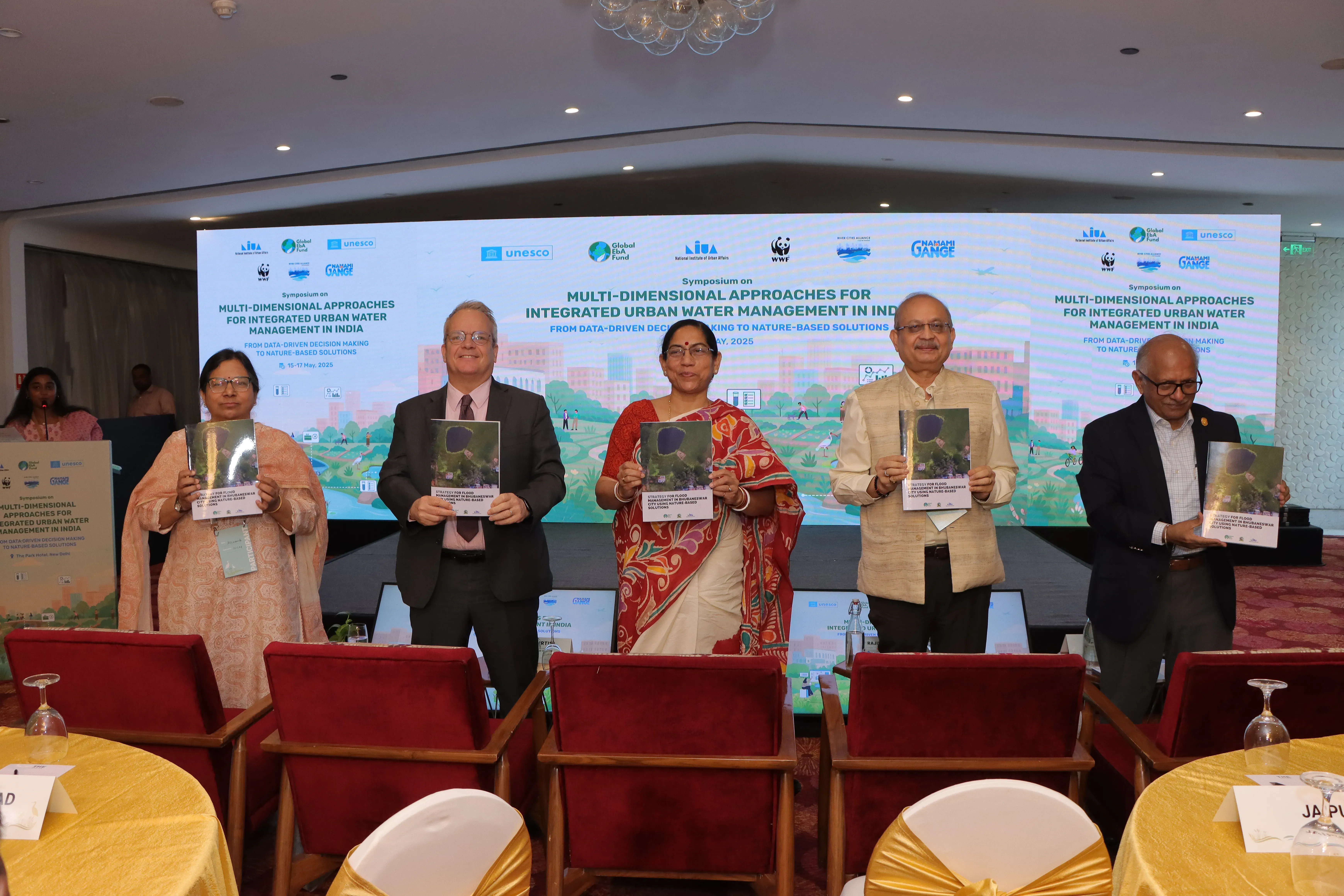
<p dir="ltr">At the Symposium, key insights from the EPIC project were shared with a diverse audience that included representatives from River Cities Alliance member cities, policymakers across city, state, and national levels, engineers, urban planners, environmental experts, academics, and international organisations. The workshop aimed to disseminate project learnings and strengthen capacity in integrated urban water management and nature-based solutions (NbS). A major highlight was the launch of the <em>City-wide Strategy for Nature-based Solutions in Bhubaneswar</em>, developed by the National Institute of Urban Affairs (NIUA) in collaboration with the Global EbA Fund, that was developed under this project.</p><p dir="ltr">In a dedicated session, Dr. Uday Bhonde and Ms. Jyoti Verma presented the project’s findings, showcasing Bhubaneswar’s NbS approach and strategy. They demonstrated how urban natural ecosystems can complement traditional grey infrastructure for climate adaptation and flood mitigation. The session also focused on Bhubaneswar’s pressing challenge of urban flooding, presenting site-specific NbS strategies aimed at reducing flood risks and enhancing the city’s resilience. The city administration is now actively considering these solutions as a core part of its urban planning, marking a shift toward sustainable, integrated, and climate-responsive infrastructure development.</p>
Our assessments—from citywide to site-specific—have generated data-backed, actionable insights. The scientific validation of flood vulnerability and integration with administrative and social layers is a powerful tool for city officials to allocate resources more effectively for flood management. We hope this methodology helps other cities develop resilient, targeted interventions as well.
Know More