Policy Brief on the Future of River Management
2020
On 1 May 2020, amid the challenges posed by the COVID-19 pandemic, the National Institute of Urban Affairs (NIUA) and the National Mission for Clean Ganga (NMCG) came together to host an Ideathon titled “The Future of River Management.” The event was conceived as a forward-looking platform to reflect on how the pandemic, while disruptive, offered important insights into environmental regeneration and the impact of human activity on river ecosystems. By using this unprecedented crisis as a backdrop, the Ideathon aimed to generate fresh perspectives and actionable strategies for more sustainable and resilient river management in India’s urban context.
The Ideathon brought together a diverse group of experts, including urban planners, policymakers, environmentalists, researchers, and water sector professionals, to collectively reimagine the role of rivers in urban development. Discussions explored critical themes such as improving urban wastewater management, restoring ecological flow, integrating nature-based solutions, strengthening institutional capacities, and embedding rivers into long-term urban planning frameworks.
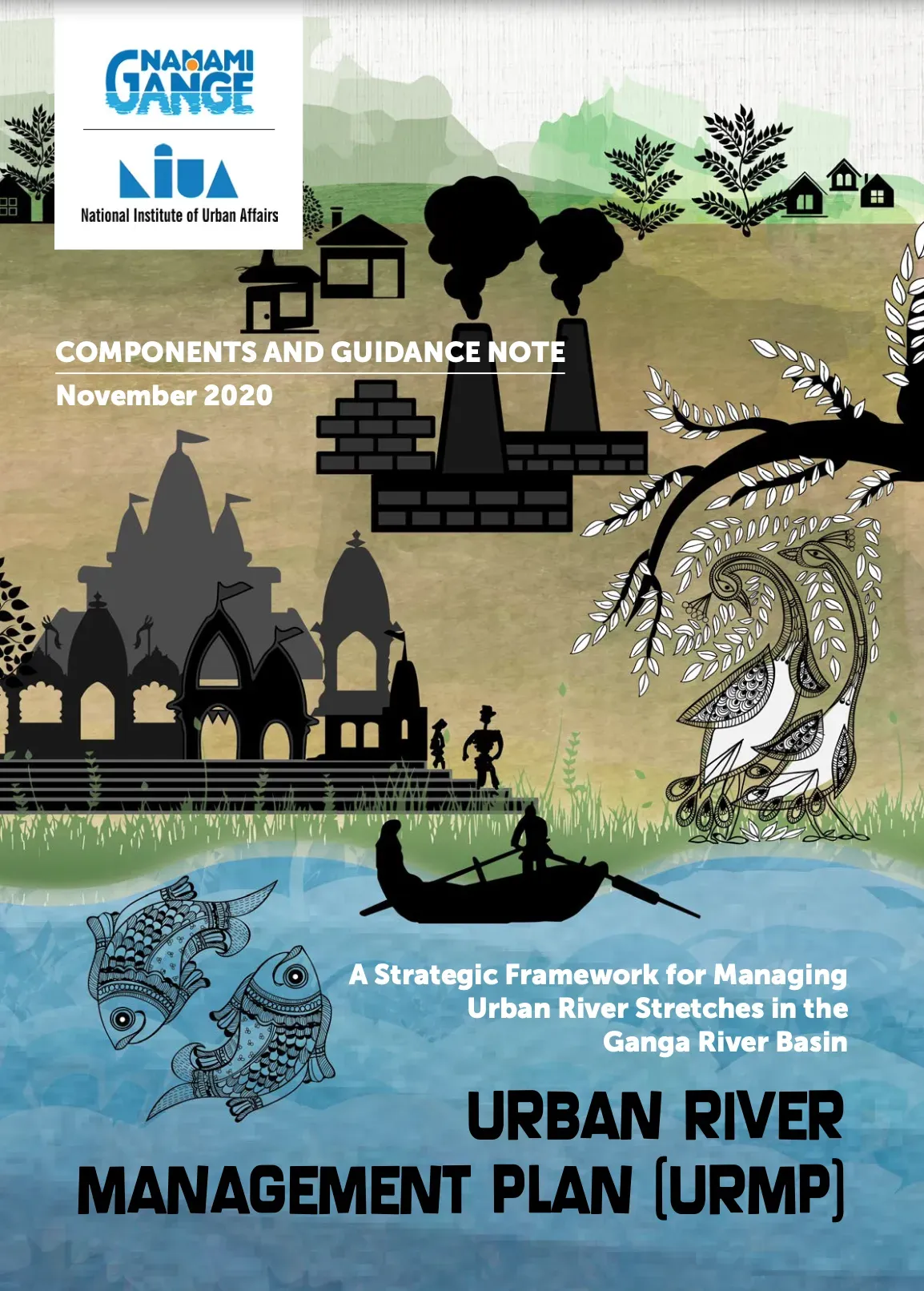
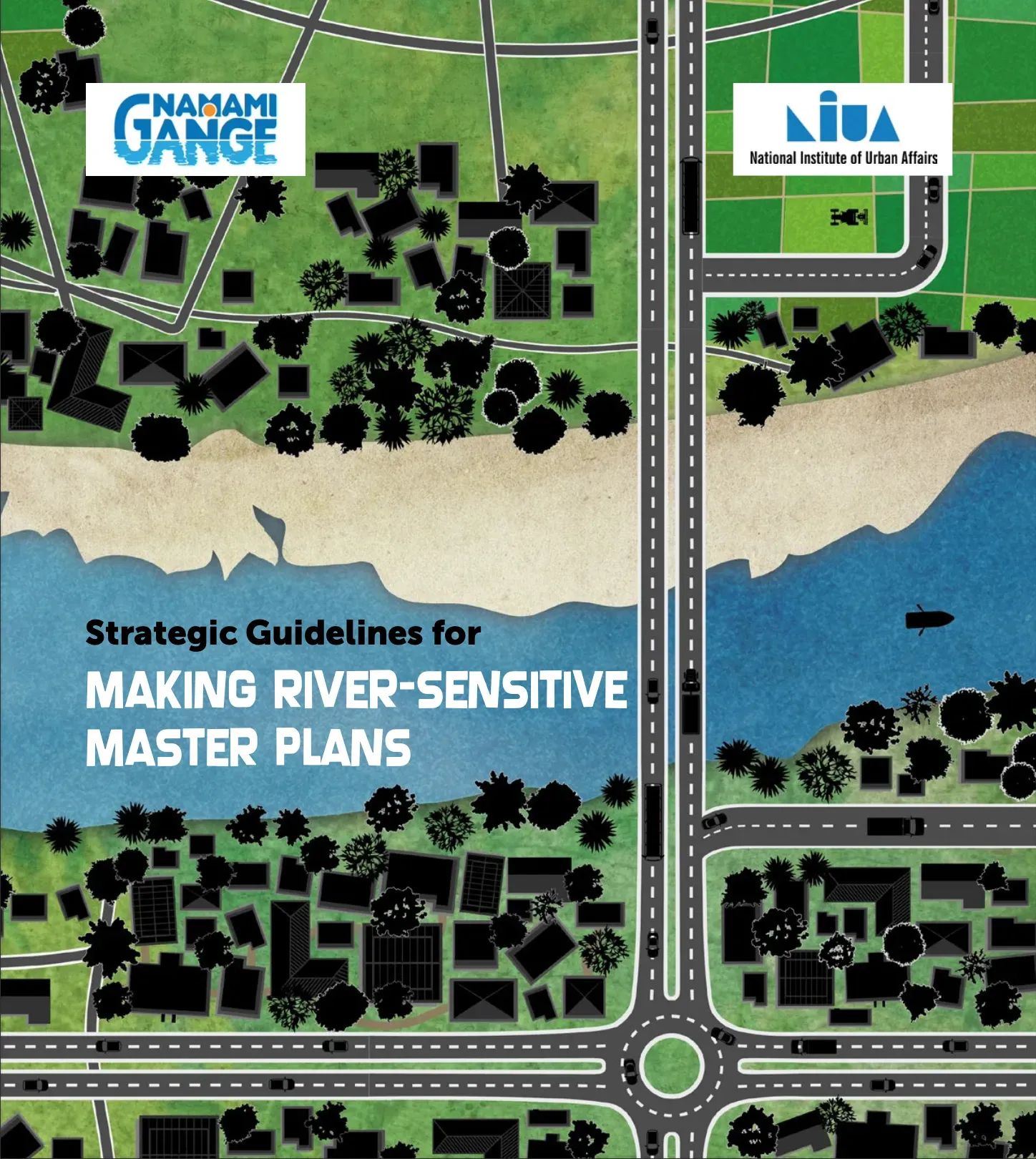
One of the key outcomes of this initiative was the development of a policy brief—a concise but comprehensive document capturing the core ideas and recommendations that emerged from the deliberations. The brief serves as a guiding tool for cities to prepare localized, river-sensitive urban development plans. It emphasizes the importance of integrating river systems into city planning processes and encourages a shift from conventional engineering-driven approaches to more holistic, ecosystem-based strategies.
The policy brief advocates for inclusive, participatory governance involving municipal authorities, technical experts, civil society, and local communities. It stresses the need for data-informed planning, enhanced wastewater treatment infrastructure, revival of traditional water management practices, and increased public awareness. The aim is to foster long-term behavioral change and nurture a culture of river stewardship.
By highlighting the intrinsic link between healthy rivers and sustainable urban futures, the Ideathon and its resulting policy brief provide a visionary roadmap for cities along the Ganga and beyond. This initiative underscores the urgent need for a paradigm shift in how cities perceive and manage their river systems—not as peripheral elements, but as central lifelines that support ecological balance, public health, and resilient urban growth.