A Compendium of River Management Plans – From Managing River Basins to River Specific Projects (PDF)
35.78 MB
Download
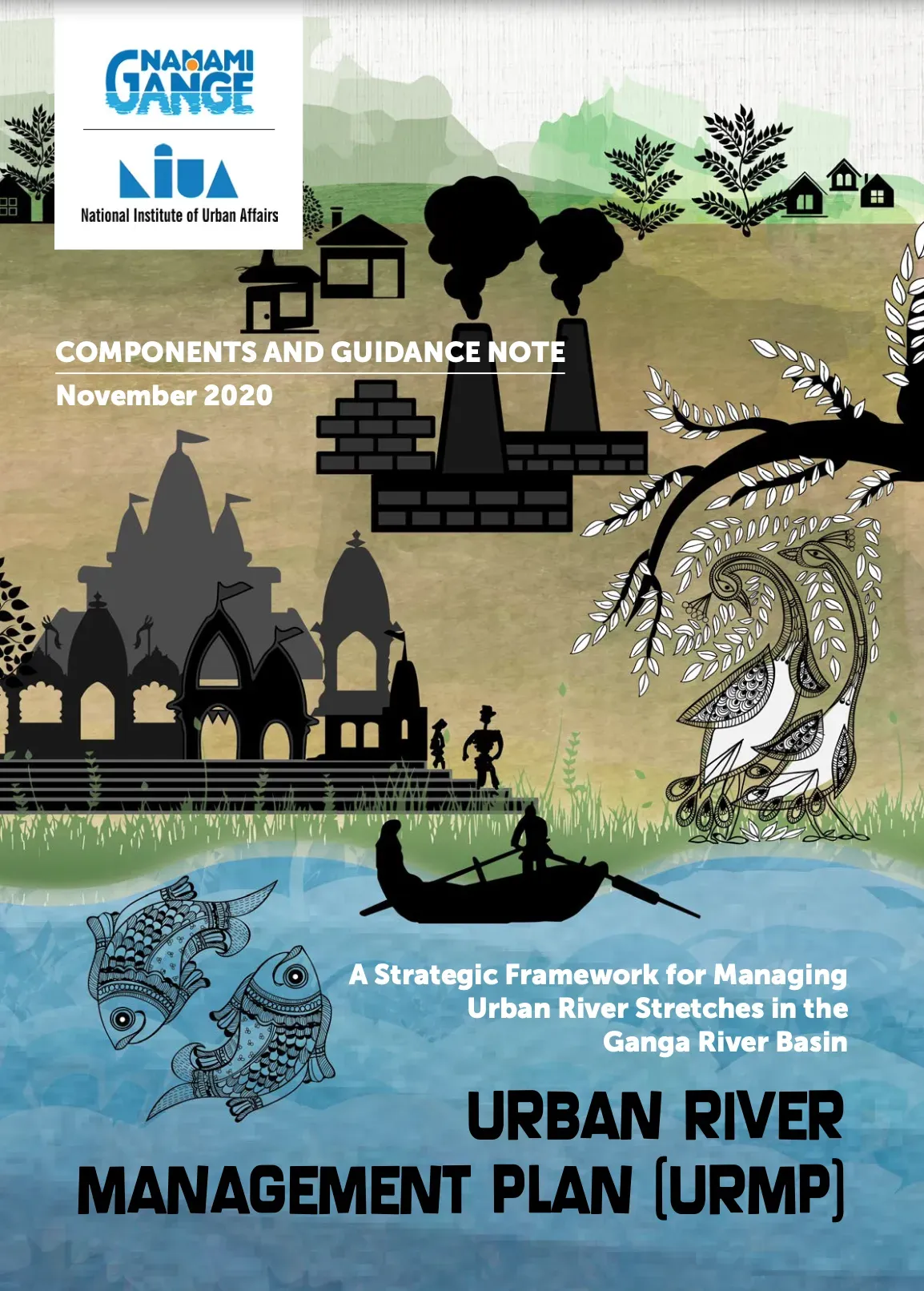
A Compendium of River Management Plans – From Managing River Basins to River Specific Projects
2022
Water resources are vital to human civilization, serving as the foundation for habitation, agriculture, industry, and recreation. For centuries, communities have thrived near rivers, lakes, wetlands, and deltas, which have supported the growth of ancient civilizations. Rivers provide essential services: they supply water for irrigation and domestic use, sustain fisheries, generate power, mitigate floods, enrich cultural life, offer recreational spaces, uplift spirituality, and support biodiversity. Despite their significance, rivers are increasingly under threat due to excessive demands placed upon them. Over-extraction, pollution, invasive species, floodplain alterations, and habitat loss are common outcomes of these pressures, often exacerbated by poor planning, inadequate management, and shortsighted decision-making.
The first step toward reversing this degradation is fostering a value for rivers among all stakeholders. A balanced approach—combining both top-down (from basin to site) and bottom-up (from site to basin) perspectives—can help in integrated river basin planning. This ensures that rivers are managed sustainably over time, addressing both ecological and socio-economic needs. The knowledge product presented here reviews various river management plans and evaluates how different approaches have treated rivers in the planning process.
This document aims to accomplish several objectives: it informs readers about the tools and instruments used in river management plans, highlights gaps in current practices, and introduces innovative strategies that can enhance river management. The ultimate goal is to promote sustainable, safe, and holistic river management practices that can withstand contemporary challenges.
The importance of improving river health is gaining increasing global recognition, as evidenced by the inclusion of river conservation under Sustainable Development Goal 6 (SDG-6) of the 2030 Agenda. The document also reviews international best practices in river management, particularly focusing on ecological restoration, reconnecting communities with rivers, and enhancing livelihoods linked to river activities. These case examples provide valuable insights for India’s river cities and serve as inspiration for integrating river conservation into broader urban planning.