India’s Groundwater Crisis: A Silent Emergency Beneath Our Feet
India is facing a looming water crisis, and at the heart of it lies the overexploitation of groundwater. With over 230 cubic kilometres extracted every year, India is the largest consumer of groundwater globally, accounting for more than a quarter of the world’s total usage. This staggering dependency has led to widespread depletion, with nearly 29% of groundwater blocks across the country classified as semi-critical, critical, or overexploited. The situation is not just alarming— it's unsustainable.
09 April 2025
Why is India's groundwater drying up?
Agriculture’s massive thirst
A major contributor to this crisis is agriculture, which consumes around 60% of India’s groundwater. Water-intensive crops like paddy and sugarcane dominate agricultural lands, often grown in regions ill-suited for such crops. Compounding the issue are government subsidies on electricity and water, which, though well-intentioned, have encouraged unregulated and excessive pumping of groundwater. The result? A shrinking water table that threatens the future of farming, rural livelihoods, and food security.
Urban demand is booming
But it’s not just rural India that’s affected. Rapid urbanization and population growth have dramatically increased the demand for groundwater in cities too. Take Bengaluru, for instance—a bustling tech hub that has struggled with water scarcity, driving residents to rely heavily on private water tankers. These tankers, while filling an immediate need, are neither affordable nor sustainable, and often source water from already-stressed aquifers. The unchecked extraction, coupled with poor water resource management, is pushing cities toward a breaking point.
Climate change makes it worse
Climate change is only adding fuel to the fire. Irregular rainfall patterns and the increasing frequency of droughts are impairing the natural recharge of groundwater. As rainfall becomes less predictable, the aquifers fail to replenish, deepening the crisis. To make matters worse, the quality of groundwater is deteriorating too. Industrial waste, rampant use of fertilizers and pesticides, and unregulated mining have led to severe contamination. Hazardous levels of heavy metals like lead, mercury, and chromium, as well as nitrates and fluorides, have been found in several regions. This contamination also poses serious health risks.
So, what can be done to address this multifaceted crisis?
Fortunately, a range of solutions—both traditional and innovative—are emerging.
Strengthening Regulations and Policy Enforcement
One of the first steps must be to tighten the regulatory framework. While institutions like the Central Ground Water Authority (CGWA) and various state groundwater bodies do exist, enforcement has often been weak. Stricter monitoring of groundwater extraction, coupled with licensing systems and penalties for overuse, can help curb misuse. Regulations need to move beyond paper and be actively implemented with support from both local authorities and communities.
Reimagining agricultural practices
Agriculture, as the largest consumer of groundwater, must undergo a transformation. This begins with encouraging crop diversification and promoting less water-intensive crops. Technologies like drip and sprinkler irrigation can drastically reduce water usage—drip systems alone can save up to 75% of water compared to traditional methods, while simultaneously improving crop yields. Farmers need both awareness and support to adopt these techniques, along with market incentives for sustainable practices.
Embrace rainwater harvesting
Rainwater harvesting offers a highly effective way to recharge groundwater. By capturing and storing rainwater—especially in urban areas where surface runoff often goes to waste—cities can restore their water balance. Mandating rainwater harvesting systems in residential and commercial buildings can go a long way in strengthening water resilience at the local level.
Reuse wastewater, reduce groundwater stress
India generates vast quantities of wastewater, particularly in urban areas, and much of it remains untreated. By investing in wastewater treatment infrastructure, cities can reuse treated water for non-potable purposes such as gardening, industrial use, and toilet flushing. Estimates suggest that around 80% of urban wastewater could be treated and reused, easing the burden on groundwater sources.
Make communities part of the solution
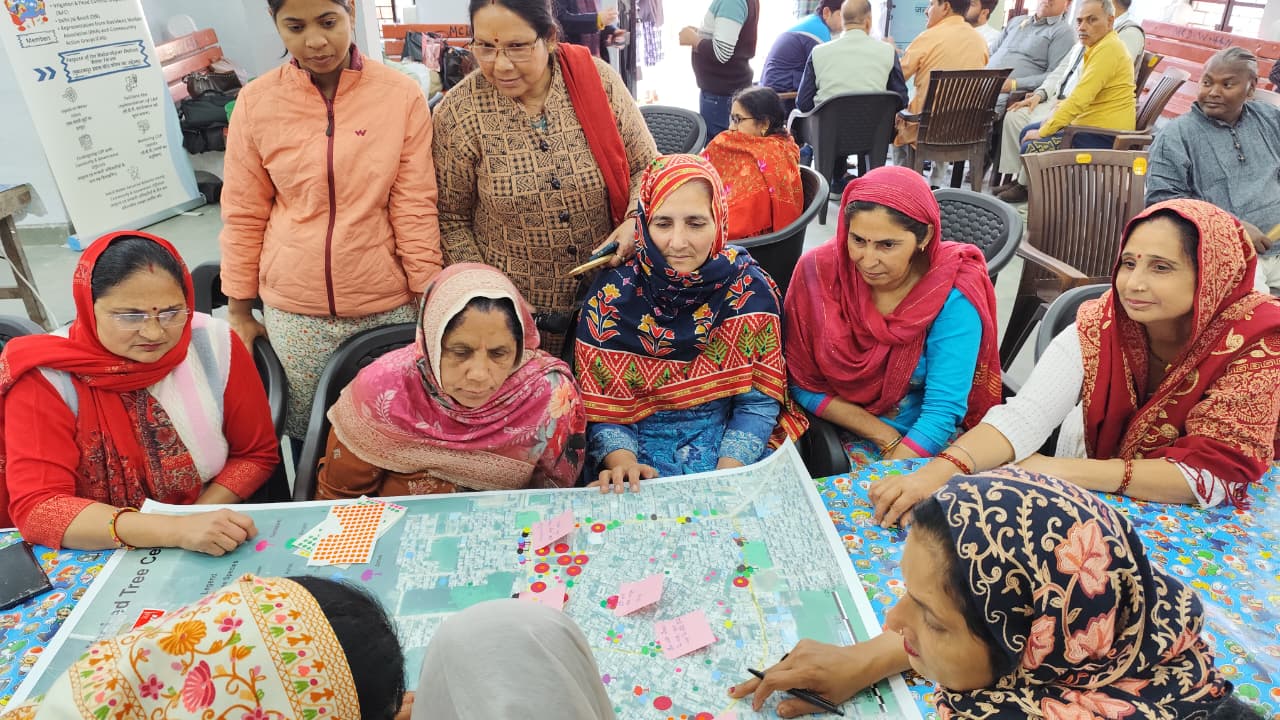
Groundwater management cannot succeed without the active involvement of communities. Participatory groundwater management programs have shown promising results across India. These initiatives empower local residents to monitor water levels, manage usage, and protect aquifers as a shared resource. When people see themselves as stakeholders, they’re more likely to adopt conservation practices and report violations.
Shallow Aquifer Management: Innovation from NIUA

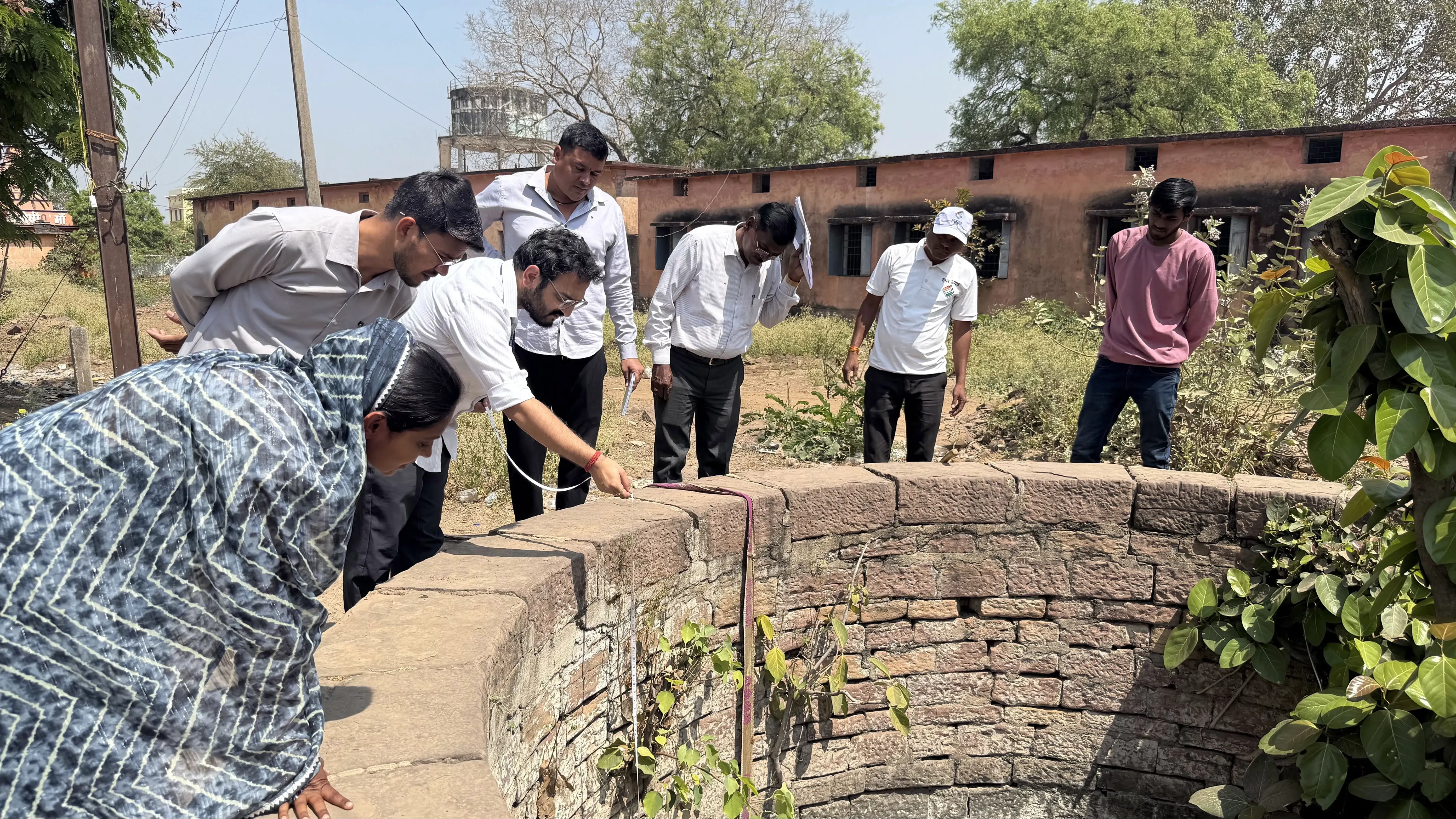
One of the most innovative recent developments is the Shallow Aquifer Management (SAM) initiative by the National Institute of Urban Affairs (NIUA) under the AMRUT 2.0 mission. Recognizing the role of shallow aquifers in urban water resilience, SAM focuses on integrating groundwater into city planning. Unlike deep aquifers that take years to recharge, shallow aquifers respond quickly to rainfall, making them ideal for sustainable urban water use.
In Hyderabad, for example, the Greater Hyderabad Municipal Corporation has launched a shallow aquifer recharge project that installs shallow borewells to tap into and restore these quickly recharging aquifers. Similarly, in Pune, the municipal corporation is working on rejuvenating Harantal Lake in Lohegaon as part of a broader pilot project aimed at enhancing groundwater recharge and improving ecosystem health. These nature-based urban interventions not only improve water availability but also contribute to flood management and climate adaptation.

India’s groundwater crisis is undoubtedly complex, shaped by a confluence of policy gaps, environmental degradation, and socio-economic challenges. But as these new approaches show, there is hope. By combining regulation with innovation, and by aligning national efforts with local action, India can pave the way for sustainable groundwater management.
The path ahead lies in recognizing groundwater not as an infinite resource, but as a shared and finite treasure—one that demands careful stewardship for a water-secure future.
Author(s)