River Cities and Artificial Intelligence: On Using AI for Planning River Cities
Artificial intelligence (AI) has infiltrated several sectors as a tool that increases the efficiency and scale of work. Urban water management is no exception. The following blog contextualises AI for urban water management, highlighting key opportunities as well as areas of concern.
11 April 2025
Exploring AI for the River Cities Alliance
The River Cities' Alliance (RCA) was conceptualized to help river cities take care of their rivers. Functionally, this alliance works to build city capacity in managing river resources by providing knowledge, technical tools, and maintaining a 145+ network of cities to learn from each other.
The RCA Secretariat at NIUA’s suite of activities benefit officials in river cities by:
- Conducting capacity building programs, such as workshops and certification courses to enhance the ability of city officials to nurture the river-city relationship.
- Providing technical support to cities, ensuring the scientific basis of city projects.
- Institutionalizing river-sensitive practices in cities. The RCA Secretariat develops governance frameworks, creates river-related positions with the city governance body, and fosters cross-cutting interdepartmental activities. This enhances the ability of cities to proactively respond to river-related issues.
- Providing avenues for knowledge exchange between cities, such as annual summits, regional meetings, and exposure visits. River cities face unique challenges, and this enables them to learn from each other.
- Creating academic output and knowledge products to benefit cities. The RCA develops frameworks, tools, toolkits, advisories, and documentation for river-sensitive planning and development in cities.
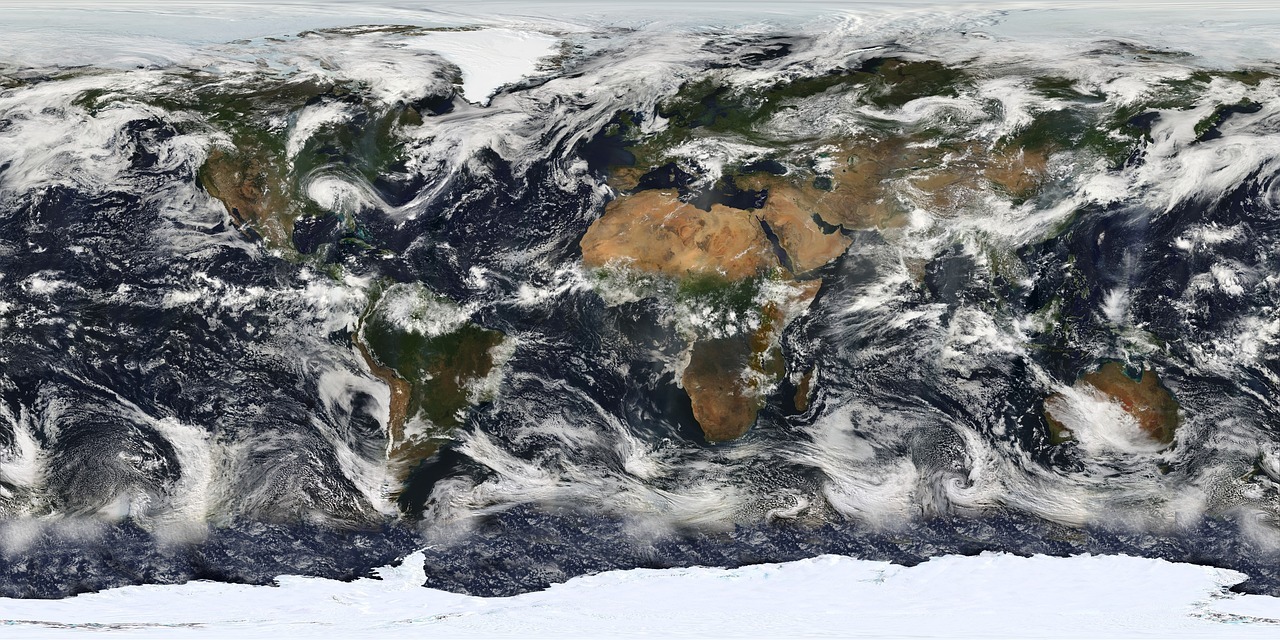
AI has been growing in popularity and usage in the past few years, with new technologies applied to every sector. The urban sector is no exception. Within the River Cities’ Alliance, the secretariat has been conducting detailed research on the hydrological features of river cities, integrating satellite imagery and open source data.
Understanding Artificial Intelligence
The current conversation around artificial intelligence tends to synonymize the terms “AI”, “ChatGPT”, “Generative AI”, “Machine Learning”, etc.
Here’s a glossary of some of the main terms used:
- Artificial intelligence (AI): this is the overarching concept, referring to machines which can problem-solve and learn from mistakes, mimicking human intelligence.
- Machine learning (ML): a type of artificial intelligence, wherein the machine can become more accurate through corroborating results with existing information.
- Deep learning: a type of machine learning, which uses multilayered, detailed algorithms to increase the accuracy of the machine. This allows for the use of larger quantities of data.
- Big data: this term doesn’t have a concrete definition, but generally refers to datasets that are very large and detailed, beyond the capacity of traditional software and methodologies (such as MS Excel) to process. A useful way to understand big data is to consider real-time transportation data of individuals in a particular city. If each person’s location is recorded every second, there will be a gargantuan amount of data generated at the end of a day.
- Generative AI: a type of artificial intelligence that uses a huge amount of data to create new products, such as text, images, videos.
- ChatGPT: a type of generative AI that provides text, mimicking human text.
- Agentic AI: a type of AI with sophisticated decision making abilities. Self-driving cars and AI assistants are examples of Agentic AI.
Within the urban and geospatial sectors, artificial intelligence has already been incorporated. Software like ArcGIS’ processing tools, like land use and land cover classifiers, are based on pretrained artificial intelligence models. The uses of AI have only increased in the past decade, and river cities can use these new tools to better manage the urban environment. The RCA secretariat also shares resources which raises the awareness of river cities to use these cutting-edge tools.
How can River Cities use AI?
Processing Satellite Imagery Using Machine Learning
AI-Enabling Proactive Disaster Response
We can predict disasters before they occur by analyzing environmental and historical factors. Predictive algorithms used in artificial intelligence can save lives by enabling authorities to act swiftly. There are numerous drought and flood prediction applications. For example, the Google Flood Hub uses machine learning to predict floods a week before they occur.
Additionally, research studies at the University of Sharjah have shown that drought prediction using AI is more accurate than using traditional drought indices.
Maintaining and Optimizing Water Infrastructure
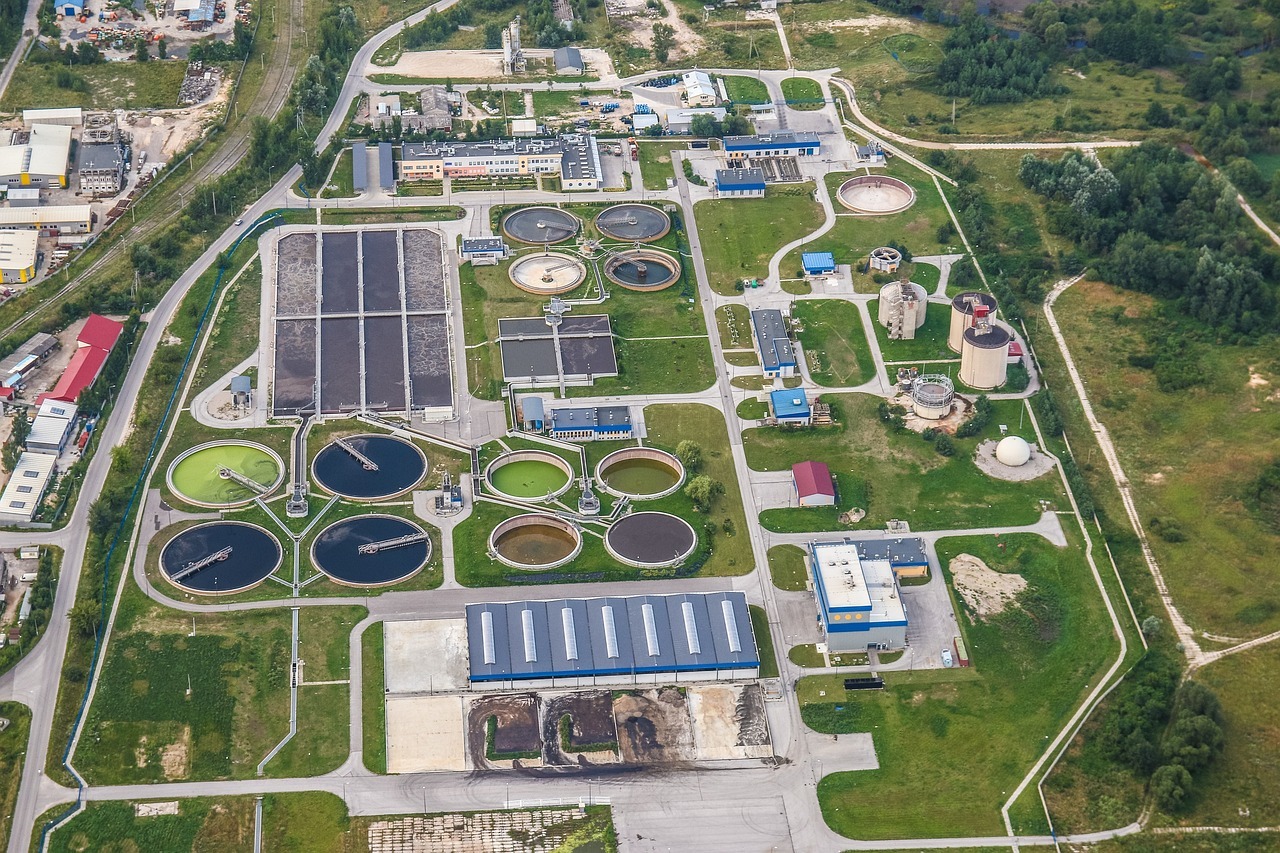
Urban water infrastructure like sewage treatment plants have recently been using AI in predicting equipment failures and inefficiencies. Sensors measure the equipments’ health, operations, and external conditions. Analyzing this information can identify how efficiently the infrastructure is working and whether there’s a chance of the equipment malfunctioning. This lets workers fix and optimize equipment proactively, saving money and time, minimizing danger as well.
In some cases, water supply is also managed through analyzing real-time usage data. This is the premise of Singapore’s Smart Water Meter, which operates a water demand management system through measuring the volume of water a property is using in real-time. This saves water and makes residents aware of their water usage.

AI as a Tool, not a Blanket Solution
While useful for increasing the accuracy and scale of tasks, artificial intelligence is not a substitute for human knowledge and instinct. Fundamentally, what artificial intelligence does is enhance the scale and accuracy of existing technology. For technical problems, such as maintaining sewage infrastructure, it excels. On the other hand, more experimental tools such as generative AI that are designed to replicate human output produce varying results, oftentimes low-quality and generic. This is because it takes existing knowledge and creative output, extracts some aspects of it, and glues it together. By definition, it mimics and copies. Additionally, the technical usefulness of AI depends on the availability of data, and the appropriate processing of it. It requires professionals to be careful, highly scientific and thorough in setting up the machine. There are privacy and security risks involving the processing of big data, which professionals also need to handle carefully. If the available data isn’t detailed, then professionals need to adjust accordingly to avoid erroneous results. When processing satellite data for local purposes, there is no complete replacement of verifying and ground-truthing.
Aside from the technical needs of river cities, what else do cities need to maintain their rivers? They need to enhance the urban local body capacity to manage river cities, they need to ensure that people’s relationship to the river is healthy, they need to secure funding for instituting technology in their cities. While some aspects of these tasks can be enhanced by artificial intelligence, there are material and people-centric needs that can’t be completely automated away.

AI and Sustainable Water Use
River cities strive to create a healthy relationship between the city and the river. They promote sustainable development. From this standpoint, it’s necessary to look at the circular economy of artificial intelligence. Some forms of AI are highly resource-intensive, particularly generative AI. The machinery supporting AI, the data servers, hold enormous quantities of data, and currently require lots of water to cool them. For example, using ChatGPT to generate a text of 100 words uses up more than one bottle of water to cool its data servers. By 2027, AI is projected to use up to 6.6 billion cubic metres of water. Professionals should consider how worthwhile it is to use AI to solve a particular problem given its capabilities and its harms.
The Upshot
AI is an umbrella term for a variety of technologies. Recently, more types of AI are being developed, including those which are very helpful to river cities. This article has touched on a few of these tools, namely:
- Machine learning-driven satellite imagery processing
- Disaster prediction
- Maintaining and optimizing water infrastructure
Many organizations and individuals are researching and creating more AI-based tools, which can benefit river cities as well. There’s a lot of resources available to cities to understand and properly implement AI-based tools. It’s important for officials to recognize the capabilities and limitations of these tools, so that they can use them effectively.
Author(s)