Odisha and its 24x7 Water Supply: A Tale of Taps and Triumph (DFT)
Odisha is pioneering a water revolution in India through its Drink from Tap (DFT) initiative, ensuring 24x7 pressurised, potable water directly to homes without the need for boiling or filtering. Starting with Puri, now fully covered, the program has expanded to over 21 cities, transforming urban water access and reducing dependence on tankers and borewells.
06 May 2025
Introduction
Imagine a world where you can drink water directly from the tap—no filters, no boiling, no second thoughts. While millions across India still struggle with erratic water supply, long queues at public taps, and fears of contamination, the Indian state of Odisha is quietly scripting a water revolution.
From Mumbai's slums, where water comes for just a few hours each day, to Chennai, which made headlines in 2019 for "Day Zero" when taps literally ran dry — access to clean, drinkable water remains a daily challenge in many Indian cities. In stark contrast, Odisha is transforming lives through its pioneering Drink from Tap (DFT) mission —a bold initiative that ensures 24x7 pressurised, potable water supply directly from household taps.
From Scarcity to Surplus: Odisha Paves the Way
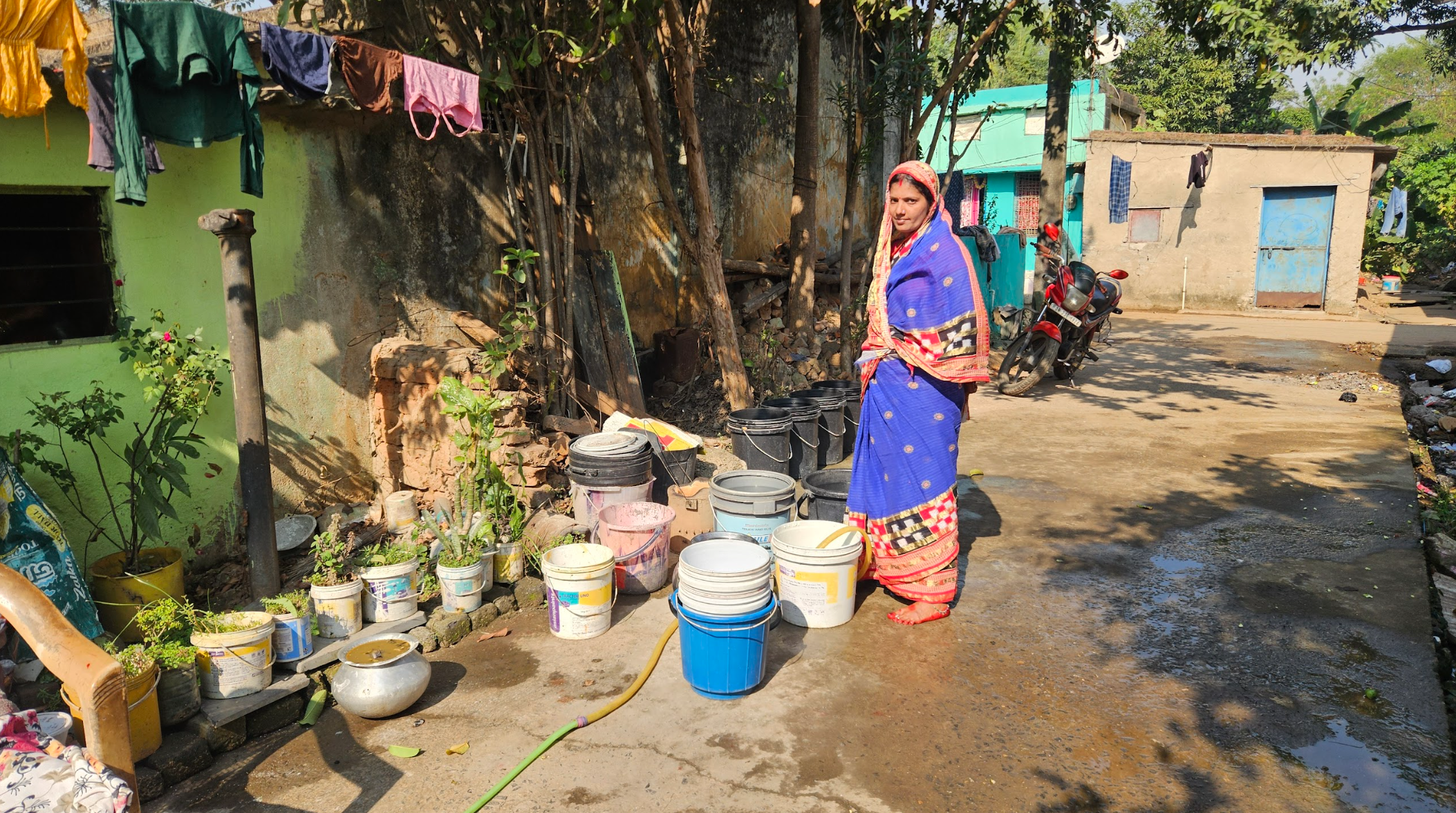
Odisha's "Drink from Tap" mission has transformed the state's urban water supply with a view to provide 24X7 drinkable tap water to every household. The vision of the Water Corporation of Odisha (WATCO) through this project is to provide high quality water which does not need any additional filtration or boiling, thereby ensuring equitable and sustainable access to safe water across all 114 Urban Local Bodies (ULBs) in Odisha.
The Story So Far
Puri became the first city in India to achieve the milestone of having 100% coverage under DFT, ensuring safe and clean tap water for its 260,347 residents and millions of annual tourists. Following its success, the initiative was piloted in Bhubaneswar and Cuttack. As of 2024, over 21 cities across Odisha have been brought under the ambit of this mission, either fully or partially, with access to drinkable tap water. The project has also empowered a significant number of Jalsaathis, who have been engaged in bill distribution and collection, providing them with a sustainable source of livelihood and strengthening community participation.
Behind the Taps
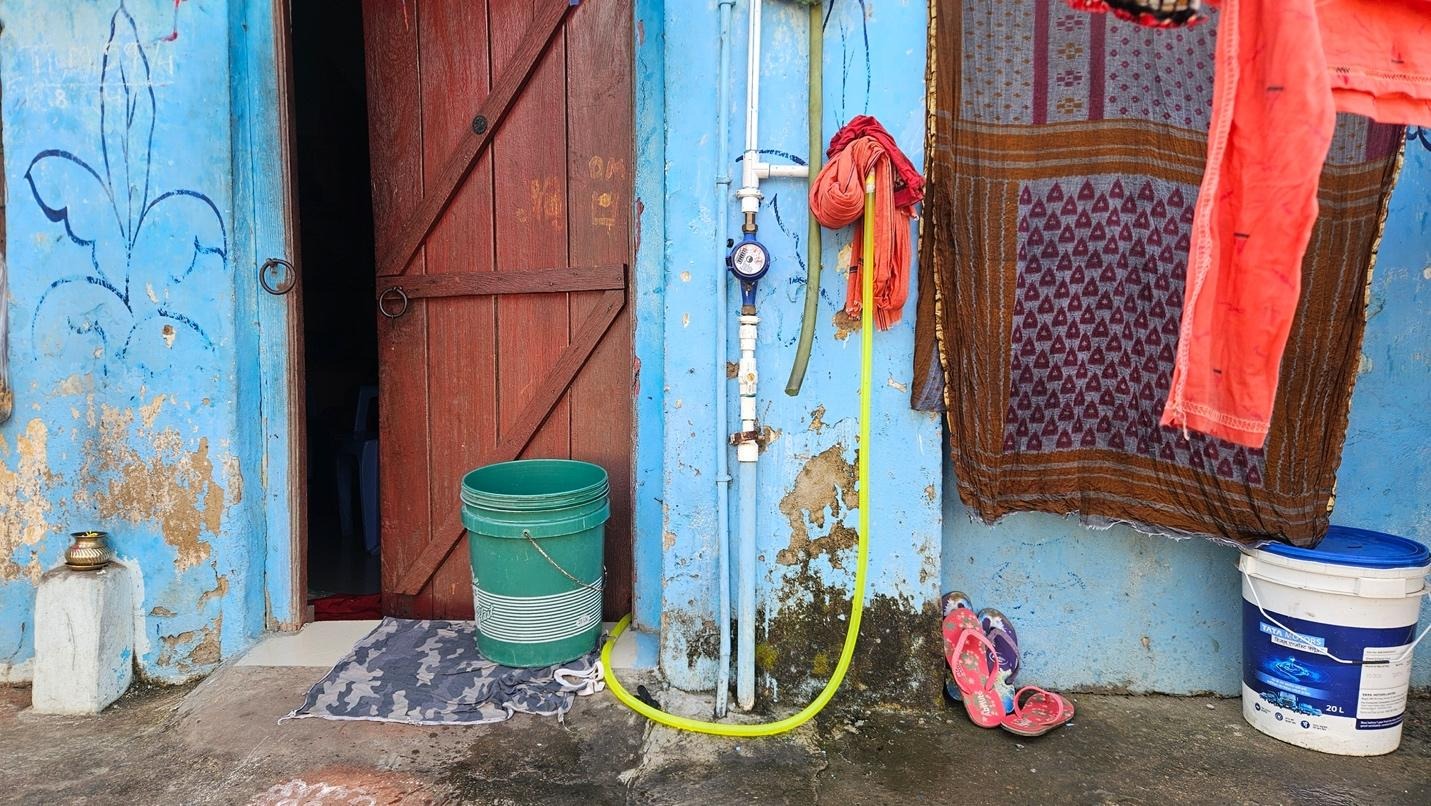
As part of a rapid impact assessment led by the National Institute of Urban Affairs (NIUA), Odisha’s water supply system was evaluated for its technical performance, operational strength, and user satisfaction.
With the Drink from Tap (DFT) Mission, Odisha is revolutionizing urban water delivery by supplying clean, drinkable water to houses in 21 Urban Local Bodies (ULBs) around the clock. The state's remarkable average LPCD of 168.6 is above national averages, guaranteeing adequate and dependable access. 69.29% metering coverage paves the way for widespread deployment and clear invoicing, while 100% water quality conformity has generated significant consumer confidence. There has been a declining trend in non-revenue water (26.37%), indicating continuous system improvements. With higher customer interaction, financial metrics like 42.74% cost recovery and 72.07% bill collection efficiency are continuously improving. With 82.69% urban coverage already achieved in these 20 ULBs, Odisha is moving swiftly toward universal access.
What Do People Say?
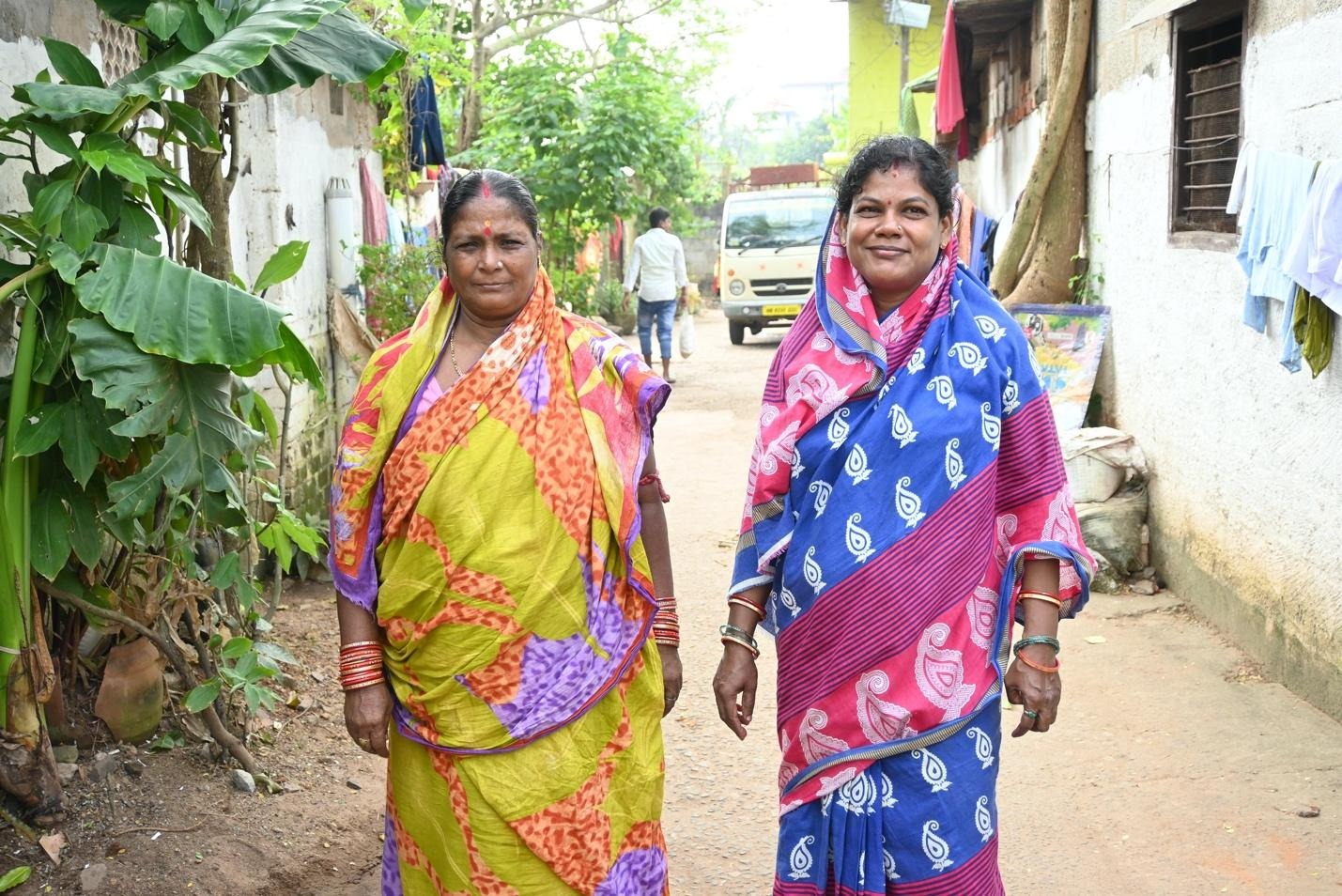
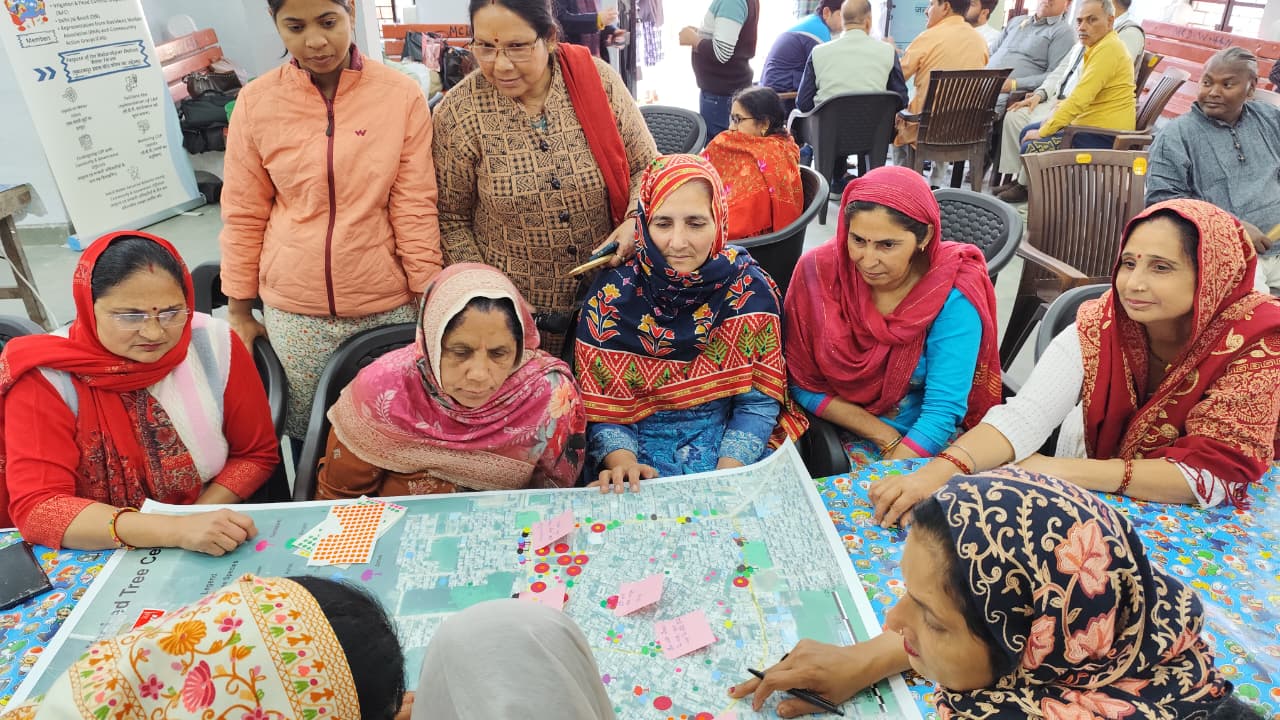
No transformation is complete without hearing from those it impacts most — the people. As part of the impact assessment, NIUA’s household survey of 75 homes in each ULB, spanning both slum and non-slum areas, explored how SUJAL (Drink from Tap) has reshaped water usage habits and community perceptions.
→ A Shift in Source and Trust:
A remarkable 97.56% of households now rely on piped water as their primary source — a clear indicator of growing trust in the DFT system and a major move away from previous dependence on tankers and borewells.
→Time Gained, Burden Reduced:
Households with 24x7 access to water save an average of 23.5 minutes a day which is a tremendous step forward— time that is especially valuable for women and young girls, allowing them to focus more on education, livelihood, and caregiving.
→ Quality and Affordability: A Mixed Yet Positive Outlook:
The survey suggests opportunities for further consumer positive experience engagement and service refinements as the ratio is currently not where it is supposed to be. Providing only 57.31% satisfaction regarding water quality and 52% on pricing showcases the positive outlook yet missed opportunities.
→ Drinking Directly? A Work in Progress:
While many households have begun drinking water directly from the tap, 40% still express hesitation. Concerns often stem from taste, the smell of chlorine, or the condition of internal storage systems — not the DFT water itself. This opens up the scope for awareness campaigns and trust-building measures, including regular quality updates and consumer education.
Future Roadmap
Building on its success, the future vision of the DFT initiative is ambitious and inspiring. The primary goal is to achieve 100% coverage across all 114 ULBs in Odisha, ensuring every urban household has access to directly consumable tap water that meets national quality standards. To scale the model effectively, comprehensive SOPs are being developed, detailing technical guidelines, community engagement strategies, and governance frameworks, which can serve as a blueprint for replication in other states across India. The initiative also aims to position itself on the global stage as a pioneering model for urban water security by integrating cutting-edge technology, sustainable practices, and inclusive community participation.
Author(s)