Addressing the Urban Drivers of River Health in the Ganga River Basin (URVERS)
Resource Partners: National Mission for Clean Ganga (NMCG)
Duration: March 2019 - October 2021

About
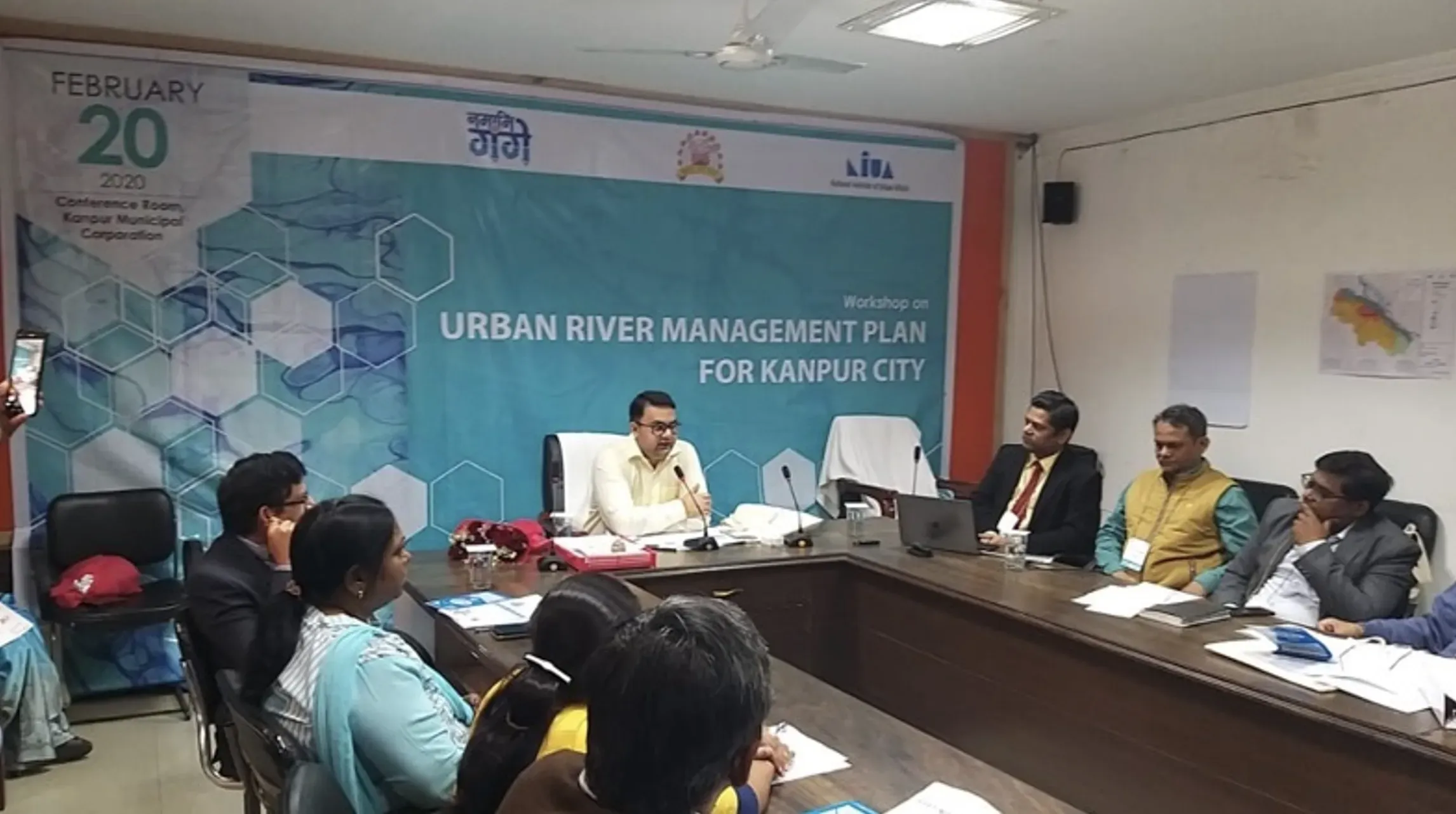
Much of the undesirable state of rivers in the country is because of detrimental activities in cities. While cities have been the main cause of the problem, they need to be part of the solution as well. This project was conceptualised on this premise. The overall objective of the project was to promote river-sensitive urban development in cities of the Ganga Basin. It sought to do so by taking a three-pronged approach. The first was to develop national-level frameworks and advisories for managing the different aspects of urban rivers. The second was to implement pilot projects to demonstrate the application of urban river management interventions. The third was to build the capacities of city officials on different aspects of managing urban rivers.
Key Highlights
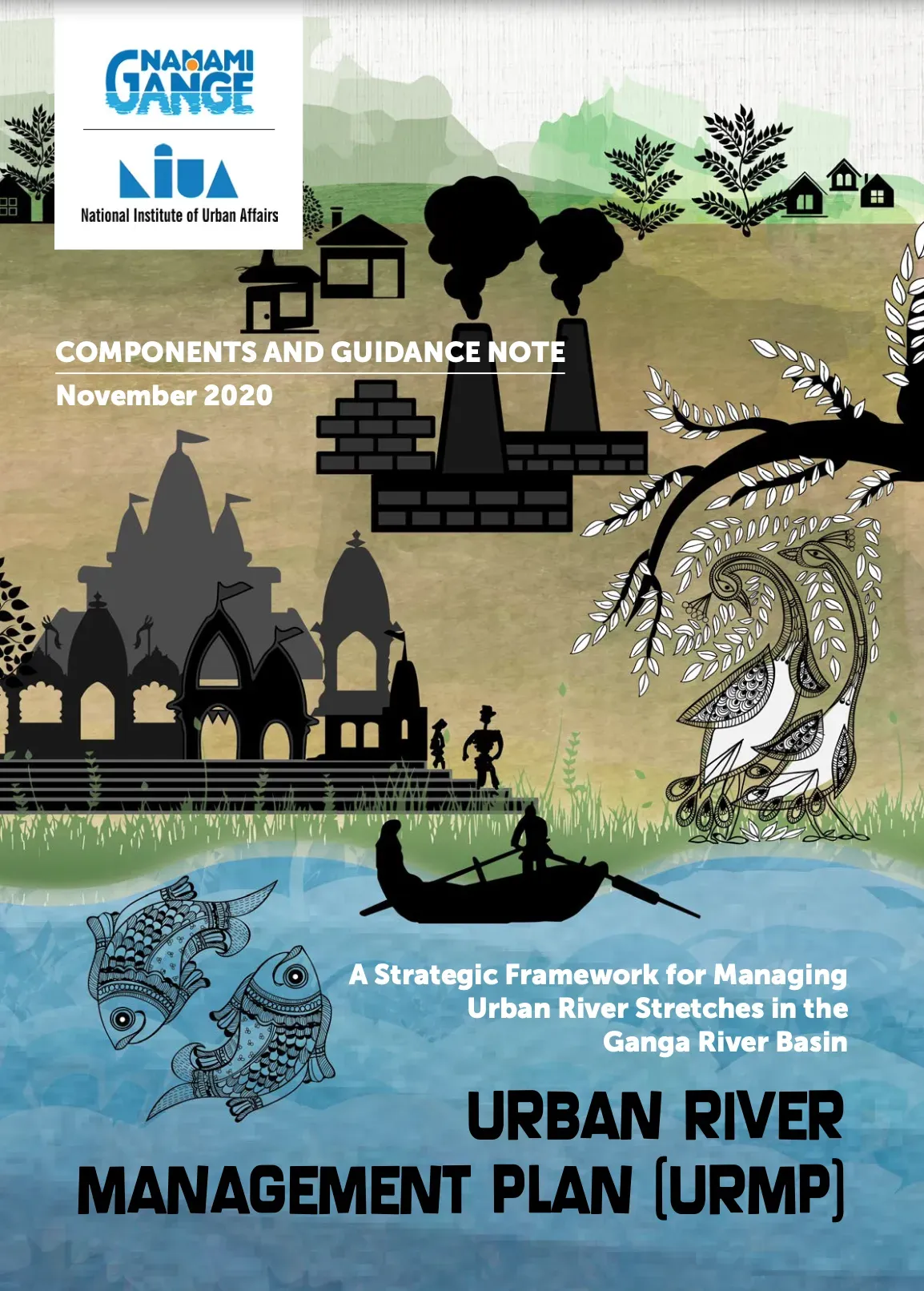
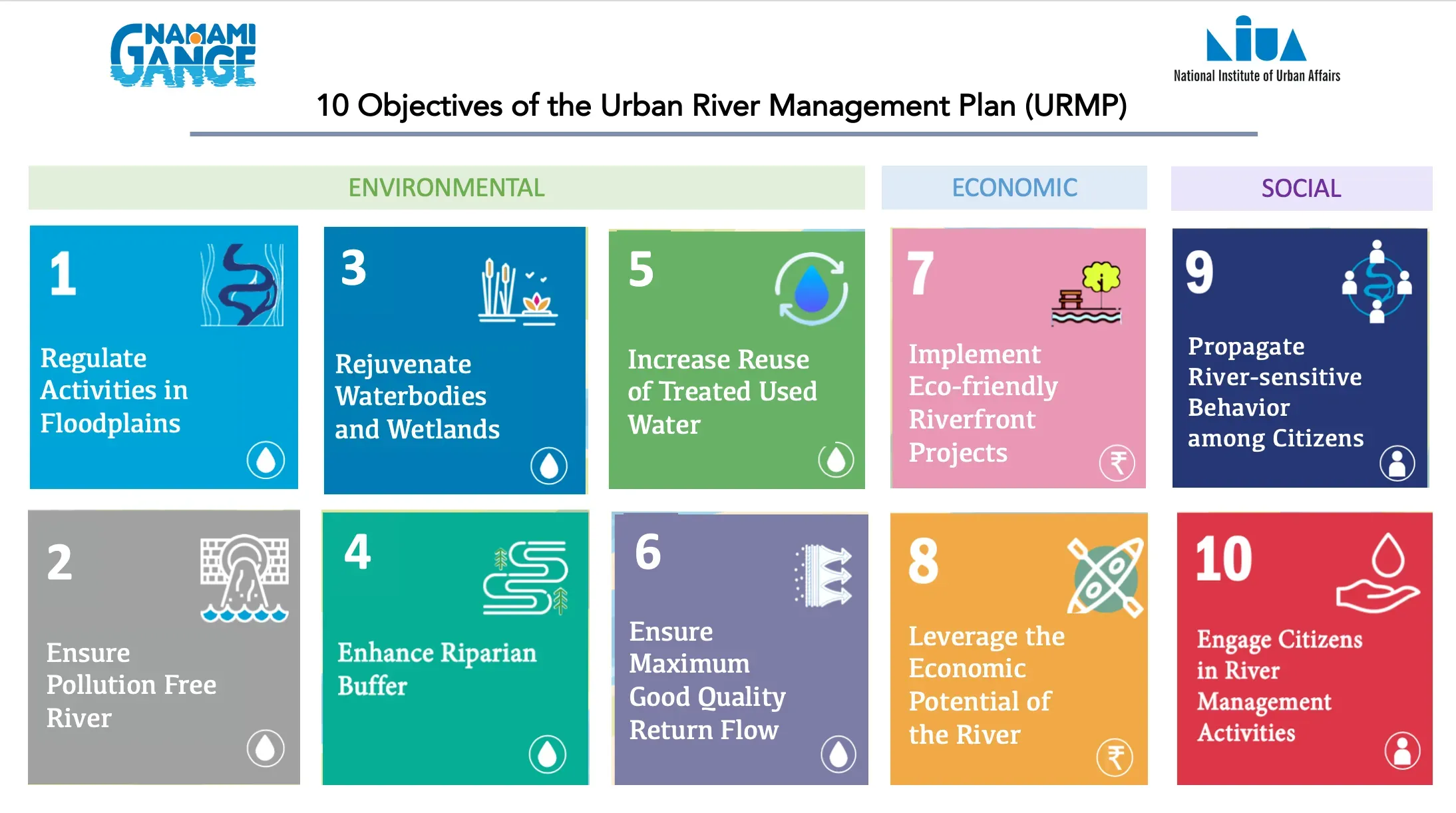
1. Developed a national framework for managing urban rivers called the “Urban River Management Plan (URMP) framework”
The framework is a general template for river cities to prepare their city-specific river management plans. It was launched on 04 November 2020 by the Hon’ble Minister of Jal Shakti. It comprises a 10-point agenda that cities need to act on.
The URMP framework goes beyond mere pollution control to include aspects related to the river economy and to connect citizens with the river. The actions that cities take to implement the URMP framework's 10-point agenda include tangible projects, regulatory measures, planning interventions, and citizen engagement programmes.
2. Established the River Cities Alliance
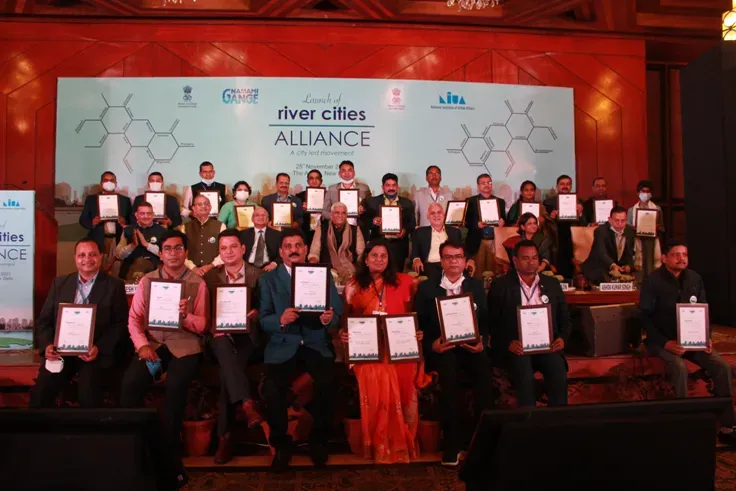
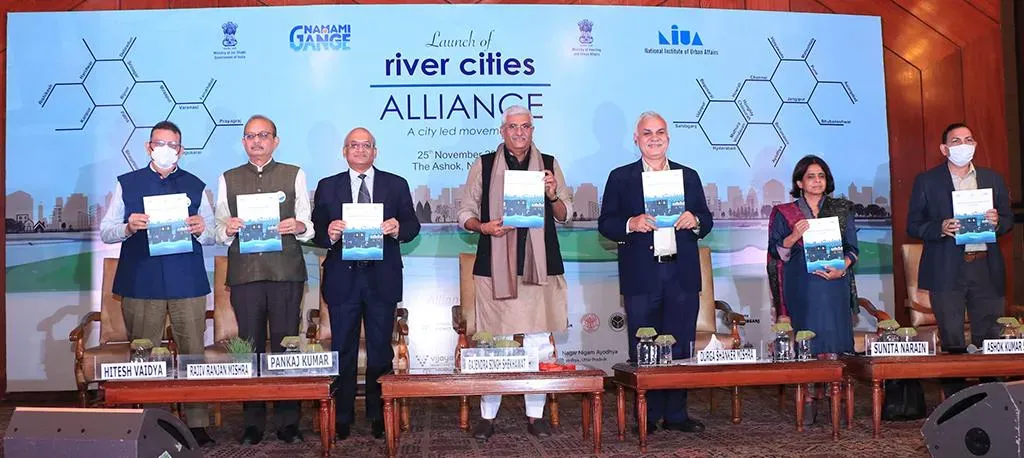
NMCG and NIUA established the RCA with a vision for long-term conservation and rejuvenation of urban rivers. RCA provides a platform for river cities in India to gain, share, and exchange knowledge on implementing various aspects of managing urban rivers in relation to the URMP framework. It was launched on 25 November 2021 by the Hon’ble Minister for Jal Shakti.
In addition to serving as a knowledge exchange platform, RCA also provides NMCG and NIUA with a unique cohort of cities to mentor and handhold so that they can serve as model cities for urban river management. RCA started with 30 cities but has now expanded to 145 cities.
NIUA serves as the Secretariat for RCA and organises five categories of activities for the RCA members: Capacity building of member cities; networking events for exchange of knowledge among member cities; demand-driven technical support for member cities; expanding the knowledge base on different aspects of urban river management; and documenting and disseminating good practices of member cities within the network and beyond.
3. Developed national guidelines for making river-sensitive master plans
Restoring riverine ecosystems in urban contexts is a multi-sectoral, multi-disciplinary, and multi-stakeholder endeavour. Far too often, cities have a reactive approach to restoration, acting when the problem is already at hand. However, to achieve comprehensive restoration, a proactive approach is needed, one that develops transformational solutions that challenge business-as-usual.
An ideal avenue for germinating such transformational solutions in the urban context is within a city’s broader development plan. The role of urban planning has long been widely acknowledged as a panacea for some of the most pressing challenges; hence, it would be apt to imagine that river-sensitive urban planning is key to reconciling the estranged relationship between rivers and cities.
This document was developed to address this particular need. It focuses on strengthening the symbiotic relationship between rivers and cities through ecologically responsible urban development trajectories.

370+
city officials trained
25+
university student theses sponsored under the first two seasons of the Student Thesis Competition
30
river cities onboarded to the River Cities Alliance during its launch
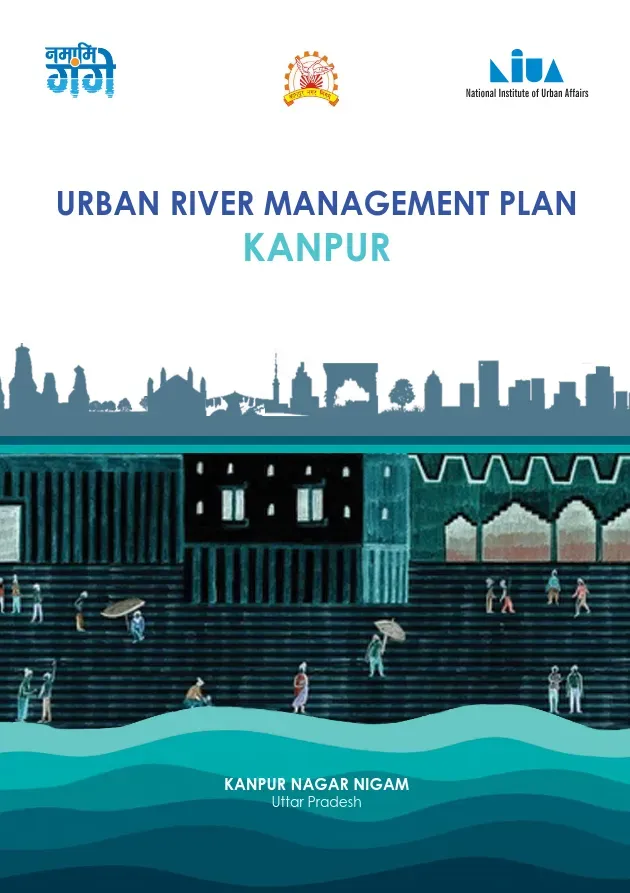
The first phase of the NMCG–NIUA collaboration catalysed a nationwide shift toward river-sensitive cities — right from India’s first Urban River Management Plan in Kanpur to building a network of 30 cities through a first-of-its-kind River Cities Alliance. Contributing to this foundational phase has been deeply fulfilling, as it continues to reshape how Indian cities engage with their rivers.
Know More