


 Publication
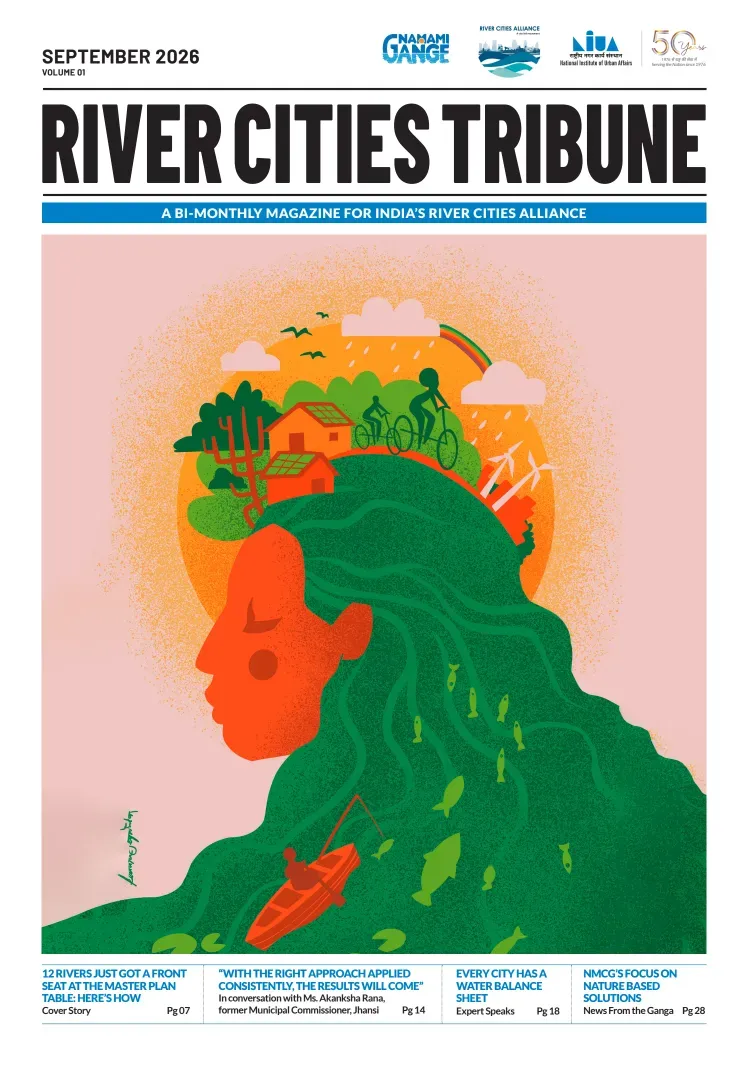
River Cities Tribune | Volume 1
 2026
The River Cities Tribune is the bimonthly print magazine of the River Cities Alliance (RCA), bringing together research, reporting and expert voices from across RCA's 145 member cities. Each edition carries guest columns, commissioner interviews, and a running record of the Alliance's work on the ground. It exists on a simple premise: cities managing very different rivers still have plenty to learn from each other. Volume 1 leads with RCA's review of Master Plans across twelve member cities, an interview with Jhansi's former Municipal Commissioner on managing the Pahuj, and perspectives from the Director General of NMCG, the Director of NIUA, and experts from GIZ. It also covers the RCA S…

 Publication
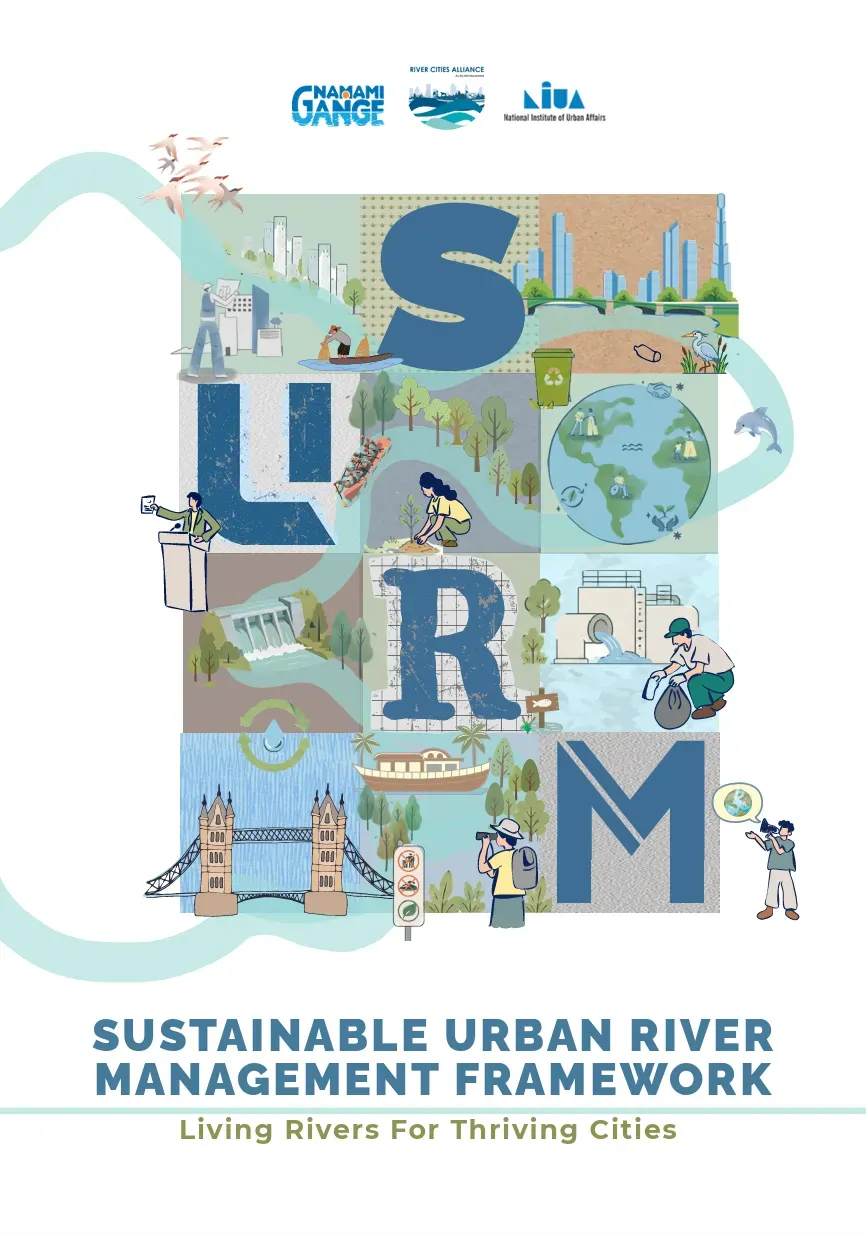
Sustainable Urban River Management Framework
2026
The Sustainable Urban River Management (SURM) Framework builds on the experience of India’s Urban River Management Plan (URMP) Framework, taking its approach to river-sensitive urban planning into a global context. It responds to the growing pressures on urban rivers and freshwater ecosystems from urbanisation, pollution and climate change. The framework provides cities with a structured set of goals, actions and indicators to assess existing practices, identify priorities and strengthen river-sensitive planning and implementation. It also connects urban river management with wider global priorities for sustainable cities, freshwater ecosystems and biodiversity. SURM marks the next step in t…
 Publication
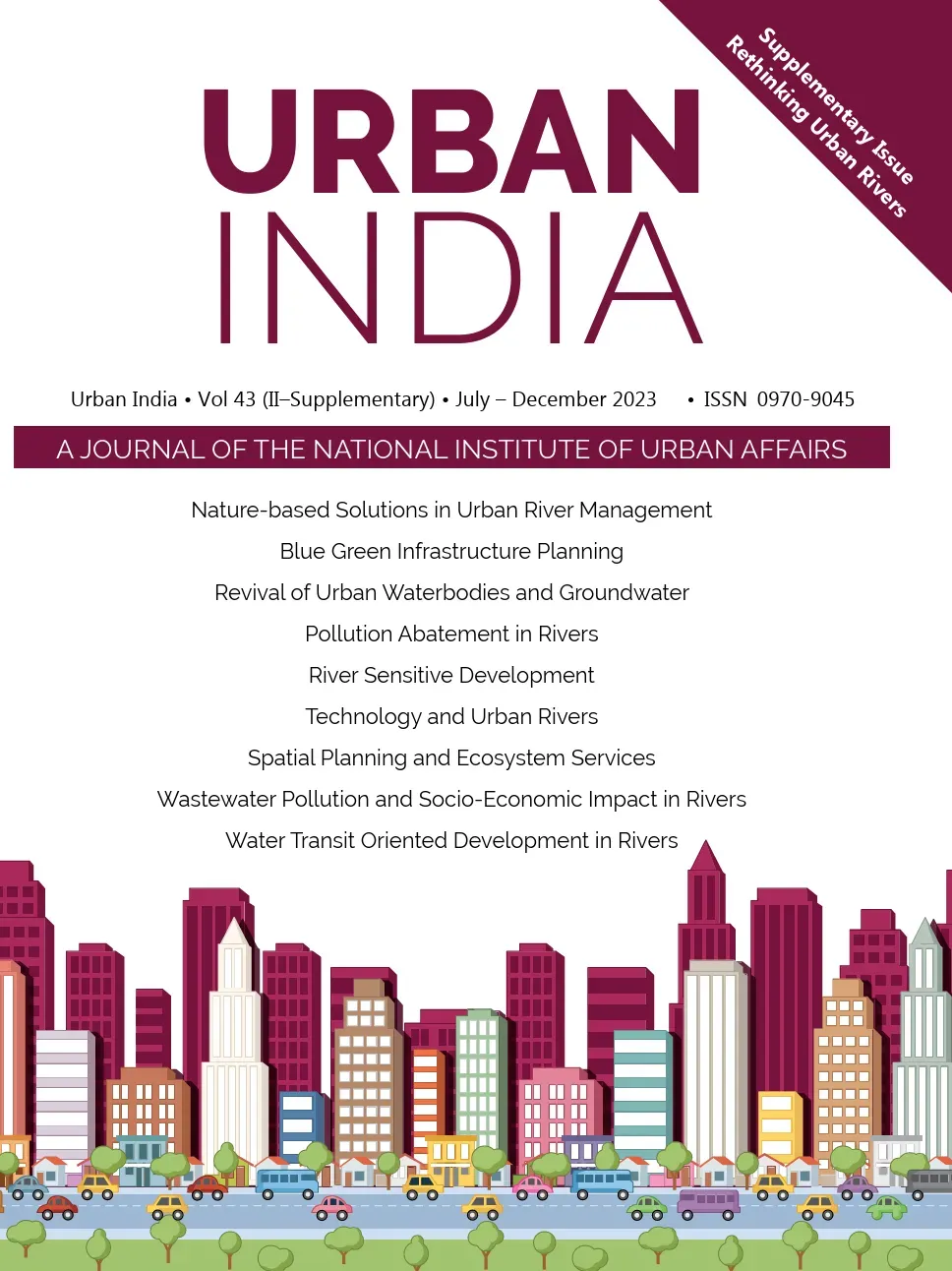
Urban India: Supplementary Edition (Re-thinking Urban Rivers)
2023
Volume 43 of Urban India, the National Institute of Urban Affairs’ (NIUA) bi-annual journal, contains nine pioneering research articles written by the student finalists of the Student Thesis Competition (STC), Season 2, along with various sector experts. STC is conducted annually by NIUA in collaboration with the National Mission for Clean Ganga (NMCG) to provide a platform for students to pitch their innovative research proposals, and gain financial and academic support. In 2022, students across India developed their projects across various thematics such as blue green infrastructure planning, the revival of urban waterbodies and groundwater, pollution abatement in rivers, wastewater pollution, engaging citizens in river management activities, and many others. Research conducted by successful student candidates has been published in this supplementary edition of Urban India, now available to all. This edition dives deep into various well-rounded case studies on the Thamirabarani River (Tirunelveli), Shekha Jheel (Aligarh), River Ganga, Assi and Varuna River (Varanasi), Hooghly River (Kolkata), the Cauvery Basin, Yamuna River (Delhi), and Jhelum River (Srinagar) – where students have offered their valuable insights and evidence-based policy inputs on urban river management in India.
 Publication
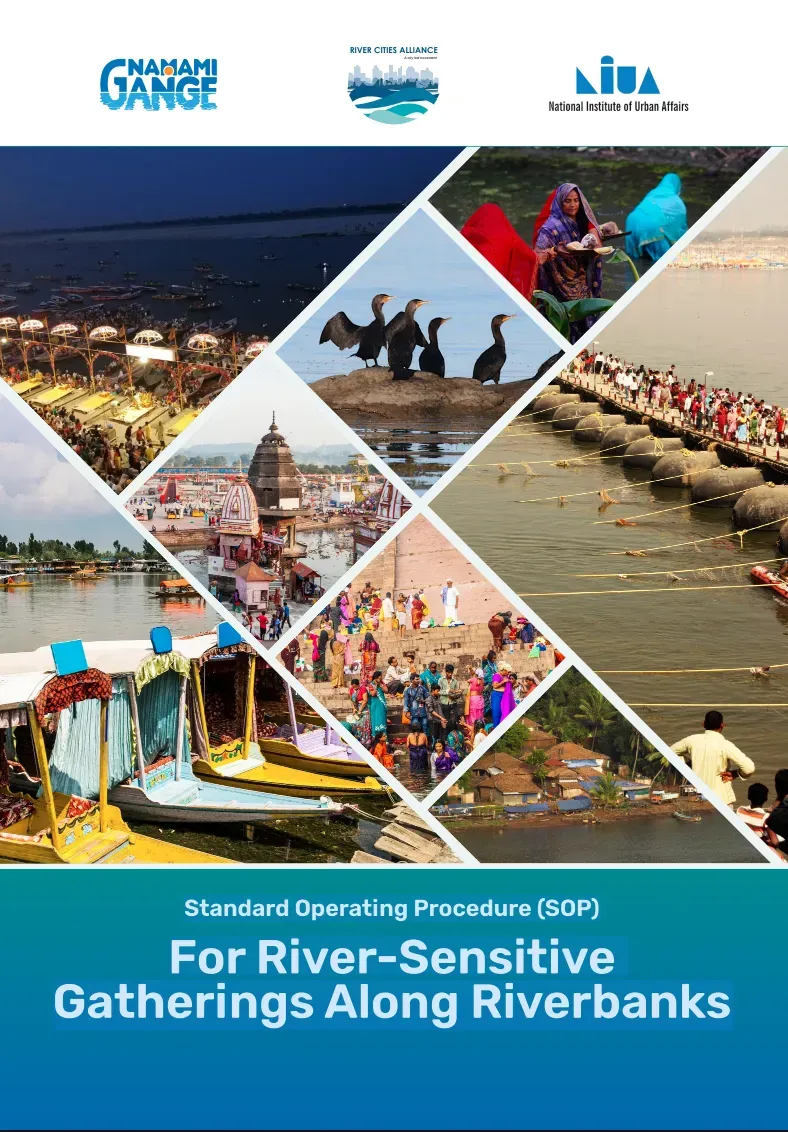
Standard Operating Procedure (SOP) For River-Sensitive Gatherings Along Riverbanks
2024
Riverbanks across India serve as dynamic public spaces, hosting a diverse range of gatherings — from spiritual festivals and cultural celebrations to concerts, civic ceremonies, environmental campaigns, and tourist activities. While these events foster community engagement and cultural expression, the concentration of significant numbers of people along the river's edge places considerable pressure on both natural and administrative resources, often exceeding their carrying capacity and posing risks to the ecological integrity of riverine environments.
 Report
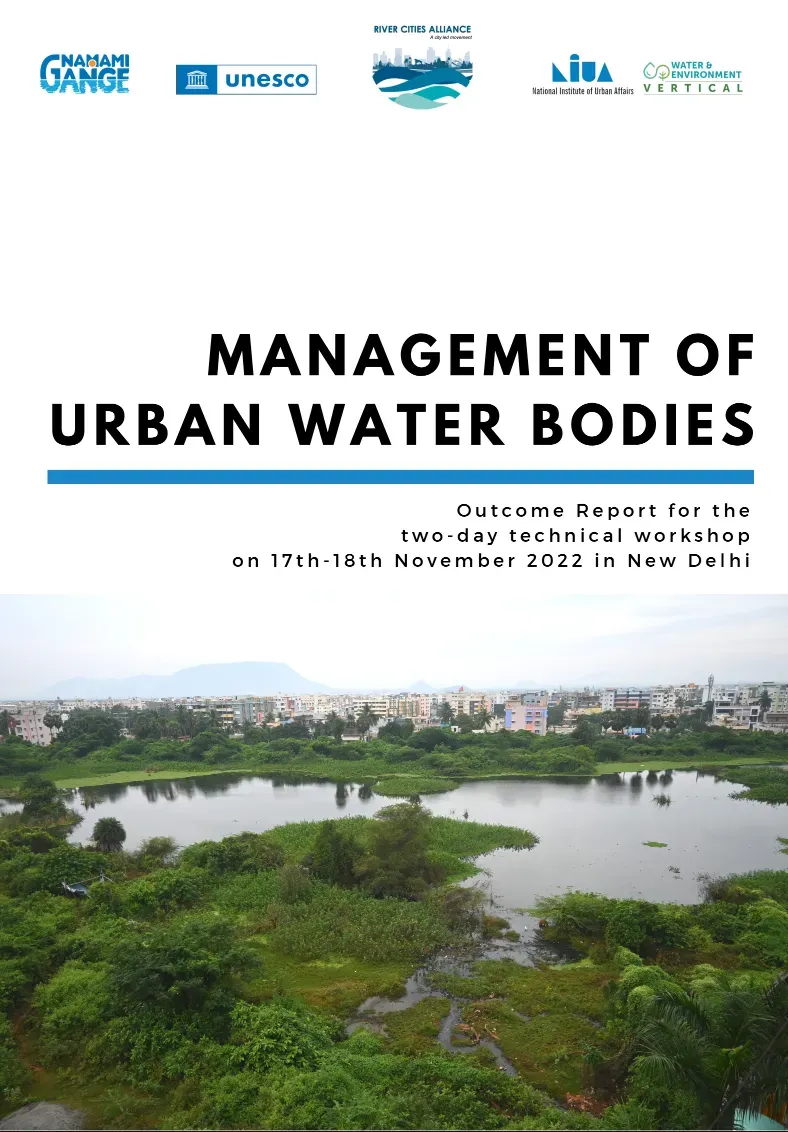
Outcome Report: Management of Urban Water Bodies
2022
Urban water bodies are critical components of city ecosystems, yet their effective assessment and management remain a persistent challenge across South and Southeast Asia. To address this, a two-day technical workshop on the Management of Urban Water Bodies was organised on 17–18 November 2022 in New Delhi, with the primary objective of building understanding and enabling practical application of the Urban Water Body Diagnostic Tool.
 Publication
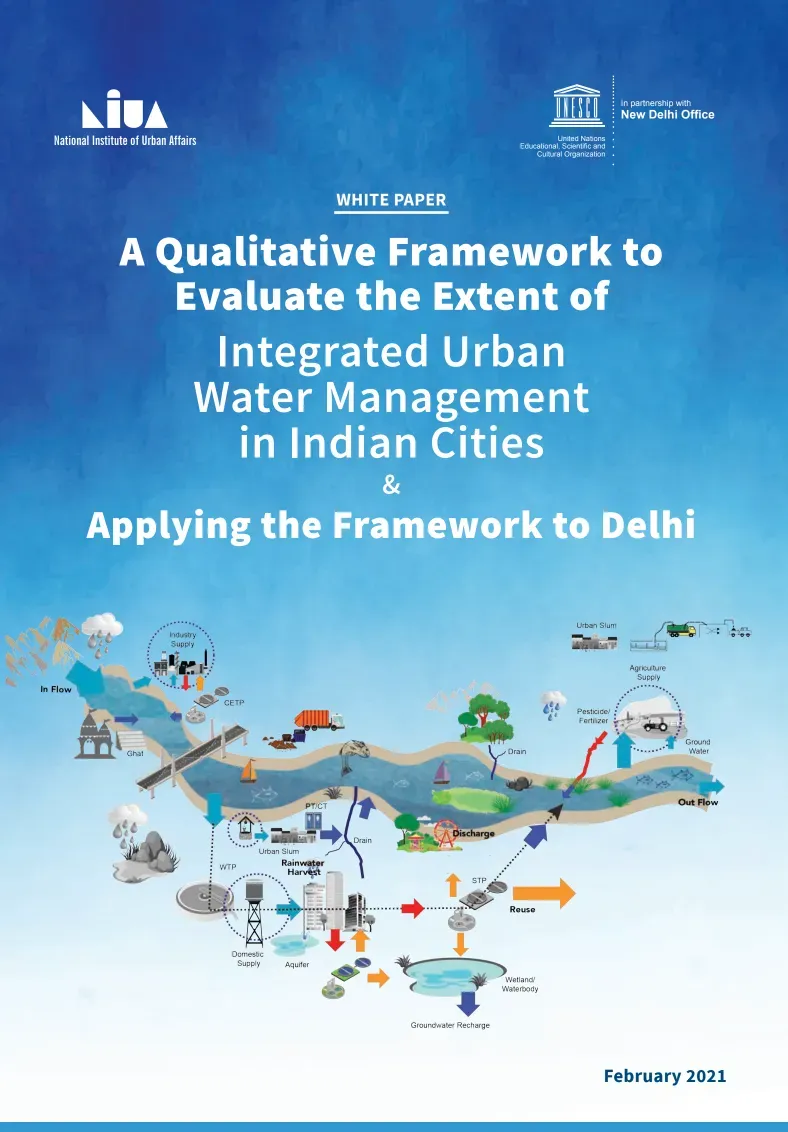
White Paper: A Qualitative Framework to Evaluate the Extent of Integrated Urban Water Management in Indian Cities & Applying the Framework to Delhi
2021
Integrated Urban Water Management (IUWM) has emerged as a widely recognised philosophy for managing the urban water sector, advocating a holistic treatment of water supply, wastewater, and stormwater systems to strengthen urban water security. While India has acknowledged IUWM as a sound and robust approach since 2015, its adoption has remained limited — constrained by gaps in awareness, the complexity of translating philosophy into practice, and the need for a nuanced understanding of a city's water dynamics across hydrological, economic, institutional, governance, and social dimensions.This White Paper seeks to bridge that gap. It presents a qualitative framework comprising ten criteria — organised under three heads: enabling environment, institutional arrangements, and management instruments — designed to help cities assess the extent of IUWM implementation and identify priority areas for progressive advancement. Conceived as an introspective instrument, the framework is intended to support honest internal assessments rather than inter-city benchmarking or comparison.The framework is subsequently applied to Delhi, India's capital city, to evaluate its current standing in terms of IUWM adoption. The assessment reveals that Delhi possesses a strong enabling environment, underpinned by progressive policies and a robust financial position. Its institutional arrangements are larg…
 Report
Use of ICT for Water Supply and Sewerage Services in Smart Cities, SAAR–Sameeksha Series – Impact Assessment
2025
This research report presents a comprehensive assessment of the role of Information and Communications Technology (ICT) in enhancing water supply and sewerage services across India's 100 Smart Cities under the Smart Cities Mission (SCM). By integrating ICT and Internet of Things (IoT) devices into urban water and sewerage infrastructure, the SCM sought to optimise the performance and operational efficiency of cities spanning the full spectrum of urban scale — from small towns to megapolises. Of the 100 Smart Cities, 94 responded to the national-level assessment questionnaire developed for this study, providing a robust empirical foundation for analysis. The report documents the range and …
 Report
Managing Shallow Aquifers in Urban Areas: Pune Workshop Report 2024
2024
In 2022, the Atal Mission for Rejuvenation and Urban Transformation (AMRUT) 2.0 initiated a pilot project on Shallow Aquifer Management (SAM) across ten select cities — Jaipur, Dhanbad, Gwalior, Chennai, Hyderabad, Kolkata, Rajkot, Pune, Thane, and Bengaluru. The pilot aims to sensitise city officials to the potential of recharge wells and structures as practical interventions for shallow aquifer recharge, while simultaneously addressing the compounding urban challenges of groundwater depletion, urban flooding, and contamination of shallow groundwater reserves. Central to the initiative is the revitalisation of traditional water management structures, including dug wells and urban water bodi…
 Manual
Water-Smart School Manual
2025
This manual is designed to help primary school students at G-Block, JJ Colony Bakkarwala learn about water security, groundwater recharge, and the benefits of the Rainwater Harvesting and Micro-irrigation systems installed on their campus under the AIWASI project. The goal is to raise awareness and encourage responsible water use among students.The Australia-India Water Security Initiative (AIWASI) aims to improve water security and liveability in underserved communities in Delhi. Guided by Water Sensitive Cities (WSC) and Gender Equality, Disability, and Social Inclusion (GEDSI) principles, the project emphasizes active participation—especially of women and girls—in planning and implementing Water Sensitive Urban Design (WSUD) solutions. AIWASI acts as a ‘living laboratory,’ demonstrating sustainable environmental, social, and economic outcomes. It is supported by forums at different levels : the Community Water Forum (CWF), and Community Action Groups (CAGs) focused on local, inclusive planning, and the Delhi Water Forum (DWF), which facilitates city-level stakeholders toward a water-sensitive Delhi. Together, they strengthen collaborative governance and institutional capacity for sustainable urban water management.
 Manual
Community-led Tree Census: A Guidebook for Local Action
2025
This guidebook emerges from a shared need for environmental assessment, voiced at both the city and community levels through structured discussions within the Delhi Water Forum and Community Water Forums (CWFs) in two AIWASI demonstration sites: Bakkarwala Resettlement Colony and Mubarakpur Dabas Urban Village. In both communities, residents identified a significant lack of green cover and trees in their neighbourhoods, reinforcing the urgency for localised action. In Bakkarwala, while neighbourhood and pocket parks exist, the internal streets and open spaces remain largely devoid of tree cover, exacerbating residents’ exposure to urban heat island effects and severe air pollution. This obse…
 Publication
Delhi Water Inventory
2025
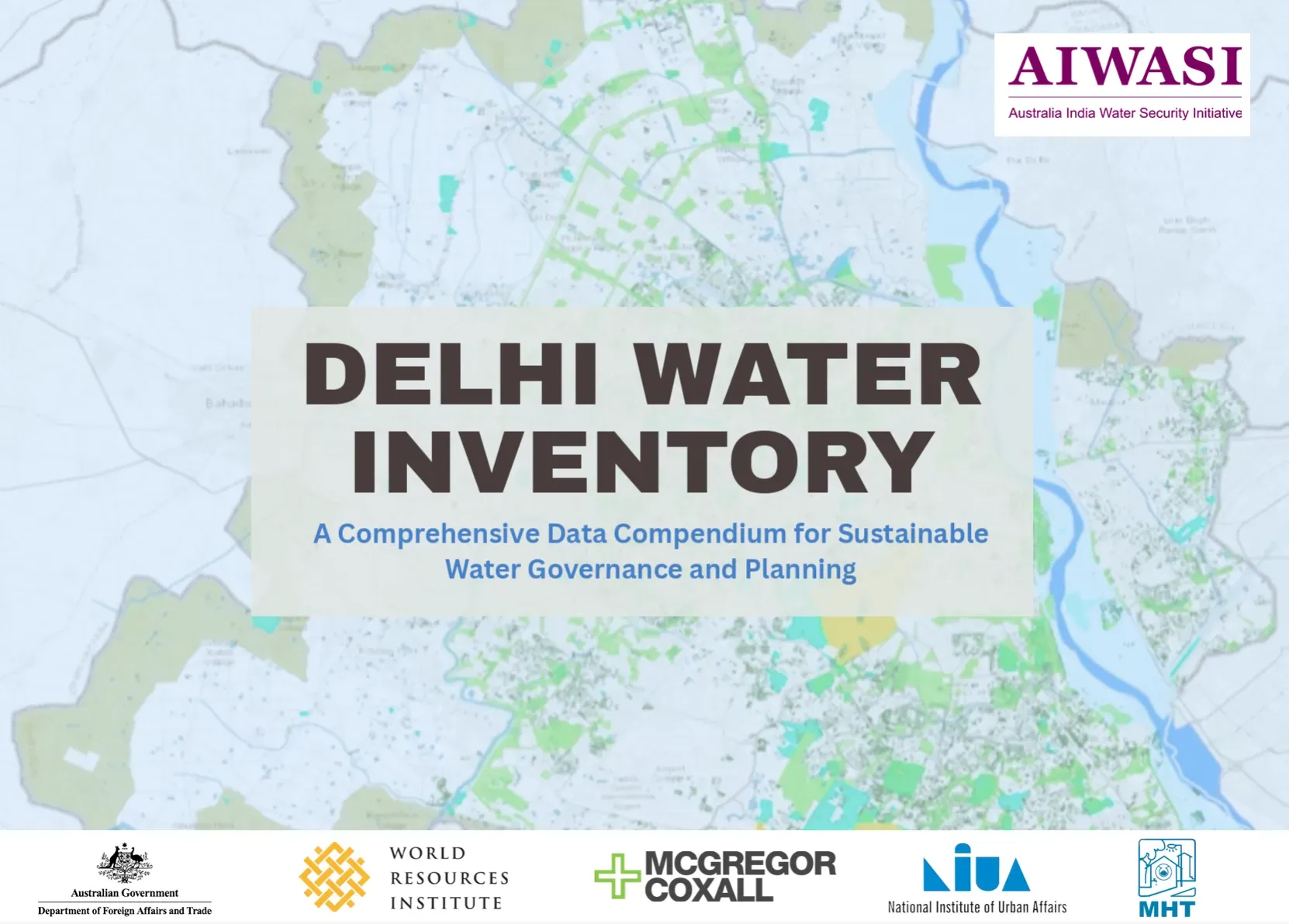
The Delhi Water Inventory has been developed to serve as a centralized compendium of water-related information for the National Capital Territory of Delhi. Its main objective is to compile fragmented datasets scattered across different institutions and present them in a structured, accessible manner. By bringing this information together, the inventory aims to support evidencebased planning, policy-making, and research on water resources in Delhi. The purpose of this document is to serve as a one-stop reference for data on Delhi’s water resources. It covers information on surface water, groundwater, and water quality, along with data on sewerage infrastructure, governance frameworks, and cat…
 Report
Towards a Water Sensitive Delhi: Strategic Recommendations for the Delhi Development Authority (DDA)
2025
This Position Paper is an outcome of the Australia-India Water Security Initiative (AIWASI), led by the Department of Foreign Affairs and Trade (DFAT), Australia, and implemented through a consortium comprising the World Resources Institute (WRI), the National Institute of Urban Affairs (NIUA), the Mahila Housing Trust (MHT), and McGregor Coxall (Australia). The Initiative seeks to advance the adoption of water-sensitive planning and design principles within the Indian urban context.Informed by the Delhi Water Sensitivity Baseline Assessment — which evaluated Delhi's performance against the seven goals of the Water Sensitive Cities Index, as conceived by the Cooperative Research Centre for Water Sensitive Cities (CRCWSC), Australia — this Paper identifies the city's current standing in urban water management and delineates critical areas requiring targeted intervention.The Paper is specifically intended to guide and support the mainstreaming of water-sensitive planning and design principles within the operations and institutional vision of the Delhi Development Authority (DDA) — the apex body responsible for planning and development in Delhi. As the custodian of approximately 5,050 hectares of green cover, 15 sports complexes, 429 local shopping centres, 7 district centres, and several urban heritage sites, and as the preparing authority for the Master Plan for Delhi — the city…
 Report
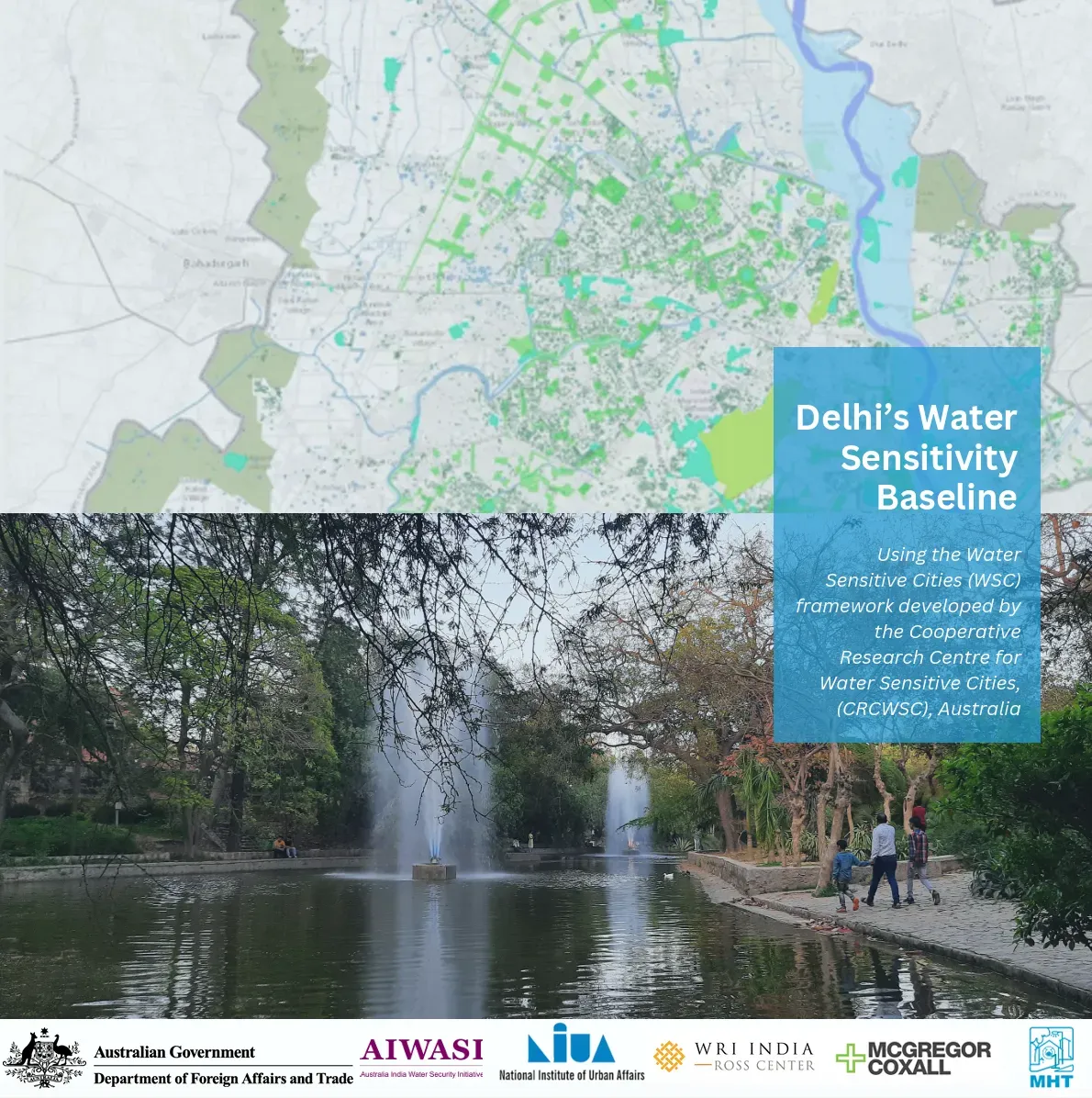
Delhi's Water Sensitivity Baseline
2025
Delhi is confronted with escalating and interconnected water challenges that demand urgent, structured attention. The city faces a daily water supply deficit of 260 MGD against a total demand of 1,250 MGD, with groundwater extraction persisting at unsustainable levels of 126 MGD. Its drainage infrastructure — comprising over 4,000 drains — has become severely fragmented, with only 700 distinctly identifiable, and 19 major natural drains documented in the 1976 Drainage Master Plan no longer in existence. Urban water bodies have recorded a 7% reduction in area between 1999 and 2012, and the Yamuna River, though entering Delhi in a relatively unimpaired condition, exits as one of the most pollu…
 Publication
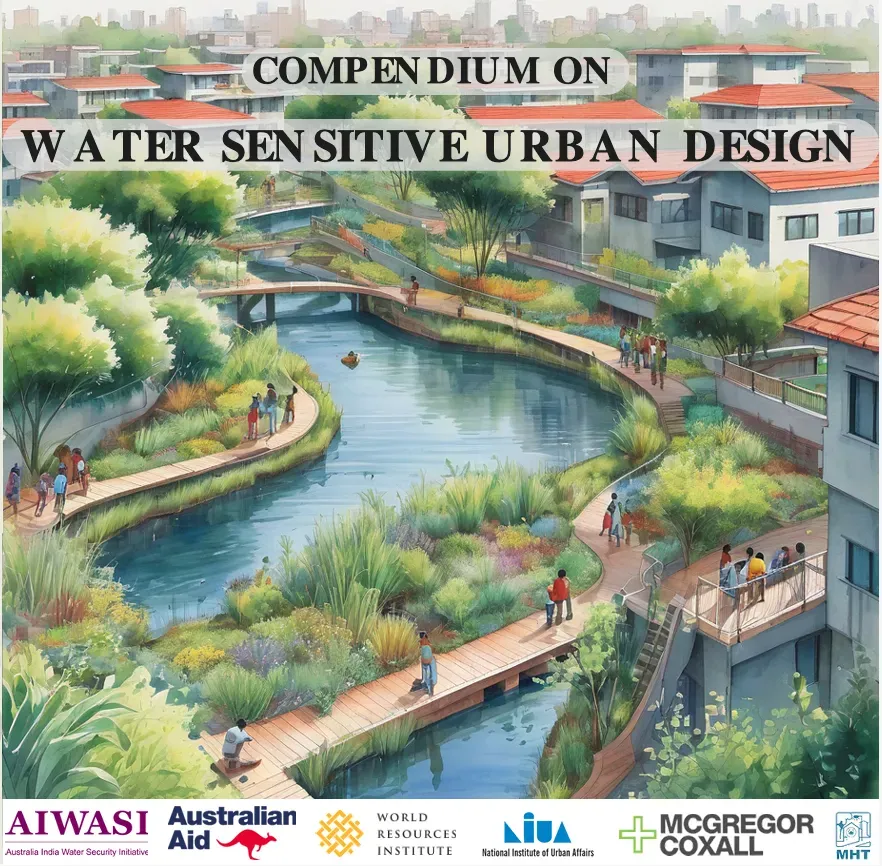
AIWASI Compendium on Water Sensitive Urban Design
2024
Indian cities are at a critical crossroads. With over 90% grappling with waterlogging and floods, 70% of water resources contaminated, and nearly three-quarters of urban water bodies lost in just four decades, the need for a new approach to urban water management has never been more urgent. Water Sensitive Urban Design (WSUD) offers a transformative pathway — one that moves cities beyond basic service provision toward adaptive, climate-resilient environments that serve both communities and ecosystems. This Compendium brings together 50 water-sensitive initiatives — 14 from Indian cities and 36 from across the world — organised across five thematic areas: Lakes and Waterbodies Rejuvenation, R…
 Report
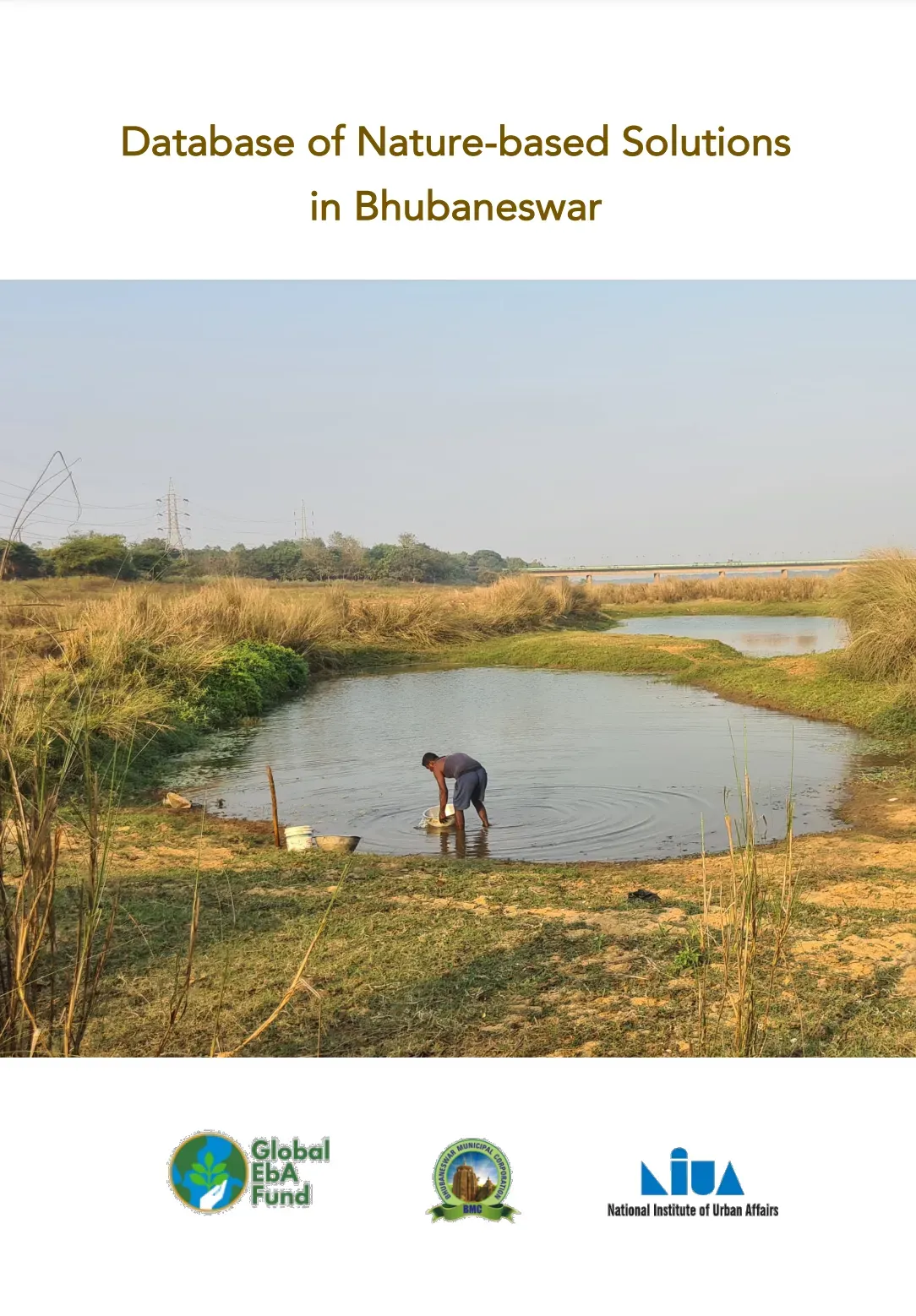
Database of Nature-based Solutions in Bhubaneswar
2025
This document presents a Database of Nature-based Solutions (NbS) in Bhubaneswar, developed under the EPIC project, which identifies and analyses key urban flooding hotspots in the city based on field assessments, risk mapping, and community inputs following recurrent monsoon flooding. From an initial set of flood-prone locations, selected sites were studied in detail to understand flooding patterns, land use, drainage conditions, and surrounding ecosystems, leading to the proposal of site-specific nature-based and ecosystem-based adaptation interventions such as sponge parks, constructed wetlands, drain restoration, riparian buffers, and blue-green public spaces. The database serves as a practical planning resource to support climate-resilient urban water management, flood risk reduction, and sustainable urban development in Bhubaneswar.
 Publication
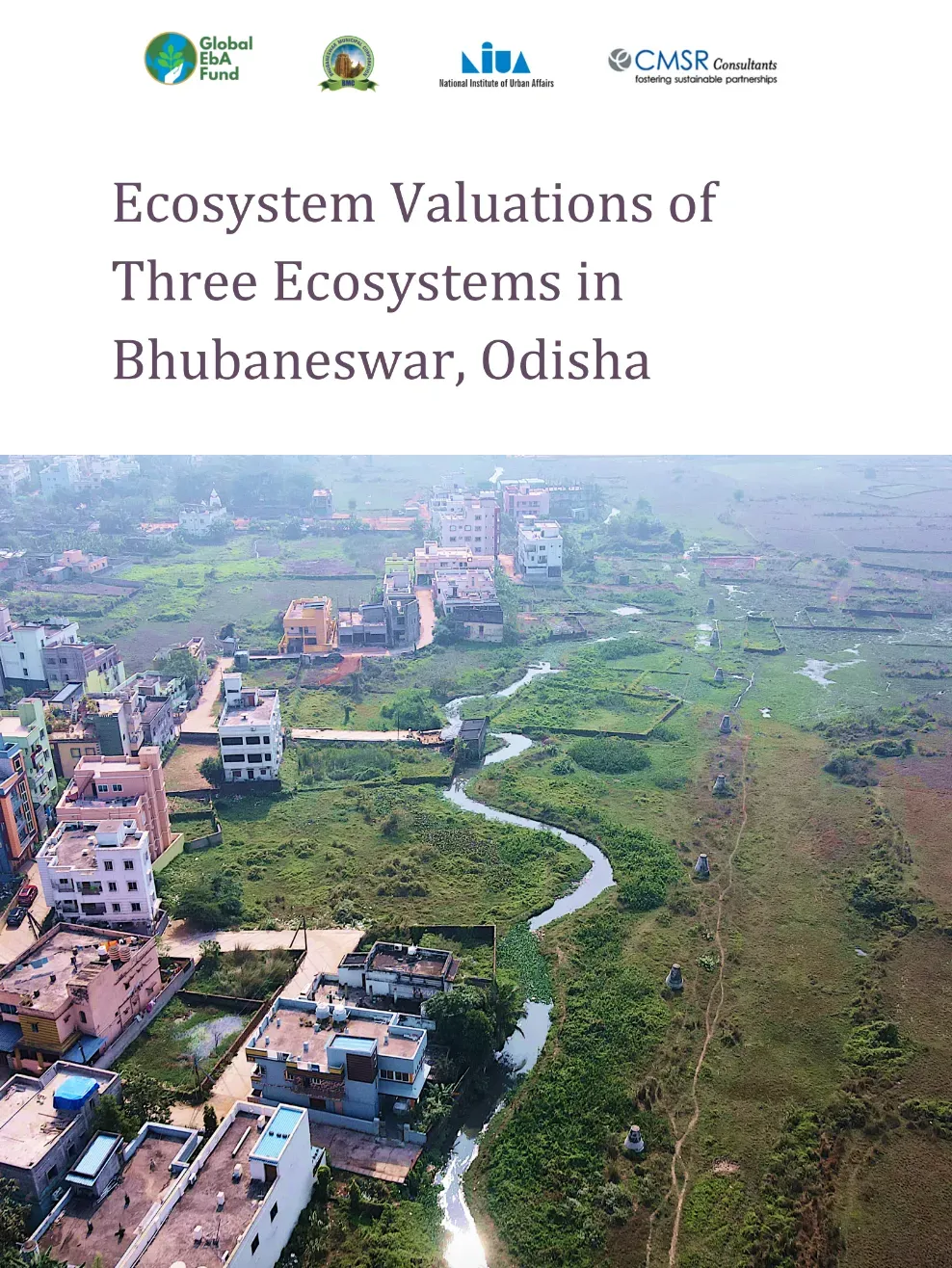
Ecosystem Evaluations of Three Ecosystems in Bhubaneswar, Odisha
2025
This study, conducted under the “Proliferating Ecosystem-based Adaptation (EbA) Practices in Indian Cities” (EPIC) project supported by the Global EbA Fund, assesses the ecological, socio-cultural, and economic value of three key urban ecosystems in Bhubaneswar: Bindusagar Lake, Jaidev Vatika, and a wetland. As part of the EPIC project’s efforts to demonstrate the economic valuation of urban ecosystems, the study engaged 769 stakeholders—including residents, visitors, and informal workers—to capture diverse perspectives on ecosystem use, benefits, and conservation needs. Using a comprehensive mixed-methods approach, the research integrates quantitative and qualitative data to provide a holis…
 Publication
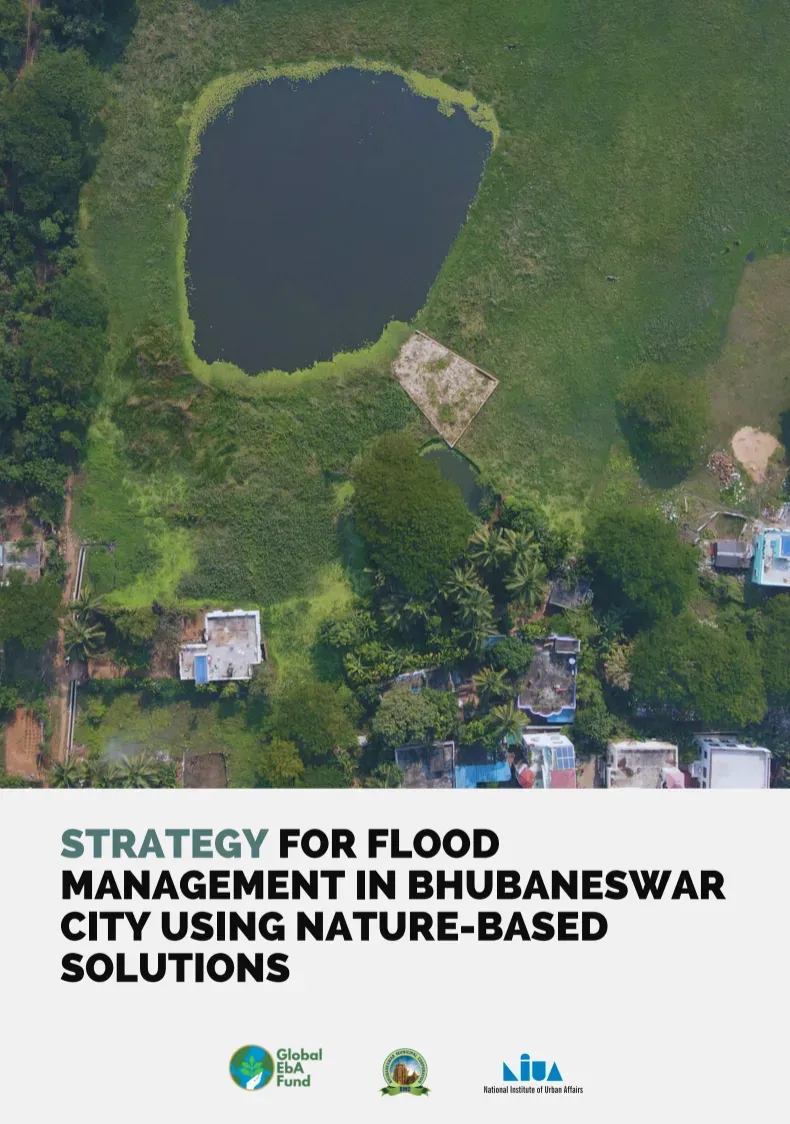
Strategy for Flood Management in Bhubaneswar City using Nature-based Solutions
2025
This strategy document presents nature-based solutions for managing urban flooding in Bhubaneswar, developed under the “Proliferating Ecosystem-based Adaptation (EbA) Practices in Indian Cities” (EPIC) project, supported by the Global EbA Fund. Bhubaneswar, selected as the pilot city, underwent a detailed baseline assessment to identify flood hotspots and vulnerable areas. Simultaneously, the city’s natural ecosystems were mapped to assess their potential in mitigating flood risks. Based on this analysis, targeted nature-based interventions were designed for twelve critical locations. The document provides a comprehensive account of the methodology and process used to integrate ecosystem-bas…
 Publication
Strategic Framework for Estimating the Economic Value of an Urban Ecosystem
2025
Water is the primary medium through which the impacts of climate change are felt, with cities worldwide facing increased flooding, water scarcity, and related challenges. In India, urban areas experience frequent floods alongside growing summer water shortages, making water security central to climate adaptation strategies. The National Institute of Urban Affairs (NIUA), with support from the International Union for Conservation of Nature (IUCN), implemented the “Proliferating Ecosystem-based Adaptation (EbA) Practices in Indian Cities” (EPIC) project under the Global EbA Fund. Using Bhubaneswar, Odisha, as a pilot city, the project demonstrates how ecosystem-based adaptation can help cities address flooding and water scarcity. A key component of this effort is the economic valuation of urban ecosystems—such as wetlands, forests, floodplains, and riparian buffers—to highlight their tangible benefits for climate resilience. This Strategic Framework simplifies the process of valuing ecosystem services, providing a step-by-step methodology for policymakers, urban planners, and practitioners to make evidence-based decisions, strengthen ecosystem-based planning, and integrate nature into urban water management.
 Publication
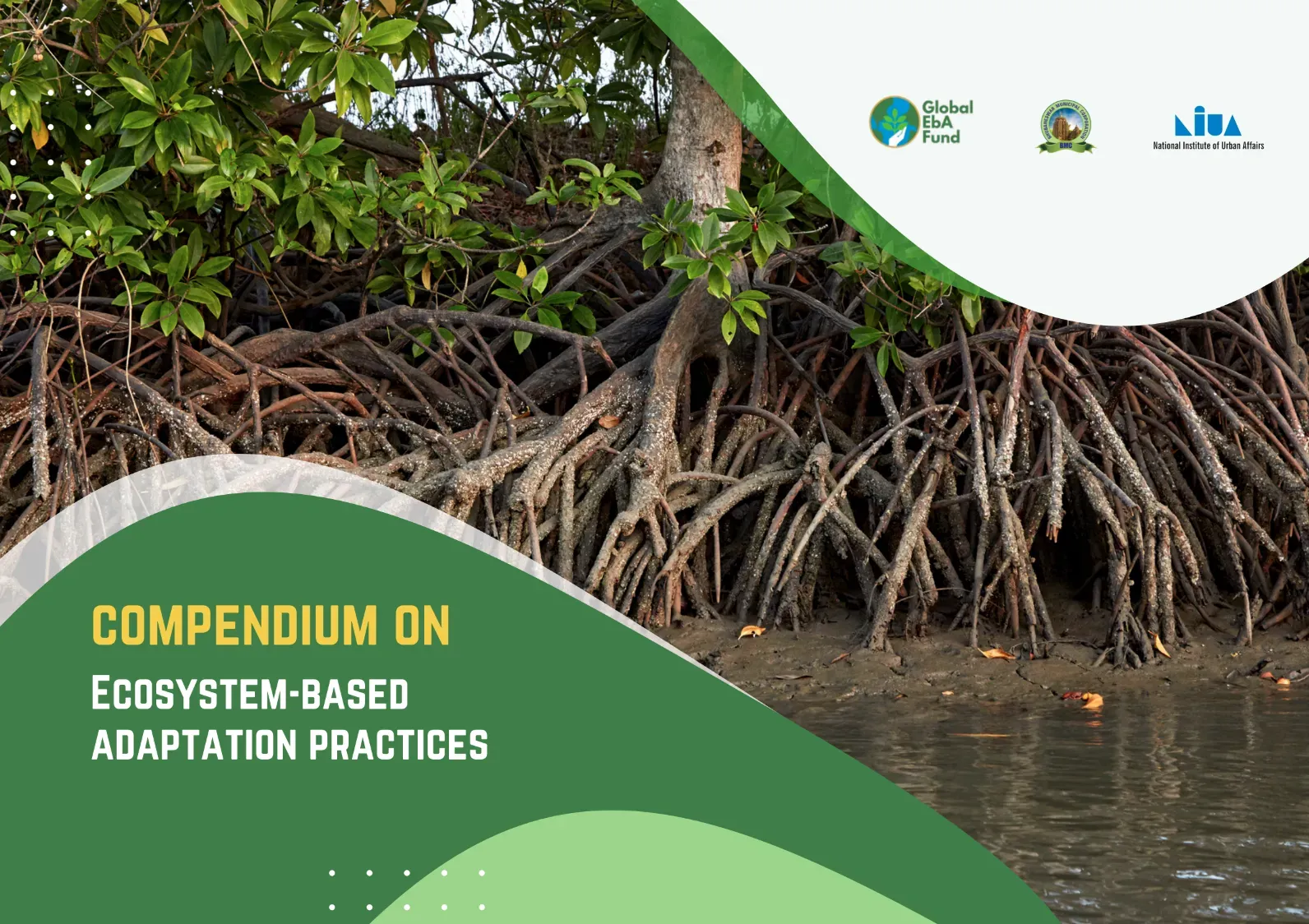
Compendium on Ecosystem-based Adaptation Practices
2025
Climate change poses growing risks through extreme weather, water scarcity, biodiversity loss, and climate-related disasters, particularly in developing countries like India. Ecosystem-based Adaptation (EbA) offers a nature-driven, cost-effective approach to building climate resilience by conserving, restoring, and sustainably managing ecosystems while delivering co-benefits such as improved livelihoods, water security, and biodiversity conservation. This Compendium on Ecosystem-based Adaptation Practices presents a curated selection of global and regional case studies across diverse landscapes, showcasing practical EbA interventions and their impacts. Developed under the “Proliferating E…
 Publication
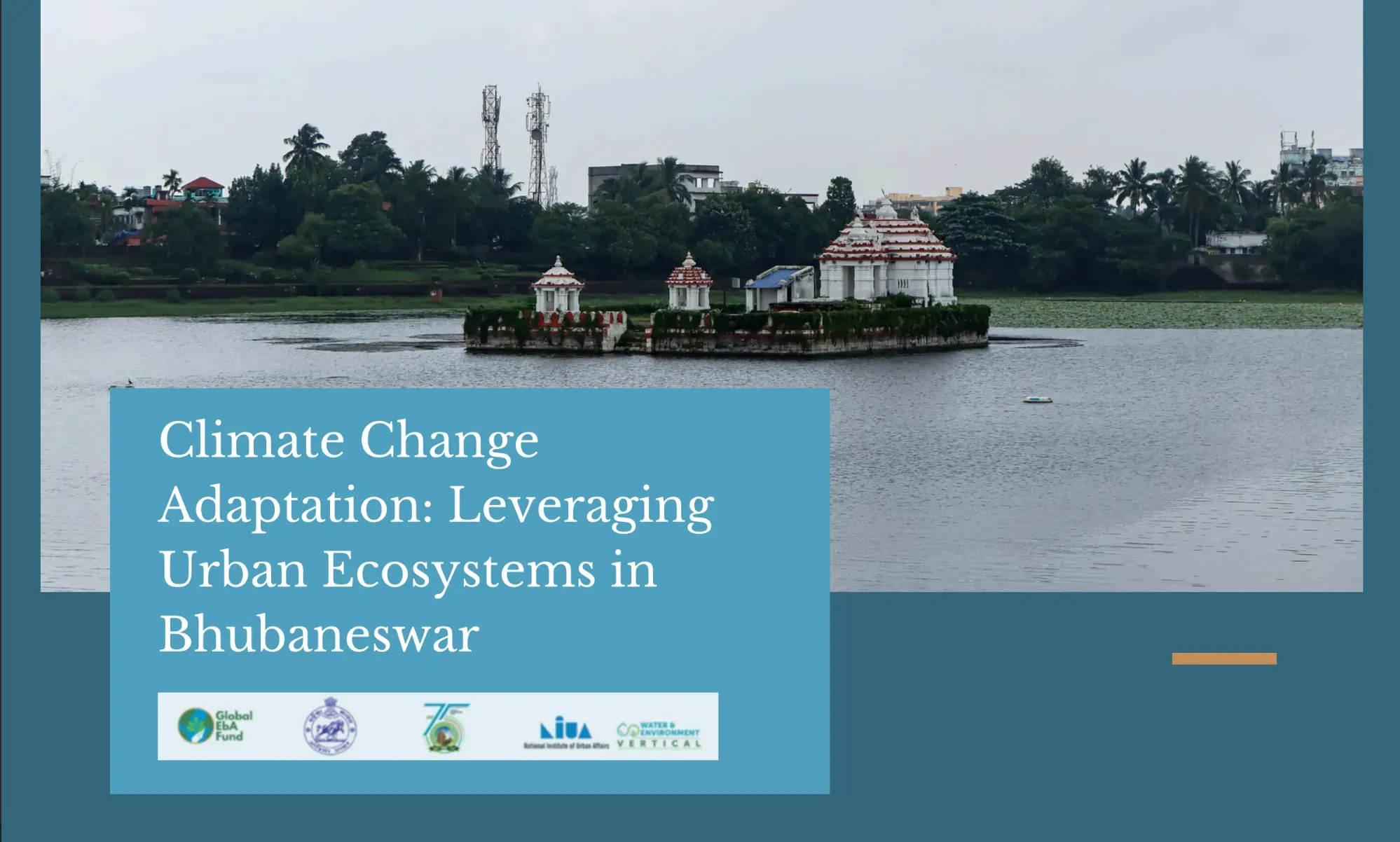
Climate Change Adaptation: Leveraging Urban Ecosystems in Bhubaneswar
2025
This document presents a comprehensive compilation of thematic maps aimed at supporting the strategic use of urban ecosystems for climate change adaptation in the city of Bhubaneswar, Odisha. It analyzes patterns of urban development and growth in relation to key climate change impacts, with a particular focus on urban heat stress and urban flooding. Through spatial analysis, the document highlights how different forms of urbanization interact with natural systems and influence climate vulnerability. Each urban ecosystem is described in detail, outlining its characteristics and the range of ecosystem services it provides, such as temperature regulation, flood mitigation, and environmental re…
 Publication
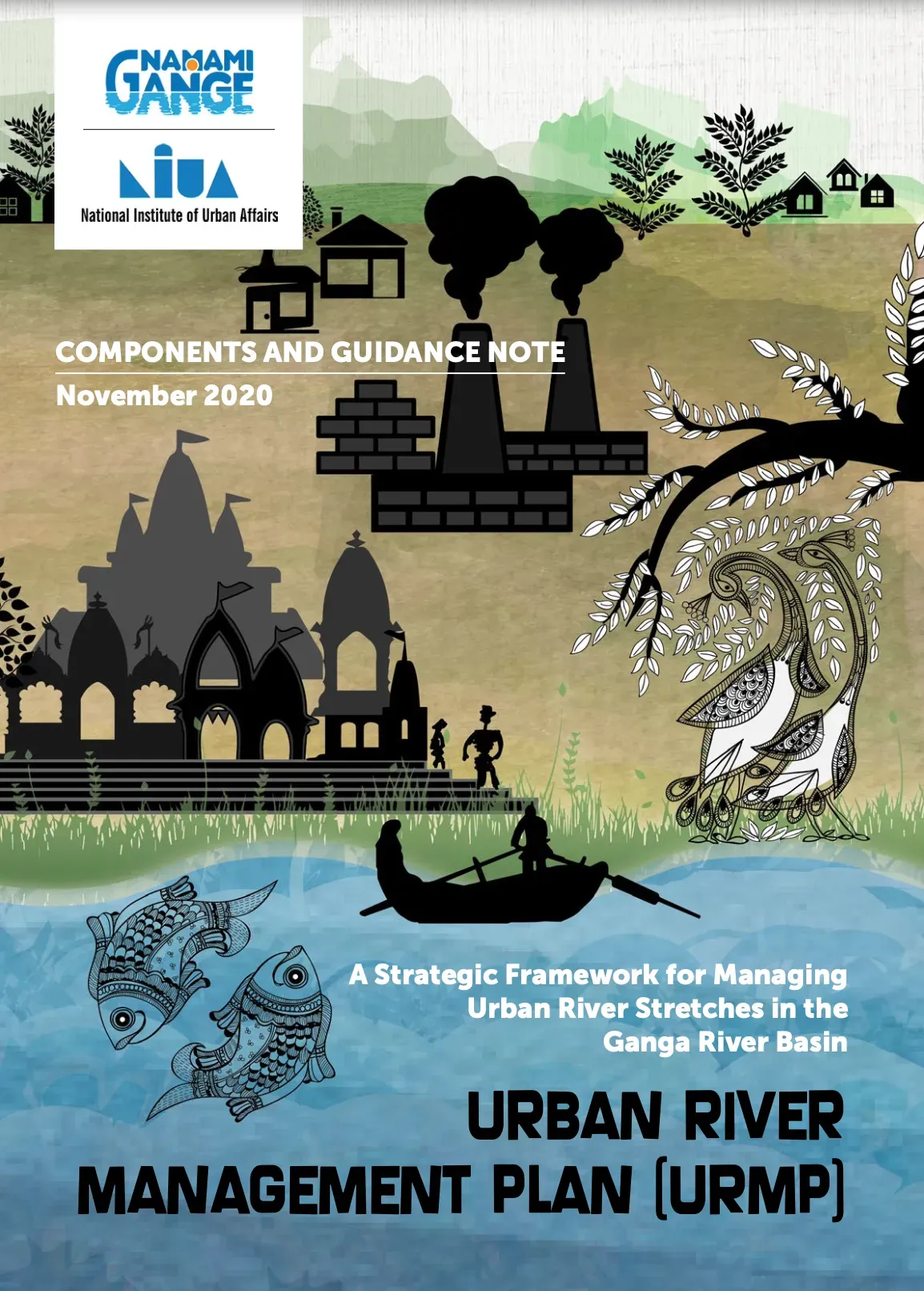
A Strategic Framework for Managing Urban River Stretches in the Ganga River Basin: URMP
2020
The Urban River Management Plan (URMP) Framework is a comprehensive guide developed by the National Institute of Urban Affairs (NIUA) with support from the National Mission for Clean Ganga (NMCG). It aims to provide cities with a structured approach for the sustainable management and rejuvenation of urban rivers, which have often been neglected or exploited due to rapid urbanization. The framework recognizes rivers not only as water bodies but also as critical ecological, cultural, and economic assets. As urban areas expand, the framework emphasizes the need to protect rivers through effective governance, planning, and coordination across urban sectors.The URMP framework follows a seven-stage process. The first step involves a city-river profiling that helps in understanding the current condition of the river, its ecological status, and the socio-economic dependence of the surrounding urban population. The second stage involves developing a vision for the river's future and setting long-term and short-term goals. The third stage focuses on preparing actionable strategies, including identification of projects for river rejuvenation and flood management. The next stage includes alignment with city development plans, ensuring that river management becomes part of the urban development process. The framework also emphasizes institutional integration to ensure that various urban dep…
 Publication
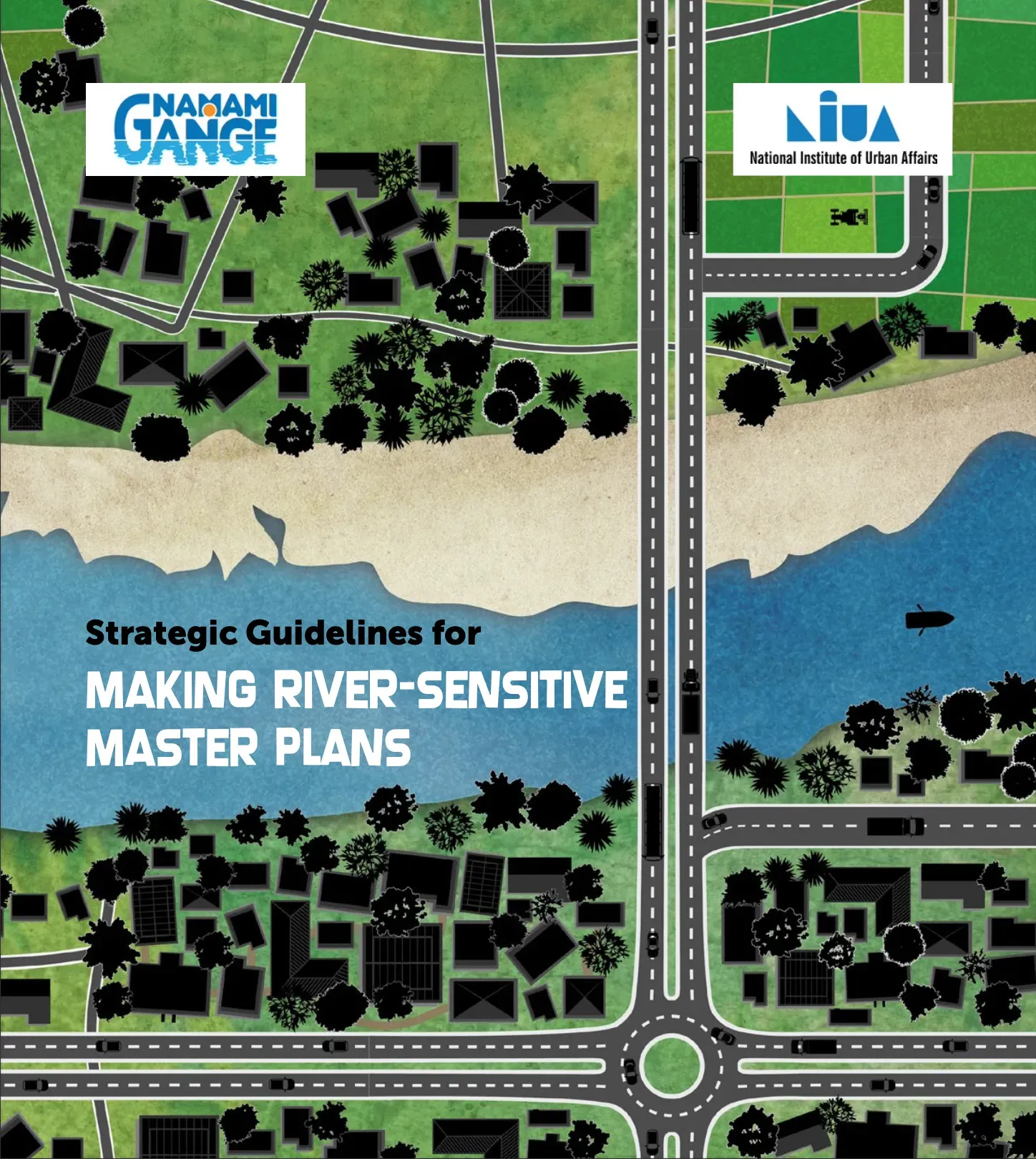
Strategic Guidelines for Making River Sensitive Master Plans
2021
The Strategic Guidelines for Making River-Sensitive Master Plans, developed by the National Institute of Urban Affairs (NIUA) with the support of the National Mission for Clean Ganga (NMCG), provides a structured approach to integrate river-sensitive planning into urban master plans across India. The guidelines aim to ensure that rivers, as critical ecological, cultural, and economic assets, are safeguarded amid urban development. The document outlines a seven-step process starting with a baseline assessment of the river's condition, including its ecological status and water quality. This is followed by visioning and goal setting for river management. The guidelines emphasize policy and regu…
 Publication
Urban River Management Plan - Kanpur
2021
The Urban River Management Plan (URMP) for Kanpur, developed by the National Institute of Urban Affairs (NIUA) in collaboration with the National Mission for Clean Ganga (NMCG), aims to restore and sustainably manage the Ganga and Pandu rivers flowing through the city. The plan acknowledges the ecological, cultural, and social significance of rivers and integrates them into urban planning frameworks. Key objectives include reducing pollution, improving sewage and solid waste management, restoring riverfront areas, and promoting biodiversity along riverbanks. It emphasizes decentralized wastewater treatment, effective waste disposal, and the development of public spaces like ghats and parks t…
 Publication
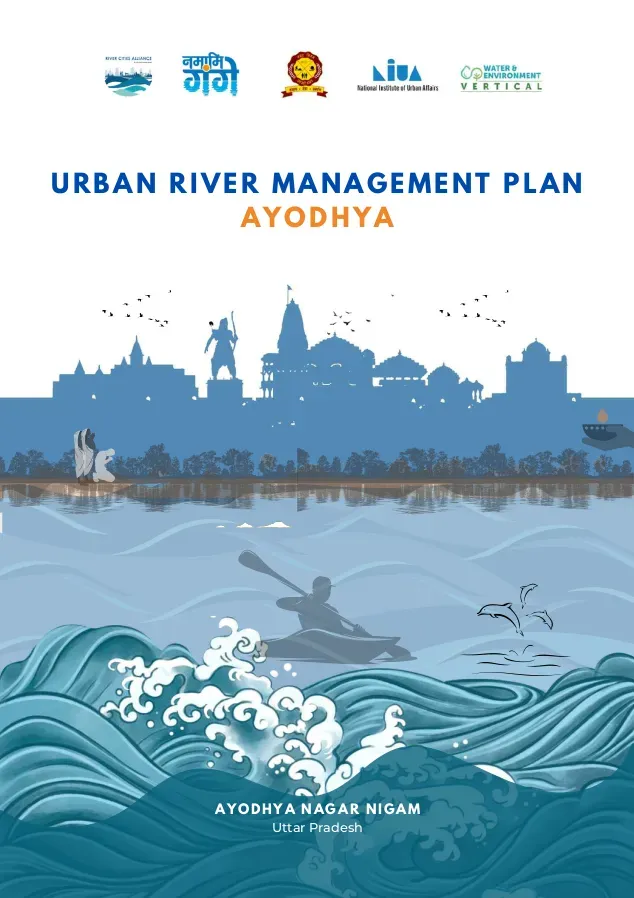
Urban River Management Plan – Ayodhya
2023
The Urban River Management Plan (URMP) for Ayodhya, jointly developed by the National Institute of Urban Affairs (NIUA) and the National Mission for Clean Ganga (NMCG), is a comprehensive framework aimed at restoring and preserving the ecological, cultural, and social value of the Saryu River. As Ayodhya undergoes rapid urban development, especially in the context of growing tourism and religious importance, the URMP serves as a roadmap to ensure that the city’s growth remains environmentally sustainable and river-sensitive.The plan identifies key challenges facing the Saryu River, including untreated sewage discharge, unregulated construction along the riverbanks, solid waste accumulation, and loss of natural buffers and biodiversity. To address these, the URMP outlines ten interlinked objectives ranging from pollution abatement and ecological restoration to riverfront development and enhanced public engagement.Key interventions proposed under the URMP include the creation of decentralized wastewater treatment systems to manage sewage more efficiently, strengthening the solid waste management framework to prevent waste dumping near the river, and restoring riparian vegetation to improve biodiversity and reduce erosion. The development of inclusive riverfronts that support both recreational use and cultural activities is another focus area, aiming to reconnect citizens with the…
 Publication
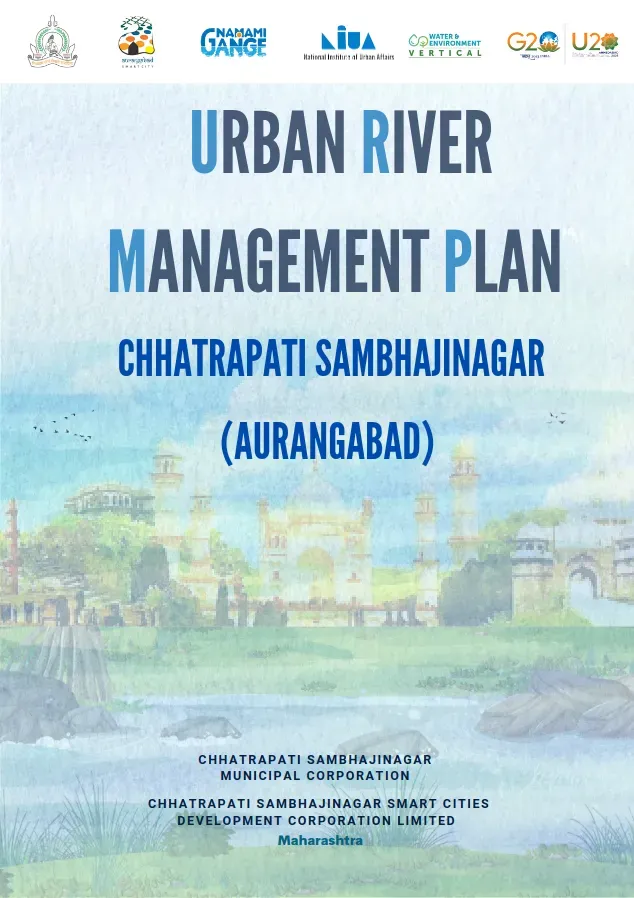
Urban River Management Plan - Chhatrapati Sambhajinagar (formerly Aurangabad)
2023
The National Institute of Urban Affairs has assisted the city of Chhatrapati Sambhajinagar in creating its Urban River Management Plan (URMP). This is one of the first Urban River Management Plans created for a city outside of the Ganga basin, and considers the specific challenges associated with the Kham and Sukhna seasonal, rain-fed rivers. The URMP Chhatrapati Sambhajinagar proposes a set of 21 tangible and practical actions for managing the city’s water features, under the ten-point URMP agenda. While some of these interventions are planning-oriented and conceptual, others are projects that can be directly implemented on ground. The Urban River Management Plan (URMP) for Chhatrapati Sam…
 Publication
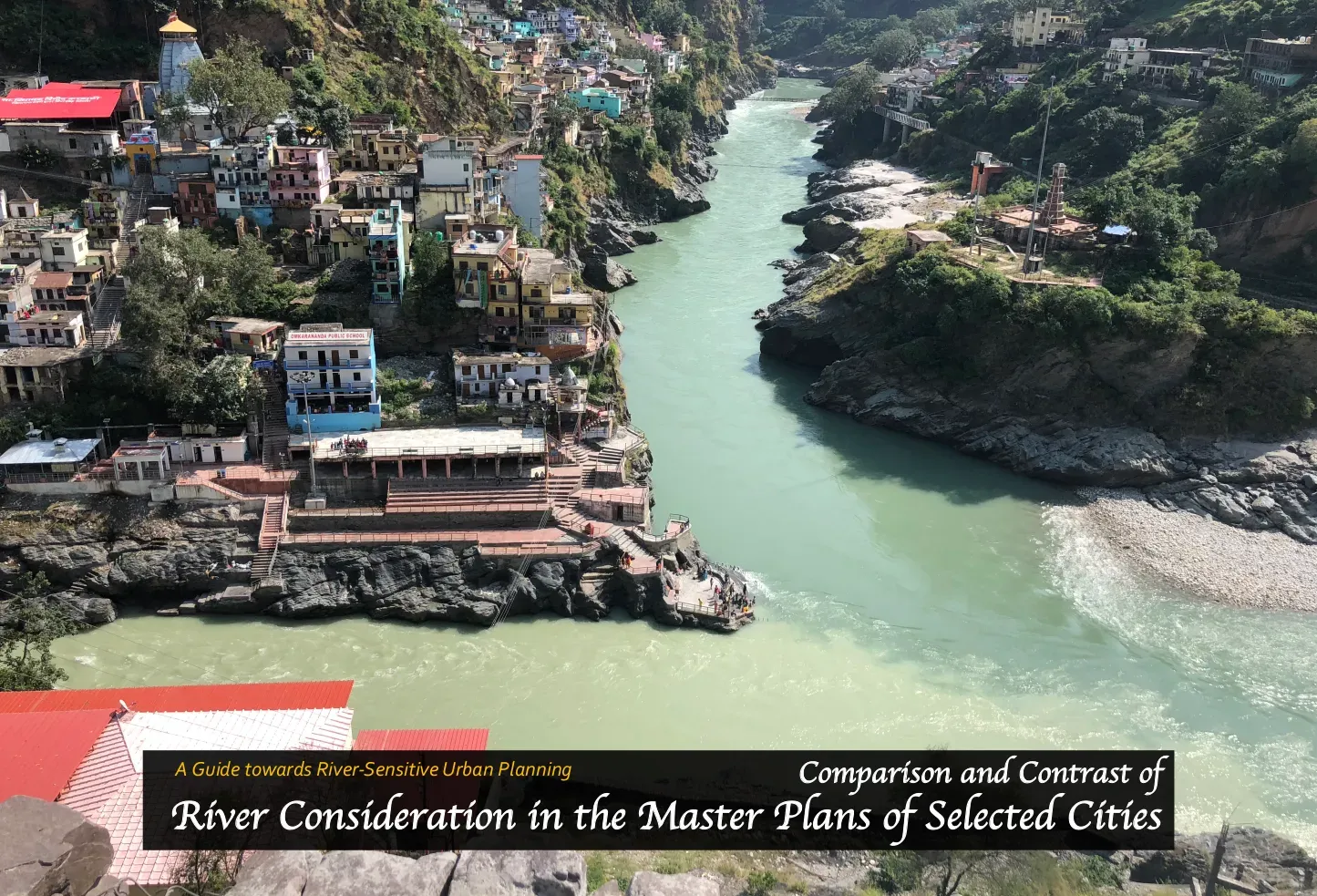
A Guide towards River-Sensitive Urban Planning
2020
The "River Sensitive Urban Planning: Knowledge Product" (Version 2), developed by the National Institute of Urban Affairs (NIUA) and the National Mission for Clean Ganga (NMCG), provides essential guidance for integrating river-sensitive approaches into urban planning processes. It aims to foster sustainable and balanced urban growth along river corridors while preserving ecological integrity. The document emphasizes the importance of considering river health, water quality, and flood risk in urban development. It also addresses issues such as pollution control, wastewater management, and the preservation of natural habitats. The knowledge product offers a set of principles, strategies, and …
 Publication
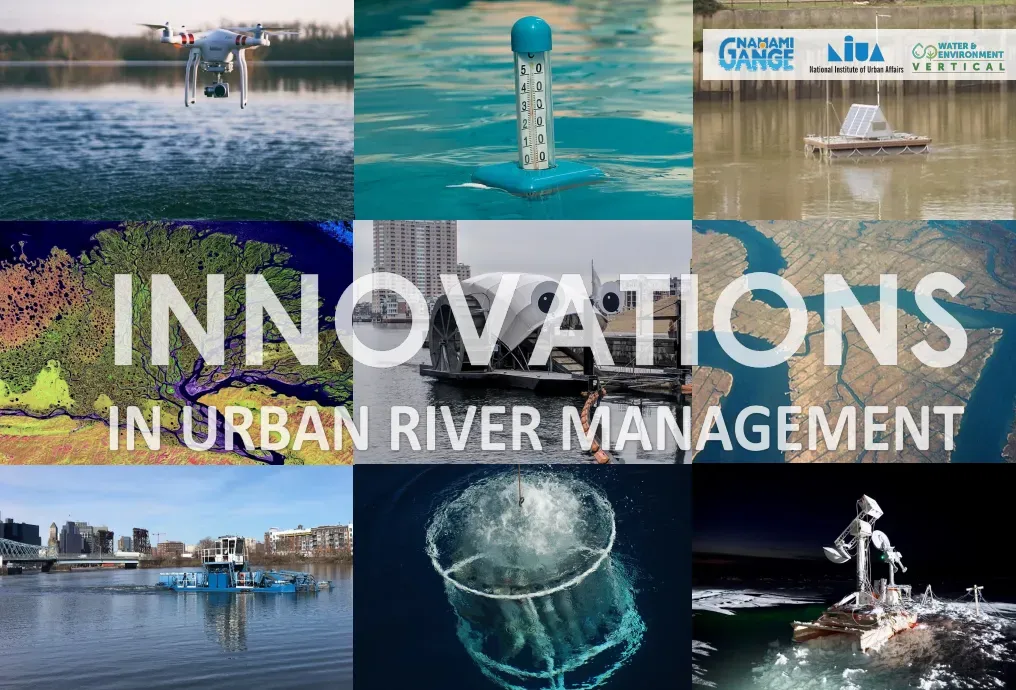
Innovations in Urban River Management
2022
Rivers are an essential part of urban ecosystems, offering not only ecological services but also playing a critical role in sustaining biodiversity, regulating microclimates, and supporting social and economic life. However, urban rivers today are under significant threat due to unchecked urbanization, inadequate infrastructure, poor community participation, and behavioral apathy. These pressures manifest in reduced water flow, increased pollution, rampant encroachments, and a drastic loss of flora and fauna. Such degradation severely hampers the river’s ability to provide its ecological functions and undermines the quality of life in cities.Traditional river management practices, while valuable, are proving increasingly insufficient to address the scale and complexity of challenges posed by rapid urban growth. The need for adaptive, scalable, and cost-effective approaches has never been more pressing. Recognizing this, cities are beginning to explore and implement innovative solutions in urban river management that leverage technological advancements and participatory governance.The knowledge product developed jointly by the National Institute of Urban Affairs (NIUA) and the National Mission for Clean Ganga (NMCG) presents a curated collection of such innovations. Drawing from global examples, it highlights how fields like Information Technology, Robotics, Artificial Intellige…
 Publication
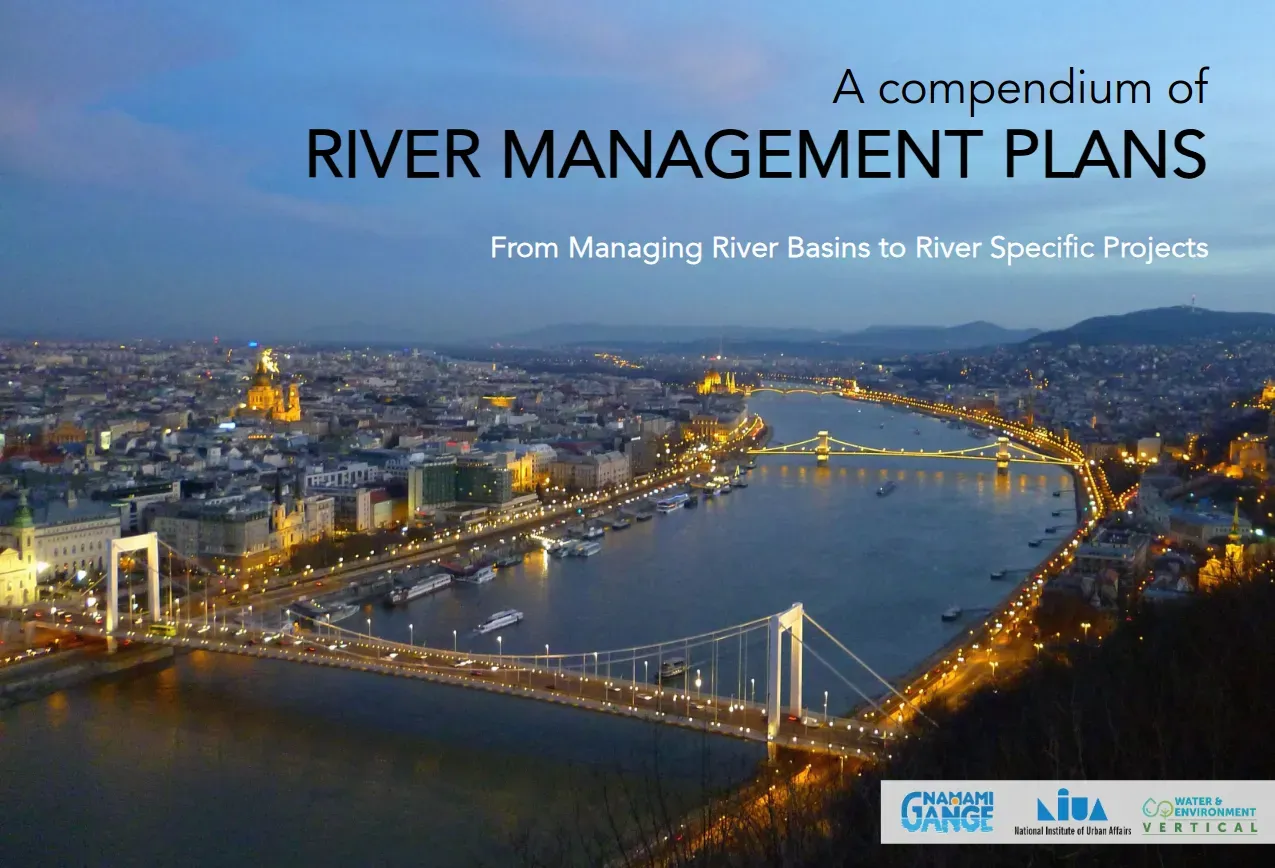
A Compendium of River Management Plans – From Managing River Basins to River Specific Projects
2022
The National Institute of Urban Affairs (NIUA), in collaboration with the National Mission for Clean Ganga (NMCG), has developed a knowledge product titled “A Compendium of River Management Plans”. This compendium brings together a wide array of global best practices in river management, focusing on innovative and holistic approaches that have proven effective in different urban contexts. By documenting successful strategies from various parts of the world, the product aims to inspire Indian cities to adopt more integrated, sustainable, and inclusive methods of managing their rivers. Recognizing the numerous ecological, social, and infrastructural challenges faced by river cities in India—su…
 Publication
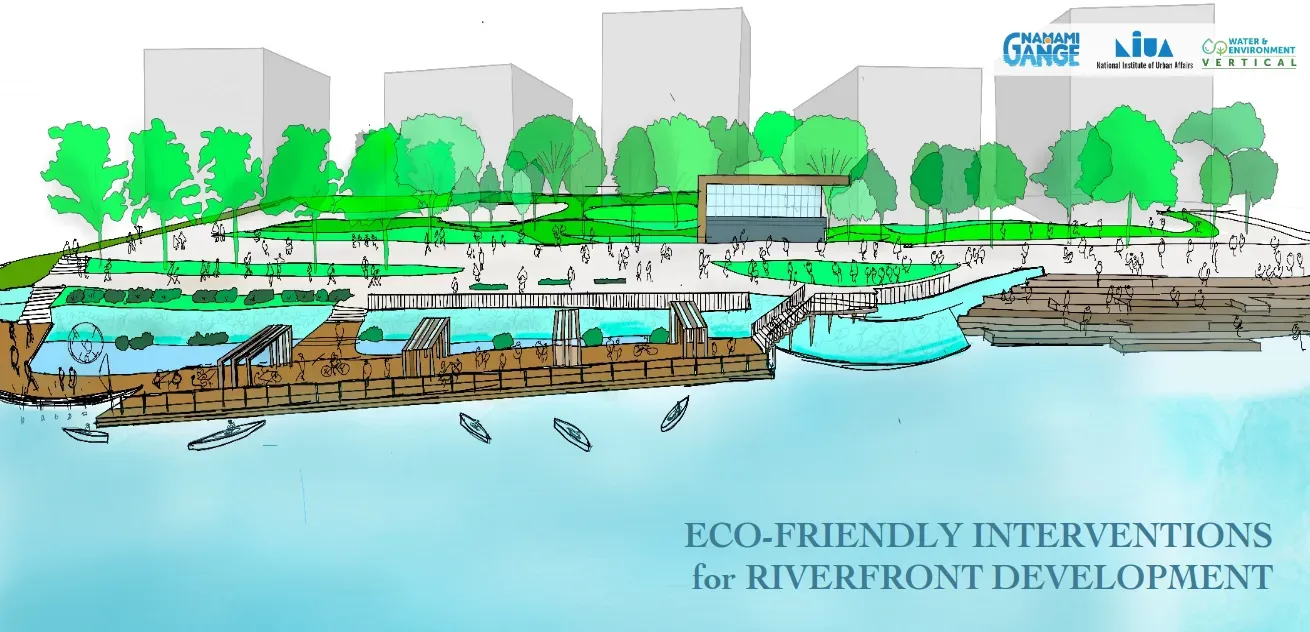
Eco-friendly Interventions for Riverfront Development
2022
The National Institute of Urban Affairs (NIUA), in partnership with the National Mission for Clean Ganga (NMCG), has developed a knowledge product on “Eco-friendly Interventions for Riverfront Development.” This comprehensive resource showcases a collection of best practices, eco-friendly interventions, and specific design elements that can be adopted for the environmentally sensitive, economically viable, and socially cohesive development of urban riverfronts. A range of practices is highlighted, each offering innovative solutions tailored to different local contexts. These interventions, when applied together, can significantly enhance the ecological integrity of riverfronts while maximizi…
 Publication
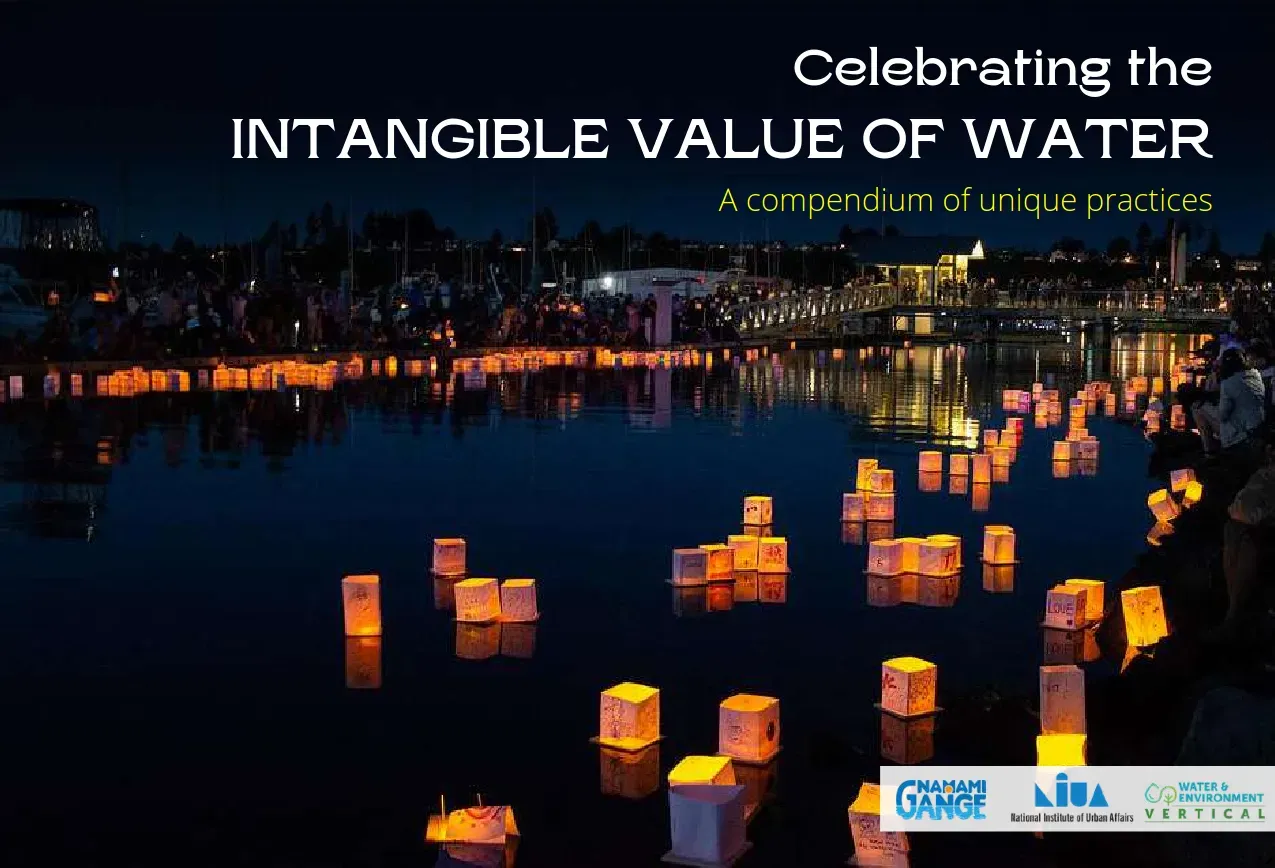
Celebrating the Intangible Value of Water
2022
Water is undoubtedly one of the most critical natural resources, playing a central role in sustaining life and driving the progress of societies. As the world grapples with growing challenges such as climate change, population growth, and pollution, ensuring water security has become a paramount concern for governments, policymakers, and communities alike. While the focus on tangible aspects of water management, such as infrastructure development and conservation efforts, is essential, there is also an invaluable dimension that often goes unnoticed – the intangible value of water. This dimension is rooted in cultural, spiritual, and traditional practices, which not only underscore the deep connection between water and society but also offer unique opportunities to enhance water security.The intangible value of water can be found across the globe in various forms, such as sacred rituals, festivals, and local customs that elevate water to a status far beyond its role as a mere resource for survival. These cultural practices not only reflect the importance of water in people's lives but also shape how communities perceive and care for their water sources. In many cultures, water is revered, celebrated, and even worshipped, embodying both a spiritual and practical significance. By acknowledging and leveraging this intangible value, governments and communities can cultivate a deeper…
 Publication
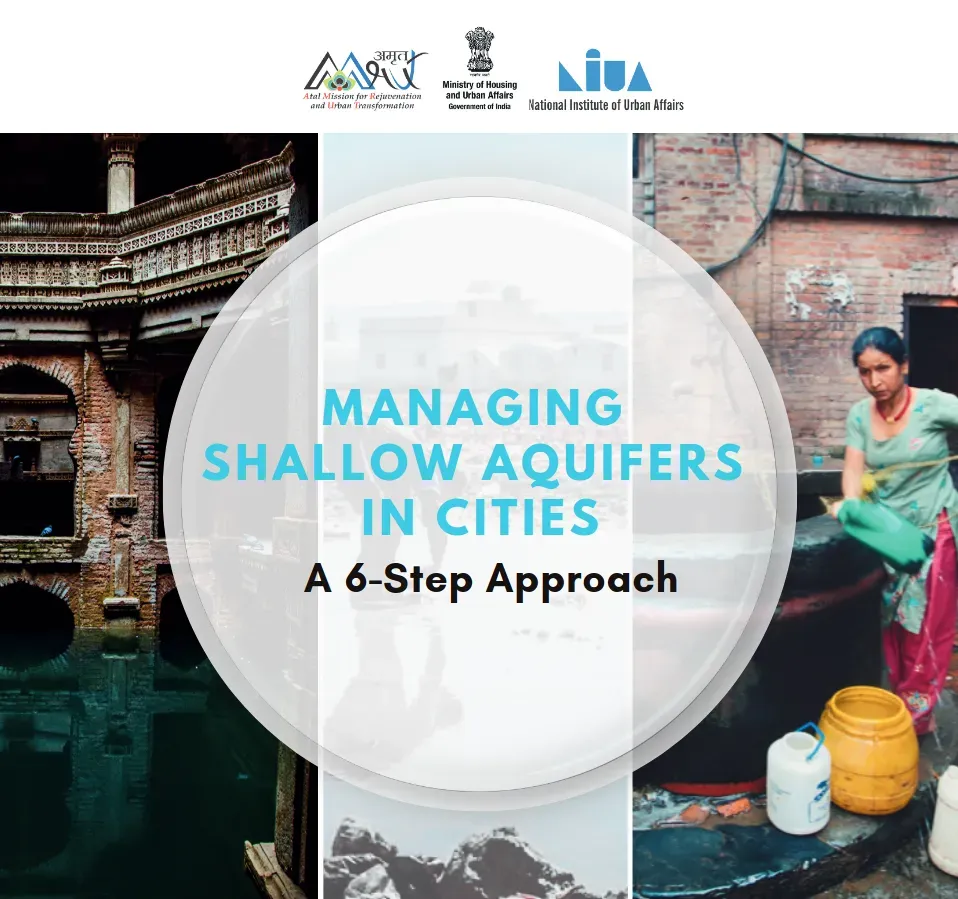
Managing Shallow Aquifers in Cities: A 6-Step Approach
2023
The National Institute of Urban Affairs (NIUA) is supporting ten cities under the Atal Mission for Rejuvenation and Urban Transformation (AMRUT) 2.0 to advance sustainable shallow aquifer management (SAM) in urban areas. This pioneering initiative addresses the unique and complex challenges of managing shallow aquifers at the city level by adopting a participatory mapping approach that involves local stakeholders, technical experts, and municipal institutions. It is the first time that shallow aquifer management has been implemented at a city-wide scale across India, marking a major step forward in decentralized urban water governance. The participatory process ensures that scientific knowle…
 Report
Decentralized and Non-Sewered Wastewater Management for Selected Ganga Towns
2019
The handbook is an important initiative developed by the National Institute of Urban Affairs (NIUA) to build the capacities of Urban Local Bodies (ULBs), para-state technical agencies, administrators, engineers, and urban professionals on decentralized and non-sewered sanitation solutions. It emphasizes the crucial role these systems play in complementing centralized, networked infrastructure to ensure inclusive and holistic sanitation coverage across urban areas. With increasing urban populations and the limitations of centralized systems, the need for flexible, context-specific approaches has become more urgent. This handbook seeks to bridge that gap by providing structured training and pr…
 Report
Decentralized Wastewater Management – Complementing Centralized Solutions for Achieving 100% Sanitation Coverage
2019
The National Institute of Urban Affairs (NIUA) has developed a comprehensive handbook as a key initiative to build and strengthen the capacities of Urban Local Bodies (ULBs), para-state technical agencies, administrators, and urban professionals in managing decentralized wastewater systems. With a strong emphasis on Faecal Sludge and Septage Management (FSSM), particularly in towns located along the Ganga River, the handbook serves as a critical knowledge and training resource aimed at supporting sustainable and inclusive urban sanitation practices.This handbook is the result of NIUA’s extensive experience in delivering advanced training modules on Integrated Wastewater and Septage Management (IWSM) and FSSM across various urban contexts. It consolidates key learning elements, case studies, and practical insights gathered from these training programs. By doing so, it offers a structured approach to understanding the institutional, technical, operational, and financial dimensions of decentralized wastewater management. It also introduces frameworks and tools that help stakeholders plan, implement, and manage context-specific sanitation solutions effectively.Urban areas along the Ganga often face unique sanitation challenges due to high population density, inadequate centralized sewage systems, and geographical constraints. The handbook addresses these realities by promoting dece…
 Report
Policy Brief on the Future of River Management
2020
On 1 May 2020, the National Institute of Urban Affairs (NIUA), in collaboration with the National Mission for Clean Ganga (NMCG), organized an Ideathon titled “The Future of River Management.” This virtual event was convened in the context of the COVID-19 pandemic, using the global crisis as an opportunity to reflect on and rethink traditional approaches to river management. The Ideathon brought together urban planners, environmentalists, policymakers, and water sector experts to brainstorm innovative ideas and strategies for more resilient, inclusive, and sustainable river management. The discussions highlighted the importance of integrating river systems into urban planning, promoting natu…
 Report
Ideathon on "The Future of River Management"
2020
On 1 May 2020, the National Institute of Urban Affairs (NIUA), in collaboration with the National Mission for Clean Ganga (NMCG), organized an Ideathon on “The Future of River Management.” Set against the backdrop of the COVID-19 pandemic, the event served as a timely platform to reflect on how the crisis revealed the complex interconnections between human activity, public health, and the natural environment—particularly river ecosystems. The primary objective was to explore the lessons the pandemic has taught us about river management and to identify forward-looking strategies for managing rivers in a more sustainable, inclusive, and resilient manner. The Ideathon brought together a wide ar…
 Publication
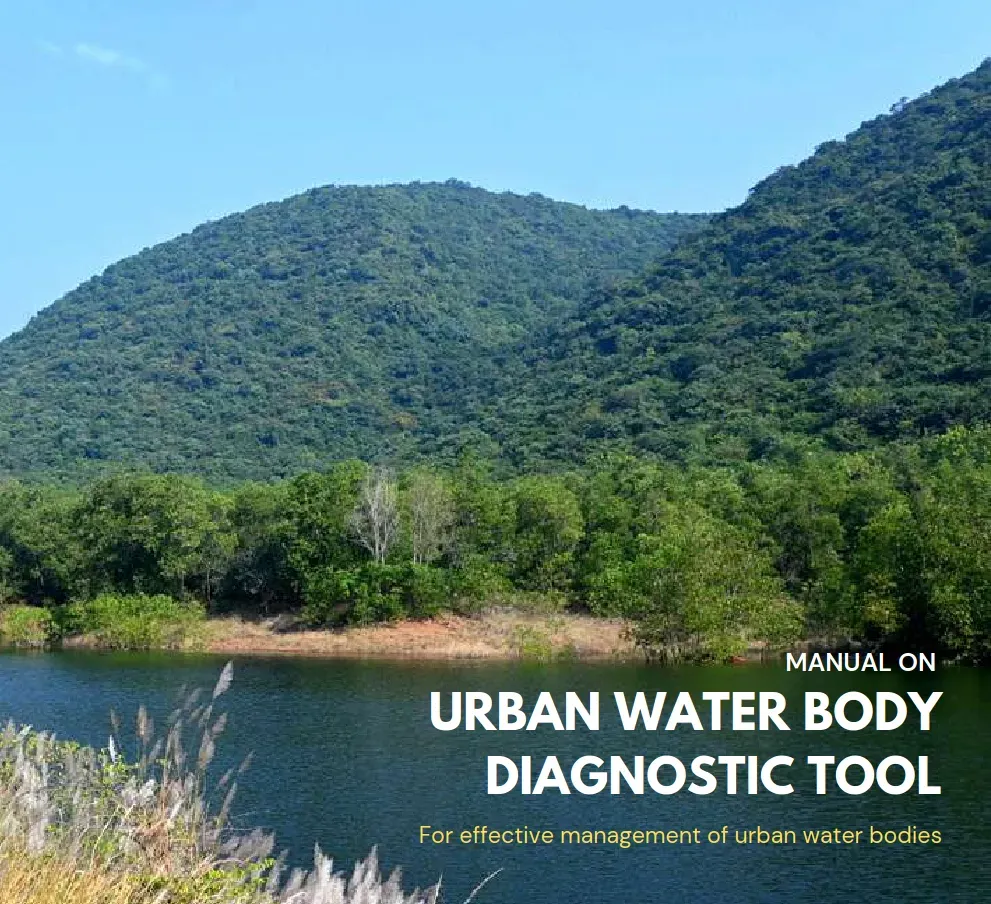
Urban Water Body Diagnostic Tool
2022
The National Institute of Urban Affairs (NIUA), in partnership with UNESCO New Delhi, has developed the Urban Water Body Diagnostic Tool—a strategic, science-based decision support system that empowers urban administrators to effectively manage and rejuvenate water bodies within their jurisdictions. With urbanization putting increasing pressure on natural ecosystems, particularly urban water bodies that often face neglect, encroachment, and pollution, this tool emerges as a critical enabler for sustainable urban water governance.The diagnostic tool is structured to provide an end-to-end assessment of each urban water body, enabling city planners and administrators to understand current conditions, identify critical challenges, and prioritize intervention measures. It uses a mix of outcome-based indicators (such as water quality, biodiversity levels, and surrounding land use) and process-based indicators (such as institutional management mechanisms, community participation, and maintenance practices). These indicators collectively offer a comprehensive view of both the ecological health and the governance framework associated with each water body.To ensure objectivity and scientific rigor, the tool incorporates the Analytical Hierarchy Process (AHP)—a structured technique for organizing and analyzing complex decisions based on mathematics and psychology. Through AHP, appropriat…
 Publication
Toolkit for Preparing City Action Plans for Reuse of Treated Used Water
2024
To support cities in implementing efficient infrastructure for the reuse of treated used water, the National Institute of Urban Affairs (NIUA), in collaboration with the National Mission for Clean Ganga (NMCG), has developed a comprehensive Toolkit. This Toolkit serves as a step-by-step guide for urban local bodies to assess their current status regarding the generation, treatment, and reuse potential of treated wastewater. It helps cities identify opportunities, gaps, and feasible avenues for integrating treated used water (TUW) into various urban applications such as landscaping, industrial processes, construction, and agriculture. The Toolkit is designed to support data-driven decision-m…
 Brochure
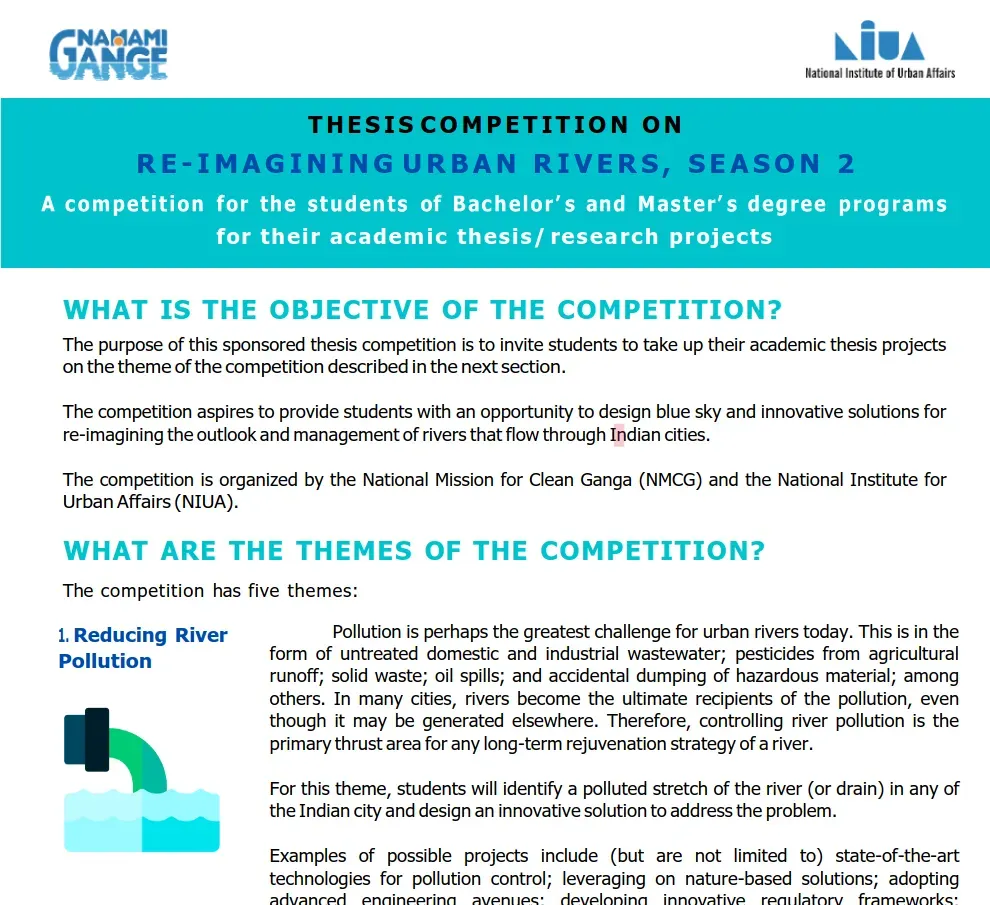
Thesis Competition on Re-Imagining Urban Rivers, Season 2
2021
This concept note outlines the framework of a national-level thesis competition jointly organized by the National Institute of Urban Affairs (NIUA) and the National Mission for Clean Ganga (NMCG). Held annually, the competition is designed to engage and inspire students, young professionals, and emerging researchers in the fields of urban planning, environmental science, architecture, and related disciplines. Its central aim is to build awareness and foster innovative thinking around the critical theme of sustainable urban river management. By inviting research-based, solution-oriented theses, the competition encourages participants to explore creative strategies for integrating rivers into…
 Brochure
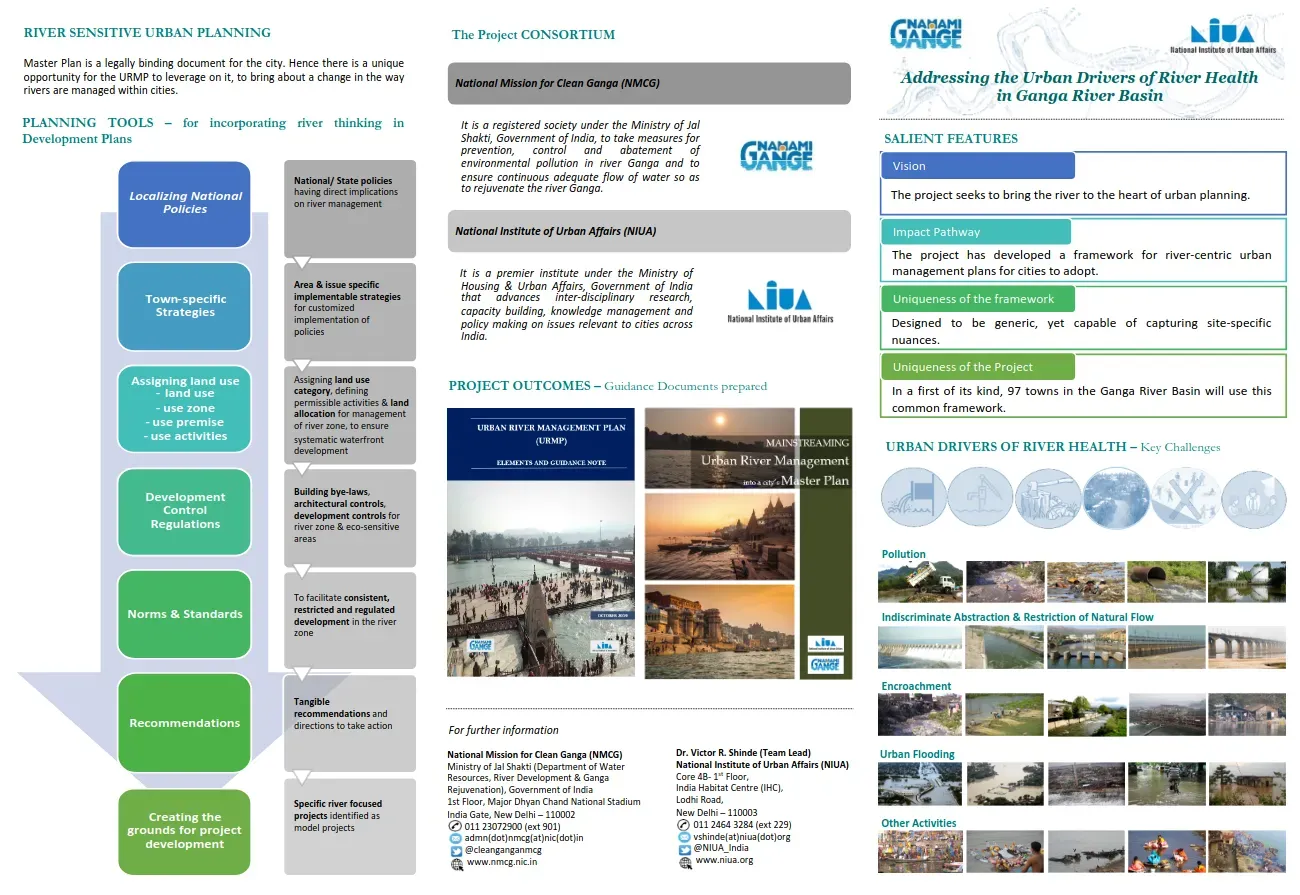
URVERS Project Brochure
2019
This brochure offers a detailed insight into the URVERS (Urban River Systems) project, which focuses on the critical role of rivers in advancing sustainable urban development and resilient city planning. Spearheaded through a multi-disciplinary and research-oriented approach, the URVERS project advocates for the integration of river ecosystems into urban planning and policy frameworks, ensuring that natural water systems are protected, restored, and leveraged as central elements of urban life.As urbanization intensifies across India, many rivers that once supported cities’ ecological and socio-cultural foundations have become degraded due to pollution, encroachment, and neglect. Recognizing this, the URVERS project aims to shift the narrative—viewing rivers not as backdrops to urban development but as living systems essential for climate resilience, biodiversity, public health, and water security.This brochure captures the key activities and outcomes of the project, including:Pilot studies conducted in selected cities to understand the current status of urban river systems Case studies showcasing successful examples of river rejuvenation and integration into city master plans Stakeholder workshops that foster collaboration between urban planners, municipal bodies, environmental experts, and local communities Policy analyses and recommendations for embedding river-sensitive prin…
 Manual
Training Manual – Water Resources Management
2021
The "Water Resources Management" document, created by the National Institute of Urban Affairs (NIUA), presents key strategies for addressing urban water challenges. It explores the need for an integrated approach to managing water resources, particularly in the face of rapid urban growth and climate change. The report emphasizes water conservation, wastewater treatment, and stormwater management. It proposes innovative solutions like decentralized wastewater systems and rainwater harvesting to improve urban water resilience. Policy frameworks and regulatory measures are highlighted as essential tools for guiding water management practices. The document stresses the importance of community pa…
 Manual
Training Manual – Energy Efficient Water Supply System
2021
The "Energy Efficient Water Supply System" document, published by the National Institute of Urban Affairs (NIUA), outlines strategies for improving the energy efficiency of urban water supply systems. The report focuses on the growing demand for water in urban areas, which is often coupled with increased energy consumption due to inefficient pumping, treatment, and distribution processes. It highlights the need for adopting energy-efficient technologies and practices to optimize water supply systems, reduce operational costs, and lower the carbon footprint of urban water utilities. The document discusses the importance of using advanced pumps, motors, and energy recovery systems to minimize …
 Manual
Training Manual – Energy Efficient Wastewater Management System
2022
The Energy Efficient Wastewater Management System – Training Manual, developed by the Climate Centre for Cities (C-Cube) at the National Institute of Urban Affairs (NIUA) in collaboration with Deutsche Gesellschaft für Internationale Zusammenarbeit (GIZ), is a comprehensive guide designed to assist urban local bodies (ULBs) in enhancing energy efficiency within wastewater management systems. This manual is part of the ClimateSmart Cities Assessment Framework (CSCAF) and focuses on Indicator 6 under the Water Management sector. It aims to provide ULBs with the tools and knowledge to conduct energy audits, implement energy-saving measures, and adopt low-energy and renewable technologies in wastewater treatment plants (WWTPs).The manual outlines several key components to achieve energy efficiency in wastewater management, beginning with the importance of energy-efficient practices in treatment plants. It identifies common barriers to energy efficiency and aligns with the broader goals of the CSCAF. One critical section of the manual covers the process of conducting energy audits, which helps in identifying opportunities for reducing energy consumption in WWTPs. It also provides a range of approaches to achieve energy efficiency, such as energy conservation measures, the use of energy-efficient treatment systems, and integrating renewable energy sources into wastewater management.T…
 Manual
Training Manual – Wastewater Recycle and Reuse
2022
This training manual, prepared by the Climate Centre for Cities at the National Institute of Urban Affairs (NIUA), is a comprehensive guide to sustainable water management, with a particular focus on wastewater recycling and reuse. Developed under the ClimateSmart Cities Assessment Framework, the manual is designed to support urban planners, municipal authorities, policymakers, and other stakeholders in adopting effective and climate-resilient wastewater strategies. It presents a wide range of topics, including decentralized wastewater treatment systems, emerging reuse technologies, regulatory and institutional frameworks, and case studies of successful practices across Indian cities. Emphas…
 Manual
Training Manual – Flood and Water Stagnation Risk Management
2022
This training manual, developed by the Climate Centre for Cities at NIUA under the ClimateSmart Cities Assessment Framework, is a comprehensive resource for managing urban flood risks and water stagnation. Designed for urban planners, municipal officials, and policymakers, it outlines strategies to reduce flood vulnerability and enhance climate resilience in cities. The manual covers a wide range of topics, including flood risk assessment, sustainable drainage systems (SuDS), nature-based solutions, and early warning mechanisms. It emphasizes the importance of climate-adaptive infrastructure planning and integrated urban water management. By incorporating practical tools, planning frameworks…
 Report
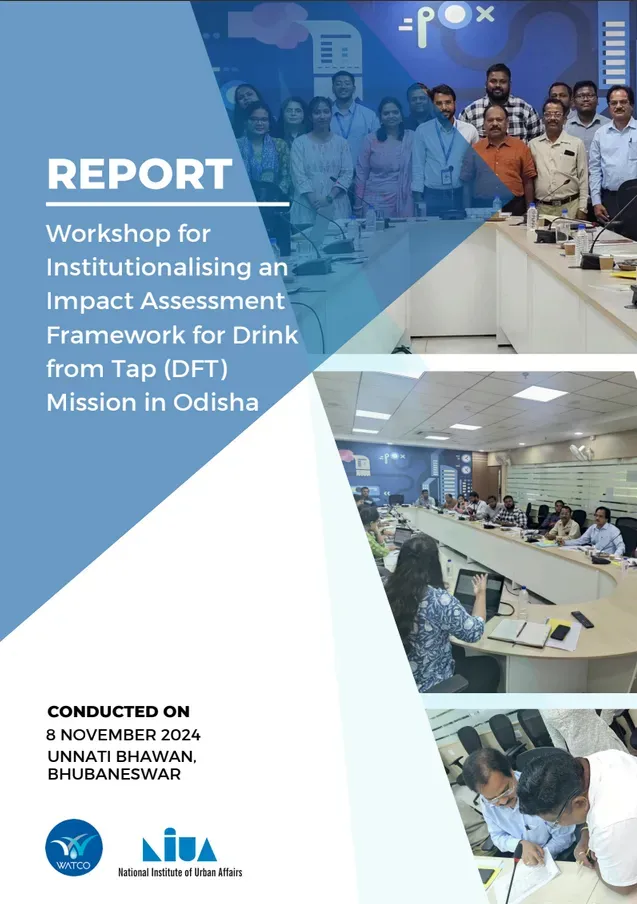
Workshop Report: Institutionalized an Impact Assessment Framework for Drink from Tap (DFT) Mission in Odisha
2024
National Institute of Urban Affairs (NIUA) conducted a workshop aimed at presenting and refining the Rapid Impact Assessment Framework developed for the Drink From Tap (DFT) Mission. The tool has been designed to enable quick, structured evaluation of DFT schemes implemented across 24 Urban Local Bodies (ULBs) in Odisha. The workshop featured the application of this framework in Nimapara, offering practical insights from a recent pilot study. The workshop was organized into four sessions. The first session provided a background on earlier assessment efforts, including comprehensive studies in Puri and Bhubaneswar in 2021. It detailed the methodologies used to establish evaluation indicators and gain infrastructure insights.In the second session, NIUA introduced the updated 2024 assessment framework, emphasizing three core dimensions: technical performance, operations and maintenance, and consumer perception. The scoring system integrates national and international benchmarks (MoHUA, BIS, WHO, IWA). Data is gathered through service-level benchmarks and a household survey in both slum and non-slum areas. Session three focused on the pilot conducted in Nimapara, where the DFT scheme has expanded to four DMAs. Findings highlighted scope for citywide expansion, improving bill collection, and optimizing energy use. The final session included an open-floor discussion, where WATCO offi…
 Brochure
Proliferating Ecosystem-Based Adaptation Practices in Indian Cities (EPIC): Project Brochure
2022
The EPIC project aims to integrate ecosystem-based adaptation (EbA) into urban water management strategies, using nature-based solutions to enhance resilience against climate change while preserving vital ecosystems. By tackling urban challenges such as water security, urban flooding, and biodiversity conservation, the project seeks to improve the sustainability and resilience of cities facing the impacts of climate change and rapid urbanization.Serving as a model for other cities, EPIC demonstrates how adopting EbA approaches can mitigate climate change effects and improve urban water management. It highlights the benefits of ecosystem-based solutions in sustainable urban planning, fosterin…
 Publication
Drink from Tap Mission- The water supply story of Puri, Odisha
2022
The publication reflects on the “Drink from Tap” Mission, also known as the “SUJAL” Scheme, which was launched in October 2020 by the Government of Odisha’s Housing & Urban Development Department. The Water Corporation of Odisha (WATCO) is the implementing agency responsible for rolling out this mission. The mission aims to provide people-centric, equitable access to safe drinking water while promoting technology-driven and community-led investments in the operation and management of water distribution systems. The combination of modern technology with community involvement ensures a sustainable, long-term solution to water access. This approach empowers local communities by allowing them to…